航空学报 > 2025, Vol. 46 Issue (17): 231634-231634   doi: 10.7527/S1000-6893.2025.31634

基于传感器时序信息增强的剩余寿命预测方法

曲桂娴1,2,3, 刘冬阳4, 杨旭1, 邱天1,2,3(), 刘传凯1,3, 丁水汀1,2,3, 袁树峥5, 郭侃6   

  1. 1.北京航空航天大学 航空发动机研究院,北京 100191
    2.天目山实验室,杭州 310023
    3.北京航空航天大学 未来航空发动机协同设计中心,北京 102206
    4.北京航空航天大学 能源与动力工程学院,北京 100191
    5.中国航发北京航科发动机控制系统科技有限公司,北京 102200
    6.北京工业大学 信息科学技术学院,北京 100124
  • 收稿日期:2024-12-09 修回日期:2025-01-02 接受日期:2025-05-06 出版日期:2025-07-21 发布日期:2025-05-08
  • 通讯作者: 邱天 E-mail:qiutian@buaa.edu.cn
  • 基金资助:
    国家自然科学基金(52302510);北京市自然科学基金(3252015);中央高校基本科研费专项资金(YWF-23-Q-1066);天目山实验室交叉创新研究团队项目(TK-2024-D-001);北航大学生创新创业训练计划项目(X202410006108)

Remaining useful life prediction method based on temporal information enhancement of sensors

Guixian QU1,2,3, Dongyang LIU4, Xu YANG1, Tian QIU1,2,3(), Chuankai LIU1,3, Shuiting DING1,2,3, Shuzheng YUAN5, Kan GUO6   

  1. 1.Research Institute of Aero-Engine,Beihang University,Beijing 100191,China
    2.Tianmushan Laboratory,Hangzhou 310023,China
    3.Collaborative Innovation Center for Future Aero-Engines,Beihang University,Beijing 102206,China
    4.School of Energy and Power Engineering,Beihang University,Beijing 100191,China
    5.AECC Beijing Hangke Engine Control System Science & Technology Co. ,Ltd. ,Beijing 102200,China
    6.School of Information Science and Technology,Beijing University of Technology,Beijing 100124,China
  • Received:2024-12-09 Revised:2025-01-02 Accepted:2025-05-06 Online:2025-07-21 Published:2025-05-08
  • Contact: Tian QIU E-mail:qiutian@buaa.edu.cn
  • Supported by:
    National Natural Science Foundation of China(52302510);Beijing Natural Science Foundation(3252015);the Fundamental Research Funds for the Central Universities(YWF-23-Q-1066);Tianmushan Laboratory Cross-Innovation Research Team Project(TK-2024-D-001);College Students’ Innovative Entrepreneurial Training Program(X202410006108)

摘要:

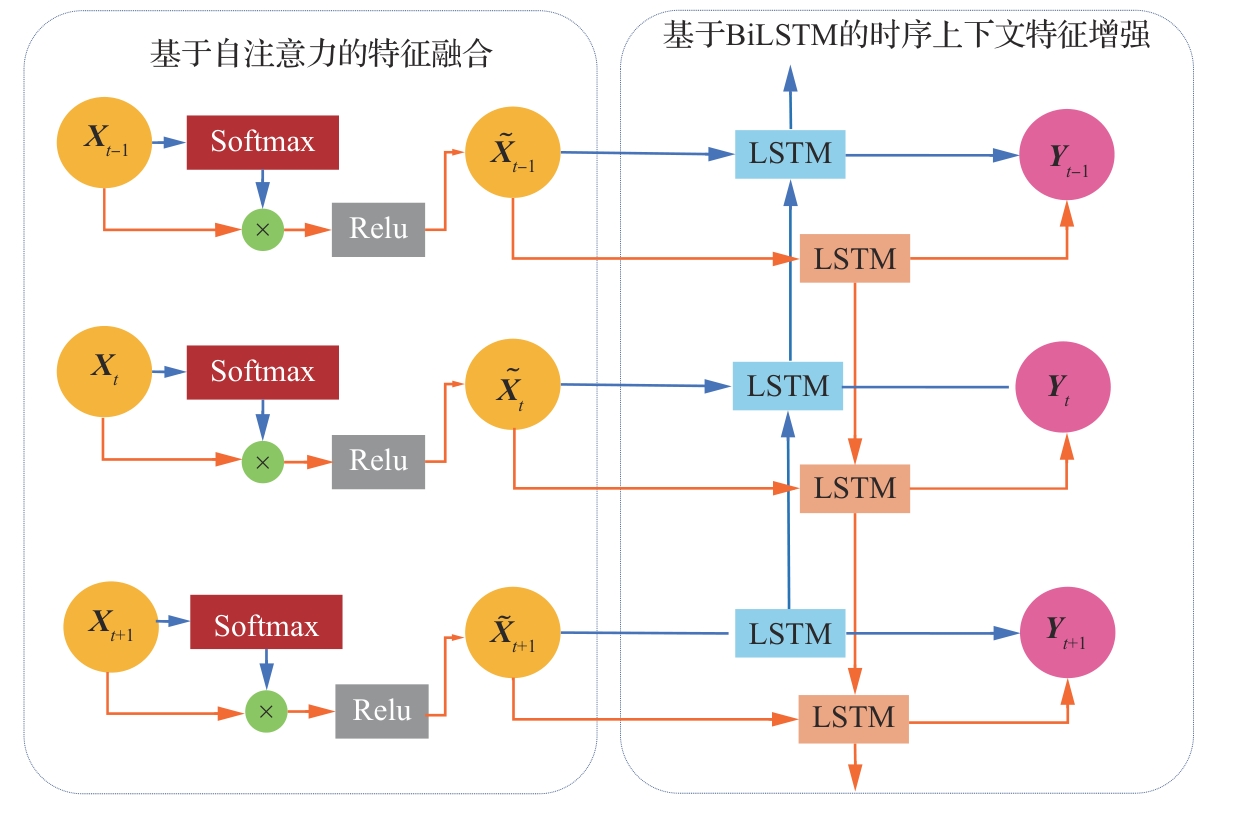
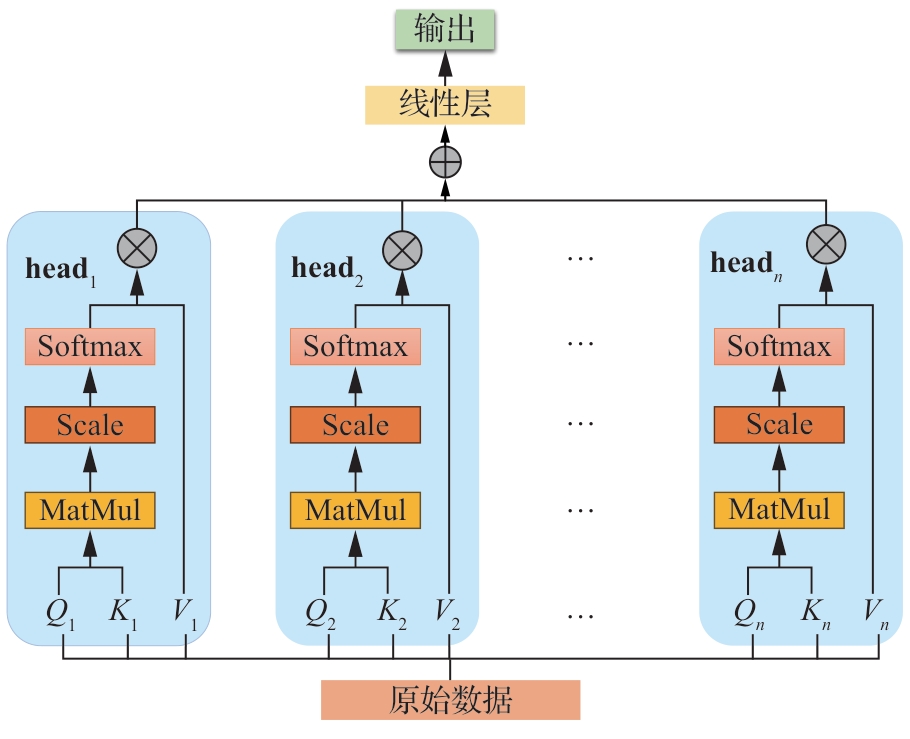
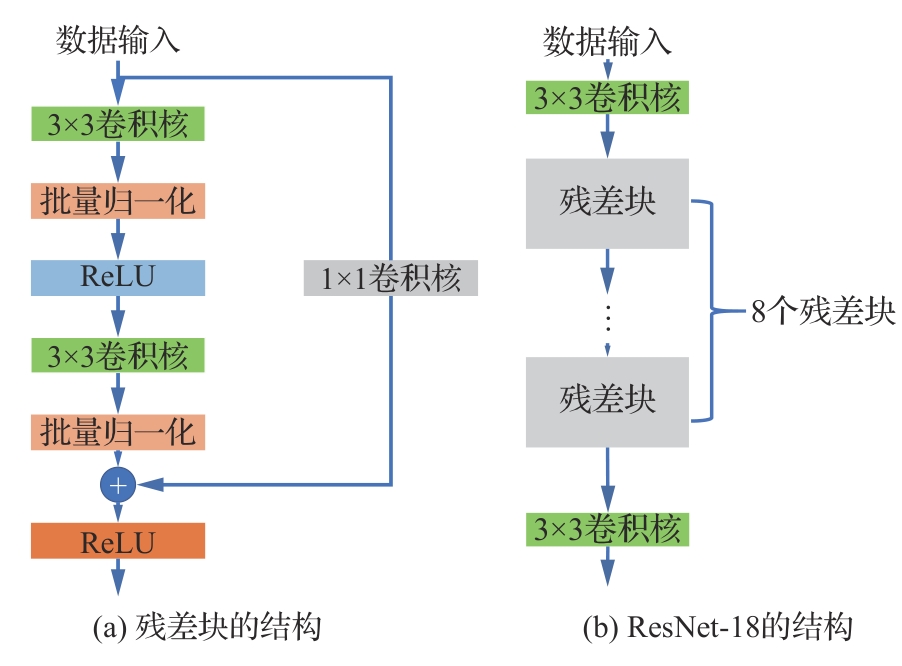
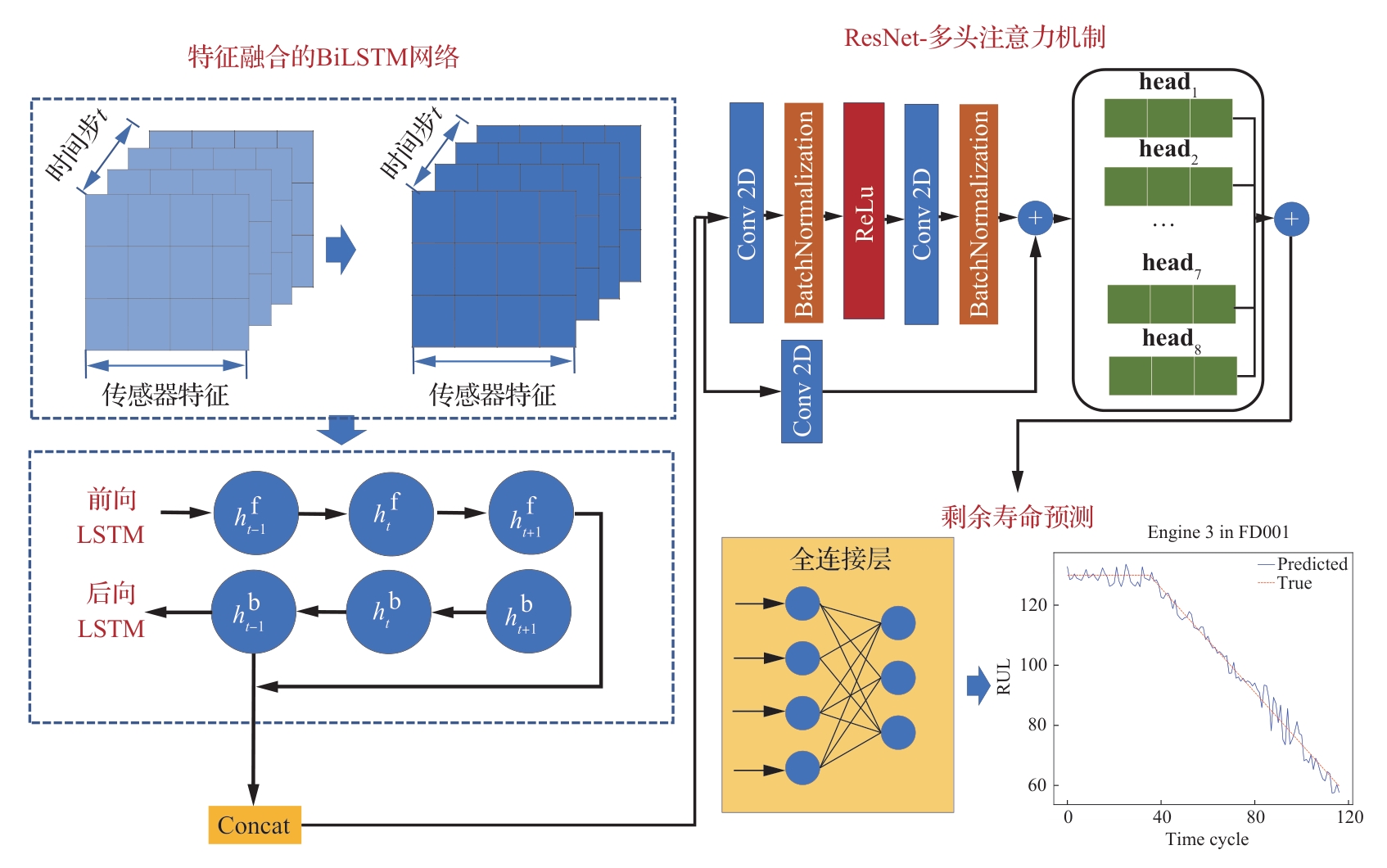
针对航空发动机剩余使用寿命(RUL)在线准确预测问题,提出一种基于多源传感器时序特征增强的航空发动机RUL预测方法。首先,集成自注意力机制与双向长短期记忆网络建立RUL预测网络框架,用于捕捉航空发动机多源传感器信号的长时序依赖关系及多源传感器时变性能之间的耦合关系,提取影响RUL的时序特征;在此基础上,引入残差模块解决预测网络在训练过程中潜在的梯度消失问题,提升模型训练的稳定性,同时结合多头自注意力机制从特征中提取和增强关键特征,实现RUL在线预测精度和稳定性的双重提升。最后,利用NASA的C-MAPSS航空发动机数据集进行对比实验,结果表明,所提出的方法可充分利用传感器时序信息,在大范围时空尺度上实现精确的航空发动机剩余寿命预测和退化趋势预测,RUL预测的均方根误差(RMSE)相较于其他深度学习模型平均下降了21.74%,决定系数(R2)平均提升了15.81%,可为航空发动机健康管理系统的发展应用以及航空发动机预测性维护提供有效的技术支撑。

关键词: 航空发动机, 剩余使用寿命, 特征注意力, 双向长短期记忆网络, 残差网络, 多头注意力机制

Abstract:

To address the challenge of accurately predicting the Remaining Useful Life (RUL) of aircraft engines online, this paper pro-poses a novel RUL prediction method that enhances multi-source sensor temporal feature information. The approach first establishes a prediction network framework by integrating the self-attention mechanism with Bidirectional Long Short-Term Memory (Bi-LSTM) networks. This framework captures the long-term temporal dependencies of multi-source sensor signals and the coupling relationships between their time-varying performance, enabling the extraction of temporal features that in-fluence RUL. To address the potential gradient vanishing issue during training, a residual module is introduced, improving model stability. Additionally, a multi-head self-attention mechanism is employed to extract and enhance key features, leading to dual improvements in both the accuracy and stability of RUL online prediction. Comparative experiments using NASA’s C-MAPSS aircraft engine dataset demonstrate the effectiveness of the proposed method. The results show that the method leverages sensor temporal information to make precise RUL predictions and degradation trend forecasts across a wide range of time and spatial scales. Specifically, the Root Mean Square Error (RMSE) of RUL prediction is reduced by an average of 21.74% compared to other deep learning models, while the coefficient of determination (R2) is improved by an average of 15.81%. This approach offers valuable technical support for the development of aircraft engine health management systems and predictive maintenance strategies.

Key words: aircraft engine, remaining useful life, feature attention, bidirectional long short-term memory network, residual network, multi-head attention mechanism

中图分类号: