Acta Aeronautica et Astronautica Sinica ›› 2026, Vol. 47 ›› Issue (15): 633321.doi: 10.7527/S1000-6893.2026.33321
• Special Topic: Aeroengine Intelligent Control and Health Management • Previous Articles
Keyi ZHAN1,2,3, Zengbu LIAO4( ), Wenlong LENG1,2, Yi PAN1,2, Zhiping SONG5,6, Weina HUANG1,2
Received:2026-01-05
Revised:2026-03-06
Accepted:2026-04-15
Online:2026-05-12
Published:2026-04-30
Contact:
Zengbu LIAO
E-mail:Zengbu.Liao@zju.edu.cn
Supported by:CLC Number:
Keyi ZHAN, Zengbu LIAO, Wenlong LENG, Yi PAN, Zhiping SONG, Weina HUANG. Aero-engine gas path fault diagnosis method based on nonlinear correlation mining[J]. Acta Aeronautica et Astronautica Sinica, 2026, 47(15): 633321.

Table 1
Measurable gas-path parameters of an engine
| 序号 | 参数名称 | 变量符号 |
|---|---|---|
| 1 | 风扇转速 | N1 |
| 2 | 压气机转速 | N2 |
| 3 | 环境静压 | P0 |
| 4 | 风扇进口总温 | Tt2 |
| 5 | 风扇进口总压 | Pt2 |
| 6 | 压气机进口总温 | Tt25 |
| 7 | 压气机进口总压 | Pt25 |
| 8 | 压气机出口静压 | Ps31 |
| 9 | 低压涡轮出口总温 | Tt6 |
| 10 | 低压涡轮出口总压 | Pt6 |
| 11 | 风扇导叶角度 | α1 |
| 12 | 压气机导叶角度 | α2 |
| 13 | 主燃油流量 | Wf |
| 14 | 加力燃油流量 | Wfa |
| 15 | 喷口面积 | A8 |
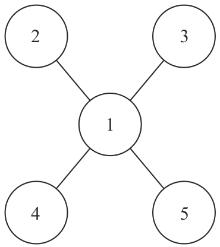
Fig.1
Example of a five-node graph structure
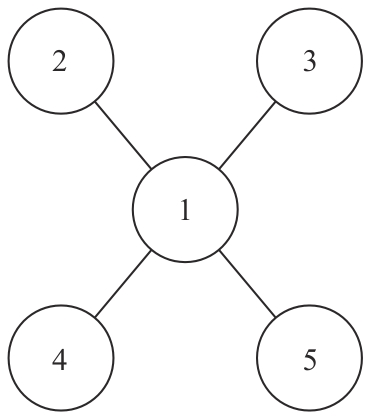
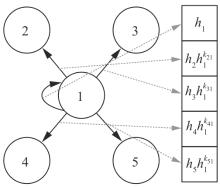
Fig.2
Schematic diagram of nonlinear association mining layer
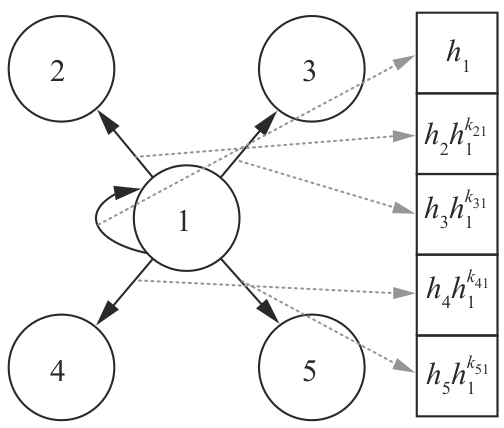
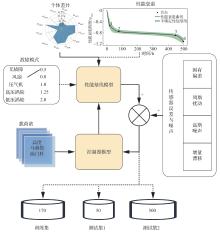
Fig.3
Schematic diagram of gas-path fault data simulation
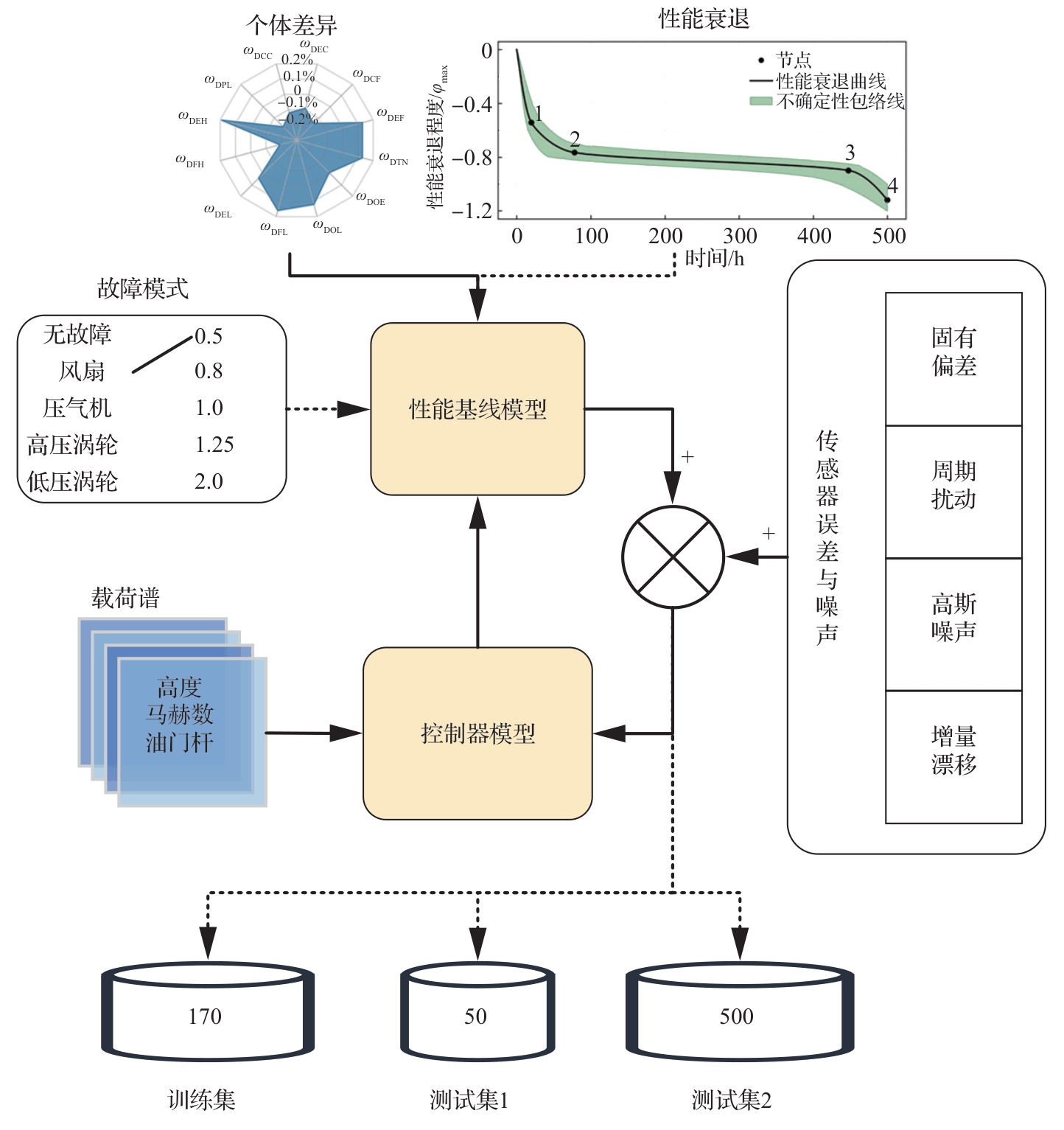
Table 2
Overview of simulation dataset configuration
| 仿真条件 | 训练集 | 测试集1 | 测试集2 |
|---|---|---|---|
| 故障注入 | 起动时注入,固定 | 动态注入 | |
| 架次数 | 170 | 50 | 500 |
| 载荷谱 | 1~10 | 1~10 | 11~20 |
| 个体差异 | 无 | 无 | |
| 性能衰退 | 无 | 无 | |
| 传感器噪声 | 3项 | 3项 | 4项 |
| 故障模式 | |||
Table 3
Quantified engine-to-engine performance variability for test set 2
| 序号 | 表征参数 | 数值/‰ |
|---|---|---|
| 1 | 风扇效率特性差异系数 | -0.007 |
| 2 | 风扇流量特性差异系数 | 1.840 |
| 3 | 压气机效率特性差异系数 | -1.349 |
| 4 | 压气机流量特性差异系数 | -1.524 |
| 5 | 燃烧室总压损失差异系数 | -1.105 |
| 6 | 高压涡轮效率特性差异系数 | -0.638 |
| 7 | 高压涡轮临界面积差异系数 | 0.845 |
| 8 | 低压涡轮效率特性差异系数 | 0.034 |
| 9 | 低压涡轮临界面积差异系数 | 1.022 |
| 10 | 涡轮出口面积差异系数 | -0.896 |
| 11 | 外涵道出口面积差异系数 | 0.723 |
| 12 | 尾喷管临界面积差异系数 | 0.623 |
Table 4
Fault modes in train set
| 序号 | 故障部件 | 效率拉偏/% | 流量拉偏/% | 拉偏比值 |
|---|---|---|---|---|
| 1 | 风扇 | -3.31 | -6.62 | 0.5 |
| 2 | -4.04 | -5.05 | 0.8 | |
| 3 | -3.93 | -3.14 | 1.25 | |
| 4 | -4.09 | -2.04 | 2.0 | |
| 5 | 压气机 | -2.23 | -4.45 | 0.5 |
| 6 | -3.45 | -4.32 | 0.8 | |
| 7 | -3.61 | -2.89 | 1.25 | |
| 8 | -3.55 | -1.77 | 2.0 | |
| 9 | 高压涡轮 | -1.40 | 2.80 | 0.5 |
| 10 | -1.70 | 2.12 | 0.8 | |
| 11 | 1.94 | -1.55 | 1.25 | |
| 12 | -2.13 | 1.06 | 2.0 | |
| 13 | 低压涡轮 | -0.77 | 1.53 | 0.5 |
| 14 | -1.17 | 1.46 | 0.8 | |
| 15 | -1.71 | 1.37 | 1.25 | |
| 16 | -2.49 | 1.24 | 2.0 |
Table 5
Fault modes in test set 1
| 序号 | 故障部件 | 效率拉偏/% | 流量拉偏/% | 拉偏比值 |
|---|---|---|---|---|
| 1 | 风扇 | -3.97 | -3.97 | 1.0 |
| 2 | 压气机 | -3.57 | -3.57 | 1.0 |
| 3 | 高压涡轮 | -1.82 | 1.82 | 1.0 |
| 4 | 低压涡轮 | -1.42 | 1.42 | 1.0 |
Table 6
Fault injection scheme for test set 2
| 故障轮次 | 故障部件 | 拉偏比值 | 起止架次 |
|---|---|---|---|
| 1 | 风扇 | 0.5 | 61~65 |
| 2 | 压气机 | 0.5 | 71~75 |
| 3 | 高压涡轮 | 0.5 | 81~85 |
| 4 | 低压涡轮 | 0.5 | 91~95 |
| 5 | 风扇 | 0.8 | 121~125 |
| 6 | 压气机 | 0.8 | 146~150 |
| 7 | 高压涡轮 | 0.8 | 166~170 |
| 8 | 低压涡轮 | 0.8 | 186~190 |
| 9 | 风扇 | 1.0 | 221~225 |
| 10 | 压气机 | 1.0 | 241~245 |
| 11 | 高压涡轮 | 1.0 | 261~265 |
| 12 | 低压涡轮 | 1.0 | 281~285 |
| 13 | 风扇 | 1.25 | 326~330 |
| 14 | 压气机 | 1.25 | 346~350 |
| 15 | 高压涡轮 | 1.25 | 366~370 |
| 16 | 低压涡轮 | 1.25 | 386~390 |
| 17 | 风扇 | 2.0 | 421~425 |
| 18 | 压气机 | 2.0 | 441~445 |
| 19 | 高压涡轮 | 2.0 | 461~465 |
| 20 | 低压涡轮 | 2.0 | 481~485 |
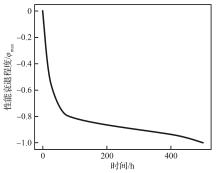
Fig.4
Full-lifecycle performance deterioration curve for test set 2
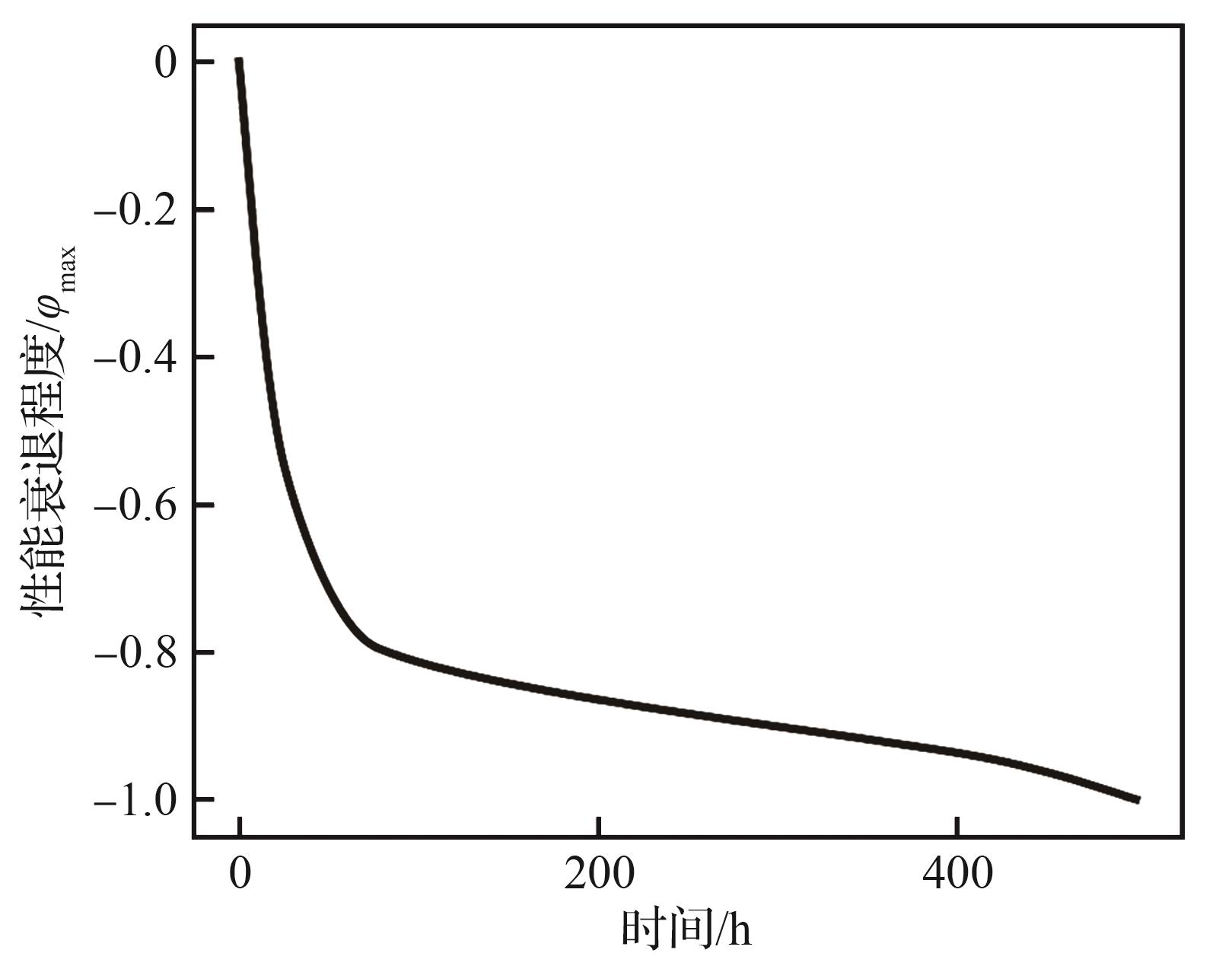
Table 7
Maximum performance deterioration for test set 2
| 气路部件 | 衰退量/% | |
|---|---|---|
| 效率特性 | 流量特性 | |
| 风扇 | -0.852 | -1.159 |
| 压气机 | -0.829 | -1.181 |
| 高压涡轮 | -1.494 | +1.000 |
| 低压涡轮 | -0.307 | +0.148 |
Table 8
CNN backbone network architecture
| 序号 | 网络层 | 激活值尺寸 |
|---|---|---|
| 1 | 输入 | 10×10 |
| 2 | 卷积层+线性整流 | 10×10×10 |
| 3 | 卷积层+线性整流 | 10×10×10 |
| 4 | 滤波器响应归一化层 | 10×10×10 |
| 5 | 池化层 | 10×5×5 |
| 6 | 全连接层 | 50×1 |
| 7 | 随机失活层 | 50×1 |
| 8 | 全连接层 | 5×1 |
Table 9
Input parameters
| 序号 | 参数名称 | 变量符号 |
|---|---|---|
| 1 | 换算主燃油流量 | Wfcor |
| 2 | 加力燃油流量 | Wfa |
| 3 | 喷口面积 | A8 |
| 4 | 风扇换算转速 | N1cor |
| 5 | 压气机换算转速 | N2cor |
| 6 | 压气机进口换算总温 | Tt25cor |
| 7 | 压气机进口换算总压 | Pt25cor |
| 8 | 压气机出口换算静压 | Ps31cor |
| 9 | 低压涡轮出口换算总温 | Tt6cor |
| 10 | 低压涡轮出口换算总压 | Pt6cor |
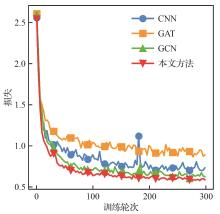
Fig.5
Loss curves during training
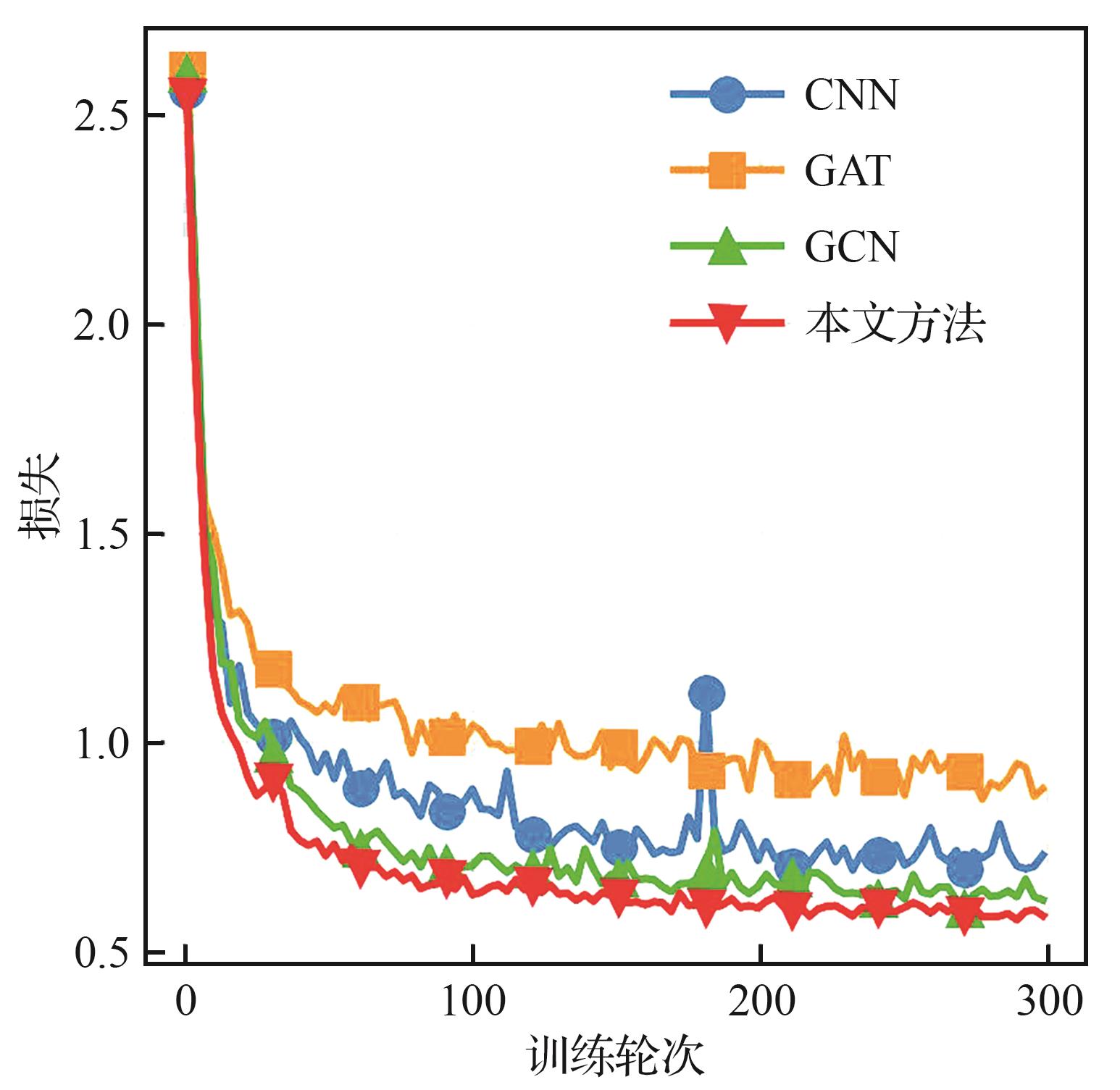
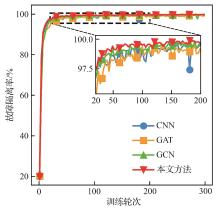
Fig.6
Fault isolation rate curves during training
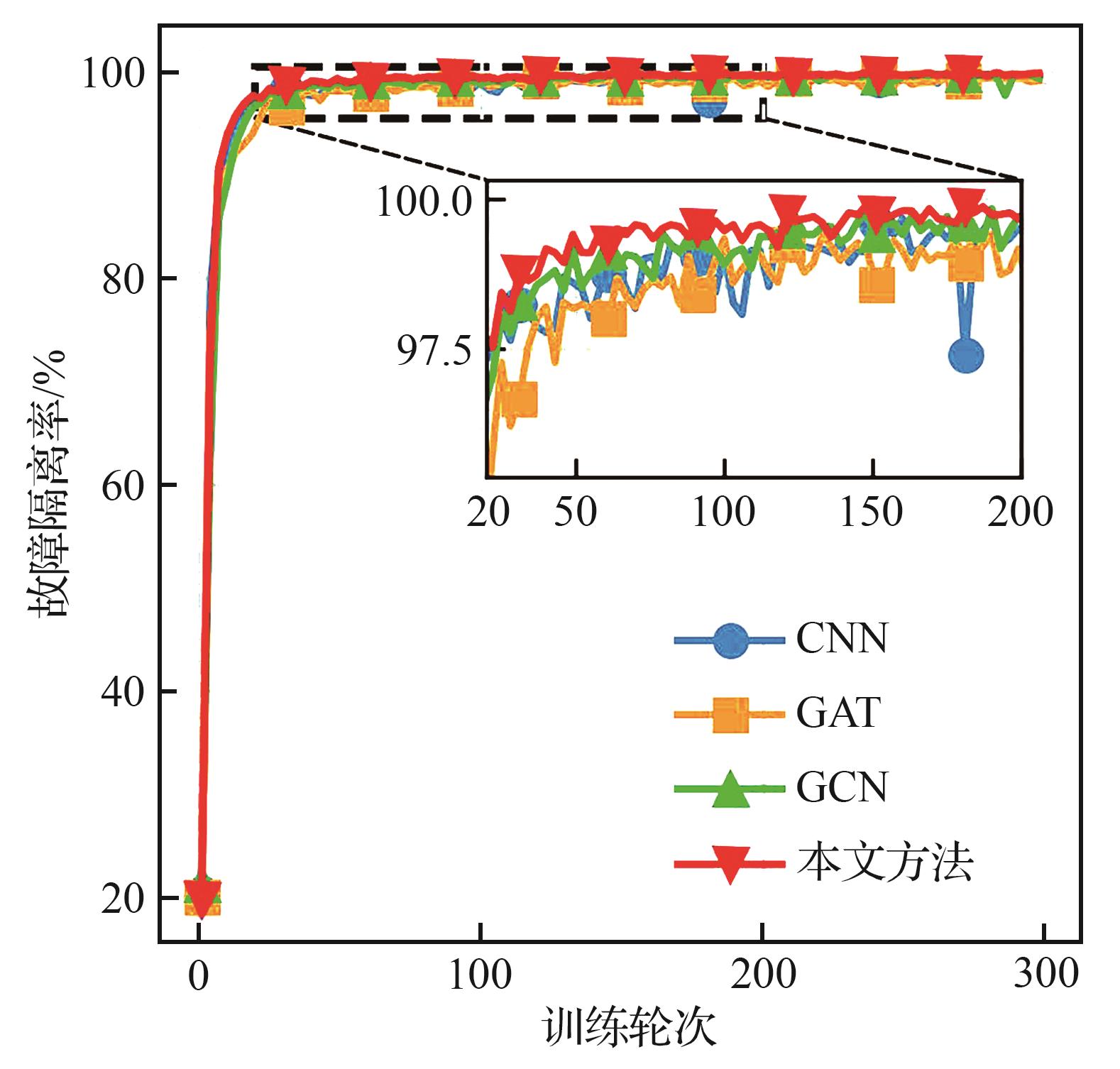
Fig.7
Learned correlation coefficient matrix K
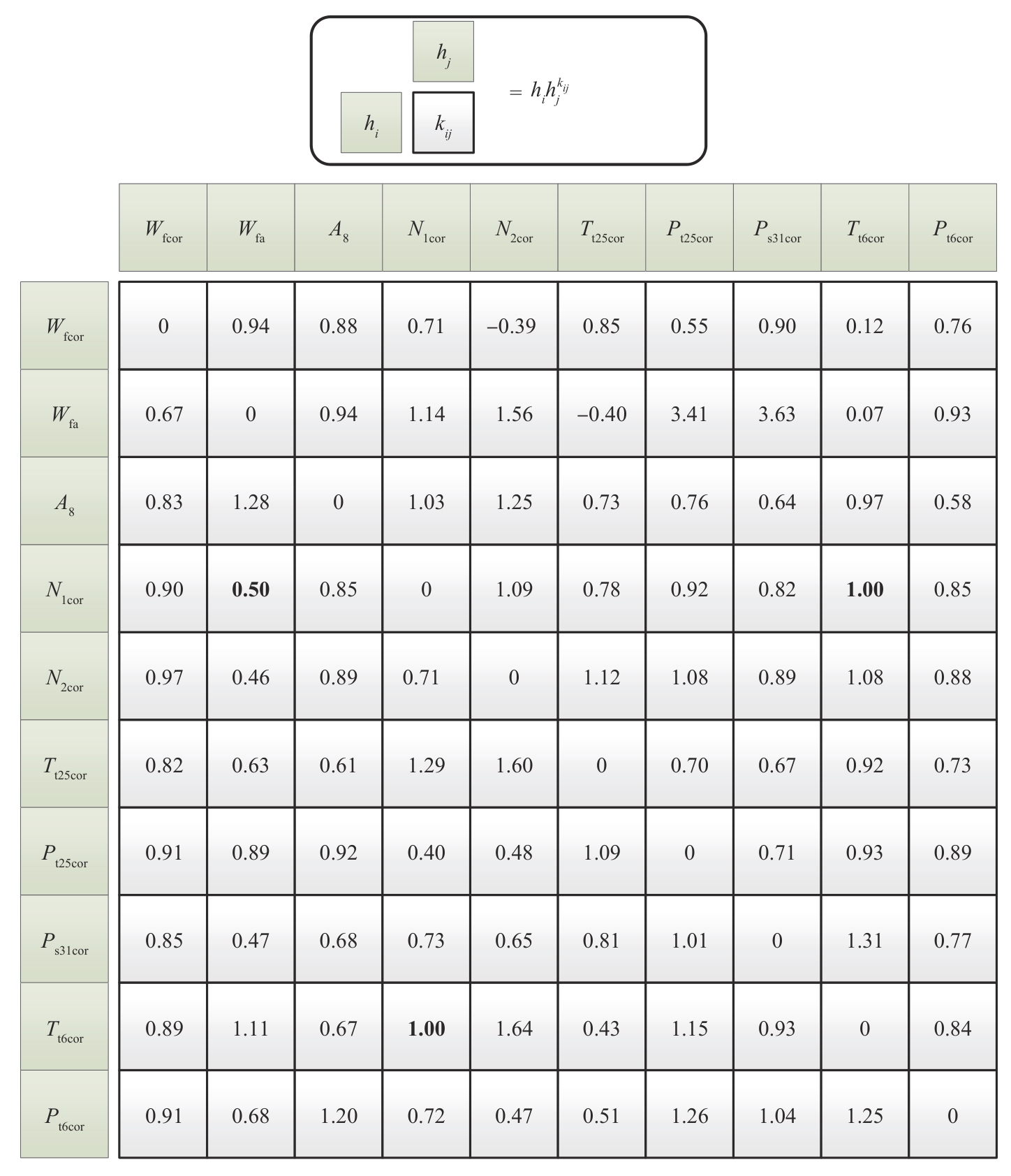
Table 10
Diagnostic performance of different algorithms on test set 1
| 算法 | CNN | GAT | GCN | 本文方法 |
|---|---|---|---|---|
| 检测率/% | 99.43 | 98.86 | 99.37 | 99.62 |
| 隔离率/% | 99.49 | 99.28 | 99.45 | 99.81 |
| 虚警率/% | 0.19 | 0.23 | 0.10 | 0.06 |
Fig.8
Online correction framework for diagnostic algorithm[34]
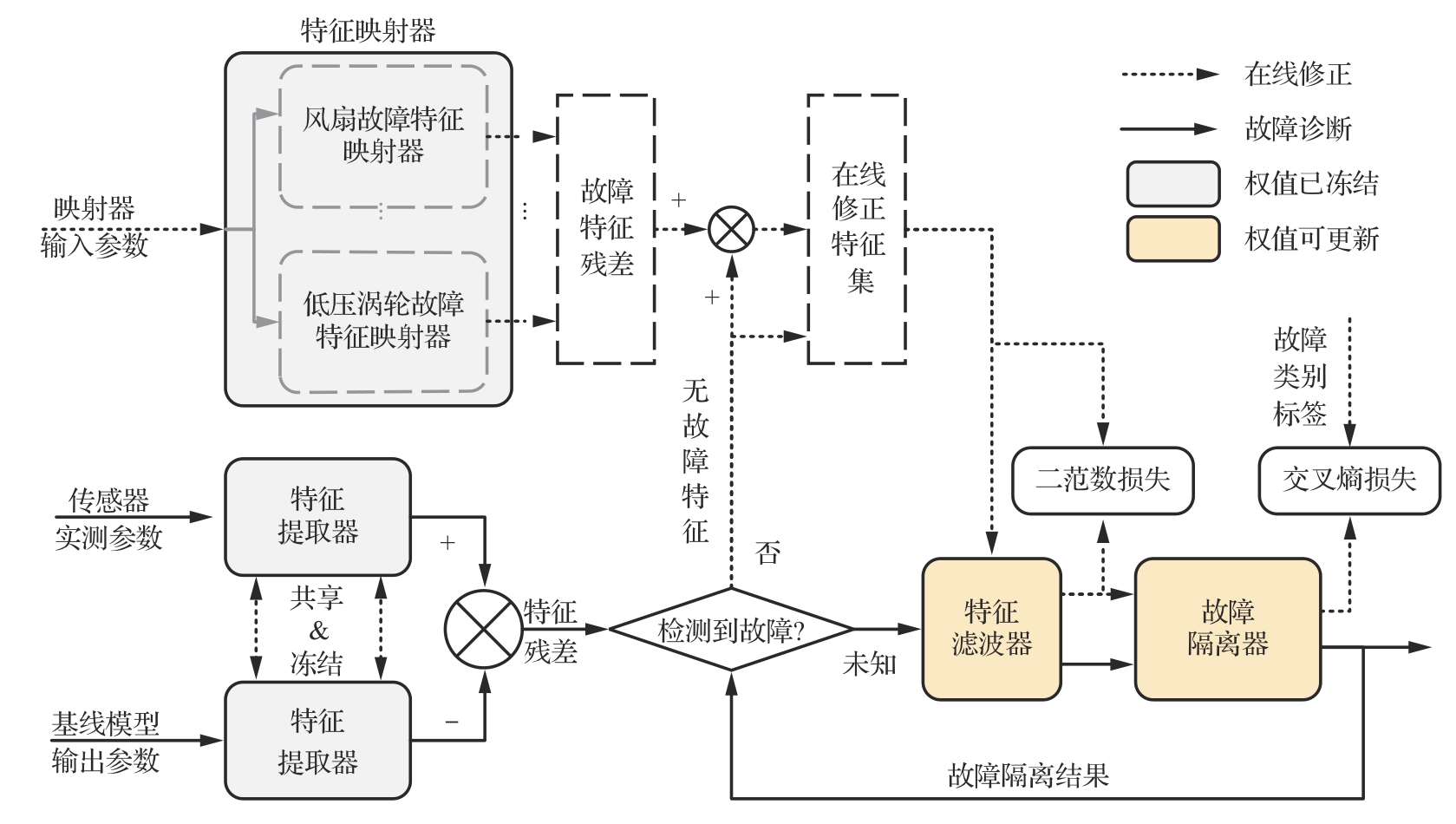
Table 11
Network architecture of feature mapper[34]
| 序号 | 网络层 | 激活尺寸 |
|---|---|---|
| 1 | 输入 | 1×8×10 |
| 2 | 卷积层+线性整流 | 10×8×10 |
| 3 | 卷积层+线性整流 | 10×8×10 |
| 4 | 池化层 | 10×4×5 |
| 5 | 全连接层+线性整流 | 200×1 |
| 6 | 全连接层+维度重构 | 2×10×5×5 |
Table 12
Input parameters of feature mapper
| 序号 | 参数名称 | 变量符号 |
|---|---|---|
| 1 | 环境静压 | P0 |
| 2 | 风扇进口总温 | Tt2 |
| 3 | 风扇进口总压 | Pt2 |
| 4 | 风扇导叶角度 | α1 |
| 5 | 压气机导叶角度 | α2 |
| 6 | 换算主燃油流量 | Wfcor |
| 7 | 加力燃油流量 | Wfa |
| 8 | 喷口面积 | A8 |
Table 13
Diagnostic performance of different algorithms on test set 2
| 算法 | CNN | GCNA | GAT | 本文方法 |
|---|---|---|---|---|
| 检测率/% | 84.71 | 77.87 | 86.06 | 88.99 |
| 隔离率/% | 98.75 | 92.82 | 96.89 | 98.61 |
| 虚警次数 | 1 | 0 | 0 | 0 |
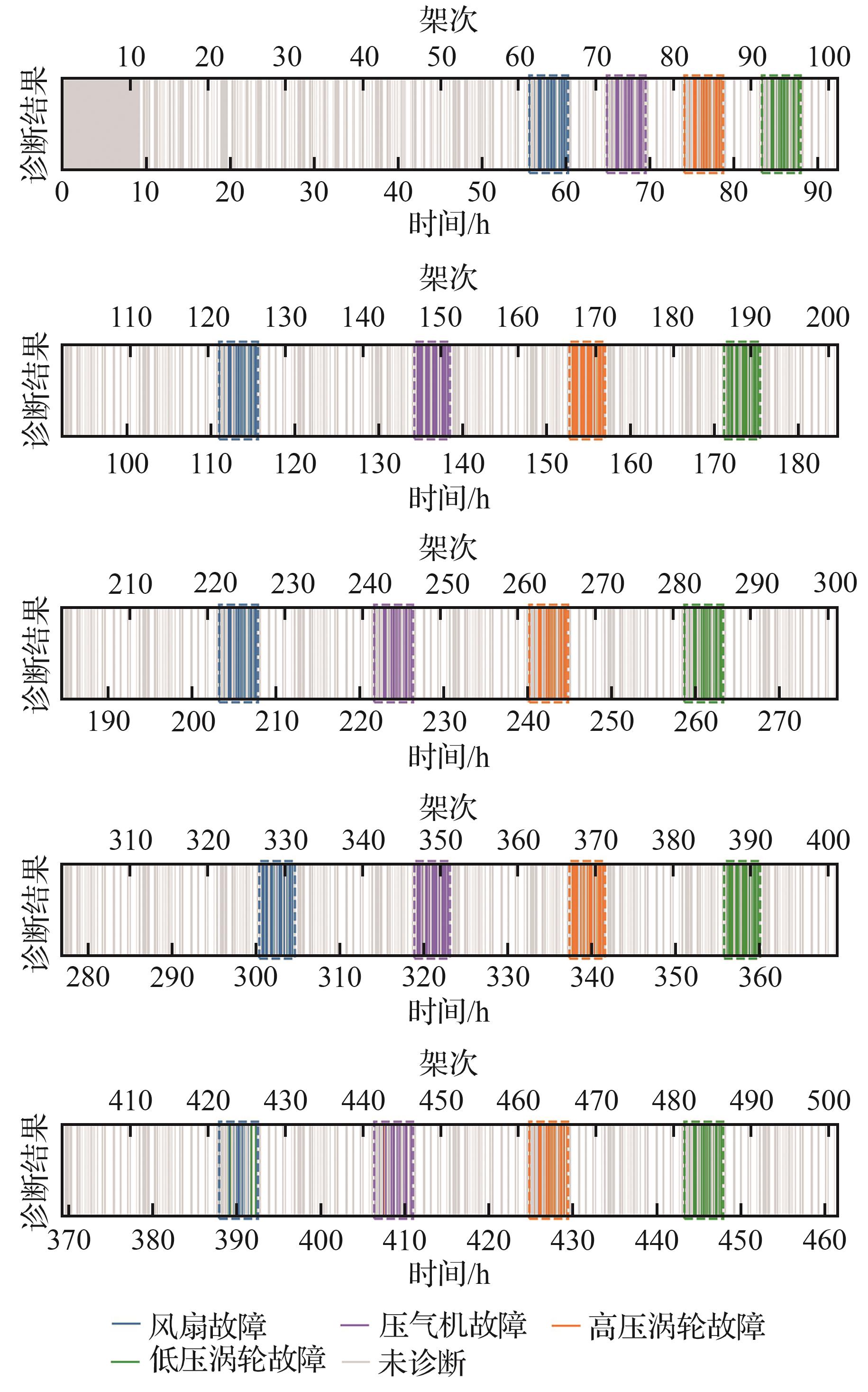
Fig.9
Full-lifecycle time-series diagnostic results of proposed method
| [1] | 黄维娜, 黎方娟, 祁宏斌. 航空发动机数字工程初步研究与发展思考[J]. 航空学报, 2024, 45(5): 529693. |
| HUANG W N, LI F J, QI H B. Preliminary investigation and thoughts on aero-engine digital engineering development[J]. Acta Aeronautica et Astronautica Sinica, 2024, 45(5): 529693 (in Chinese). | |
| [2] | MEHER-HOMJI C B, CHAKER M, BROMLEY A F. The fouling of axial flow compressors: Causes, effects, susceptibility, and sensitivity[C]∥ASME Turbo Expo 2009: Power for Land, Sea, and Air. New York: ASME, 2009: 571-590. |
| [3] | GANNAN A. Cascade testing and CFD applied to gas turbine performance improvement with compressor cleaning[D]. Bedford: Cranfield University, 2010: 57. |
| [4] | METWALLY M, TABAKOFF W, HAMED A. Blade erosion in automotive gas turbine engine[J]. Journal of Engineering for Gas Turbines and Power, 1995, 117(1): 213-219. |
| [5] | EJAZ N, QURESHI IN, RIZVI SA. Creep failure of low pressure turbine blade of an aircraft engine[J]. Engineering Failure Analysis, 2011,18(6):1407-1414. |
| [6] | IATA. Maintenance costs for aging aircraft[M]. Montreal: International Air Transport Association, 2018. |
| [7] | LAPESA BARRERA D. AMP content and maintenance planning document (MPD)[M]∥Aircraft Maintenance Programs. Cham: Springer International Publishing, 2022:33-46. |
| [8] | 廖增步, 张瑞, 耿佳, 等. 小涵道比涡扇发动机机载气路故障诊断研究综述: 边界条件与研究难点[J]. 推进技术, 2024, 45(12): 24-40. |
| LIAO Z B, ZHANG R, GENG J, et al. A review on onboard gas-path fault diagnosis for low bypass ratio turbofan engines: Boundaries and challenges[J]. Journal of Propulsion Technology, 2024, 45(12): 24-40 (in Chinese). | |
| [9] | URBAN L A. Gas path analysis applied to turbine engine condition monitoring[J]. Journal of Aircraft, 1973, 10(7): 400-406. |
| [10] | LUPPOLD R, ROMAN J, GALLOPS G, et al. Estimating in-flight engine performance variations using Kalman filter concepts[C]∥ 25th Joint Propulsion Conference. Reston: AIAA, 1989. |
| [11] | 李国庆. 人工智能方法在航空发动机故障诊断中的应用研究[D]. 沈阳: 沈阳航空航天大学, 2019: 2. |
| LI G Q. Application research of artificial intelligence methods in aero-engine fault diagnosis[D]. Shenyang: Shenyang Aerospace University, 2019: 2 (in Chinese). | |
| [12] | 吴超, 陈磊, 刘渊, 等. 基于特征优化和支持向量机的航空发动机气路故障诊断[J]. 航空发动机, 2024, 50(4): 30-37. |
| WU C, CHEN L, LIU Y, et al. Aeroengine gas-path fault diagnosis based on feature optimization and support vector machine[J]. Aeroengine, 2024, 50(4): 30-37 (in Chinese). | |
| [13] | ZHONG S S, FU S, LIN L. A novel gas turbine fault diagnosis method based on transfer learning with CNN[J]. Measurement, 2019, 137: 435-453. |
| [14] | XU C Y, GUI X C, ZHAO Y. Digital twin-assisted multiview reconstruction enhanced domain adaptation graph networks for aero-engine gas path fault diagnosis. IEEE Sensors Journal, 2024, 24(13):21694-21705. |
| [15] | 曹力昂, 于博升, 张会生. 基于层次自适应特征提取的航空发动机气路故障诊断[J/OL]. 上海交通大学学报, (2025-04-29)[2025-12-20]. . |
| CAO L A, YU B S, ZHANG H S. Hierarchical adaptive feature extraction-based gas path fault diagnosis for aero-engine[J/OL]. Journal of Shanghai Jiao Tong University, (2025-04-29)[2025-12-20]. (in Chinese). | |
| [16] | 张世杰, 胡家文, 苗国磊. 基于工况识别与自训练时空图卷积的航空发动机气路故障诊断[J]. 推进技术, 2024, 45(11): 251-260. |
| ZHANG S J, HU J W, MIAO G L. Fault diagnosis of aero-engine gas path based on condition recognition and self-training ST-GCN model[J]. Journal of Propulsion Technology, 2024, 45(11): 251-260 (in Chinese). | |
| [17] | BAO P, YI W, ZHU Y, et al. STHFD: Spatial-temporal hypergraph-based model for aero-engine bearing fault diagnosis[J]. Aerospace, 2025, 12(7): 612. |
| [18] | SHAH B, SARVAJITH M, SANKAR B, et al. Multi-auto associative neural network based sensor validation and estimation for aero-engine[C]∥2013 IEEE AUTOTESTCON. Piscataway: IEEE, 2013: 1-7. |
| [19] | LI T, ZHAO Z, SUN C, et al. Hierarchical attention graph convolutional network to fuse multi-sensor signals for remaining useful life prediction[J]. Reliability Engineering & System Safety, 2021, 215: 107878. |
| [20] | XU C Y, GUI X C, HUO M X. Domain adversarial enhanced multi-channel graph networks for aeroengine gas path fault diagnosis[C]∥IECON 2023-49th Annual Conference of the IEEE Industrial Electronics Society. Piscataway: IEEE, 2023: 1-6. |
| [21] | GOYAL V. Anomaly detection and failure prediction in gas turbines[D]. Orlando: University of Central Florida, 2021: 14. |
| [22] | HUANG Y F, TAO J, ZHAO J Y, et al. Graph structure embedded with physical constraints-based information fusion network for interpretable fault diagnosis of aero-engine[J]. Energy, 2023, 283:129120. |
| [23] | ZHANG S M, SONG P Y, ZHAO C H. Multi-conditional adjacency learning and grouping method for monitoring gas turbine generation process with nonstationarity[C]∥2023 China Automation Congress (CAC). Piscataway: IEEE, 2024. |
| [24] | CHENG K R, ZHANG K Y, WANG Y Z, et al. Research on gas turbine health assessment method based on physical prior knowledge and spatial-temporal graph neural network[J]. Applied Energy, 2024, 367: 123419. |
| [25] | CHEN Y, LIANG C, LIU D, et al. Embedding-graph neural-network for transient NO x emissions prediction[J]. Energies, 2023, 16(1): 3. |
| [26] | WANG Z, FU X, ZHANG R, et al. Knowledge and data jointly driven aeroengine gas path performance assessment method[J]. Chinese Journal of Aeronautics, 2024, 37(5): 533-557. |
| [27] | LU F, LI Z, HUANG J, et al. Hybrid state estimation for aircraft engine anomaly detection and fault accommodation[J]. AIAA Journal, 2020, 58 (4): 1748-1762. |
| [28] | YANG K, TU Q, ZENG Y, et al. Parameter selection for aeroengine transient state gas path analysis[J]. Journal of the Global Power and Propulsion Society, 2022, 6: 61-73. |
| [29] | VELIČKOVIĆ P, CUCURULL G, CASANOVA A, et al. Graph attention networks[C]∥6th International Conference on Learning Representations. 2018. |
| [30] | 匡育衡, 王正宁, 王正, 等. 基于双注意力时空图卷 积神经网络的4D轨迹预测方法[J]. 电子科技大学学报, 2025, 54(5): 641-651. |
| KUANG Y H, WANG Z N, WANG Z, et al. 4D trajectory prediction based on dual-attention spatiotemporal graph convolutional neural network[J]. Journal of University of Electronic Science and Technology of China, 2025, 54(5): 641-651 (in Chinese). | |
| [31] | JIANG K, ZENG H, WU Z, et al. Study on the effect of parameter sensitivity on engine optimization results[J]. Energies, 2023, 16(23): 7899. |
| [32] | LIAO Z B, WANG J, LIU J X, et al. Uncertainties in gas path diagnosis of gas turbines: Representation and impact analysis[J]. Aerospace Science and Technology, 2021, 113: 106724. |
| [33] | SALLEE G P. Performance deterioration based on existing (historical) data; JT9D jet engine diagnostics program: NASA-CR-135448[R]. Washington, D.C.: NASA, 1978. |
| [34] | LIAO Z B, ZHAN K Y, ZHAO H, et al. Addressing class imbalanced learning in real-time aero-engine gas-path fault diagnosis via feature filtering and mapping[J].Reliability Engineering & System Safety, 2024, 249: 110189. |
| [1] | Hang GENG, Yixuan WU, Xuan GOU, Xinjian LI, Kai CHEN. Intelligent camouflaged target detection based on information of aerospace unmanned platforms [J]. Acta Aeronautica et Astronautica Sinica, 2026, 47(S1): 732819-732819. |
| [2] | Wei XIONG, Dong ZHANG, Shuheng YANG, Zhi REN, Wenyi LIU. Manned/unmanned aerial vehicle collaborative interpretable method for intelligent air combat [J]. Acta Aeronautica et Astronautica Sinica, 2026, 47(7): 332547-332547. |
| [3] | Donghuan WANG, Hai JIN, Dongkai WAN, Jun WANG, Hong XIAO. Real-time monitoring and evaluation method for aero-engine performance degradation based on performance digital twin [J]. Acta Aeronautica et Astronautica Sinica, 2026, 47(5): 132459-132459. |
| [4] | Rongling LANG, Cailun WEI, Ya FAN, Fei GAO. Sparse point matching-based collaborative category-agnostic object tracking method [J]. Acta Aeronautica et Astronautica Sinica, 2026, 47(3): 632425-632425. |
| [5] | Xiangxin ZHANG, Fuhui LYU, Yi ZOU, Xianghua HUANG. Aero-engine component degradation assessment based on engine physics-guided optimization algorithm [J]. Acta Aeronautica et Astronautica Sinica, 2026, 47(15): 633304-633304. |
| [6] | Geng ZHANG, Lijun XIAO, Ming ZHONG, Piqiang SU, Xiaohuang LAI. Rotating stall identification algorithm based on power spectrum cross-correlation [J]. Acta Aeronautica et Astronautica Sinica, 2026, 47(15): 633320-633320. |
| [7] | Wei TIAN, Yanfei LIU, Shaoping ZHANG, Wangyang ZHANG, Dongzhe ZHANG, Huiming GUO, Zuojun LI. Research progress and application of lattice materials in aero-engines [J]. Acta Aeronautica et Astronautica Sinica, 2026, 47(11): 432073-432073. |
| [8] | Lifen ZHANG, Qixi CHEN, Kai WANG, Yaguo LYU, Zhenxia LIU. Influence of directed flow nozzle swirl enhancer on heat transfer at engine lip [J]. Acta Aeronautica et Astronautica Sinica, 2026, 47(11): 633024-633024. |
| [9] | Xueqi CHEN, Zuoxiang ZHANG, Dong WANG, Yanhong MA, Jie HONG. Loading of intermediate bearing-support structure and its impact on structural integrity [J]. Acta Aeronautica et Astronautica Sinica, 2026, 47(1): 232061-232061. |
| [10] | Guanwei YAO, Gaowen LIU, Yan CHEN, Xiaozhi KONG, Aqiang LIN. Forward design of high-performance turbine low-radius pre-swirl system [J]. Acta Aeronautica et Astronautica Sinica, 2025, 46(7): 130832-130832. |
| [11] | Yaling HE, Tao JIANG, Shen DU, Guoqiang XU. Research progress on performance boundary of air heat exchanger within flight envelope [J]. Acta Aeronautica et Astronautica Sinica, 2025, 46(5): 531745-531745. |
| [12] | Xuanjun TAO, Pingchao YU, Yize JIN, Zhenyang XIANG, Dayi ZHANG. Simulation method and dynamic characteristics analysis of complex blade rubbing in aero-engines [J]. Acta Aeronautica et Astronautica Sinica, 2025, 46(24): 232058-232058. |
| [13] | Bin TANG, Xiaogang YANG, Ruitao LU, Zhenyu ZHANG, Shuang SU. Aircraft infrared/satellite heterogenous fast matching localization method based on image translation [J]. Acta Aeronautica et Astronautica Sinica, 2025, 46(23): 631961-631961. |
| [14] | Qi LIU, Zhixiang PEI, Le HUI, Mingyi HE, Yuchao DAI. Dual-branch feature aggregation for UAV visual place recognition [J]. Acta Aeronautica et Astronautica Sinica, 2025, 46(23): 632457-632457. |
| [15] | Chenhao ZHAO, Dewei WU, Jing HE, Qian WU. A semantic feature matching algorithm for UAV visual pose estimation [J]. Acta Aeronautica et Astronautica Sinica, 2025, 46(2): 330406-330406. |
| Viewed | ||||||
|
Full text |
|
|||||
|
Abstract |
|
|||||
Address: No.238, Baiyan Buiding, Beisihuan Zhonglu Road, Haidian District, Beijing, China
Postal code : 100083
E-mail:hkxb@buaa.edu.cn
Total visits: 6658907 Today visits: 1341All copyright © editorial office of Chinese Journal of Aeronautics
All copyright © editorial office of Chinese Journal of Aeronautics
Total visits: 6658907 Today visits: 1341

 CJA
CJA
