Acta Aeronautica et Astronautica Sinica ›› 2026, Vol. 47 ›› Issue (7): 632755.doi: 10.7527/S1000-6893.2025.32755
• Special Topic: Aircraft-Engine Integration Technology • Previous Articles
Shuangchao MA1,2,3, Xinyao WANG4, Chuanpeng LI4, Hengying REN2( ), Liangwei PANG2
Received:2025-09-05
Revised:2025-10-16
Accepted:2025-12-04
Online:2025-12-25
Published:2025-12-23
Contact:
Hengying REN
CLC Number:
Shuangchao MA, Xinyao WANG, Chuanpeng LI, Hengying REN, Liangwei PANG. Cross-dimensional coupling simulation and modeling for APU intake/exhaust system and its own performance[J]. Acta Aeronautica et Astronautica Sinica, 2026, 47(7): 632755.
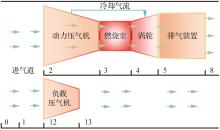
Fig.1
Structure and serial numbers of AZSM
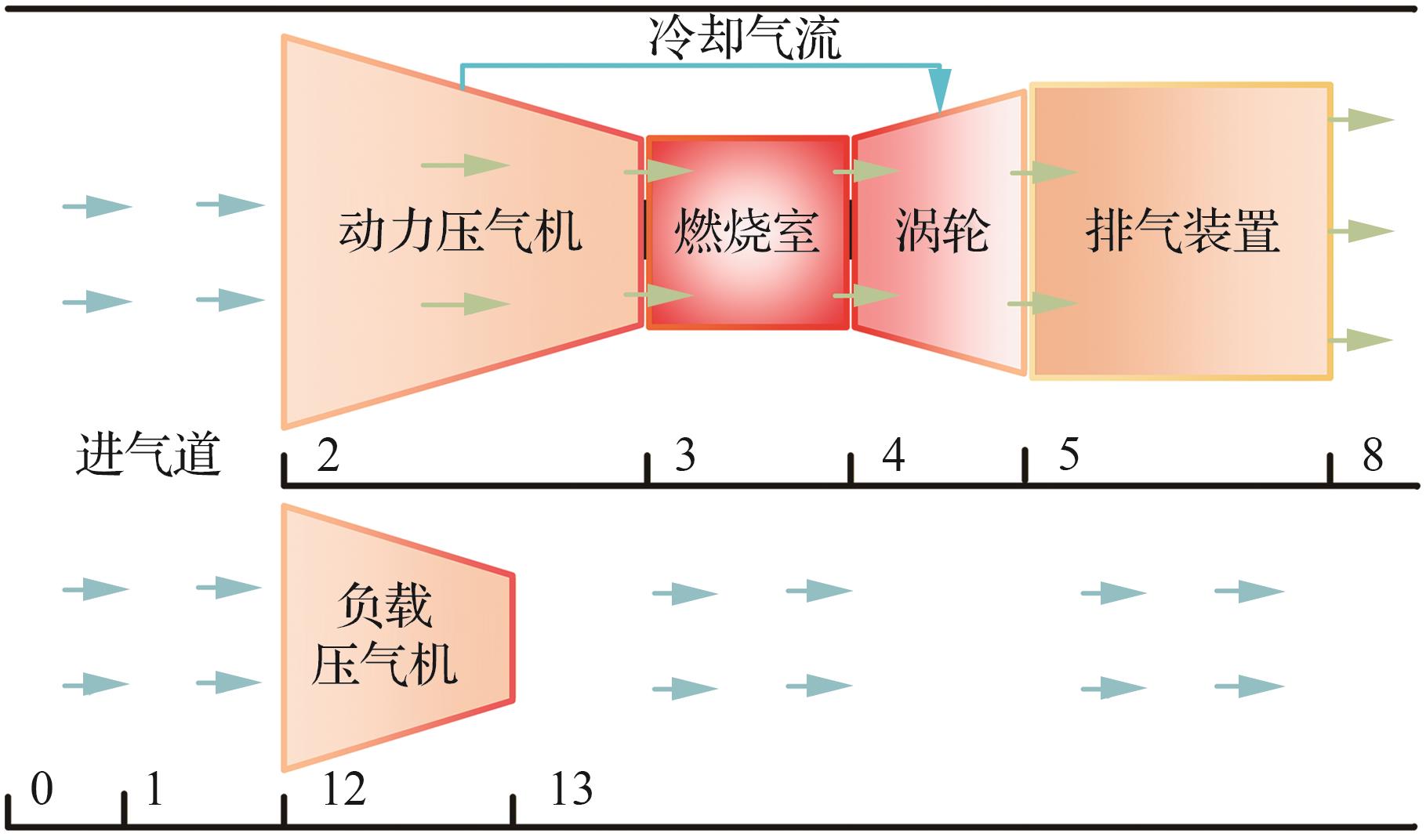

Table 1
Design parameters of AZSM[5]
| 部件 | 参数 | 数值 |
|---|---|---|
| 进气道 | 流量/(kg·s-1) | 3.17 |
| 动力压气机 | 压比 效率 | 6.8 0.75 |
| 负载压气机 | 导叶角度/(°) 压比 效率 | 75 3.5 0.75 |
| 燃烧室 | 出口总温/K | 1 380 |
| 涡轮 | 效率 | 0.85 |
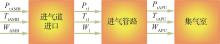
Fig.2
Inlet of AZSM

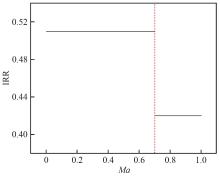
Fig.3
Curve of IRR
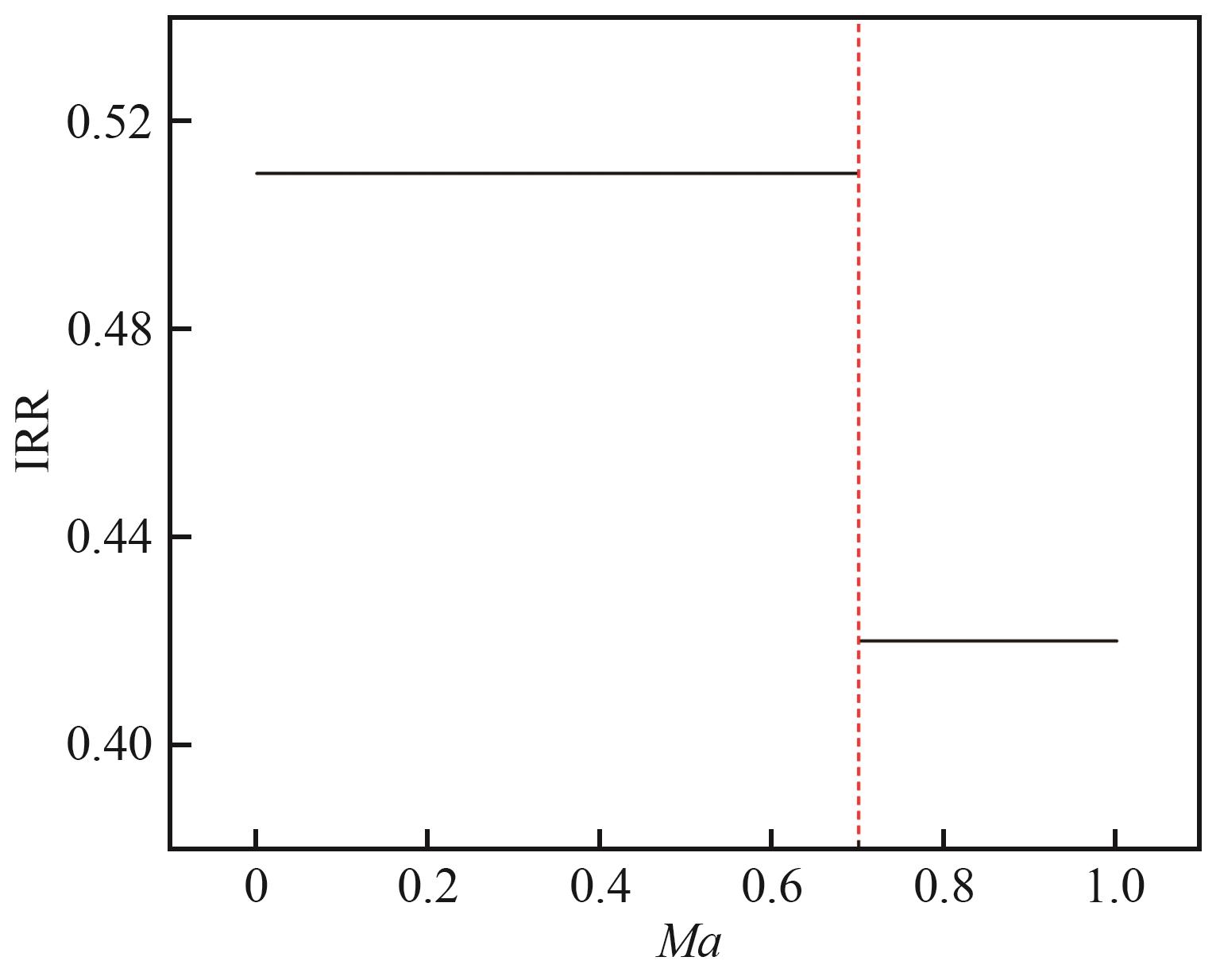
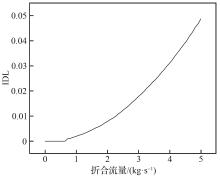
Fig.4
Curve of IDL
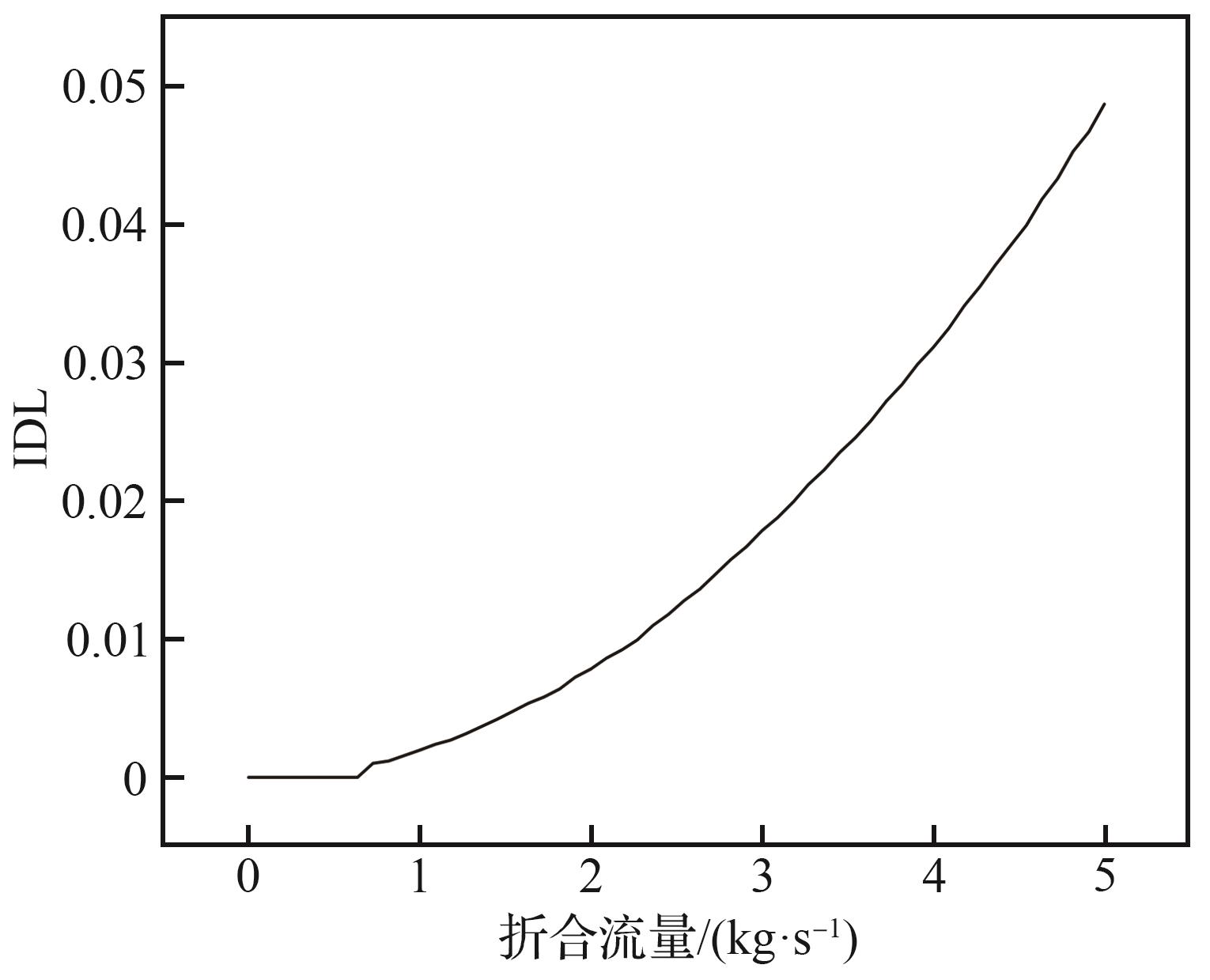
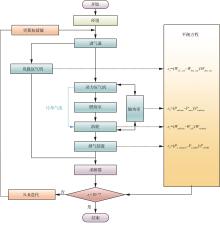
Fig.5
Working principle of AZSM
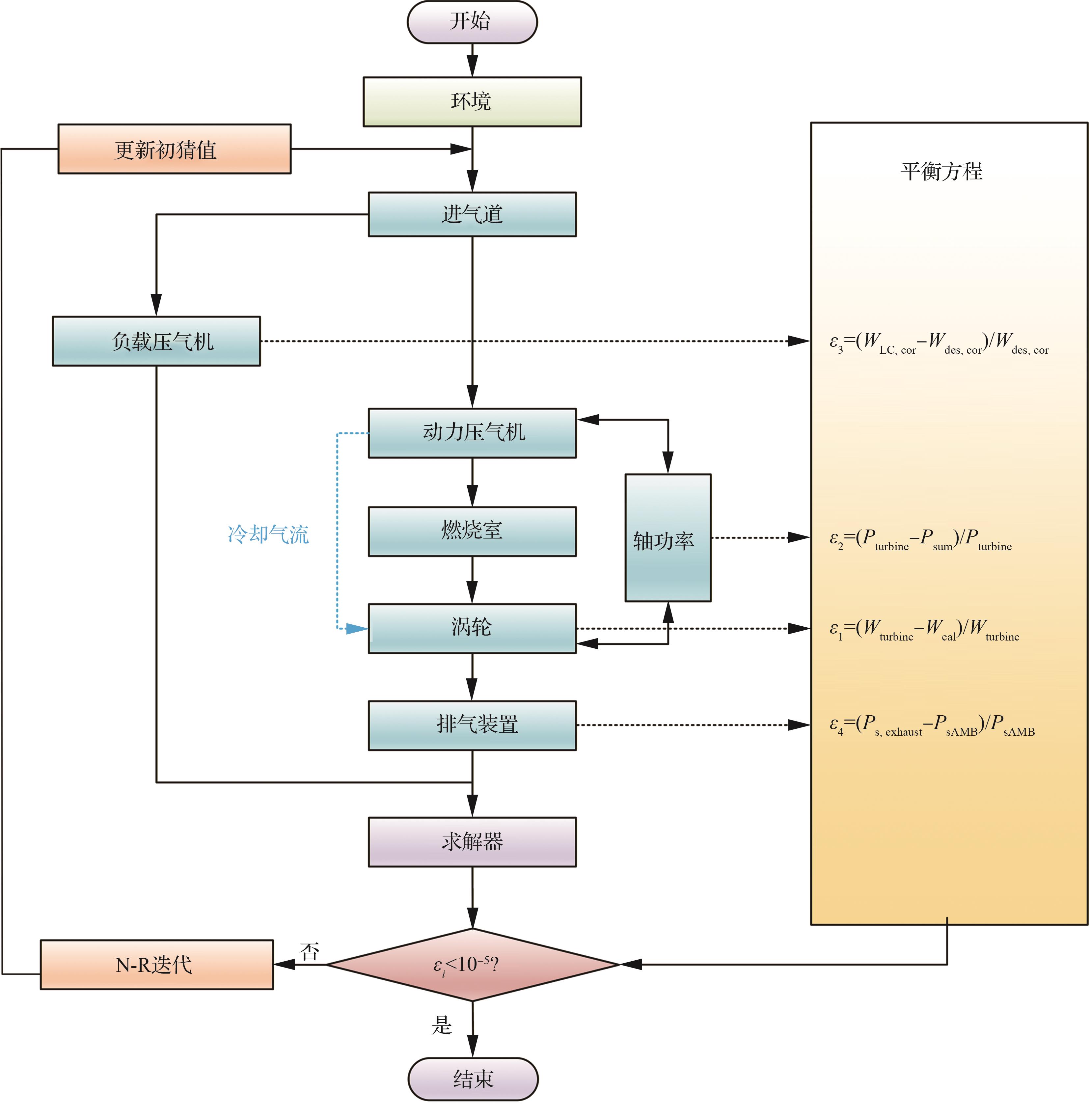
Fig.6
Three-dimensional model of APU inlet
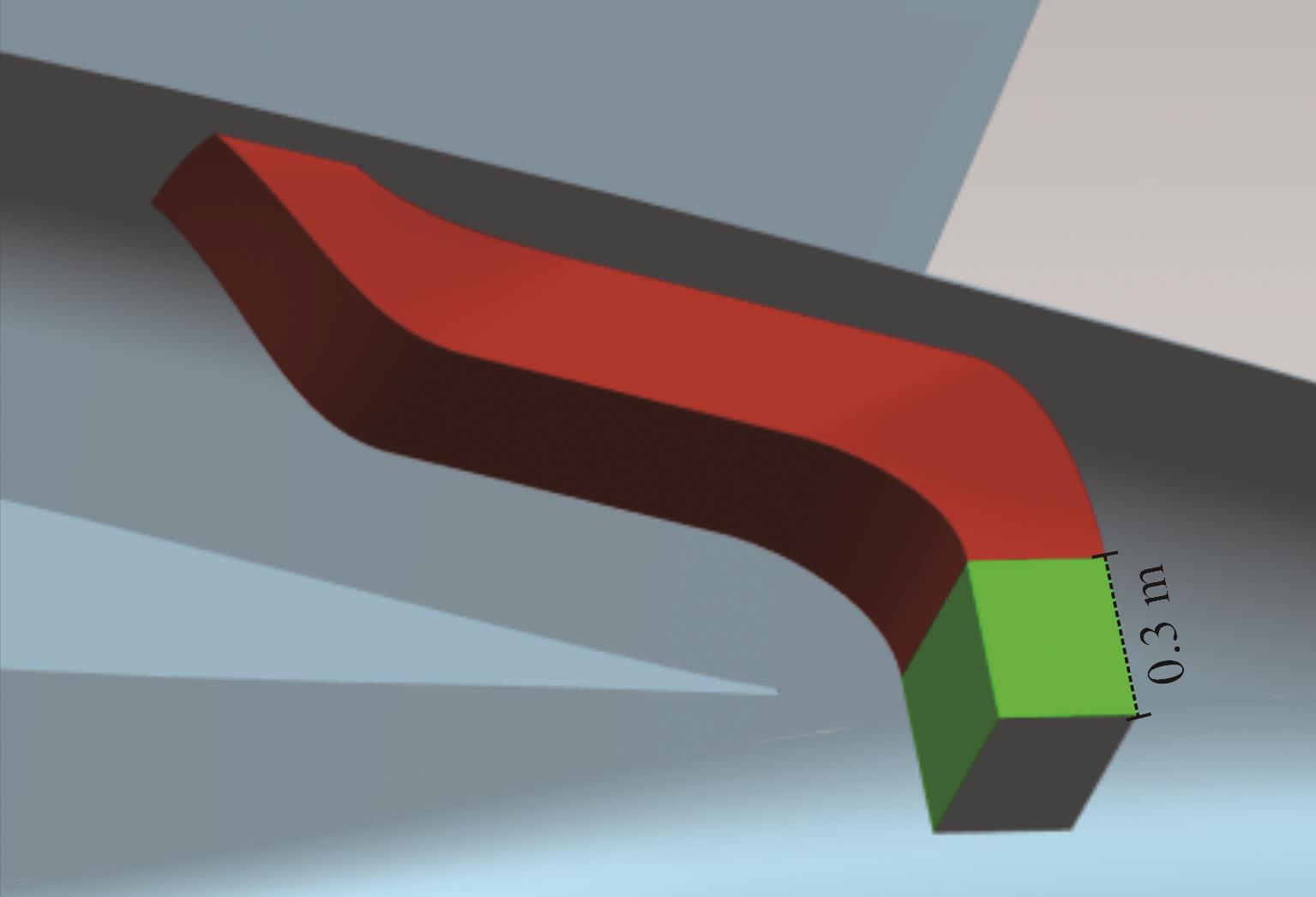
Fig.7
Three-dimensional model of APU inlet damper
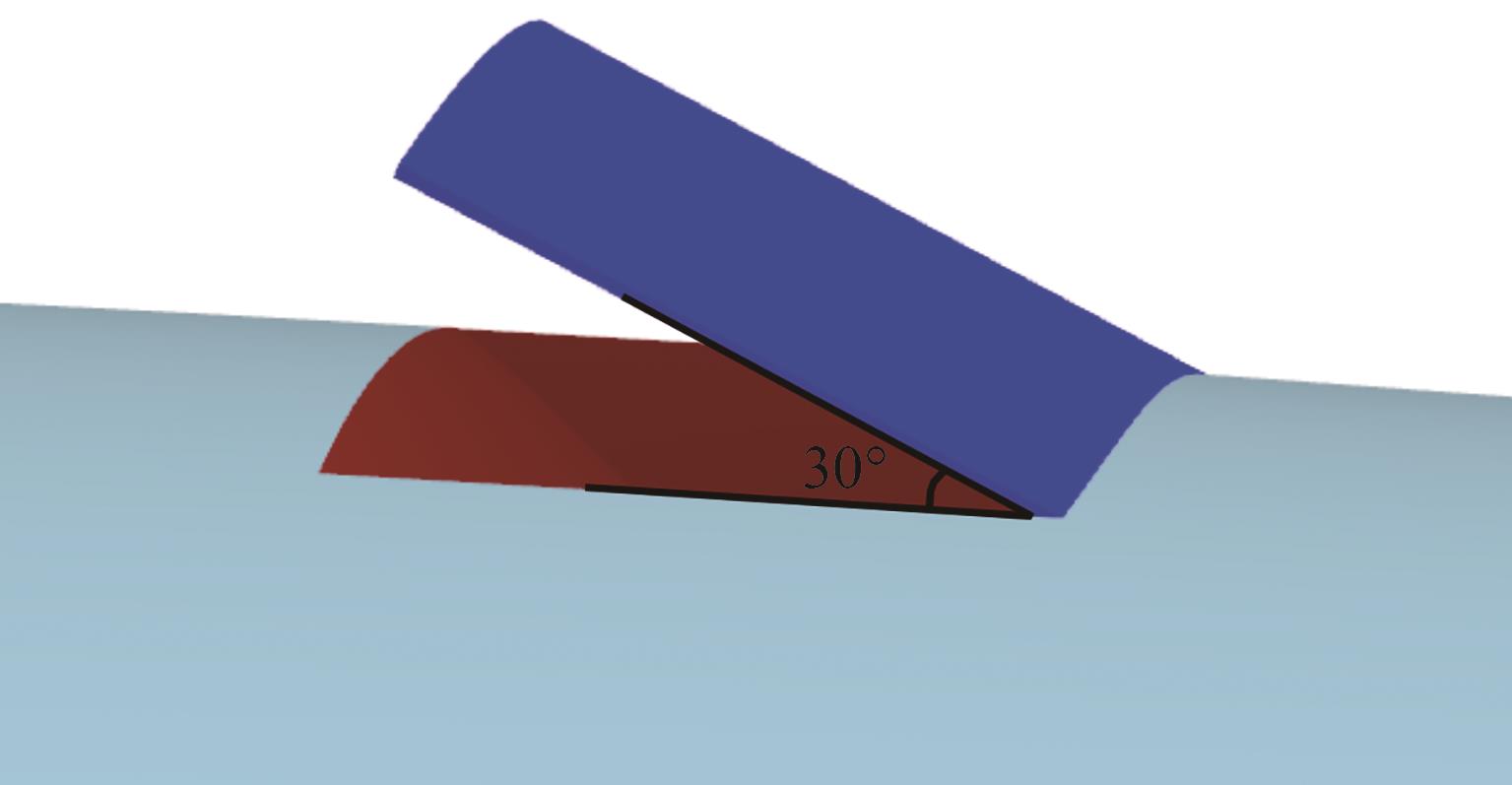
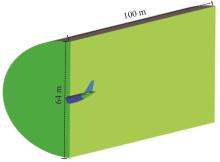
Fig.8
Schematic diagram of ITM computational domain
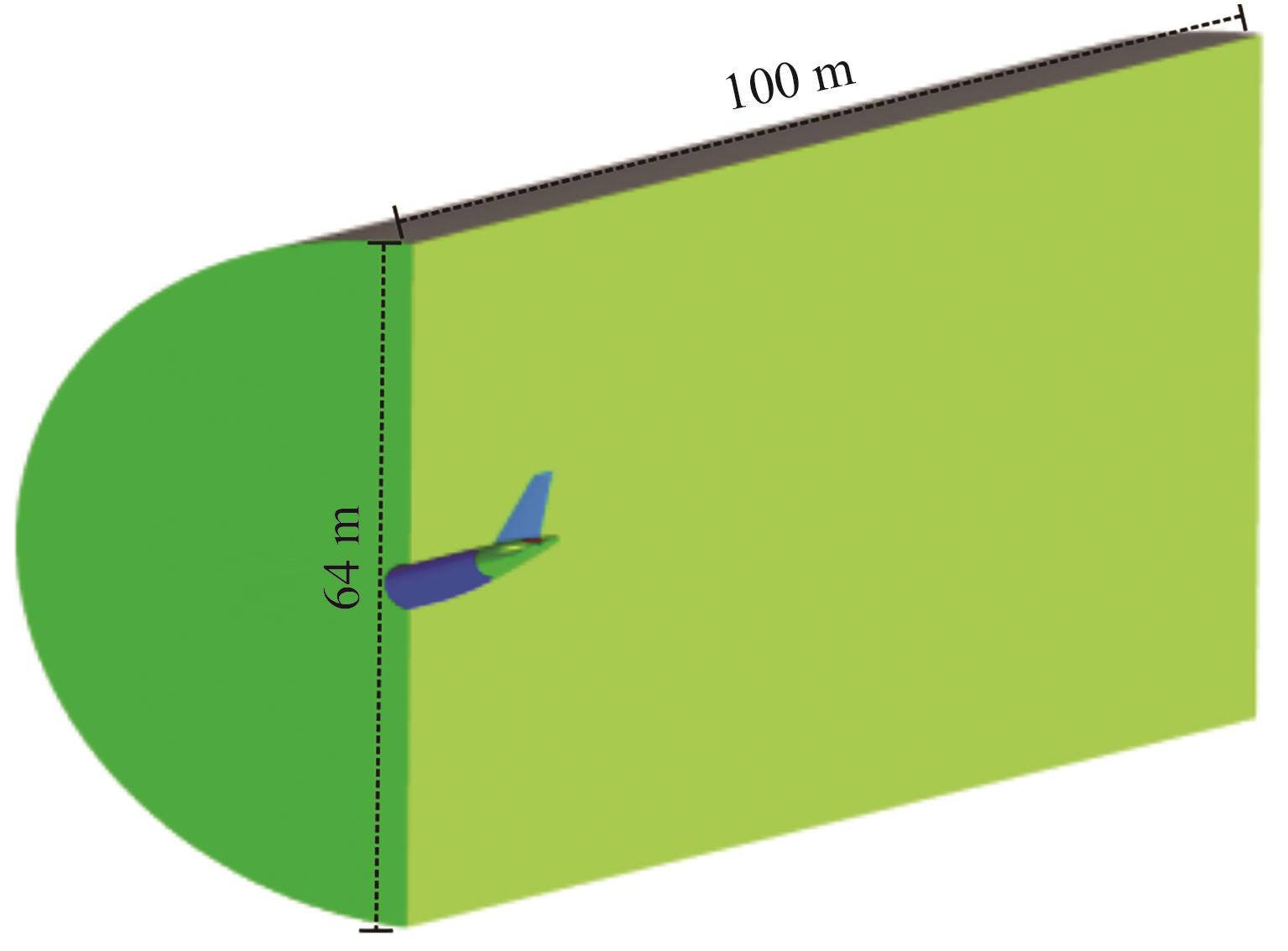
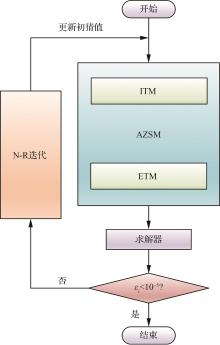
Fig.9
Working principle of AMSM
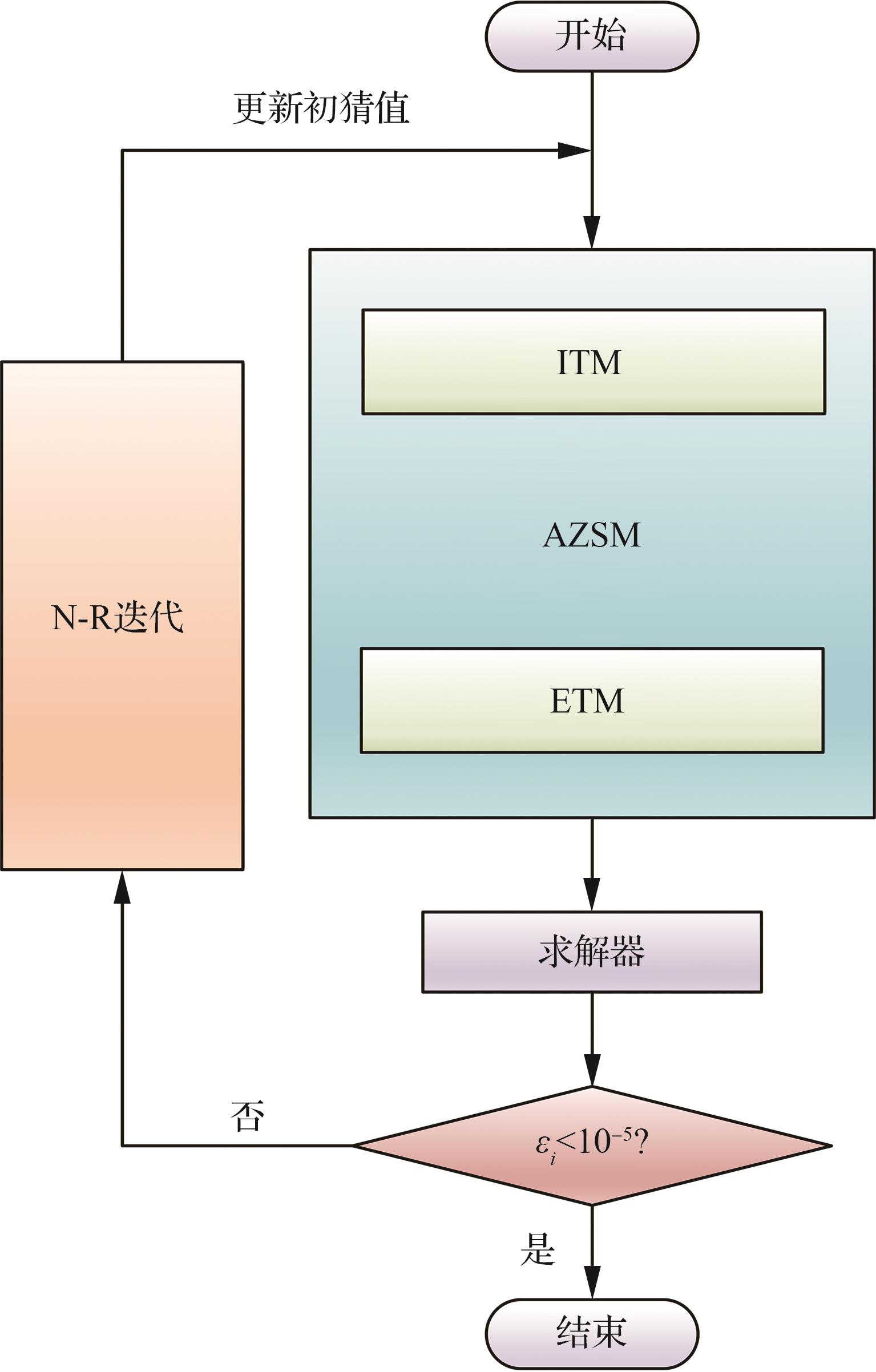
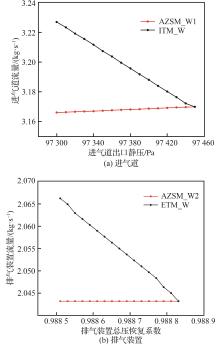
Fig.10
Flow balance process between calculation models
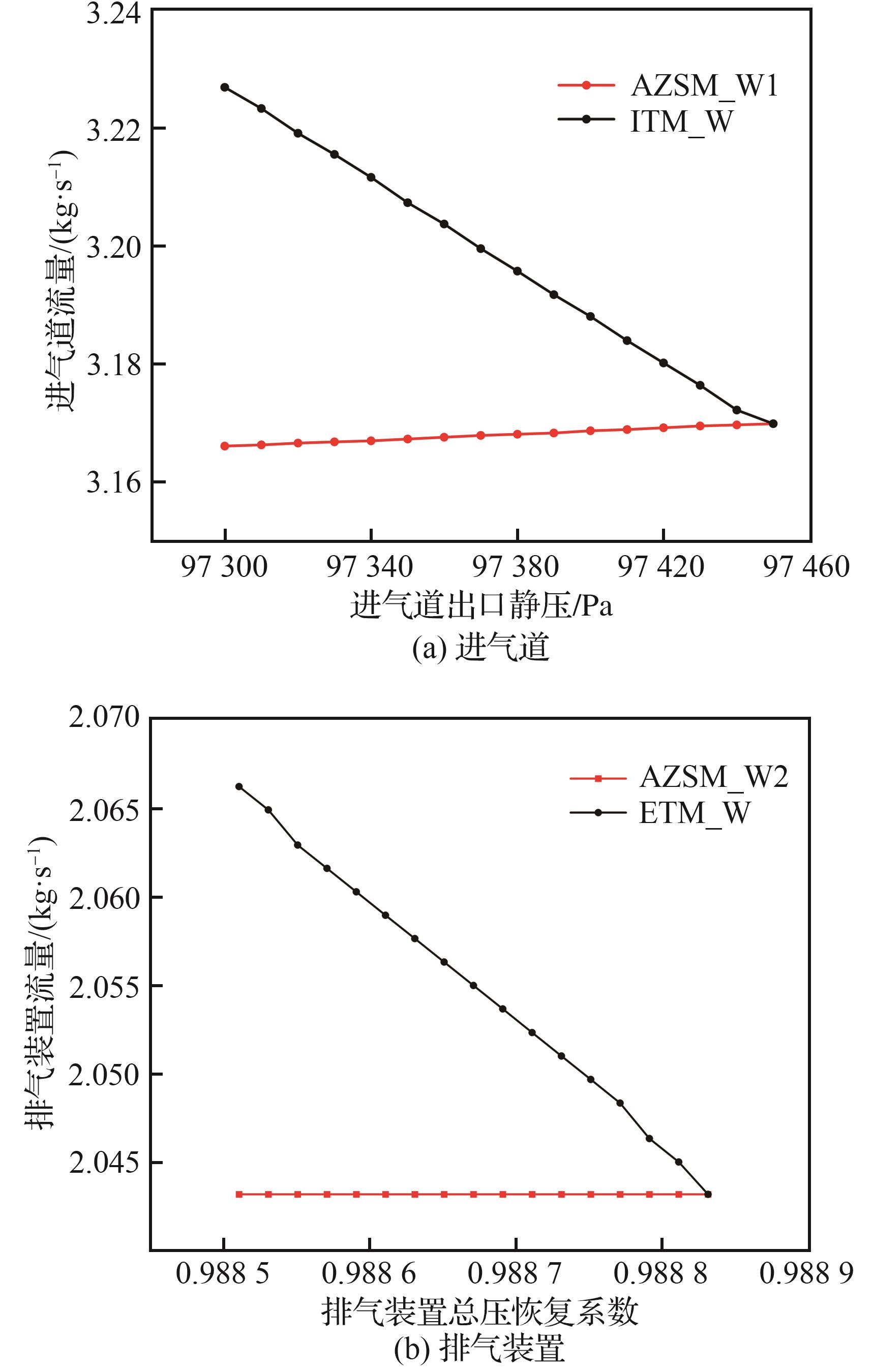
Table 2
Verification of simulation results
| 参数 | 参考值[ | AZSM | AMSM | Gasturb |
|---|---|---|---|---|
| APU当量功率/kW | 272.00 | 272.44 | 272.16 | 272.06 |
| APU当量耗油率/(kg·kW-1·h-1) | 0.502 | 0.514 | 0.506 | 0.500 |
| APU动力压气机耗功/kW | 620.00 | 621.53 | 620.47 | 620.12 |
| APU动力压气机出口温度/K | 615.00 | 616.74 | 615.56 | 615.44 |
| APU供油量/(kg·s-1) | 0.038 0 | 0.038 2 | 0.037 9 | 0.038 0 |
| APU涡轮功/kW | 931.00 | 931.24 | 931.35 | 931.11 |
| APU排气温度/K | 781.00 | 781.44 | 781.32 | 781.06 |
| APU负载压气机耗功/kW | 209.00 | 208.57 | 209.73 | 209.01 |
| APU负载压气机出口相对折合流量/(kg·s-1) | 0.423 0 | 0.429 9 | 0.429 9 | 0.429 9 |
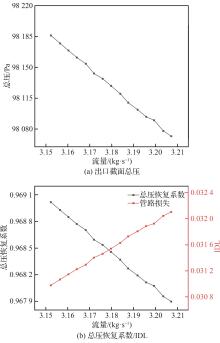
Fig.11
Aerodynamic performance of inlet
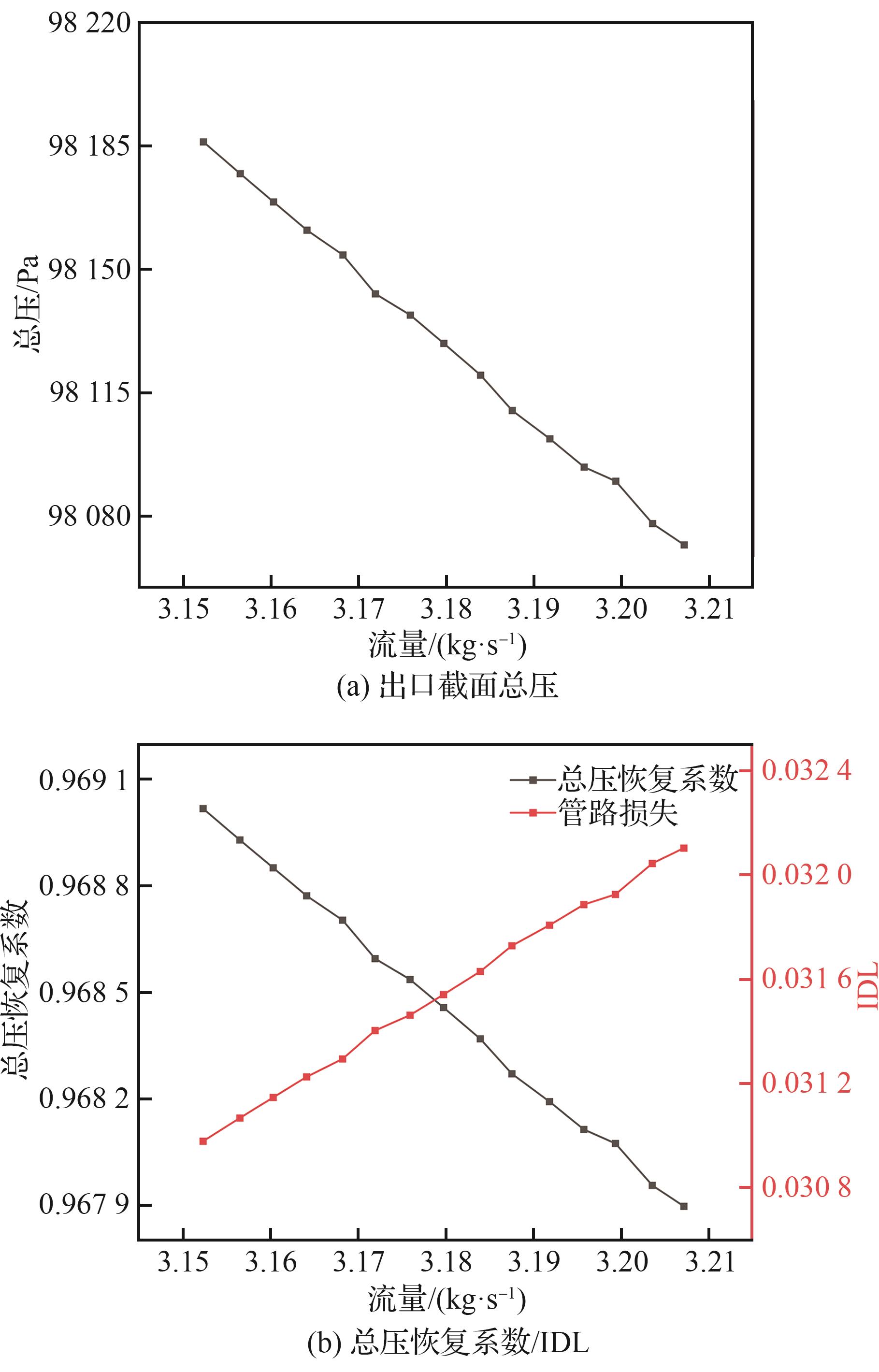
Table 3
Typical working condition data of a certain APU
| 工况 | 大气压力/Pa | 大气温度/K | Ma | 流量/(kg·s-1) |
|---|---|---|---|---|
| 1 | 101 325 | 288 | 0 | 3.17 |
| 2 | 29 647 | 228 | 0.7 | 1.20 |
| 3 | 18 547 | 217 | 0.8 | 0.96 |
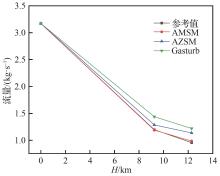
Fig.12
Accuracy comparison of different calculation models
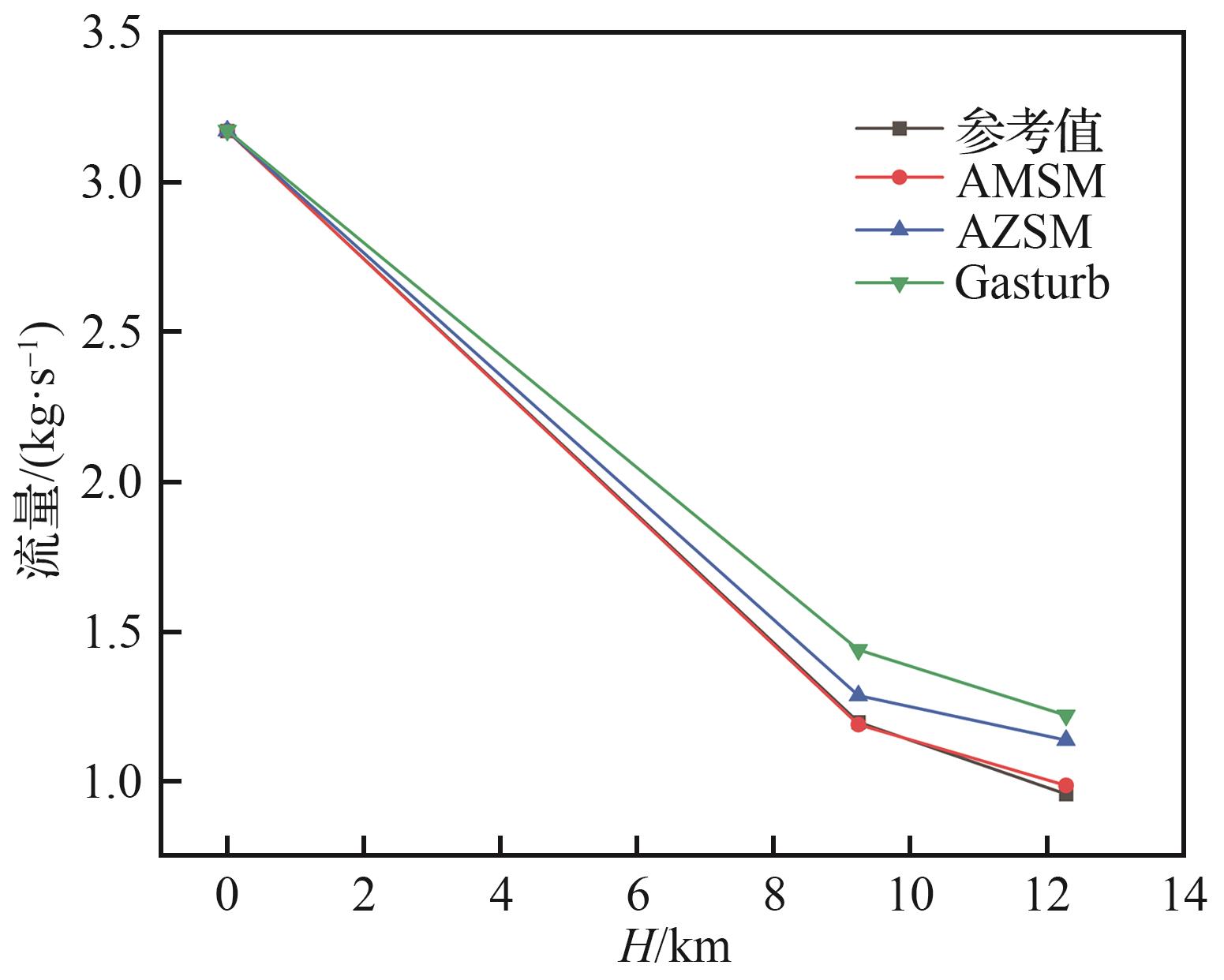
Table 4
Gasturb corrected results
| 工况 | 修正后的总压恢复系数 | 修正后的流量/(kg·s-1) | 精度提升幅度/% |
|---|---|---|---|
| 2 | 0.81 | 1.22 | 18.44 |
| 3 | 0.74 | 0.99 | 24.16 |
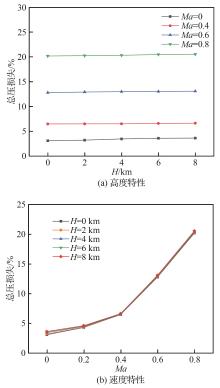
Fig.13
Variation law of total pressure loss
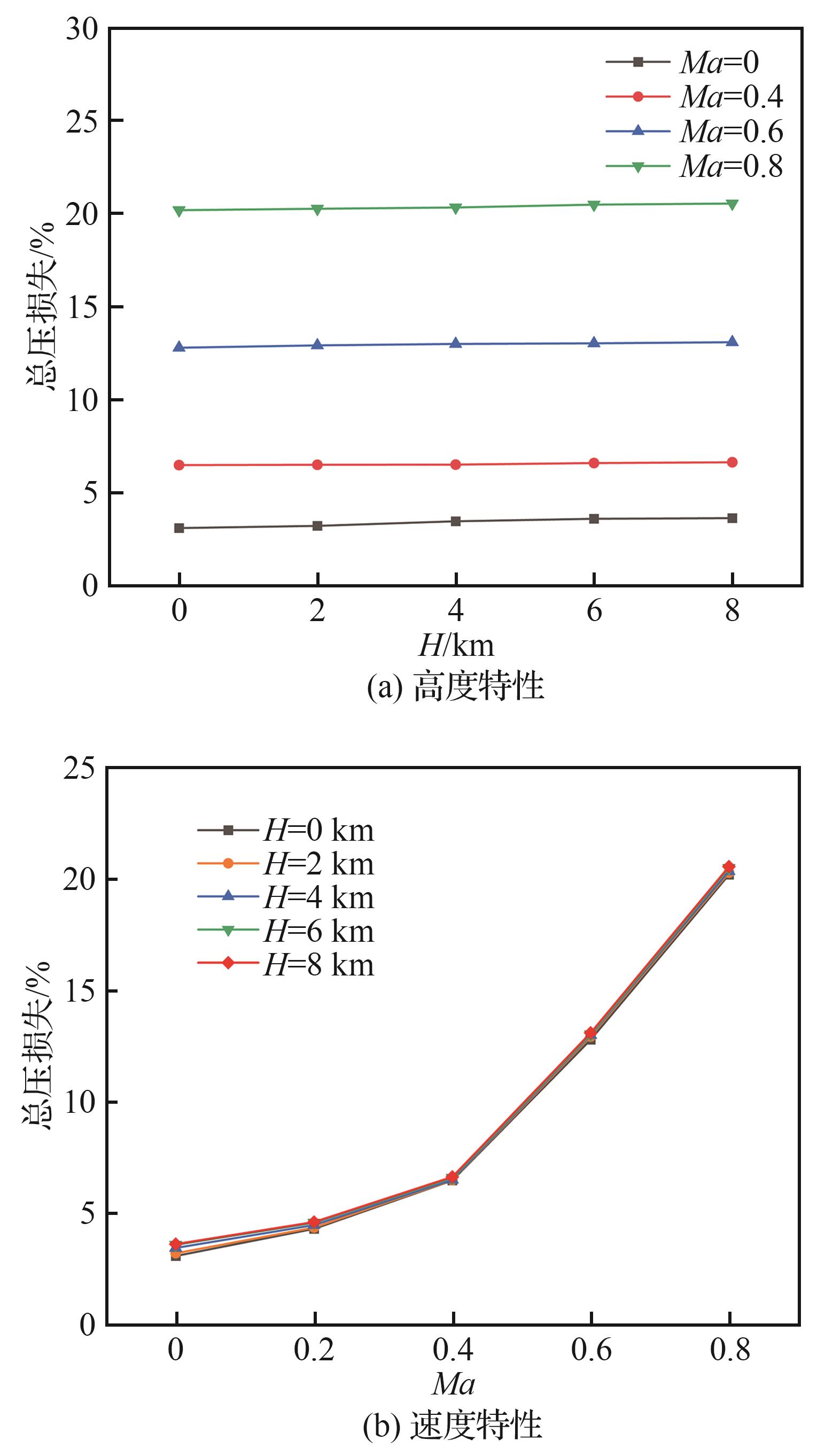
Fig.14
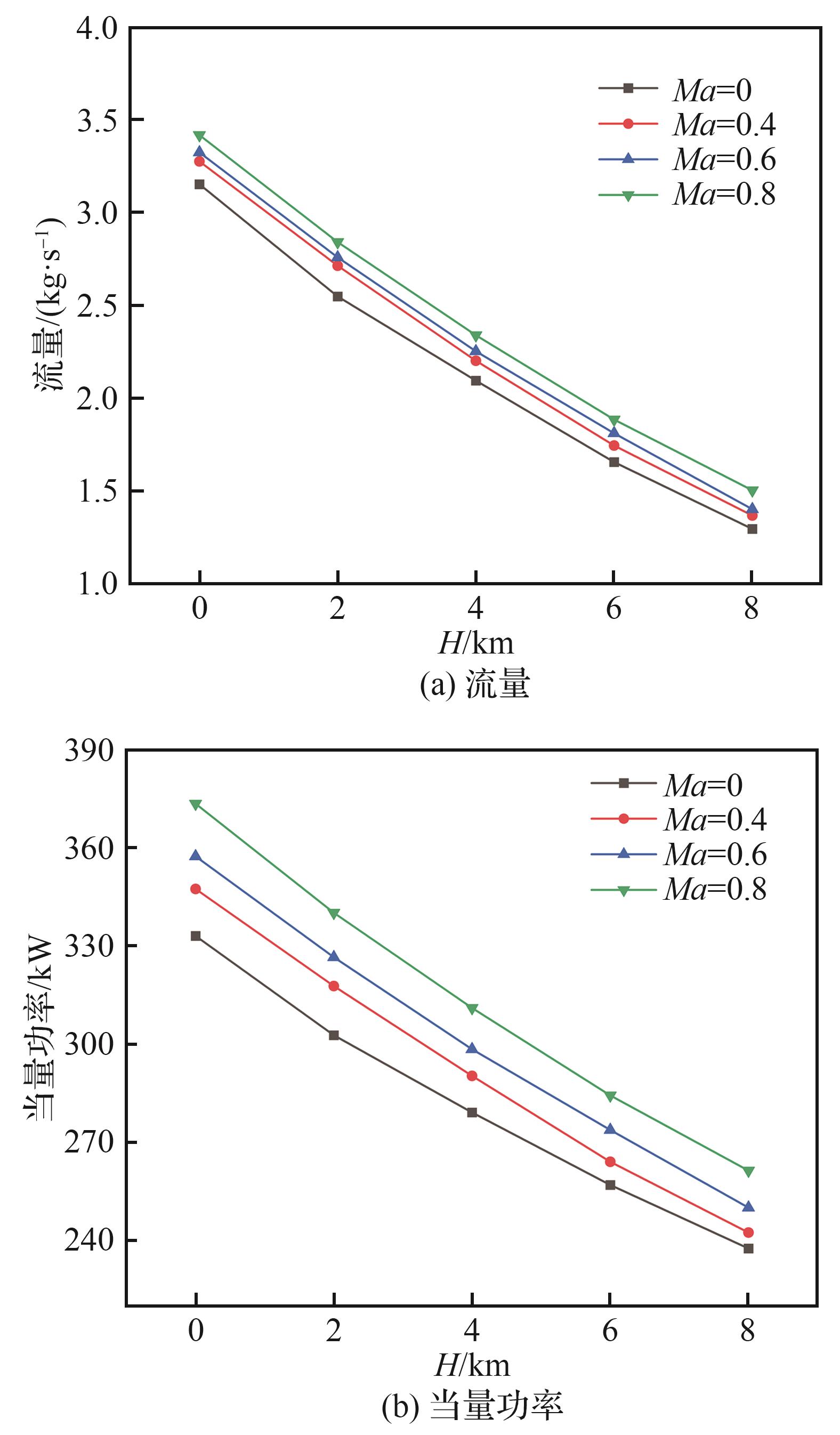
Overall performance parameters of APU
| [1] |
王浩, 杨恒辉, 卢玉芳. 飞机第二动力系统技术综述[J]. 信息系统工程, 2014(4): 38-39.
|
|
|
|
| [2] |
馬强, 田宏星. 战斗机用辅助动力装置的发展[J]. 航空动力, 2019(2): 20-22.
|
|
|
|
| [3] |
|
| [4] |
赵运生, 胡骏, 吴铁鹰, 等. 大型民用飞机辅助动力装置性能仿真[J]. 航空动力学报, 2011, 26(7): 1590-1598.
|
|
|
|
| [5] |
刘然. 辅助动力装置与空气涡轮起动机一体化建模与计算研究[D]. 南京: 南京航空航天大学, 2020.
|
|
|
|
| [6] |
常博博, 苏三买, 刘铁庚, 等. 辅助动力装置建模及数值仿真[J]. 航空动力学报, 2011, 26(9): 2122-2127.
|
|
|
|
| [7] |
苏三买, 孙牧桥, 田宏星, 等. 飞机辅助动力装置引气特性计算方法[J]. 推进技术, 2013, 34(4): 439-444.
|
|
|
|
| [8] |
袁昌坤, 刘娇, 刘火星, 等. 第二动力系统建模及性能分析[J]. 航空动力学报, 2024, 39(10): 337-346.
|
|
|
|
| [9] |
智文静, 李国材, 徐颖, 等. 基于Fluent的某型APU进气管道的流场数值分析[J]. 液压与气动, 2023, 47(10): 119-126.
|
|
|
|
| [10] |
邓智亮, 唐宏刚, 张乃昌, 等. APU进气管道口尺寸比例对进气性能影响研究[J]. 科技信息, 2011(22): 446-447, 449.
|
|
|
|
| [11] |
王虎山, 汪明生. 带多孔板的APU进气系统气动性能研究[J]. 推进技术, 2013, 34(7): 865-872.
|
|
|
|
| [12] |
|
| [13] |
|
| [14] |
|
| [15] |
倪勤, 王正盛, 刘皞. 数值计算方法[M]. 北京: 高等教育出版社, 2012: 45-46.
|
|
|
|
| [16] |
刘伟, 田宏星, 陈玉春, 等. 航空发动机空气起动系统性能匹配计算方法[J]. 推进技术, 2020, 41(2): 277-284.
|
|
|
|
| [17] |
宋甫, 周莉, 王占学, 等. 不同维度缩放方法在航空发动机总体仿真中的应用[J]. 推进技术, 2020, 41(5): 974-983.
|
|
|
|
| [18] |
宋甫, 周莉, 王占学, 等. 部件三维仿真模型与发动机循环参数分析的耦合方法研究[J]. 推进技术, 2022, 43(7): 85-92.
|
|
|
|
| [19] |
|
| [20] |
|
| [21] |
李学来, 任三星, 王琴芳, 等. 埋入式进气道的流场畸变[J]. 福州大学学报(自然科学版), 2002, 30(2): 250-253, 257.
|
|
|
| [1] | Youchen HE, Xiansi TAN, Zhiguo QU, Ming HOU. Modeling and theoretical analysis of cooperative dynamics for aerospace defense systems under multi-topology configurations [J]. Acta Aeronautica et Astronautica Sinica, 2026, 47(5): 332253-332253. |
| [2] | Di ZHOU, Huan WANG, Yiqun ZHANG, Chaofei LOU. Compound control method of high speed vehicle based on time-varying sliding mode [J]. Acta Aeronautica et Astronautica Sinica, 2025, 46(6): 531465-531465. |
| [3] | Xia LIU, Jian XU, Xiaoyu LI, Huinan LIU, Xinjing ZHANG, Yujie XU, Haisheng CHEN. Research progress on pneumatic catapult systems [J]. Acta Aeronautica et Astronautica Sinica, 2024, 45(22): 30123-030123. |
| [4] | Zhifu WANG, Shujian YAO, Zhaijun LU, Mu ZHONG, Ruifeng WANG. Experimental and simulation of tetrafluoroethane catapult UAV [J]. Acta Aeronautica et Astronautica Sinica, 2024, 45(21): 130085-130085. |
| [5] | Ming LU, Xueqin CHEN, Fan WU, Xibin CAO. Attitude maneuver control of spacecraft based on second⁃order fully actuated system under attitude constraints [J]. Acta Aeronautica et Astronautica Sinica, 2024, 45(1): 628958-628958. |
| [6] | Hongzhen GUO, Mou CHEN, Yongdong DAI, Maofei WANG. Distributed adaptive event⁃triggered formation control for QUAVs [J]. Acta Aeronautica et Astronautica Sinica, 2023, 44(S2): 729917-729917. |
| [7] | Xinyu ZHANG, Siyu XIE, Yang TAO, Gun LI. A robust control method for close formation of aerial-refueling UAVs [J]. Acta Aeronautica et Astronautica Sinica, 2023, 44(20): 628425-628425. |
| [8] | XIA Pengcheng, LUO Jianjun, WANG Mingming, TAN Longyu. Coordinated stabilization control for dual-arm space robot capturing a non-cooperative target [J]. ACTA AERONAUTICAET ASTRONAUTICA SINICA, 2022, 43(2): 325398-325398. |
| [9] | LI Xinkai, ZHANG Hongli, FAN Wenhui. Prescribed performance control for morphing aerospace vehicle under mismatched disturbances [J]. ACTA AERONAUTICAET ASTRONAUTICA SINICA, 2022, 43(2): 325008-325008. |
| [10] | LI Ang, NIE Dangmin, WEN Xiangxi, HAN Baohua, ZENG Yujing. Evolution process of control-aircraft state interdependent network [J]. ACTA AERONAUTICAET ASTRONAUTICA SINICA, 2021, 42(9): 324726-324726. |
| [11] | XIA Dongdong, YUE Xiaokui. Immersion and invariance based attitude adaptive tracking control for spacecraft [J]. ACTA AERONAUTICAET ASTRONAUTICA SINICA, 2020, 41(2): 323428-323428. |
| [12] | GUO Jianguo, LU Ningbo, ZHOU Jun. Fuzzy control of finite time attitude coupling in hypersonic vehicles [J]. ACTA AERONAUTICAET ASTRONAUTICA SINICA, 2020, 41(11): 623838-623838. |
| [13] | LI Yaping, WANG Fang, ZHOU Chao. Prescribed performance filter backstepping control of hypersonic vehicle with full state constraints [J]. ACTA AERONAUTICAET ASTRONAUTICA SINICA, 2020, 41(11): 623857-623857. |
| [14] | ZHANG Jialong, YAN Jianguo, ZHANG Pu. Multi-UAV formation forming reconfiguration control based on back-stepping method [J]. ACTA AERONAUTICAET ASTRONAUTICA SINICA, 2019, 40(11): 323177-323177. |
| [15] | ZHANG Min, XIA Weizheng, HUANG Kun, CHEN Xin. Guidance law for cooperative tracking of a ground target based on leader-follower formation of UAVs [J]. ACTA AERONAUTICAET ASTRONAUTICA SINICA, 2018, 39(2): 321497-321497. |
| Viewed | ||||||
|
Full text |
|
|||||
|
Abstract |
|
|||||
Address: No.238, Baiyan Buiding, Beisihuan Zhonglu Road, Haidian District, Beijing, China
Postal code : 100083
E-mail:hkxb@buaa.edu.cn
Total visits: 6658907 Today visits: 1341All copyright © editorial office of Chinese Journal of Aeronautics
All copyright © editorial office of Chinese Journal of Aeronautics
Total visits: 6658907 Today visits: 1341

 CJA
CJA
