Acta Aeronautica et Astronautica Sinica ›› 2025, Vol. 46 ›› Issue (21): 532521.doi: 10.7527/S1000-6893.2025.32521
• Special Issue: 60th Anniversary of Aircraft Strength Research Institute of China • Previous Articles
Xiaochuan LIU1,2,3( ), Shuibufu LIU1,2,3, Xulong XI1,2,3, Chunyu BAI1,2,3, Xiaocheng LI1,2,3
Received:2025-07-07
Revised:2025-08-18
Accepted:2025-08-20
Online:2025-08-29
Published:2025-08-28
Contact:
Xiaochuan LIU
E-mail:liuxiaochuan@cae.ac.cn
CLC Number:
Xiaochuan LIU, Shuibufu LIU, Xulong XI, Chunyu BAI, Xiaocheng LI. Full-aircraft landing ground load and influencing factors for transport aircraft[J]. Acta Aeronautica et Astronautica Sinica, 2025, 46(21): 532521.
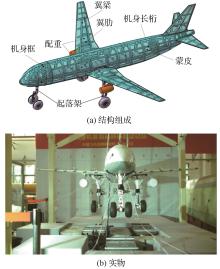
Fig.1
Experimental piece for simplified model of typical civil aircraft
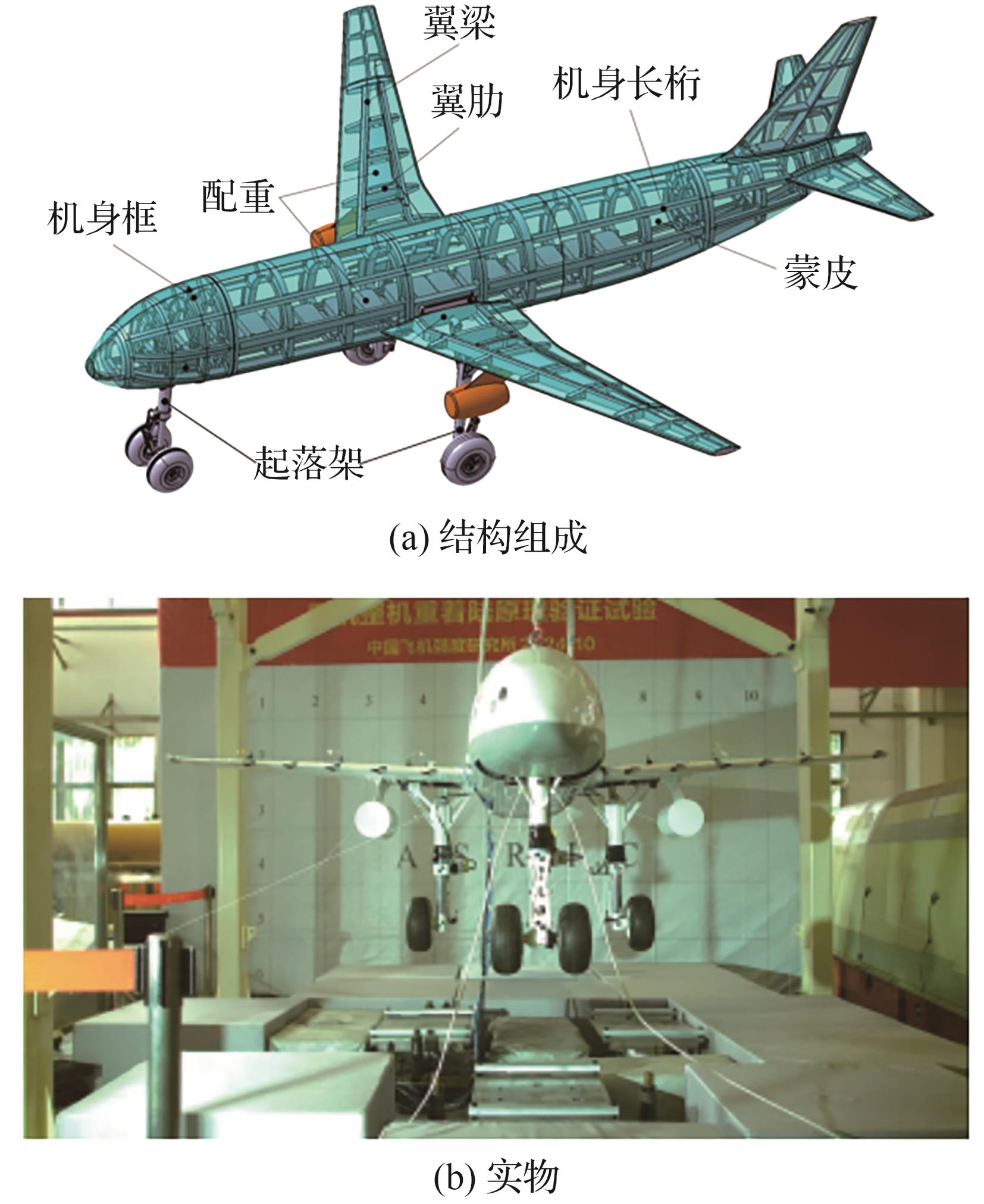

Table 1
Basic parameters of airframe model
| 机身长/mm | 翼展/mm | 质量/kg | 前主轮距/mm | 主轮距/mm | 蒙皮 | 机身框 | 长桁 | 翼梁 | 翼肋 |
|---|---|---|---|---|---|---|---|---|---|
| 4 680 | 4 260 | 651 | 1 560 | 1 169 | 2024铝合金 | Q690 | Q690 | Q690 | Q690 |
Table 2
Basic parameters of landing gear model
| 参数 | 主起落架 | 前起落架 |
|---|---|---|
| 气腔初始气压/MPa | 1.01 | 0.26 |
| 轮胎初始气压/MPa | 1.01 | 0.30 |
| 最大垂直载荷/kN | 18.98 | 13.08 |
| 下部质量/kg | 11.5 | 16.0 |
| 缓冲器行程/mm | 154 | 102 |
Fig.2
Schematic of full-aircraft landing experiment system
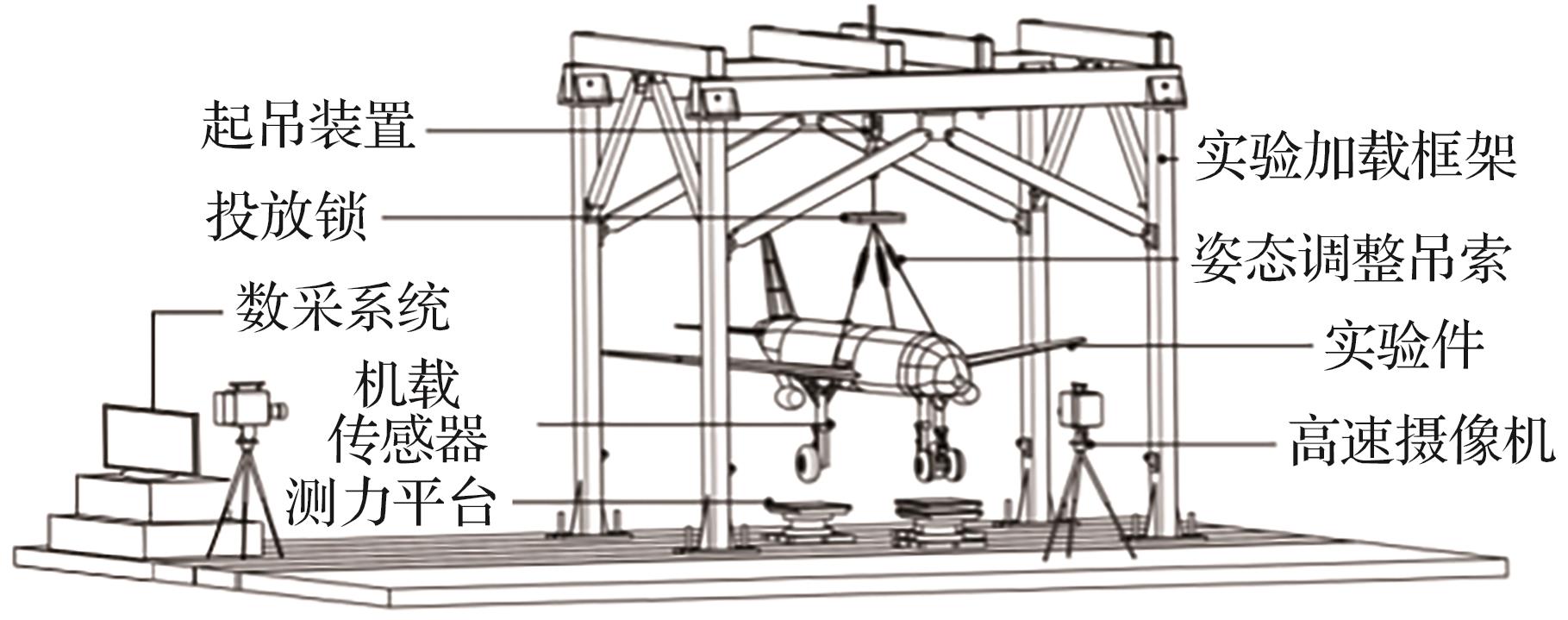
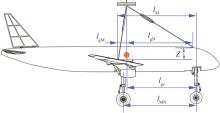
Fig.3
Schematic of lifting rope of airframe
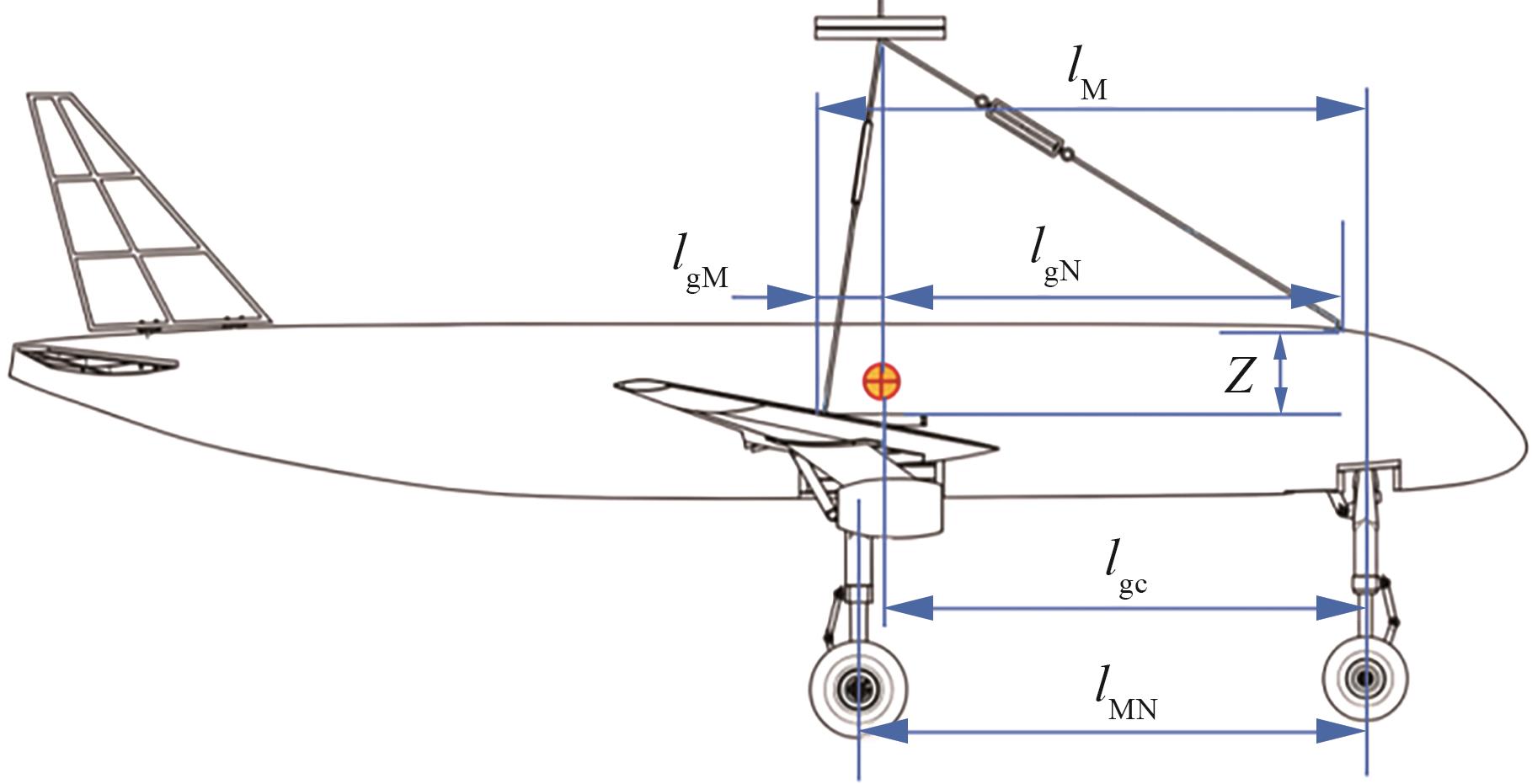
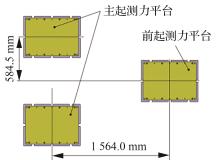
Fig.4
Position schematic of force measurement platform
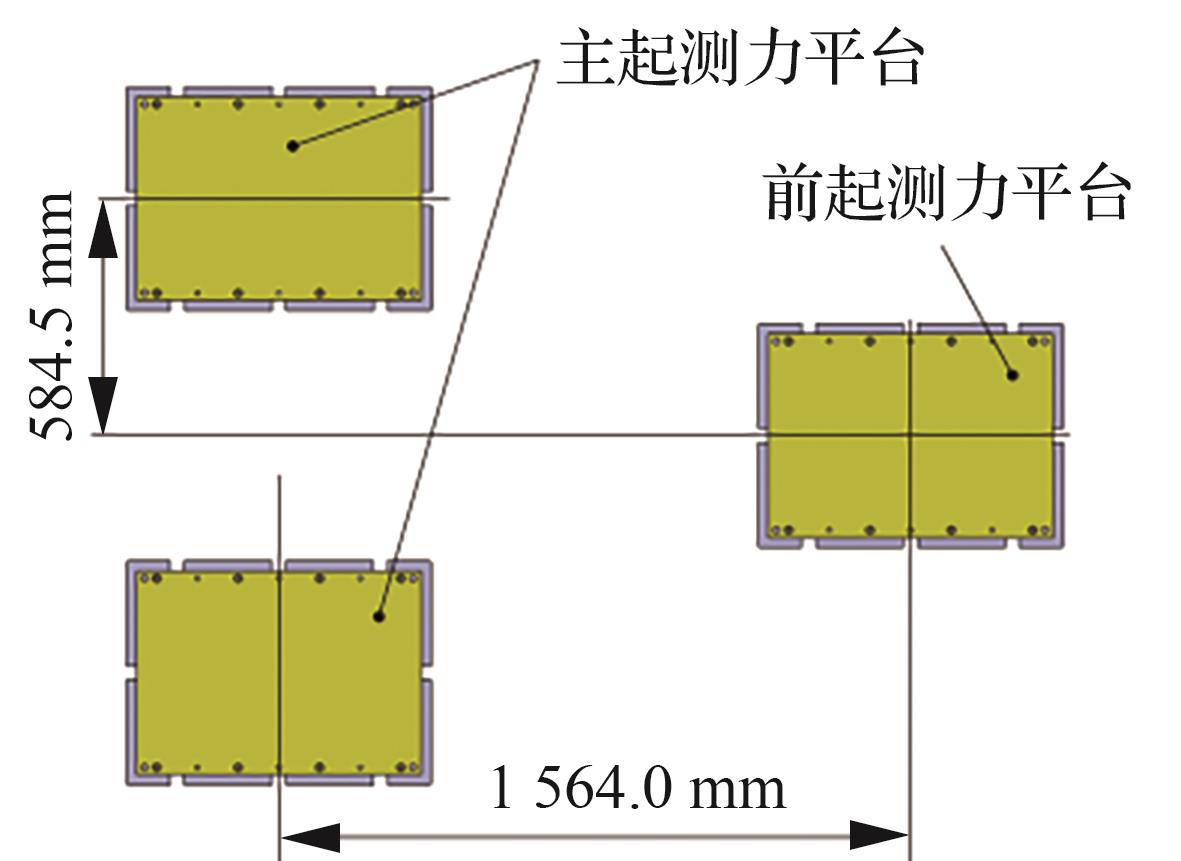
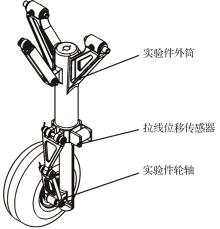
Fig.5
Schematic of buffer stroke measurement
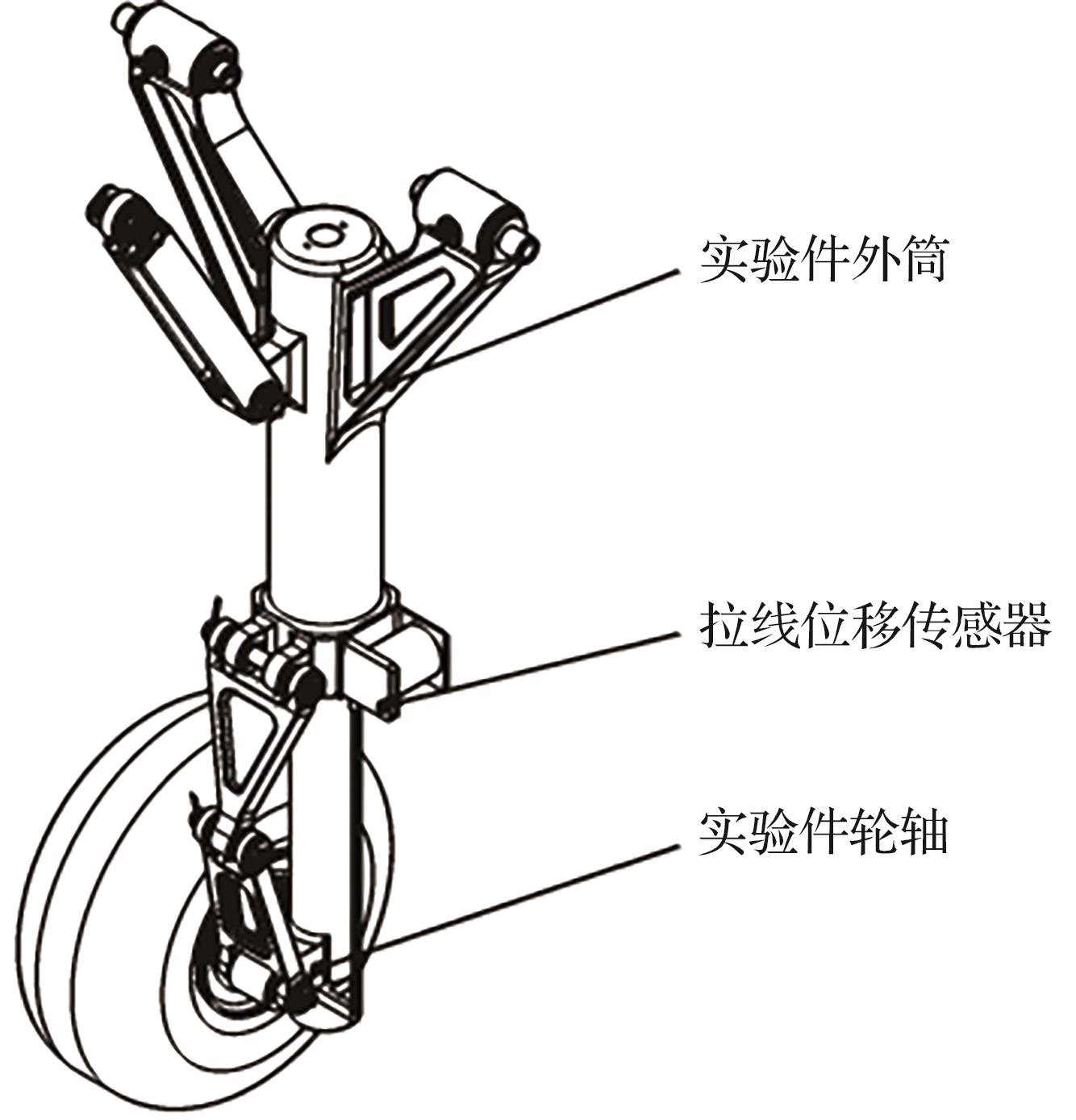
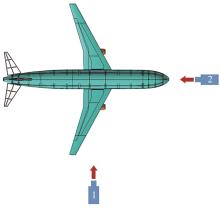
Fig.6
Schematic of high-speed cameras positioning
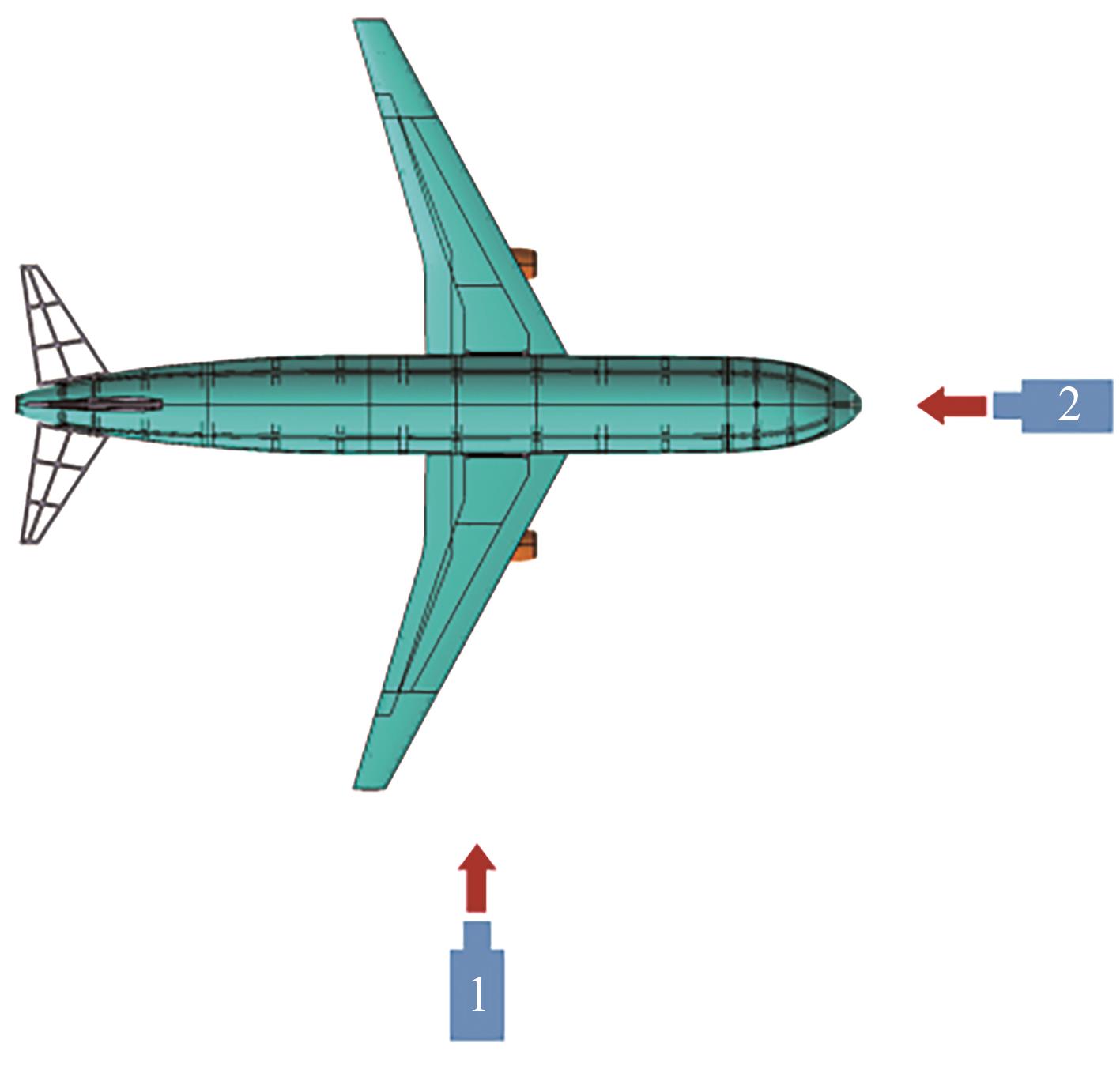
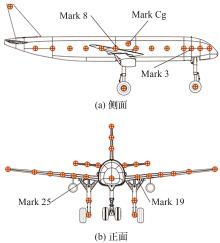
Fig.7
Position of marks on aircraft
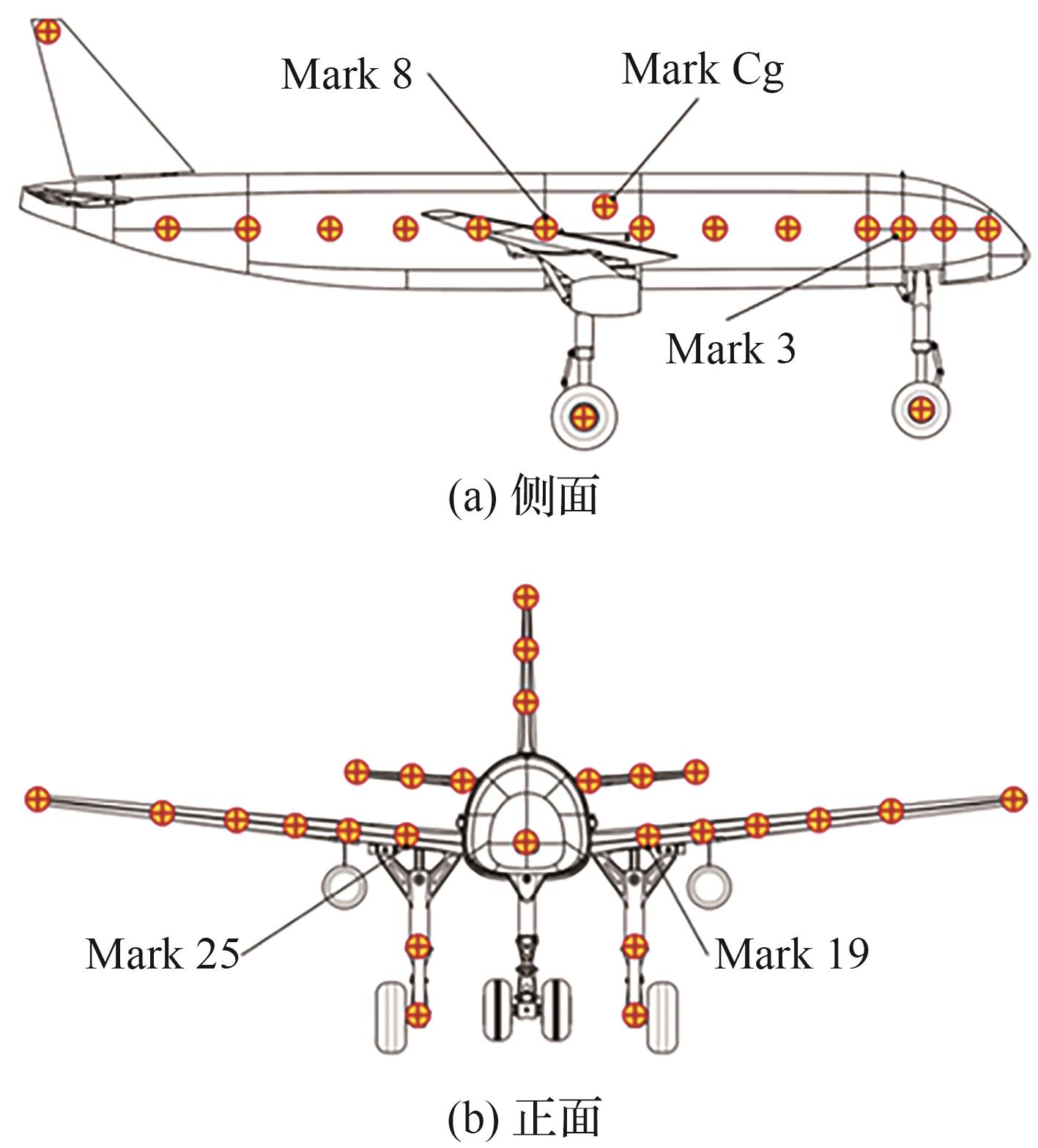
Table 3
Experimental conditions of full-aircraft landing
| 工况名称 | 下沉速度/(m·s-1) | 俯仰角/(°) | 滚转角/(°) |
|---|---|---|---|
| 不同下沉速度 | 1.0 | 0 | 0 |
| 1.8 | 0 | 0 | |
| 2.5 | 0 | 0 | |
| 不同俯仰角 | 1.8 | 3.0 | 0 |
| 1.8 | 5.0 | 0 | |
| 不同滚转角 | 1.8 | 0 | 3.0 |
| 1.8 | 0 | 5.0 |
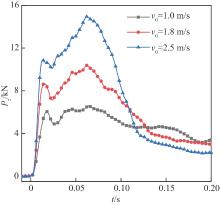
Fig.8
Vertical ground load experiment results under different sinking speed
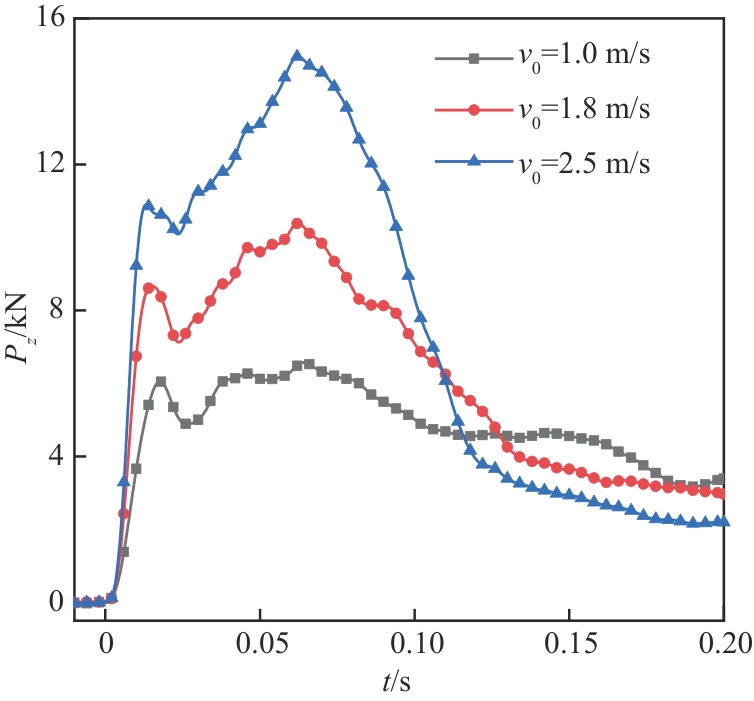
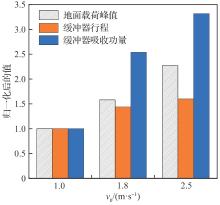
Fig.9
Normalized landing experiment results of full-aircraft with different sinking speeds
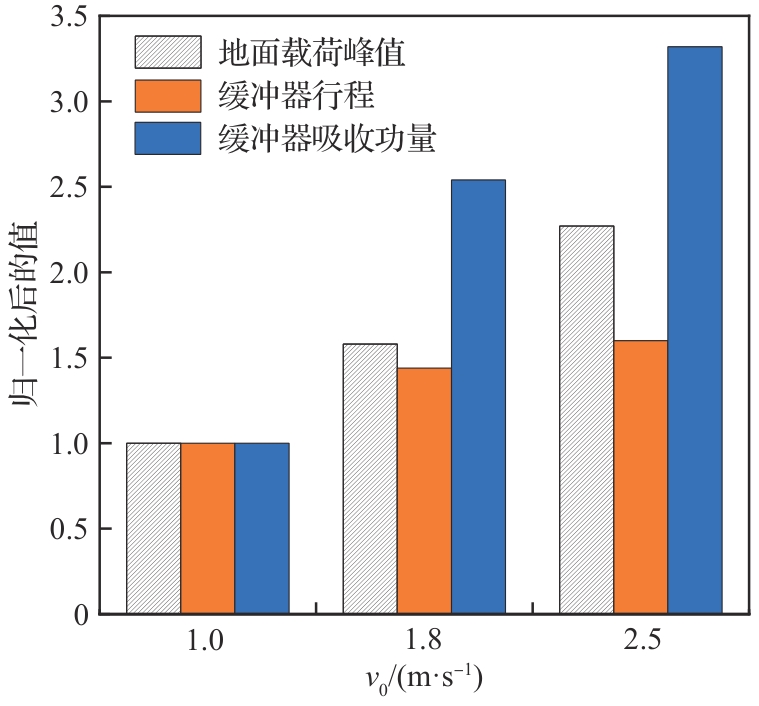
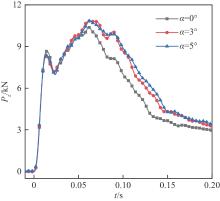
Fig.10
Landing experiment results of full-aircraft under different pitch angles
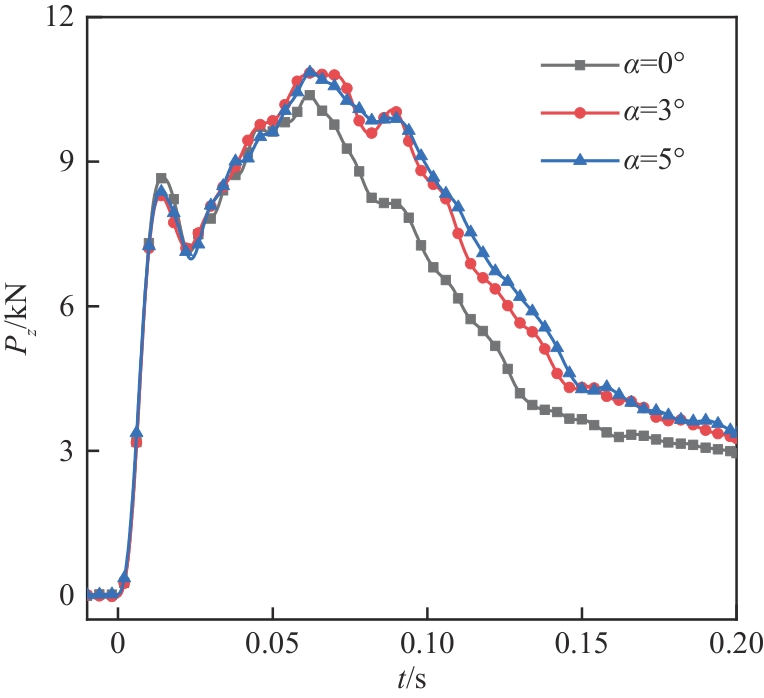
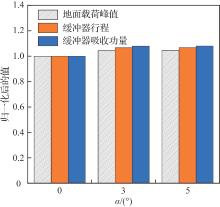
Fig.11
Normalized landing experiment results of full-aircraft with different pitch angles
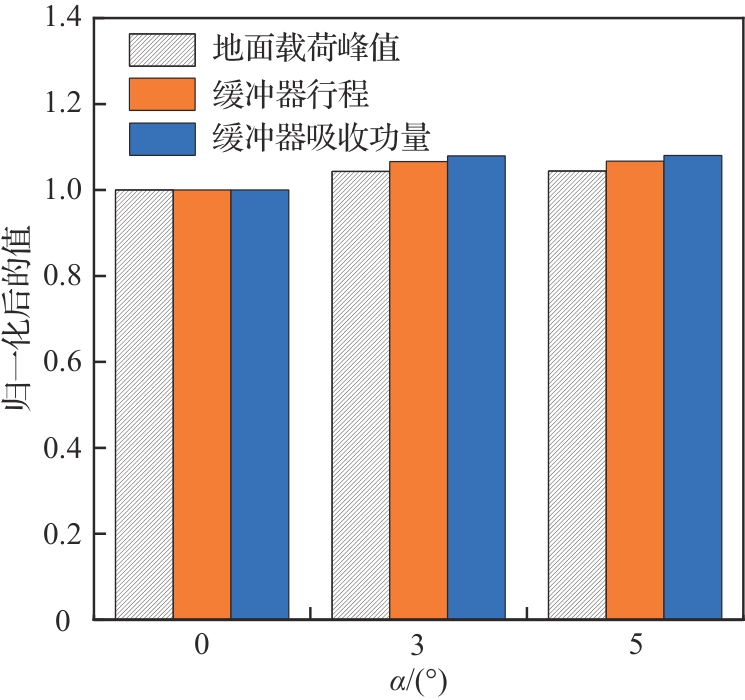
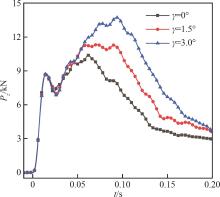
Fig.12
Landing experiment results of full-aircraft under different roll angles
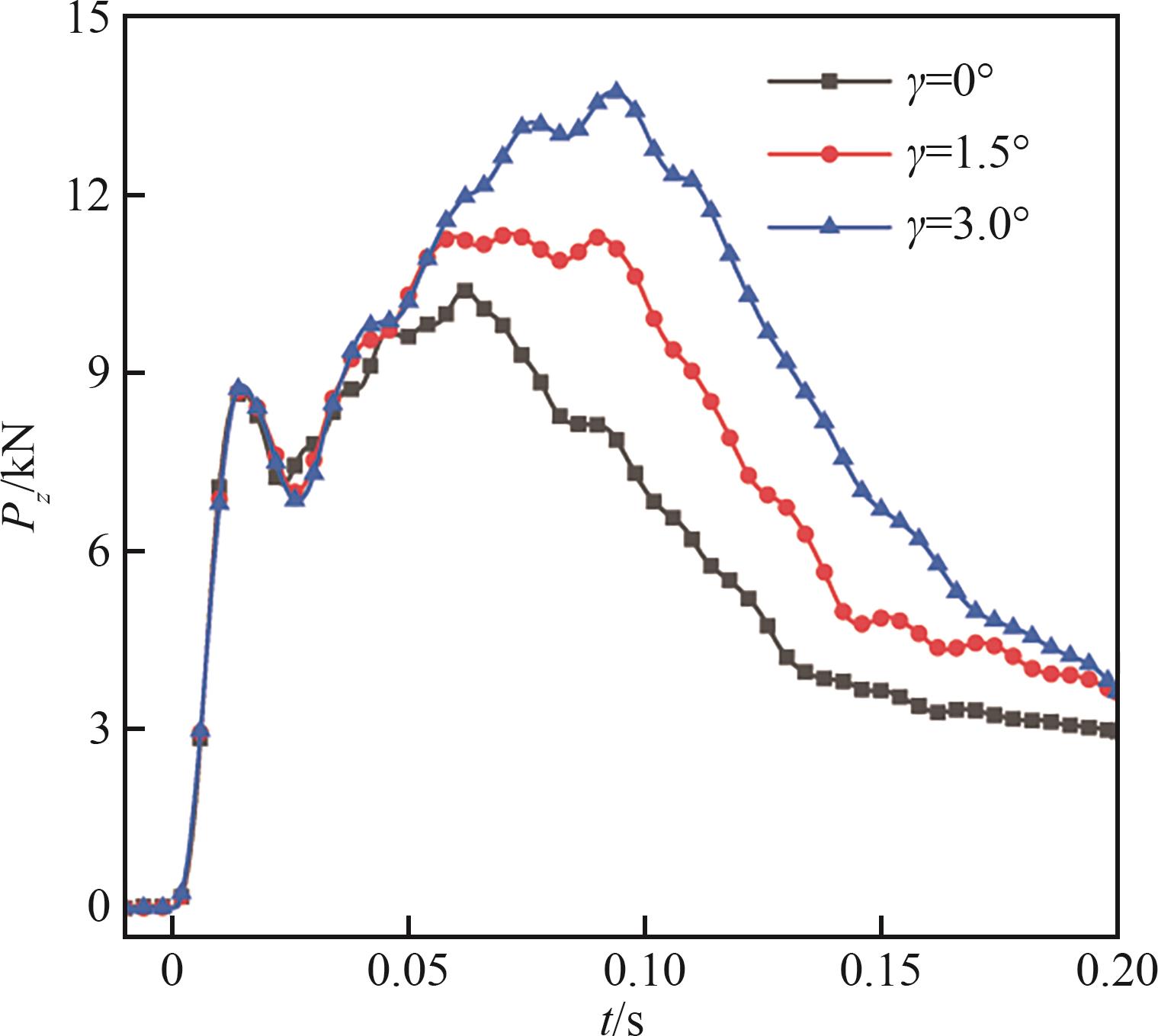
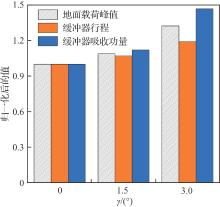
Fig.13
Normalized landing experiment results of full-aircraft with different roll angles
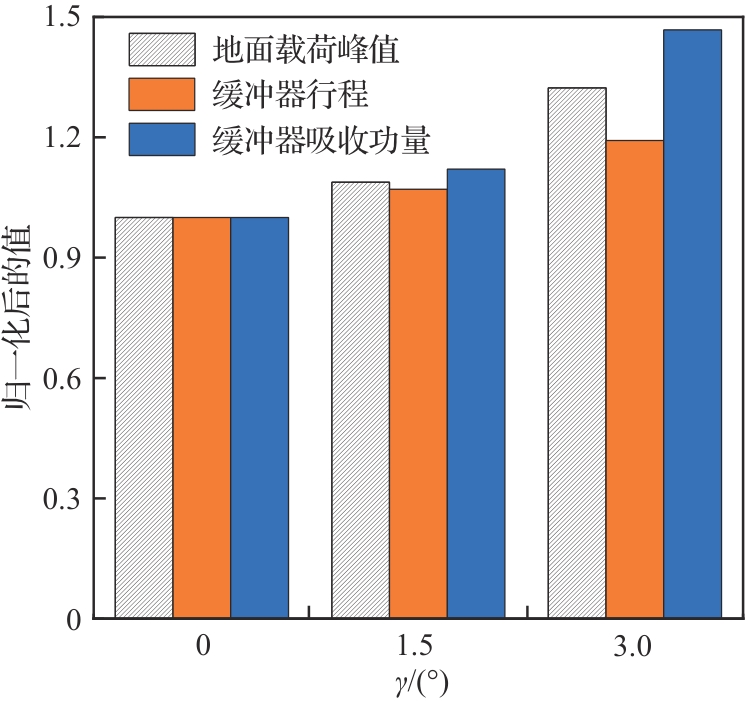
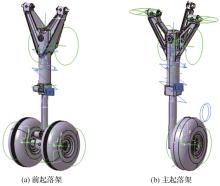
Fig.14
Multi-body dynamics model of landing gear
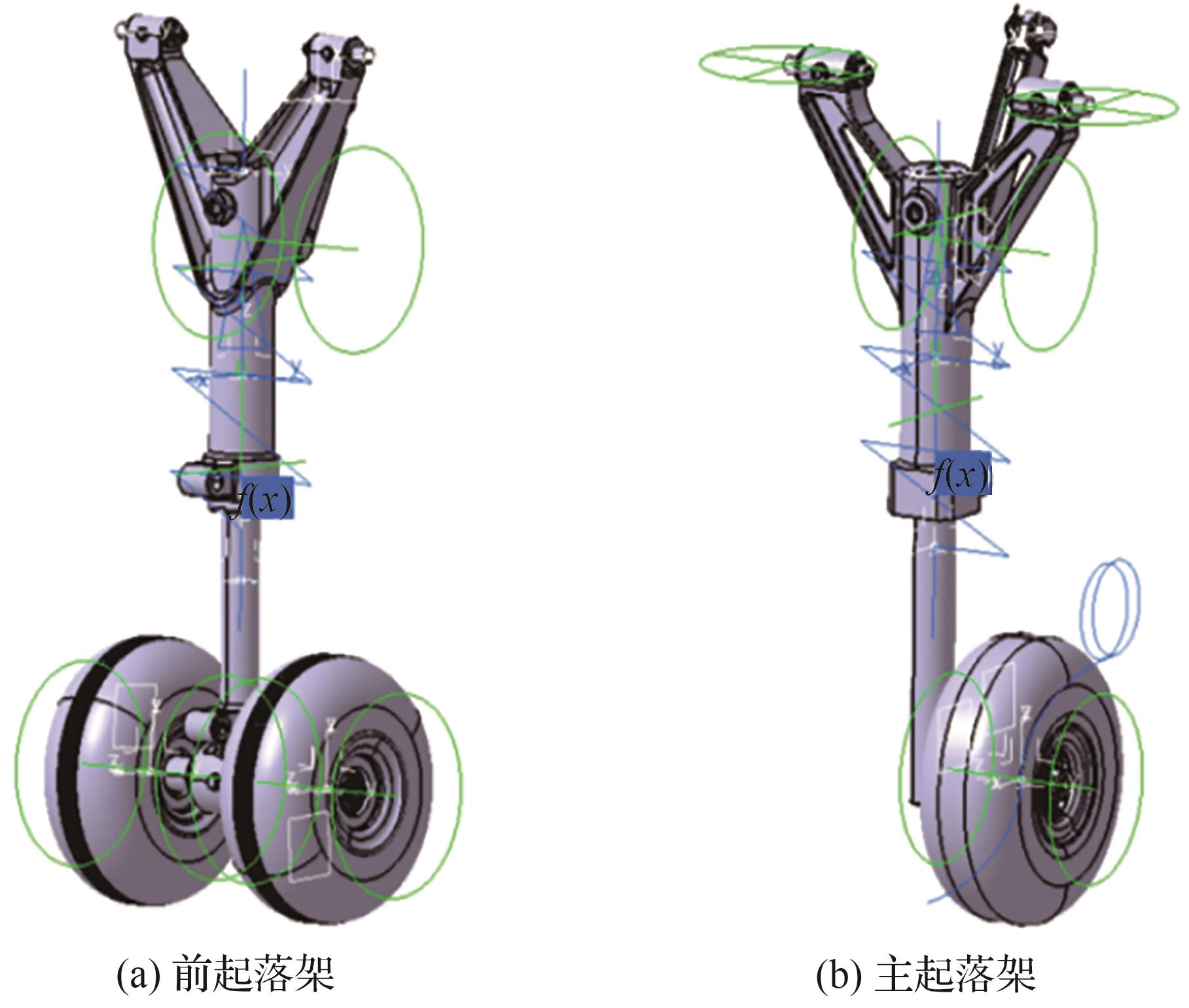
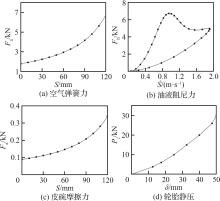
Fig.15
Landing gear buffer and tire performance parameter setting
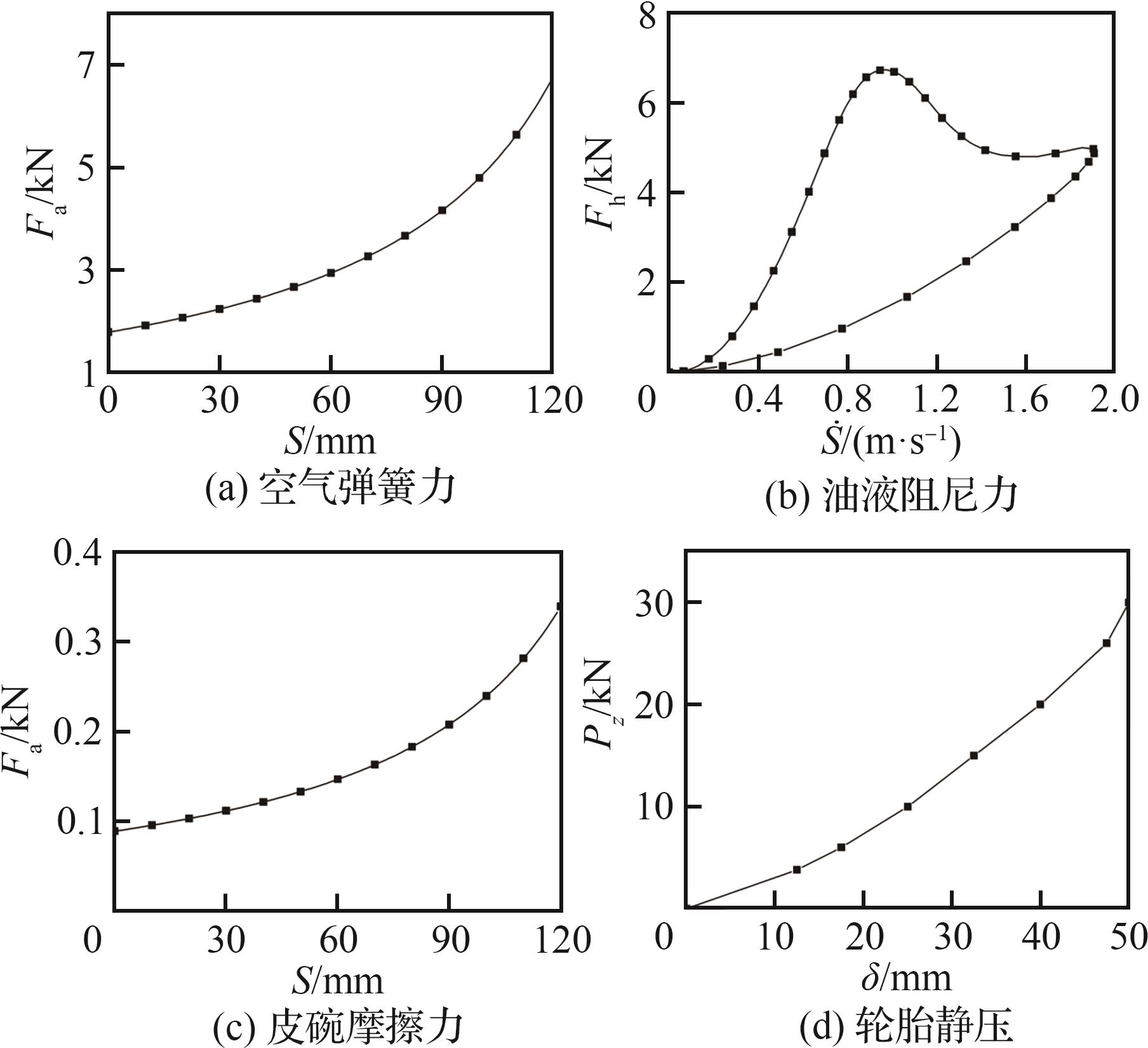
Table 4
Material parameters
| 材料 | 弹性模量 | 泊松比 |
|---|---|---|
| Q690 | 210 000 | 0.30 |
| 2024铝合金 | 70 000 | 0.33 |
Table 5
Types and dimensions of elements of each component in airframe model
| 部件 | 单元类型 | 单元形状 | 单元尺寸/mm | 材料 | 单元数量 | |
|---|---|---|---|---|---|---|
| 最大单元 | 最小单元 | |||||
| 蒙皮 | shell | quad | 19.33 | 2.76 | 2024铝合金 | 41 034 |
| 翼梁翼肋 | shell | quad | 14.35 | 3.85 | Q690 | 14 611 |
| 平尾梁肋 | shell | quad | 14.08 | 2.09 | Q690 | 1 030 |
| 垂尾梁肋 | shell | quad | 14.70 | 2.07 | Q690 | 1 048 |
| 前段机身 | bar2 | tube | 10.26 | 9.90 | Q690 | 222 |
| 后段机身 | bar2 | tube | 10.07 | 9.91 | Q690 | 248 |
| 连接 | rigid | tube | 10.56 | 9.73 | 892 | |
Fig.16
Airframe model
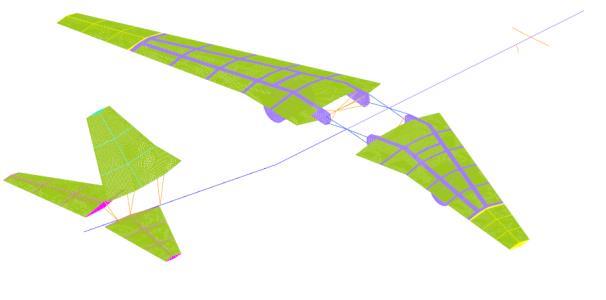
Table 6
Part of modal parameters of airframe model
| 阶数 | 模态 | 频率/Hz |
|---|---|---|
| 1 | 机翼对称一阶弯曲 | 13.9 |
| 2 | 机翼反对称一阶弯曲 | 26.9 |
| 3 | 机身水平一阶弯曲 | 39.2 |
| 4 | 机身垂直一阶弯曲 | 47.1 |
| 5 | 机身扭转 | 54.3 |
| 6 | 机翼对称二阶弯曲 | 59.6 |
| 7 | 机翼对称一阶扭转 | 86.1 |
| 8 | 机翼反对称一阶扭转 | 88.2 |
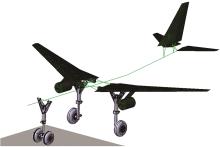
Fig.17
Full-aircraft landing simulation model
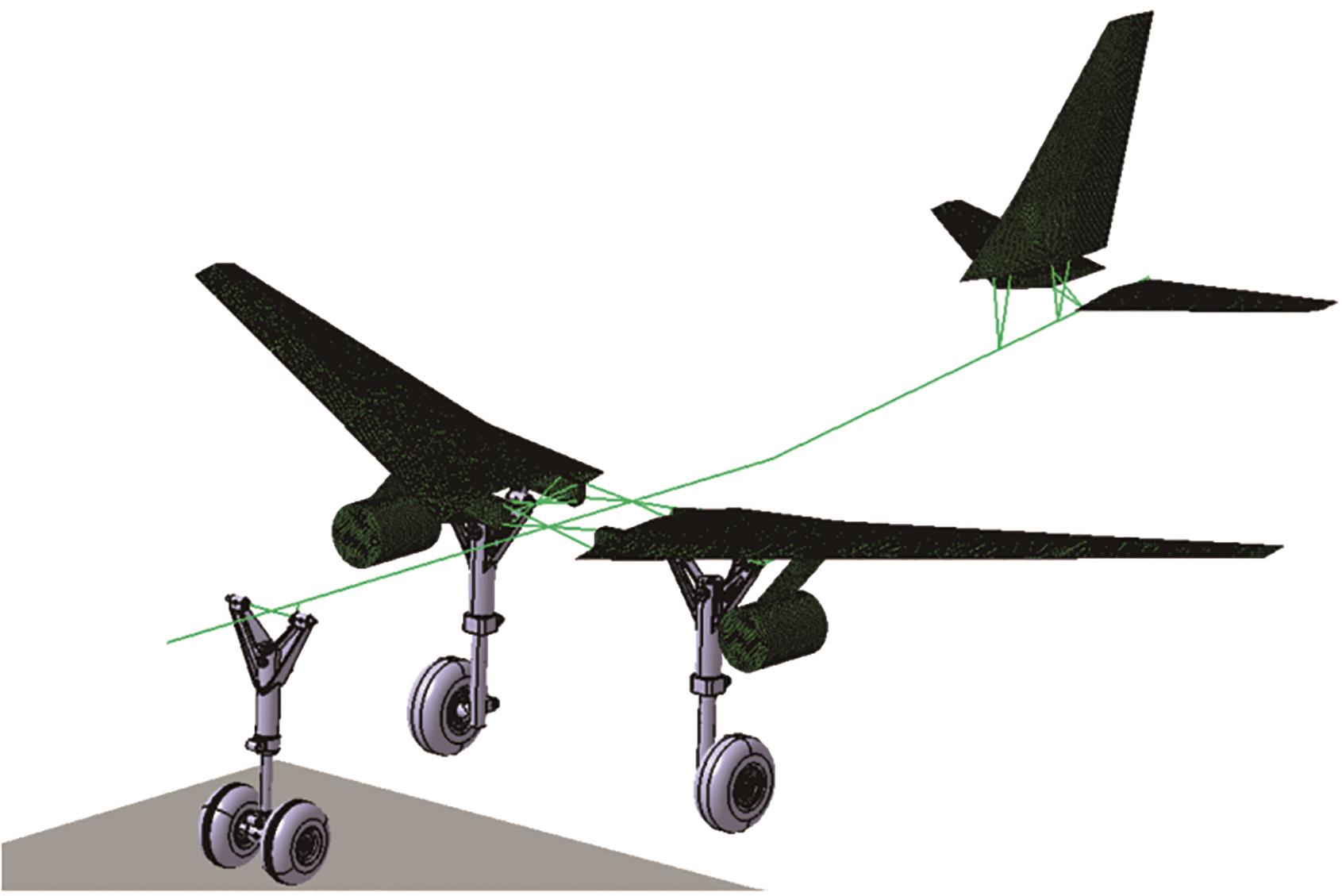
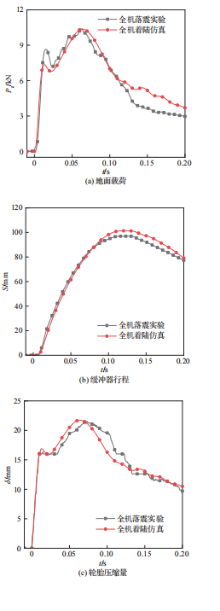
Fig.18
Comparison of landing experiment and simulation results for full-aircraft
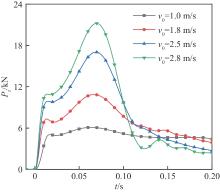
Fig.19
Vertical ground load curves at different sinking speeds
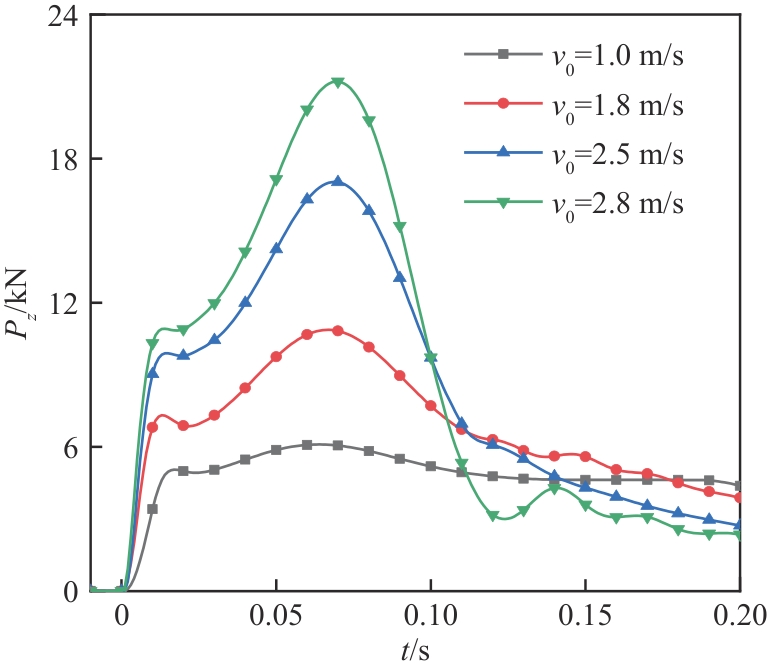
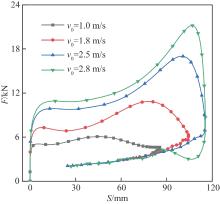
Fig.20
Buffer absorption power at different sinking speeds
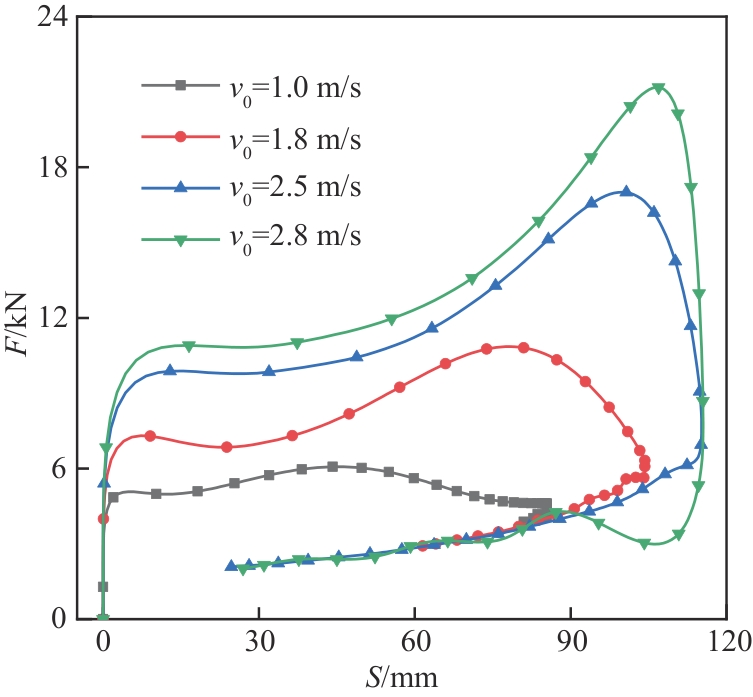
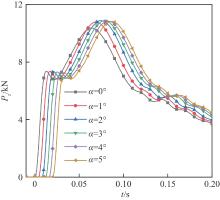
Fig.21
Vertical ground load curves at different pitch angles
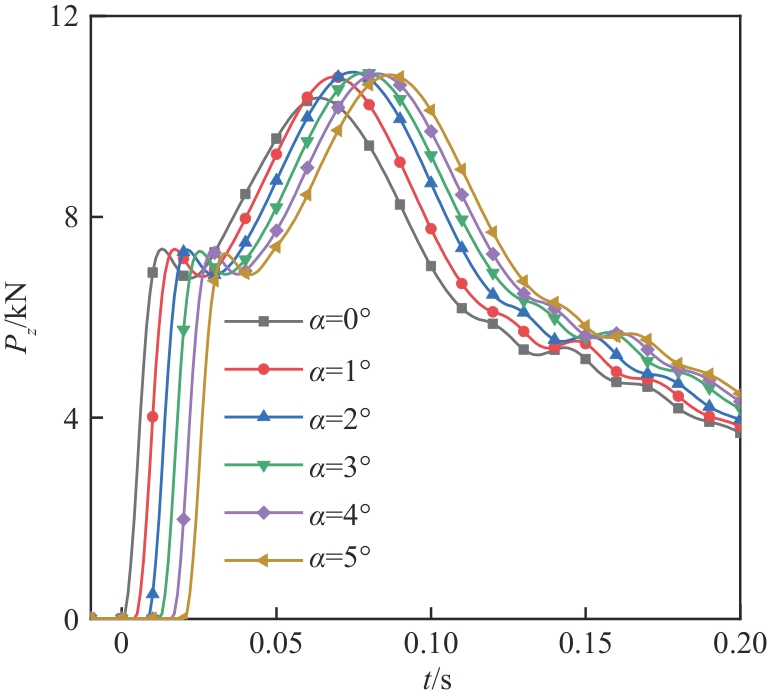
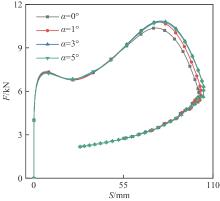
Fig.22
Buffer absorption power at different pitch angles
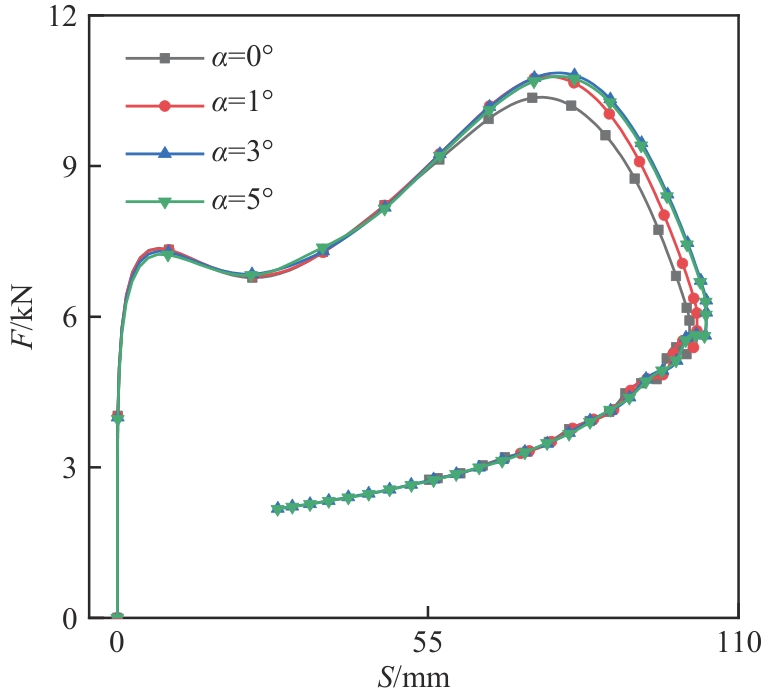
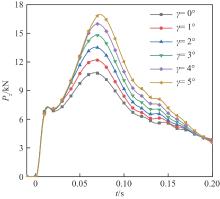
Fig.23
Vertical ground load curves at different roll angles
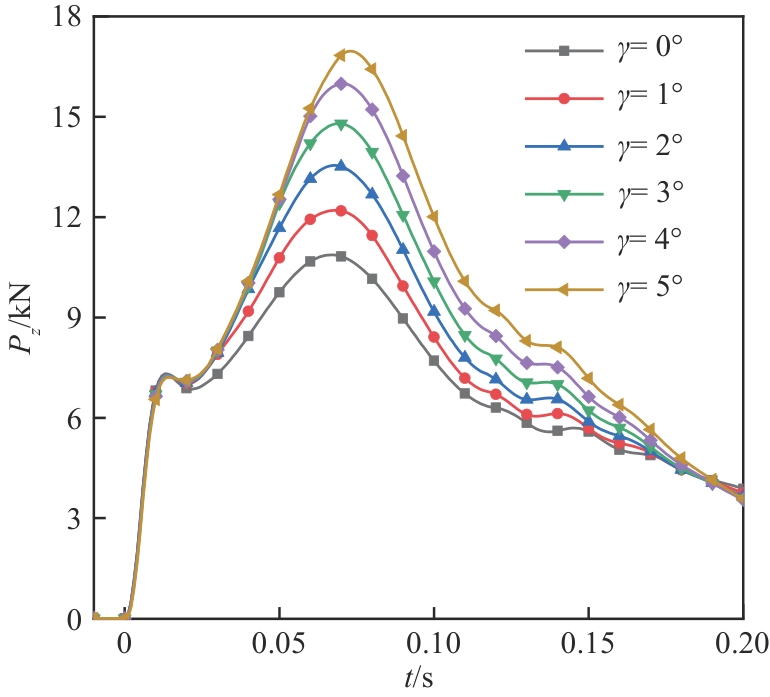
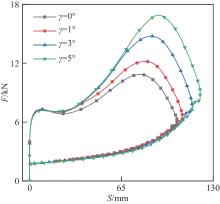
Fig.24
Buffer absorption power at different roll angles
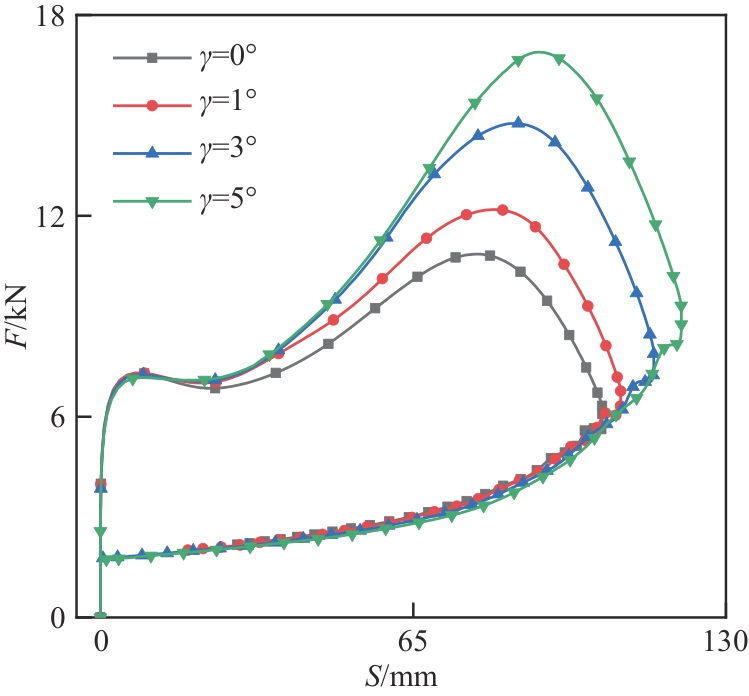
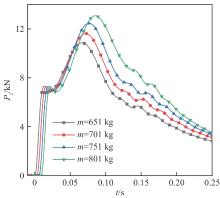
Fig.25
Vertical ground load curves under different aircraft landing weights
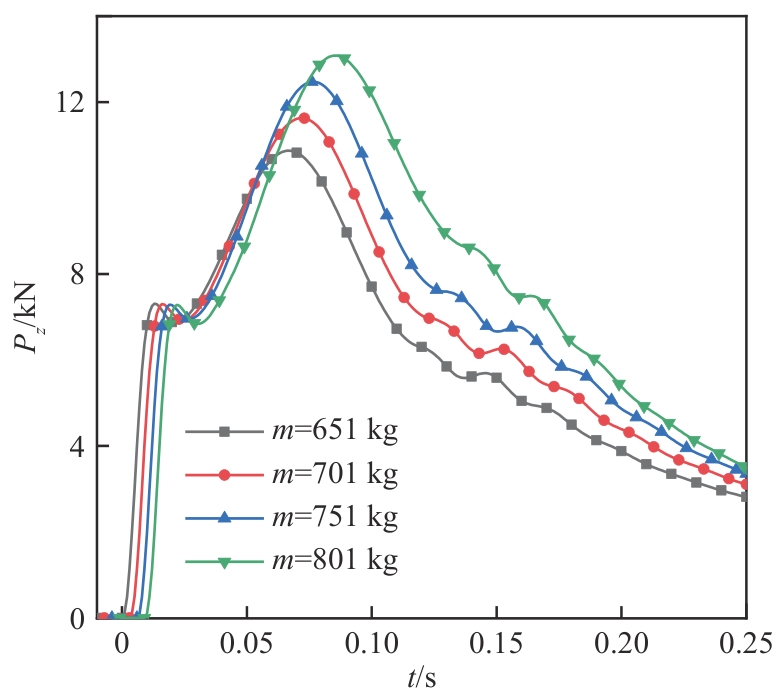
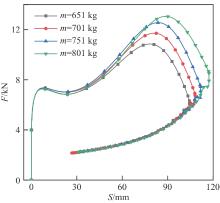
Fig.26
Buffer absorption power under different aircraft landing weights
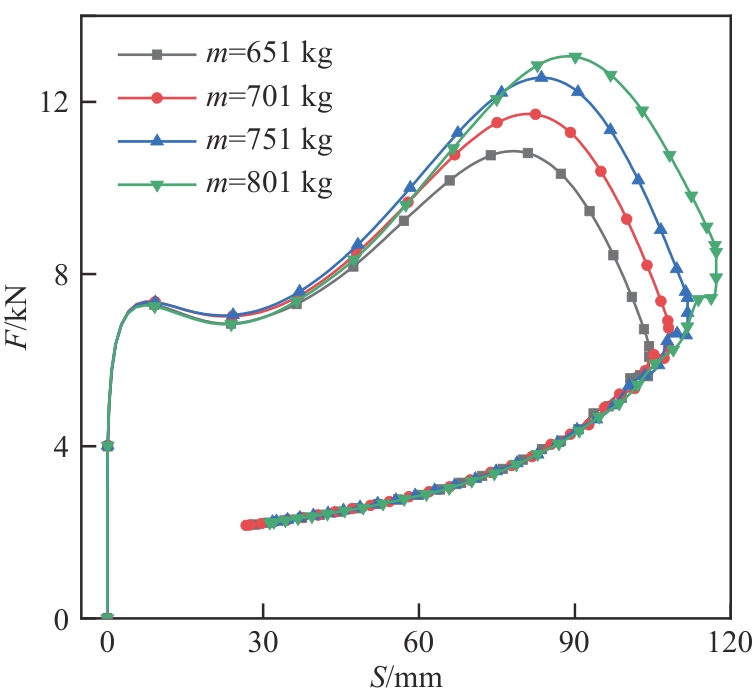
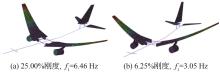
Fig.27
Modal analysis results of airframe with different stiffness
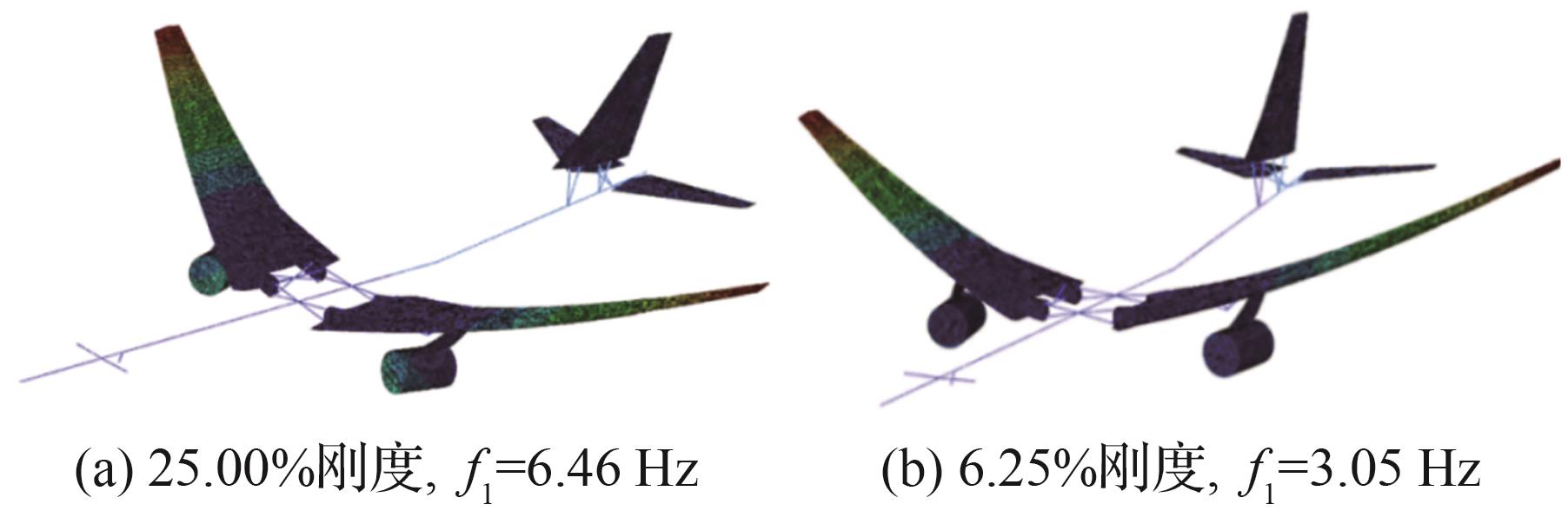
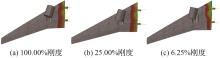
Fig.28
First-order vibration mode nodal lines of airframe with different stiffness
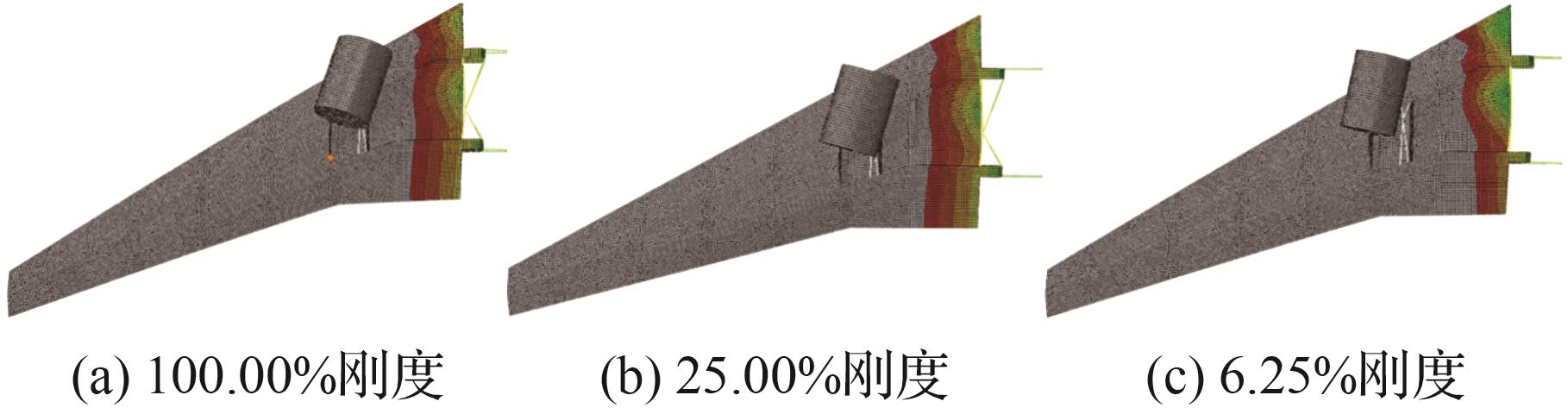
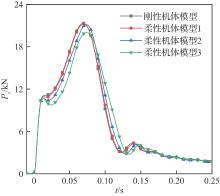
Fig.29
Vertical ground load curves of different airframe flexibility models
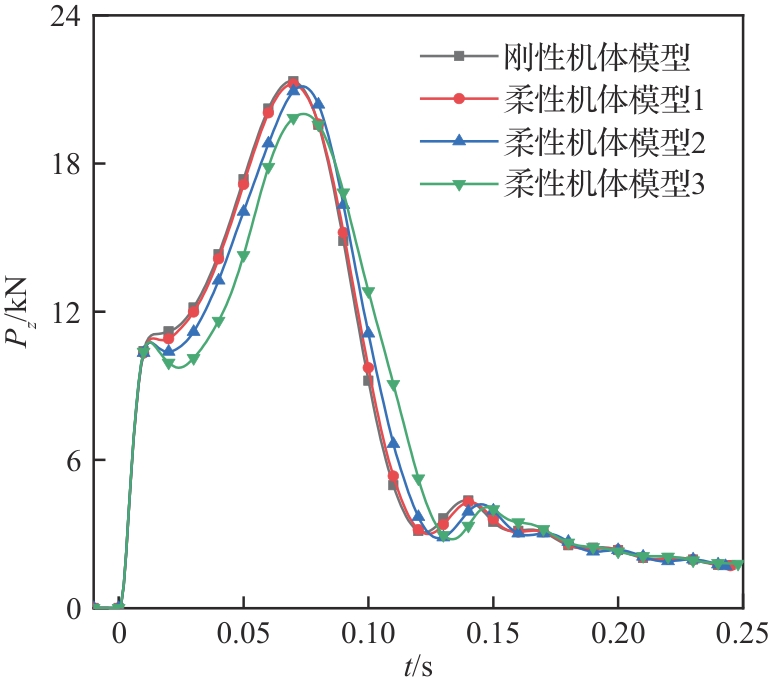
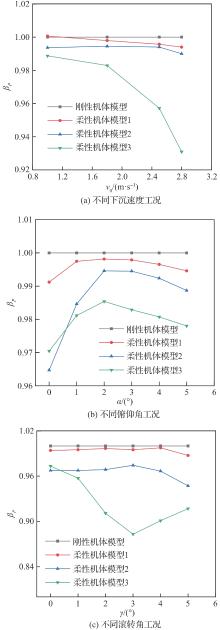
Fig.30
Influence coefficient of airframe flexibility on peak of vertical ground load
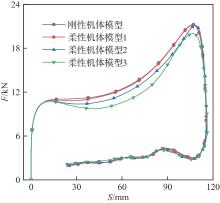
Fig.31
Buffer absorption power diagram of different airframe flexibility models
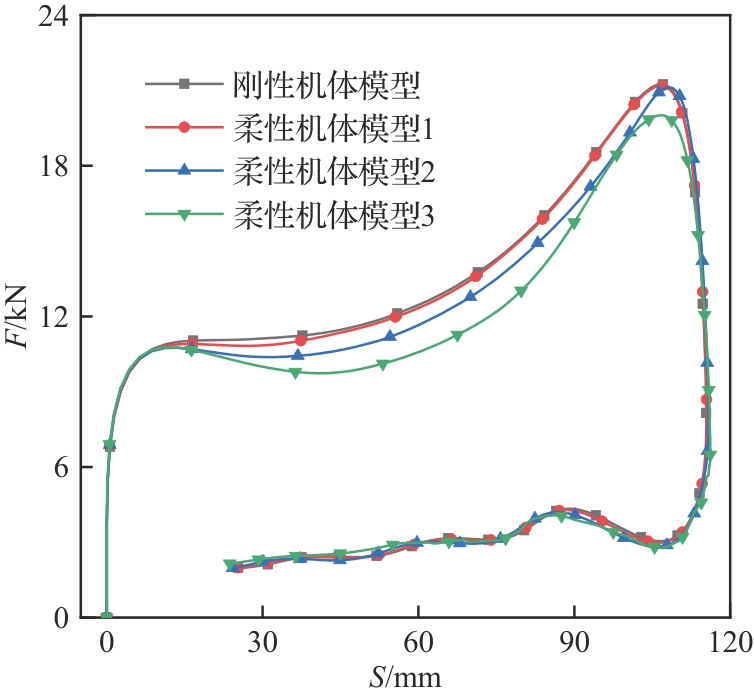
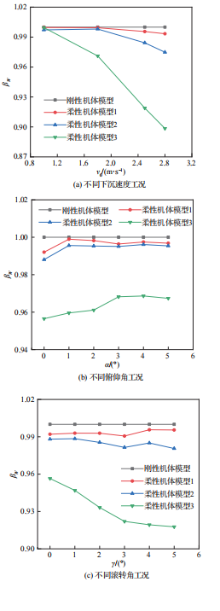
Fig.32
Influence coefficient of airframe flexibility on buffer absorption power
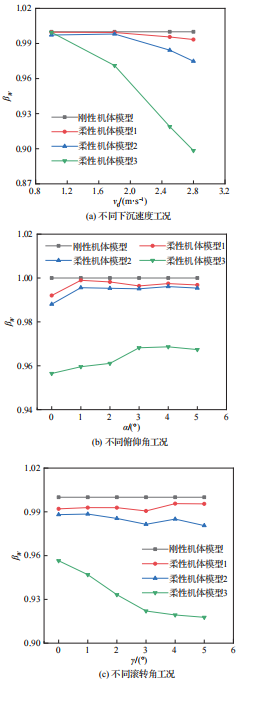
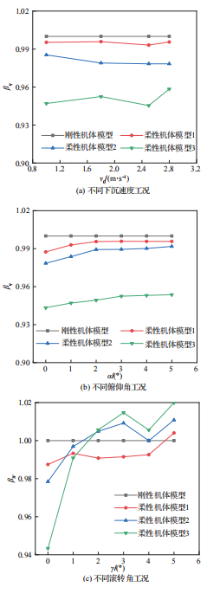
Fig.33
Influence coefficient of airframe flexibility on buffer efficiency
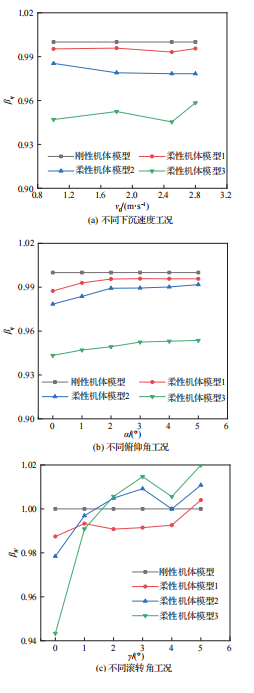
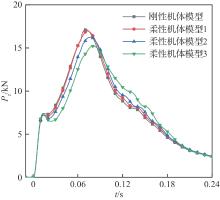
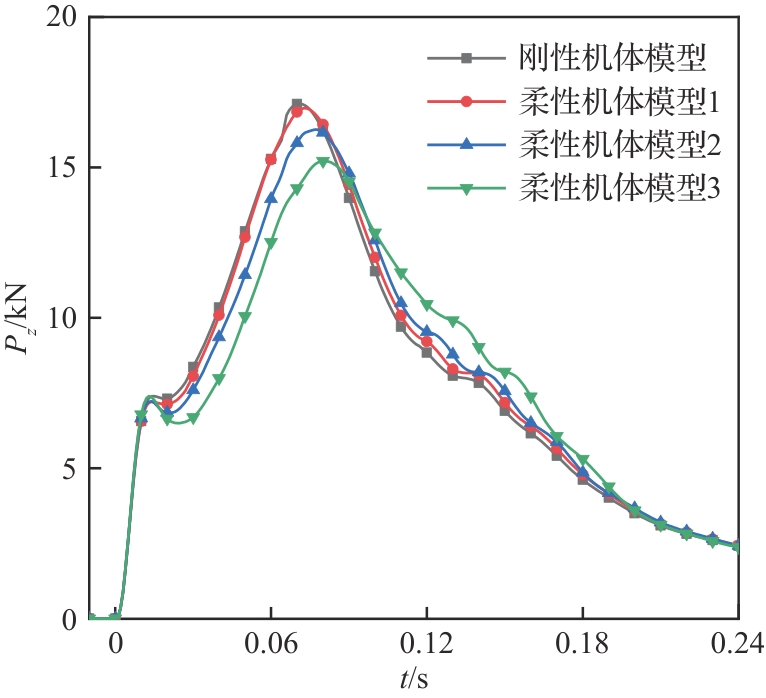
Fig.34
Vertical ground load curve of different airframe flexibility model at roll angle of 5°
| [1] | 中国人民解放军总装备部. 军用飞机结构强度规范, 第4部分: 地面载荷: [S]. 北京: 总装备部军标出版发行部, 2008. |
| General Armaments Department of the PLA. Military aircraft structural strength specification Part 4: Ground loads: [S]. Beijing: The General Armaments Department Published the Distribution Department, 2008 (in Chinese) . | |
| [2] | 航空航天工业部科学技术委员会. 飞机起落架强度设计指南[M]. 成都: 四川科学技术出版社, 1989. |
| Science and Technology Committee of the Ministry of Aerospace Industry. Guide for strength design of aircraft landing gear[M]. Chengdu: Sichuan Scientific & Technical Publishers, 1989 (in Chinese). | |
| [3] | MICHAEL F. Theoretical and experiment principles of landing gear research and development[R]. Berlin: Luftfahrtforschung, 1937. |
| [4] | SCHLAEFKE K. Buffer and unbuffered impact on landing gear[R]. Berlin: Telegraph Bureau, 1943. |
| [5] | SCHLAEFKE K. On reciprocal effects between shock strut and tire in landing impact of airplane undercarriages[R]. Berlin: Telegraph Bureau, 1943. |
| [6] | SCHLAEFKE K. On force deflection diagrams of shock struts[R]. Berlin: Telegraph Bureau, 1944. |
| [7] | KOCHANWSKY W. Landing and taxing: Impacts on oleo shock-struts[R]. Berlin: Luftfahrtforschung, 1944. |
| [8] | MARQUARD E, MEYER C W. Approximate calculation of the force between landing gear and fuselage of a landing aircraft[R]. Berlin: Luftfahrtforschung, 1943. |
| [9] | MILWITZKY B, COOK F E. Analysis of' landing gear behavior: NACA TN 2755[R]. Washington, D.C.: NASA, 1953. |
| [10] | FLUGGE W. Landing-gear-impact: NACA TN 2743[R]. Washington, D.C.: NASA, 1952. |
| [11] | FLUGGE W. The influence of wheel spin upon landing gear impact: NACA TN 3217[R]. Washington, D.C.: NASA, 1954. |
| [12] | 孟宪锋, 罗萌, 江辉, 等. 飞机着陆数值仿真及机场道面动载特性研究[J]. 振动与冲击, 2024, 43(1): 308-318. |
| MENG X F, LUO M, JIANG H, et al. Numerical simulation of aircraft landing and dynamic load characteristics of airport pavement[J]. Journal of Vibration and Shock, 2024, 43(1): 308-318 (in Chinese). | |
| [13] | 陈熠, 崔荣耀, 巨荣博, 等. 考虑机体动力特性的前起落架摆振分析[J]. 西北工业大学学报, 2018, 36(2): 388-395. |
| CHEN Y, CUI R Y, JU R B, et al. Simulation of nose landing gear shimmy with flexible airframe considered[J]. Journal of Northwestern Polytechnical University, 2018, 36(2): 388-395 (in Chinese). | |
| [14] | 中国民用航空局. 运输类飞机适航标准: CCAR-25-R4 [S]. 北京: 中国民用航空局, 2011. |
| CAAC. Transport aircraft airworthiness standards: CCAR-25-R4 [S]. Beijing: CAAC, 2011 (in Chinese). | |
| [15] | MAYO W L. Hydrodynamic impact of a system with a single elastic mode Ⅰ—The theory and generalized solution with an application to an elastic airframe: NASA R-1047 [R]. Washington, D.C.: NASA, 1952. |
| [16] | COOK F E, MILWITZKY B. Effect of interaction on landing-gear behavior and dynamic loads in a flexible airplane structure: NACA 1278[R]. Washington, D.C.: NACA, 1955. |
| [17] | 牟让科, 罗俊杰. 飞机结构弹性对起落架缓冲性能的影响[J]. 航空学报, 1995, 16(2): 205-208. |
| MU R K, LUO J J. Effect of aircraft structure flexibility on the shock-absorber behavior of landing gears[J]. Acta Aeronautica et Astronautica Sinica, 1995, 16(2): 205-208 (in Chinese). | |
| [18] | 史友进. 大柔性飞机起落架缓冲器设计研究[D]. 南京: 南京航空航天大学, 2006. |
| SHI Y J. Research on the design of landing gear buffer for large flexible aircraft[D]. Nanjing: Nanjing University of Aeronautics and Astronautics, 2006 (in Chinese). | |
| [19] | 史友进, 张曾錩. 大柔性飞机着陆响应弹性机体模型[J]. 东南大学学报(自然科学版), 2005, 35(4): 549-552. |
| SHI Y J, ZHANG Z C. Elastic model for flexible airplane landing impact analysis[J]. Journal of Southeast University (Natural Science Edition), 2005, 35(4): 549-552 (in Chinese). | |
| [20] | 史友进, 张曾錩. 大柔性飞机着陆撞击多质量块等效模型[J]. 航空学报, 2006, 27(4): 635-640. |
| SHI Y J, ZHANG Z C. An equivalent multi-mass system of a flexible airplane[J]. Acta Aeronautica et Astronautica Sinica, 2006, 27(4): 635-640 (in Chinese). | |
| [21] | 张明, 卫夕阳, 杨子民, 等. 六轮小车式起落架地面载荷分析研究[J]. 西北工业大学学报, 2022, 40(5): 1090-1099. |
| ZHANG M, WEI X Y, YANG Z M, et al. Six-wheel trolley type landing gear ground load analysis study[J]. Journal of Northwestern Polytechnical University, 2022, 40(5): 1090-1099 (in Chinese). |
| [1] | Haolei MOU, Jiang XIE, Zhenyu FENG, Kun CHENG, Yi LIU. Crashworthiness characteristics analysis of typical fuselage section of large transport aircraft [J]. ACTA AERONAUTICAET ASTRONAUTICA SINICA, 2023, 44(9): 227512-227512. |
| [2] | FENG Wenchun, ZHU Yongfeng. Respiration model and test analysis of continuous oxygen supply system for members in large transport aircraft [J]. ACTA AERONAUTICAET ASTRONAUTICA SINICA, 2019, 40(2): 522212-522212. |
| [3] | WANG Yuntao. An overview of HiLiftPW-1 to HiLiftPW-3 numerical simulation technologies [J]. ACTA AERONAUTICAET ASTRONAUTICA SINICA, 2018, 39(7): 21997-021997. |
| [4] | ZENG Xian'ang, PU Lidong, LI Junjie, TAN Shen'gang, XIE Huaiqiang. Wind-tunnel test of maneuver load control based overdetermined trim [J]. ACTA AERONAUTICAET ASTRONAUTICA SINICA, 2017, 38(5): 120596-120596. |
| [5] | ZHENG Wuji, LI Yinghui, QU Liang, XU Haojun, YUAN Guoqiang. Nonlinear stability region of icing aircraft during landing phase based on normal form method [J]. ACTA AERONAUTICAET ASTRONAUTICA SINICA, 2017, 38(2): 520714-520724. |
| [6] | LIANG Yu, SHAN Xiaowen. Aerodynamic analysis and optimization design for variable camber airfoil of civil transport jet [J]. ACTA AERONAUTICAET ASTRONAUTICA SINICA, 2016, 37(3): 790-798. |
| [7] | XIN Qi, SHI Zhongke. Design of Three Dimensional Nonlinear Controller for Transport Aircraft Airdropping Heavy Cargos at Extremely Low-altitude Under Crosswind [J]. ACTA AERONAUTICAET ASTRONAUTICA SINICA, 2014, 35(7): 1941-1956. |
| [8] | WANG Yuanyuan, ZHANG Binqian, GUO Zhaodian, DONG Qiang. Aerodynamic Optimization Design for Large Upswept Afterbody of Transport Aircraft Based on FFD Technology [J]. ACTA AERONAUTICAET ASTRONAUTICA SINICA, 2013, 34(8): 1806-1814. |
| [9] | GUO Baodong, QU Qiulin, LIU Peiqing, ZHOU Zhijie, ZHANG Chun. Ditching Performance of Silent Aircraft SAX-40 in Hybrid Wing-body Configuration [J]. ACTA AERONAUTICAET ASTRONAUTICA SINICA, 2013, 34(11): 2443-2451. |
| [10] | ZHANG Wensheng, CHEN Haixin, ZHANG Yufei, FU Song, CHEN Yingchun, LI Yalin, ZHOU Tao. Nacelle Strake’s Aerodynamic Characteristics Effects on High-lift Configuration of Transport Aircraft [J]. ACTA AERONAUTICAET ASTRONAUTICA SINICA, 2013, 34(1): 76-85. |
| [11] | TU Yi;LIN Guiping. Simulation of Large-scale Aircraft Cabin Temperature Control System [J]. ACTA AERONAUTICAET ASTRONAUTICA SINICA, 2011, 32(1): 49-57. |
| [12] | Wang Shengnan;Zheng Xiaoling. Study on Proposed Rules to Preclude Widespread Fatigue Damage for Transport Category Aircraft [J]. ACTA AERONAUTICAET ASTRONAUTICA SINICA, 2010, 31(9): 1758-1768. |
| [13] | Zhang Binqian;Wang Yuanyuan;Duan Zhuoyi;Dong Qiang;Zhang Zidong;Mao Xuming. Design Method for Large Upswept Afterbody of Transport Aircraft [J]. ACTA AERONAUTICAET ASTRONAUTICA SINICA, 2010, 31(10): 1933-1939. |
| Viewed | ||||||
|
Full text |
|
|||||
|
Abstract |
|
|||||
Address: No.238, Baiyan Buiding, Beisihuan Zhonglu Road, Haidian District, Beijing, China
Postal code : 100083
E-mail:hkxb@buaa.edu.cn
Total visits: 6658907 Today visits: 1341All copyright © editorial office of Chinese Journal of Aeronautics
All copyright © editorial office of Chinese Journal of Aeronautics
Total visits: 6658907 Today visits: 1341

 CJA
CJA
