Acta Aeronautica et Astronautica Sinica ›› 2025, Vol. 46 ›› Issue (24): 331872.doi: 10.7527/S1000-6893.2025.31872
• Electronics and Electrical Engineering and Control • Previous Articles
Jiachen LIU1,2, Lei DONG1,3( ), Zijing SUN4, Ye NI5, Xi CHEN1,3, Peng WANG1,3
Received:2025-02-13
Revised:2025-04-01
Accepted:2024-06-26
Online:2025-07-16
Published:2025-07-15
Contact:
Lei DONG
E-mail:l-dong@cauc.edu.cn
Supported by:CLC Number:
Jiachen LIU, Lei DONG, Zijing SUN, Ye NI, Xi CHEN, Peng WANG. An explainable decision-making method for resource allocation in IMA system based on PPO-SHAP[J]. Acta Aeronautica et Astronautica Sinica, 2025, 46(24): 331872.
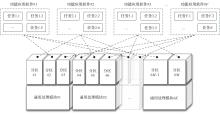
Fig.1
Hierarchical mapping architecture for resource allocation in IMA system
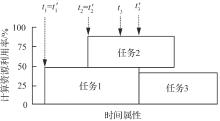
Fig.2
Example of task latency
Fig.3
Process of attribution explanation framework for IMA resource allocation decisions
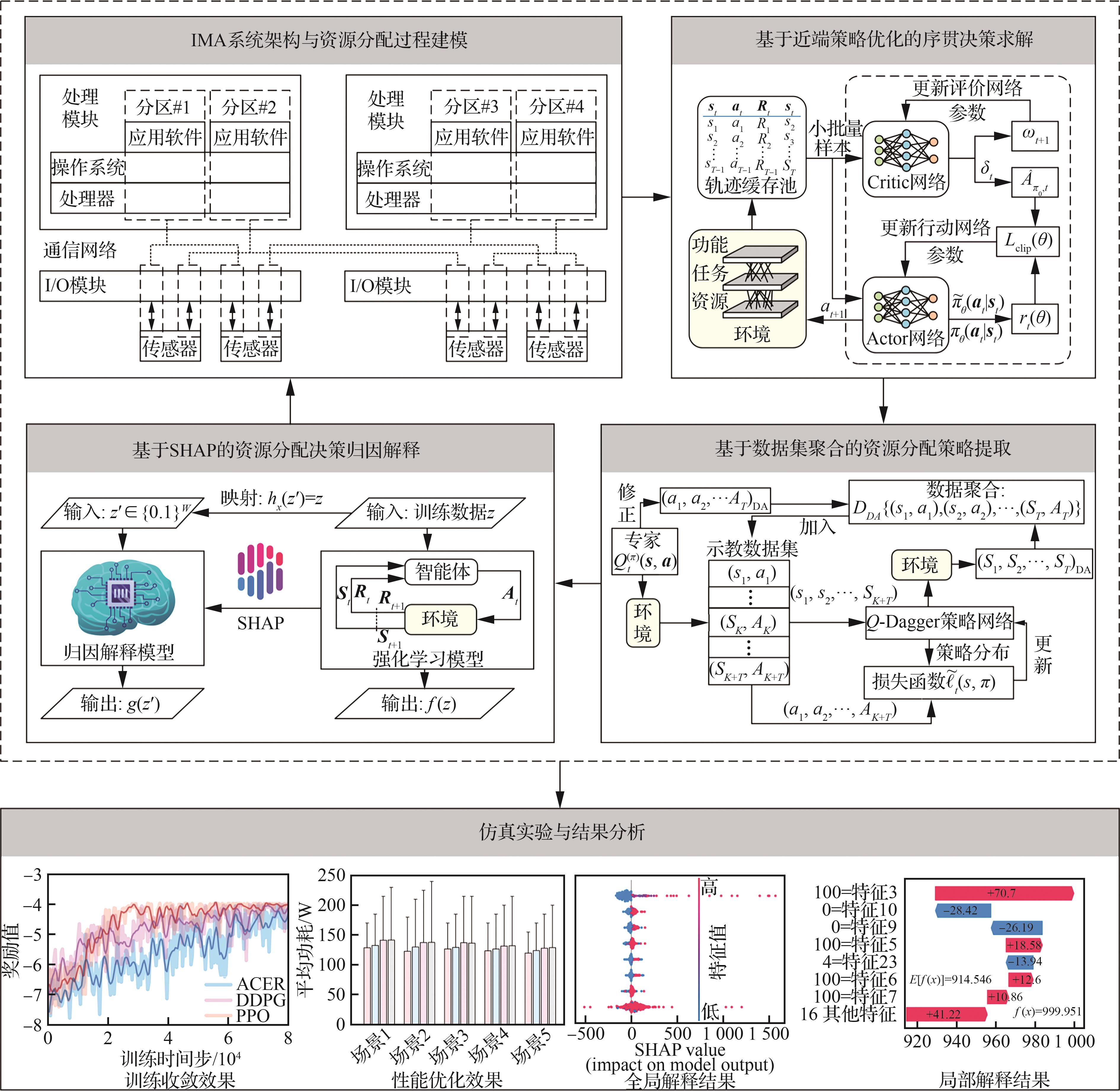

Table 1
Responsibility priority and avionics function requirements in different SPO modes
| SPO模式 | 参与角色职责 | 航电功能需求 | |||||||
|---|---|---|---|---|---|---|---|---|---|
| 单一飞行员 | 智能航电系统 | 地面操作员 | 管理 | 监视 | 显示 | 飞行 | 通信 | 智能 | |
| 1 | A3 | B1 | × | ↗ | ↗ | — | — | — | ↗ |
| 2 | A2 | B2 | C1 | ↑ | ↗ | — | — | ↗ | ↑ |
| 3 | × | B3 | A2 | ↑ | ↑ | × | ↑ | ↑ | ↑ |
Fig.4
Task dataset generation mechanism of IMA system in SPO mode scenario
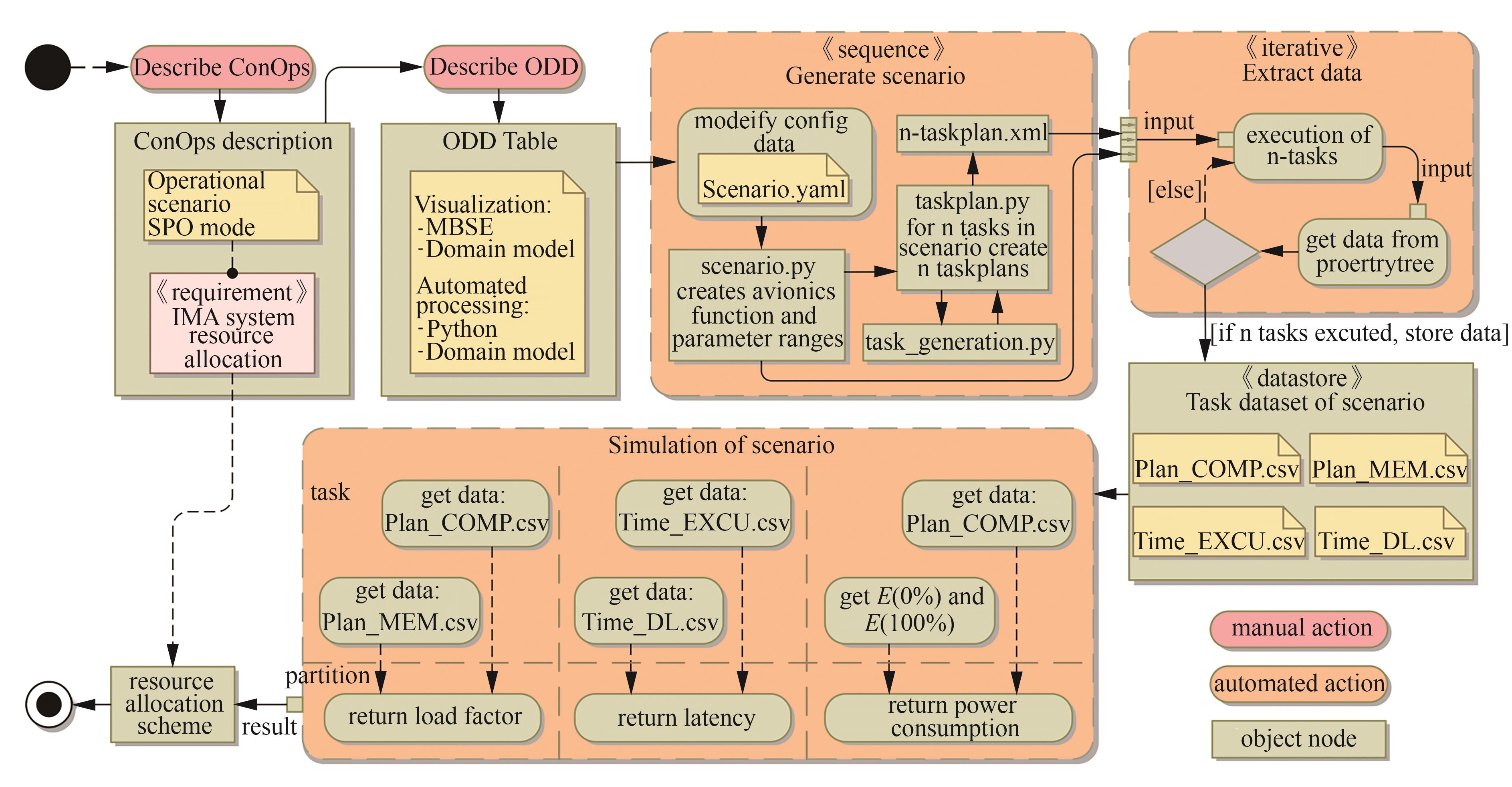
Fig.5
Hierarchical mapping architecture for resource allocation of IMA system in SPO mode scenario
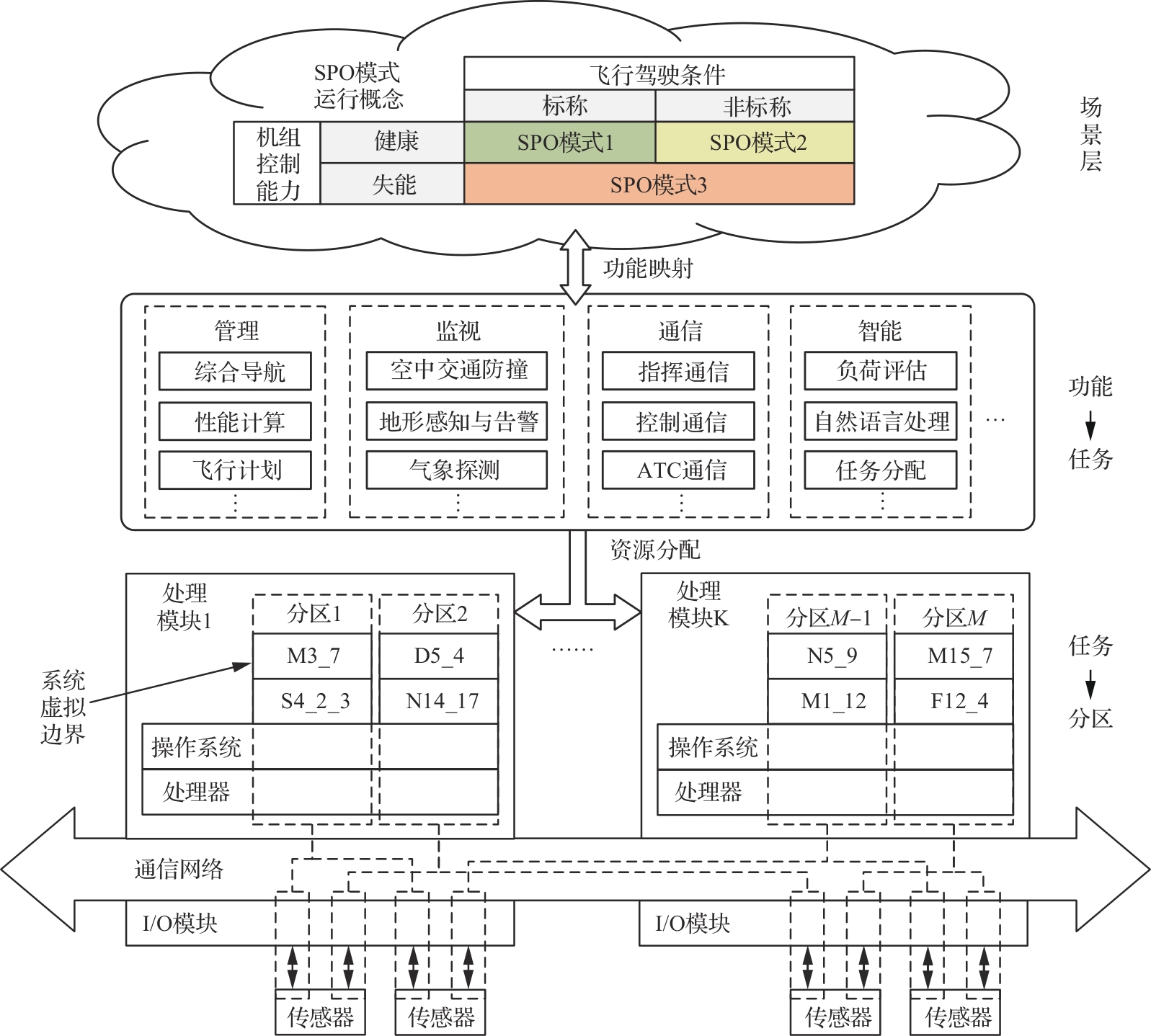
Table 2
Example of task dataset
| 任务编号 | 主频/GHz | 内存/kB | 执行时间/ms | 截止时间/ms |
|---|---|---|---|---|
| M3_7 | 0.59 | 50 | 170 | 200 |
| M1_12 | 0.30 | 40 | 30 | 50 |
| S4_2_3 | 0.49 | 50 | 70 | 100 |
| M12_5 | 0.39 | 60 | 120 | 150 |
| D5_4 | 0.20 | 20 | 10 | 50 |
| C20_19 | 0.49 | 40 | 210 | 250 |
Fig.6
Comparison of algorithm convergence performance for different hyperparameters
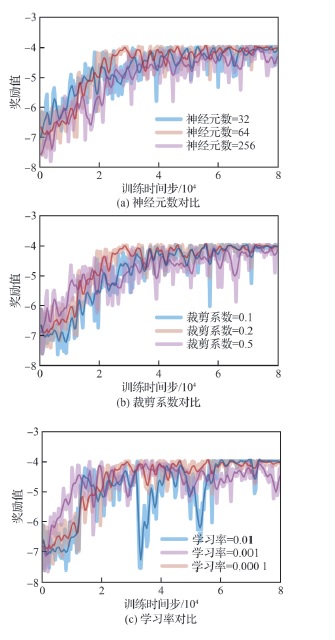
Table 3
Algorithm training hyperparameters setting
| 超参数 | 设定值 |
|---|---|
| Actor网络层数 | 2 |
| Actor各层神经元数 | 64 |
| Critic网络层数 | 2 |
| Critic各层神经元数 | 64 |
| Actor网络学习率 | 1×10⁻⁴ |
| Critic网络学习率 | 1×10⁻⁴ |
| 折扣因子 | 0.99 |
| 裁剪系数 | 0.2 |
| 总学习时间步 | 8×10⁴ |
| 分区个数 | 10 |
| CPM分区配置 | CPM 1:分区1,2,CPM 2:分区3~5, CPM 3:分区6,7,CPM 4:分区8~10 |
| 分区计算资源容量/GHz | 1 |
| 分区存储资源容量/kB | 100 |
| 分区空闲功耗/W | 10 |
| 分区满载功耗/W | 25 |
| 计算资源负载权重因子 | 0.5 |
| 存储资源负载权重因子 | 0.5 |
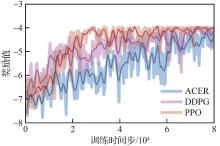
Fig.7
Comparison of algorithm convergence performance for different methods
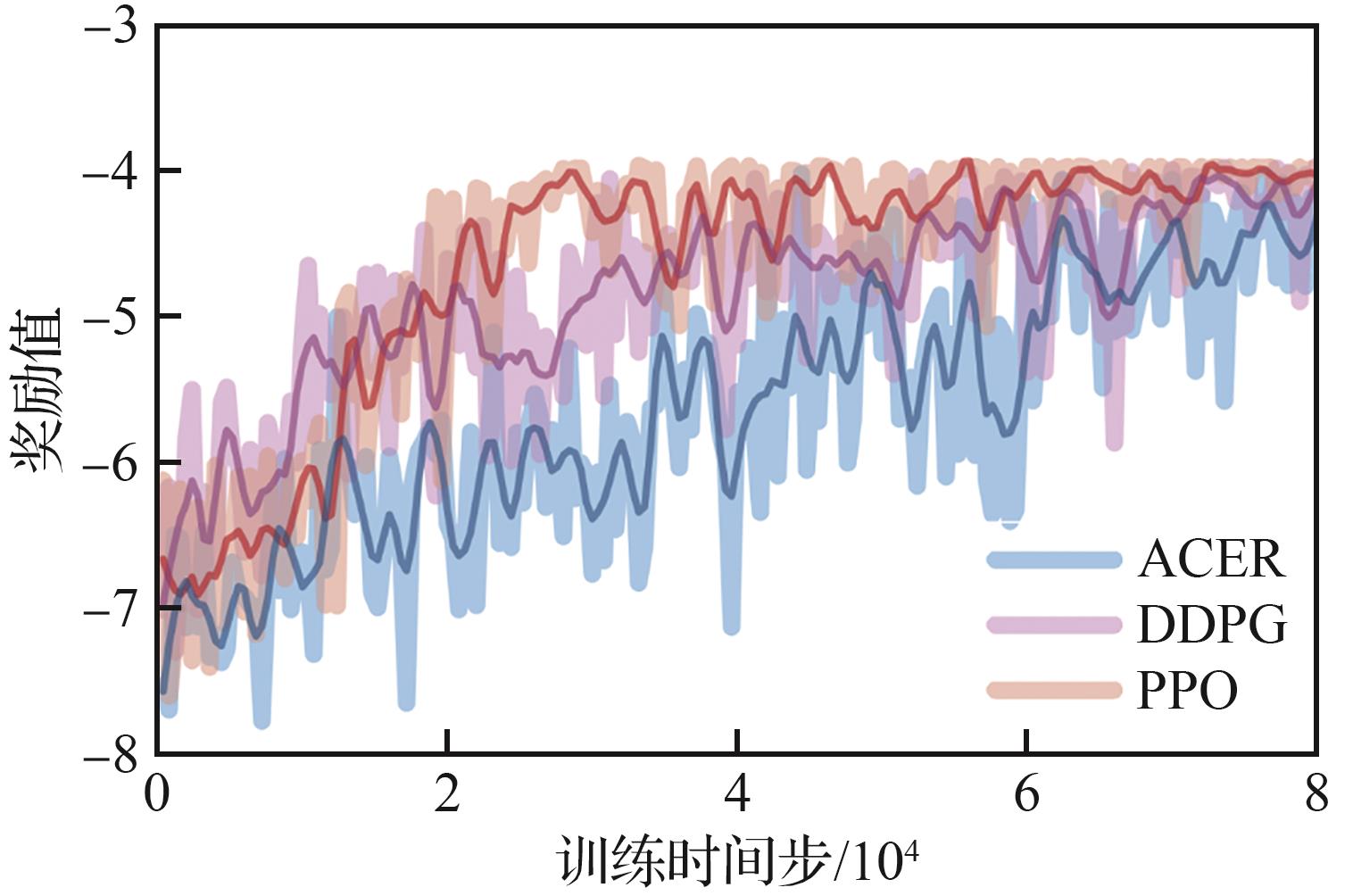
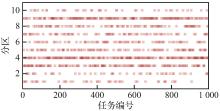
Fig.8
IMA resource allocation scheme solved by PPO algorithm
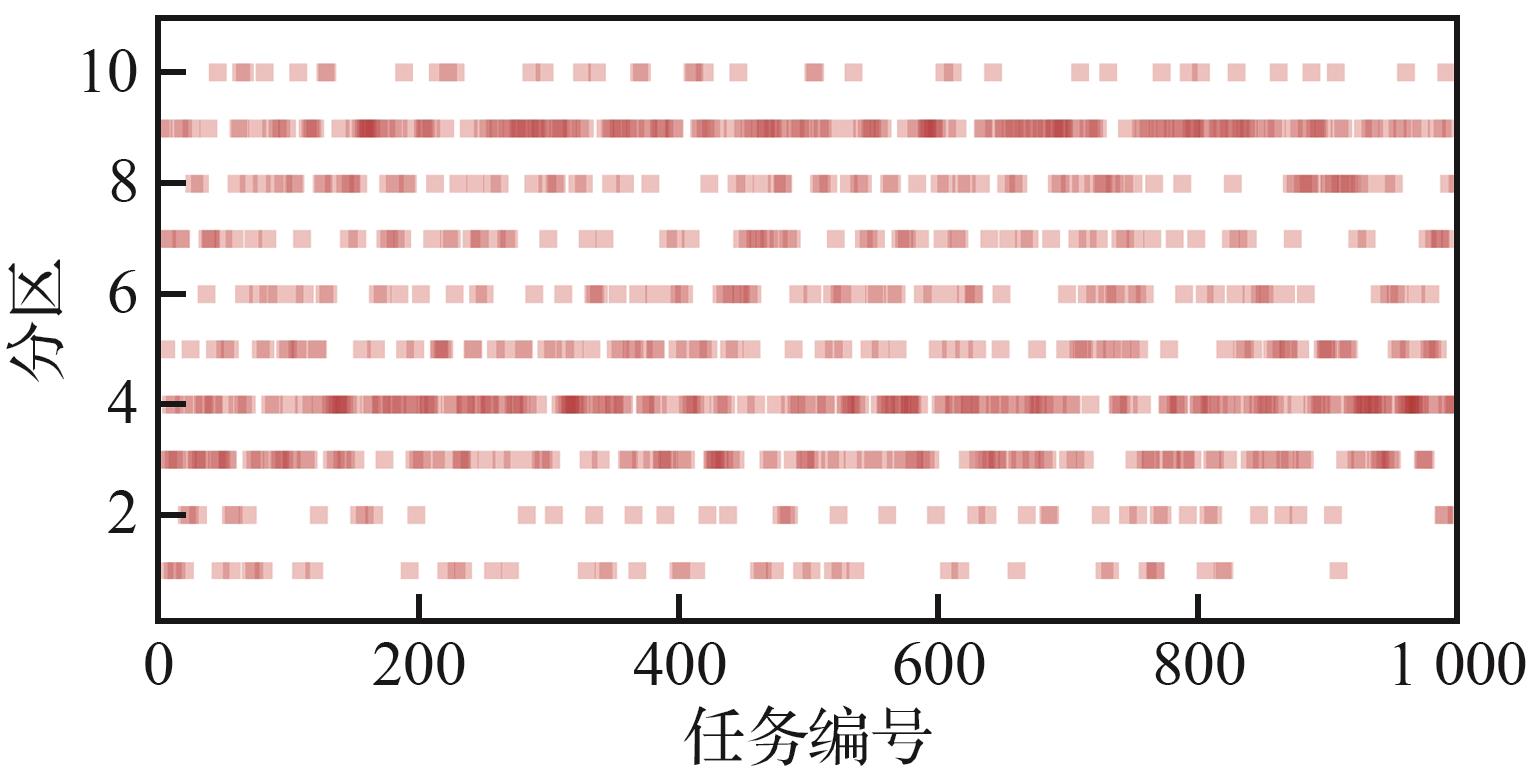
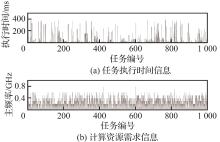
Fig.9
Task state information in IMA resource allocation simulation scenario
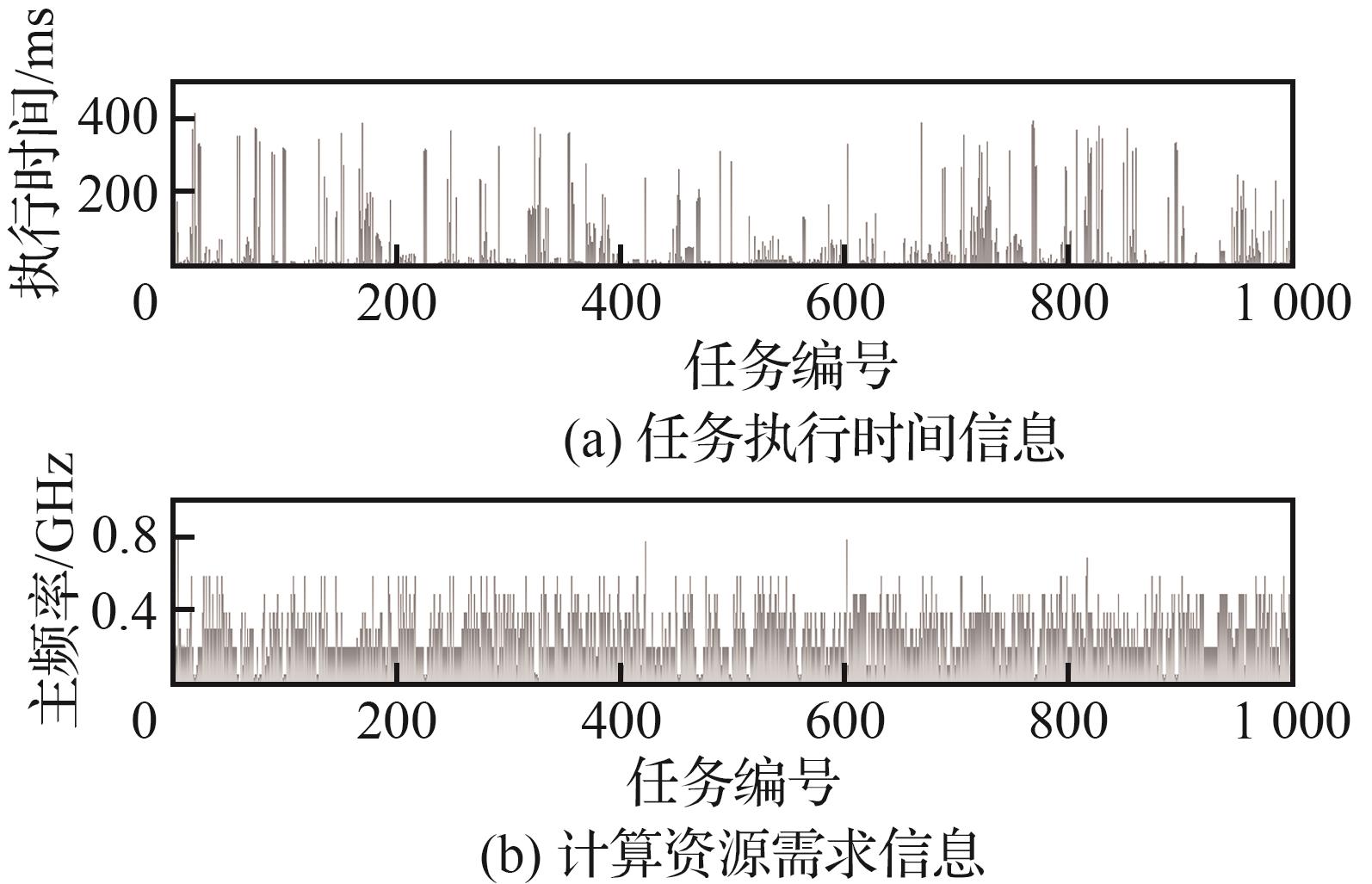
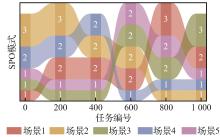
Fig.10
SPO mode scenarios for IMA resource allocation
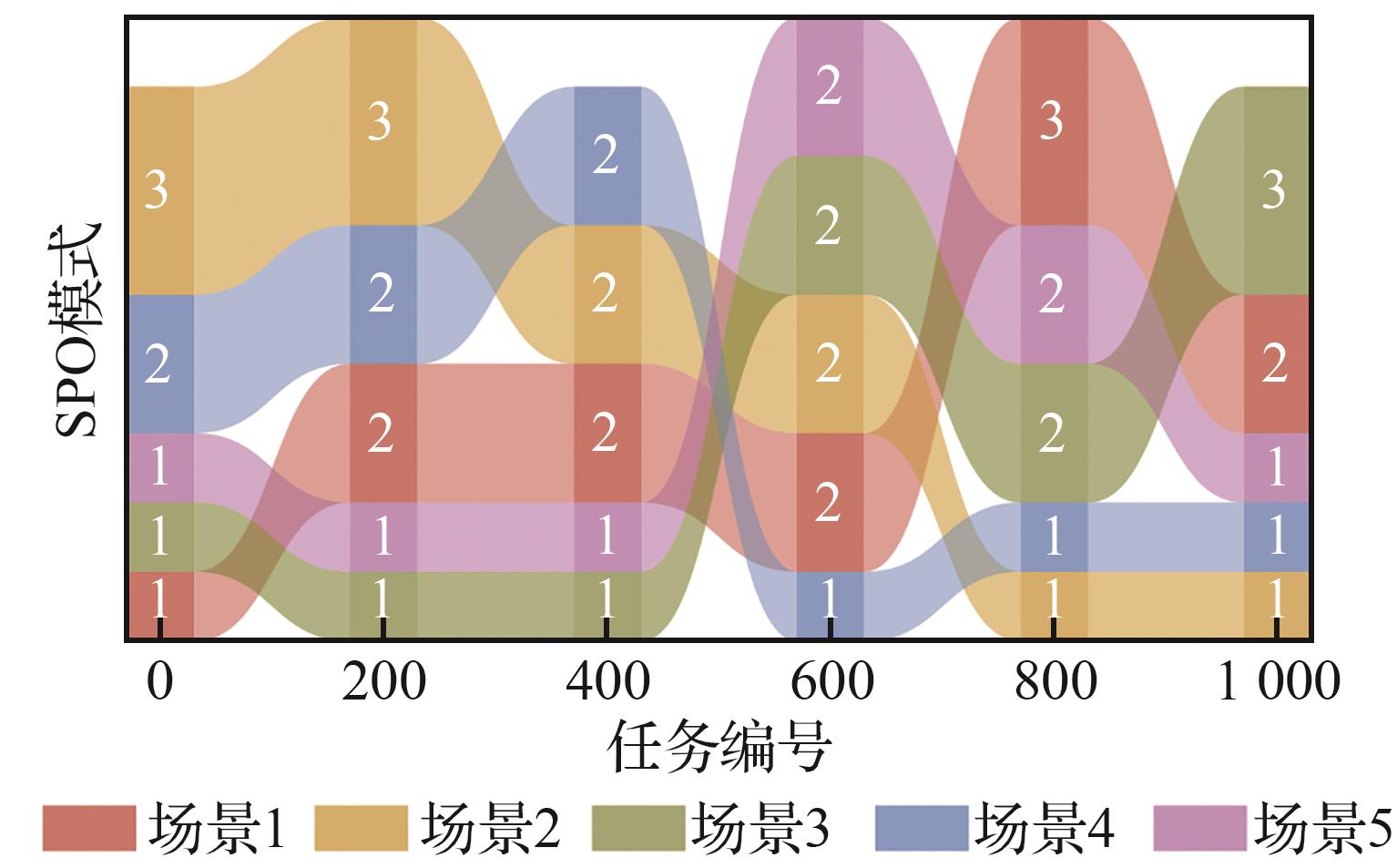
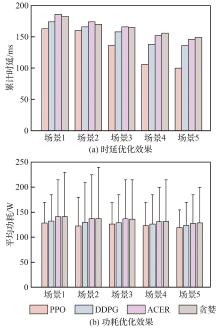
Fig.11
Comparison of simulation performance effect of each algorithm in different scenarios
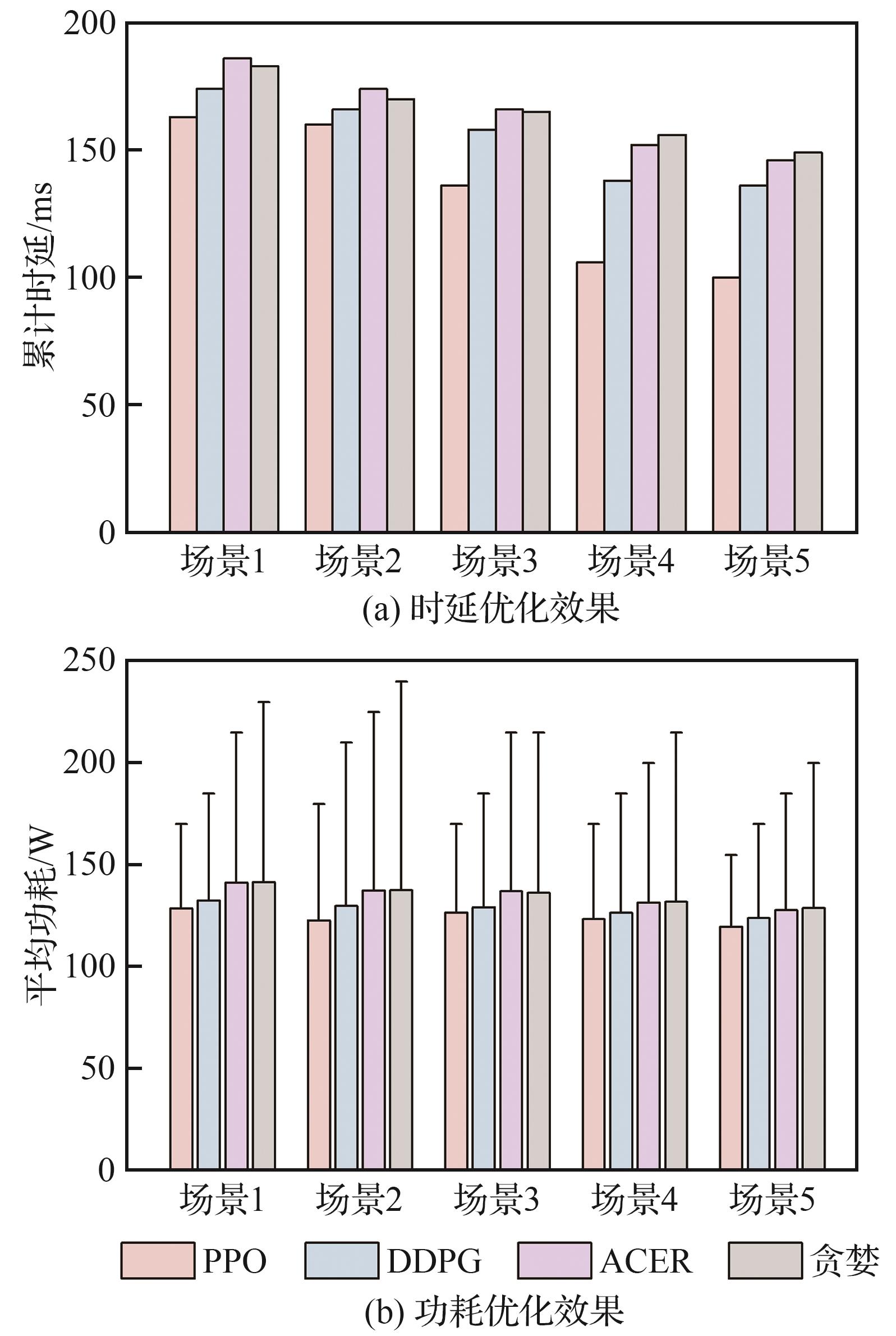
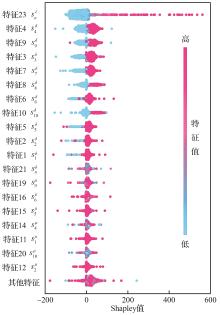
Fig.12
Characteristic density maps for IMA system resource allocation decisions
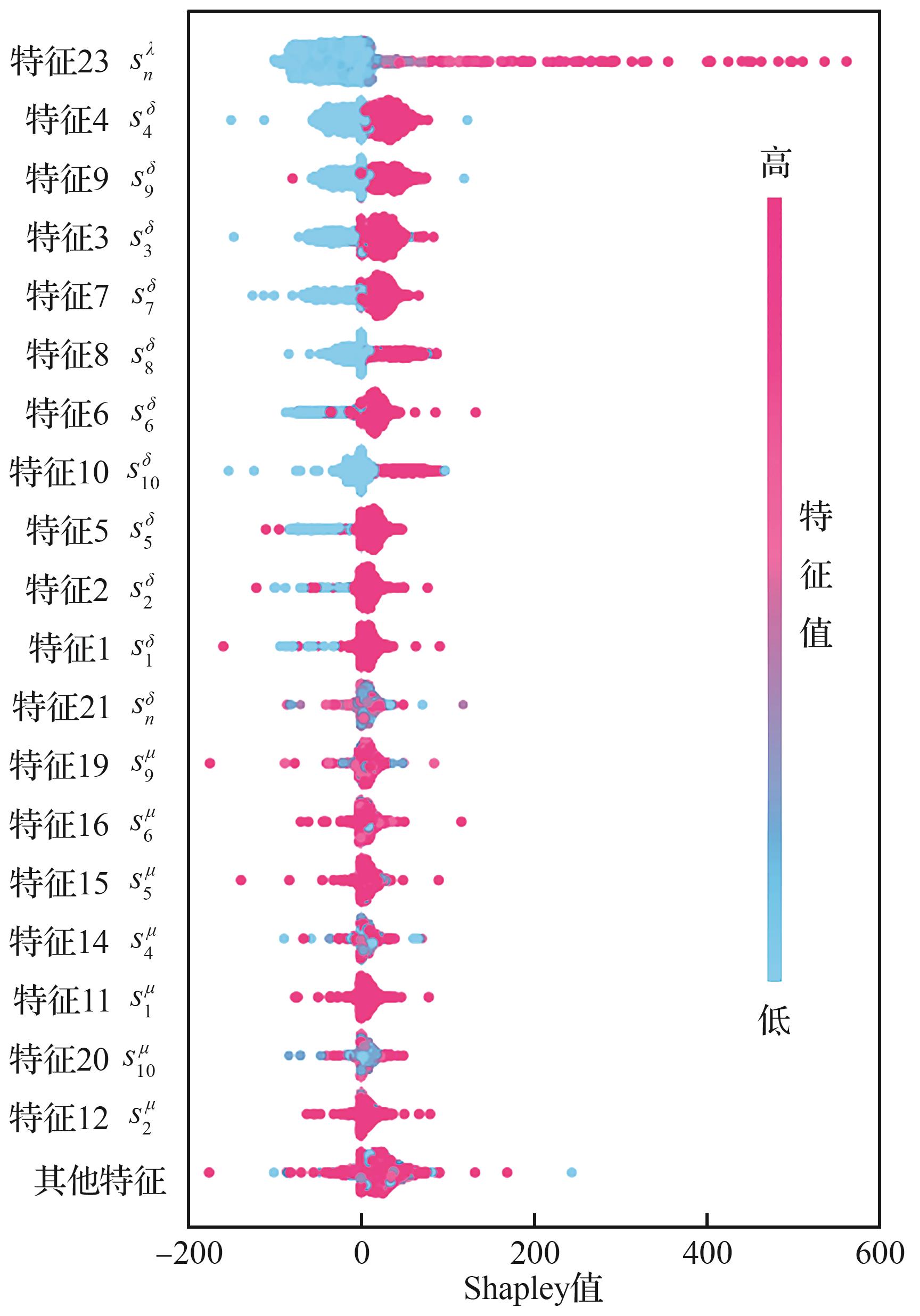
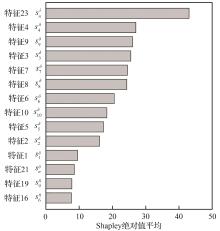
Fig.13
Characteristic importance ranking for IMA system resource allocation decisions
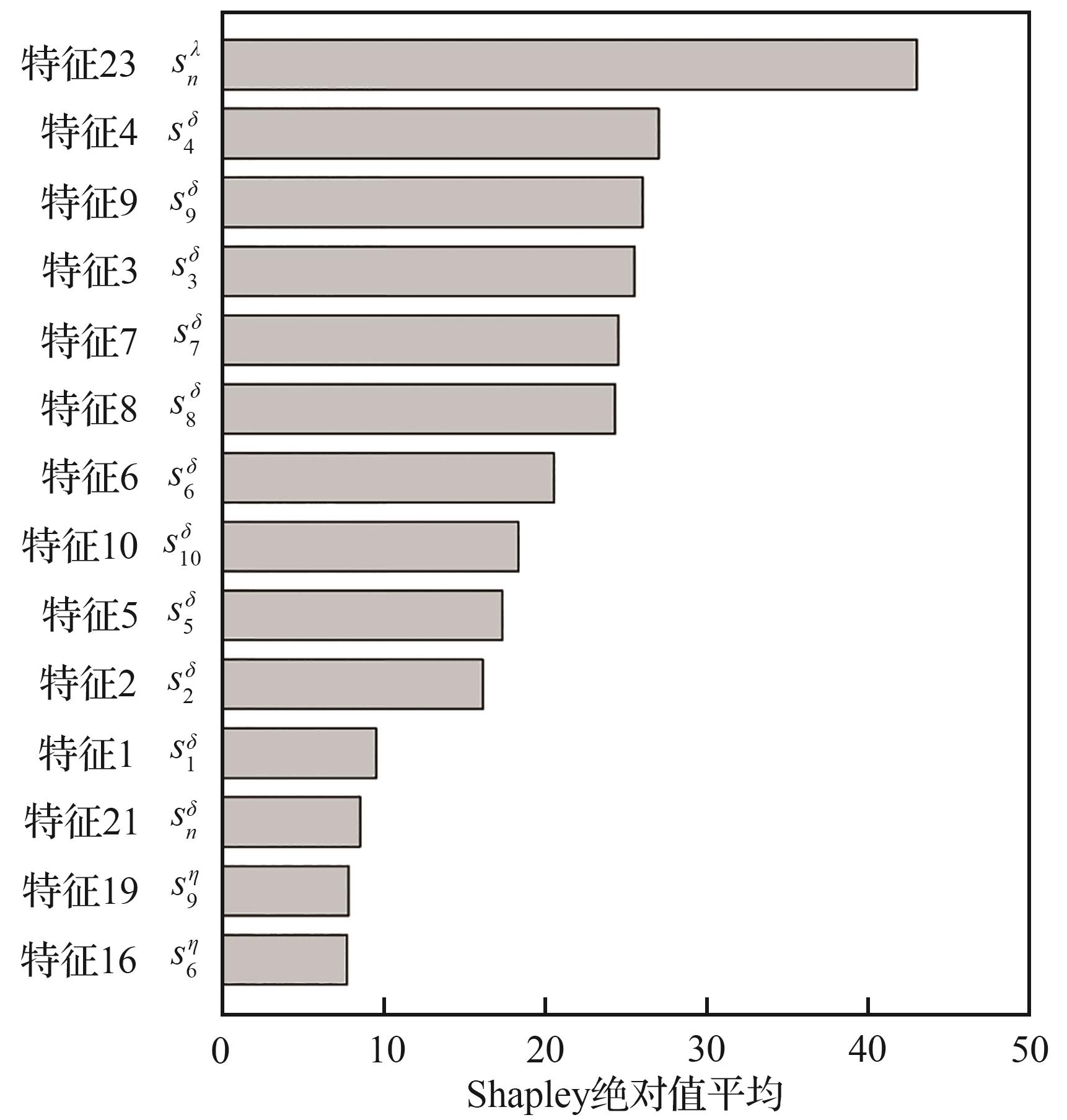
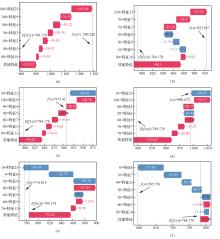
Fig.14
Characteristic impact waterfall of IMA system resource allocation decisions
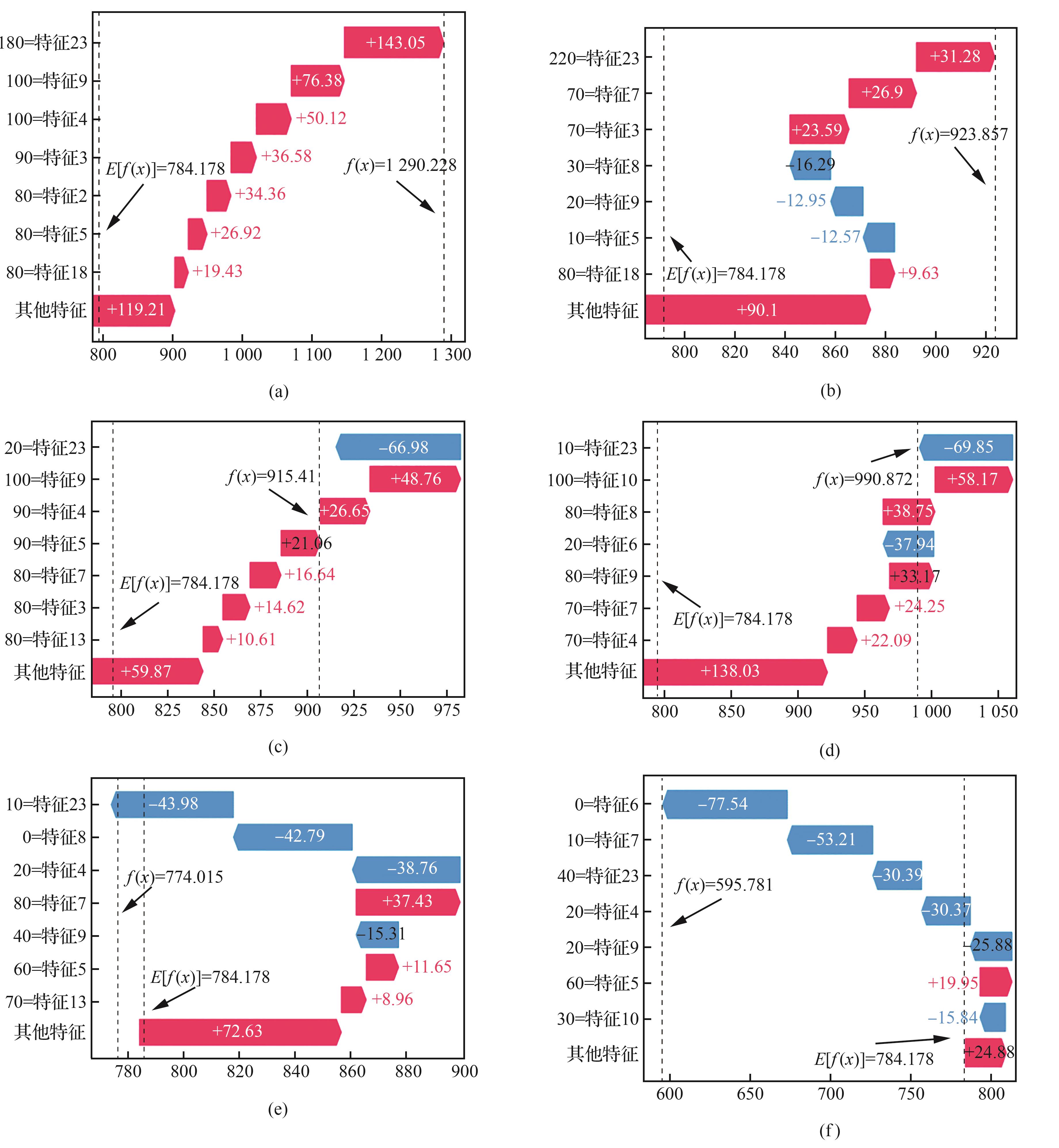
Table 4
Safety criticality levels of avionics application software
| 驻留应用软件 | 分类等级 | 驻留应用软件 | 分类等级 |
|---|---|---|---|
| 综合导航 | 高必要 | 性能计算 | 低必要 |
| 飞行计划 | 高必要 | 轨迹导引 | 低必要 |
| 空中交通防撞 | 高必要 | 地形感知与告警 | 低必要 |
| 气象探测 | 低必要 | 机载防撞 | 高必要 |
| 综合显示1 | 高必要 | 综合显示2 | 低必要 |
| 自动飞行控制 | 高必要 | 主飞行控制 | 关键 |
| 自动推力控制 | 低必要 | 指挥通信 | 高必要 |
| 控制通信 | 关键 | AOC和ATC通信 | 低必要 |
| 负荷评估 | 高必要 | 自然语言处理 | 低必要 |
| 自动化配置 | 低必要 | 智能防撞 | 高必要 |
| 性能优化 | 高必要 | 视觉着陆 | 高必要 |
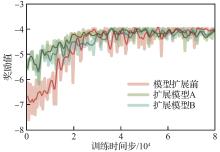
Fig.15
Comparison of algorithm convergence performance before and after model expansion
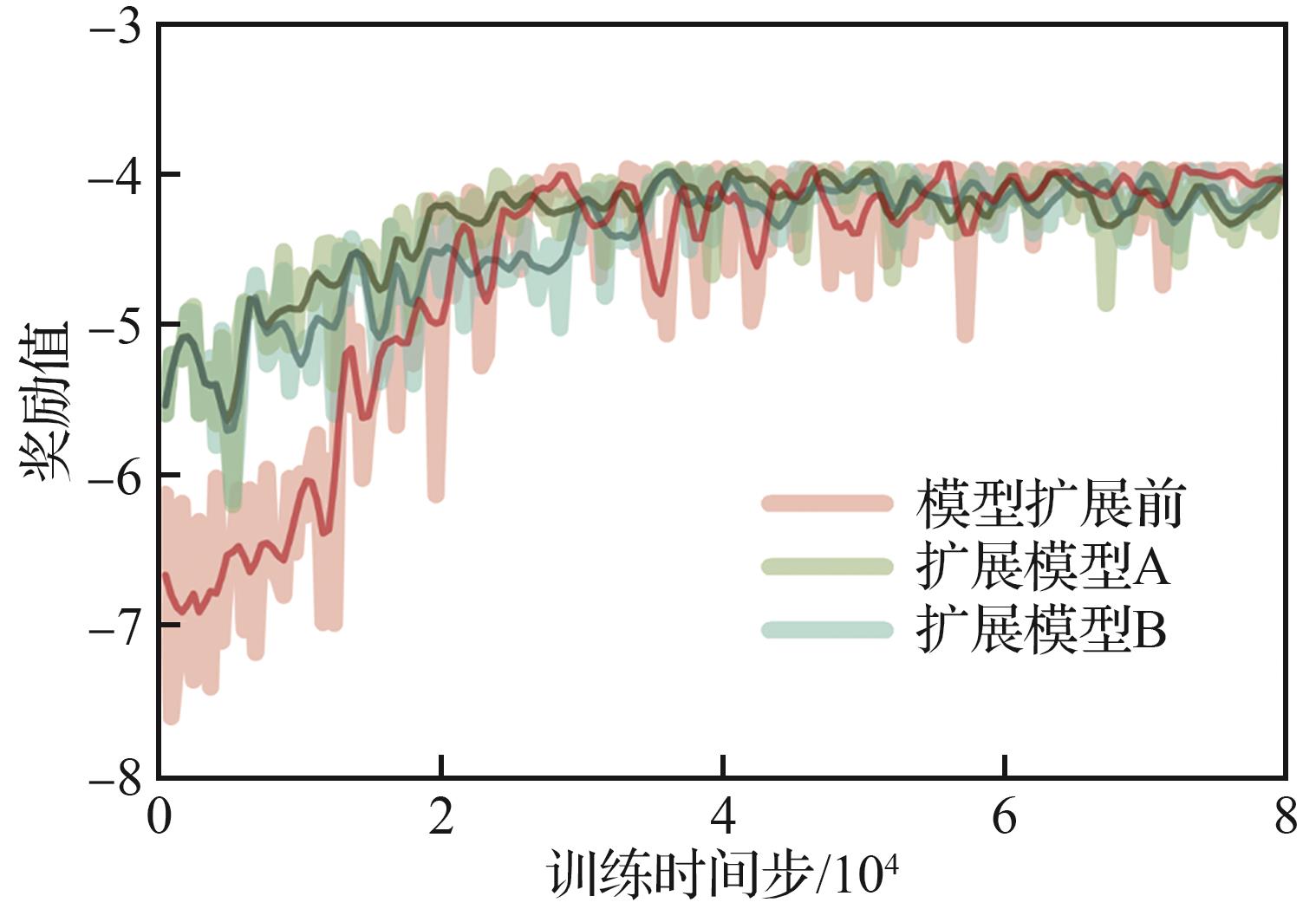
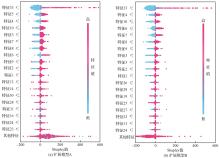
Fig.16
Decision feature density map after model expansion
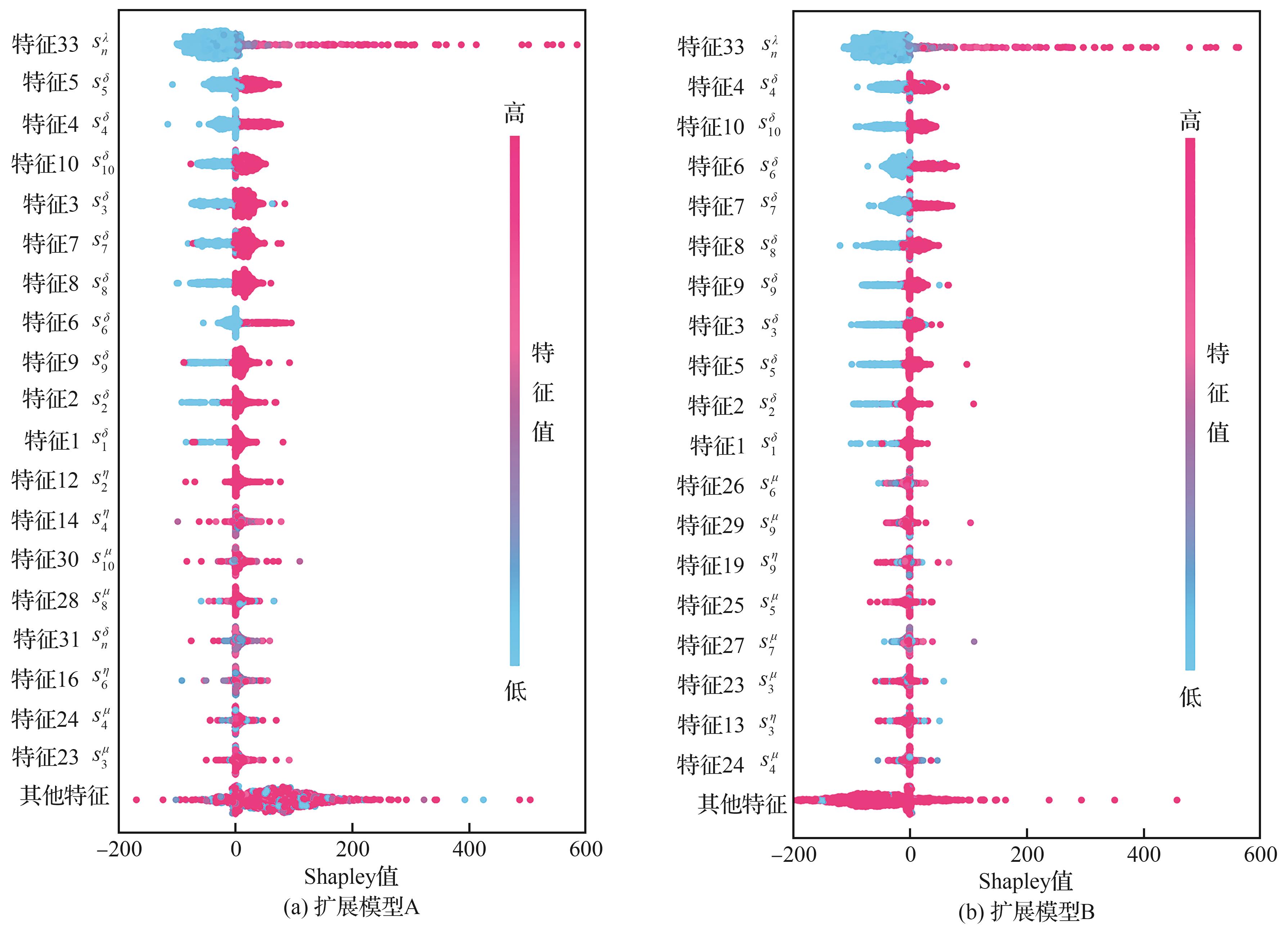
Table 5
Compliance assessment for development explainability objectives[29]
| 目标编号 | 内容 | 符合性 |
|---|---|---|
| EXP-01 | 申请人应在智能航电系统生命周期的任何阶段,确定除最终用户外需要对其进行解释的利益攸关方名单,以及他们的角色、职责和预期专业知识 | 符合 |
| EXP-02 | 对于每个利益攸关方,申请人应提供可解释性的动机,这是支持系统研制和学习保证过程所必需的 | 符合 |
| EXP-03 | 申请人应确定并记录AI/ML在项目级和/或输出级的解释方法 | 符合 |
| EXP-04 | 申请人在设计智能航电系统时,应使其具有根据实际测量数据或不确定性水平量化指标来提供ML组件输出置信水平的能力 | 符合 |
| [1] | LECUN Y, BENGIO Y, HINTON G. Deep learning[J]. Nature, 2015, 521(7553): 436-444. |
| [2] | Systems Aviage. Cockpit automatic speech recognition[EB/OL]. (2022-04-13)[2025-01-20]. . |
| [3] | Daedalean. Visual traffic detection: Noticing all fixed wing, rotorcraft and drones in time[EB/OL]. (2023-04-01)[2025-01-20]. . |
| [4] | Acubed. Developing autonomous flight and machine learning solutions for the next generation of aircraft[EB/OL]. (2024-10-02)[2025-01-20]. . |
| [5] | KAAKAI F, DMITRIEV K, ADIBHATLA S, et al. Toward a machine learning development lifecycle for product certification and approval in aviation[J]. SAE International Journal of Aerospace, 2022, 15(2):127-143. |
| [6] | EASA. Artificial intelligence roadmap 2.0[R]. Cologne: European Union Aviation Safety Agency, 2023. |
| [7] | FAA. Roadmap for artificial intelligence safety assurance[R]. Washington, D.C.: Federal Aviation Administration, 2024. |
| [8] | 工业和信息化部. 绿色航空制造业发展纲要[R]. 北京: 工业和信息化部, 2023. |
| MIIT. Green aviation manufacturing development programme[R]. Beijing: Ministry of Industry and Information Technology, 2023 (in Chinese). | |
| [9] | 中国民用航空局. 民航中长期科学和技术发展规划纲要[R]. 北京: 中国民用航空局, 2023. |
| CAAC. Outline of the medium and long-term science and technology development plan for civil aviation[R]. Beijing: Civil Aviation Administration of China, 2023 (in Chinese). | |
| [10] | GASKA T, WATKIN C, CHEN Y. Integrated modular avionics-past, present, and future[J]. IEEE Aerospace and Electronic Systems Magazine, 2015, 30(9): 12-23. |
| [11] | 周贵荣, 徐见源, 马少博, 等. 大型客机航电系统综合集成关键技术综述[J]. 航空学报, 2024, 45(5): 529956. |
| ZHOU G R, XU J Y, MA S B, et al. Review of key technologies for avionics systems integration on large passenger aircraft[J]. Acta Aeronautica et Astronautica Sinica, 2024, 45(5): 529956 (in Chinese). | |
| [12] | LIM Y, BASSIEN-CAPSA V, RAMASAMY S, et al. Commercial airline single-pilot operations: System design and pathways to certification[J]. IEEE Aerospace and Electronic Systems Magazine, 2017, 32(7): 4-21. |
| [13] | YIN J, ZHU Z Q. Flight autonomy impact to the future avionics architecture[C]∥ 2018 IEEE/AIAA 37th Digital Avionics Systems Conference (DASC). Piscataway: IEEE Press, 2018: 1-7. |
| [14] | ZOLGHADRI A. Augmented flight management system for future single pilot operations[C]∥ 2023 9th International Conference on Control, Decision and Information Technologies (CoDIT). Piscataway: IEEE Press, 2023: 29-34. |
| [15] | 任宝平, 李创. 机载系统的智能架构及功能分析[J]. 航空工程进展, 2023, 14(4): 149-157. |
| REN B P, LI C. Analysis on intelligent architecture and function of airborne system[J]. Advances in Aeronautical Science and Engineering, 2023, 14(4): 149-157 (in Chinese). | |
| [16] | IQBAL Z, LEHMANN M, LUETTIG B, et al. Introducing ML to IMA technology-system perspective[C]∥ 2024 AIAA DATC/IEEE 43rd Digital Avionics Systems Conference (DASC). Piscataway: IEEE Press, 2024: 1-10. |
| [17] | EASA. Concepts of design assurance for neural networks (CoDANN)[R]. Cologne: European Union Aviation Safety Agency, 2020. |
| [18] | DEY S, LEE S W. A multi-layered collaborative framework for evidence-driven data requirements engineering for machine learning-based safety-critical systems[C]∥ Proceedings of the 38th ACM/SIGAPP Symposium on Applied Computing. New York: ACM, 2023: 1404-1413. |
| [19] | LHACHEMI H, DE AZUA ORTEGA J A R, SAUSSIÉ D, et al. Partition modeling and optimization of ARINC 653 operating systems in the context of IMA[C]∥ 2016 IEEE/AIAA 35th Digital Avionics Systems Conference (DASC). Piscataway: IEEE Press, 2016: 1-8. |
| [20] | KHAMVILAI T, SUTTER L, BAUFRETON P, et al. Decentralized task reallocation on parallel computing architectures targeting an avionics application[J]. Journal of Optimization Theory and Applications, 2021, 191(2): 874-898. |
| [21] | DEROCHE E, SCHARBARG J L, FRABOUL C. A greedy heuristic for distributing hard real-time applications on an IMA architecture[C]∥ 2017 12th IEEE International Symposium on Industrial Embedded Systems (SIES). Piscataway: IEEE Press, 2017: 1-8. |
| [22] | CHU J Y, ZHAO T D, JIAO J, et al. Optimal design of configuration scheme for integrated modular avionics systems with functional redundancy requirements[J]. IEEE Systems Journal, 2021, 15(2): 2665-2676. |
| [23] | ZHANG T, CHEN J Y, LV D J, et al. Automatic generation of reconfiguration blueprints for IMA systems using reinforcement learning[J]. IEEE Embedded Systems Letters, 2021, 13(4): 182-185. |
| [24] | 张涛, 张文涛, 代凌, 等. 基于序贯博弈多智能体强化学习的综合模块化航空电子系统重构方法[J]. 电子学报, 2022, 50(4): 954-966. |
| ZHANG T, ZHANG W T, DAI L, et al. Integrated modular avionics system reconstruction method based on sequential game multi-agent reinforcement learning[J]. Acta Electronica Sinica, 2022, 50(4): 954-966 (in Chinese). | |
| [25] | 赵长啸, 李道俊, 孙亦轩, 等. 基于深度强化学习的综合航电系统安全性优化方法[J]. 中国安全科学学报, 2024, 34(7): 123-131. |
| ZHAO C X, LI D J, SUN Y X, et al. Integrated avionics system safety optimization method based on deep reinforcement learning[J]. China Safety Science Journal, 2024, 34(7): 123-131 (in Chinese). | |
| [26] | CHENG J, TAN W, LV G Z, et al. A method for solving reconfiguration blueprints based on multi-agent reinforcement learning[J]. Computer Science and Information Systems, 2024, 21(4): 1335-1357. |
| [27] | MILANI S, TOPIN N, VELOSO M, et al. Explainable reinforcement learning: A survey and comparative review[J]. ACM Computing Surveys, 2024, 56(7): 1-36. |
| [28] | 曹宏业, 刘潇, 董绍康, 等. 面向强化学习的可解释性研究综述[J]. 计算机学报, 2024, 47(8): 1853-1882. |
| CAO H Y, LIU X, DONG S K, et al. A survey of interpretability research methods for reinforcement learning[J]. Chinese Journal of Computers, 2024, 47(8): 1853-1882 (in Chinese). | |
| [29] | EASA. Concept paper: Guidance for Level 1 & 2 machine learning applications[R]. Cologne: European Union Aviation Safety Agency, 2024. |
| [30] | Committee G-34. Recommended practice for development and certification/approval of aeronautical safety-related products implementing ML: SAE ARP6983 Draft 6B[EB/OL]. (2023-06-26)[2025-01-24]. . |
| [31] | DEEL. White paper machine learning in certified systems: Ref-S079L03T00-005[R]. Toulouse: DEpendable Explainable Learning, 2021. |
| [32] | 谭龙华, 杜承烈. ARINC 653分区实时系统的主时间框架设计[J]. 北京航空航天大学学报, 2016, 42(11): 2413-2422. |
| TAN L H, DU C L. Design of major time frame for ARINC 653 partitioned real-time systems[J]. Journal of Beijing University of Aeronautics and Astronautics, 2016, 42(11): 2413-2422 (in Chinese). | |
| [33] | 赵长啸, 何锋, 李浩, 等. 基于效能的先进战斗机航电系统动态重构方法[J]. 航空学报, 2020, 41(6): 523416. |
| ZHAO C X, HE F, LI H, et al. Dynamic reconfiguration method based on effectiveness for advanced fighter avionics system[J]. Acta Aeronautica et Astronautica Sinica, 2020, 41(6): 523416 (in Chinese). | |
| [34] | 徐文, 熊智勇, 张国全. 基于Harmony系统工程的IMA应用开发[J]. 北京航空航天大学学报, 2015, 41(11): 2067-2077. |
| XU W, XIONG Z Y, ZHANG G Q. IMA application development based on Harmony system engineering[J]. Journal of Beijing University of Aeronautics and Astronautics, 2015, 41(11): 2067-2077 (in Chinese). | |
| [35] | 何锋. 航空电子系统综合调度理论与方法[M]. 北京: 清华大学出版社, 2017: 13-20. |
| HE F. Theory and approach to avionics system integrated scheduling[M]. Beijing: Tsinghua University Press, 2017: 13-20 (in Chinese). | |
| [36] | ZHOU T R, XIONQ H, ZHANG Z. Hierarchical resource allocation for integrated modular avionics systems[J]. Journal of Systems Engineering and Electronics, 2011, 22(5): 780-787. |
| [37] | ROY A, BORKAR V, KARANDIKAR A, et al. Online reinforcement learning of optimal threshold policies for Markov decision processes[J]. IEEE Transactions on Automatic Control, 2022, 67(7): 3722-3729. |
| [38] | SCHULMAN J, WOLSKI F, DHARIWAL P, et al. Proximal policy optimization algorithms[DB/OL]. arXiv preprint :1707.06347, 2017. |
| [39] | CHENG Y H, HUANG L Y, WANG X S. Authentic boundary proximal policy optimization[J]. IEEE Transactions on Cybernetics, 2022, 52(9): 9428-9438. |
| [40] | ROSS S, GORDON G J, BAGNELL J A. A reduction of imitation learning and structured prediction to no-regret online learning[C]∥Proceedings of the 14th international conference on artificial intelligence and statistics (AISTATS), 2011: 627-635. |
| [41] | AHN J, SHIN S, KOO J, et al. Data aggregation (DAgger) algorithm using adversarial agent policy for dynamic situations[C]∥Intelligent Autonomous Systems 18. Cham: Springer, 2024: 91-104. |
| [42] | 王诗彬, 王世傲, 陈雪峰, 等. 可解释性智能监测诊断网络构造及航空发动机整机试车与中介轴承诊断应用[J]. 机械工程学报, 2024, 60(12): 90-106. |
| WANG S B, WANG S A, CHEN X F, et al. Interpretable network construction for intelligent monitoring and diagnosis, and application in inter-shaft bearing diagnosis while aero-engine test[J]. Journal of Mechanical Engineering, 2024, 60(12): 90-106 (in Chinese). | |
| [43] | LUNDBERG S. A unified approach to interpreting model predictions[DB/OL]. arXiv preprint: 1705.07874, 2017. |
| [44] | LUNDBERG S M, ERION G, CHEN H, et al. From local explanations to global understanding with explainable AI for trees[J]. Nature Machine Intelligence, 2020, 2(1): 56-67. |
| [45] | CAPPI C, COHEN N, DUCOFFE M, et al. How to design a dataset compliant with an ML-based system ODD?[DB/OL]. arXiv preprint: 2406.14027, 2024. |
| [46] | GIRIJA A A, CHRISTENSEN J M, STEFANI T, et al. Towards the monitoring of operational design domains using temporal scene analysis in the realm of artificial intelligence in aviation[C]∥ 2024 AIAA DATC/IEEE 43rd Digital Avionics Systems Conference (DASC). Piscataway: IEEE Press, 2024: 1-8. |
| [47] | SAE. Guidelines for conducting the safety assessment process on civil aircraft, systems, and equipment: SAE ARP 4761A-2023 [S]. Warrendale: Society of Automotive Engineers, 2023. |
| [48] | DION B, NAJORK M, DALMASSO N, et al. Programming neural networks inference in a safety-critical simulation-based framework[C]∥Embedded Real Time Systems (ERTS) Congress, 2022: 1-12. |
| [49] | YUAN J, PEI Y, XU Y, et al. Autonomous interval management of multi-aircraft based on multi-agent reinforcement learning considering fuel consumption[J]. Transportation Research Part C: Emerging Technologies, 2024, 165: 104729. |
| [50] | WILLIAMS K R, SCHLOSSMAN R, WHITTEN D, et al. Trajectory planning with deep reinforcement learning in high-level action spaces[J]. IEEE Transactions on Aerospace and Electronic Systems, 2023, 59(3): 2513-2529. |
| [1] | Wei CHEN, Lulu LI, Dong CHEN, Shaohui ZHANG, Yafei LI, Ke WANG, Yuanyuan JIN, Mingliang XU. Multi-aircraft cooperative decision-making methods driven by differentiated support demands for carrier-based aircraft [J]. Acta Aeronautica et Astronautica Sinica, 2025, 46(13): 531274-531274. |
| [2] | Haijun ZHANG, Qingyue XIA, Xu MA, Chao REN, Yang LU. A review of unmanned aerial vehicles deployment optimization in 6G low-altitude communication scenarios [J]. Acta Aeronautica et Astronautica Sinica, 2025, 46(11): 531296-531296. |
| [3] | Shuyi GAO, Defu LIN, Duo ZHENG, Cheng XU. Intelligent maneuvering penetration guidance strategies for aerial vehicles considering interceptor detection capability limitations [J]. Acta Aeronautica et Astronautica Sinica, 2025, 46(10): 331304-331304. |
| [4] | Guirong ZHOU, Jianyuan XU, Shaobo MA, Junyao ZONG, Jinqing SHEN, Haijie ZHU. Review of key technologies for avionics systems integration on large passenger aircraft [J]. Acta Aeronautica et Astronautica Sinica, 2024, 45(5): 529956-529956. |
| [5] | Zhiwen YU, Zhuo SUN, Yue CHENG, Bin GUO. A review of intelligent UAV swarm collaborative perception and computation [J]. Acta Aeronautica et Astronautica Sinica, 2024, 45(20): 630912-630912. |
| [6] | Wei LI, Yan GUO, Ming HE, Hao YUAN, Xuebin LAI. Satisfaction-driven services caching and resource allocation for UAV mobile edge computing [J]. Acta Aeronautica et Astronautica Sinica, 2024, 45(19): 330017-330017. |
| [7] | Shuheng YANG, Dong ZHANG, Wei XIONG, Zhi REN, Shuo TANG. Decision-making method for air combat maneuver based on explainable reinforcement learning [J]. Acta Aeronautica et Astronautica Sinica, 2024, 45(18): 329922-329922. |
| [8] | Zuolong LI, Jihong ZHU, Minchi KUANG, Jie ZHANG, Jie REN. Hierarchical decision algorithm for air combat with hybrid action based on deep reinforcement learning [J]. Acta Aeronautica et Astronautica Sinica, 2024, 45(17): 530053-530053. |
| [9] | Zhongzhi LI, Jinyi MA, Jianliang AI, Yiqun DONG. Fault detection and classification of aerospace sensors using deep neural networks finetuned from VGG16 [J]. Acta Aeronautica et Astronautica Sinica, 2023, 44(S1): 727615-727615. |
| [10] | Feng HE, Li ZHANG, Sifan YU, Xuan ZHOU. Schedulability analysis for multi-window partition based on network calculus model [J]. ACTA AERONAUTICAET ASTRONAUTICA SINICA, 2023, 44(2): 326581-326581. |
| [11] | Shuyi GAO, Defu LIN, Duo ZHENG, Xinyu HU. Intelligent cooperative interception strategy of aircraft against cluster attack [J]. Acta Aeronautica et Astronautica Sinica, 2023, 44(18): 328301-328301. |
| [12] | LIU Tianyuan, ZHENG Hangbin, YANG Changqi, BAO Jinsong, WANG Junliang, GU Jun. Explainable deep learning method for laser welding defect detection [J]. ACTA AERONAUTICAET ASTRONAUTICA SINICA, 2022, 43(4): 524961-524961. |
| [13] | LUO Qing, ZHANG Tao, SHAN Peng, ZHANG Wentao, LIU Zihao. Generating reconfiguration blueprints for IMA systems based on improved Q-learning [J]. ACTA AERONAUTICAET ASTRONAUTICA SINICA, 2021, 42(8): 525792-525792. |
| [14] | LI Runze, ZHANG Yufei, CHEN Haixin. Reinforcement learning method for supercritical airfoil aerodynamic design [J]. ACTA AERONAUTICAET ASTRONAUTICA SINICA, 2021, 42(4): 523810-523810. |
| [15] | ZOU Shiyu, LI Fuming, XIE Aiping, ZHOU Tao, LIU Peng. Resource allocation based on improved fireworks algorithm [J]. ACTA AERONAUTICAET ASTRONAUTICA SINICA, 2021, 42(12): 324716-324716. |
| Viewed | ||||||
|
Full text |
|
|||||
|
Abstract |
|
|||||
Address: No.238, Baiyan Buiding, Beisihuan Zhonglu Road, Haidian District, Beijing, China
Postal code : 100083
E-mail:hkxb@buaa.edu.cn
Total visits: 6658907 Today visits: 1341All copyright © editorial office of Chinese Journal of Aeronautics
All copyright © editorial office of Chinese Journal of Aeronautics
Total visits: 6658907 Today visits: 1341

 CJA
CJA
