Acta Aeronautica et Astronautica Sinica ›› 2025, Vol. 46 ›› Issue (13): 531461.doi: 10.7527/S1000-6893.2024.31461
• Articles • Previous Articles
Ligong LI1,2( ), Chao ZHANG1, Jingting SU2
Received:2024-10-29
Revised:2024-11-27
Accepted:2024-12-23
Online:2024-12-31
Published:2024-12-30
Contact:
Ligong LI
E-mail:llg23@mails.tsinghua.edu.cn
Supported by:CLC Number:
Ligong LI, Chao ZHANG, Jingting SU. Distributed fusion technology for multi-source landing guidance information[J]. Acta Aeronautica et Astronautica Sinica, 2025, 46(13): 531461.
Fig.1
Degraded fusion architecture
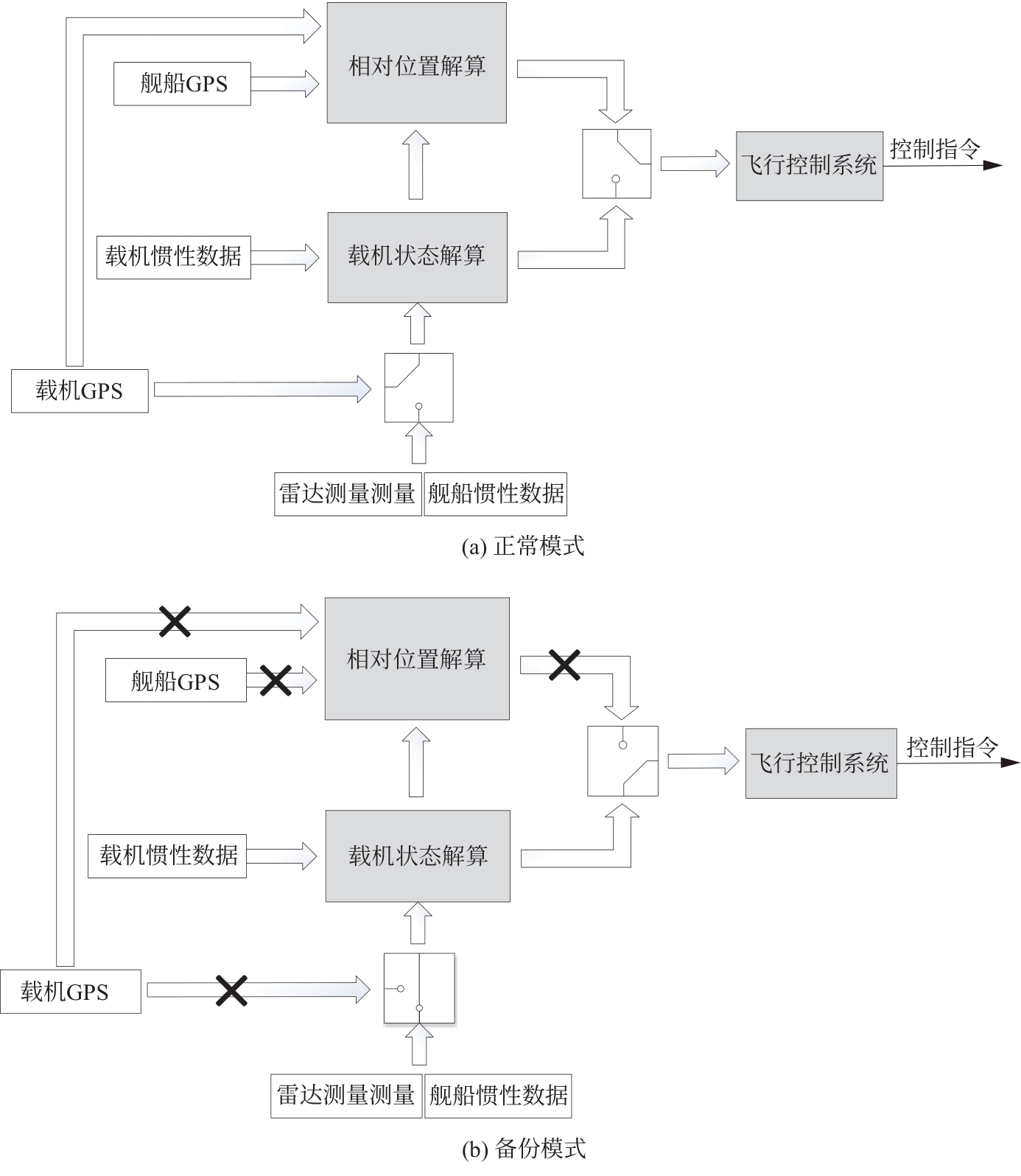
Fig.2
Centralized fusion architecture
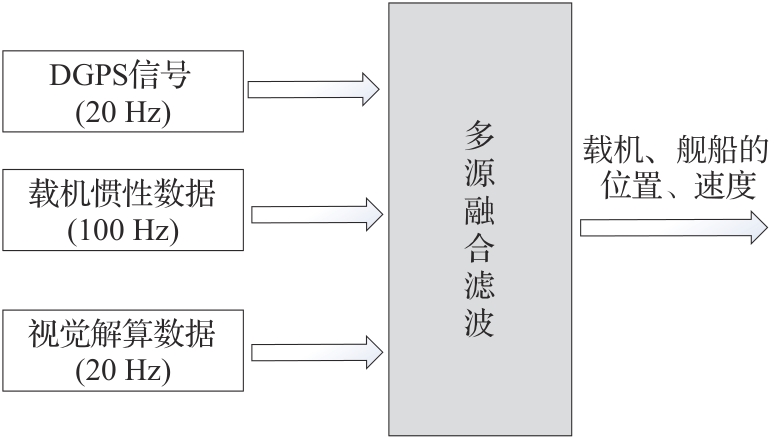
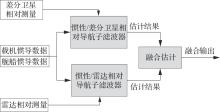
Fig.3
Distributed fusion architecture
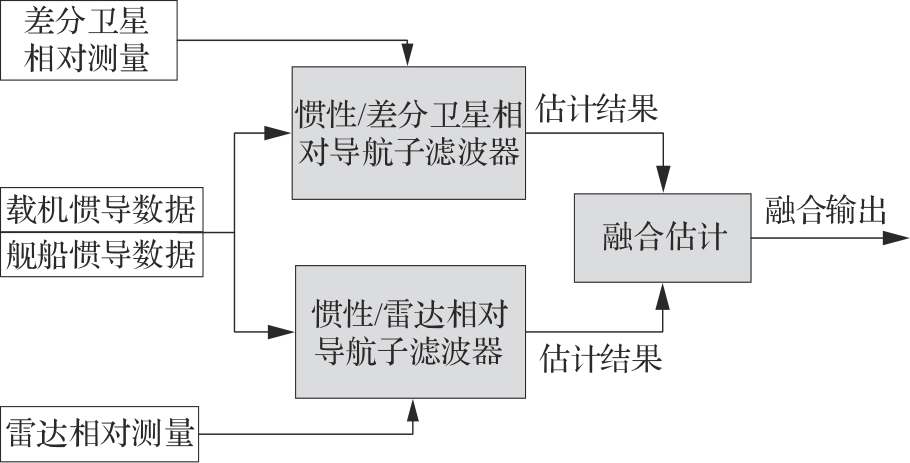
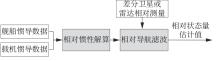
Fig.4
Relative navigation filtering algorithm
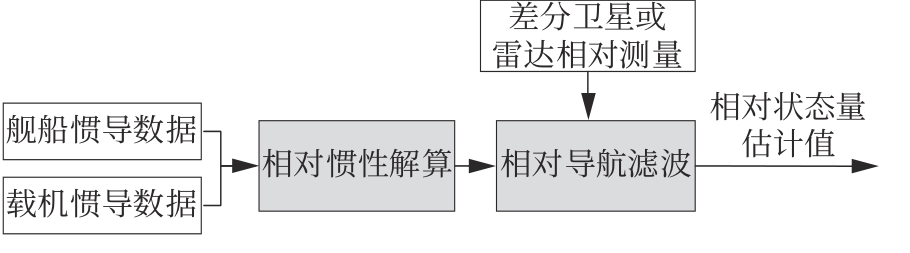
Fig.5
Aircraft carrier landing
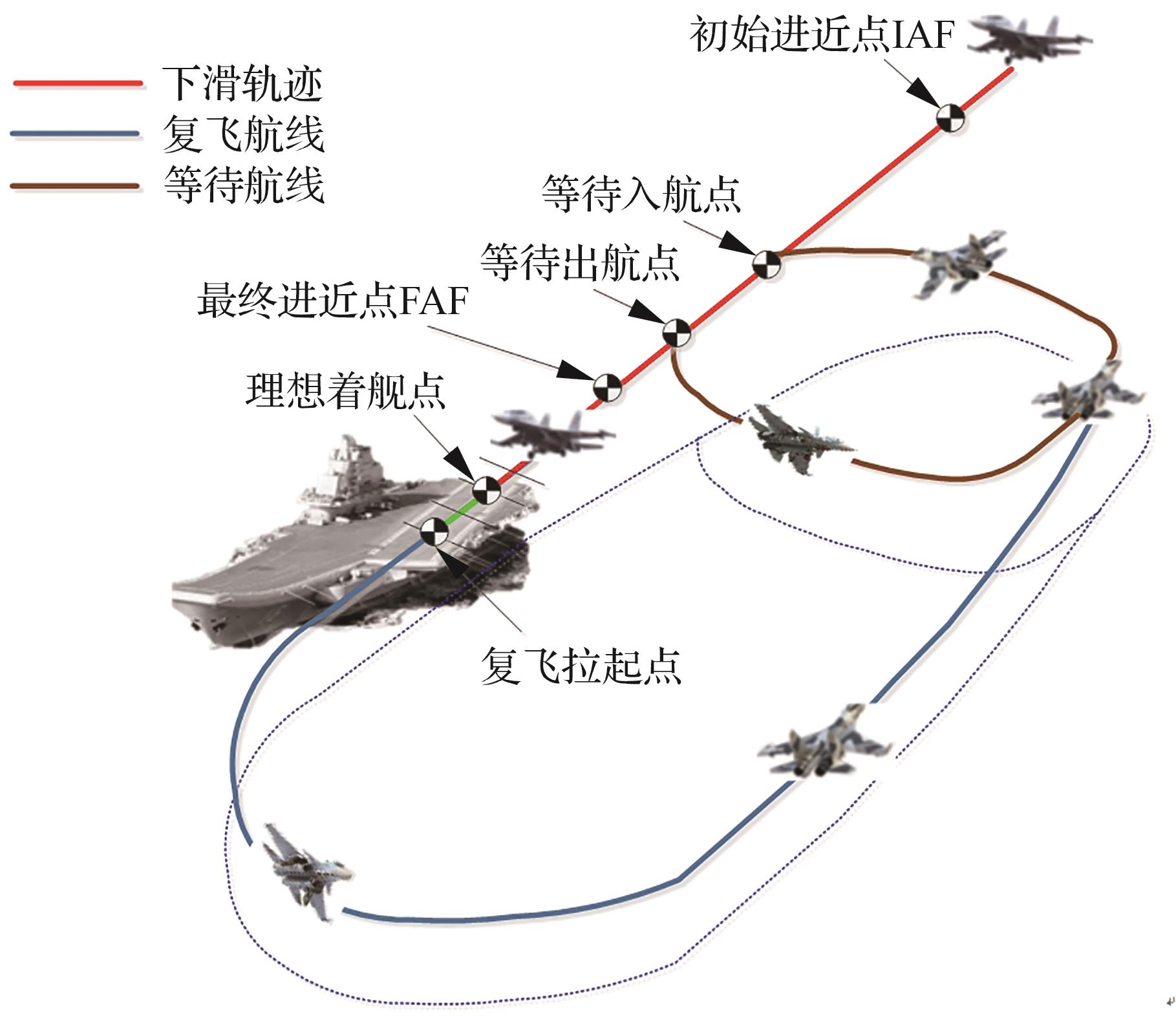

Table 1
Sensor error setting
| 传感器类型 | 误差设置 |
|---|---|
| 机载惯导 | 加速度计:零位100 μg,随机游走20 μg/Hz1/2 陀螺:漂移0.01 (°)/h,随机游走0.003 (°)/h1/2 姿态误差:0.05°;航向误差:0.1° |
| 舰船惯导 | 加速度计:零位50 μg,随机游走10 μg/Hz1/2 陀螺:漂移0.002 (°)/h,随机游走0.000 4 (°)/h1/2 姿态误差:10 ( |
| 差分卫星 | 定位:0.2 m(1σ);σ为均方差 |
| 引导雷达 | 测距:0.5 m(1σ);测角:0.05°(1σ) |
Fig.6
Relative position error (INS/DGPS)
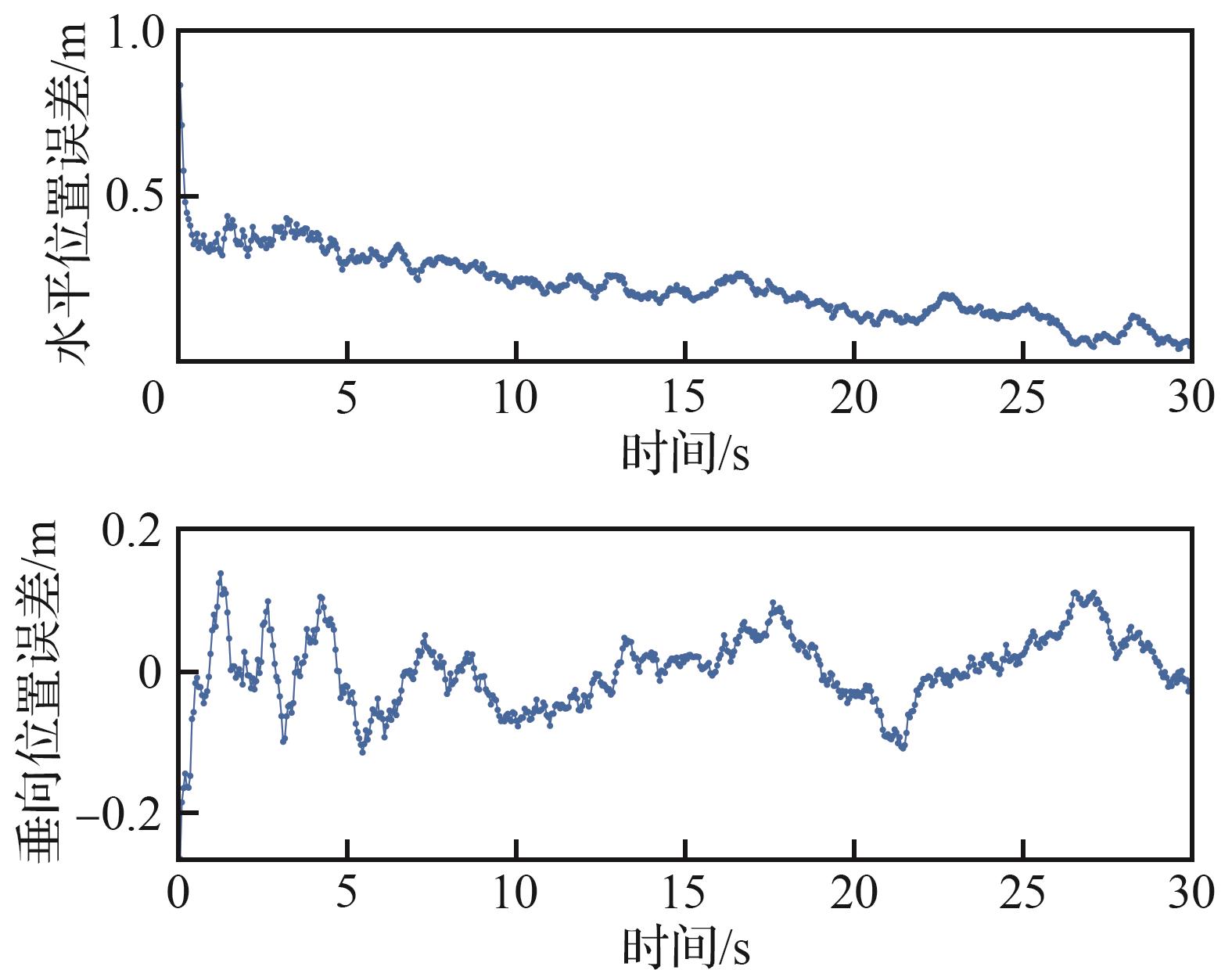
Fig.7
Relative velocity error (INS/DGPS)
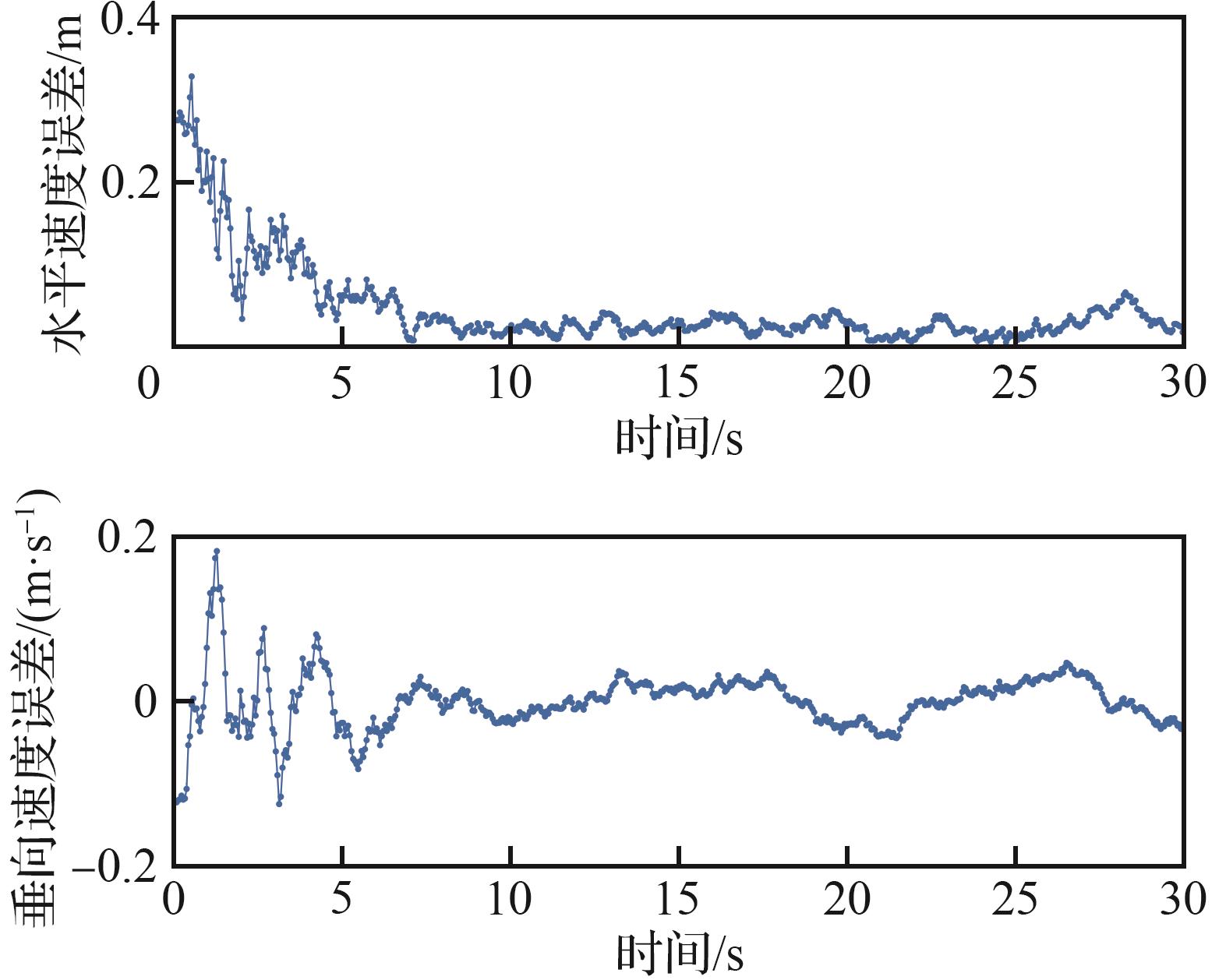
Fig.8
Relative position error (INS/RADAR)
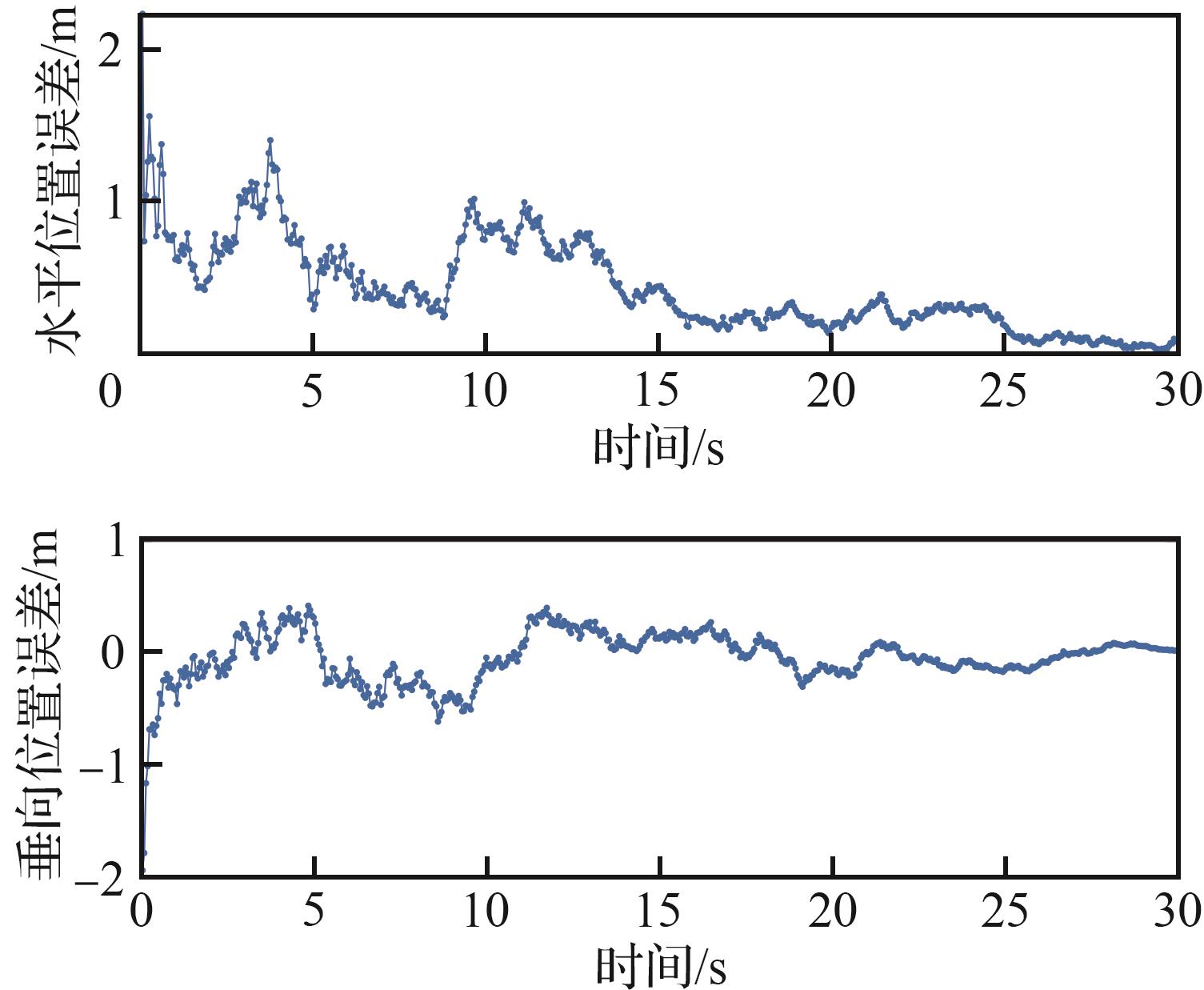
Fig.9
Relative velocity error (INS/RADAR)
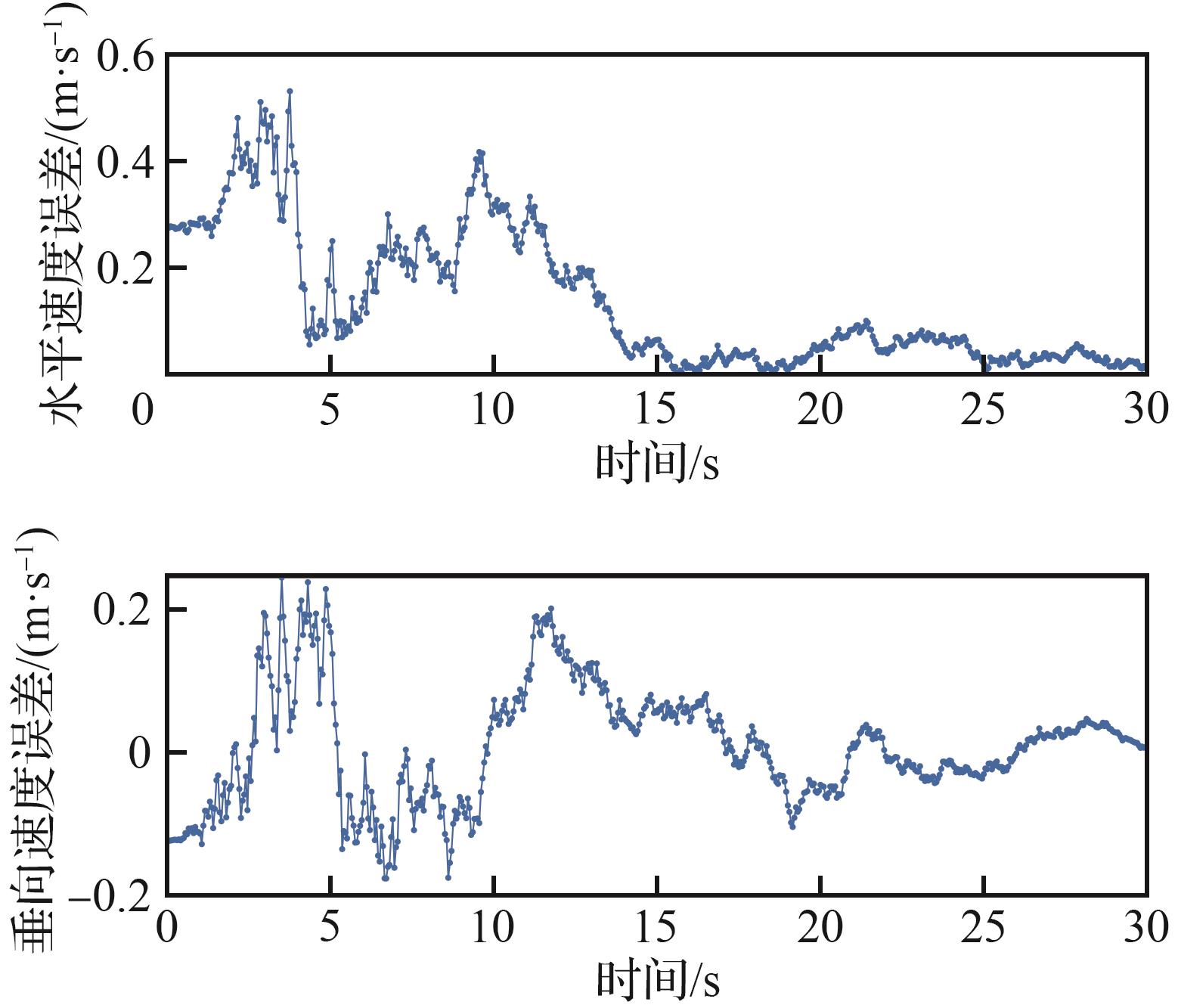
Fig.10
Relative position error (dual-channel fusion)
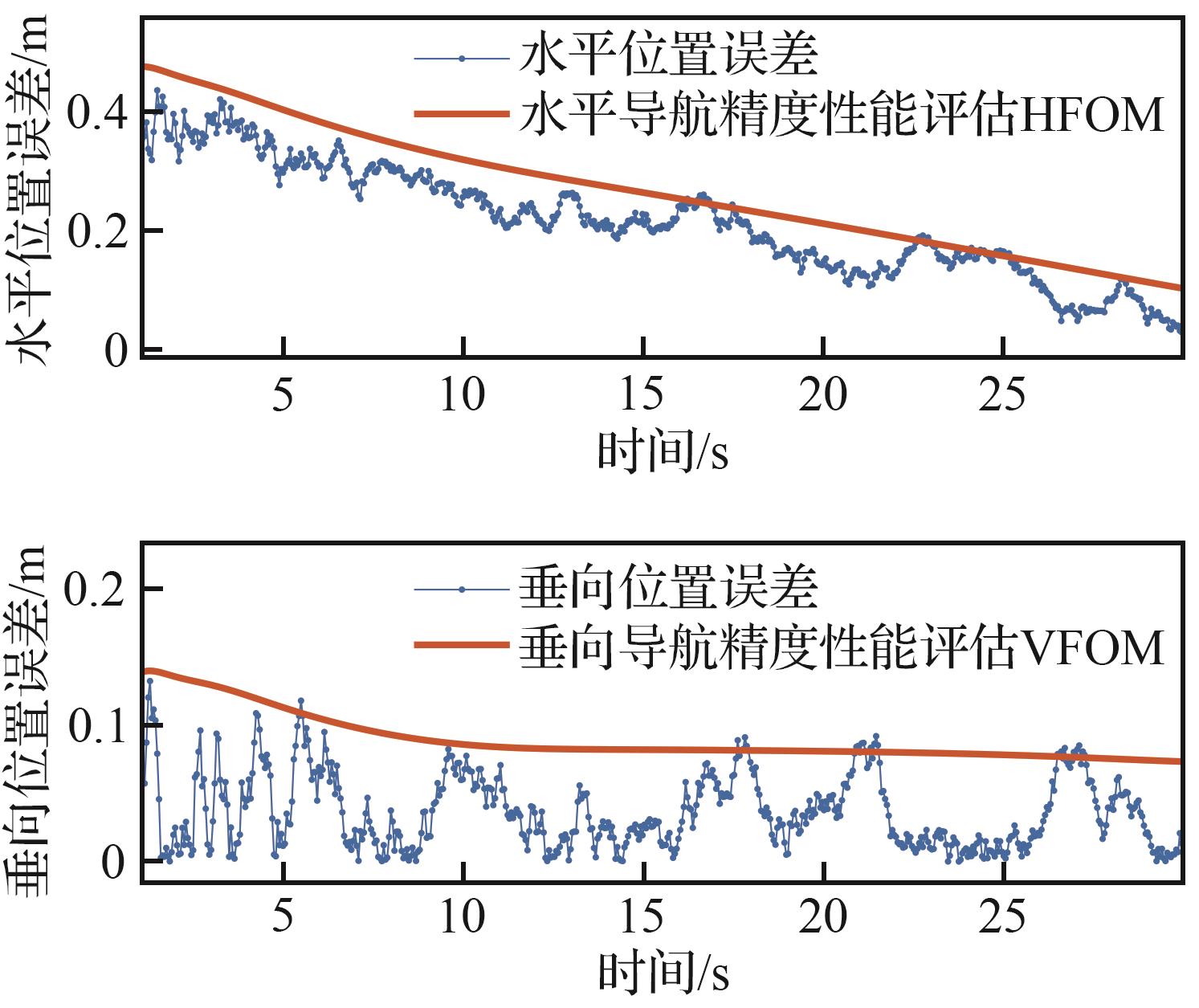
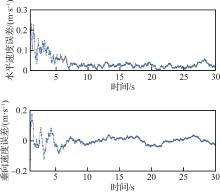
Fig.11
Relative velocity error (dual-channel fusion)
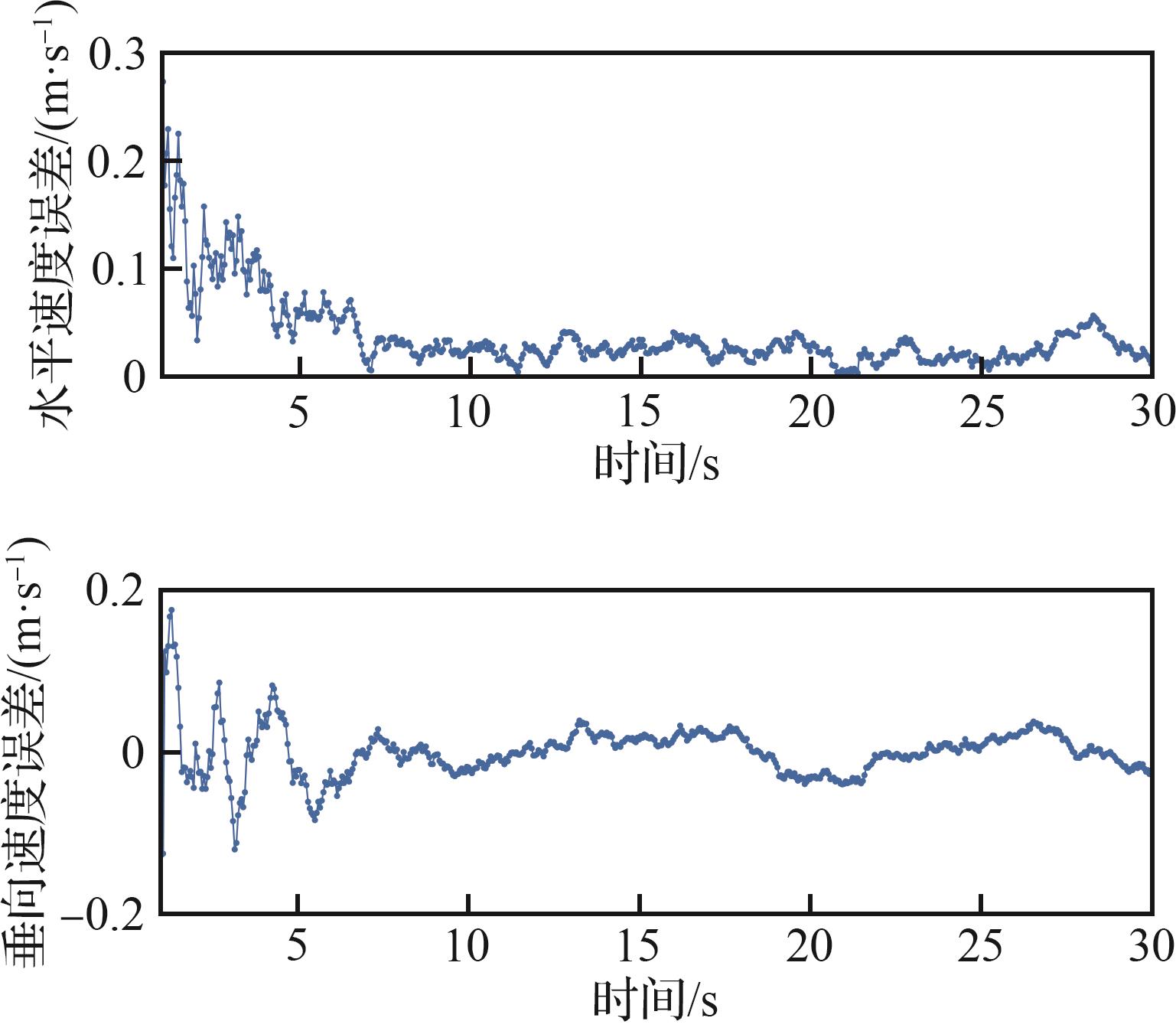
Table 2
Accuracy statistics of simulation results
| 误差类型(95%) | 惯性/差分卫星 | 惯性/雷达 | 双路融合 |
|---|---|---|---|
| 水平相对位置误差/m | 0.386 | 0.926 | 0.374 |
| 垂向相对位置误差/m | 0.096 | 0.388 | 0.085 |
| 水平相对速度误差/(m·s-1) | 0.118 | 0.391 | 0.110 |
| 垂向相对速度误差/(m·s-1) | 0.061 | 0.175 | 0.059 |
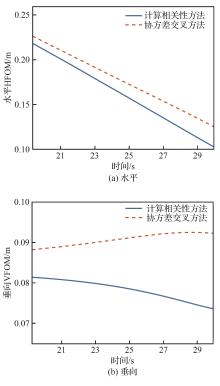
Fig.12
Navigation accuracy evaluation
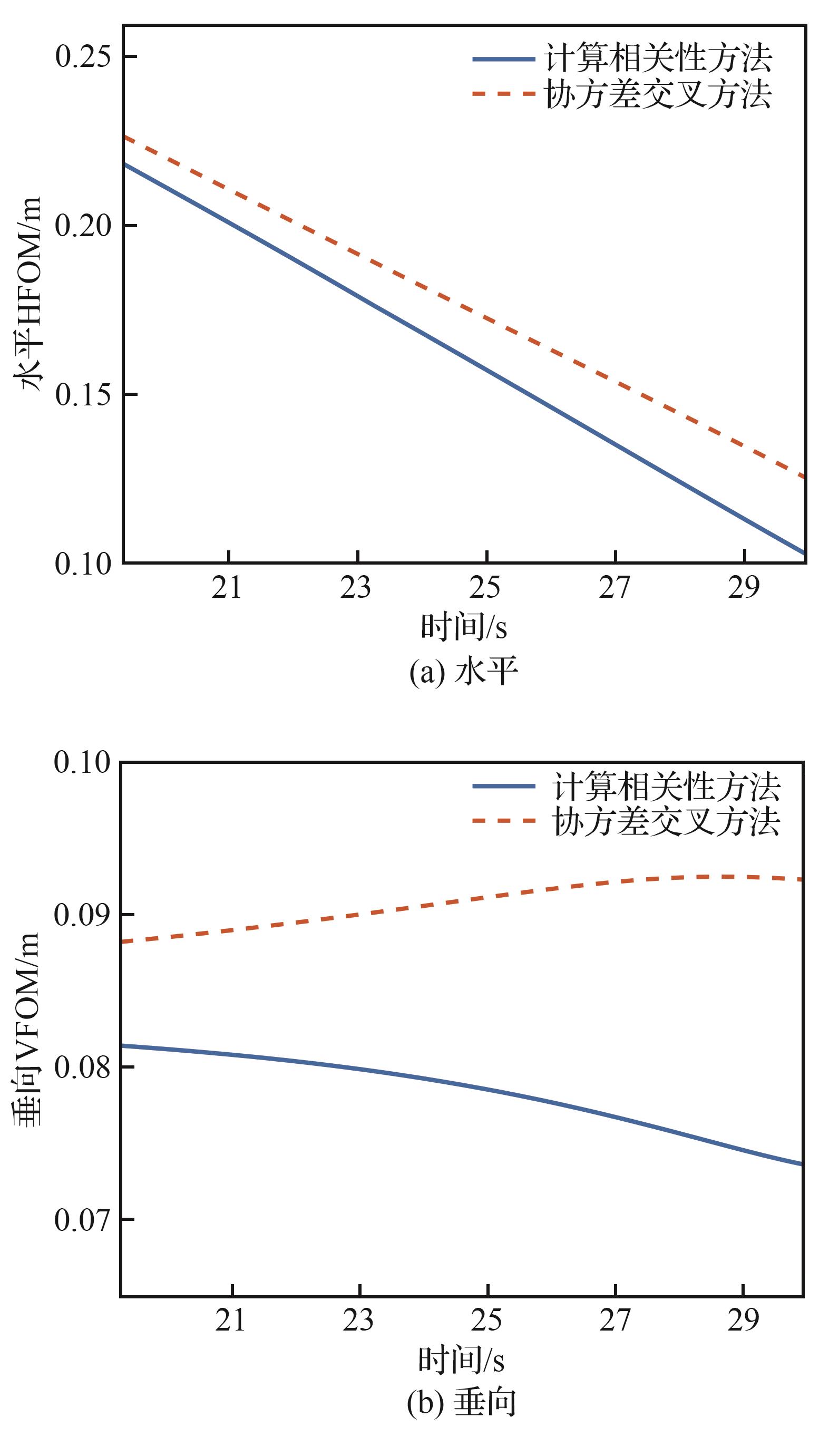
Fig.13
Relative position error (15~20 s DGPS interruption)
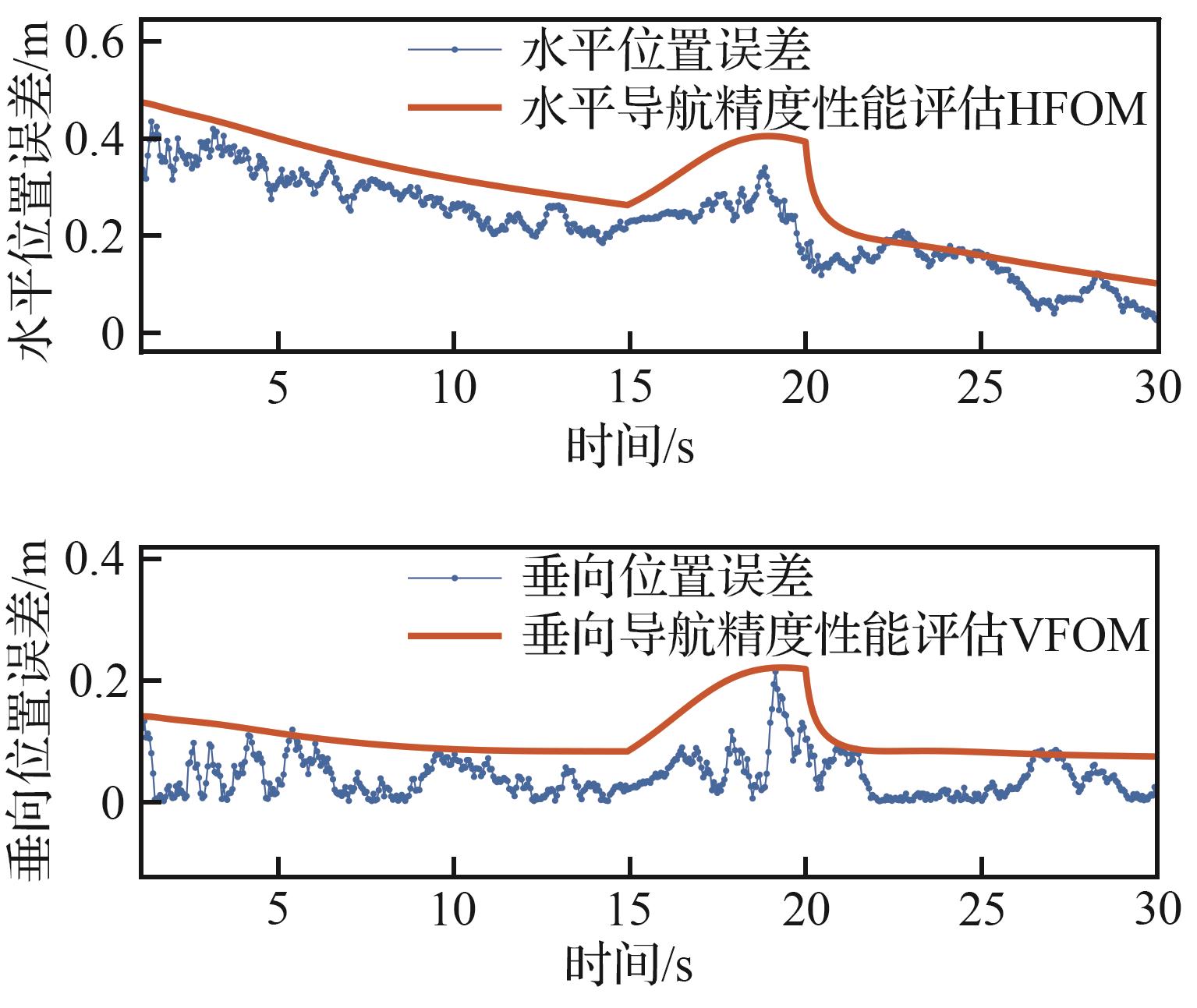
Fig.14
Relative velocity error (15~20 s DGPS interruption)
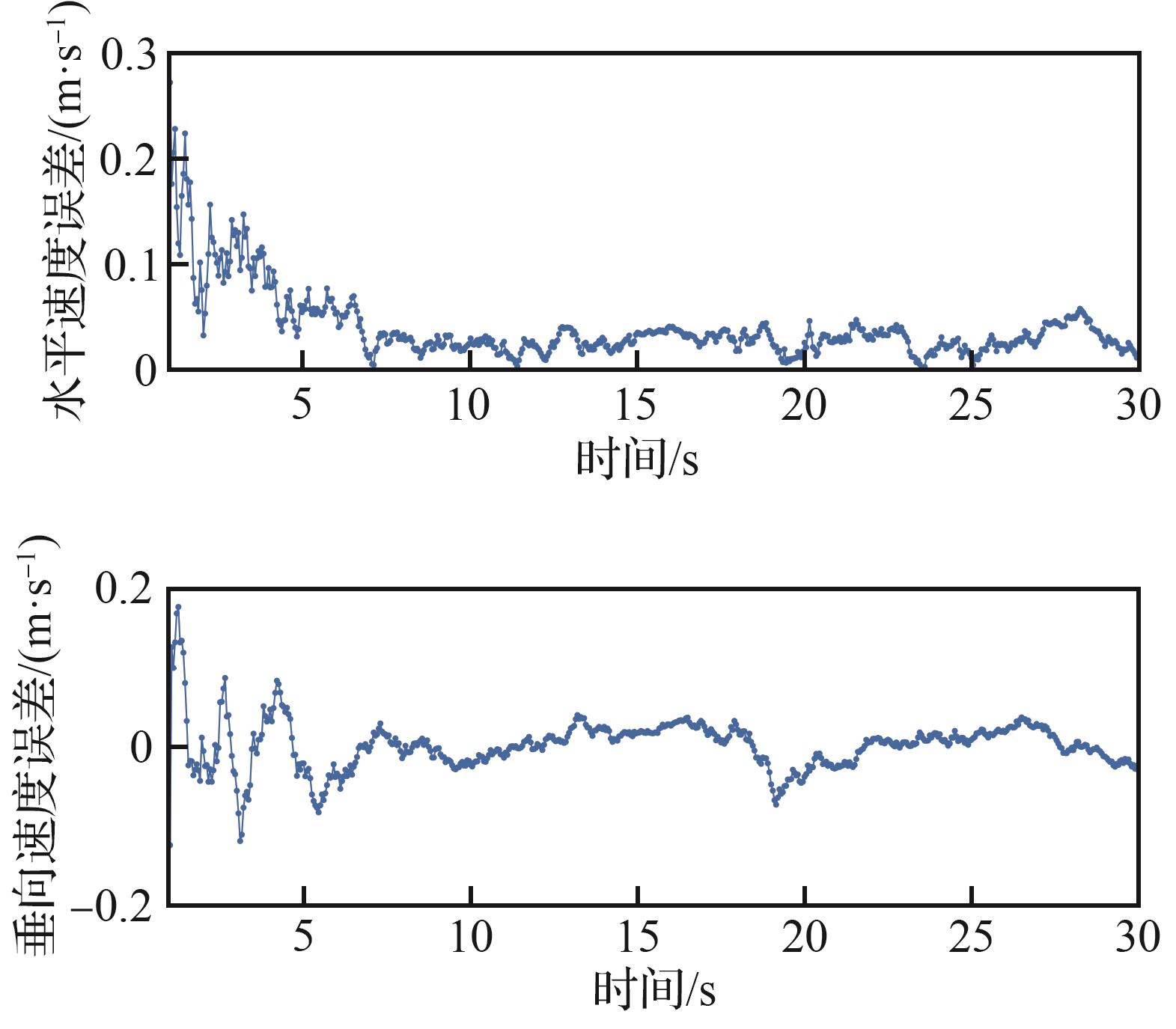
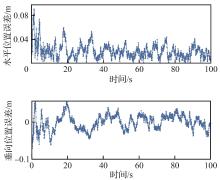
Fig.15
Relative position error (INS/DGPS, flight data)
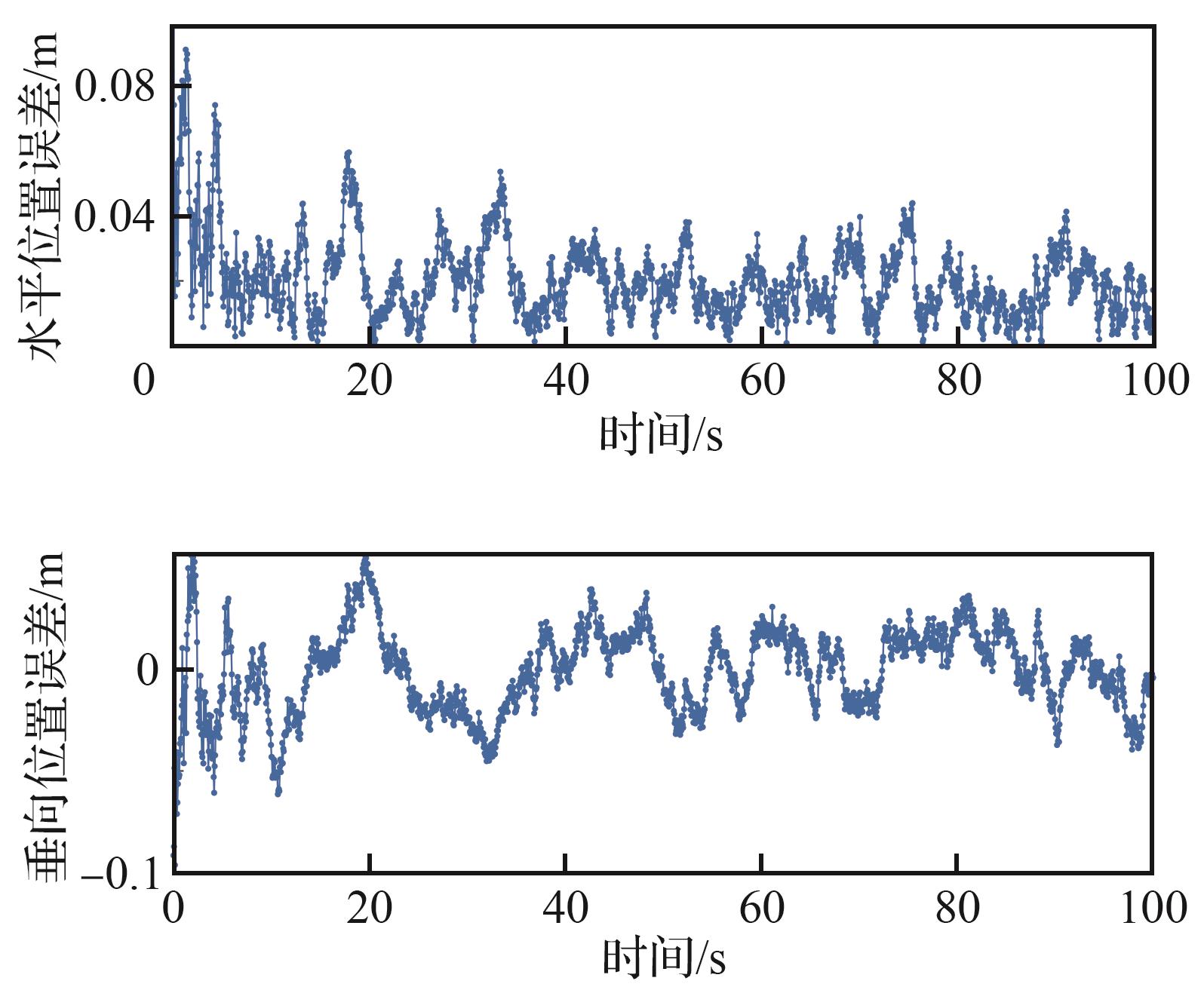
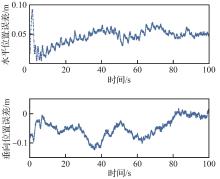
Fig.16
Relative position error (INS/optical, Flight data)
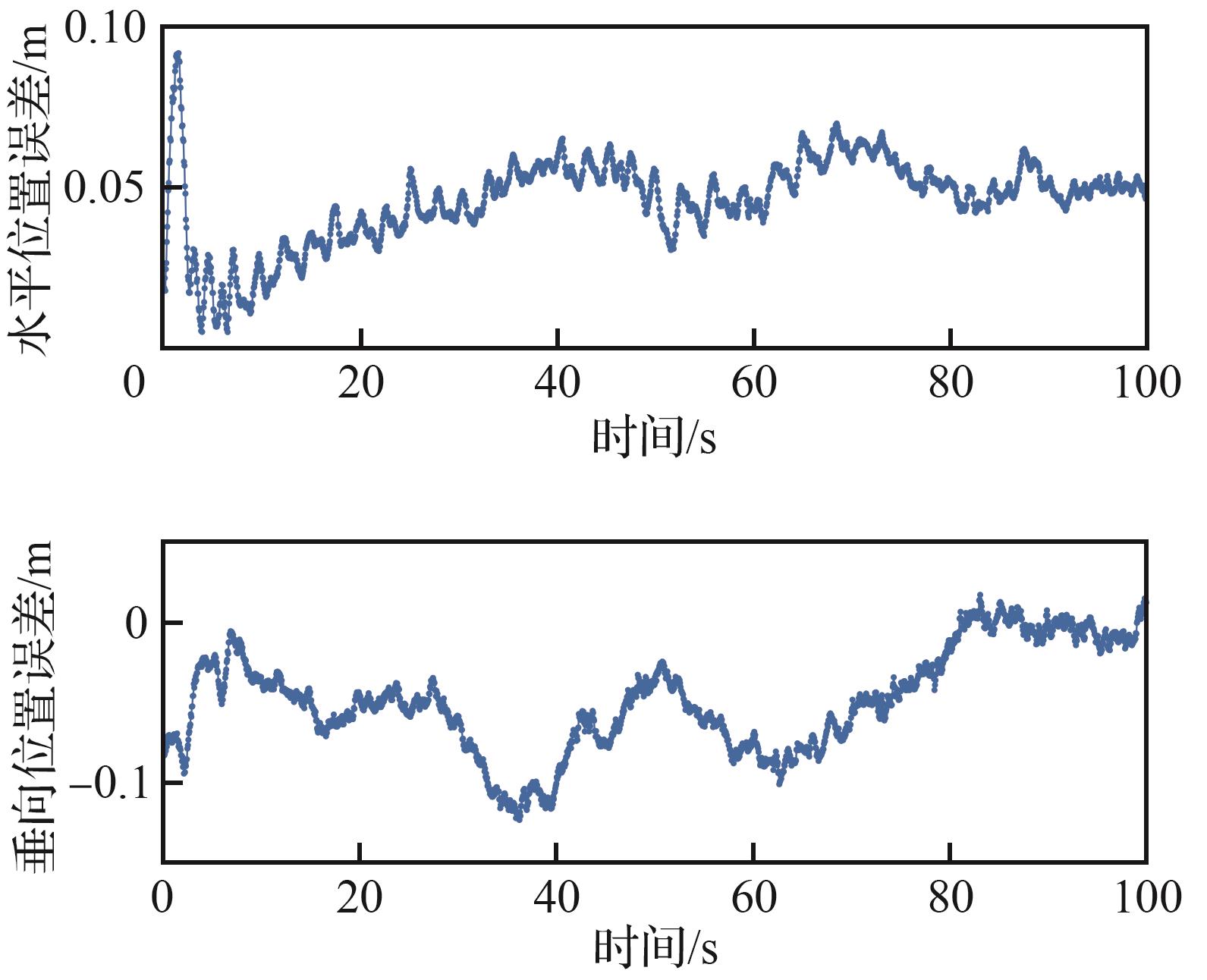
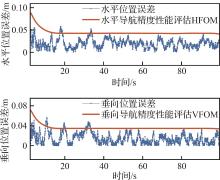
Fig.17
Relative position error (dual-channel fusion)
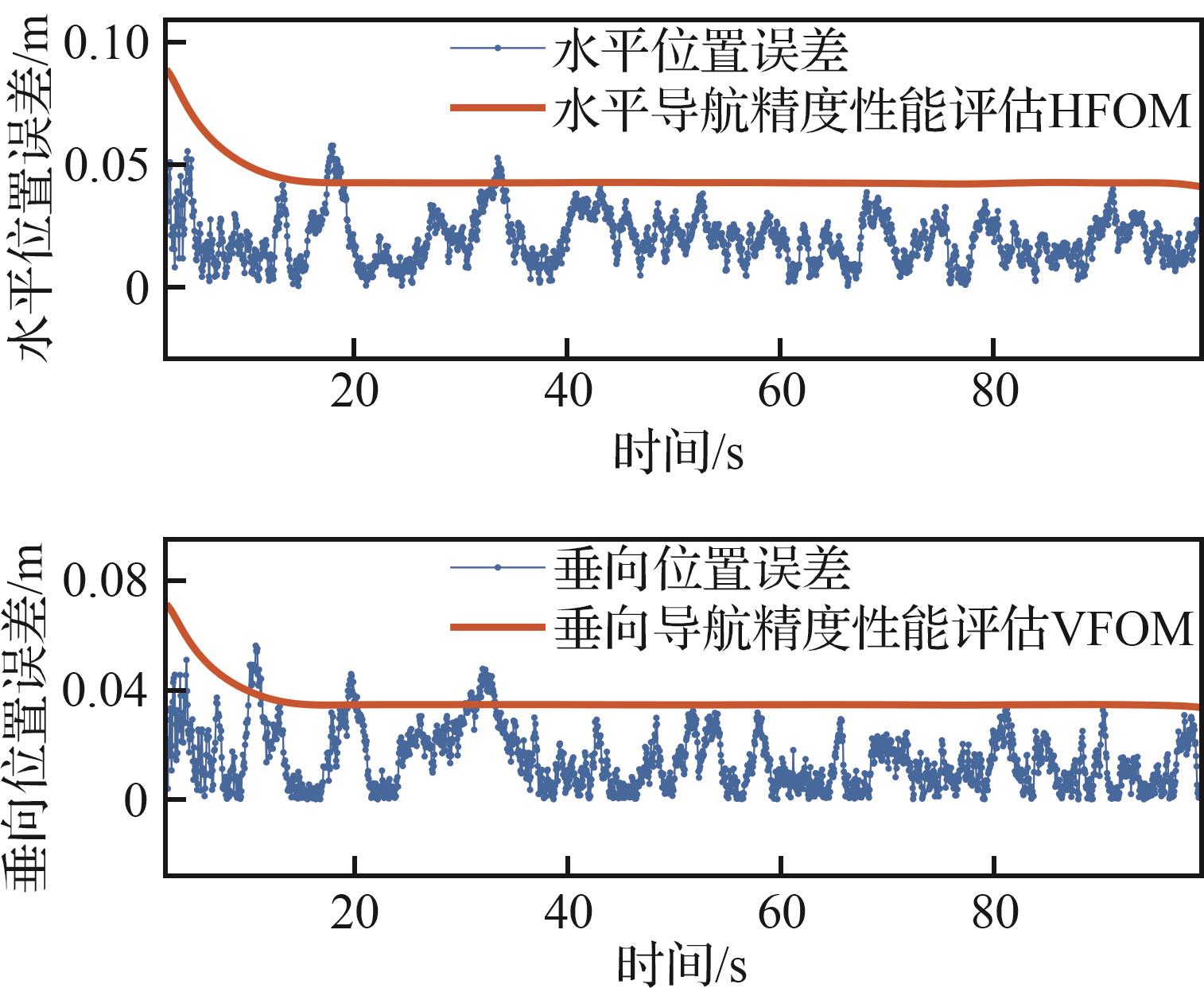
Table 3
Accuracy statistics of flight results
| 误差类型(95%) | 惯性/差分卫星 | 惯性/光电 | 双路融合 |
|---|---|---|---|
| 水平相对位置误差/m | 0.039 | 0.063 | 0.038 |
| 垂向相对位置误差/m | 0.037 | 0.106 | 0.035 |
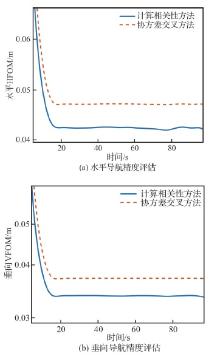
Fig.18
Navigation accuracy evaluation
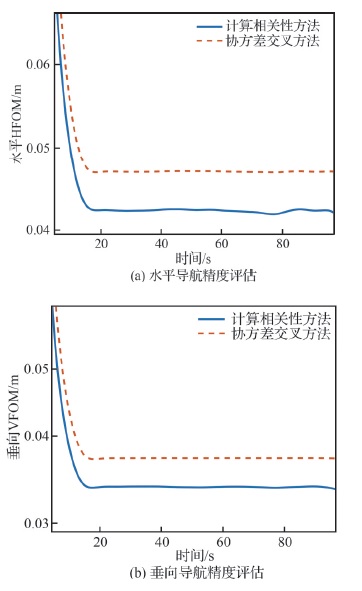
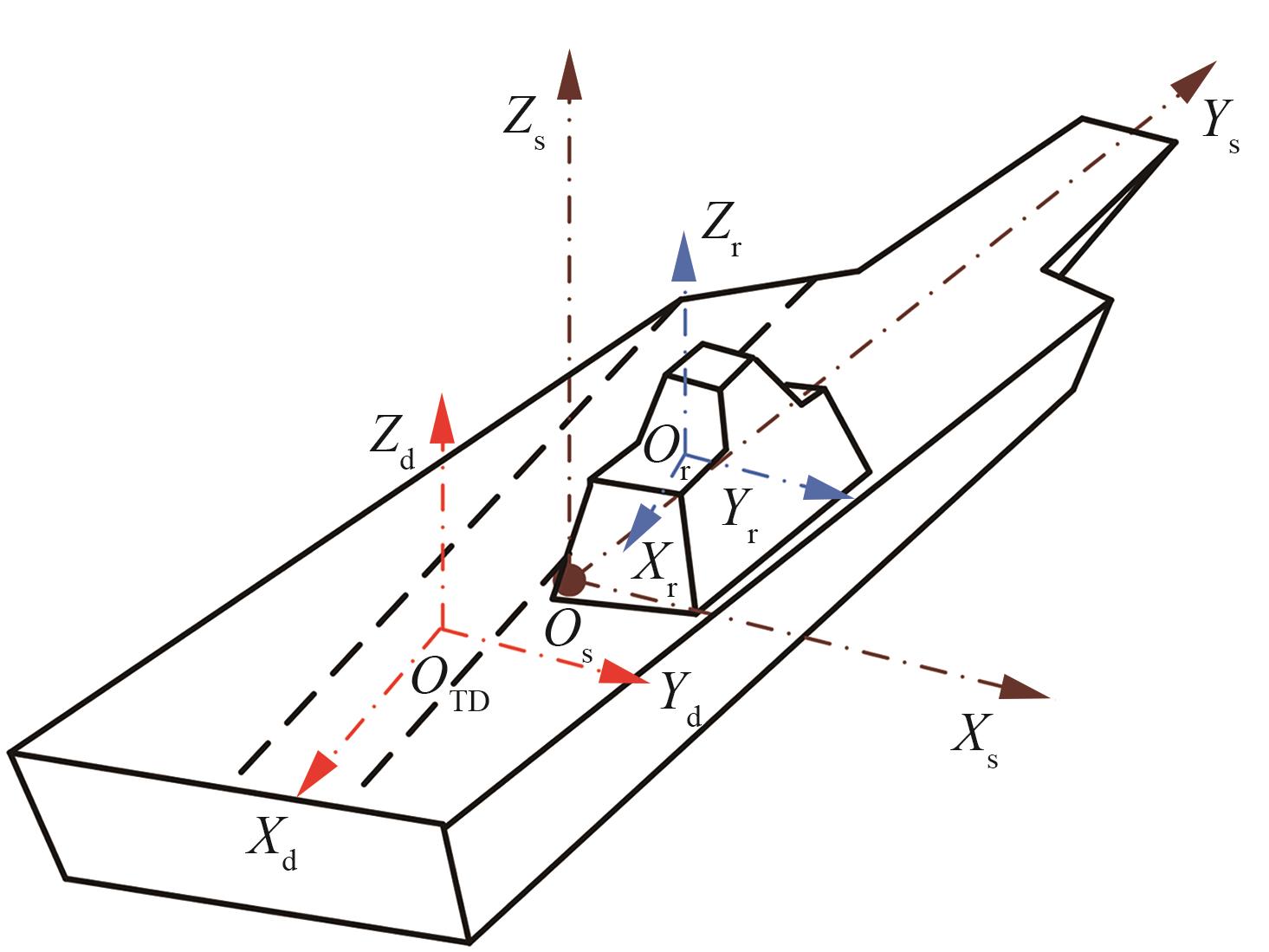
Fig.A1
Coordinate system definition
| [1] | PETERSON B R, JOHNSON G, STEVENS J. Feasible architectures for joint precision approach and landing system (JPALS) for land and sea[C]∥Proceedings of the 17th International Technical Meeting of the Satellite Division of The Institute of Navigation. Long Beach: ION GNSS, 2004: 544-554. |
| [2] | 李强, 张淑丽, 蒙文巩. 国外舰载无人机着舰引导技术发展现状[J]. 无人系统技术, 2018, 1(2): 43-48. |
| LI Q, ZHANG S L, MENG W G. Surveys of carrier landing techniques for UAVs[J]. Unmanned Systems Technology, 2018, 1(2): 43-48 (in Chinese). | |
| [3] | SHCHERBININ V V, KVETKIN G A, SVIYAZOV A V, et al. Navigation support of the UAV automated landing system[J]. Gyroscopy and Navigation, 2013, 4(2): 104-114. |
| [4] | HUANG C J, JAN S S. UAV shipboard landing with RTK[J]. GPS World, 2014, 5(25):34-42. |
| [5] | GUNNAM K, HUGHES D C, JUNKINS J L, et al. A DSP embedded optical navigation system[C]∥6th International Conference on Signal Processing, 2002. Piscataway: IEEE Press, 2002: 1735-1739. |
| [6] | ANITHA G, GIREESH KUMAR R N. Vision based autonomous landing of an unmanned aerial vehicle[J]. Procedia Engineering, 2012, 38: 2250-2256. |
| [7] | SANCHEZ-LOPEZ J L, PESTANA J, SARIPALLI S, et al. An approach toward visual autonomous ship board landing of a VTOL UAV[J]. Journal of Intelligent & Robotic Systems, 2014, 74(1): 113-127. |
| [8] | Corporation S A. Lidar-based shipboard tracking and state estimation for autonomous landing: 20160009410[P]. 2016-01-14. |
| [9] | 刘基余. GPS卫星导航定位原理与方法[M]. 北京: 科学出版社, 2003: 334-363. |
| LIU J Y. Principles and methods of GPS satellite navigation and positioning[M]. Beijing: Science Press, 2003: 334-363 (in Chinese). | |
| [10] | 周煜, 伍逸夫, 赵峰. 航母着舰引导系统概述[J]. 舰船电子工程, 2011, 31(11): 22-24, 36. |
| ZHOU Y, WU Y F, ZHAO F. An overview of aircraft carrier landing guidance systems[J]. Ship Electronic Engineering, 2011, 31(11): 22-24, 36 (in Chinese). | |
| [11] | LÖBL D, HOLZAPFEL F. Simulation analysis of a sensor data fusion for close formation flight[C]∥AIAA Guidance, Navigation, and Control Conference. Reston: AIAA, 2014. |
| [12] | TANG D Q, JIAO Y K, CHEN J. On Automatic Landing System for carrier plane based on integration of INS, GPS and vision[C]∥2016 IEEE Chinese Guidance, Navigation and Control Conference (CGNCC). Piscataway: IEEE Press, 2016: 2260-2264. |
| [13] | 唐大全, 毕波, 王旭尚, 等. 自主着陆/着舰技术综述[J]. 中国惯性技术学报, 2010, 18(5): 550-555. |
| TANG D Q, BI B, WANG X S, et al. Summary on technology of automatic landing/carrier landing[J]. Journal of Chinese Inertial Technology, 2010, 18(5): 550-555 (in Chinese). | |
| [14] | LARRY D A. Using radar derived location data in a GPS landing system:US9975648B2[P]. 2018-05-22. |
| [15] | YANG X L, MEJIAS L, GARRATT M. Multi-sensor data fusion for UAV navigation during landing operations[C]∥Proceedings of the 2011 Australian Conference on Robotics and Automation. New York: Curran Associates, Inc., 2011:1-10. |
| [16] | LIGGINS M E, CHONG C Y, KADAR I, et al. Distributed fusion architectures and algorithms for target tracking[J]. Proceedings of the IEEE, 1997, 85(1): 95-107. |
| [17] | 沈晓静. 多传感器分布式检测和估计融合[J]. 中国科学: 数学, 2014, 44(2): 105-116. |
| SHEN X J. Multi-sensor distributed detection and estimation fusion[J]. Scientia Sinica (Mathematica), 2014, 44(2): 105-116 (in Chinese). | |
| [18] | 张康皓, 董希旺, 于江龙, 等. 多传感器融合状态估计方法综述[J]. 导航定位与授时, 2022, 9(5): 28-37. |
| ZHANG K H, DONG X W, YU J L, et al. A survey of multisensor data fusion state estimation methods[J]. Navigation Positioning and Timing, 2022, 9(5): 28-37 (in Chinese). | |
| [19] | 周峰, 梁禄扬, 林平. 协方差交叉融合的惯性/卫星/雷达组合导航研究[J]. 航天控制, 2021, 39(4): 22-27. |
| ZHOU F, LIANG L Y, LIN P. Research on INS/GNSS/RADAR integrated navigation with covariance intersection fusion[J]. Aerospace Control, 2021, 39(4): 22-27 (in Chinese). | |
| [20] | HALL D, LLINAS J. Multisensor data fusion[M]. Boca Raton: CRC Press, 2001: 23-32. |
| [21] | CHEN L J, ARAMBEL P O, MEHRA R K. Estimation under unknown correlation: Covariance intersection revisited[J]. IEEE Transactions on Automatic Control, 2002, 47(11): 1879-1882. |
| [22] | REINHARDT M, NOACK B, ARAMBEL P O, et al. Minimum covariance bounds for the fusion under unknown correlations[J]. IEEE Signal Processing Letters, 22(9): 1210-1214. |
| [23] | 韩崇昭, 朱洪艳, 段战胜. 多源信息融合[M]. 3版. 北京: 清华大学出版社, 2022: 306-309. |
| HAN C Z, ZHU H Y, DUAN Z S. Multisource information fusion[M]. 3rd ed. Beijing: Tsinghua University Press, 2022: 306-309 (in Chinese). | |
| [24] | CHANG K C, SAHA R K, BAR-SHALOM Y. On optimal track-to-track fusion[J]. IEEE Transactions on Aerospace and Electronic Systems, 1997, 33(4): 1271-1276. |
| [25] | LI X R, ZHU Y M, WANG J, et al. Optimal linear estimation fusion.I. Unified fusion rules[J]. IEEE Transactions on Information Theory, 2003, 49(9): 2192-2208. |
| [26] | 张志远, 罗国富. 舰船姿态坐标变换及稳定补偿分析[J]. 舰船科学技术, 2009, 31(4): 34-40. |
| ZHANG Z Y, LUO G F. Coordinate transformation of warship pose and analysis of stabilization compensation[J]. Ship Science and Technology, 2009, 31(4): 34-40 (in Chinese). |
| [1] | Qiufu WANG, Daoming BI, Zhuo ZHANG, Xiaoliang SUN, Qifeng YU. Onboard visual-inertial relative pose and deck motion easurement for autonomous landing [J]. Acta Aeronautica et Astronautica Sinica, 2025, 46(13): 531268-531268. |
| [2] | Ershen WANG, Zexin LIU, Deyan WANG, Tengli YU, Fanchen MENG, Yayi LIU, Song XU. Dual dynamic carrier positioning algorithm based on double factor graph and ambiguity optimization [J]. Acta Aeronautica et Astronautica Sinica, 2025, 46(13): 531332-531332. |
| [3] | Xianchao MENG, Jun TAO. An airfoil inverse design method based on target testing conditional generative adversarial network [J]. Acta Aeronautica et Astronautica Sinica, 2025, 46(10): 631182-631182. |
| [4] | Dengfeng HU, Yu XIANG, Jun ZHANG, Jiachen YANG, Wenyong WANG. Multi-source data fusion method based on radial basis function generative adversarial network [J]. Acta Aeronautica et Astronautica Sinica, 2025, 46(10): 631478-631478. |
| [5] | Xinrui ZHANG, Zhi XIONG, Bing HUA, Jun KANG, Huiyu HE. A heterogeneous multi-source integrated navigation method for cross-domain vehicles based on inertial/celestial deep fusion [J]. Acta Aeronautica et Astronautica Sinica, 2024, 45(S1): 730614-730614. |
| [6] | Jianhua CHENG, Sixiang CHENG, Bing QI, Shilong FAN, Guojing ZHAO, Sicheng CHEN. PPP/INS integrated navigation performance analysis in ionospheric scintillation environment [J]. Acta Aeronautica et Astronautica Sinica, 2024, 45(S1): 730676-730676. |
| [7] | Hua YANG, Shusheng CHEN, Zhenghong GAO, Quanfeng JIANG, Wei ZHANG. Rotor aerodynamic data fusion based on Bayesian framework [J]. Acta Aeronautica et Astronautica Sinica, 2024, 45(8): 128960-128960. |
| [8] | Kuo TIAN, Zhiyong SUN, Zengcong LI. High-precision digital twin method for structural static test monitoring [J]. Acta Aeronautica et Astronautica Sinica, 2024, 45(7): 429134-429134. |
| [9] | Hailang SONG, Jiandong ZHANG, Guoqing SHI, Qiming YANG, Yaozhong ZHANG. Comprehensive evaluation techniques and methods for flight test of avionics fire control system [J]. Acta Aeronautica et Astronautica Sinica, 2024, 45(5): 529687-529687. |
| [10] | Weiqing LAI, Jiuqing WAN. Distributed relative positioning of aircraft group based on path⁃sum algorithm [J]. Acta Aeronautica et Astronautica Sinica, 2024, 45(4): 328735-328735. |
| [11] | Qiufu WANG, Zhiguo SHI, Zhuo ZHANG, Xiaoliang SUN, Qifeng YU. Robust monocular relative pose measurement for carrier-based aircraft landing guidance [J]. Acta Aeronautica et Astronautica Sinica, 2024, 45(23): 330309-330309. |
| [12] | Fan ZHANG, Wei CONG, Runcao TIAN, Peng WANG. Heterogeneous data fusion and reliability analysis based on two-layer variable weights [J]. Acta Aeronautica et Astronautica Sinica, 2024, 45(22): 230297-230297. |
| [13] | Zhaojun GU, Huan ZHAO, Jialiang WANG, Liuyang NIE. Automatic landing method for quad-rotor helicopter based on Markov decision process [J]. Acta Aeronautica et Astronautica Sinica, 2024, 45(15): 329652-329652. |
| [14] | Jing NI, Bo MA, Zhaoxu YANG, Chenggang TAO, Yan ZHOU, Yiwen HU. Design and test of visual-inertial integrated method for landing guidance [J]. Acta Aeronautica et Astronautica Sinica, 2023, 44(S1): 727636-727636. |
| [15] | Huaijie ZHANG, Jingya MA, Haoyuan LIU, Pin GUO, Huichao DENG, Kun XU, Xilun DING. Indoor positioning technology of multi⁃rotor flying robot based on visual-inertial fusion [J]. ACTA AERONAUTICAET ASTRONAUTICA SINICA, 2023, 44(5): 426964-426964. |
| Viewed | ||||||
|
Full text |
|
|||||
|
Abstract |
|
|||||
Address: No.238, Baiyan Buiding, Beisihuan Zhonglu Road, Haidian District, Beijing, China
Postal code : 100083
E-mail:hkxb@buaa.edu.cn
Total visits: 6658907 Today visits: 1341All copyright © editorial office of Chinese Journal of Aeronautics
All copyright © editorial office of Chinese Journal of Aeronautics
Total visits: 6658907 Today visits: 1341

 CJA
CJA
