Acta Aeronautica et Astronautica Sinica ›› 2026, Vol. 47 ›› Issue (17): 233326.doi: 10.7527/S1000-6893.2026.33326
• Solid Mechanics and Vehicle Conceptual Design • Previous Articles
Nyu’e XIAO1,2( ), Qi CHEN1, Kenian WANG1, Boyang LI1
Received:2026-01-05
Revised:2026-01-20
Accepted:2026-04-30
Online:2026-05-22
Published:2026-05-21
Contact:
Nyu’e XIAO
E-mail:nexiao@cauc.edu.cn
Supported by:CLC Number:
Nyu’e XIAO, Qi CHEN, Kenian WANG, Boyang LI. Physics-probability coupled reliability assessment of electrical return network in composite aircraft[J]. Acta Aeronautica et Astronautica Sinica, 2026, 47(17): 233326.
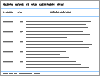
Table 1
Main components of fuselage aircraft electrical circuit network
| 类型 | ERN主要组成 | 失效描述 |
|---|---|---|
| 结构组件 | 走线槽 | 主要起物理防护和布线路径引导作用,不参与导电,视为不失效。 |
| 滑轨 | 提供结构支撑与固定功能,不参与电气回路传导,视为不失效。 | |
| 横梁 | 属于主结构承力件,金属连续性完好,视为不失效。 | |
| 高可靠性组件 | 搭接片及接线端子 | 在服役过程中受潮湿、高频振动与热循环影响,接触界面产生氧化膜或磨损,导致接触电阻逐步升高,最终可能出现接触不稳定或断路失效。 |
| 线缆 | 受长期机械应变、热应力及电流负载作用,绝缘层老化、导体断裂或屏蔽层腐蚀可能导致回路开路、短路或接地不良等失效形式。 | |
| 柔性接头 | 导电桥接单元,易因机械疲劳、应力集中、湿热电化学腐蚀,引发导体断裂、压接松动或接触电阻增大,导致回路导通性能退化。 |
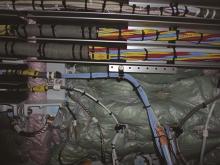
Fig.1
Cable
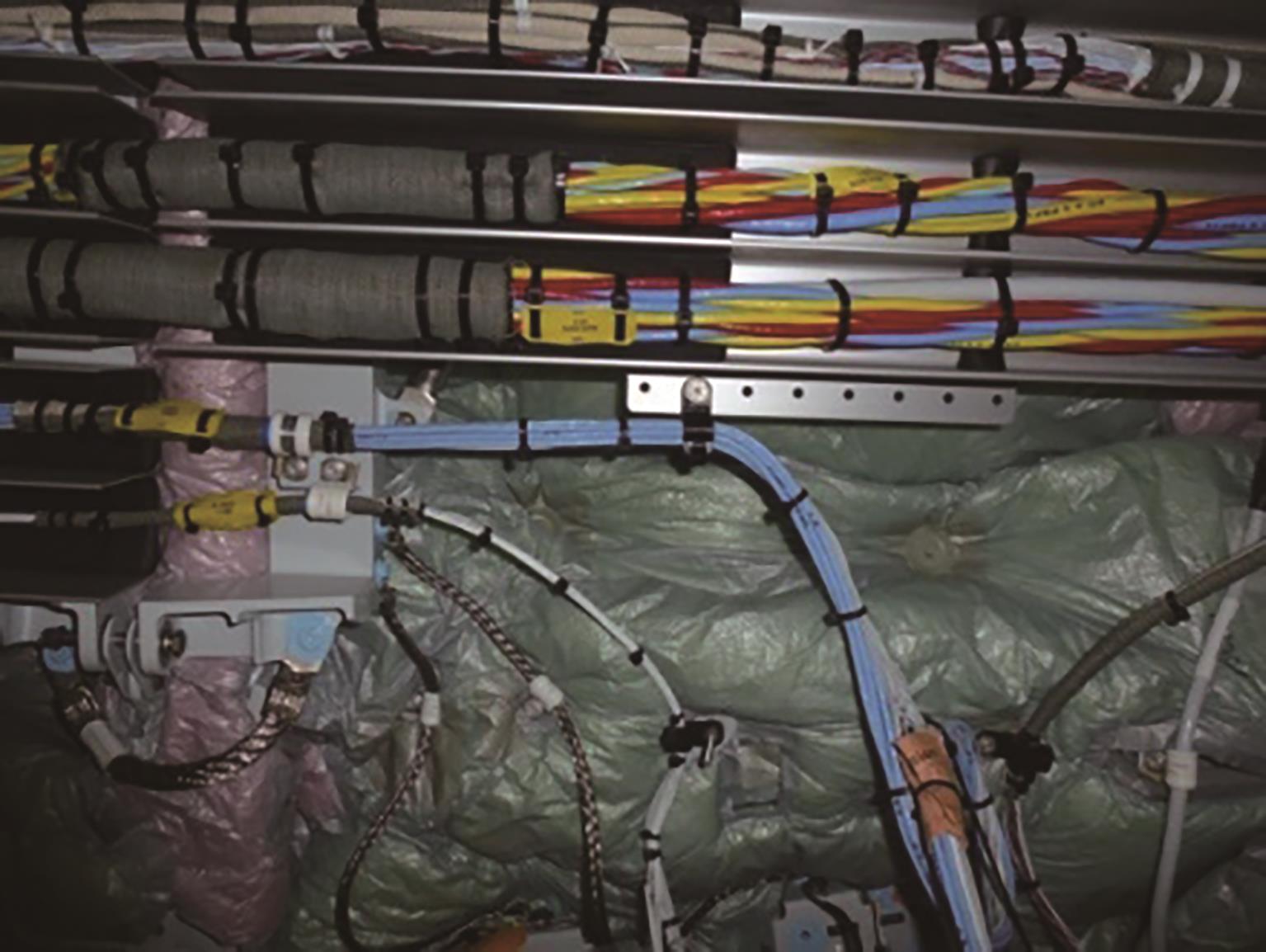
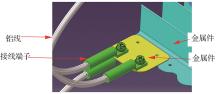
Fig.2
Lugs and terminal blocks
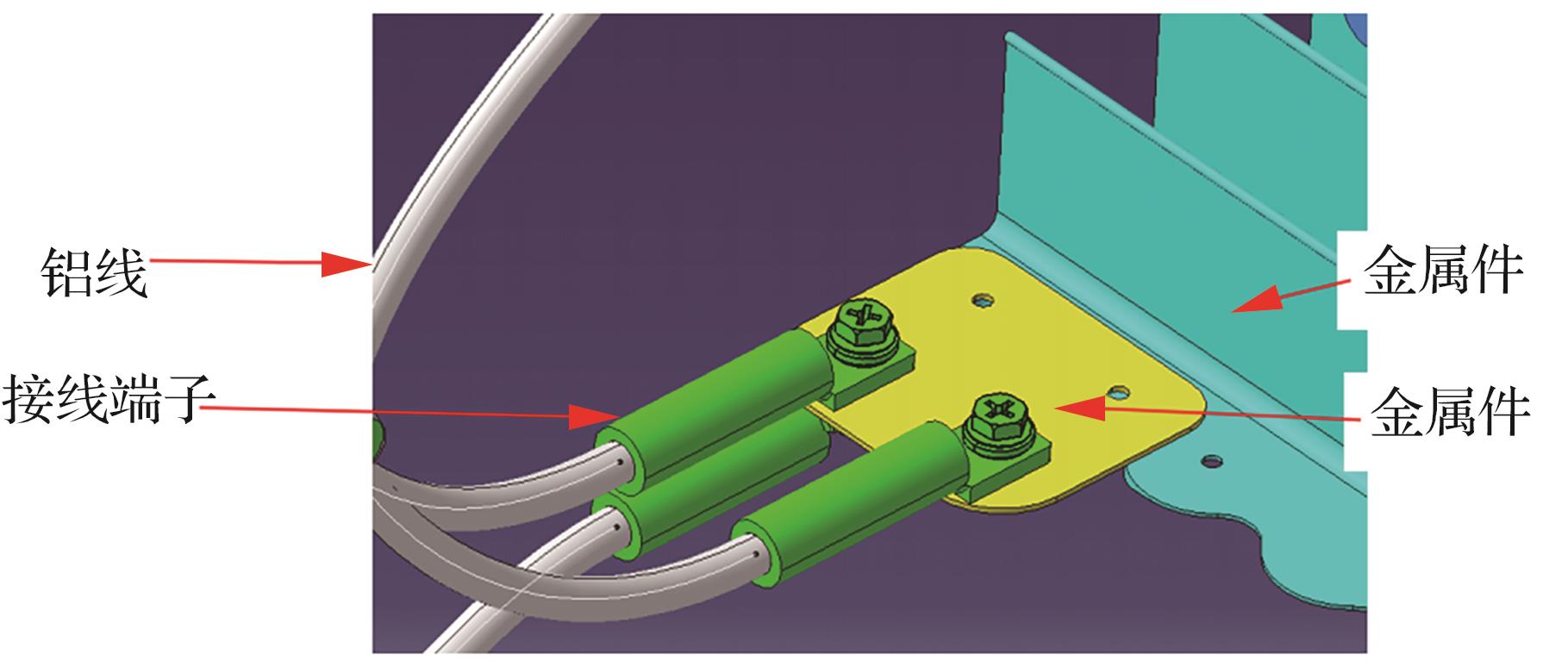
Fig.3
Flexible joints
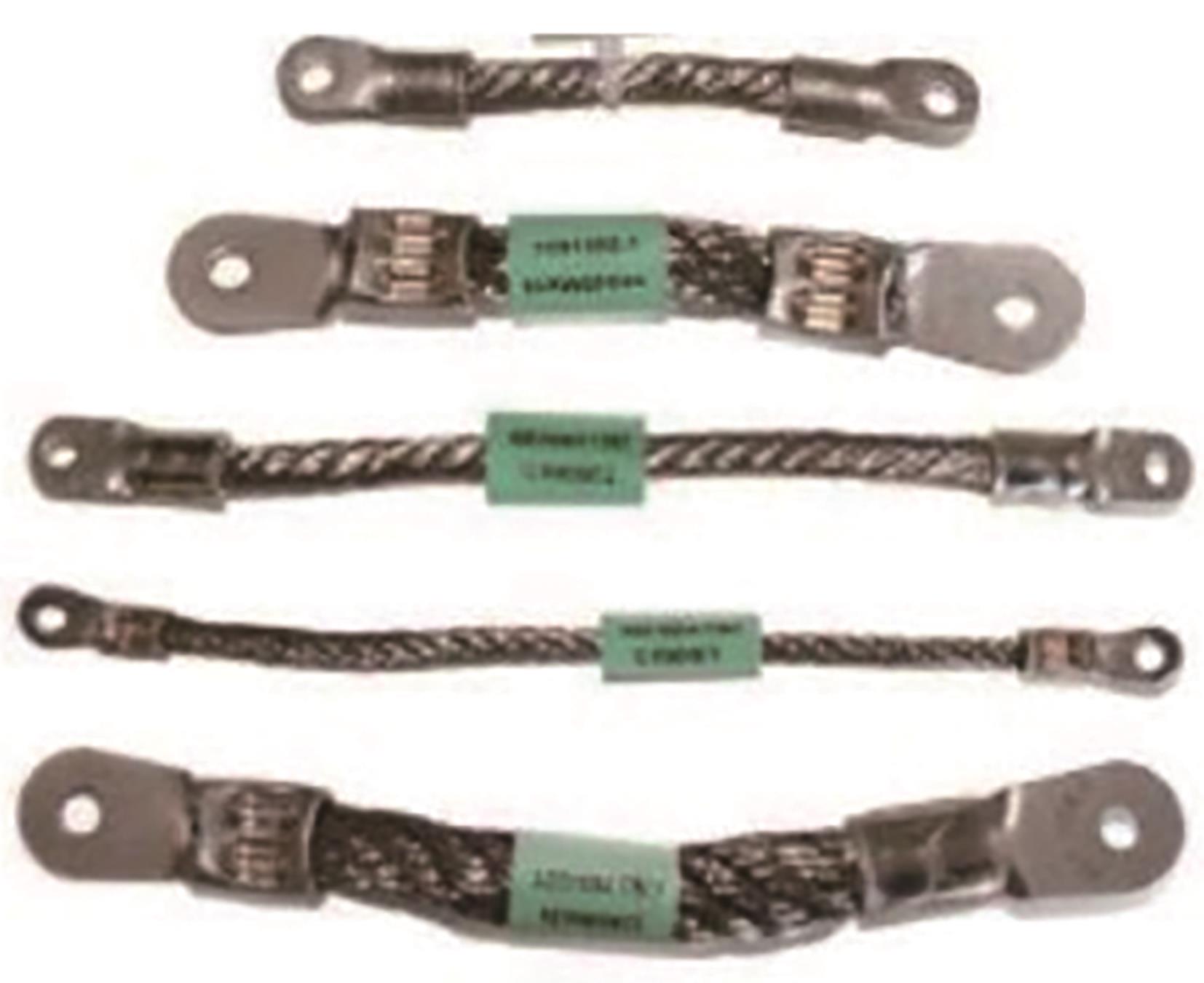
Fig.4
Schematic diagram of a typical aerospace electrical network[40]
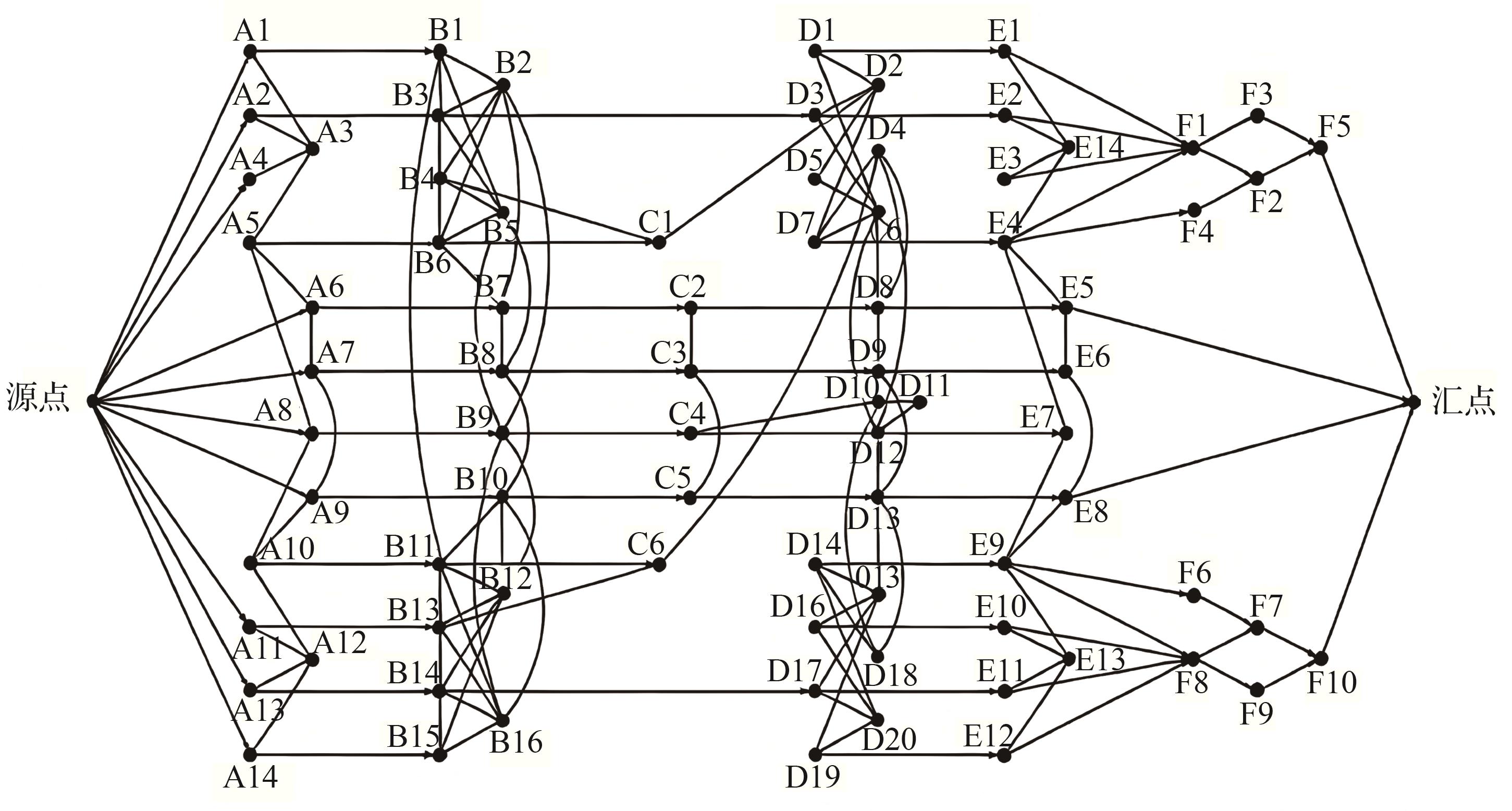
Table 2
Distribution parameters of high-reliability components
| 类别 | 名称 | 数量 | 分布类型 | 形状参数 | 尺度参数 |
|---|---|---|---|---|---|
| 组件1 | 线缆 | 48 | 威布尔 | 1.3 | 2.2×10⁶ |
| 组件2 | 搭接片及接线端子 | 22 | 威布尔 | 1.8 | 4.5×10⁵ |
| 组件3 | 柔性接头 | 10 | 威布尔 | 2.5 | 1.4×10⁵ |
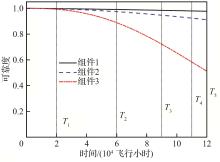
Fig.5
Schematic diagram of basic risk dimension (Occurrence Probability) evolution
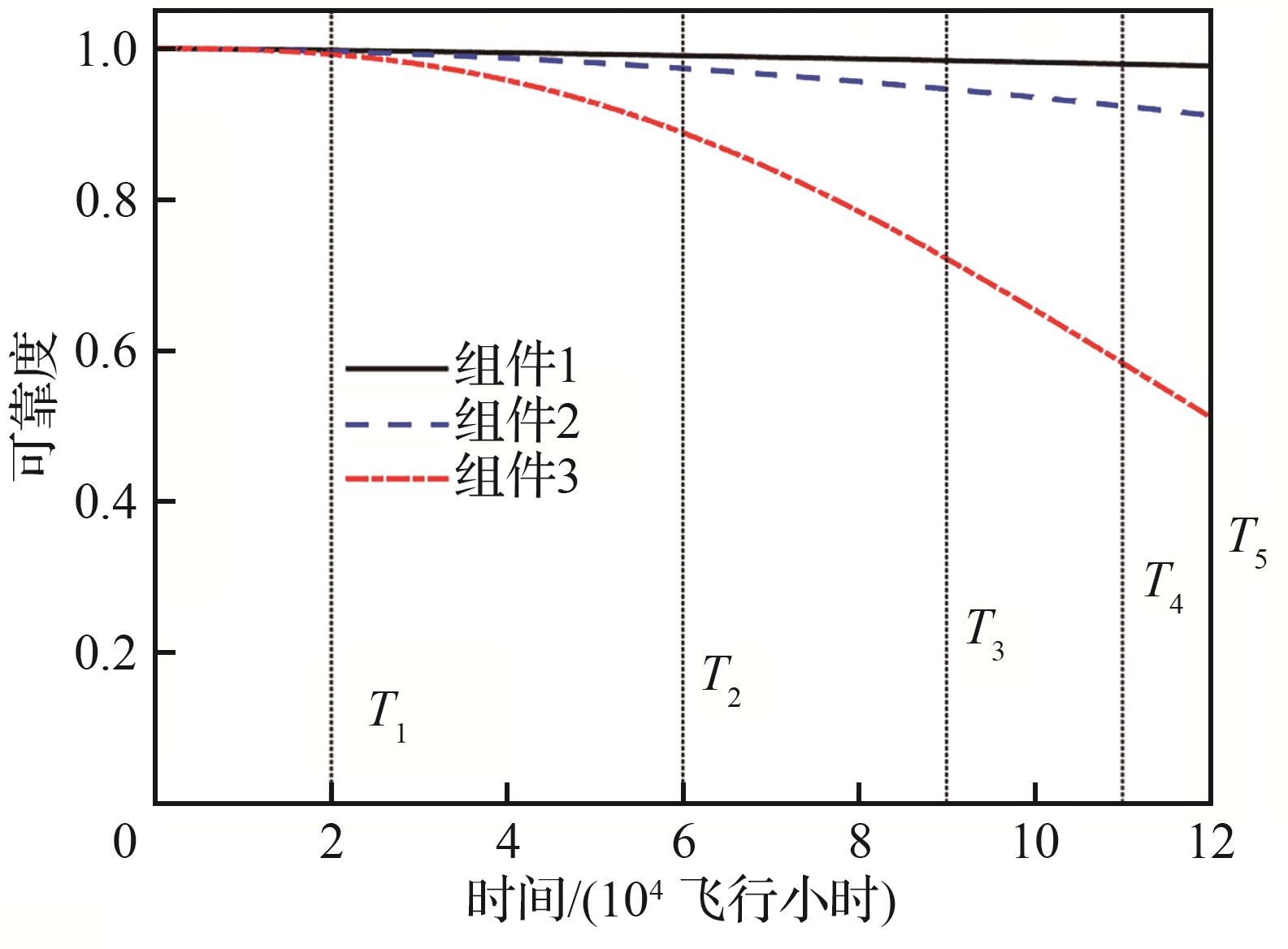
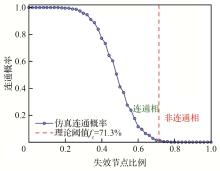
Fig.6
Percolation phase transition verification diagram
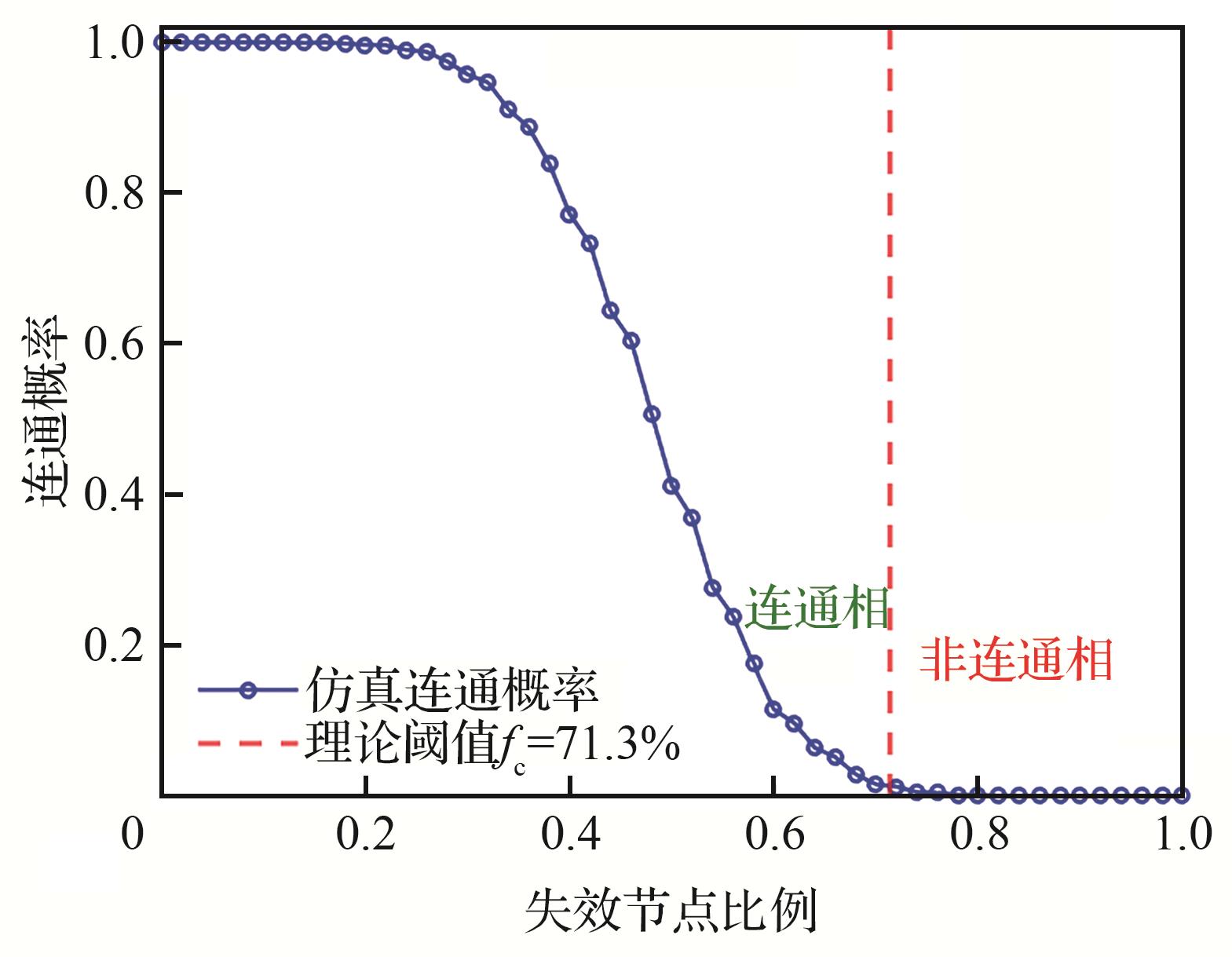
Fig.7
Histogram of prior basic risk weights of aggregated states
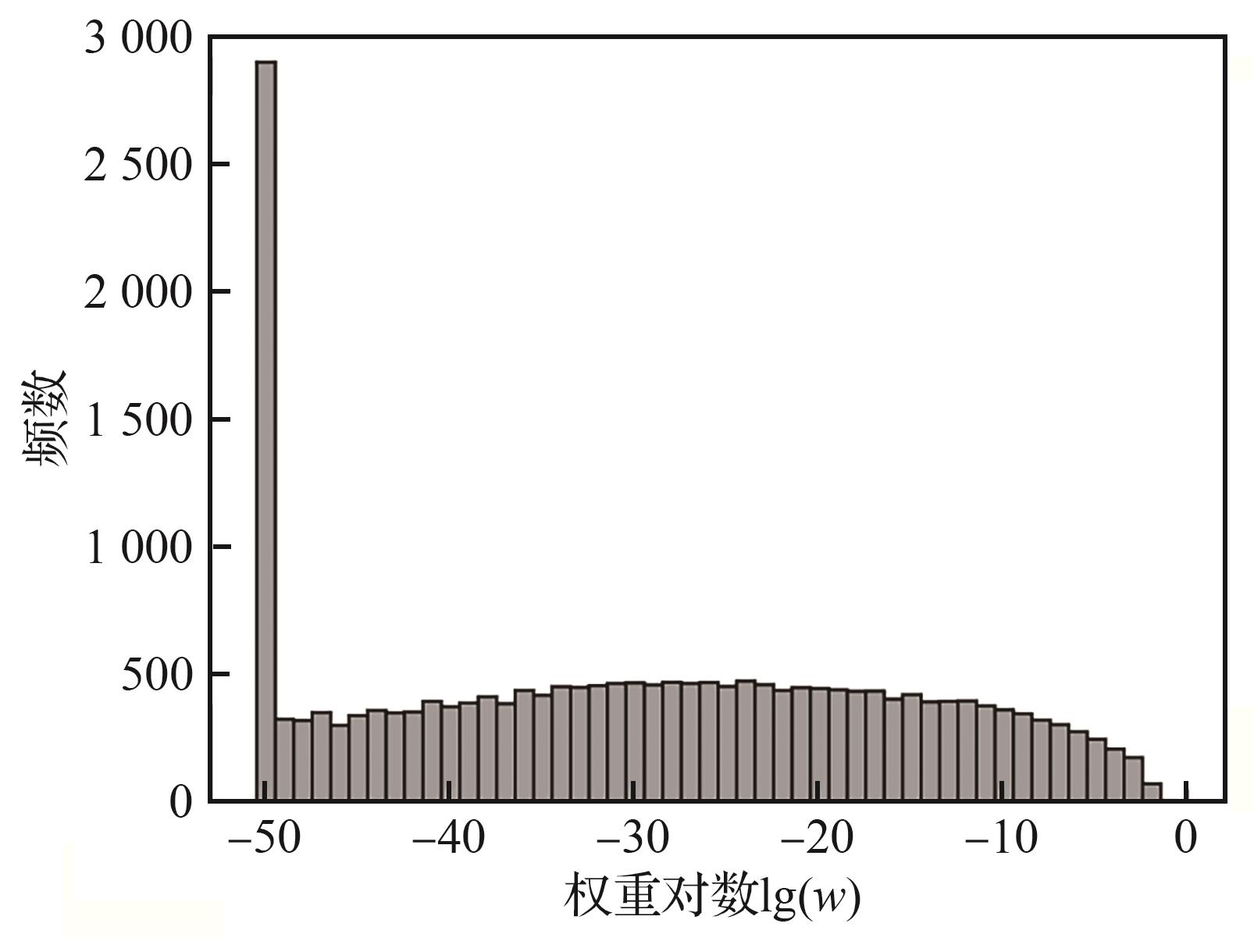
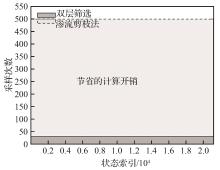
Fig.8
Comparison of adaptive computational resource allocation under dynamic risk truncation
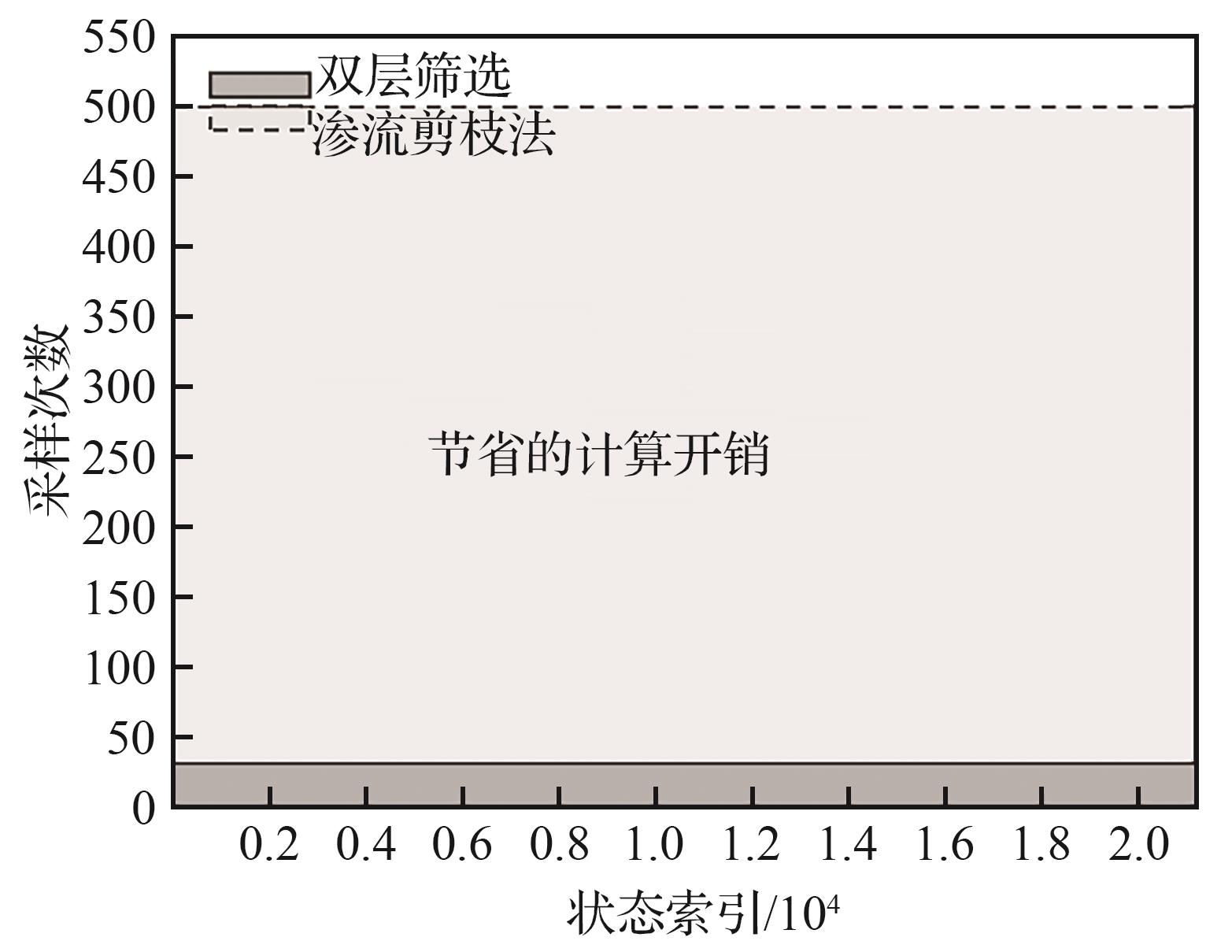
Table 3
Performance comparison of different methods for 82-node network
| 方法 | 计算复杂度 | 耗时/s | 评估次数 | 可靠度RMSE | 可靠度MAE |
|---|---|---|---|---|---|
| 蒙特卡洛法 | 342.01 | 15 313 030 | 1.96×10⁻³ | 1.48×10⁻⁴ | |
| 渗流剪枝法 | 270.61 | 13 290 782 | 4.82×10⁻³ | 2.35×10⁻³ | |
| 熵驱动蒙特卡洛法 | 89.56 | 3 268 920 | 2.12×10⁻³ | 9.25×10⁻⁴ | |
| 双层筛选法 | 18.74 | 574 336 | 1.31×10⁻³ | 7.48×10⁻⁴ |
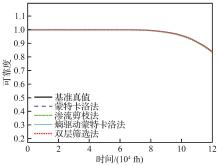
Fig.9
Comparison of time-varying system reliability evaluation curves
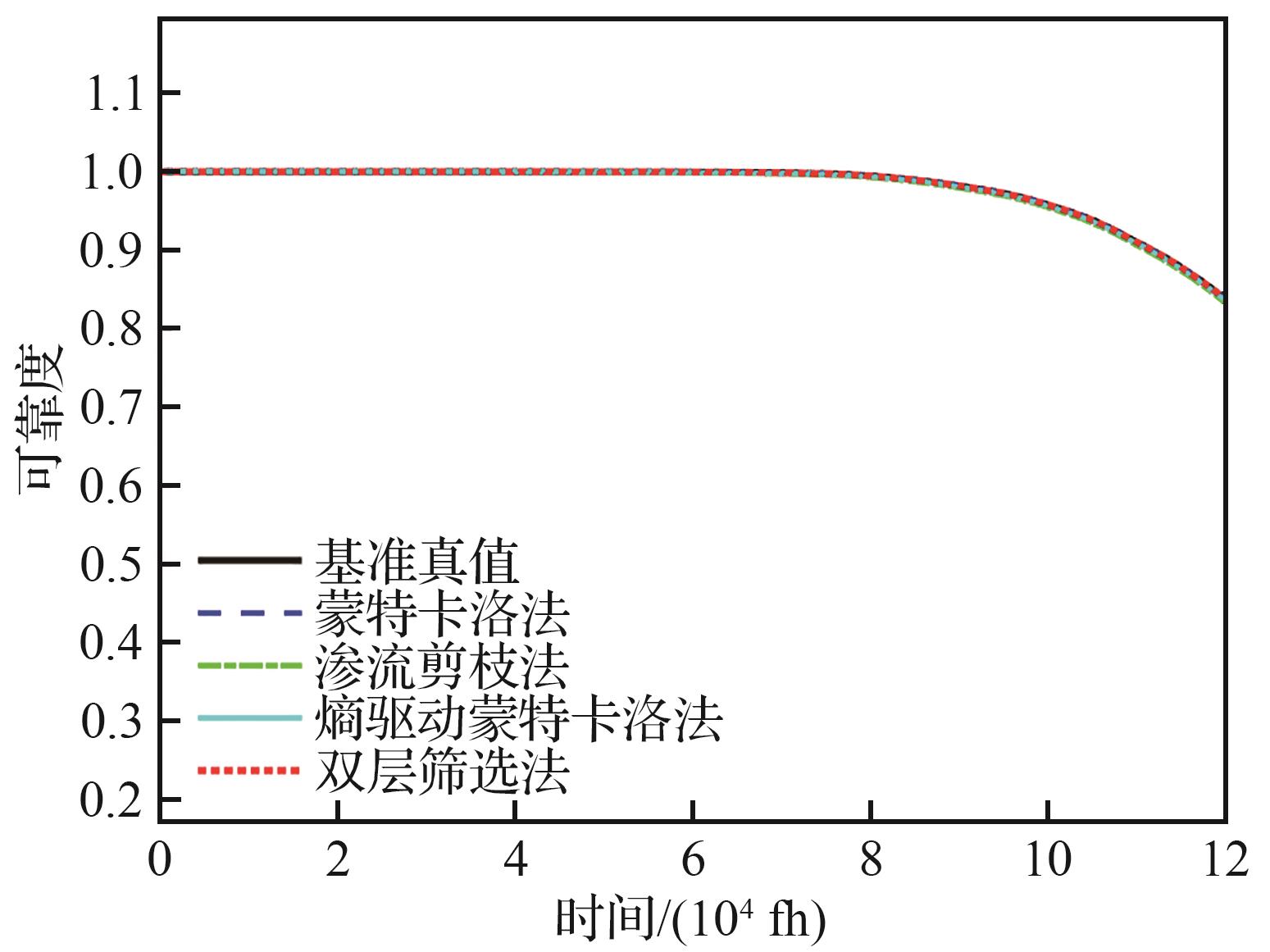
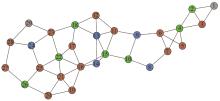
Fig.10
Topology of 29-node benchmark network[41]
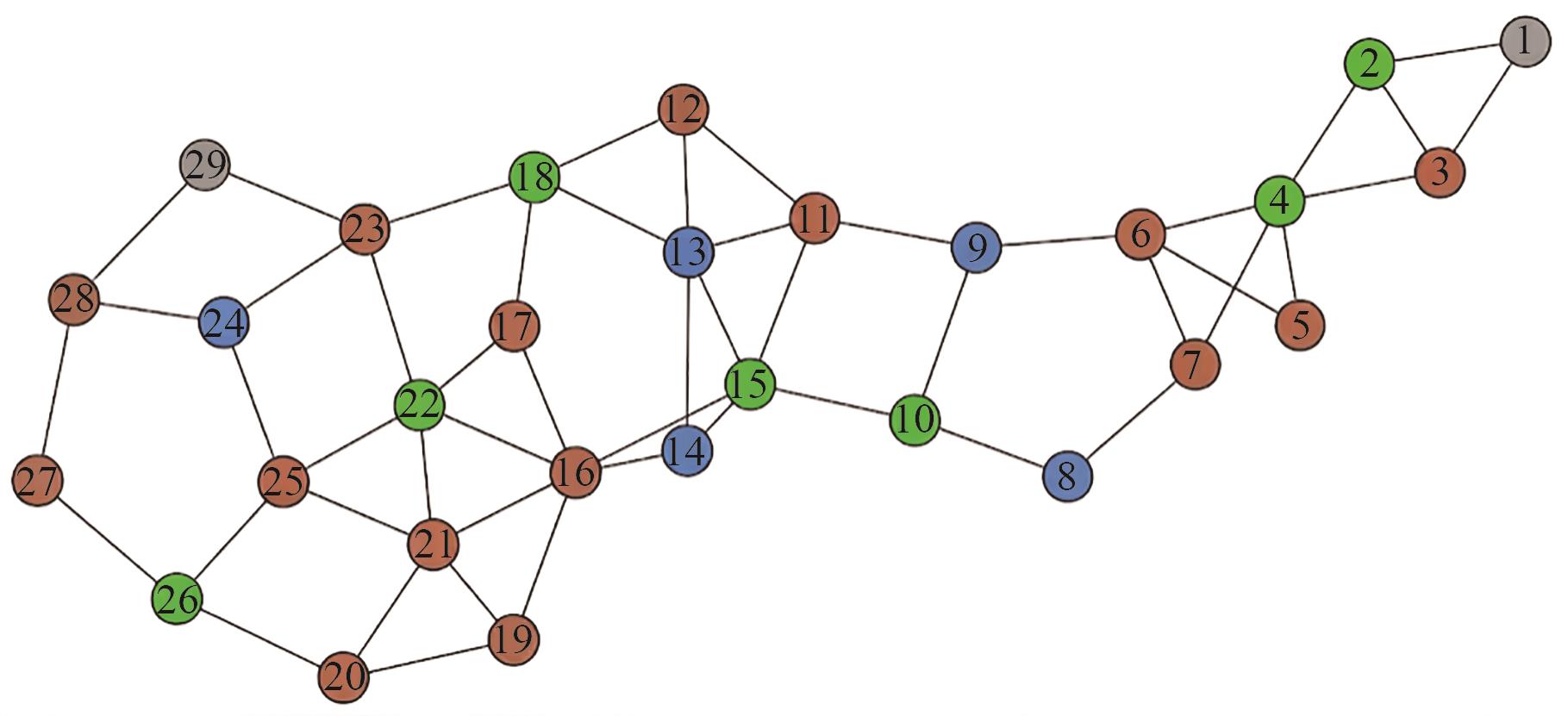
Table 4
Performance comparison of different methods on 29-node benchmark network
| 方法 | 耗时/s | 评估次数 | 可靠度 RMSE | 可靠度 MAE |
|---|---|---|---|---|
| 蒙特卡洛法 | 4.96 | 301 556 | 3.07×10⁻³ | 1.87×10⁻⁴ |
| 渗流剪枝法 | 3.61 | 239 770 | 7.90×10⁻³ | 5.35×10⁻³ |
| 熵驱动蒙特卡洛法 | 3.86 | 242 297 | 2.56×10⁻³ | 1.51×10⁻⁴ |
| 双层筛选法 | 0.35 | 17 826 | 2.47×10⁻³ | 1.58×10⁻⁴ |
Table 5
Corresponding times of key system connectivity-reliability thresholds under scale-parameter perturbations of different component types
| 部件类型 | 尺度参数因子 | 尺度参数值/fh | R=0.99对应时间/fh | R=0.95对应时间/fh | R=0.90对应时间/fh |
|---|---|---|---|---|---|
| 线缆 | 0.8 | 1.76×10⁶ | 87 282 | 103 670 | 113 325 |
| 线缆 | 1.0 | 2.20×10⁶ | 87 405 | 103 725 | 113 433 |
| 线缆 | 1.2 | 2.64×10⁶ | 87 490 | 103 743 | 113 490 |
| 搭接片及接线端子 | 0.8 | 3.60×10⁵ | 86 544 | 103 511 | 113 127 |
| 搭接片及接线端子 | 1.0 | 4.50×10⁵ | 87 405 | 103 610 | 113 430 |
| 搭接片及接线端子 | 1.2 | 5.40×10⁵ | 87 887 | 103 661 | 113 771 |
| 柔性接头 | 0.8 | 1.12×10⁵ | 70 448 | 80 863 | 90 604 |
| 柔性接头 | 1.0 | 1.40×10⁵ | 87 405 | 103 723 | 113 430 |
| 柔性接头 | 1.2 | 1.68×10⁵ | 103 991 |
Fig.11
Effect of cable parameter variation on connectivity reliability
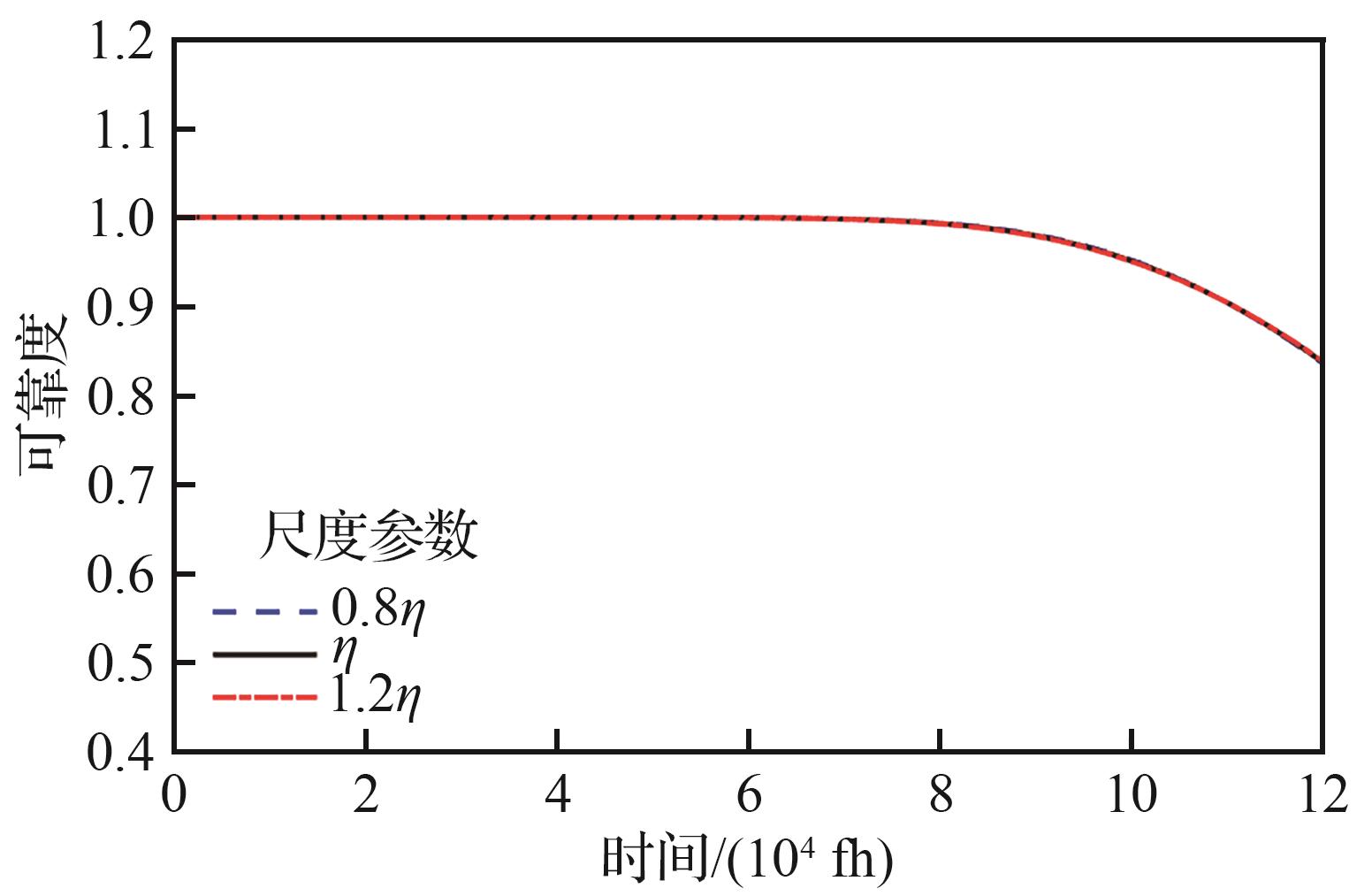
Fig.12
Effect of lug and terminal parameter variation on connectivity reliability
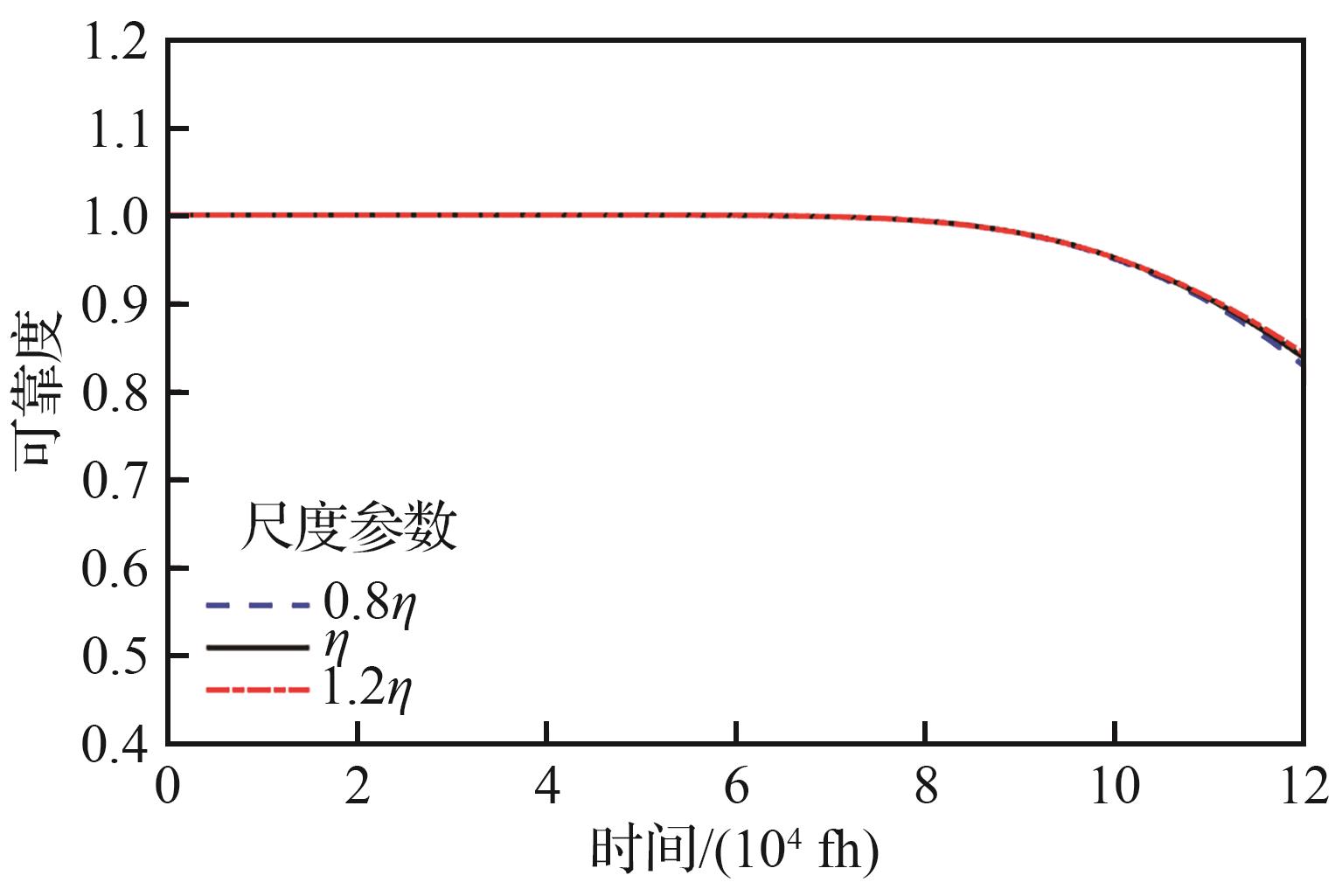
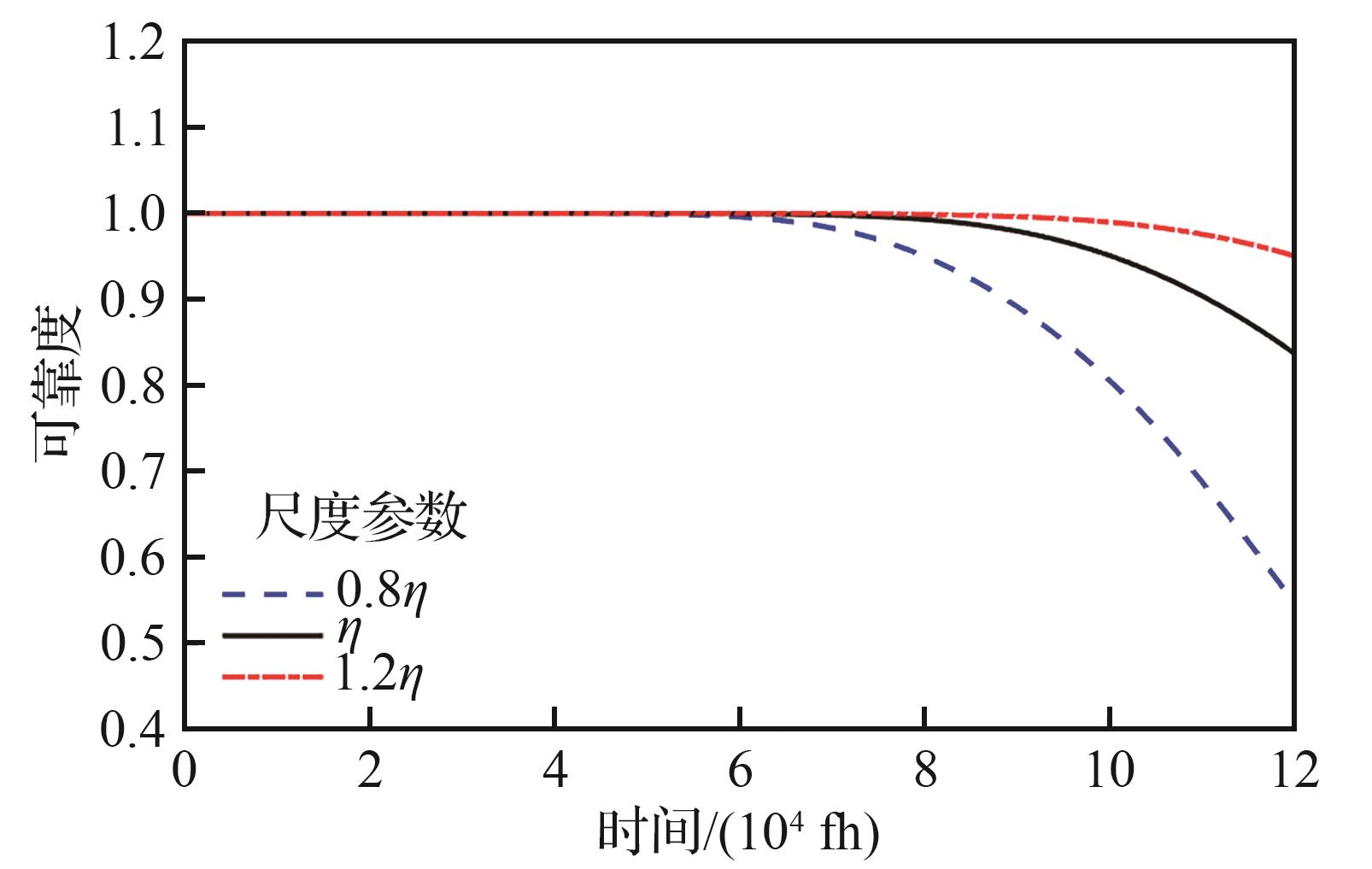
Fig.13
Effect of flexible-joint parameter variation on connectivity reliability
| [1] | CORVELEYN S, LACHAUD F, BERTHET F, et al. Long-term creep behavior of a short carbon fiber-reinforced PEEK at high temperature: Experimental and modeling approach[J]. Composite Structures, 2022, 290: 115485. |
| [2] | ZHANG J, LIN G, VAIDYA U, et al. Past, present and future prospective of global carbon fibre composite developments and applications[J]. Composites Part B: Engineering, 2023, 250: 110463. |
| [3] | 李军, 陈祥宝. 通用航空复合材料的发展现状与挑战[J]. 材料导报, 2022, 36(14): 206-211. |
| LI J, CHEN X B. Development status and challenges of general aviation composites[J]. Materials Reports, 2022, 36(14): 206-211 (in Chinese). | |
| [4] | JONES C E, SZTYKIEL M, PEÑA-ALZOLA R, et al. Grounding topologies for resilient, integrated composite electrical power systems for future aircraft applications[C]∥2019 AIAA/IEEE Electric Aircraft Technologies Symposium (EATS). Piscataway: IEEE Press, 2019: 1-15. |
| [5] | GUTIERREZ G G, MATEOS ROMERO D, CABELLO M R, et al. On the design of aircraft electrical structure networks[J]. IEEE Transactions on Electromagnetic Compatibility, 2016, 58(2): 401-408. |
| [6] | 杨占刚, 魏宇昊, 杨娟. 复合材料飞机电气结构网络系统电气特性分析[J]. 航空学报, 2025, 46(16): 331685. |
| YANG Z G, WEI Y H, YANG J. Electrical characteristics analysis of composite aircraft electrical structure network system[J]. Acta Aeronautica et Astronautica Sinica, 2025, 46(16): 331685 (in Chinese). | |
| [7] | 杨占刚, 隋政, 张起浩, 等. 复合材料飞机接地回流网络网内压降分析[J]. 航空学报, 2022, 43(1): 324859. |
| YANG Z G, SUI Z, ZHANG Q H, et al. Voltage drop in composite aircraft grounding and current return network[J]. Acta Aeronautica et Astronautica Sinica, 2022, 43(1): 324859 (in Chinese). | |
| [8] | 中国民用航空局. 运输类飞机适航标准: CCAR-25-R4 [S]. 北京: 中国民用航空局, 2011. |
| Civil Aviation Administration of China. Airworthiness standards for transport category airplanes: CCAR-25-R4 [S]. Beijing: Civil Aviation Administration of China, 2011 (in Chinese). | |
| [9] | 修忠信. 民用飞机系统安全性设计与评估技术概论[M]. 2版. 上海: 上海交通大学出版社, 2018. |
| XIU Z X. System safety design & assessmet in civil aircraft[M]. 2nd ed. Shanghai: Shanghai Jiao Tong University Press, 2018 (in Chinese). | |
| [10] | 王小辉, 朱丽, 车程, 等. 电气线路互联系统安全性设计与分析方法研究[J]. 西北工业大学学报, 2022, 40(3): 690-698. |
| WANG X H, ZHU L, CHE C, et al. Study on safety design and analysis method for electrical wiring interconnection system[J]. Journal of Northwestern Polytechnical University, 2022, 40(3): 690-698 (in Chinese). | |
| [11] | 李犟, 吴和成, 朱晨. 基于半参数退化模型的长寿命产品可靠性评估[J]. 系统工程与电子技术, 2023, 45(6): 1893-1901. |
| LI J, WU H C, ZHU C. Reliability assessment of long-life products based on semi-parametric degradation model[J]. Systems Engineering and Electronics, 2023, 45(6): 1893-1901 (in Chinese). | |
| [12] | RAMIREZ-MARQUEZ J E, COIT D W. A Monte-Carlo simulation approach for approximating multi-state two-terminal reliability[J]. Reliability Engineering & System Safety, 2005, 87(2): 253-264. |
| [13] | JANE C C, LAIH Y W. A practical algorithm for computing multi-state two-terminal reliability[J]. IEEE Transactions on Reliability, 2008, 57(2): 295-302. |
| [14] | 刘建英, 隋政, 张起浩, 等. 复合材料飞机接地回流网络建模与阻抗分析[J]. 北京航空航天大学学报, 2021, 47(5): 885-893. |
| LIU J Y, SUI Z, ZHANG Q H, et al. Modeling and impedance analysis of composite material aircraft grounded return network[J]. Journal of Beijing University of Aeronautics and Astronautics, 2021, 47(5): 885-893 (in Chinese). | |
| [15] | DATTA E, GOYAL N K. Sum of disjoint product approach for reliability evaluation of stochastic flow networks[J]. International Journal of System Assurance Engineering and Management, 2017, 8(2): 1734-1749. |
| [16] | HARDY G, LUCET C, LIMNIOS N. K-terminal network reliability measures with binary decision diagrams[J]. IEEE Transactions on Reliability, 2007, 56(3): 506-515. |
| [17] | ELPERIN T, GERTSBAKH I, LOMONOSOV M. Estimation of network reliability using graph evolution models[J]. IEEE Transactions on Reliability, 1991, 40(5): 572-581. |
| [18] | COOLEN-MATURI T, COOLEN F P A, BALAKRISHNAN N. The joint survival signature of coherent systems with shared components[J]. Reliability Engineering & System Safety, 2021, 207: 107350. |
| [19] | REED S, LÖFSTRAND M, ANDREWS J. An efficient algorithm for computing exact system and survival signatures of K-terminal network reliability[J]. Reliability Engineering & System Safety, 2019, 185: 429-439. |
| [20] | FENG G, PATELLI E, BEER M, et al. Imprecise system reliability and component importance based on survival signature[J]. Reliability Engineering & System Safety, 2016, 150: 116-125. |
| [21] | YI H, BALAKRISHNAN N, LI X. Multi-state joint survival signature for multi-state systems with shared multi-state components[J]. Methodology and Computing in Applied Probability, 2023, 25(1): 44. |
| [22] | LOPES DA SILVA D B, SULLIVAN K M. An optimization-based Monte Carlo method for estimating the two-terminal survival signature of networks with two component classes[J]. Naval Research Logistics (NRL), 2025, 72(2): 169-186. |
| [23] | DI MAIO F, PETTOROSSI C, ZIO E. Entropy-driven Monte Carlo simulation method for approximating the survival signature of complex infrastructures[J]. Reliability Engineering & System Safety, 2023, 231: 108982. |
| [24] | LEI J Z, KUO W. An order statistics perspective for system reliability[J]. Applied Stochastic Models in Business and Industry, 2025, 41(3): e2895. |
| [25] | CHANG P C. MC-based simulation approach for two-terminal multi-state network reliability evaluation without knowing d-MCs[J]. Reliability Engineering & System Safety, 2022, 220: 108289. |
| [26] | 梁禾. 不确定性影响下复杂机电系统可靠性及敏感性分析[D]. 成都: 电子科技大学, 2021. |
| LIANG H. Reliability and sensitivity analysis of the complex electromechanical system with uncertainty[D]. Chengdu: University of Electronic Science and Technology of China, 2021 (in Chinese). | |
| [27] | 吴建新, 李禹雄, 杨国栋, 等. 基于survival signature和子集模拟的复杂系统可靠性灵敏度分析[J]. 青岛大学学报(自然科学版), 2020, 33(3): 15-21. |
| WU J X, LI Y X, YANG G D, et al. Reliability sensitivity analysis of complex systems based on survival signature and subset simulation[J]. Journal of Qingdao University (Natural Science Edition), 2020, 33(3): 15-21 (in Chinese). | |
| [28] | HUANG X Z, COOLEN F P A, COOLEN-MATURI T. A heuristic survival signature based approach for reliability-redundancy allocation[J]. Reliability Engineering & System Safety, 2019, 185: 511-517. |
| [29] | PATELLI E, FENG G, COOLEN F P A, et al. Simulation methods for system reliability using the survival signature[J]. Reliability Engineering & System Safety, 2017, 167: 327-337. |
| [30] | ERYILMAZ S, COOLEN F P A, COOLEN-MATURI T. Marginal and joint reliability importance based on survival signature[J]. Reliability Engineering & System Safety, 2018, 172: 118-128. |
| [31] | BEHRENSDORF J, REGENHARDT T E, BROGGI M, et al. Numerically efficient computation of the survival signature for the reliability analysis of large networks[J]. Reliability Engineering & System Safety, 2021, 216: 107935. |
| [32] | FRIEZEA, KAROŃSKI M. Introduction to random graphs[M]. Cambridge: Cambridge University Press, 2015: 33-41. |
| [33] | CALLAWAY D S, NEWMAN M E J, STROGATZ S H, et al. Network robustness and fragility: Percolation on random graphs[J]. Physical Review Letters, 2000, 85(25): 5468-5471. |
| [34] | COLBOURN C J. The combinatorics of network reliability[M]. New York: Oxford University Press, 1987: 2-24. |
| [35] | KUO W, ZUO M J. Optimal reliability modeling: Principles and applications[M]. Hoboken: John Wiley & Sons, 2003: 140-187. |
| [36] | SAE. Guidelines and methods for conducting the safety assessment process on civil airborne systems and equipment: SAE ARP 4761-1996 [S]. Warrendale: SAE International, 2023 . |
| [37] | MOLLOY M, REED B. A critical point for random graphs with a given degree sequence[J]. Random Structures & Algorithms, 1995, 6(2-3): 161-180. |
| [38] | SAE. Guidelines for development of civil aircraft and systems: SAE ARP4754A [S]. Warrendale: SAE International, 2010. |
| [39] | EUROCAE. Guidelines for development of civil aircraft and systems: ED-79A [S]. Saint-Denis: EUROCAE, 2010. |
| [40] | SEBASTIO S, TRIVEDI K S, WANG D Z, et al. Fast computation of bounds for two-terminal network reliability[J]. European Journal of Operational Research, 2014, 238(3): 810-823. |
| [41] | BUKHSH W A, MCKINNON K. Network data of real transmission networks 2013[EB/OL]. [2026-04-13]. . |
| [1] | Zhangang YANG, Yuhao WEI, Juan YANG. Electrical characteristics analysis of composite aircraft electrical structure network system [J]. Acta Aeronautica et Astronautica Sinica, 2025, 46(16): 331685-331685. |
| [2] | Lechang YANG, Chenxing WANG. Parameter calibration and reliability analysis of an aero-engine rotor based on multi-source heterogeneous information [J]. Acta Aeronautica et Astronautica Sinica, 2023, 44(23): 228575-228575. |
| [3] | ZENG Dong;YAN Ying;LIU Bing-shan;QIAN Wei. Design of Low-Velocity Wing Tunnel Flutter Model of Aircraft Composite Structure [J]. ACTA AERONAUTICAET ASTRONAUTICA SINICA, 2006, 27(2): 232-235. |
| [4] | Shen Zhen;Tang Xiaodong;Chen Puhui. DAMAGE TOLERANCE AND DURABILITY DESIGN OF COMPOSITE AIRCRAFT STRUCTURES [J]. ACTA AERONAUTICAET ASTRONAUTICA SINICA, 1991, 12(12): 620-622. |
| Viewed | ||||||
|
Full text |
|
|||||
|
Abstract |
|
|||||
Address: No.238, Baiyan Buiding, Beisihuan Zhonglu Road, Haidian District, Beijing, China
Postal code : 100083
E-mail:hkxb@buaa.edu.cn
Total visits: 6658907 Today visits: 1341All copyright © editorial office of Chinese Journal of Aeronautics
All copyright © editorial office of Chinese Journal of Aeronautics
Total visits: 6658907 Today visits: 1341

 CJA

