Acta Aeronautica et Astronautica Sinica ›› 2026, Vol. 47 ›› Issue (13): 533503.doi: 10.7527/S1000-6893.2026.33503
• Special Issue: Flow Control and Thermal Management • Previous Articles
Xiao WANG1, Shangze LI1, Yan LIU1( ), Zizi WANG1, Siyuan HUANG1,2
Received:2026-02-11
Revised:2026-03-03
Accepted:2026-03-26
Online:2026-07-15
Published:2026-07-15
Contact:
Yan LIU
E-mail:liuyan322601@163.com
Supported by:CLC Number:
Xiao WANG, Shangze LI, Yan LIU, Zizi WANG, Siyuan HUANG. Requirements and challenges of flow control technology in fighter aircraft design[J]. Acta Aeronautica et Astronautica Sinica, 2026, 47(13): 533503.
Fig.1
MiG-15 fighter with wing fence[6]
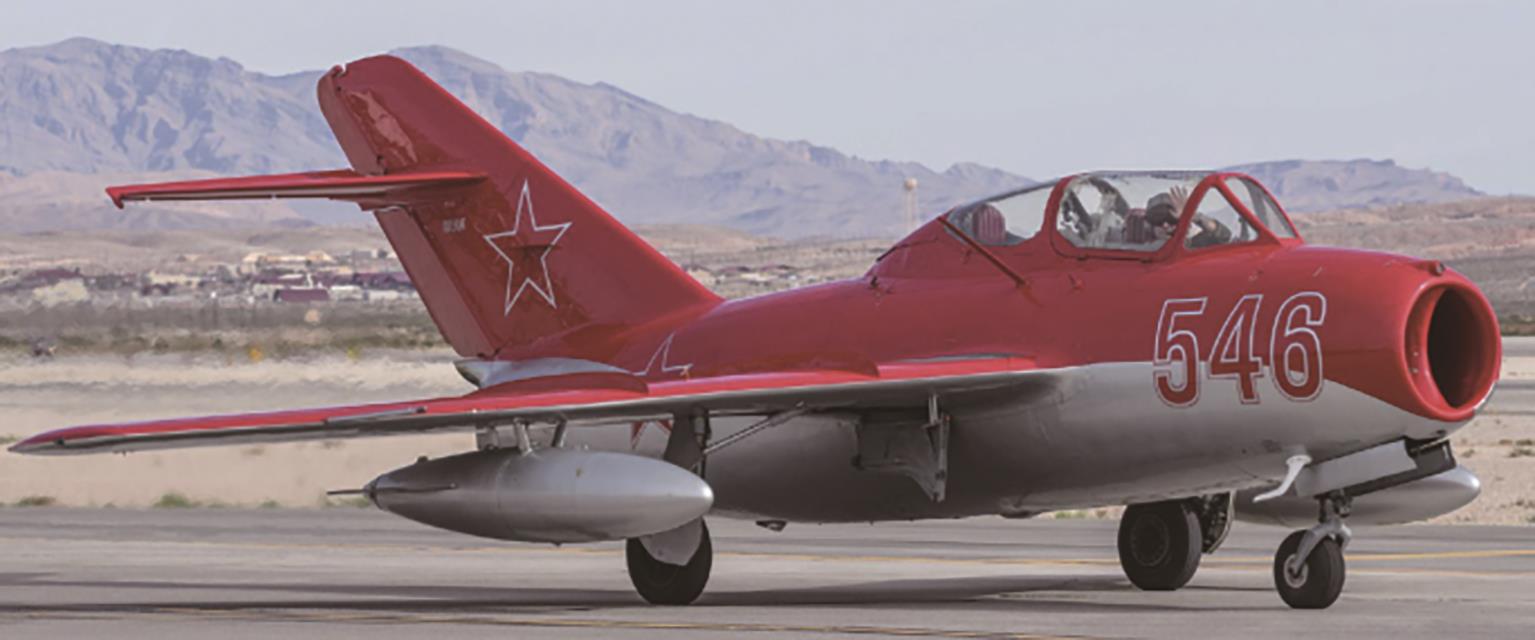
Fig.2
Su-27 fighter with leading-edge flap and strake wing[10]
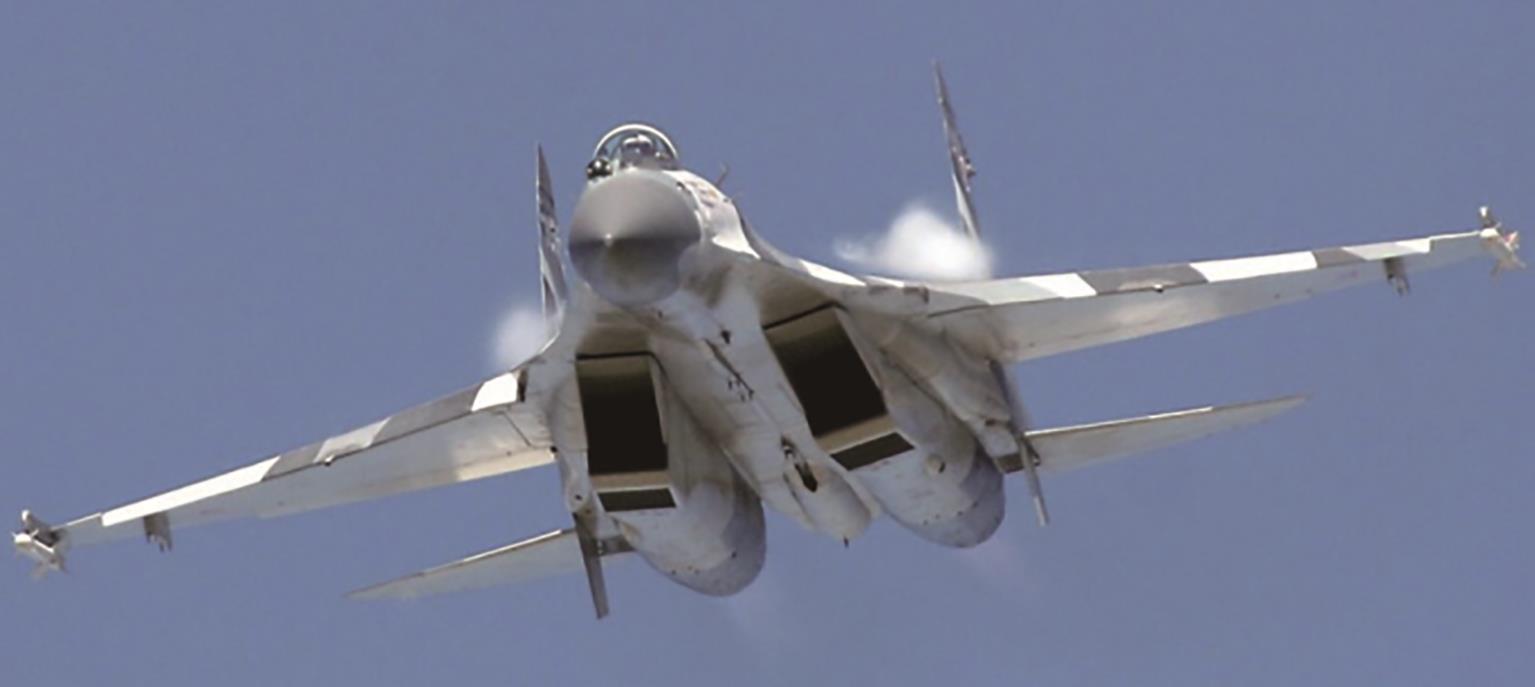
Fig.3
Weapon separation wind tunnel test of F‑22 internal weapon bay[11]
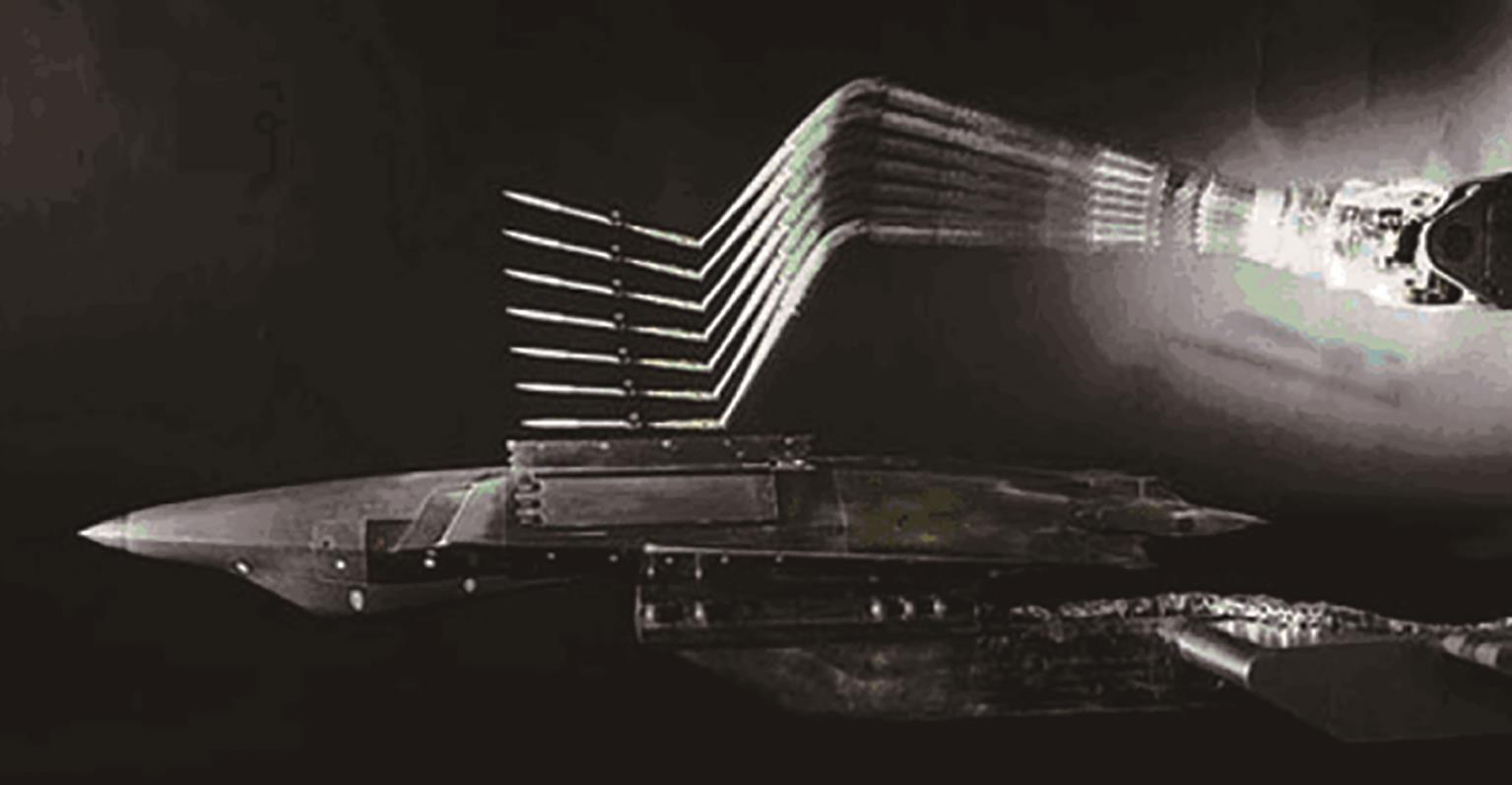
Fig.4
Ultra-compact serpentine inlet[20]
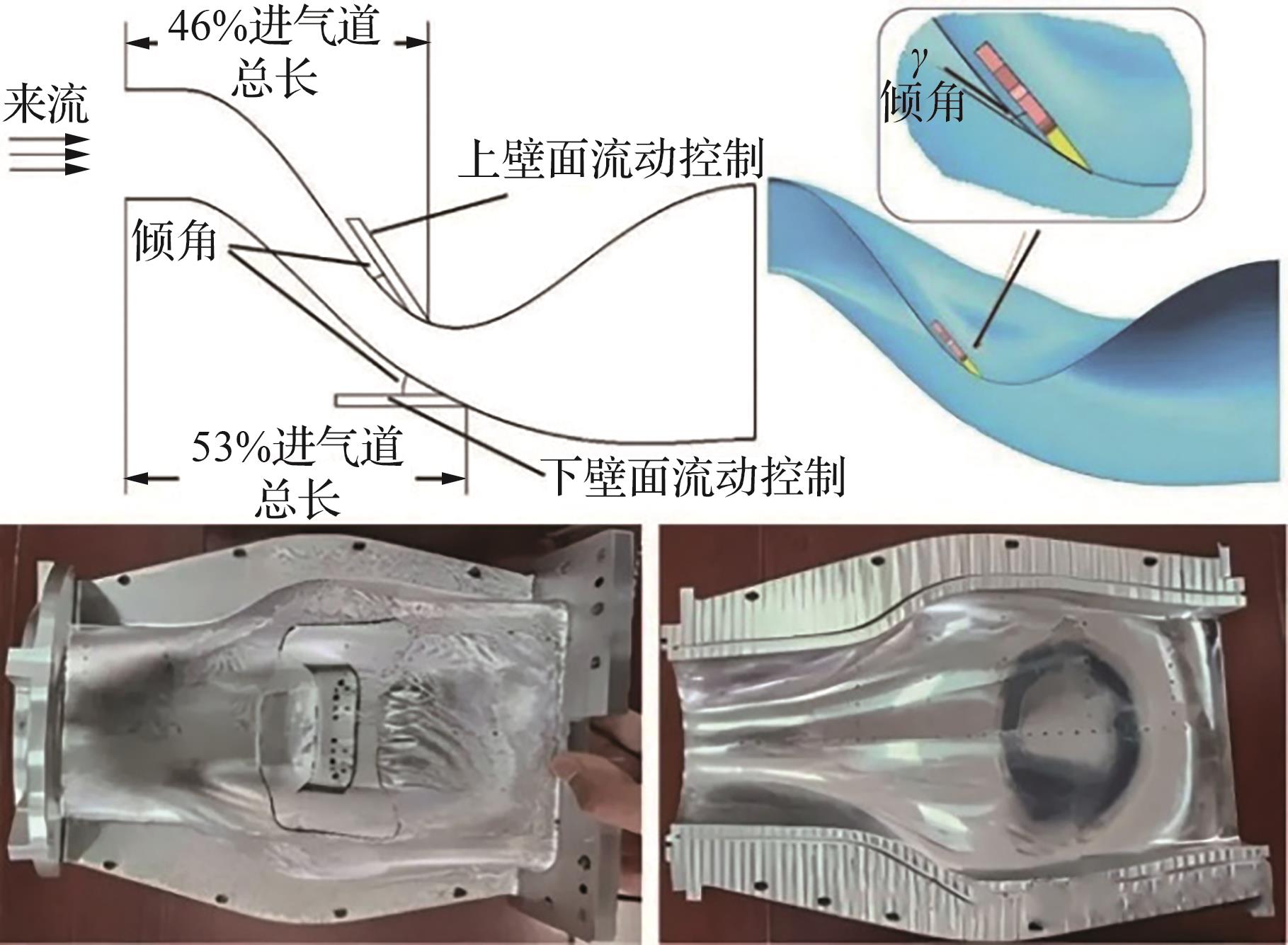
Fig.5
Development and classification of flow control technologies
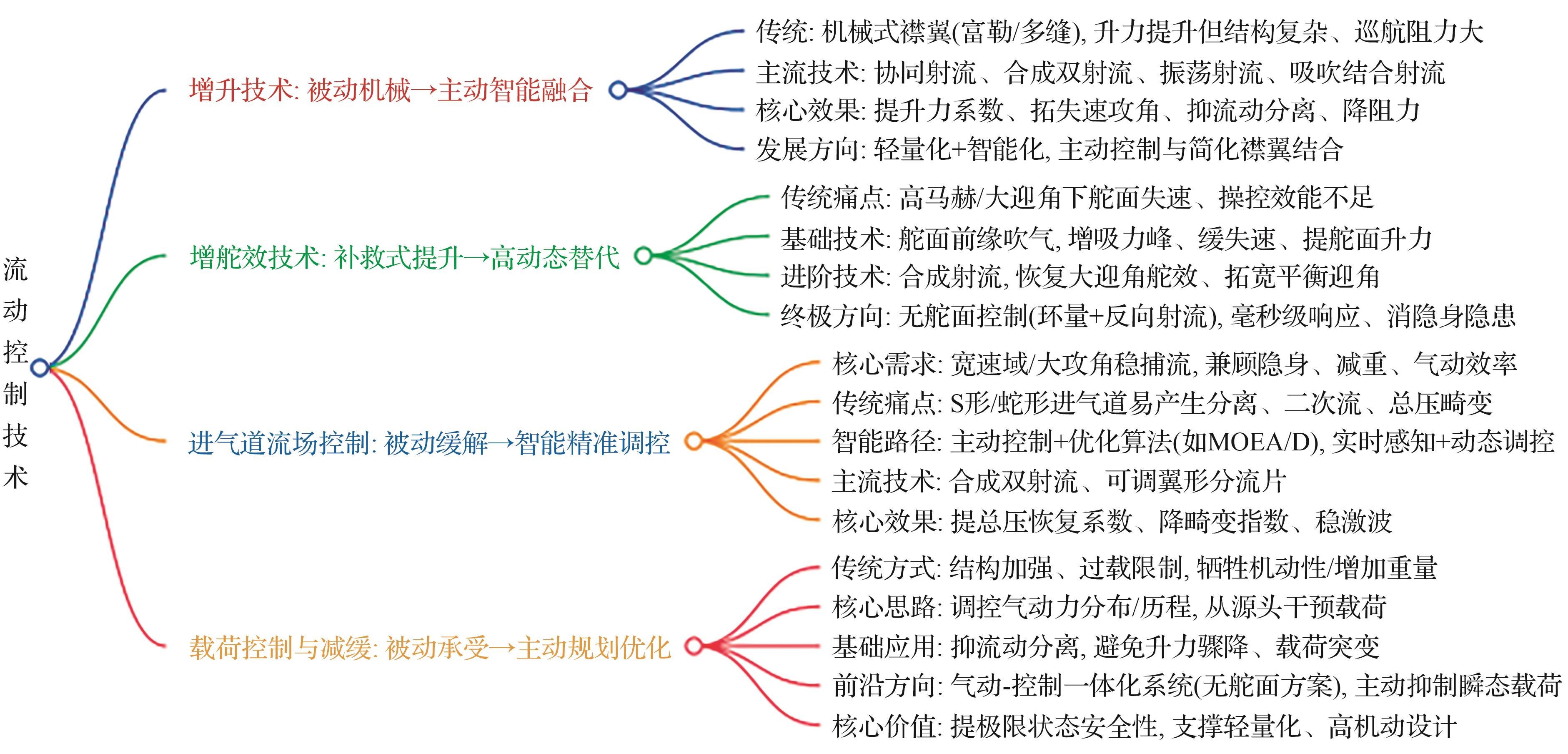
Fig.6
Control scheme for upper surface blowing/suction lift enhancement on dual synthetic jets[40]
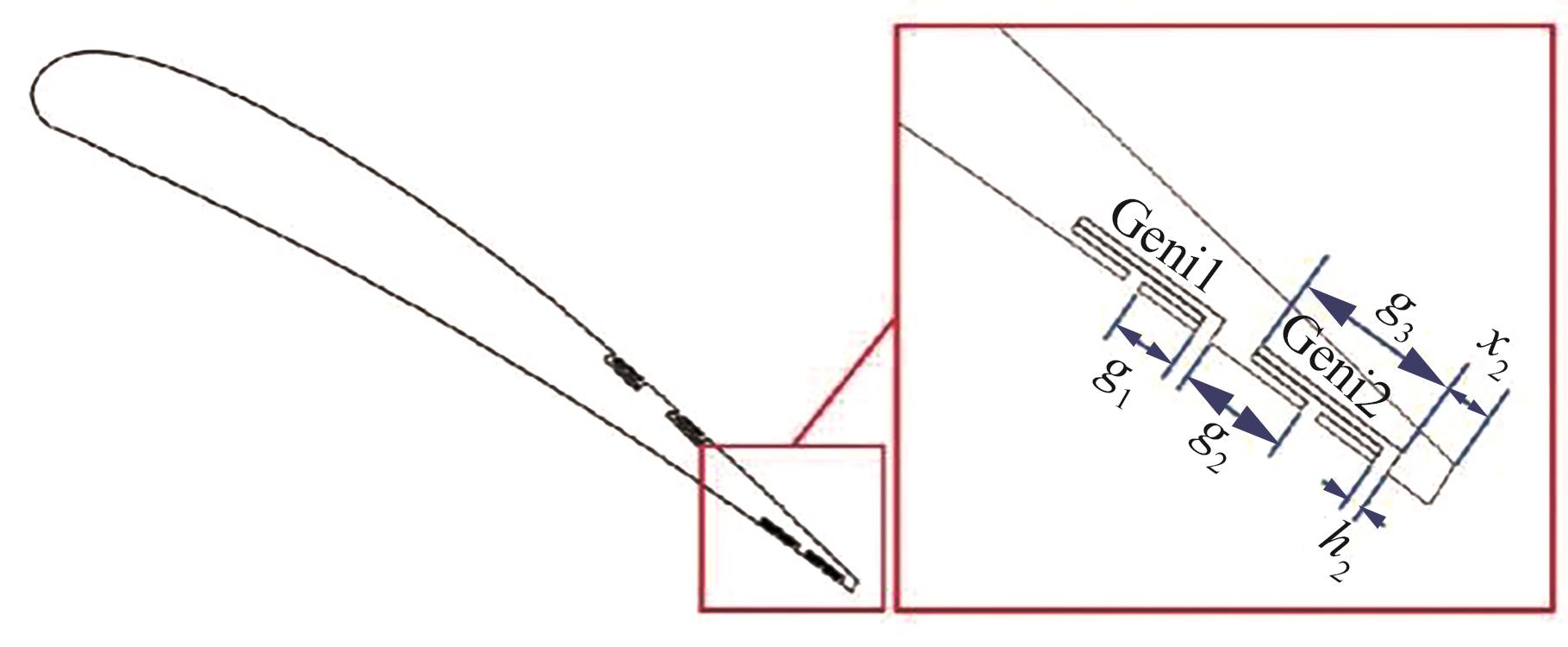
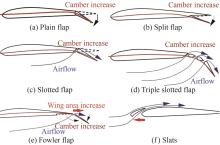
Fig.7
Schematic diagrams of common high-lift devices[41]
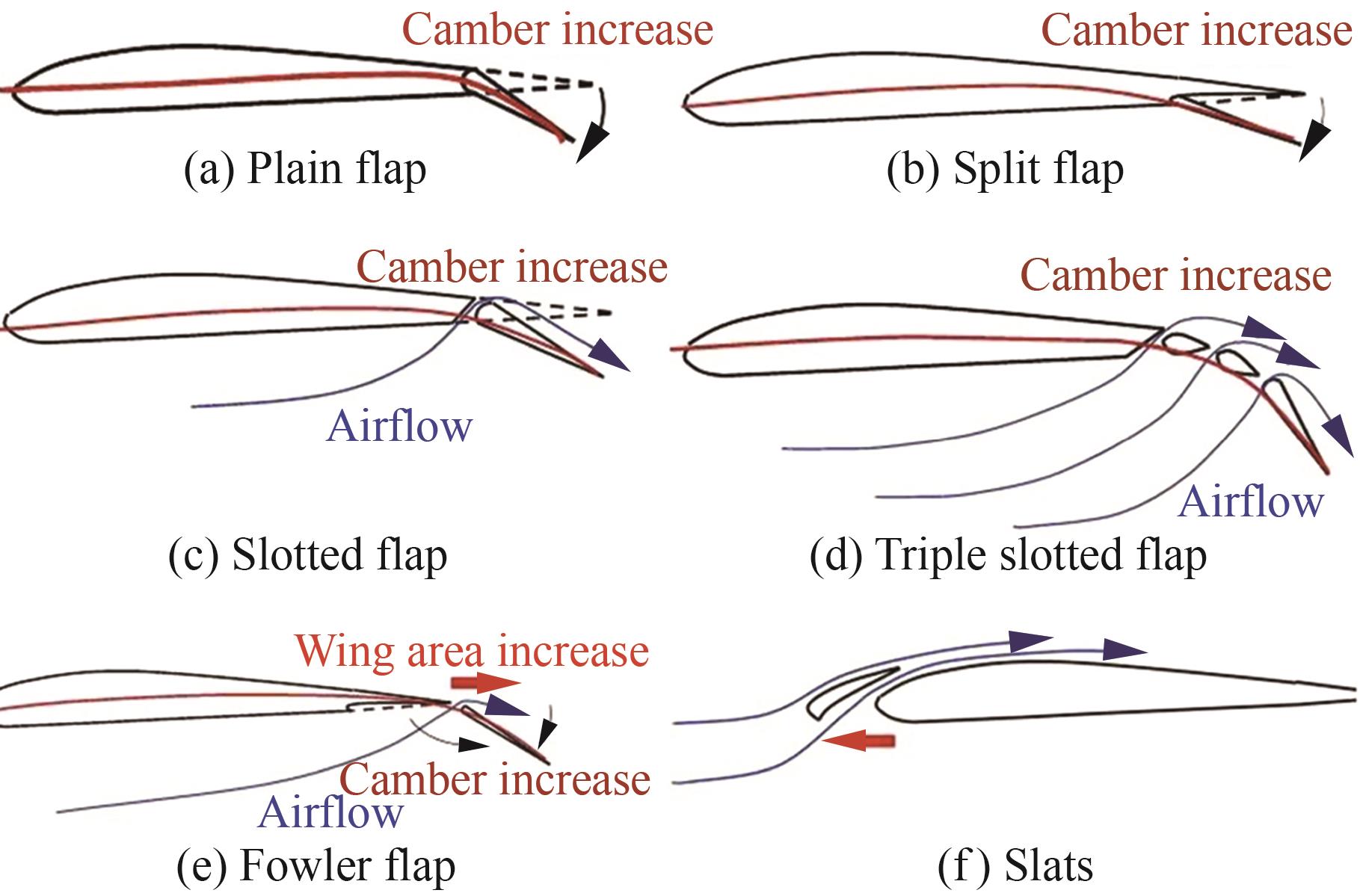
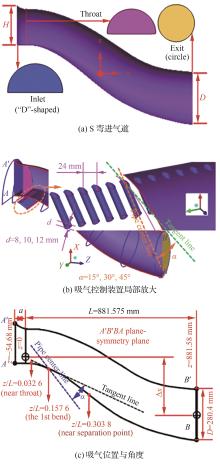
Fig.8
Schematic of suction control device[58]
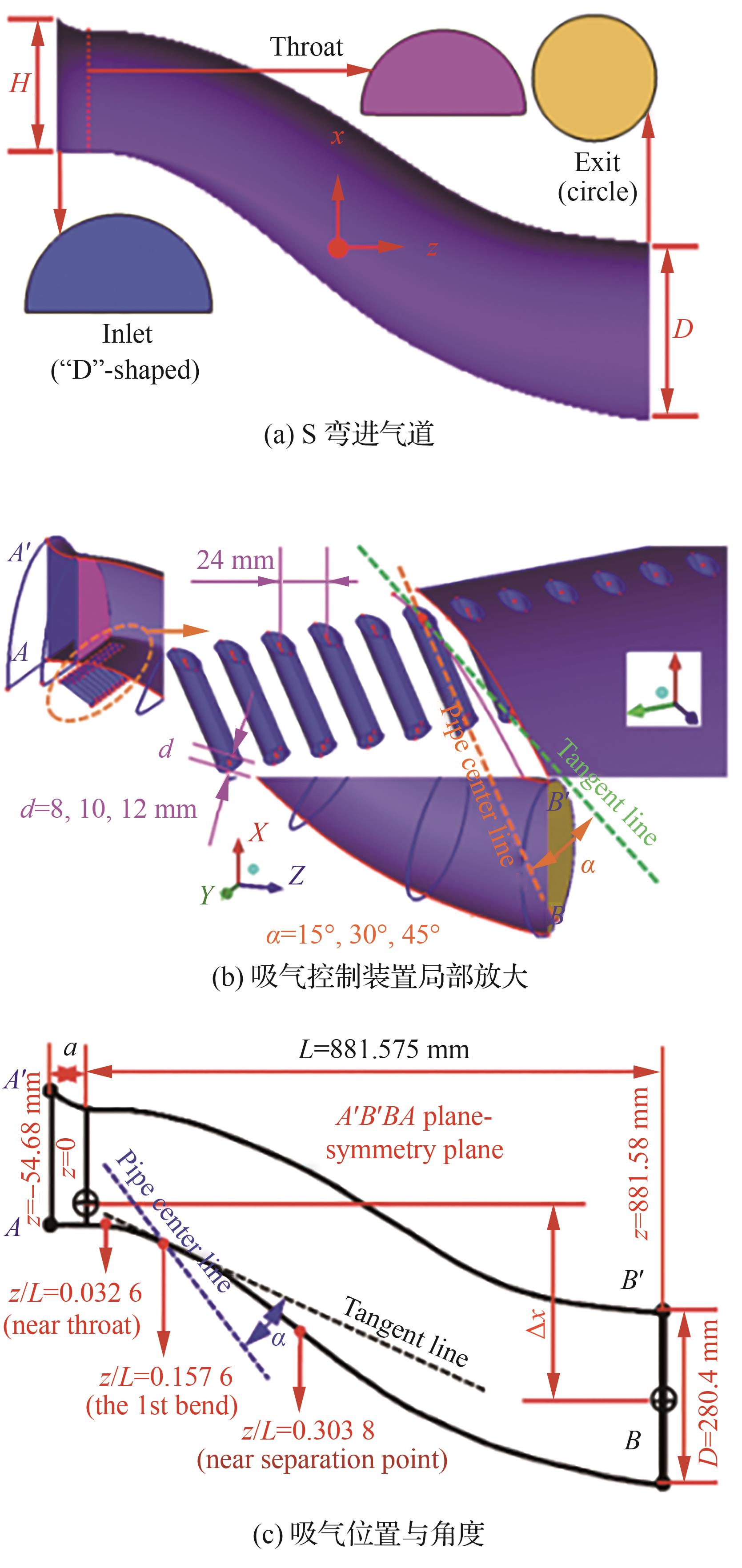
Fig.9
Application of flow control in next generation fighter[82]
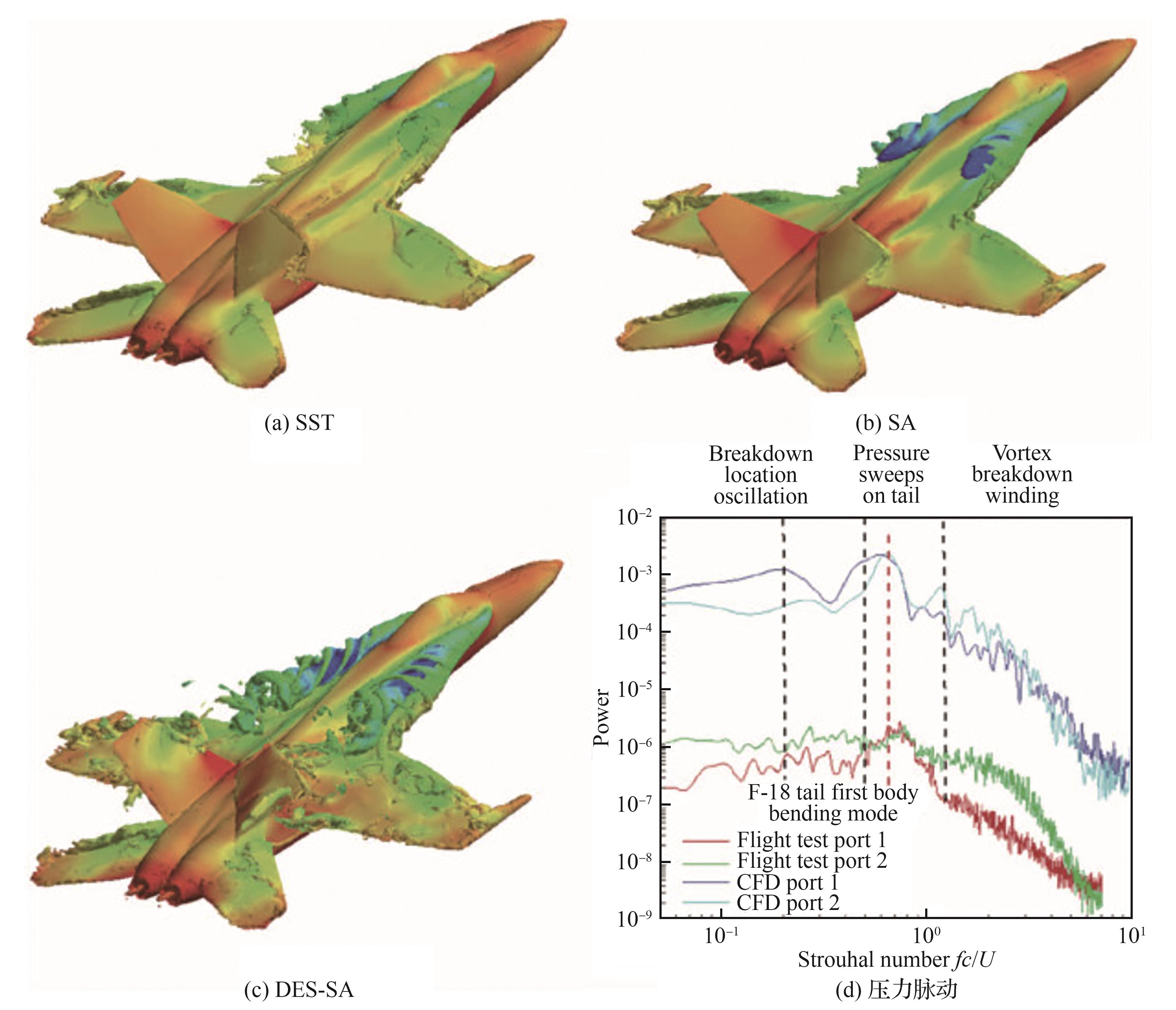
Fig.10
Schematic diagram of highly autonomous UAVs[83]
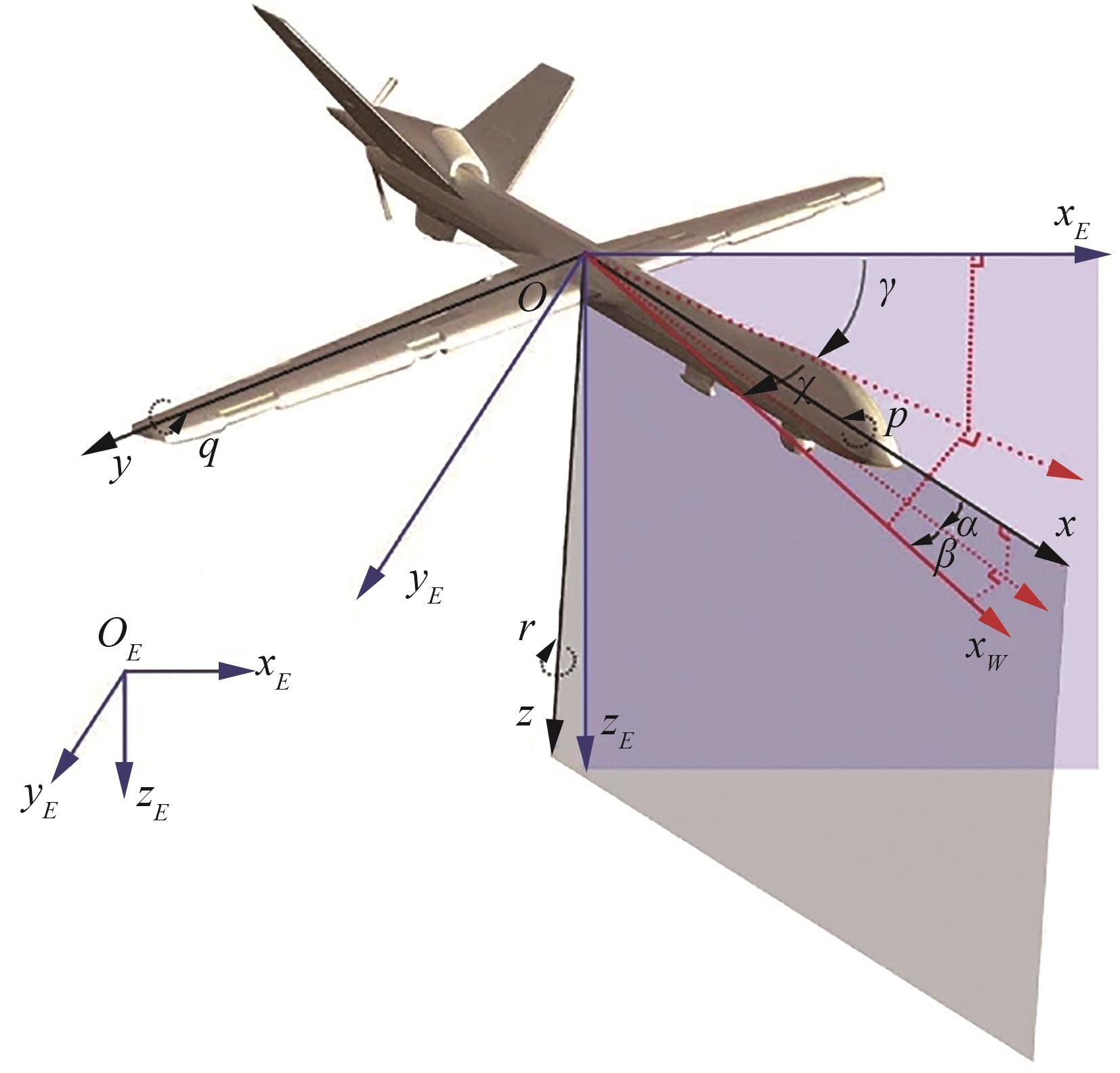
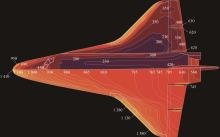
Fig.11
Thermal management and thermal design of high-speed aircraft[93]
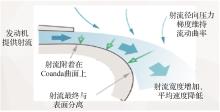
Fig.12
Jet active flow control[98]
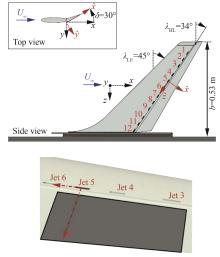
Fig.13
Tail model and synthetic jet actuator array[98]
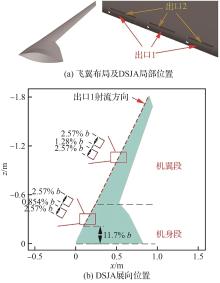
Fig.14
Schematic diagram of flying wing configuration and leading-edge synthetic dual jet[98]
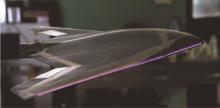
Fig.15
Plasma actuator in activated state in wind tunnel[100]
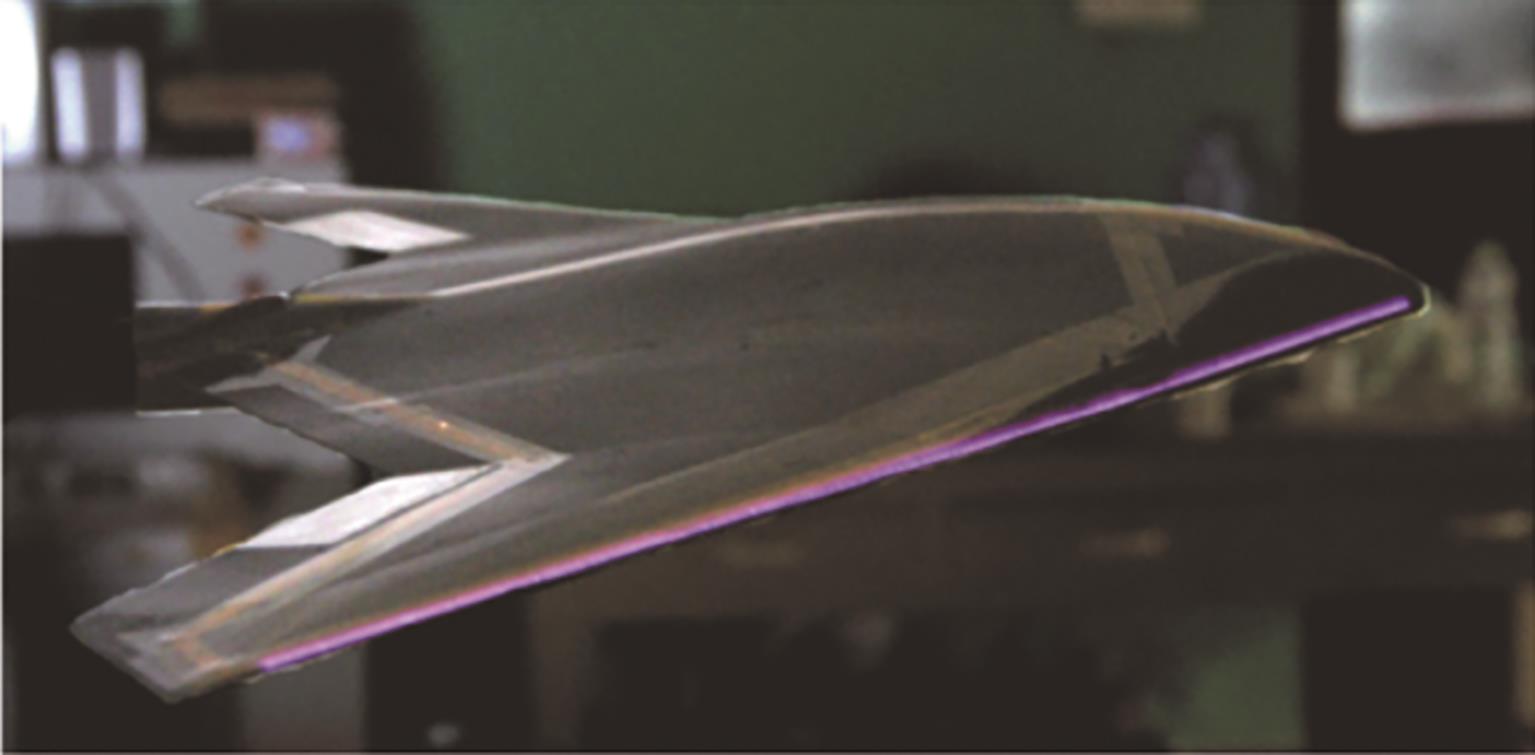
Fig.16
Jet thrust vectoring active flow control[98]
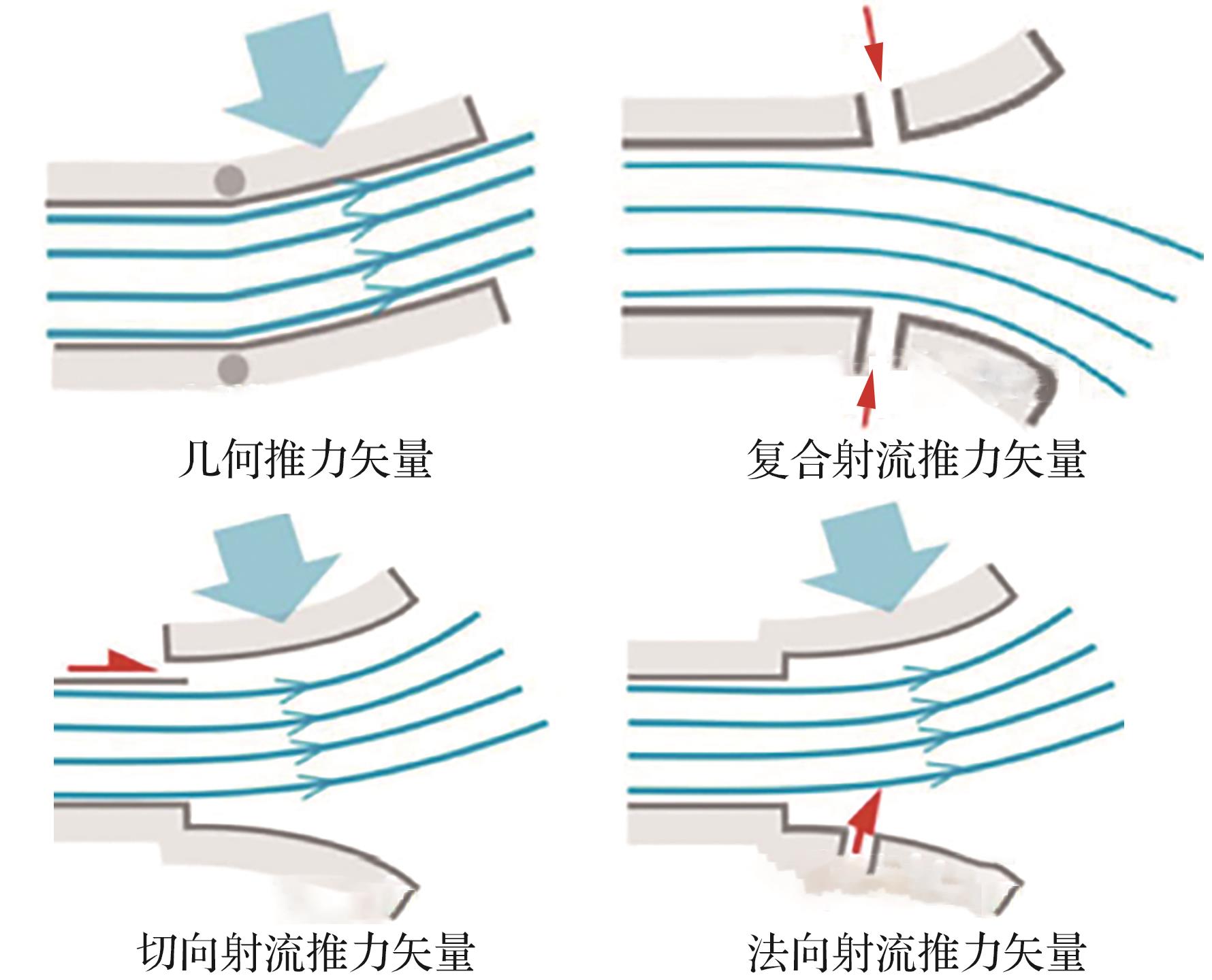
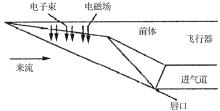
Fig.17
Structure diagram of magnetohydrodynamic inlet based on e-beam ionization[103]
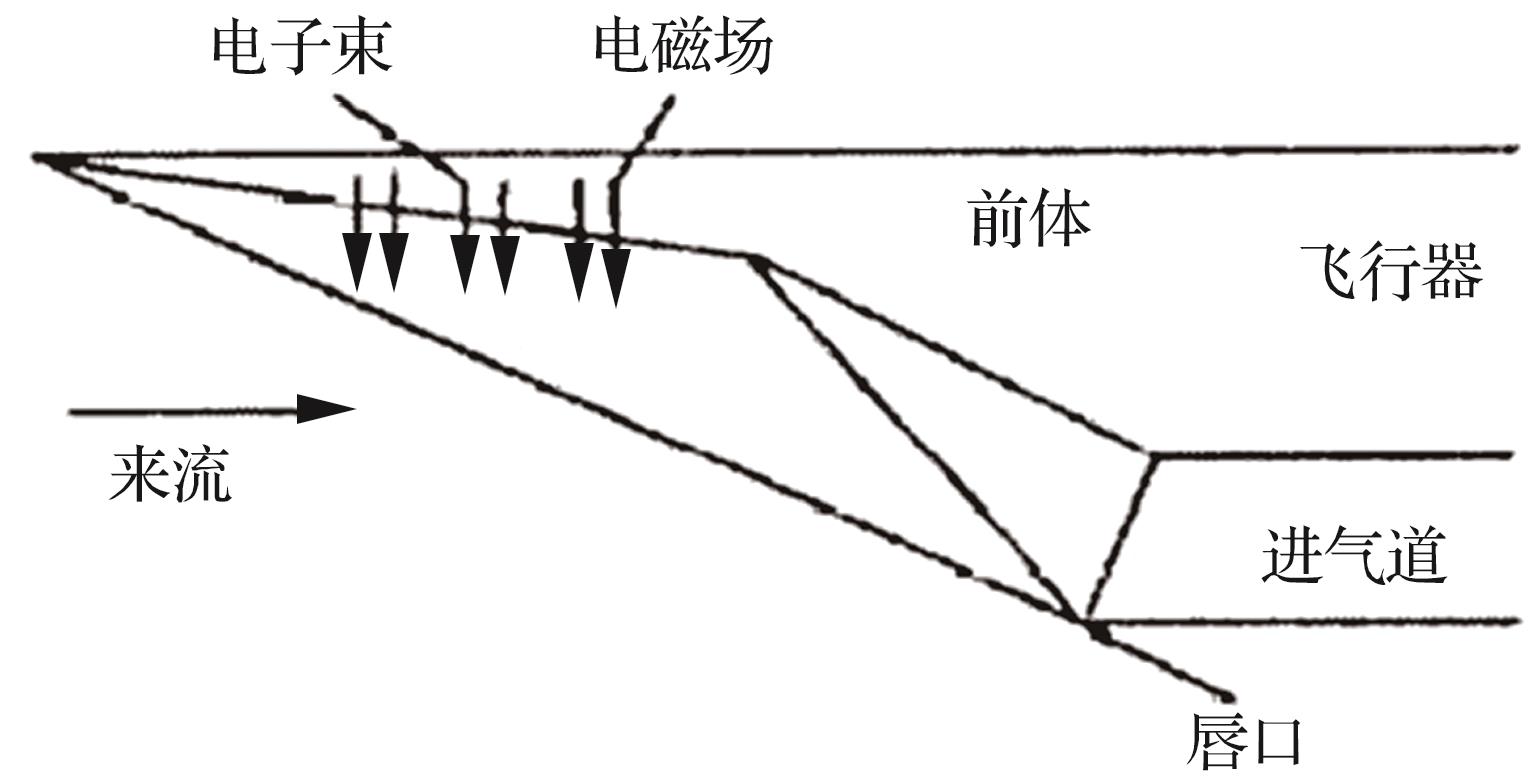
Fig.18
Complex dynamic multi-jet interference of short takeoff and vertical landing aircraft[105]
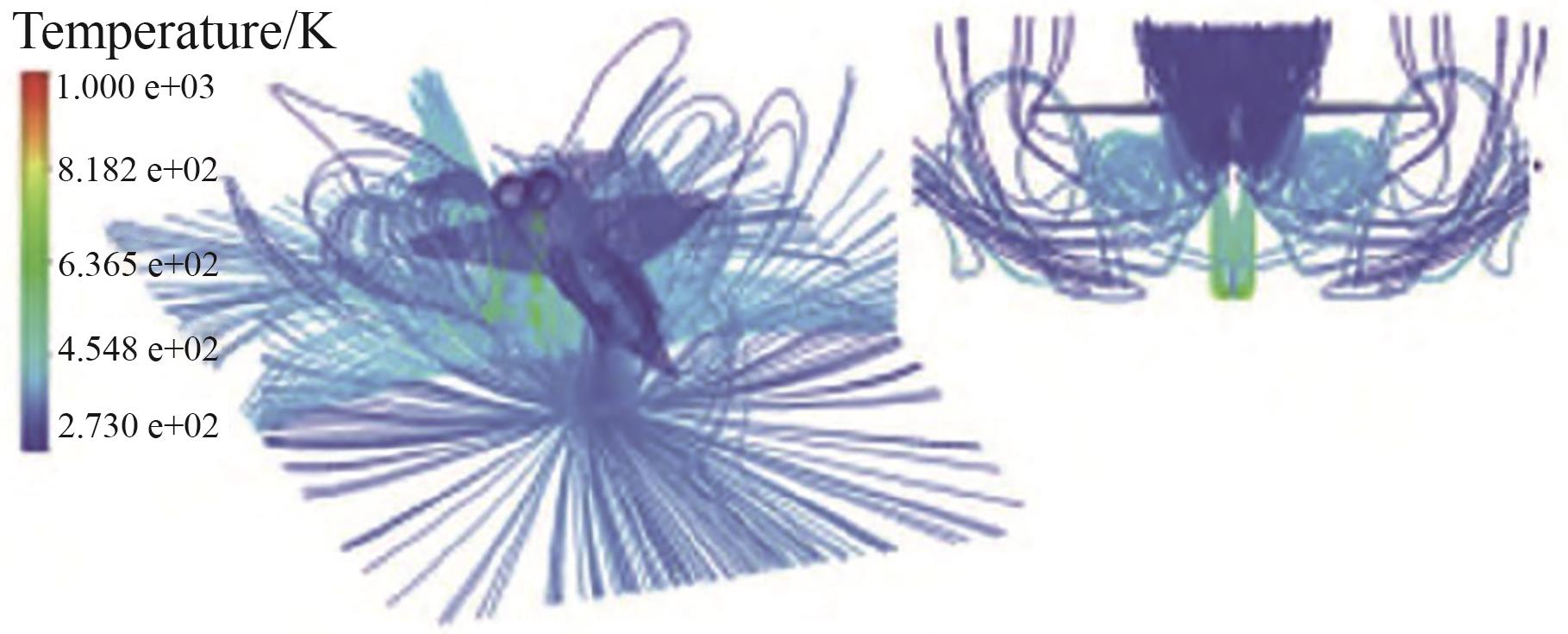
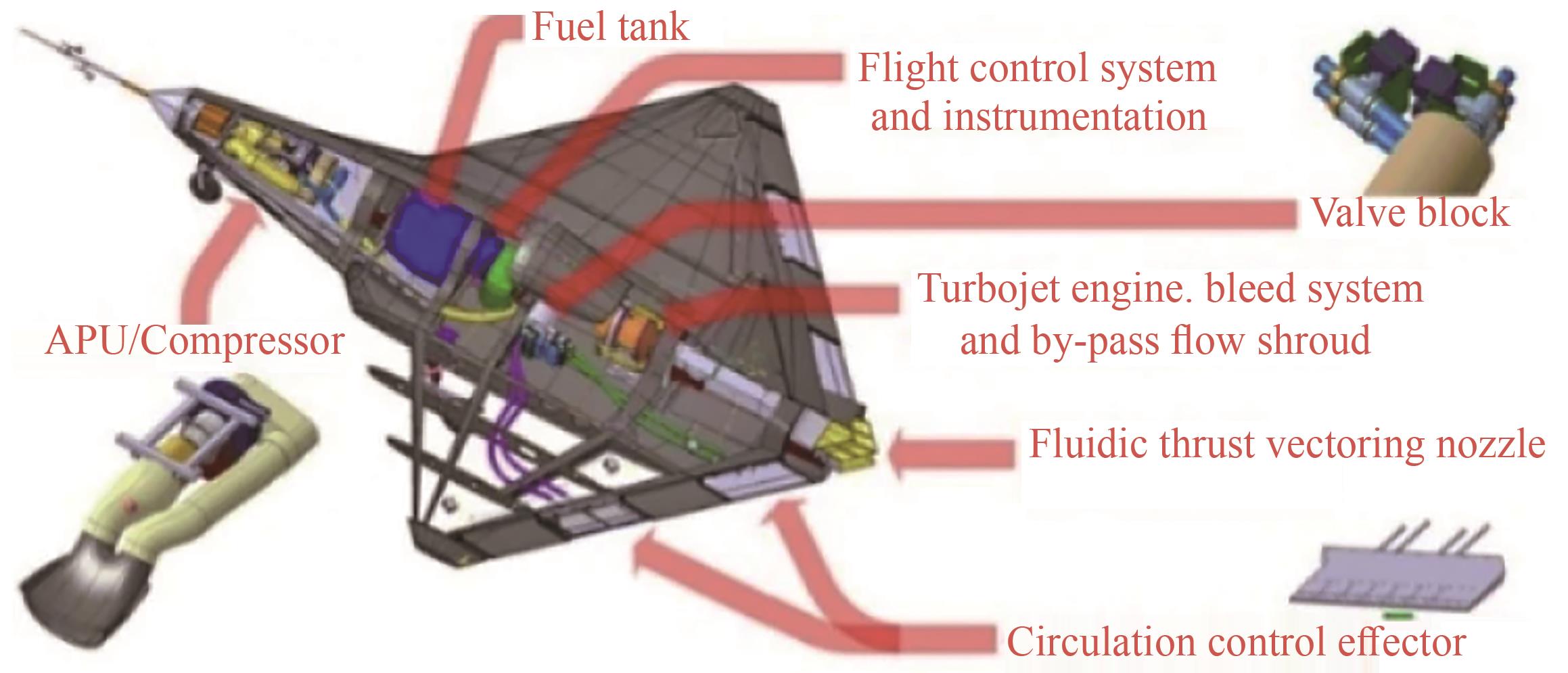
Fig.19
Flight control based on flow control[108]
| [1] | 刘谋佶. 边条翼及旋涡分离流[M]. 北京: 北京航空学院出版社, 1988: 24-27. |
| LIU M J. Collectde works for strake-wings vortices and separatde flows[M]. Beijing: Beijing University of Aeronautics Press, 1988: 24-27 (in Chinese). | |
| [2] | 刘沛清, 唐文烜, 胡天翔. 鸭式布局大迎角大振幅俯仰动态气动特性机理研究进展[J]. 气动研究与试验, 2024, 2(3): 1-18. |
| LIU P Q, TANG W X, HU T X. Investigation on the dynamic aerodynamic characteristics mechanism of canard configurations pitching at high angle of attack with large amplitude[J]. Aerodynamic Research & Experiment, 2024, 2(3): 1-18 (in Chinese). | |
| [3] | 马军, 关祥东, 满延进, 等. 进气道几何收缩比与抗反压特性初步量化分析[C]∥第八届全国高超声速科技学术会议论文集. 北京: 中国力学学会, 2015: 23. |
| MA J, GUAN X D, MAN Y J, et al. Preliminary quantitative analysis of inlet geometric contraction ratio and anti-backpressure characteristics[C]∥Abstracts of the 8th National Conference on Hypersonic Science and Technology. Beijing: Chinese Society of Theoretical and Applied Mechanics, 2015: 23 (in Chinese). | |
| [4] | 郭涛, 陈朝, 程瀚, 等. 美军的2030年制空优势项目: “下一代空中主宰”(NGAD)项目发展启示[J]. 航天电子对抗, 2022, 38(5): 50-53, 64. |
| GUO T, CHEN Z, CHENG H, et al. Development of next-generation air dominance project of U.S. military for air superiority 2030[J]. Aerospace Electronic Warfare, 2022, 38(5): 50-53, 64 (in Chinese). | |
| [5] | 朱华勇, 张庆杰, 沈林成. 提高无人作战飞机协同作战能力的关键技术[J]. 控制工程, 2010, 17(): 52-55. |
| ZHU H Y, ZHANG Q J, SHEN L C. Technologies for promoting cooperatively combat capability of UCAV[J]. Control Engineering of China, 2010, 17(Sup 1): 52-55 (in Chinese). | |
| [6] | 罗晨. 图解米格-15战斗机[J]. 军事文摘, 2017(7): 35-38. |
| LUO C. Illustrated MIG-15 fighter[J]. Military Digest, 2017(7): 35-38 (in Chinese). | |
| [7] | 桑雨生, 田培彦, 魏余生, 等. F-16飞机大迎角飞行偏离/尾旋特性分析[J]. 飞行力学, 2002, 20(1): 58-62. |
| SANG Y S, TIAN P Y, WEI Y S, et al. Analysis of departure/spin characteristics of F-16 at high angle of attack[J]. Flight Dynamics, 2002, 20(1): 58-62 (in Chinese). | |
| [8] | 梁天骄, 孙立国, 屈香菊. F/A-18E/F全自动着舰飞行特性分析[J]. 飞行力学, 2017, 35(5): 17-21. |
| LIANG T J, SUN L G, QU X J. Flight characteristic analysis on automatic carrier landing for F/A-18E/F[J]. Flight Dynamics, 2017, 35(5): 17-21 (in Chinese). | |
| [9] | JAS 39 GripenE/F被选为哥伦比亚的下一款战斗机[J]. 军事文摘, 2025(9): 81. |
| JAS 39 GripenE/F selected as Colombia’s next generation fighter[J]. Military Digest, 2025(9): 81 (in Chinese). | |
| [10] | BILBIJA B. Aircraft testing in terms of methodology, safety and development of aircraft[J]. Vojnotehnicki Glasnik, 2017, 65(1): 45-68. |
| [11] | 金鑫, 杨党国, 蔡广平, 等. 先进战斗机武器内埋发展趋势与关键气动问题[J]. 空气动力学学报, 2022, 40(3): 152-159. |
| JIN X, YANG D G, CAI G P, et al. Key aerodynamic issues and development tendency of internal weapons bay of advanced fighters[J]. Acta Aerodynamica Sinica, 2022, 40(3): 152-159 (in Chinese). | |
| [12] | DARPA. Control of revolutionary aircraft with novel effectors (CRANE)[EB/OL]. (2026-02-01) [2026-02-04]. . |
| [13] | TIRPAK J A. Introduction to configuration aerodynamics[M]. Blacksburg: Virginia Tech, 2026: 1-13. |
| [14] | Aurora Flight Sciences. Wind tunnel testing advances development of Aurora’s active flow control X-plane[EB/OL]. (2022-05-11) [2026-03-22]. . |
| [15] | WOSZIDLO R, SHMILOVICH A, VIJGEN P. Low-speed performance enhancement using localized active flow control: Program overview and summary (1/4): NNL16AA04B[R]. Washington, D.C.: NASA, 2022. |
| [16] | PACK MELTON L G, KOKLU M, ANDINO M, et al. Wind tunnel testing of AFC over a deflected aileron on the high-lift common research model[C]∥AIAA Aviation Forum and Ascend 2024. Reston: AIAA, 2024. |
| [17] | WHALEN E A, LACY D S, LIN J C, et al. Performance enhancement of a full-scale vertical tail model equipped with active flow control[C]∥53rd AIAA Aerospace Sciences Meeting. Reston: AIAA, 2015. |
| [18] | LIN J C, ANDINO M Y, ALEXANDER M G, et al. An overview of active flow control enhanced vertical tail technology development[C]∥54th AIAA Aerospace Sciences Meeting. Reston: AIAA, 2016. |
| [19] | 周慧晨, 谭慧俊, 李湘萍. 复杂变截面进气道的一种设计方法[J]. 航空动力学报, 2009, 24(6): 1357-1363. |
| ZHOU H C, TAN H J, LI X P. Unique design method of subsonic inlet with complex cross-sectional shape[J]. Journal of Aerospace Power, 2009, 24(6): 1357-1363 (in Chinese). | |
| [20] | 刘雷, 王志豪. 超紧凑蛇形进气道内流控制研究[J]. 航空动力, 2025(3): 71-74. |
| LIU L, WANG Z H. Research on internal flow control of ultra-compact serpentine inlet[J]. Aerospace Power, 2025(3): 71-74 (in Chinese). | |
| [21] | SUN S, GUO R W. Serpentine inlet performance enhancement using vortex generator based flow control[J]. Chinese Journal of Aeronautics, 2006, 19(1): 10-17. |
| [22] | 黄河峡, 孙姝, 于航, 等. 亚声速S弯进气道研究的新进展[J]. 推进技术, 2020, 41(12): 2641-2658. |
| HUANG H X, SUN S, YU H, et al. Recent progress in subsonic S-shaped inlets[J]. Journal of Propulsion Technology, 2020, 41(12): 2641-2658 (in Chinese). | |
| [23] | LIU L, BAI M L, WANG Z H, et al. Investigation of flow control in an ultra-compact serpentine inlet with fluidic oscillators[J]. Aerospace, 2024, 11(12): 1011. |
| [24] | 李应红, 吴云. 等离子体激励调控流动与燃烧的研究进展与展望[J]. 中国科学: 技术科学, 2020, 50(10): 1252-1273. |
| LI Y H, WU Y. Research progress and outlook of flow control and combustion control using plasma actuation[J]. Scientia Sinica (Technologica), 2020, 50(10): 1252-1273 (in Chinese). | |
| [25] | 赵光银, 李应红, 梁华, 等. 纳秒脉冲表面介质阻挡等离子体激励唯象学仿真[J]. 物理学报, 2015, 64(1): 015101. |
| ZHAO G Y, LI Y H, LIANG H, et al. Phenomenological mo deling of nanosecond pulsed surface dielectric barrier discharge plasma actuation for flow control[J]. Acta Physica Sinica, 2015, 64(1): 015101 (in Chinese). | |
| [26] | 李应红, 吴云, 梁华, 等. 等离子体激励气动力学探索与展望[J]. 力学进展, 2022, 52(1): 1-32. |
| LI Y H, WU Y, LIANG H, et al. Exploration and outlook of plasma-actuated gas dynamics[J]. Advances in Mechanics, 2022, 52(1): 1-32 (in Chinese). | |
| [27] | 王万波, 黄勇, 黄宗波, 等. 介质阻挡放电等离子体对NACA0015翼型流动控制的PIV实验研究[J]. 实验流体力学, 2012, 26(2): 1-5. |
| WANG W B, HUANG Y, HUANG Z B, et al. PIV measurement of dielectric barrier discharge plasma flow control on NACA0015 airfoil[J]. Journal of Experiments in Fluid Mechanics, 2012, 26(2): 1-5 (in Chinese). | |
| [28] | 张伟伟, 王旭, 寇家庆. 面向流体力学的多范式融合研究展望[J]. 力学进展, 2023, 53(2): 433-467. |
| ZHANG W W, WANG X, KOU J Q. Prospects of multi-paradigm fusion methods for fluid mechanics research[J]. Advances in Mechanics, 2023, 53(2): 433-467 (in Chinese). | |
| [29] | 张伟伟, 高传强, 叶正寅. 复杂跨声速气动弹性现象及其机理分析[J]. 科学通报, 2018, 63(12): 1095-1110. |
| ZHANG W W, GAO C Q, YE Z Y. The complex transonic aeroelastic phenomena and it’s mechanisms[J]. Chinese Science Bulletin, 2018, 63(12): 1095-1110 (in Chinese). | |
| [30] | HU J W, DOU Z H, ZHANG W W. Fast fluid-structure interaction simulation method based on deep learning flow field modeling[J]. Physics of Fluids, 2024, 36(4): 045106. |
| [31] | TANG H W, RABAULT J, KUHNLE A, et al. Robust active flow control over a range of Reynolds numbers using an artificial neural network trained through deep reinforcement learning[J]. Physics of Fluids, 2020, 32(5): 053605. |
| [32] | REN F, HU H B, TANG H. Active flow control using machine learning: A brief review[J]. Journal of Hydrodynamics, 2020, 32(2): 247-253. |
| [33] | REN F, WANG C L, TANG H. Bluff body uses deep-reinforcement-learning trained active flow control to achieve hydrodynamic stealth[J]. Physics of Fluids, 2021, 33(9): 093602. |
| [34] | 尤孙钰, 靳智昊, 董祥瑞, 等. 基于深度强化学习的多攻角翼型流动控制研究[J]. 动力工程学报, 2024, 44(12): 1887-1897. |
| YOU S Y, JIN Z H, DONG X R, et al. Flow control of multi-attack angle airfoils based on deep reinforcement learning[J]. Journal of Chinese Society of Power Engineering, 2024, 44(12): 1887-1897 (in Chinese). | |
| [35] | 赵志杰, 罗振兵, 刘杰夫, 等. 基于分布式合成双射流的飞行器无舵面三轴姿态控制飞行试验[J]. 力学学报, 2022, 54(5): 1220-1228. |
| ZHAO Z J, LUO Z B, LIU J F, et al. Flight test of aircraft three-axis attitude control without rudders based on distributed dual synthetic jets[J]. Chinese Journal of Theoretical and Applied Mechanics, 2022, 54(5): 1220-1228 (in Chinese). | |
| [36] | LUO Z B, ZHAO Z J, LIU J F, et al. Novel roll effector based on zero-mass-flux dual synthetic jets and its flight test[J]. Chinese Journal of Aeronautics, 2022, 35(8): 1-6. |
| [37] | 郑维新, 曾聪, 陈绍文. 端壁SJA对压气机叶栅角区分离影响[J]. 航空动力学报, 2024, 39(8): 20230563. |
| ZHENG W X, ZENG C, CHEN S W. Effect of endwall SJA on the corner separation of compressor cascade[J]. Journal of Aerospace Power, 2024, 39(8): 20230563 (in Chinese). | |
| [38] | 孟庆鹤, 陈绍文, 刘宏言, 等. 扫频式射流对设计工况压气机叶栅流动分离影响的数值研究[J]. 推进技术, 2020, 41(3): 566-573. |
| MENG Q H, CHEN S W, LIU H Y, et al. Numerical study for effects of sweeping jets on separation in a compressor cascade at designed condition[J]. Journal of Propulsion Technology, 2020, 41(3): 566-573 (in Chinese). | |
| [39] | 陈绍文, 杨鹏骋, 曾聪, 等. 压气机扫频射流激励器流动控制技术研究进展[J]. 航空动力, 2025(3): 58-61. |
| CHEN S W, YANG P C, ZENG C, et al. Research progress on flow control technology of sweeping jet actuator in axial compressors[J]. Aerospace Power, 2025(3): 58-61 (in Chinese). | |
| [40] | 彭文强, 张鉴源, 龚建宇, 等. 基于合成双射流的三段襟翼上下表面增升控制[J]. 海军航空大学学报, 2025, 40(2): 241-251. |
| PENG W Q, ZHANG J Y, GONG J Y, et al. Lift-enhancement control for upper and lower surfaces of three-stage flaps based on dual synthetic jet[J]. Journal of Naval Aviation University, 2025, 40(2): 241-251 (in Chinese). | |
| [41] | YAMADA Y, VASILIEVA I, TAKAYAMA A, et al. Circulation-controlled high-lift wing for small unmanned aerial vehicle[J]. Robomech Journal, 2015, 2: 8. |
| [42] | 彭骞, 顾蕴松, 李琳恺, 等. 基于振荡射流的机翼流动分离控制研究[C]∥第十三届全国流体力学学术会议论文集. 北京: 中国力学学会, 2024: 134-135. |
| PENG Q, GU Y S, LI L K, et al. Research on wing flow separation control based on oscillating jet[C]∥Proceedings of the 13th National Conference on Fluid Mechanics. Beijing: Chinese Society of Theoretical and Applied Mechanics, 2024: 134-135 (in Chinese). | |
| [43] | 田卓越, 黄龙太, 阮远, 等. 基于翼身混合布局水陆两栖飞机的协同射流增升效能研究[J/OL]. 航空动力学报, (2025-09-26) [2026-03-06]. . |
| TIAN Z Y, HUANG L T, RUAN Y, et al. Study on lift enhancement efficiency of co-flow jet for wing-body blended amphibious aircraft[J/OL]. Journal of Aerospace Power, (2025-09-26) [2026-03-06]. (in Chinese). | |
| [44] | 王怡菲, 赵志杰, 彭文强, 等. 分布式合成双射流协同增升控制研究[C]∥中国力学大会—2025论文集. 北京: 中国力学学会, 2025: 107. |
| WANG Y F, ZHAO Z J, PENG W Q, et al. Research on cooperative lift enhancement control of distributed synthetic dual jet[C]∥Proceedings of the Chinese Mechanics Congress—2025. Beijing: Chinese Society of Theoretical and Applied Mechanics, 2025: 107 (in Chinese). | |
| [45] | 刘玉森. 起降状态机翼增升流动控制研究[D]. 北京: 北京交通大学, 2024. |
| LIU Y S. Research on flow control for wing lift enhancement during takeoff and landing[D]. Beijing: Beijing Jiaotong University, 2024 (in Chinese). | |
| [46] | 王磊. 基于定常吸吹结合射流的翼身融合水下滑翔机流动特性研究[D]. 南昌: 南昌航空大学, 2024. |
| WANG L. Flow characterization of blended wing body underwater glider based on steady suction and blowing combined with jet flow[D]. Nanchang: Nanchang Hangkong University, 2024 (in Chinese). | |
| [47] | 邓学蓥, 吴鹏, 王延奎. 前缘吹气控制舵面流动分离[J]. 北京航空航天大学学报, 2012, 38(7): 853-856. |
| DENG X Y, WU P, WANG Y K. Flow separation control on control surface by blowing from leading edge of control surface[J]. Journal of Beijing University of Aeronautics and Astronautics, 2012, 38(7): 853-856 (in Chinese). | |
| [48] | 周梦贝, 史志伟, 陈杰, 等. 基于风洞虚飞实验的双向飞翼纵向控制研究[J]. 飞行力学, 2021, 39(3): 88-94. |
| ZHOU M B, SHI Z W, CHEN J, et al. Research on longitudinal control of bidirectional flying wing based on wind tunnel virtual flight test[J]. Flight Dynamics, 2021, 39(3): 88-94 (in Chinese). | |
| [49] | 孙圣舒, 顾蕴松, 陈勇亮, 等. 低雷诺数自由翼斜出口合成射流分离流流动控制[J]. 空气动力学学报, 2017, 35(2): 277-282. |
| SUN S S, GU Y S, CHEN Y L, et al. Separation flow control on free-wing with beveled-slit-synthetic-jet at low Reynolds numbers[J]. Acta Aerodynamica Sinica, 2017, 35(2): 277-282 (in Chinese). | |
| [50] | 孙全兵, 史志伟, 耿玺, 等. 基于主动流动控制技术的无舵面飞翼布局飞行器姿态控制[J]. 航空学报, 2020, 41(12): 124080. |
| SUN Q B, SHI Z W, GENG X, et al. Attitude control of flying wing aircraft without control surfaces based on active flow control[J]. Acta Aeronautica et Astronautica Sinica, 2020, 41(12): 124080 (in Chinese). | |
| [51] | 翟建, 张伟伟, 王焕玲. 大迎角前体涡控制方法综述[J]. 空气动力学学报, 2017, 35(3): 354-367. |
| ZHAI J, ZHANG W W, WANG H L. Reviews of forebody vortex control method at high angles of attack[J]. Acta Aerodynamica Sinica, 2017, 35(3): 354-367 (in Chinese). | |
| [52] | FISHER D, COBLEIGH B. Controlling forebody asymmetries in flight—Experience with boundary layer transition strips[C]∥12th Applied Aerodynamics Conference. Reston: AIAA, 1994. |
| [53] | 李琳恺, 黄紫, 顾蕴松, 等. 双合成射流前体非对称涡控制技术及模型自由飞实验验证[J]. 实验流体力学, 2023, 37(4): 96-104. |
| LI L K, HUANG Z, GU Y S, et al. Development of forebody asymmetric vortex control based on alternating synthetic jet and the verification on model free flight[J]. Journal of Experiments in Fluid Mechanics, 2023, 37(4): 96-104 (in Chinese). | |
| [54] | 范本根. 大迎角动态试验及等离子体在前体流动控制中的应用[D]. 南京: 南京航空航天大学, 2010. |
| FAN B G. Dynamic experiments at high angle of attack and plasma flow control on forebody[D]. Nanjing: Nanjing University of Aeronautics and Astronautics, 2010 (in Chinese). | |
| [55] | 龙玥霄. 等离子体激励下分离流变化特性及机理研究[D]. 西安: 西北工业大学, 2019. |
| LONG Y X. Investigation on the characteristics and mechanism of separation flow control using plasma actuation[D]. Xi’an: Northwestern Polytechnical University, 2019 (in Chinese). | |
| [56] | 金元中, 郑博睿, 喻明浩, 等. 滑动放电等离子体控制细长体头部背风区非对称涡实验研究[J]. 实验流体力学, 2022, 36(5): 43-51. |
| JIN Y Z, ZHENG B R, YU M H, et al. Experimental study on flow control of asymmetric vortex over the leeward region of the head of the slender body by sliding discharge plasma actuation[J]. Journal of Experiments in Fluid Mechanics, 2022, 36(5): 43-51 (in Chinese). | |
| [57] | 罗振兵, 王春强, 郭芷妍, 等. 基于无源合成双射流的百公斤级飞行器短距起降增升首飞验证[J]. 航空学报, 2026: 47(13): 533291. |
| LUO Z B, WANG C Q, GUO Z Y, et al. First flight test of passive dual synthetic jet for short takeoff and landing lift enhancement[J]. Acta Aeronautica et Astronautica Sinica, 2026: 47(13): 533291 (in Chinese). | |
| [58] | LIU L, LI G Z, WANG B, et al. Suction control of a boundary layer ingestion inlet[J]. Aerospace, 2023, 10(12): 989. |
| [59] | 李星佑, 黄坤荣, 向立平, 等. 合成双射流控制S形进气道数值研究及优化[J]. 航空计算技术, 2025, 55(3): 66-71. |
| LI X Y, HUANG K R, XIANG L P, et al. Numerical study and optimization of S-shaped inlet controlled by synthetic dual jet[J]. Aeronautical Computing Technique, 2025, 55(3): 66-71 (in Chinese). | |
| [60] | 曲俐鹏, 任喆, 杨大伟, 等. 基于翼形分流片的超声速进气道扩张段畸变控制研究[J]. 推进技术, 2026, 47(4): 132-147. |
| QU L P, REN Z, YANG D W, et al. Study on distortion control of supersonic inlet diffuser based on airfoil splitter[J]. Journal of Propulsion Technology, 2026, 47(4): 132-147 (in Chinese). | |
| [61] | DEERE K A. Summary of fluidic thrust vectoring research conducted at NASA Langley Research Center[C]∥21st AIAA Applied Aerodynamics Conference. Reston: AIAA, 2003. |
| [62] | 肖中云, 江雄, 牟斌, 等. 流体推力矢量技术研究综述[J]. 实验流体力学, 2017, 31(4): 8-15. |
| XIAO Z Y, JIANG X, MOU B, et al. Advances influidic thrust vectoring technique research[J]. Journal of Experiments in Fluid Mechanics, 2017, 31(4): 8-15 (in Chinese). | |
| [63] | 瞿丽霞, 李岩, 白香君. 流体推力矢量技术的应用验证研究进展[J]. 航空科学技术, 2020, 31(5): 64-72. |
| QU L X, LI Y, BAI X J. Application verification research progress on fluid thrust vectoring technology[J]. Aeronautical Science and Technology, 2020, 31(5): 64-72 (in Chinese). | |
| [64] | ZMIJANOVIC V, LAGO V, SELLAM M, et al. Thrust shock vector control of an axisymmetric conical supersonic nozzle via secondary transverse gas injection[J]. Shock Waves, 2014, 24(1): 97-111. |
| [65] | 史经纬, 王占学, 刘增文, 等. 二次流喷口形状对激波矢量控制喷管推力矢量特性影响[J]. 航空动力学报, 2013, 28(12): 2678-2684. |
| SHI J W, WANG Z X, LIU Z W, et al. Effects of secondary injection forms on thrust vector performance of shock vector controlling nozzle[J]. Journal of Aerospace Power, 2013, 28(12): 2678-2684 (in Chinese). | |
| [66] | NEELY A, GESTO F, YOUNG J. Performance studies of shock vector control fluidic thrust vectoring[C]∥43rd AIAA/ASME/SAE/ASEE Joint Propulsion Conference & Exhibit. Reston: AIAA, 2007. |
| [67] | DAS A K, MANKODI T K, SAHA U K. Fluidic thrust vectoring on an altitude-adaptive double-divergent nozzle using a bypass passage[C]∥ASME Turbo Expo 2024: Turbomachinery Technical Conference and Exposition. New York: ASME, 2024: 128990. |
| [68] | MILLER D, YAGLE P, HAMSTRA J. Fluidic throat skewing for thrust vectoring in fixed-geometry nozzles[C]∥37th Aerospace Sciences Meeting and Exhibit. Reston: AIAA, 1999. |
| [69] | YAGLE P J, MILLER D N, GINN K B, et al. Demonstration of fluidic throat skewing for thrust vectoring in structurally fixed nozzles[C]∥ASME Turbo Expo 2000: Power for Land, Sea, and Air. New York: ASME, 2014. |
| [70] | WING D J, GIULIANO V J. Fluidic thrust vectoring of an axisymmetric exhaust nozzle at static conditions: DWSAM97-3228[R]. Washington, D.C.: NASA, 1997. |
| [71] | WING D J. Static investigation of two fluidic thrust-vectoring concepts on a two-dimensional convergent-divergent nozzle: L-17350[R]. Washington, D.C.: NASA, 1994. |
| [72] | HUANG S, XU J L, YU K K, et al. Design and experimental study of a bypass dual throat nozzle with the ability of short/vertical takeoff and landing[J]. Aerospace Science and Technology, 2022, 121: 107301. |
| [73] | DEERE K, BERRIER B, FLAMM J, et al. A computational study of a dual throat fluidic thrust vectoring nozzle concept[C]∥41st AIAA/ASME/SAE/ASEE Joint Propulsion Conference & Exhibit. Reston: AIAA, 2005. |
| [74] | FLAMM J, DEERE K, BERRIER B, et al. Experimental study of a dual-throat fluidic thrust-vectoring nozzle concept[C]∥41st AIAA/ASME/SAE/ASEE Joint Propulsion Conference & Exhibit. Reston: AIAA, 2005. |
| [75] | GU R, XU J L. Effects of cavity on the performance of dual throat nozzle during the thrust-vectoring starting transient process[J]. Journal of Engineering for Gas Turbines and Power, 2014, 136: 014502. |
| [76] | DEERE K, BERRIER B, FLAMM J, et al. Computational study of fluidic thrust vectoring using separation control in a nozzle[C]∥21st AIAA Applied Aerodynamics Conference. Reston: AIAA, 2003. |
| [77] | FLAMM J. Experimental study of a nozzle using fluidic counterflow for thrust vectoring[C]∥34th AIAA/ASME/SAE/ASEE Joint Propulsion Conference and Exhibit. Reston: AIAA, 1998. |
| [78] | 宋亚航, 张鑫, 马志明, 等. 翼型阵风减缓等离子体流动控制低速风洞试验[J]. 航空学报, 2025, 46(22): 131975. |
| SONG Y H, ZHANG X, MA Z M, et al. Test of an airfoil gust alleviation using a plasma actuator in low-speed wind tunnel[J]. Acta Aeronautica et Astronautica Sinica, 2025, 46(22): 131975 (in Chinese). | |
| [79] | 梅洋, 史志伟, 张维源, 等. 基于射流流动控制的飞翼布局飞行器阵风载荷减缓研究[J]. 空气动力学学报, 2026, 44(1): 85-95. |
| MEI Y, SHI Z W, ZHANG W Y, et al. Gust loads alleviation of flying wing aircraft based on jet flow control[J]. Acta Aerodynamica Sinica, 2026, 44(1): 85-95 (in Chinese). | |
| [80] | 王浩, 罗振兵, 邓雄, 等. 基于合成双射流的翼型阵风载荷减缓[J]. 航空学报, 2024, 45(16): 129660. |
| WANG H, LUO Z B, DENG X, et al. Airfoil gust load alleviation based on dual synthetic jets[J]. Acta Aeronautica et Astronautica Sinica, 2024, 45(16): 129660 (in Chinese). | |
| [81] | KHALIL K, BAUKNECHT A. Fluidic flow control devices for gust load alleviation[J]. Journal of Aircraft, 2024, 61(4): 1169-1182. |
| [82] | 肖志祥, 崔文瑶, 刘健, 等. 新一代战斗机非定常流动数值研究综述[J]. 航空学报, 2020, 41(6): 523451. |
| XIAO Z X, CUI W Y, LIU J, et al. Review of numerical research on unsteady flows of the new generation fighters[J]. Acta Aeronautica et Astronautica Sinica, 2020, 41(6): 523451 (in Chinese). | |
| [83] | ZUO Z Y, LIU C J, HAN Q L, et al. Unmanned aerial vehicles: Control methods and future challenges[J]. IEEE/CAA Journal of Automatica Sinica, 2022, 9(4): 601-614. |
| [84] | 杨守利.无舵机的倾转技术——“差动倾转”技术[EB/OL]. 小宇宙, (2025-05-23) [2026-02-04]. . |
| YANG S L. Rudderless tilt technology—Differential tilt technology[EB/OL]. XIAOYUZHOU, (2025-05-23) [2026-02-04]. (in Chinese). | |
| [85] | MOHSAN S A H, KHAN M A, NOOR F, et al. Towards the unmanned aerial vehicles (UAVs): A comprehensive review[J]. Drones, 2022, 6(6): 147. |
| [86] | 李军, 黄巍煌, 李希桓. 多翼型组合模块化翼身融合无人机优化设计[J/OL]. 航空工程进展, (2026-01-21) [2026-02-04]. . |
| LI J, HUANG W H, LI X H. Optimal design of multi-airfoil modular blended wing body UAV[J/OL]. Advances in Aeronautical Science and Engineering, (2026-01-21) [2026-02-04]. (in Chinese). | |
| [87] | 琚啸哲. 变体飞行器预设时间容错抗扰姿态控制研究[D]. 哈尔滨: 哈尔滨工业大学, 2022. |
| JU X Z. Predefined-time control of morphing vehicles with fault-tolerance and disturbance-rejection[D]. Harbin: Harbin Institute of Technology, 2022 (in Chinese). | |
| [88] | 刘亚威. 面向飞行器结构健康管理的数字孪生及应用研究综述[J]. 测控技术, 2022, 41(1): 1-10. |
| LIU Y W. Review on digital twin and its application research for aircraft structure health management[J]. Measurement & Control Technology, 2022, 41(1): 1-10 (in Chinese). | |
| [89] | 陈亮, 孟凡星, 王成波, 等. 数字孪生技术在飞行器强度设计中的发展及应用[J]. 航空学报, 2025, 46(19): 532252. |
| CHEN L, MENG F X, WANG C B, et al. Development and application of digital twins technology in aircraft strength design[J]. Acta Aeronautica et Astronautica Sinica, 2025, 46(19): 532252 (in Chinese). | |
| [90] | 沈如松, 徐焕翔, 矫永康, 等. 数字孪生及其在飞行器领域应用[J]. 指挥与控制学报, 2021, 7(3): 241-248. |
| SHEN R S, XU H X, JIAO Y K, et al. Digital twin and its application in aircraft field[J]. Journal of Command and Control, 2021, 7(3): 241-248 (in Chinese). | |
| [91] | JANSEN K E, RASQUIN M, FARNSWORTH J A, et al. Interaction of a synthetic jet with separated flow over a vertical tail[J]. AIAA Journal, 2018, 56(7): 2653-2668. |
| [92] | 王丁. 高超声速流磁耦合机理及磁控内外流布局设计方法研究[D]. 南京: 南京航空航天大学, 2022. |
| WANG D. Research on the hypersonic flowfield/magnetic field coupling mechanism and the magnetic controlled airframe/inlet integrated design method[D]. Nanjing: Nanjing University of Aeronautics and Astronautics, 2022 (in Chinese). | |
| [93] | MAI researchers create digital model of heat protection for hypersonic speed[EB/OL]. (2021-03-04) [2026-04-30]. . |
| [94] | 陈兵. 宽包线吸气式运载器机体/推进一体化耦合设计与分析[D]. 西安: 西北工业大学, 2018. |
| CHEN B. The coupling design and analysis of airframe-propulsion integration for air-breathing launch vehicle in wide envelope[D]. Xi’an: Northwestern Polytechnical University, 2018 (in Chinese). | |
| [95] | 王璐, 王友利. 高超声速飞行器热防护技术研究进展和趋势分析[J]. 宇航材料工艺, 2016, 46(1): 1-6. |
| WANG L, WANG Y L. Research progress and trend analysis of hypersonic vehicle thermal protection technology[J]. Aerospace Materials & Technology, 2016, 46(1): 1-6 (in Chinese). | |
| [96] | BILSBOROUGH J, NEILSEN-BURKE H, KHATAMIFAR M, et al. Review of monolithic and matrix composite ceramic sandwich structures for integrated thermal protection in hypersonic vehicles[J]. Composites Part B: Engineering, 2025, 307: 112906. |
| [97] | 刘晓波, 陈涛, 周蜜. 主动流动控制技术的发展与应用展望[J]. 空天技术, 2023(5): 54-62, 71. |
| LIU X B, CHEN T, ZHOU M. Development status and application prospect of the active flow control technology[J]. Aerospace Technology, 2023(5): 54-62, 71 (in Chinese). | |
| [98] | WARSOP C, CROWTHER W J. Fluidic flow control effectors for flight control[J]. AIAA Journal, 2018, 56(10): 3808-3824. |
| [99] | 邓雄, 赵志杰, 王秋旺, 等. 基于前缘合成双射流的飞翼布局纵向气动控制特性研究[J]. 空气动力学学报, 2022, 40(5): 79-90. |
| DENG X, ZHAO Z J, WANG Q W, et al. Research on longitudinal aerodynamic control characteristics of flying wing based on leading-edge dual synthetic jets[J]. Acta Aerodynamica Sinica, 2022, 40(5): 79-90 (in Chinese). | |
| [100] | 姚军锴, 何海波, 周丹杰, 等. 等离子体激励对飞翼布局飞行器增升及流态影响[J]. 西北工业大学学报, 2018, 36(5): 963-969. |
| YAO J K, HE H B, ZHOU D J, et al. Effects of plasma actuator discharge on lift-enhancement and flow patterns of flying wing aircraft[J]. Journal of Northwestern Polytechnical University, 2018, 36(5): 963-969 (in Chinese). | |
| [101] | 罗振兵, 王浩, 赵志杰. 合成双射流理论及其赋能航空技术进展[J]. 航空学报, 2025, 46(5): 531821. |
| LUO Z B, WANG H, ZHAO Z J. Theory of dual synthetic jets and its empowerment of advancements in aeronautical technology[J]. Acta Aeronautica et Astronautica Sinica, 2025, 46(5): 531821 (in Chinese). | |
| [102] | 罗世彬, 郑盛贤, 刘俊, 等. 宽速域高超声速可调进气道研究进展[J]. 空天技术, 2025(1): 1-19. |
| LUO S B, ZHENG S X, LIU J, et al. Research progress on wide-speed-range hypersonic adjustable inlet[J]. Aerodynamic Missile Journal, 2025(1): 1-19 (in Chinese). | |
| [103] | 李益文, 王宇天, 庞垒, 等. 进气道等离子体/磁流体流动控制研究进展[J]. 力学学报, 2019, 51(2): 311-321. |
| LI Y W, WANG Y T, PANG L, et al. Research progress of plasma/mhd flow control in inlet[J]. Chinese Journal of Theoretical and Applied Mechanics, 2019, 51(2): 311-321 (in Chinese). | |
| [104] | DENG F, ZHANG S H, QIN N. Closed-loop control of transonic buffet using active shock control bump[J]. Aerospace, 2023, 10(6): 537. |
| [105] | 沈家立, 廖华琳, 何天喜, 等. 双发布局短距/垂直起降飞机外流气动特性研究[J]. 燃气涡轮试验与研究, 2022, 35(3): 20-25. |
| SHEN J L, LIAO H L, HE T X, et al. External flow field aerodynamic characteristics of twin-engine S/VTOL aircraft[J]. Gas Turbine Experiment and Research, 2022, 35(3): 20-25 (in Chinese). | |
| [106] | 仇梓豪, 李子焱, 周楷文, 等. 振荡射流控制方法在无舵面飞行控制中的应用[J]. 实验流体力学, 2023, 37(4): 116-125. |
| QIU Z H, LI Z Y, ZHOU K W, et al. Sweeping jet control mechanism and its application in flapless flight control[J]. Journal of Experiments in Fluid Mechanics, 2023, 37(4): 116-125 (in Chinese). | |
| [107] | 陈清阳, 辛宏博, 王鹏, 等. 飞翼布局飞行器研究现状分析[J]. 国防科技大学学报, 2024, 46(3): 39-58. |
| CHEN Q Y, XIN H B, WANG P, et al. Analysis of the current research on the flying-wing aircraft[J]. Journal of National University of Defense Technology, 2024, 46(3): 39-58 (in Chinese). | |
| [108] | ZHAO Z J, LIU T Y, LUO Z B, et al. Rudderless flight control in flying wing aircraft: Core active flow control technology and flight verification[J]. Experiments in Fluids, 2025, 66(10): 183. |
| [109] | GERDROODBARY M B. Aerodynamic heating in supersonic and hypersonic flows: Advanced techniques for drag and aero-heating reduction[M]. Amsterdam: Elsevier, 2022. |
| [110] | GOU J J, CHANG Y, YAN Z W, et al. The design of thermal management system for hypersonic launch vehicles based on active cooling networks[J]. Applied Thermal Engineering, 2019, 159: 113938. |
| [1] | WANG Yupeng, PEI Lianjie, LI Qiulong, ZHENG Jianjun, FENG Jianmin, WANG Fan. Full-scale aircraft strength test technology of next generation fighter [J]. ACTA AERONAUTICAET ASTRONAUTICA SINICA, 2020, 41(6): 523482-523482. |
| [2] | Li Miao;Wang Lixin;Huang Chengtao. Influence of Control Surface Characteristics on Short Period Mode Flying Qualities for Flying Wing Aircraft [J]. ACTA AERONAUTICAET ASTRONAUTICA SINICA, 2009, 30(11): 2059-2065. |
| [3] | Hu Shousong;Jin Long;Wang Fei. THE DECENTRALIZED ROBUST FAULT TOLERANT CONTROL FOR THE SENSOR FAILURE OF THE FIGHTER [J]. ACTA AERONAUTICAET ASTRONAUTICA SINICA, 1994, 15(9): 1051-1056. |
| Viewed | ||||||
|
Full text |
|
|||||
|
Abstract |
|
|||||
Address: No.238, Baiyan Buiding, Beisihuan Zhonglu Road, Haidian District, Beijing, China
Postal code : 100083
E-mail:hkxb@buaa.edu.cn
Total visits: 6658907 Today visits: 1341All copyright © editorial office of Chinese Journal of Aeronautics
All copyright © editorial office of Chinese Journal of Aeronautics
Total visits: 6658907 Today visits: 1341

 CJA
CJA
