Acta Aeronautica et Astronautica Sinica ›› 2026, Vol. 47 ›› Issue (14): 432981.doi: 10.7527/S1000-6893.2026.32981
• Material Engineering and Mechanical Manufacturing • Previous Articles
Chunhui HE1,2,3, Jiale PAN1,2,3, Yifei ZHANG1,2,3, Ming LUO1,2,3( )
)
Received:2025-10-27
Revised:2025-11-11
Accepted:2026-03-04
Online:2026-04-15
Published:2026-04-14
Contact:
Ming LUO
E-mail:luoming@nwpu.edu.cn
Supported by:CLC Number:
Chunhui HE, Jiale PAN, Yifei ZHANG, Ming LUO. Deflection control method for engine casing milling based on adaptive support[J]. Acta Aeronautica et Astronautica Sinica, 2026, 47(14): 432981.
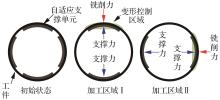
Fig.1
Schematic diagram of deflection adaptive control scheme
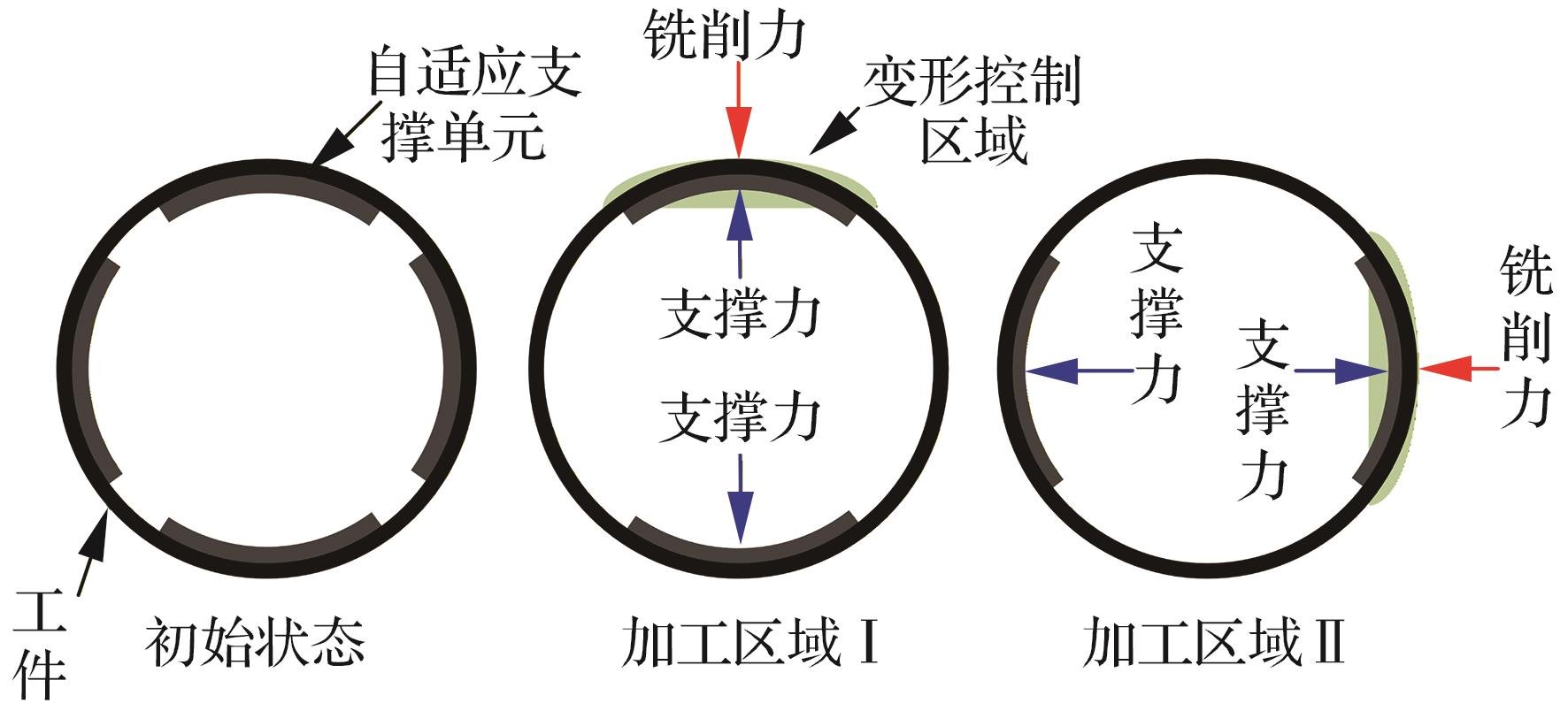
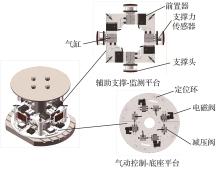
Fig.2
Adaptive auxiliary support fixture
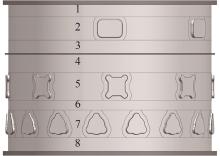
Fig.3
Simulation area division
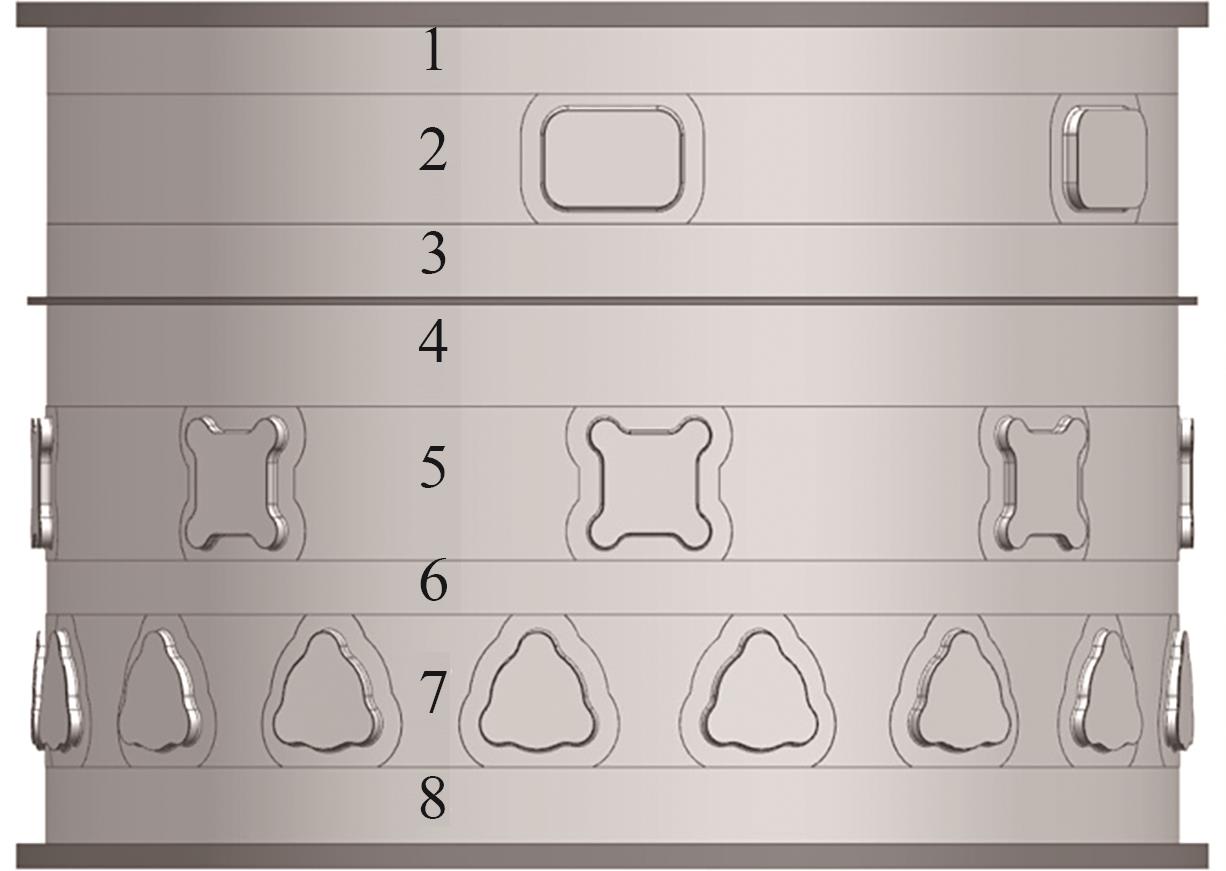
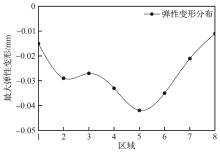
Fig.4
Overall elastic deflection trend
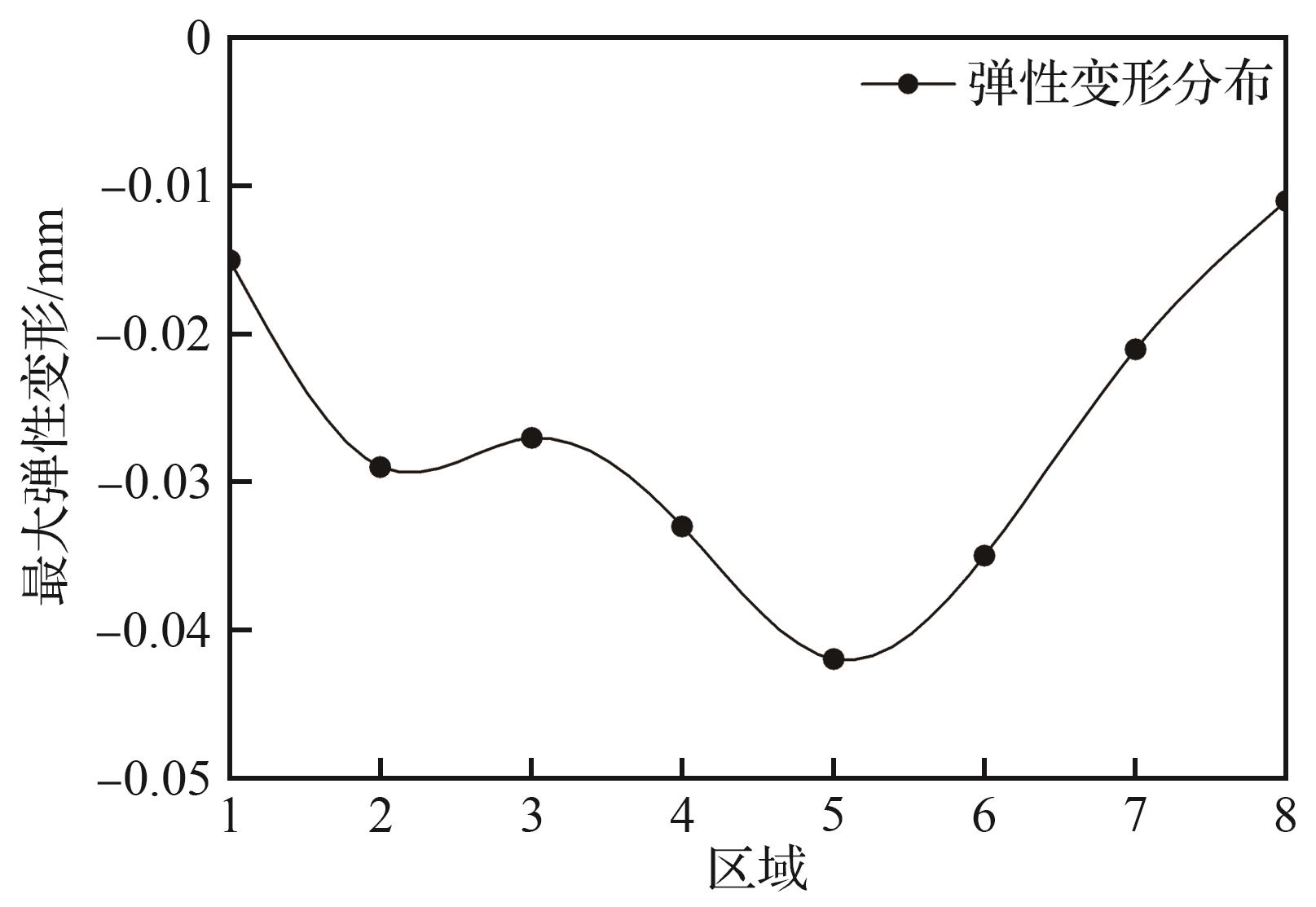
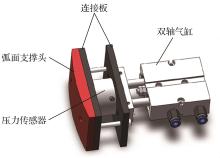
Fig.5
Auxiliary support unit
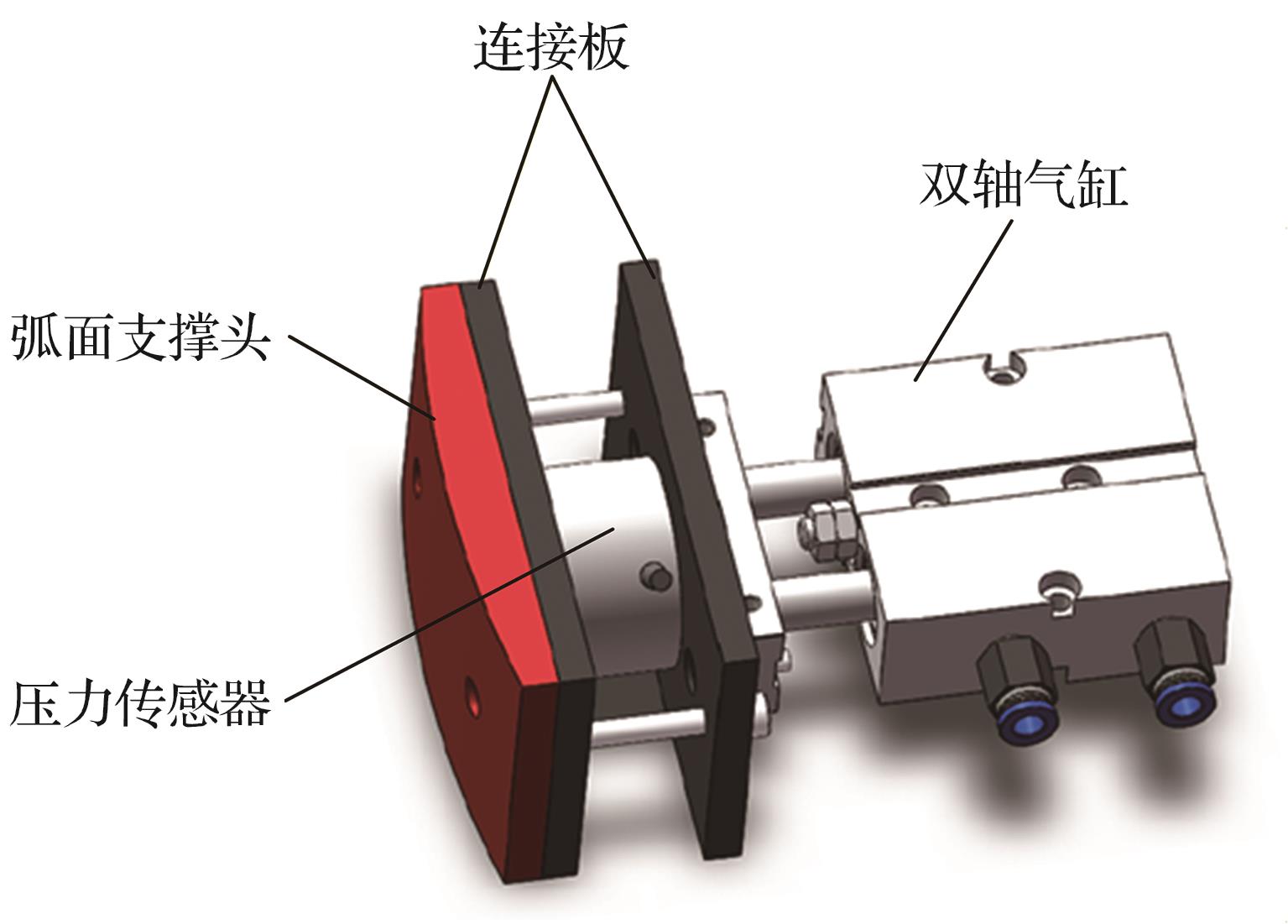
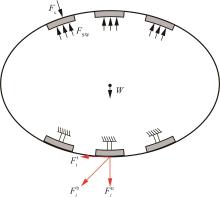
Fig.6
Schematic diagram of casing clamp positioning
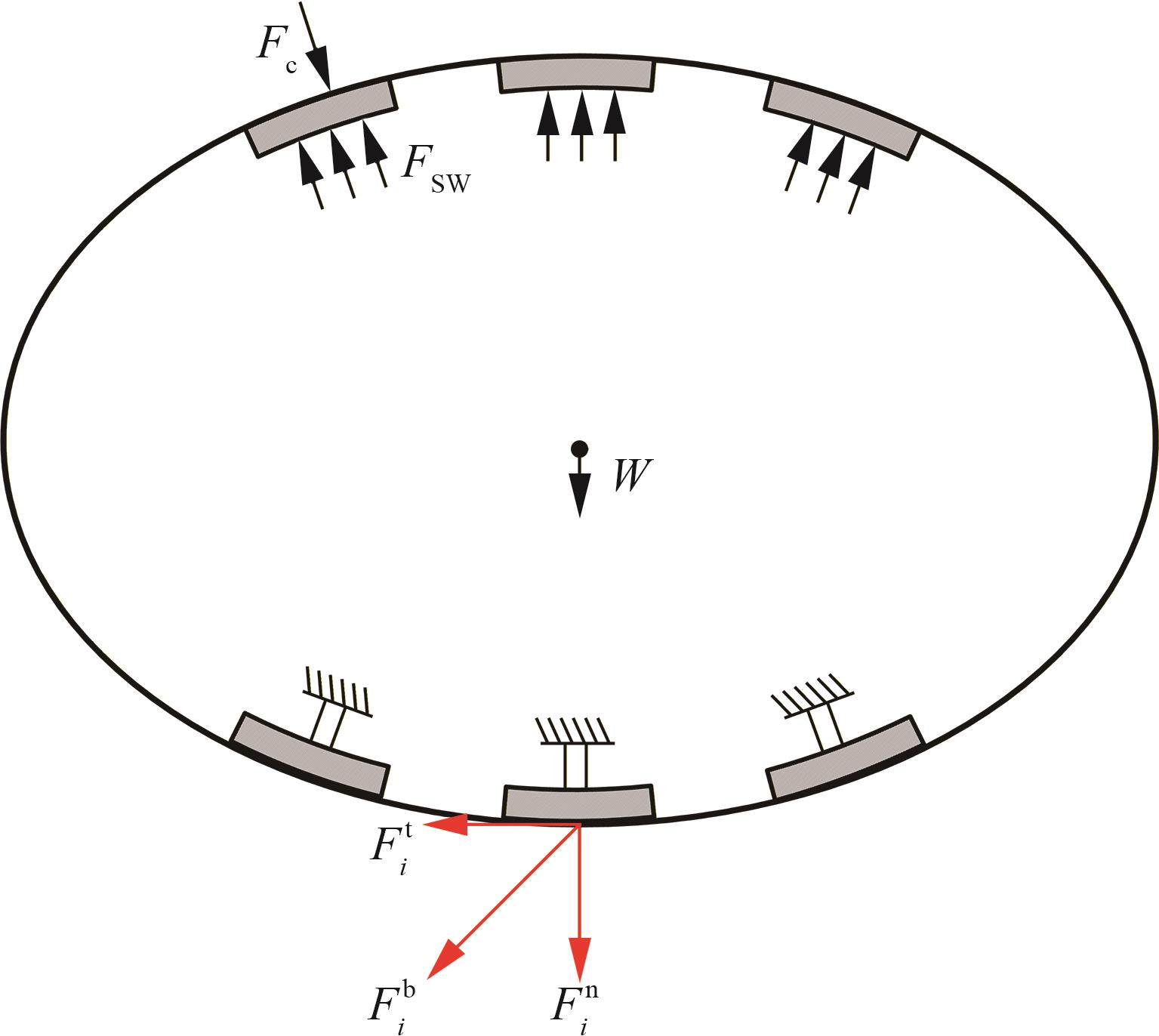
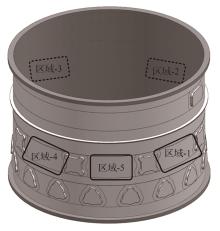
Fig.7
Target area segmentation
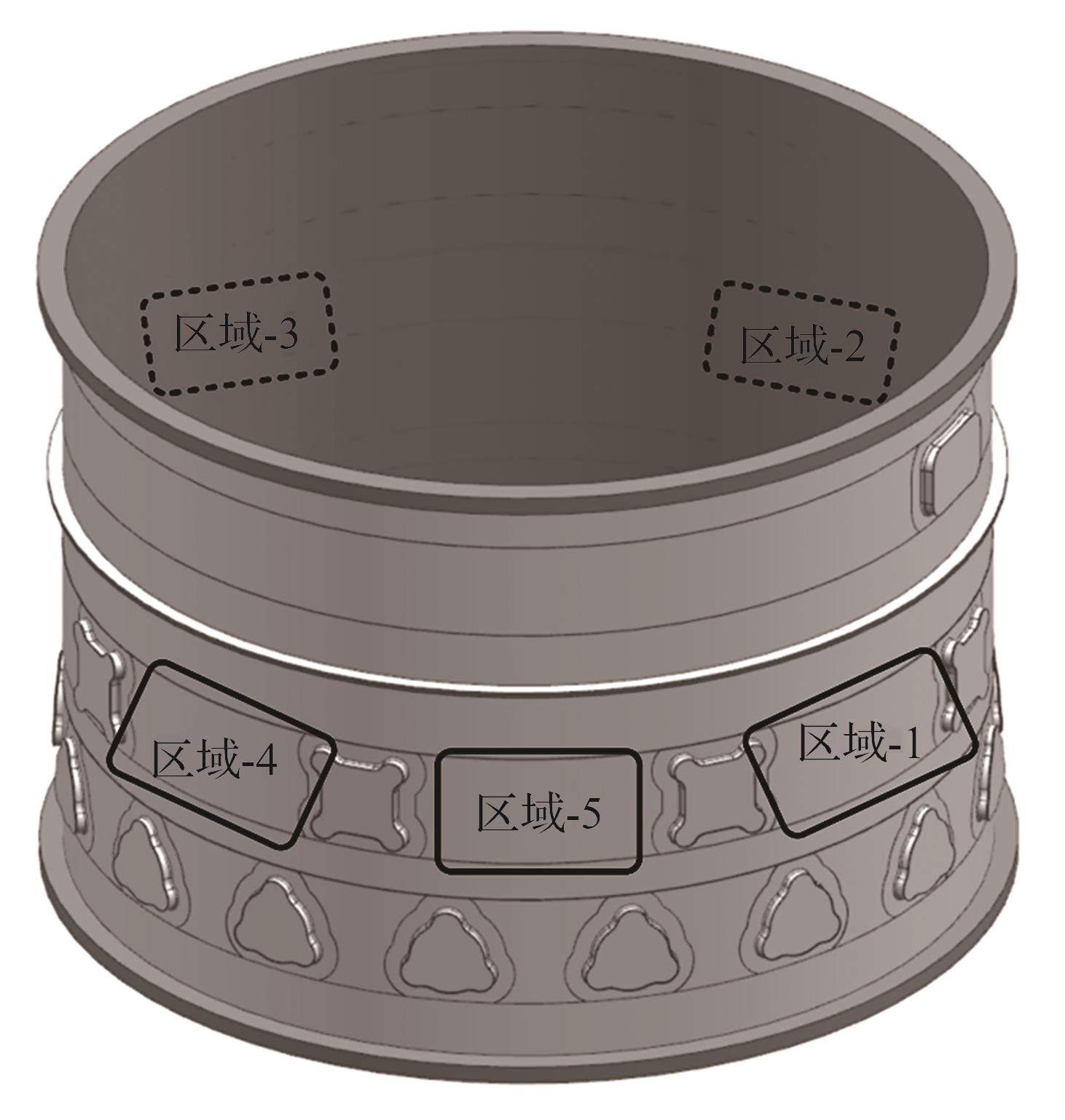

Table 1
Key geometrical parameters of engine casing mock-up
| 几何尺寸参数 | 数值 |
|---|---|
| 内径/mm | 500 |
| 高度/mm | 360 |
| 上下安装边厚度/mm | 10 |
| 凸台厚度/mm | 6 |
| 最终壁厚/mm | 1 |
Table 2
Allowances for each milling process
| 工序 | 余量/mm |
|---|---|
| 粗加工 | 2.5 |
| 半精加工1 | 1.5 |
| 半精加工2 | 0.5 |
| 精加工 | 0 |
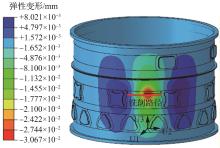
Fig.8
Simulation results without auxiliary support
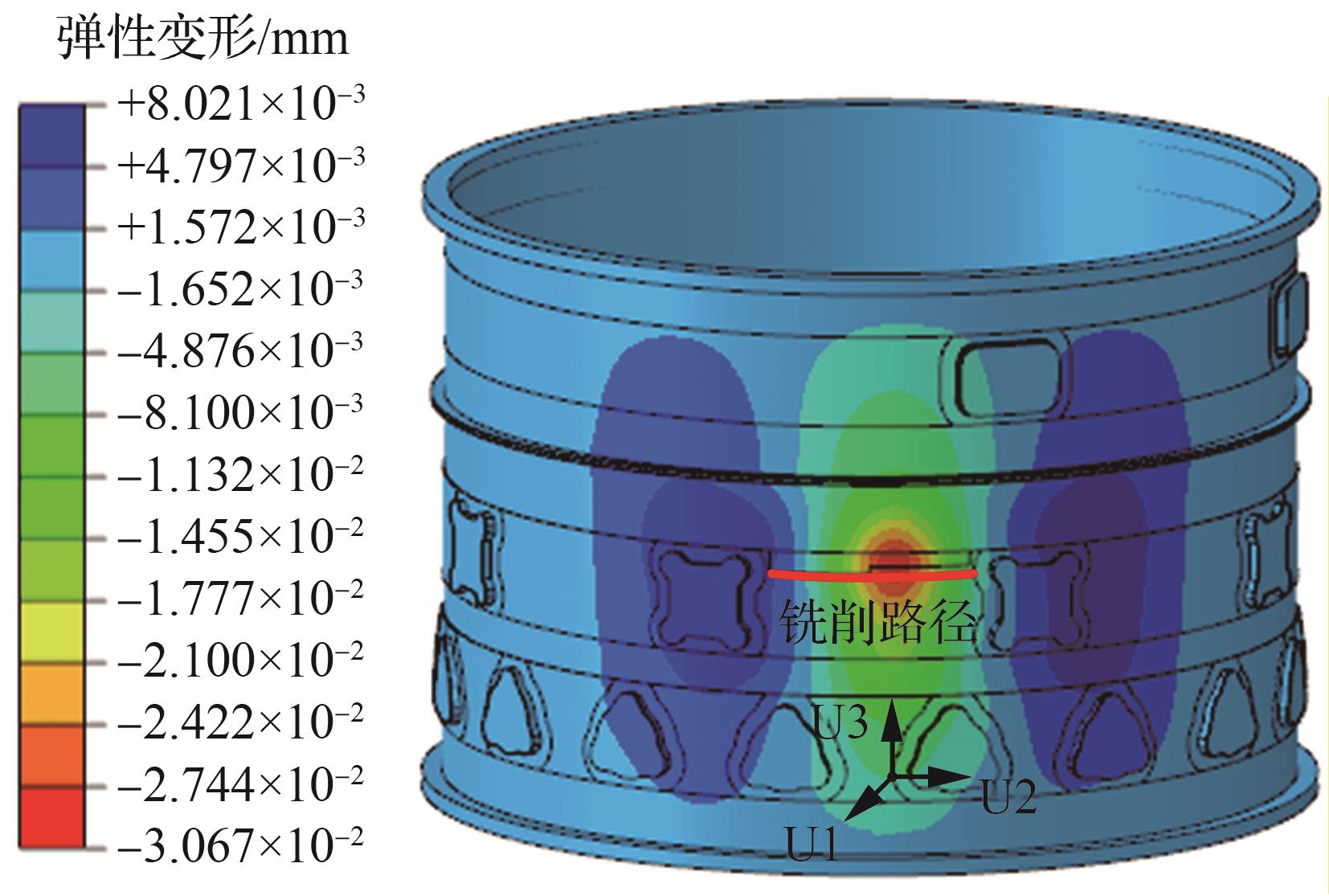
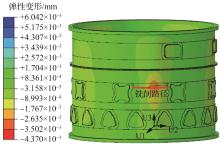
Fig.9
Simulation results for applying fixed support force
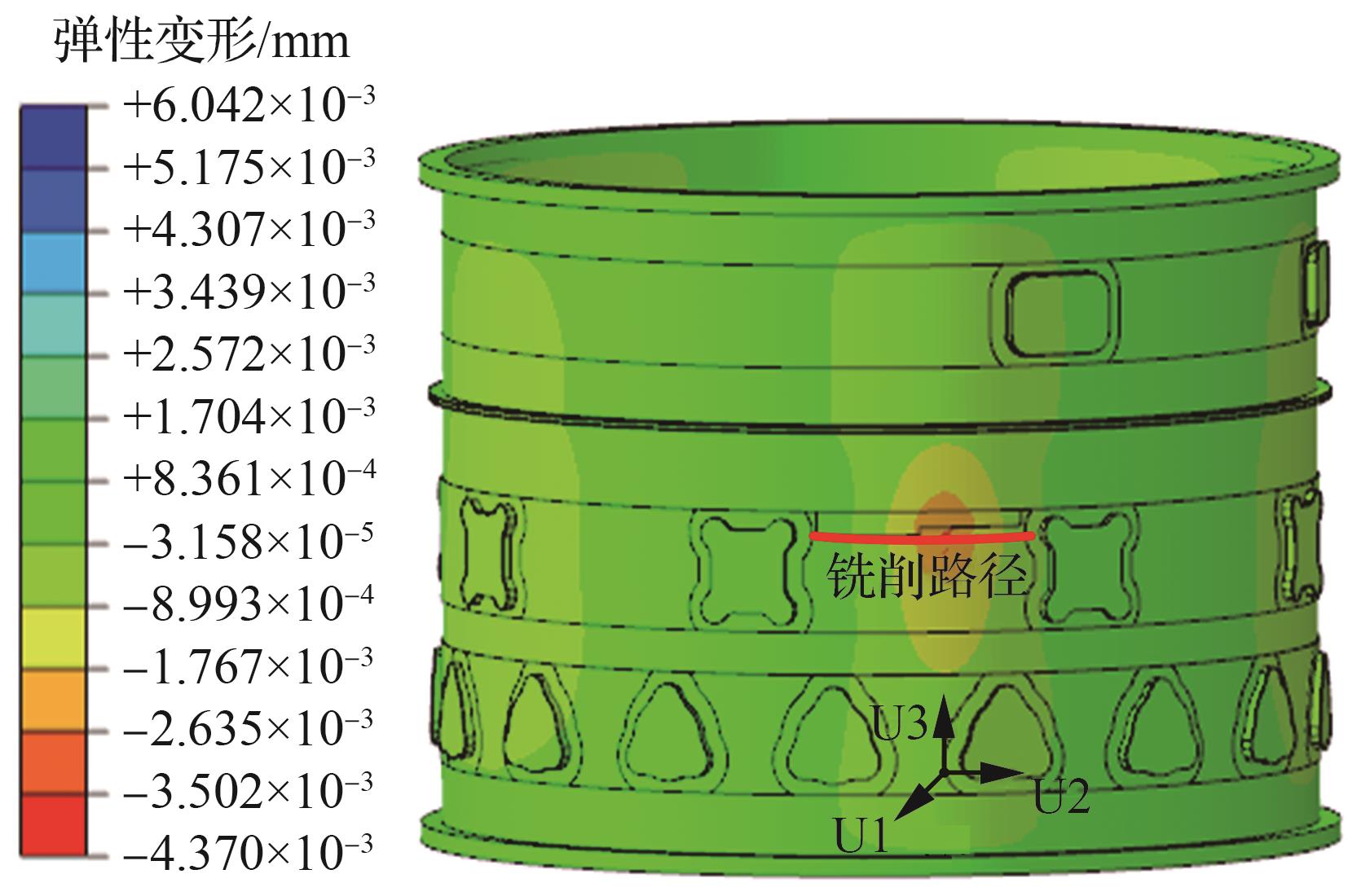
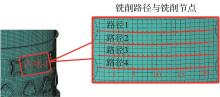
Fig.10
Milling path and milling node division
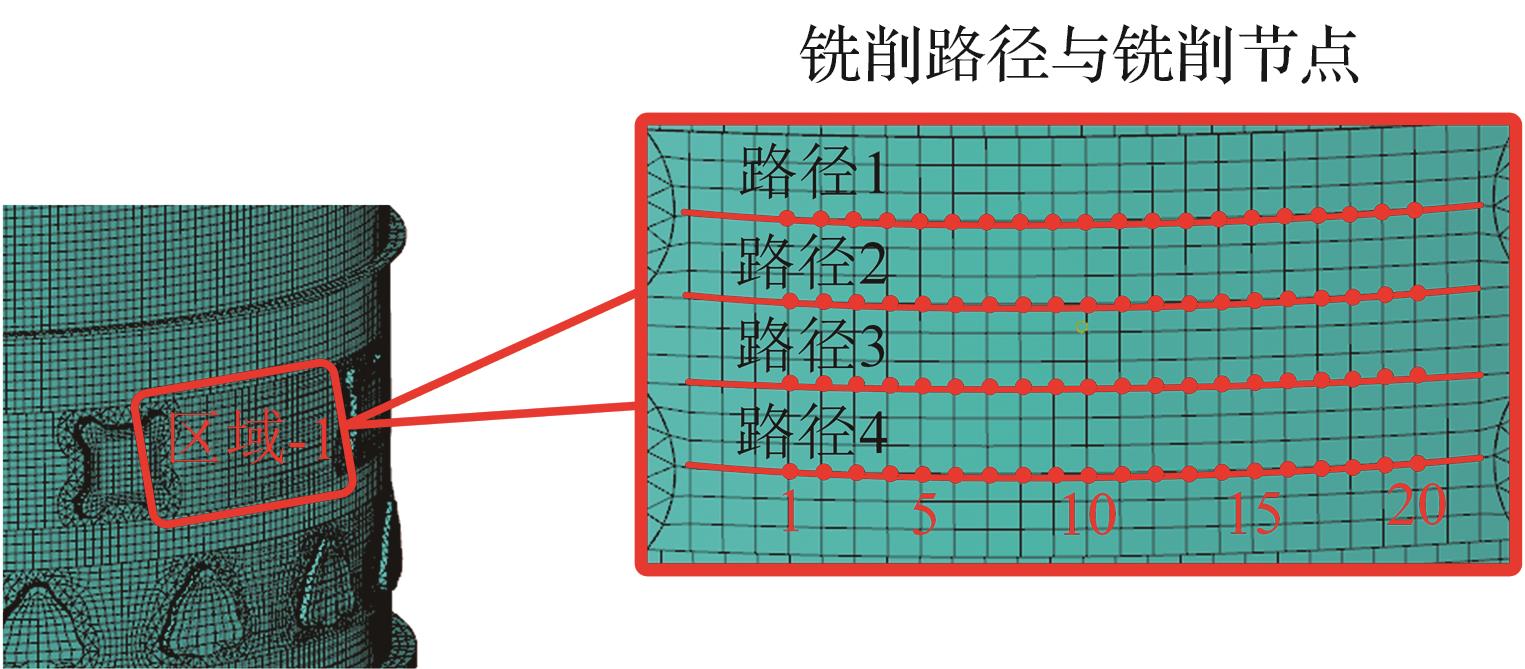
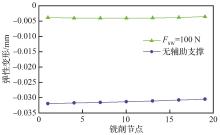
Fig.11
Comparison of elastic deflection with and without auxiliary support
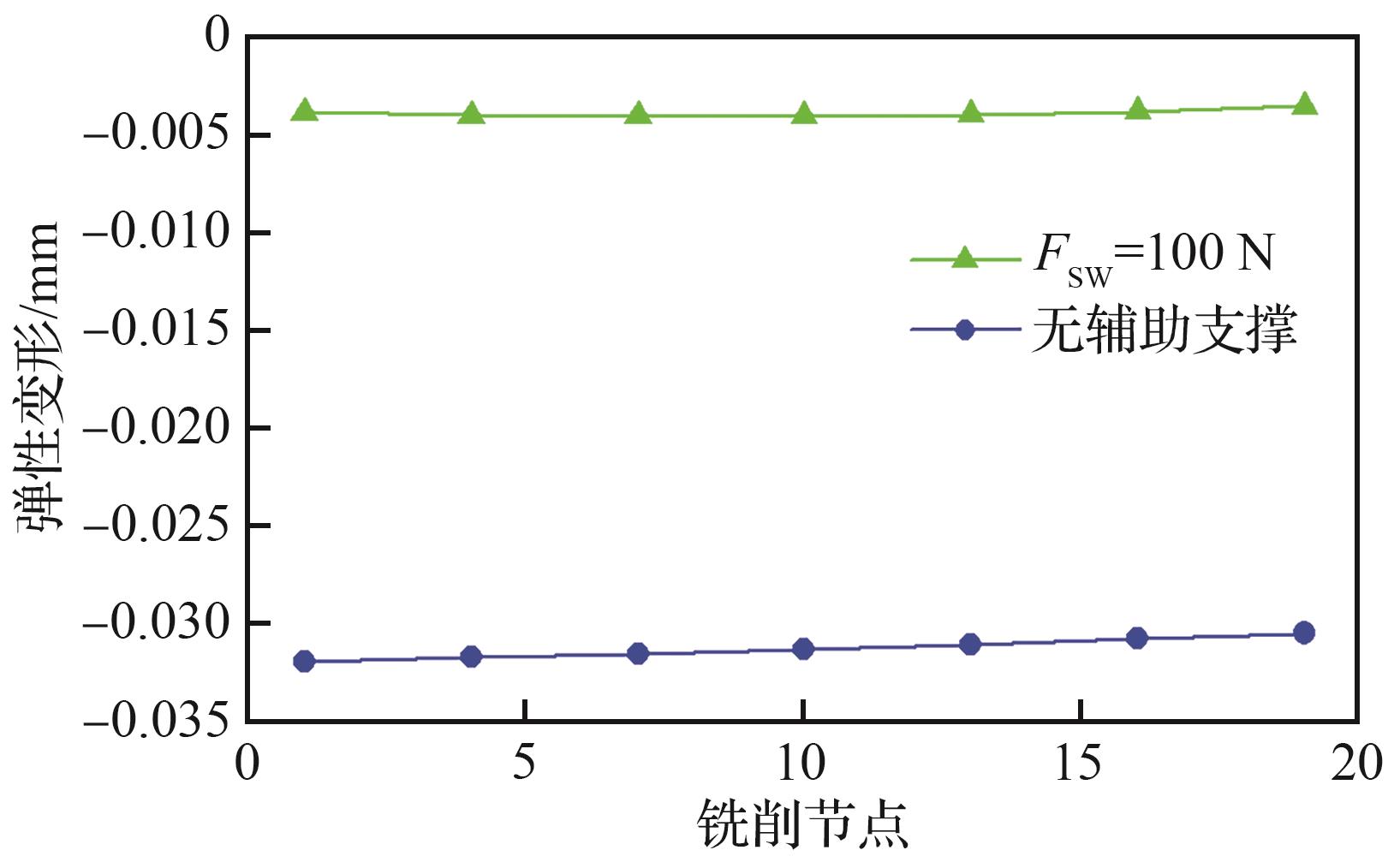
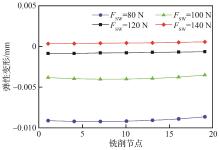
Fig.12
Effect of different fixed support forces on elastic deflection under the same milling path
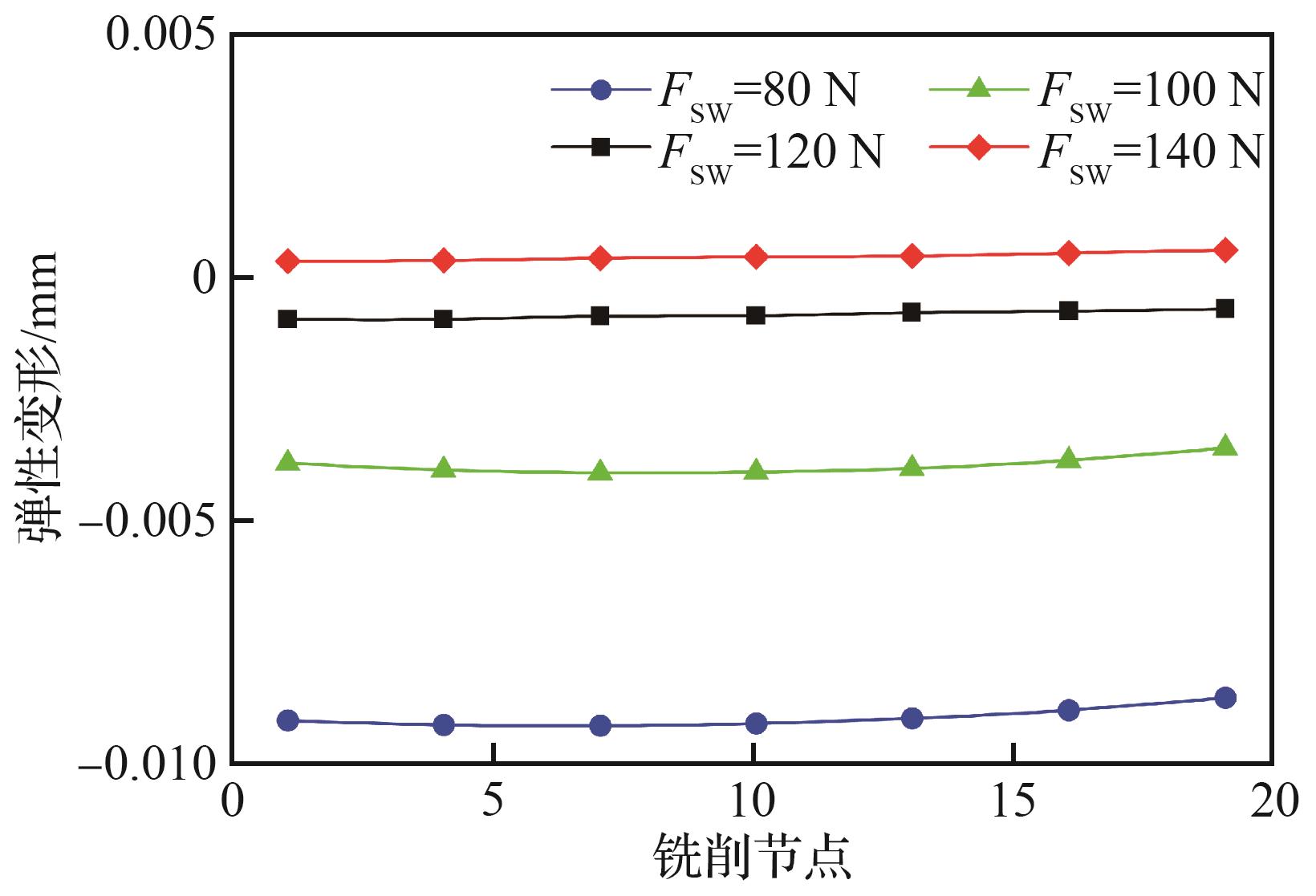
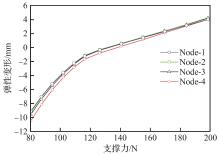
Fig.13
Elastic deflection of a single node under different fixed support forces
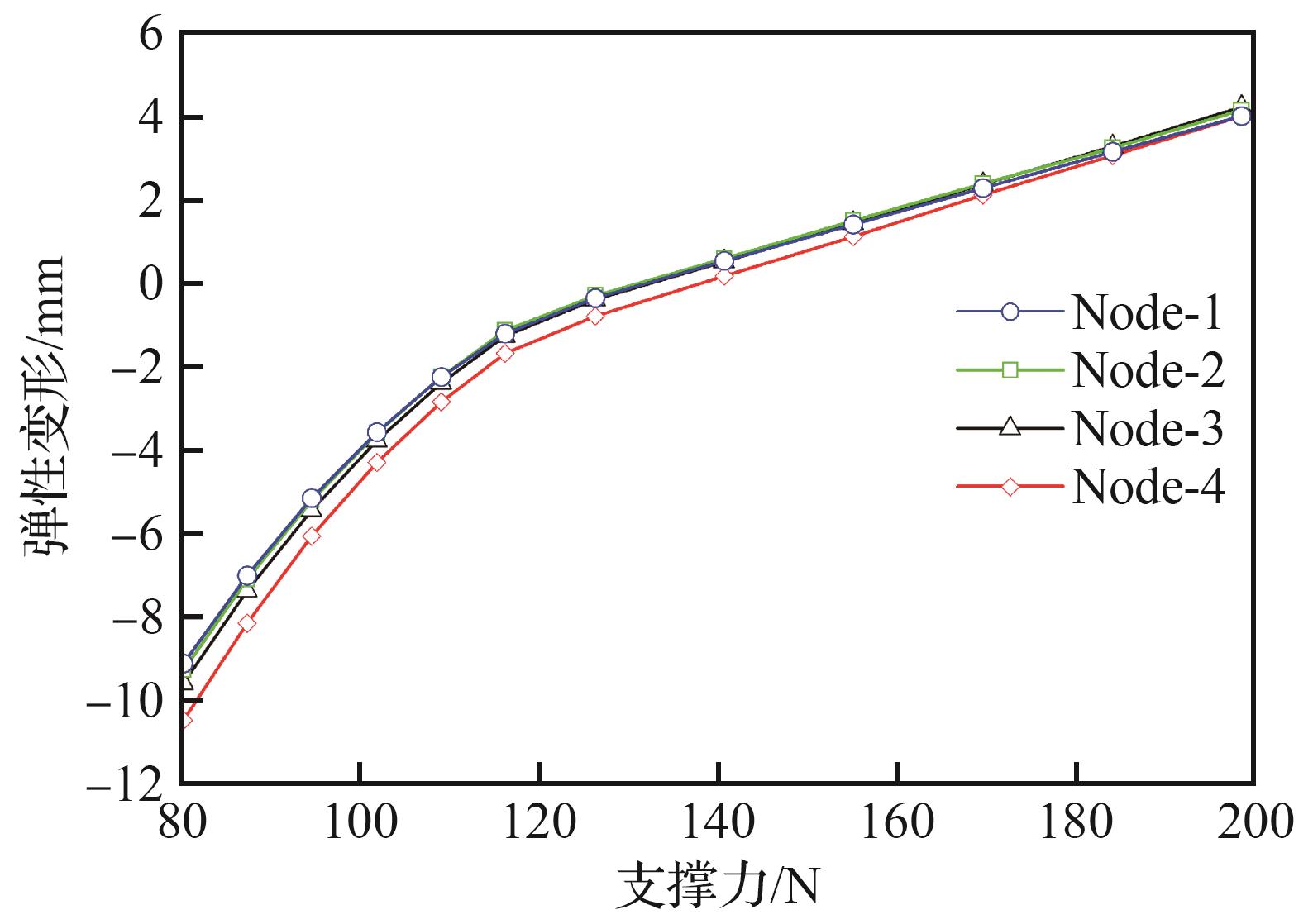
Table 3
Optimal support force for each milling node
| 铣削路径 | 铣削节点 | 半精加工2工序优选支撑力/N | 精加工工序优选支撑力/N |
|---|---|---|---|
| 1 | 1 | 133 | 79 |
| 4 | 133 | 79 | |
| 7 | 132 | 78 | |
| 10 | 132 | 78 | |
| 13 | 131 | 76 | |
| 16 | 130 | 75 | |
| 19 | 130 | 75 | |
| 2 | 1 | 133 | 79 |
| 4 | 132 | 78 | |
| 7 | 132 | 78 | |
| 10 | 131 | 77 | |
| 13 | 130 | 76 | |
| 16 | 129 | 75 | |
| 19 | 129 | 74 | |
| 3 | 1 | 134 | 80 |
| 4 | 134 | 79 | |
| 7 | 133 | 79 | |
| 10 | 133 | 78 | |
| 13 | 132 | 77 | |
| 16 | 130 | 75 | |
| 19 | 130 | 75 | |
| 4 | 1 | 141 | 85 |
| 4 | 140 | 83 | |
| 7 | 139 | 82 | |
| 10 | 138 | 81 | |
| 13 | 137 | 80 | |
| 16 | 135 | 79 | |
| 19 | 134 | 78 |
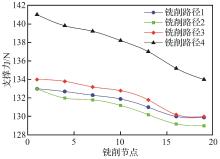
Fig.14
Support force control curves for different milling paths
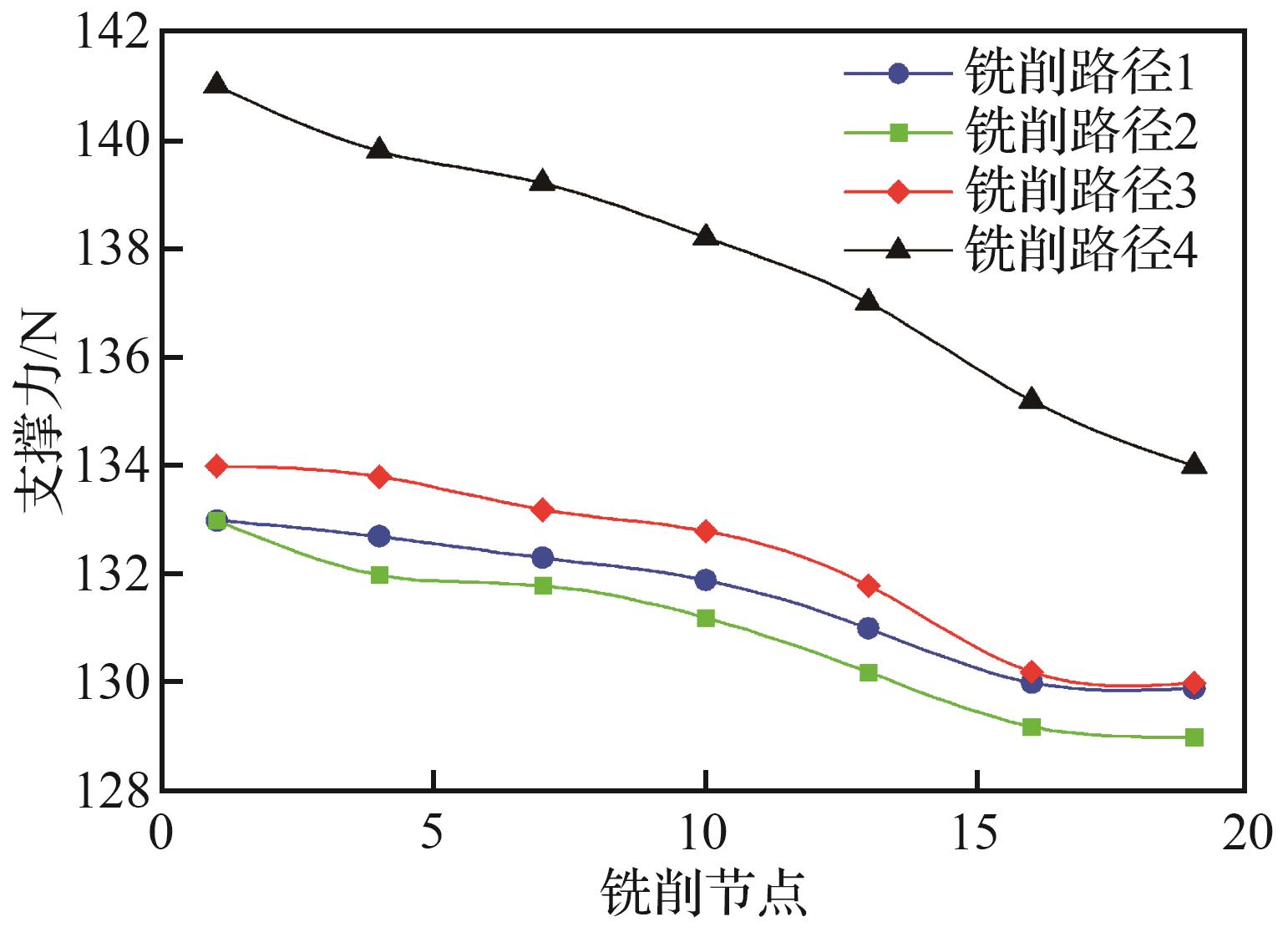
Fig.15
Elastic deflection of different milling paths without auxiliary support
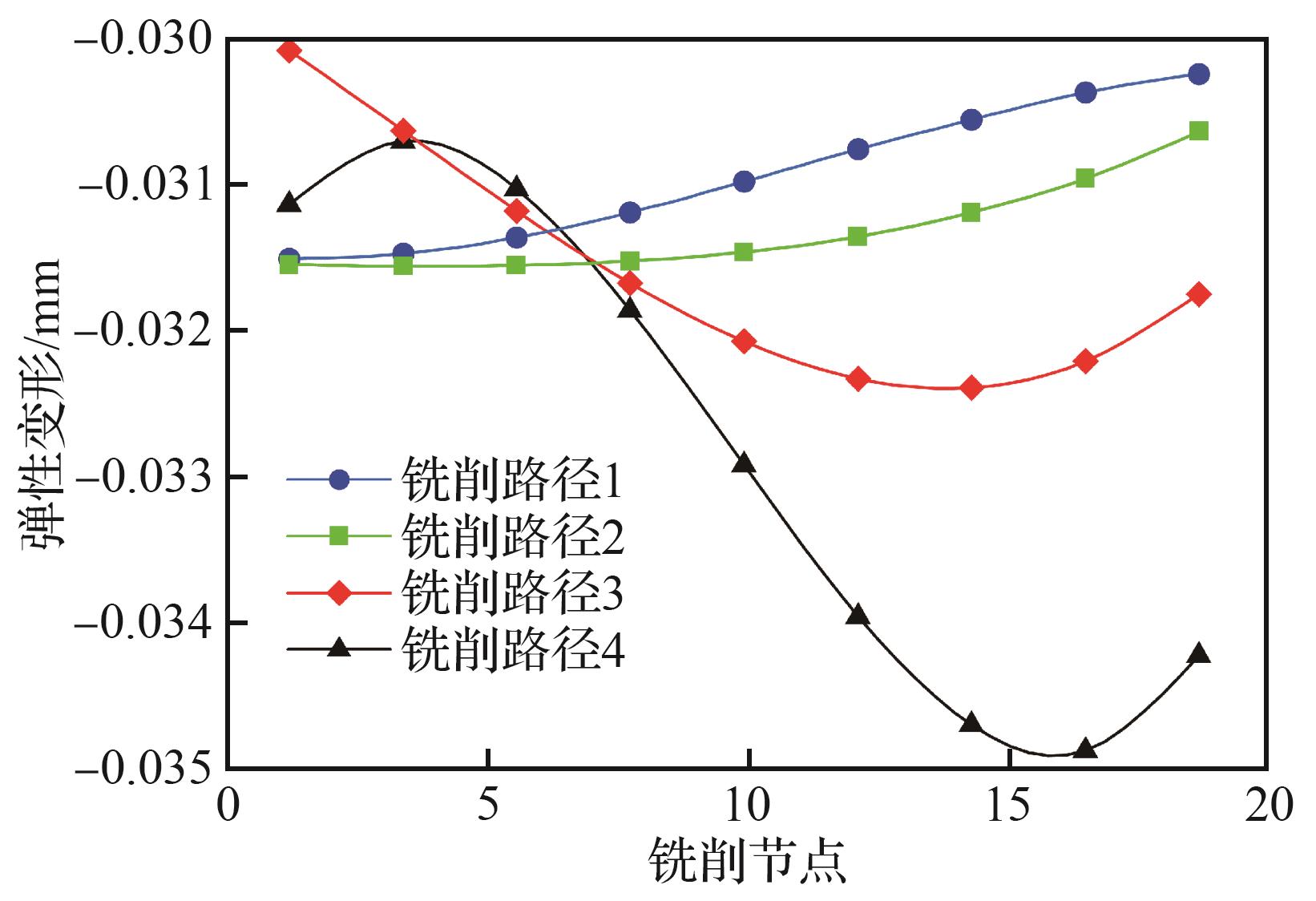
Fig.16
Elastic deflection under active control of support force for different milling paths
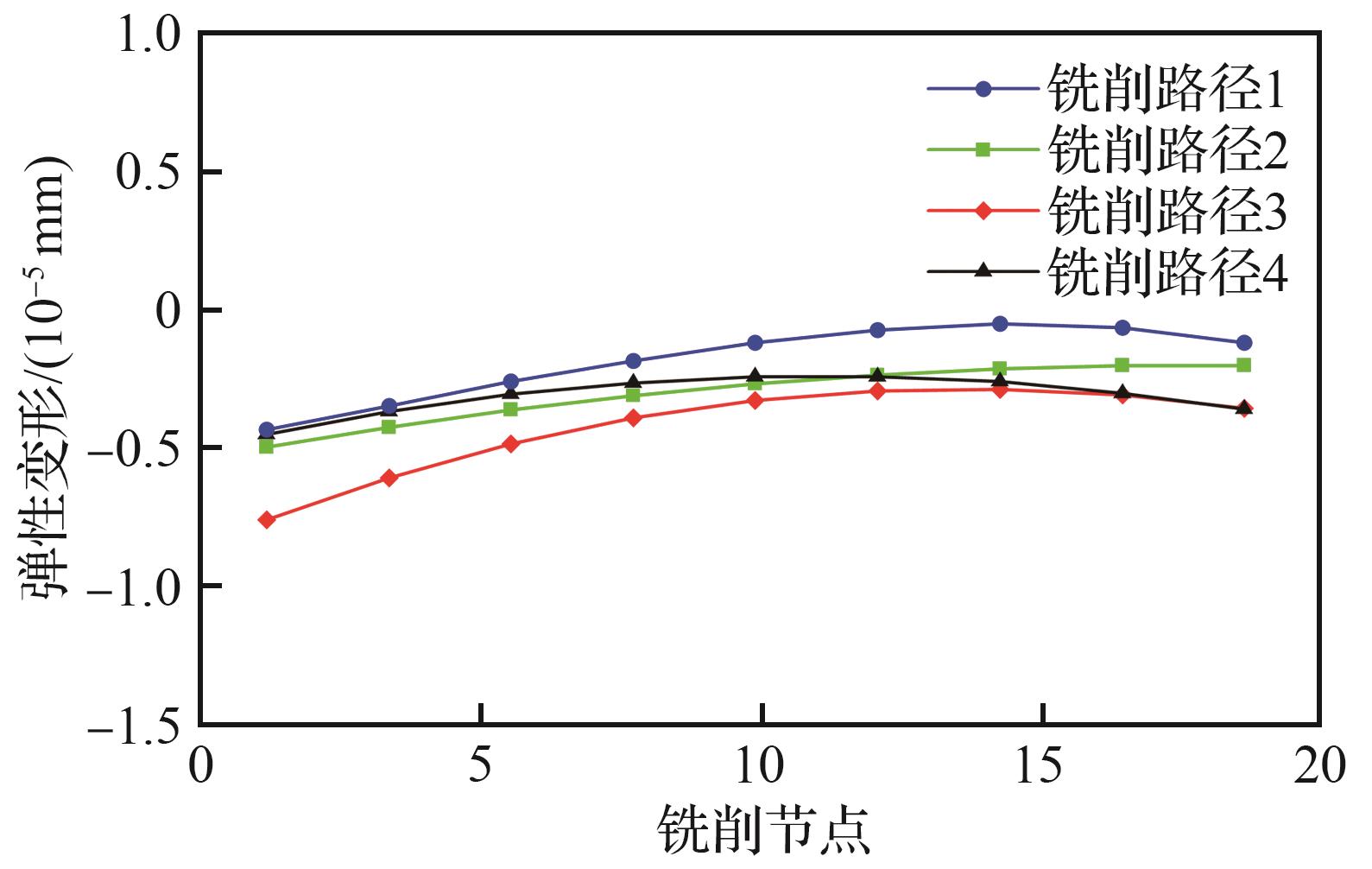
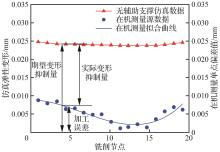
Fig.17
Comparison of on-machine measurement data and simulation data
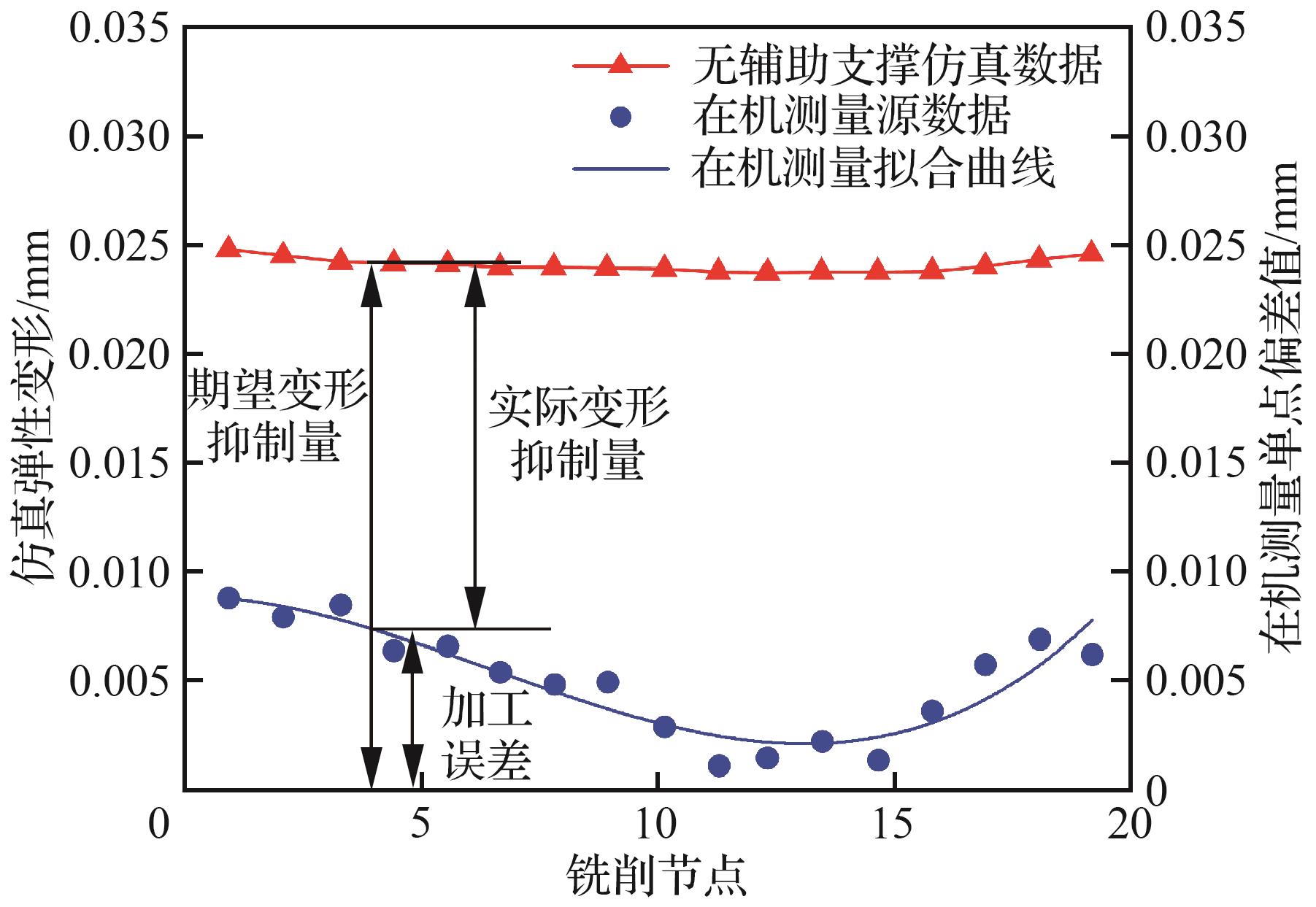
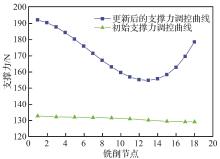
Fig.18
Updated support force control curves
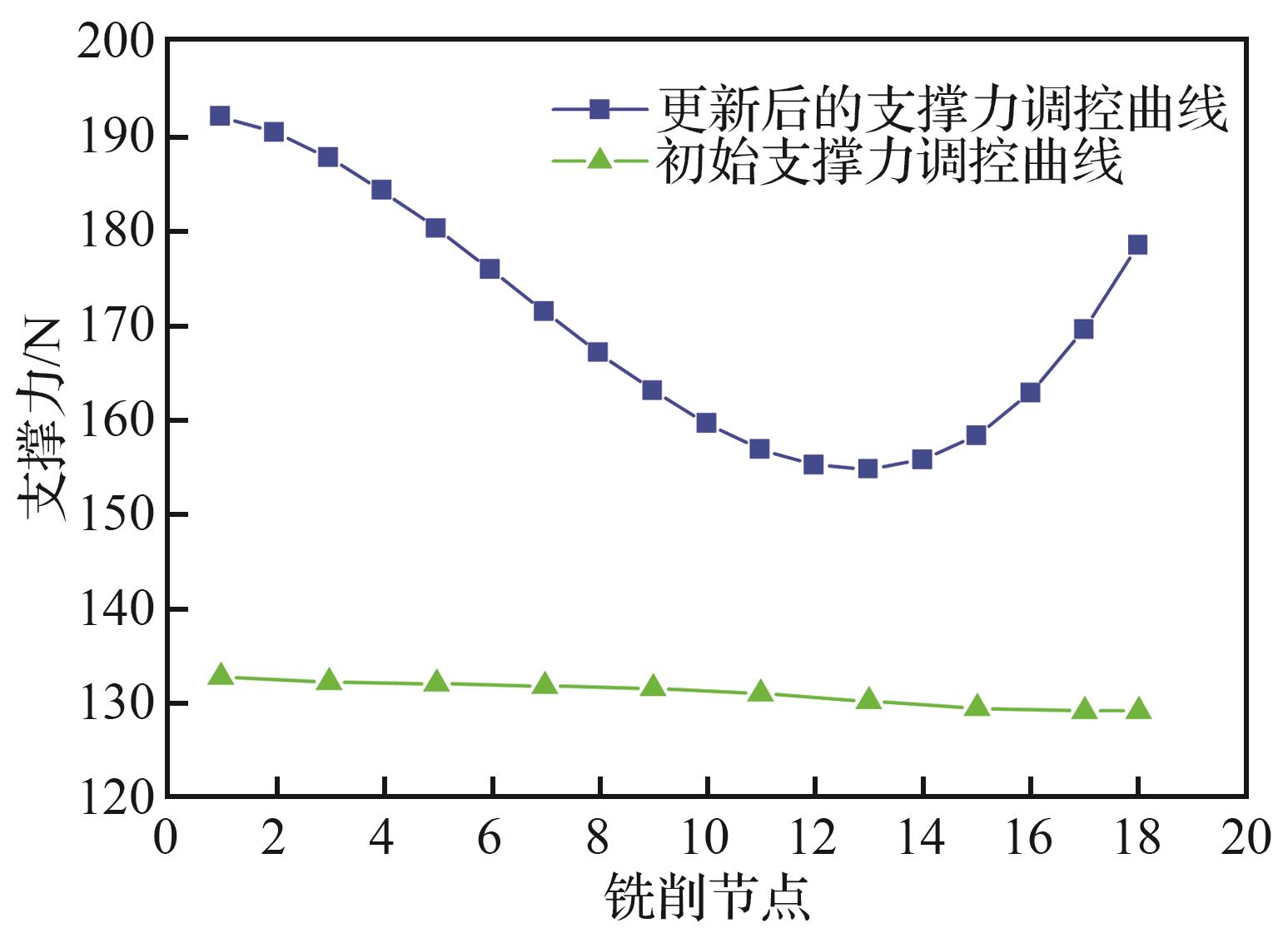
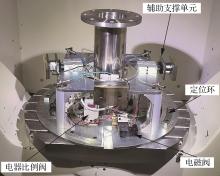
Fig.19
Installation site of adaptive auxiliary support fixture
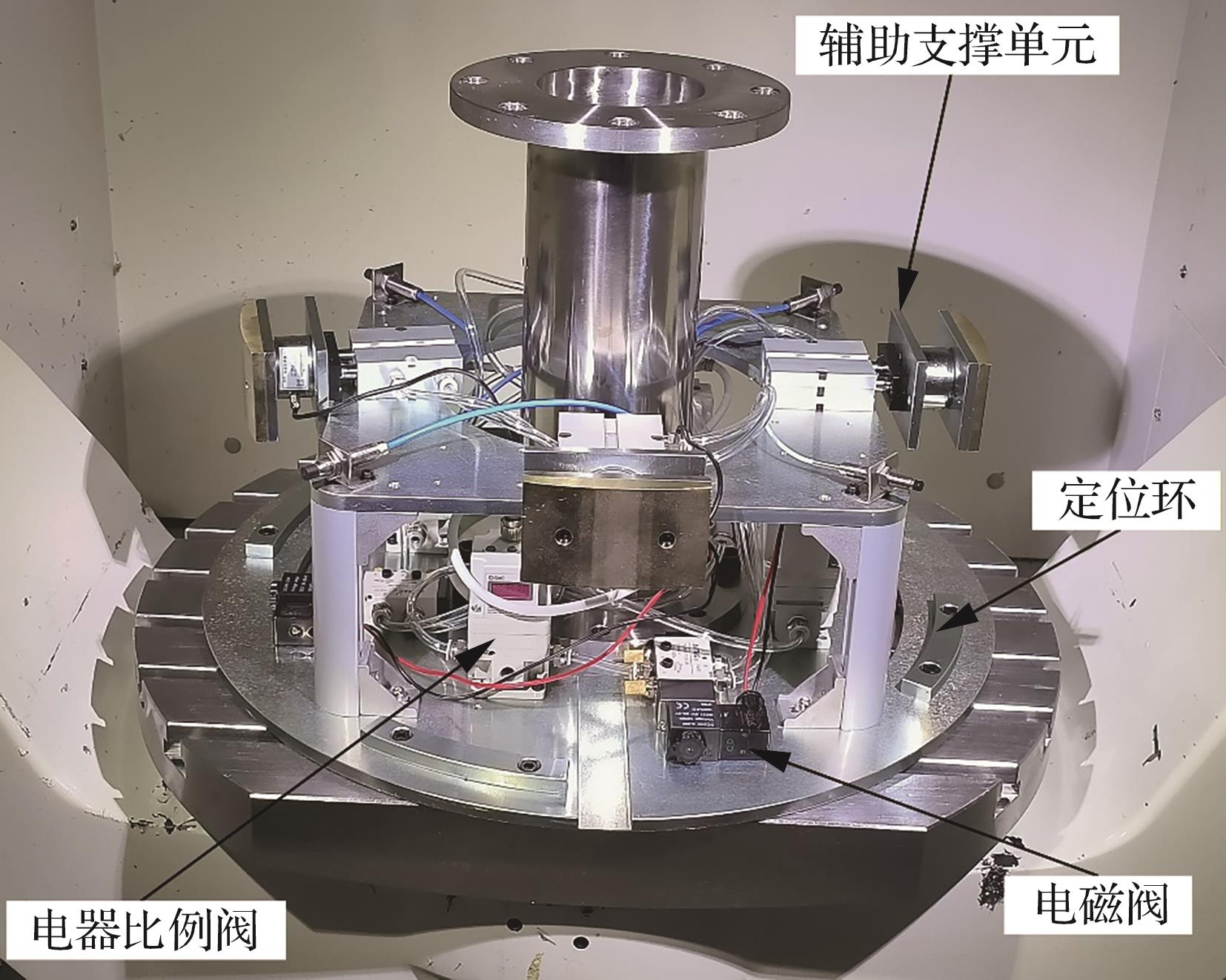
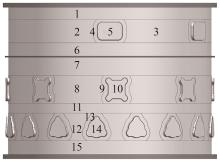
Fig.20
Processing area division
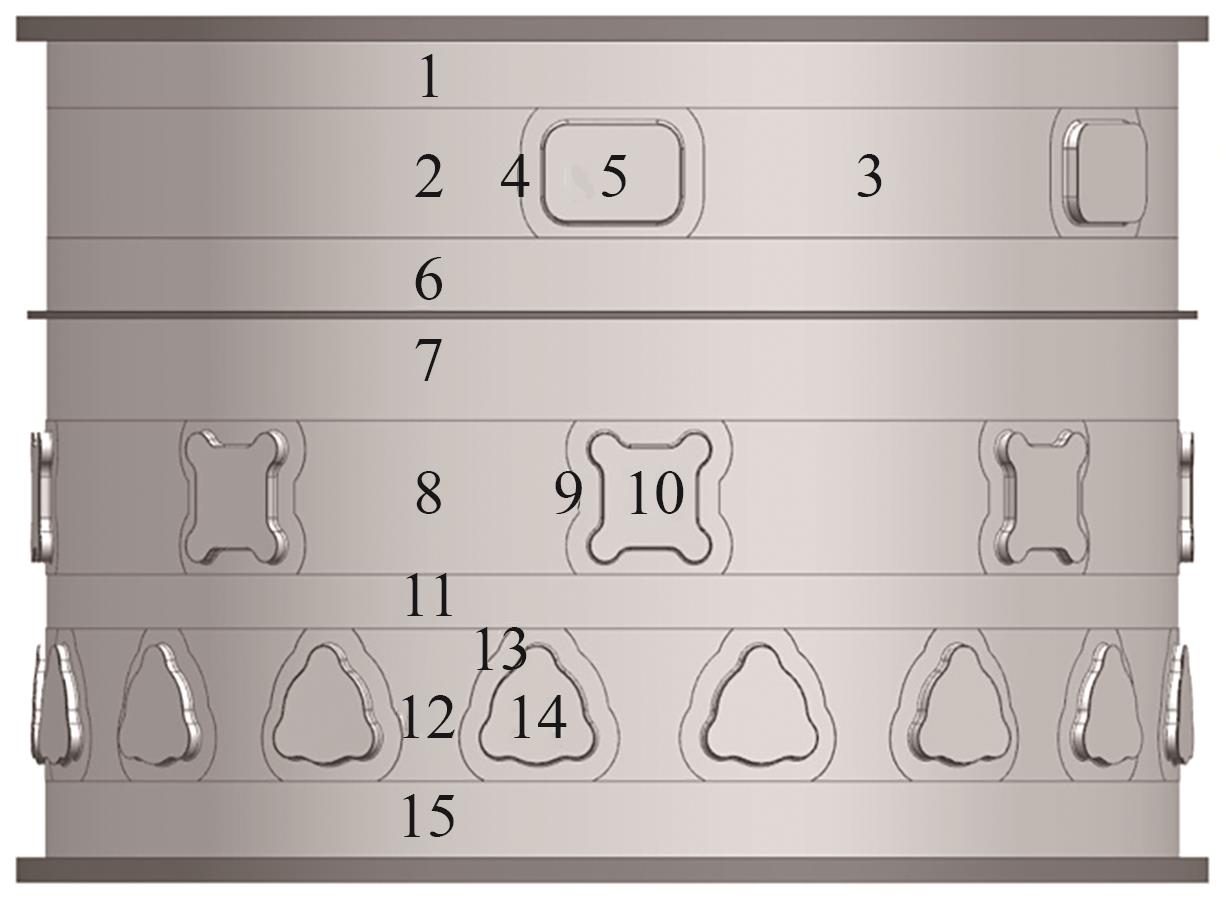
Table 4
Milling operation within process
| 顺序 | 铣削区域 | 数量 |
|---|---|---|
| 1 | 环面1 | 1 |
| 2 | 方凸台间隔面2 | 1 |
| 3 | 方凸台间隔面3 | 1 |
| 4 | 方凸台侧壁4 | 2 |
| 5 | 方凸台顶面5 | 2 |
| 6 | 环面6 | 1 |
| 7 | 环面7 | 1 |
| 8 | 环面11 | 1 |
| 9 | 花凸台间隔面8 | 8 |
| 10 | 花凸台侧壁9 | 8 |
| 11 | 花凸台顶面10 | 8 |
| 12 | 三角凸台间隔面12 | 16 |
| 13 | 三角凸台侧壁13 | 16 |
| 14 | 三角凸台顶面14 | 16 |
| 15 | 环面15 | 1 |
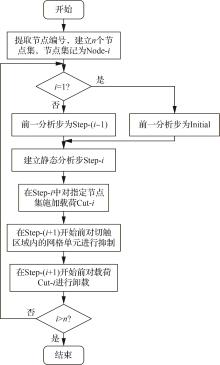
Fig.21
Flowchart for casing machining control incorporating adaptive auxiliary fixtures
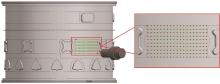
Fig.22
On-machine measurement path
Fig.23
Comparison of on-machine measurement results
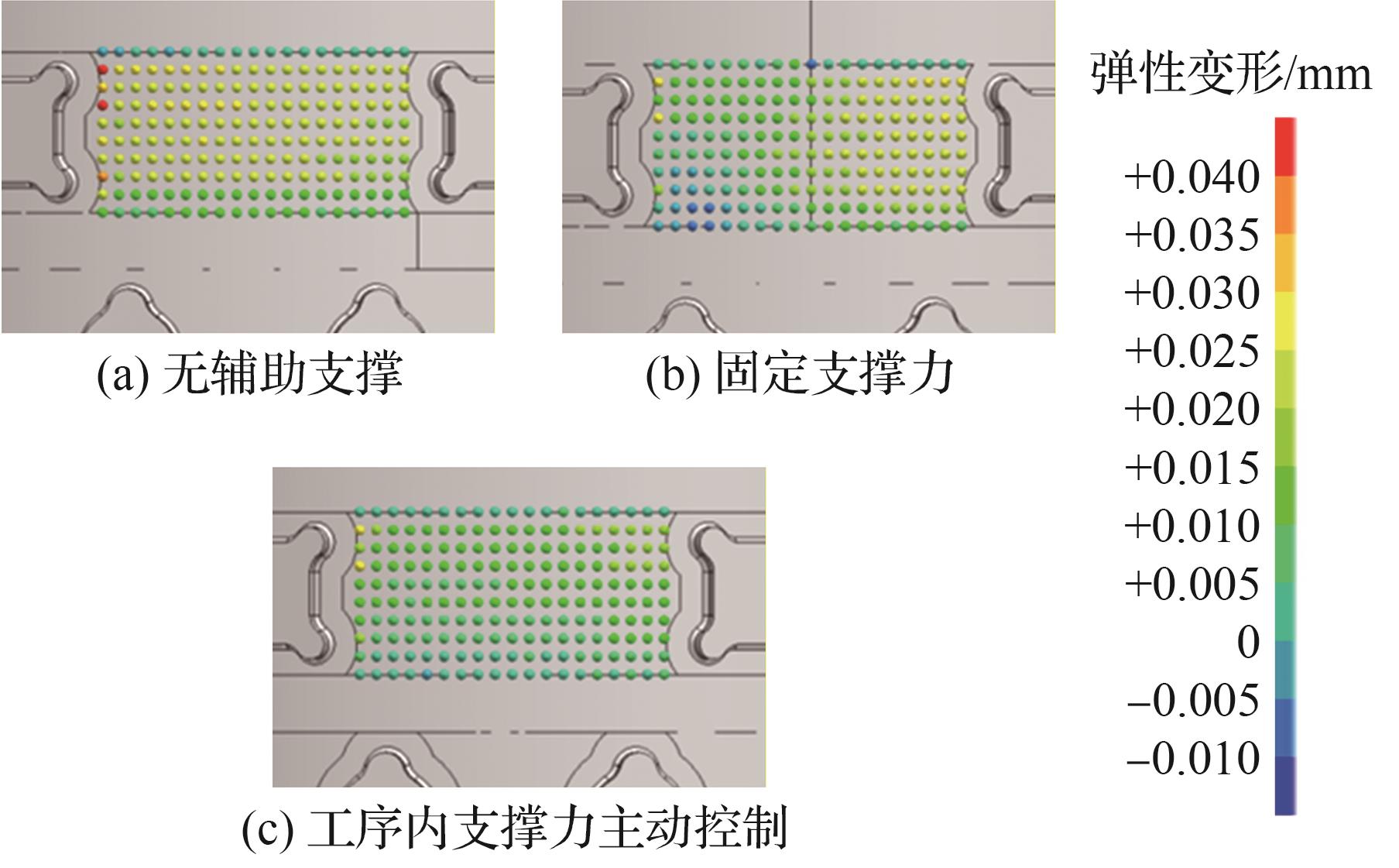
Fig.24
Comparison chart of elastic deflection with active control of in-process support forces
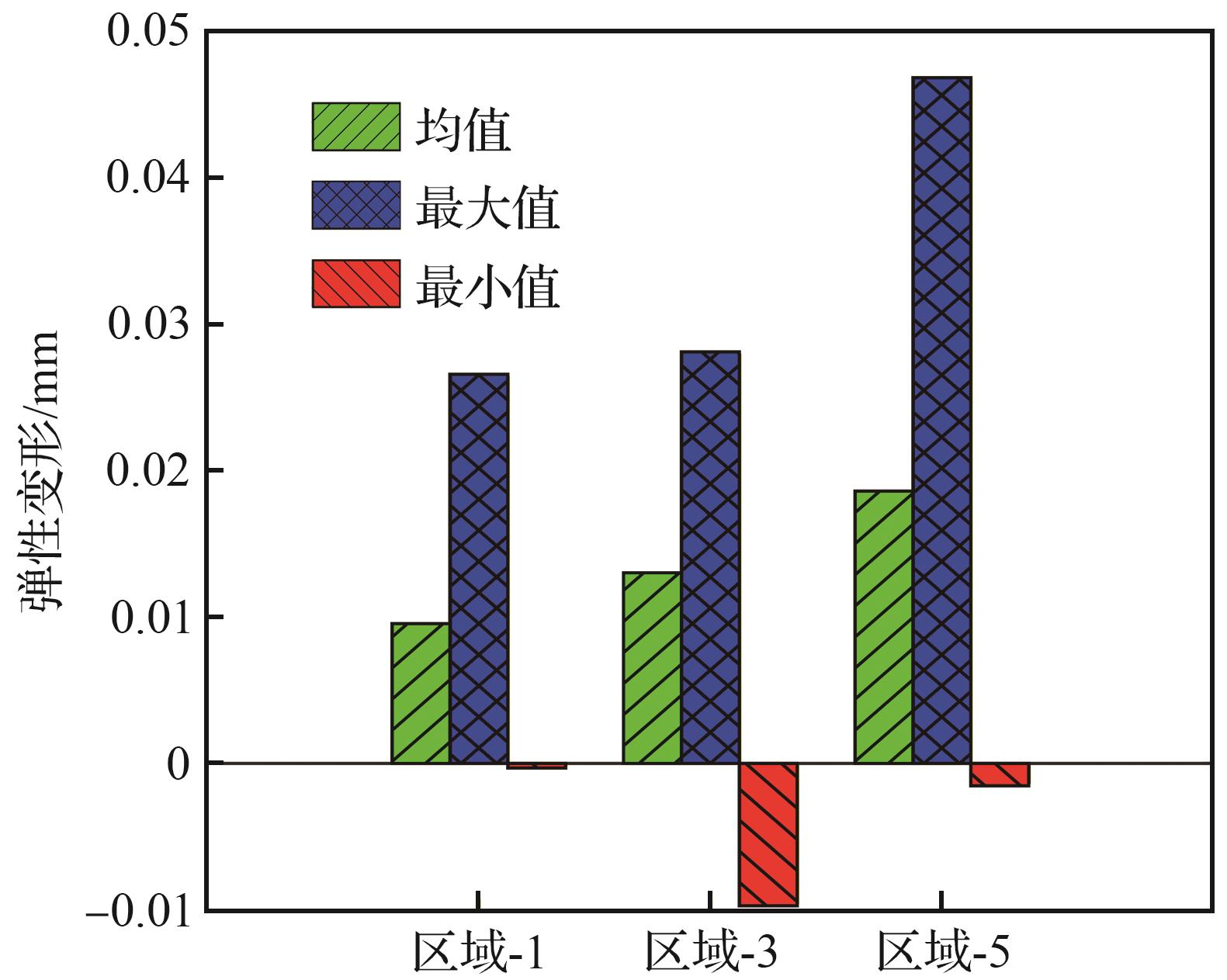
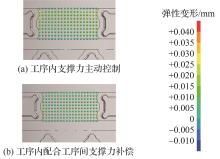
Fig.25
Comparison of on-machine measurement results incorporating in-process and inter-process support force compensation
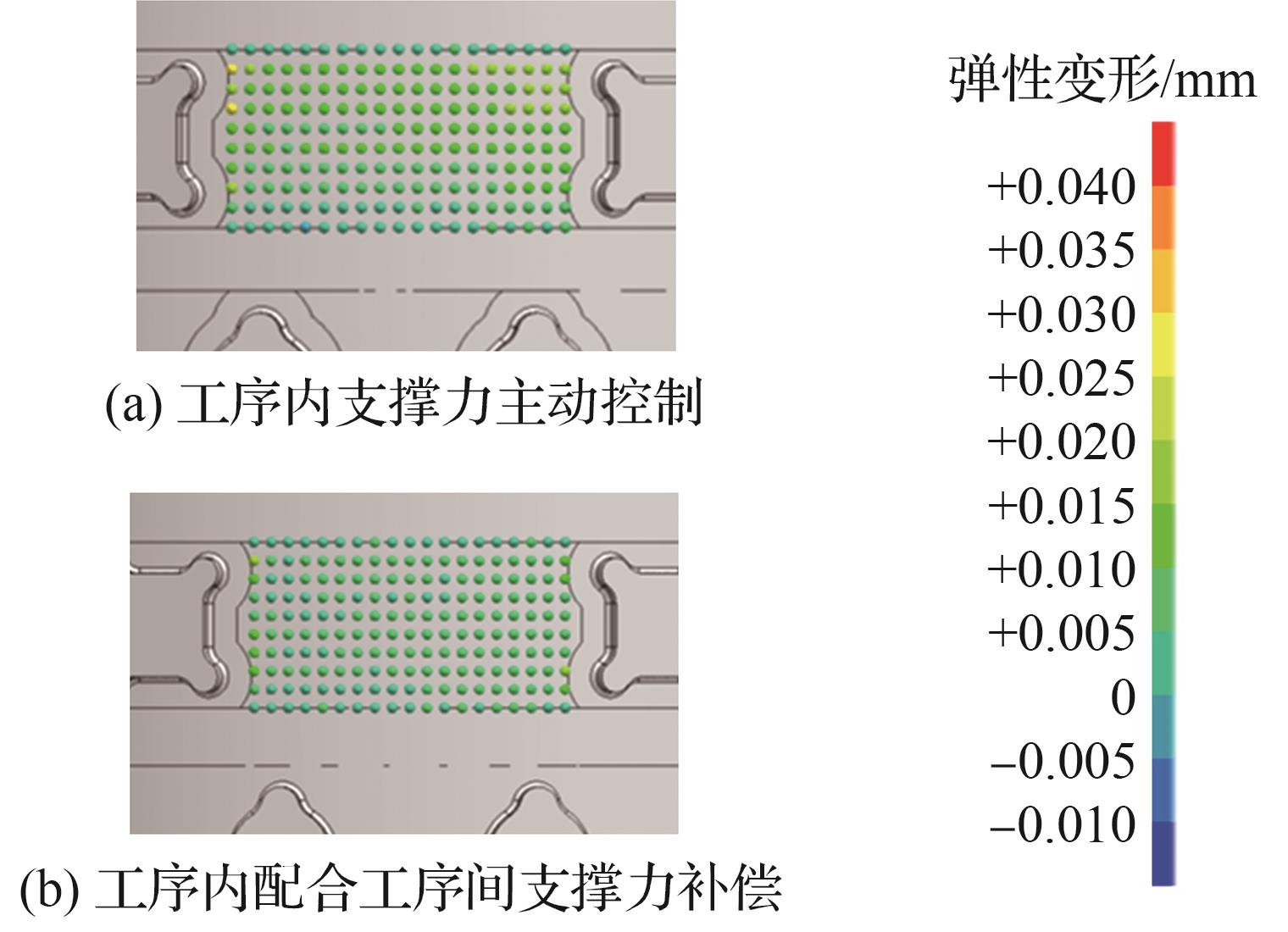
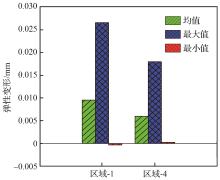
Fig.26
Comparison chart of elastic deflection with in-process and inter-process support force compensation
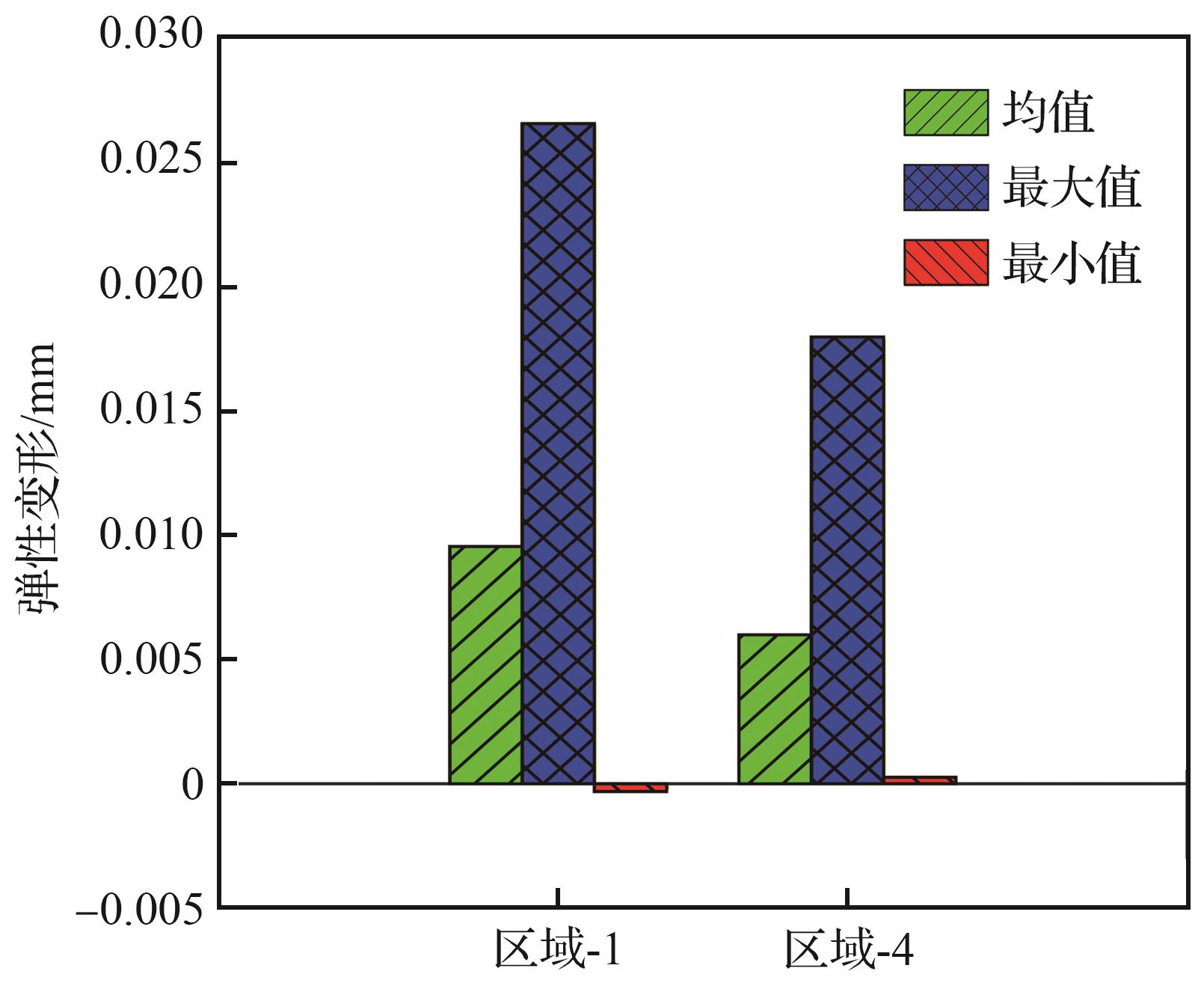
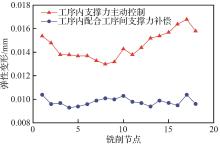
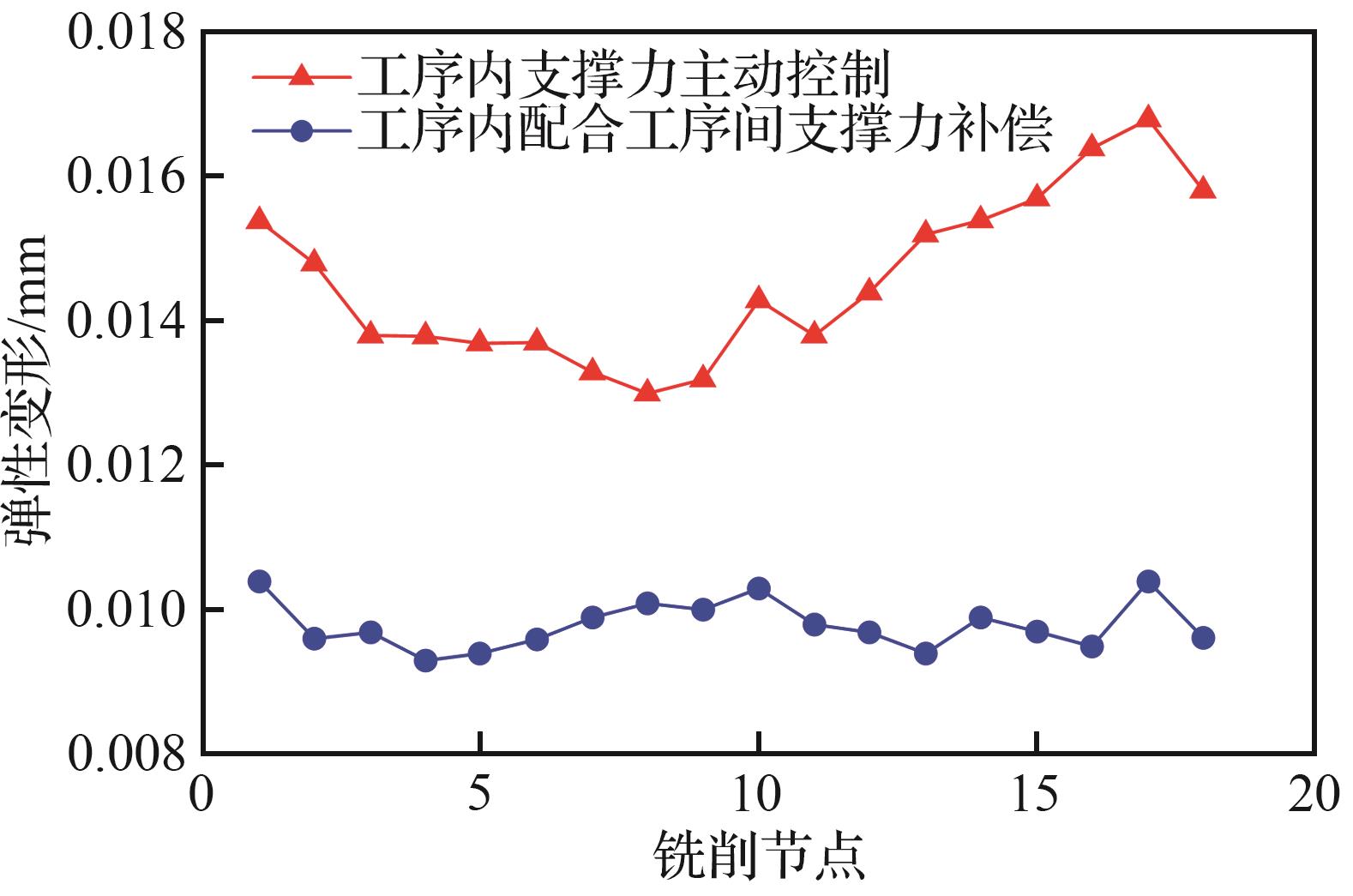
Fig.27
Comparison of elastic deflection trends in finishing processes
| [1] | 王晶, 罗明, 吴宝海, 等. 航空发动机机匣摆线粗加工轨迹规划方法[J]. 航空学报, 2018, 39(6): 421814. |
| WANG J, LUO M, WU B H, et al. A trochoidal path planning method for rough machining of aeroengine casing parts[J]. Acta Aeronautica et Astronautica Sinica, 2018, 39(6): 421814 (in Chinese). | |
| [2] | ZHENG Y, WU D B, WANG H, et al. Machining fixture and deformation control of aero-engine thin-walled casing[J]. The International Journal of Advanced Manufacturing Technology, 2023, 129(11): 5601-5614. |
| [3] | 王聪梅. 控制较大尺寸机匣件加工变形的工艺措施[J]. 航空制造技术, 2012, 55(22): 96-98. |
| WANG C M. Technology measures of controlling machining deformation for large case[J]. Aeronautical Manufacturing Technology, 2012, 55(22): 96-98 (in Chinese). | |
| [4] | 李忠群, 丁鹏, 杨雨, 等. 航空薄壁零件切削加工技术研究进展[J]. 航空制造技术, 2024, 67(7): 38-53. |
| LI Z Q, DING P, YANG Y, et al. Research process in machining technology of aerospace thin-walled parts[J]. Aeronautical Manufacturing Technology, 2024, 67(7): 38-53 (in Chinese). | |
| [5] | 张世贵, 张晟玮, 陈鹏飞, 等. 外涵对开机匣精密高效加工工艺研究[J]. 航空制造技术, 2023, 66(14): 100-106. |
| ZHANG S G, ZHANG S W, CHEN P F, et al. Research on high-effect and precise machining technology of bypass duct split casing[J]. Aeronautical Manufacturing Technology, 2023, 66(14): 100-106 (in Chinese). | |
| [6] | 郭皓邦, 魏祥政, 雷学林, 等. 航发薄壁机匣铣削过程的装夹技术研究[J]. 航空制造技术, 2025, 68(4): 84-89, 96. |
| GUO H B, WEI X Z, LEI X L, et al. Research on clamping technology in milling process of aero-engine thin-walled casings[J]. Aeronautical Manufacturing Technology, 2025, 68(4): 84-89, 96 (in Chinese). | |
| [7] | 彭晟尧. 某航空发动机高温合金对开机匣加工过程变形抑制技术[D]. 大连: 大连理工大学, 2024: 55-56. |
| PENG S Y. Deformation inhibition technology of the aero-engine high-temperature alloys to folio casing processing[D]. Dalian: Dalian University of Technology, 2024: 55-56 (in Chinese). | |
| [8] | 王胤棋. 基于辅助支撑的机匣加工变形研究[D]. 沈阳: 沈阳航空航天大学, 2018: 28-33. |
| WANG Y Q. Research on machining deformation of casing based on auxiliary support[D]. Shenyang: Shenyang Aerospace University, 2018: 28-33 (in Chinese). | |
| [9] | ANH N T, TUNG T T. Methodical approach to fixture design in the milling of thin-walled mechanical components[J]. Results in Engineering, 2025, 27: 106518. |
| [10] | GENG Z M, RIDGWAY K, TURNER S, et al. Application of thin-walled dynamics for advanced manufacturing solutions[J]. IOP Conference Series: Materials Science and Engineering, 2011, 26: 012011. |
| [11] | 喻先勇. 航空薄壁零件工装优化及自适应研究[D]. 沈阳: 东北大学, 2015: 8-58. |
| YU X Y. Optimization of aviation thin-walled parts tooling and it’s adaptive research[D]. Shenyang: Northeastern University, 2015: 8-58 (in Chinese). | |
| [12] | KOLLURU K, AXINTE D. Novel ancillary device for minimising machining vibrations in thin wall assemblies[J]. International Journal of Machine Tools and Manufacture, 2014, 85: 79-86. |
| [13] | WANG X, MA P J, PENG X L, et al. Study on vibration suppression performance of a flexible fixture for a thin-walled casing[J]. The International Journal of Advanced Manufacturing Technology, 2020, 106(9): 4281-4291. |
| [14] | JAVIER P, ABDELKHALICK M, ANDRES G, et al. Synergistic integration of vibration absorption and damping into 3D-printed fixtures for thin-wall machining[J]. CIRP Annals, 2023, 72(1): 357-360. |
| [15] | ANTONIO R, MIKEL C, ASUNCION R, et al. Vibrations characterization in milling of low stiffness parts with a rubber-based vacuum fixture[J]. Chinese Journal of Aeronautics, 2021, 34(6): 54-66. |
| [16] | FANG R, LIU H B, ZHAO J L, et al. Prediction of curved workpiece-fixture contact stiffness based on fractal theory[J]. The International Journal of Advanced Manufacturing Technology, 2025, 138(11): 5591-5609. |
| [17] | 吴宝海, 郑志阳, 张阳, 等. 面向薄壁零件加工变形与振动控制的智能装夹技术研究进展[J]. 机械工程学报, 2021, 57(17): 21-34. |
| WU B H, ZHENG Z Y, ZHANG Y, et al. Intelligent clamping technology for machining deformation and vibration control of thin-wall parts: A review of recent process[J]. Journal of Mechanical Engineering, 2021, 57(17): 21-34 (in Chinese). | |
| [18] | WANG Y F, WONG Y S, FUH J Y H. Off-line modelling and planning of optimal clamping forces for an intelligent fixturing system[J]. International Journal of Machine Tools and Manufacture, 1999, 39(2): 253-271. |
| [19] | NEE A Y C, KUMAR A S, TAO Z J. An intelligent fixture with a dynamic clamping scheme[J]. Proceedings of The Institution of Mechanical Engineers, Part B: journal of Engineering Manufacture, 2000, 214(3): 183-196. |
| [20] | GONZALO O, SEARA J M, GURUCETA E, et al. A method to minimize the workpiece deformation using a concept of intelligent fixture[J]. Robotics and Computer-Integrated Manufacturing, 2017, 48: 209-218. |
| [21] | LI Y G, LIU C Q, HAO X Z, et al. Responsive fixture design using dynamic product inspection and monitoring technologies for the precision machining of large-scale aerospace parts[J]. CIRP Annals-Manufacturing Technology, 2015, 64(1): 173-176. |
| [22] | MÖHRING H C, GUTSCHE D. Sensory chuck jaw for enhancing accuracy in turning thin‐walled parts[J]. CIRP Annals, 2024, 73(1): 285-288. |
| [23] | 于建华, 陈志同. 双臂自适应夹具加工变形控制方法[J]. 航空学报, 2016, 37(5): 1657-1665. |
| YU J H, CHEN Z T. A control method of machining distortion using adaptive fixture with dual-arm[J]. Acta Aeronautica et Astronautica Sinica, 2016, 37(5): 1657-1665 (in Chinese). | |
| [24] | 梅中义, 王运巧, 范玉青. 飞机结构件数控加工变形控制研究与仿真[J]. 航空学报, 2005, 26(2): 234-239. |
| MEI Z Y, WANG Y Q, FAN Y Q, et al. Researching and simulating deformation of aerocraft structure part in NC machining[J]. Acta Aeronautica et Astronautica Sinica, 2005, 26(2): 234-239 (in Chinese). | |
| [25] | LIU C Q, LI Y G, SHEN W M. A real time machining error compensation method based on dynamic features for cutting force induced elastic deformation in flank milling[J]. Machining Science and Technology, 2018, 22(5): 766-786. |
| [26] | 宜亚丽, 陈一凡, 程阳洋, 等. 大型薄壁构件加工变形误差综合补偿方法[J]. 仪器仪表学报, 2025, 46(4): 1-10. |
| YI Y L, CHEN Y F, CHENG Y Y, et al. The comprehensive compensation method for machining deformation errors in large thin⁃wall components[J]. Chinese Journal of Scientific Instrument, 2025, 46(4): 1-10 (in Chinese). | |
| [27] | 岳彩旭, 张俊涛, 刘献礼, 等. 薄壁件铣削过程加工变形研究进展[J]. 航空学报, 2022, 43(4): 525164. |
| YUE C X, ZHANG J T, LIU X L, et al. Research progress on machining deformation of thin-walled parts in milling process[J]. Acta Aeronautica et Astronautica Sinica, 2022, 43(4): 525164 (in Chinese). | |
| [28] | 董立卓, 张思琪, 张钊, 等. 机理-数据混合驱动的叶片加工变形预测方法[J]. 航空学报, 2024, 45(13): 629037. |
| DONG L Z, ZHANG S Q, ZHANG Z, et al. Prediction method of blade machining deformation driven by mechanism-data hybrid[J]. Acta Aeronautica et Astronautica Sinica, 2024, 45(13): 629037 (in Chinese). | |
| [29] | BAKKER O J, PAPASTATHIS T N, POPOV A A, et al. Active fixturing: Literature review and future research directions[J]. International Journal of Production Research, 2013, 51(11): 3171-3190. |
| [30] | LIU H B, WANG C X, LI T, et al. Fixturing technology and system for thin-walled parts machining: A review[J]. Frontiers of Mechanical Engineering, 2022, 17(4): 55. |
| [31] | 李国明. 航空发动机机匣数控加工工艺研究[D]. 大连: 大连理工大学, 2013: 31-33. |
| LI G M. Study on NC machining technology of aero engine casing[D]. Dalian: Dalian University of Technology, 2013: 31-33 (in Chinese). |
| [1] | Yaping SUN, Yong WANG, Shuang YUAN, Housheng SU, Suoxia MIAO, Xinsong YANG. Fully distributed scaled consensus for switched multi-agent systems [J]. Acta Aeronautica et Astronautica Sinica, 2026, 47(S1): 732998-732998. |
| [2] | Yuhan ZHANG, Cheng XU, Hua JI, Mingjun WEI. Adaptive formation rendezvous control for aerial refueling based on total energy method [J]. Acta Aeronautica et Astronautica Sinica, 2026, 47(S1): 732997-732997. |
| [3] | Yingbo QIU, Weiyu KONG, Xiangping HE, Qian BAI. Effect of surface hardness and surface residual stress on fretting wear characteristics of FGH99 [J]. Acta Aeronautica et Astronautica Sinica, 2026, 47(4): 432129-432129. |
| [4] | Xin HUANG, Jiahe ZOU, Shuyi XIAO, Xiaohang LI. An adaptive control strategy for defending against cyber stealthy attacks [J]. Acta Aeronautica et Astronautica Sinica, 2026, 47(4): 332290-332290. |
| [5] | Yuying GUO, Lanxin LIAO, Xiaoqiang ZHANG, Youmin ZHANG, Kai WANG. Finite-time fault-tolerant control of compound actuator faults for unmanned aerial vehicles [J]. Acta Aeronautica et Astronautica Sinica, 2026, 47(4): 332659-332659. |
| [6] | Shuzong XIE, Qinmin YANG, Qiang CHEN, Beiping HOU. Specified-time adaptive attitude tracking control for spacecraft with guaranteed prescribed performance [J]. Acta Aeronautica et Astronautica Sinica, 2026, 47(14): 332775-332775. |
| [7] | Dapeng ZHOU, Chong ZHEN, Xiaolei QU, Fei LUO. Hybrid active-passive fault-tolerant control for carrier landing subject to control surface effectiveness loss [J]. Acta Aeronautica et Astronautica Sinica, 2026, 47(11): 332544-332544. |
| [8] | Naigang CUI, Guoxin QU, Xinhai MA, Shihao XU, Changzhu WEI. Adaptive prescribed-time/performance control for plane-symmetric aircraft in boost phase [J]. Acta Aeronautica et Astronautica Sinica, 2025, 46(6): 531470-531470. |
| [9] | Zhengyu SONG. Promoting continuous innovation in space transportation systems: Control technologies and challenges [J]. Acta Aeronautica et Astronautica Sinica, 2025, 46(6): 531446-531446. |
| [10] | Zhicheng ZHANG, Yuan ZHOU, Yu ZHAO, Weimin BAO. Cooperative formation control for multi-satellite system applied to distributed prescribed-time networking [J]. Acta Aeronautica et Astronautica Sinica, 2025, 46(4): 330932-330932. |
| [11] | Yong WANG, Pan ZHANG, Zibin ZHONG, Kai ZHONG, Zhongwei LI. 3D inspection of chemical milling contour for aircraft thin-walled parts based on point cloud dimensionality reduction [J]. Acta Aeronautica et Astronautica Sinica, 2025, 46(2): 430718-430718. |
| [12] | Honglin LIU, Guan WANG, Shuaibin AN, Shaojie MA, Kai LIU. Online identification based strong adaptive control of hypersonic morphing vehicles [J]. Acta Aeronautica et Astronautica Sinica, 2025, 46(17): 331654-331654. |
| [13] | Weida LOU, Guohua QIN, Min WAN, Zhixiang ZHU. Prediction and experimental verification of time-varying dynamic parameters for milling thin-walled workpieces [J]. Acta Aeronautica et Astronautica Sinica, 2025, 46(14): 431540-431540. |
| [14] | Shuai LIANG, Guangle GAO, Xiaolei QU, Yajun LI. Asymptotic control of hypersonic flight vehicle based on error accumulation factor [J]. Acta Aeronautica et Astronautica Sinica, 2024, 45(S1): 730745-730745. |
| [15] | Yuxin GAO, Shaojie ZHANG, Chunsheng LIU. Adaptive event-triggered guidance law of missile under cyber attacks [J]. Acta Aeronautica et Astronautica Sinica, 2024, 45(S1): 730892-730892. |
| Viewed | ||||||
|
Full text |
|
|||||
|
Abstract |
|
|||||
Address: No.238, Baiyan Buiding, Beisihuan Zhonglu Road, Haidian District, Beijing, China
Postal code : 100083
E-mail:hkxb@buaa.edu.cn
Total visits: 6658907 Today visits: 1341All copyright © editorial office of Chinese Journal of Aeronautics
All copyright © editorial office of Chinese Journal of Aeronautics
Total visits: 6658907 Today visits: 1341

 CJA
CJA
