Acta Aeronautica et Astronautica Sinica ›› 2026, Vol. 47 ›› Issue (12): 232738.doi: 10.7527/S1000-6893.2026.32738
• Solid Mechanics and Vehicle Conceptual Design • Previous Articles
Tairan CHEN1,2, Qilin YANG1, Jincheng LONG1,3( ), Jun JIAO4,5, Shengzhe SHI4,5
Received:2025-08-31
Revised:2025-10-28
Accepted:2026-01-10
Online:2026-02-10
Published:2026-02-09
Contact:
Jincheng LONG
E-mail:longjc009@avic.com
Supported by:CLC Number:
Tairan CHEN, Qilin YANG, Jincheng LONG, Jun JIAO, Shengzhe SHI. Air-water coupling effect and motion response characteristics of seaplane during takeoff and landing process[J]. Acta Aeronautica et Astronautica Sinica, 2026, 47(12): 232738.

Table 1
Freedom setting of seaplane take-off and landing process
| 水上飞机运动过程 | 纵荡X | 纵倾θ | 升沉Z |
|---|---|---|---|
| 起飞阶段 | √ | √ | √ |
| 降落阶段 | √ | √ | √ |
Table 2
Model parameters
| 参数 | 数值 |
|---|---|
| 机身长度/m | 3.57 |
| 翼展/m | 4.07 |
| 质量/kg | 60.11 |
| 襟翼角度/(°) | 25 |
| 俯仰转动惯量/(kg·m2) | 20.153 |
Fig.1
Scale model of seaplane
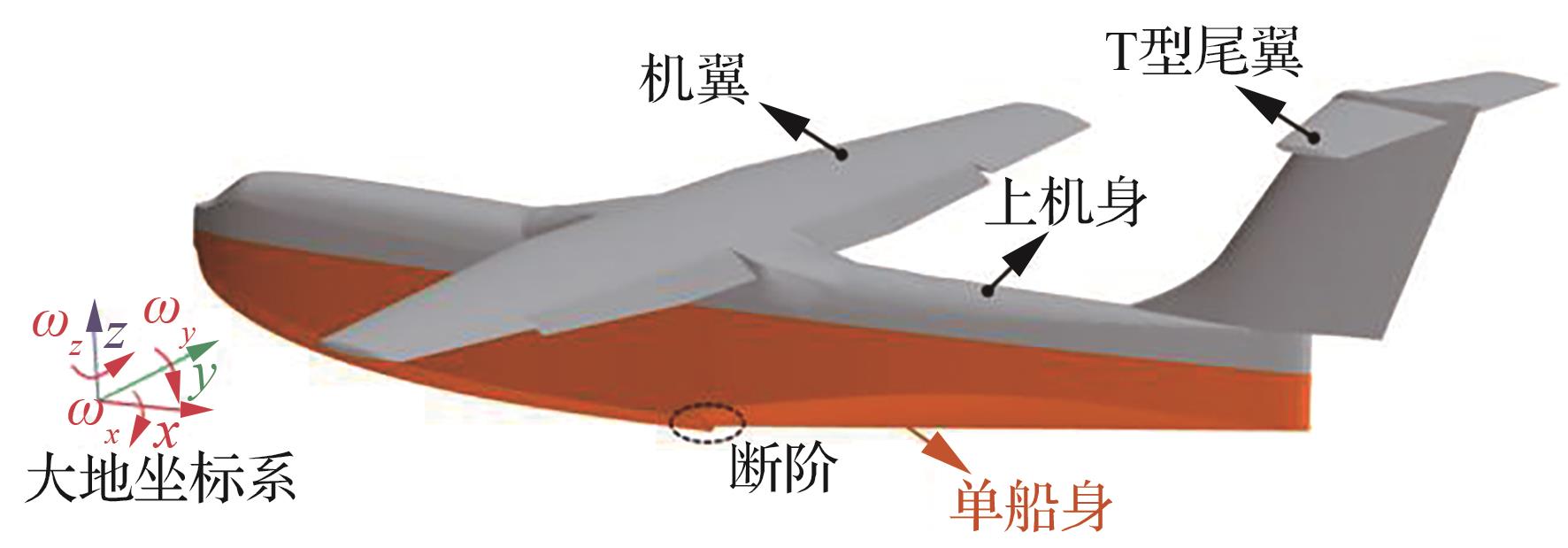
Fig.2
Force analysis of seaplane
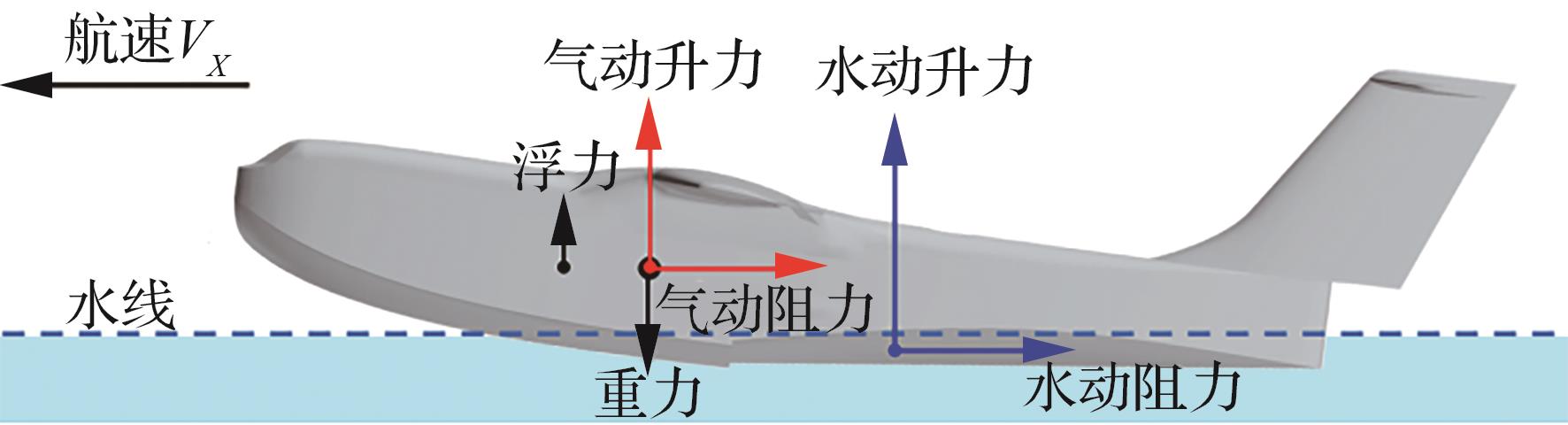
Fig.3
Still water domain and boundary conditions
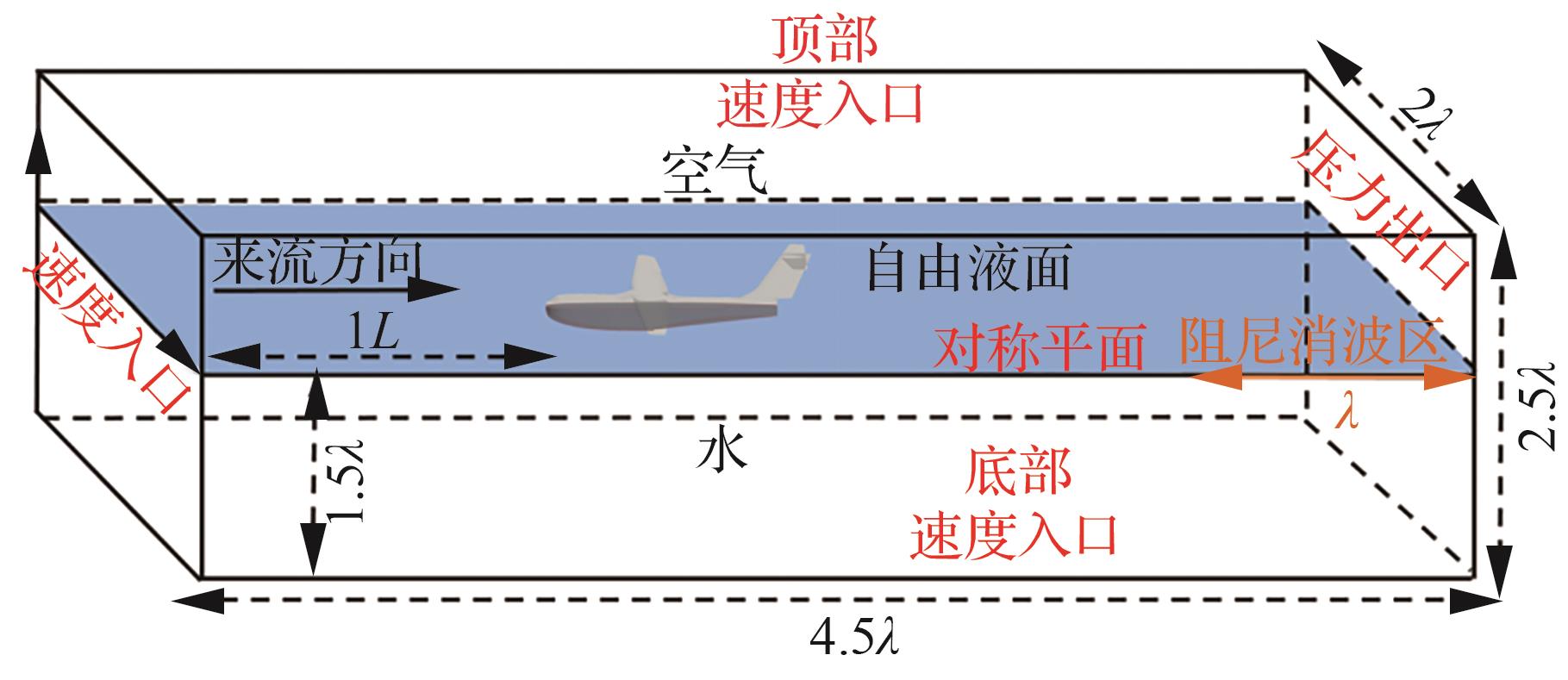
Fig.4
Mesh division
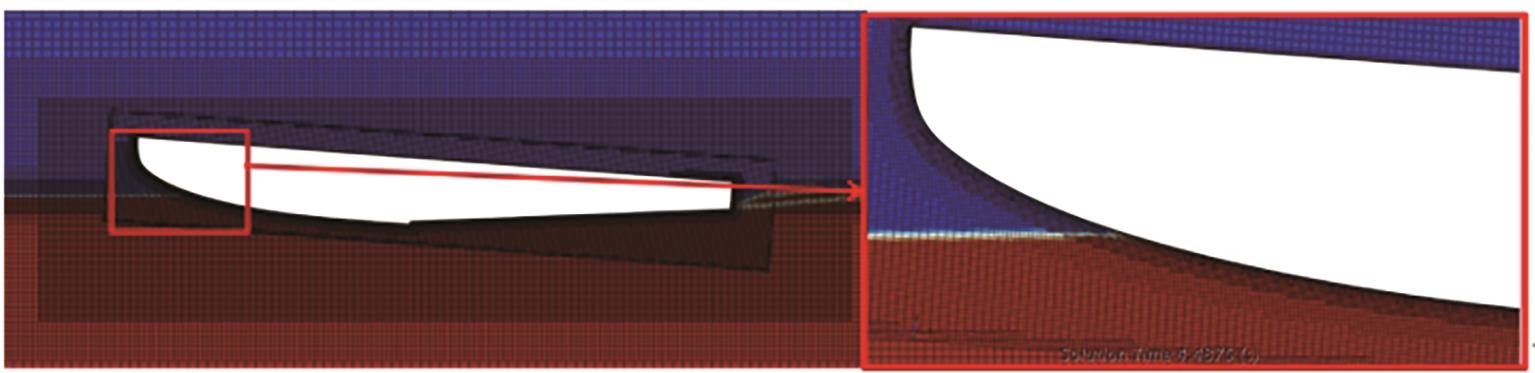
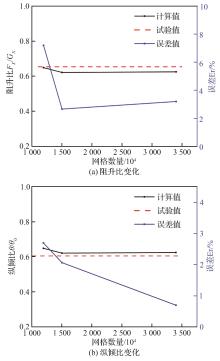
Fig.5
Mesh independent verification
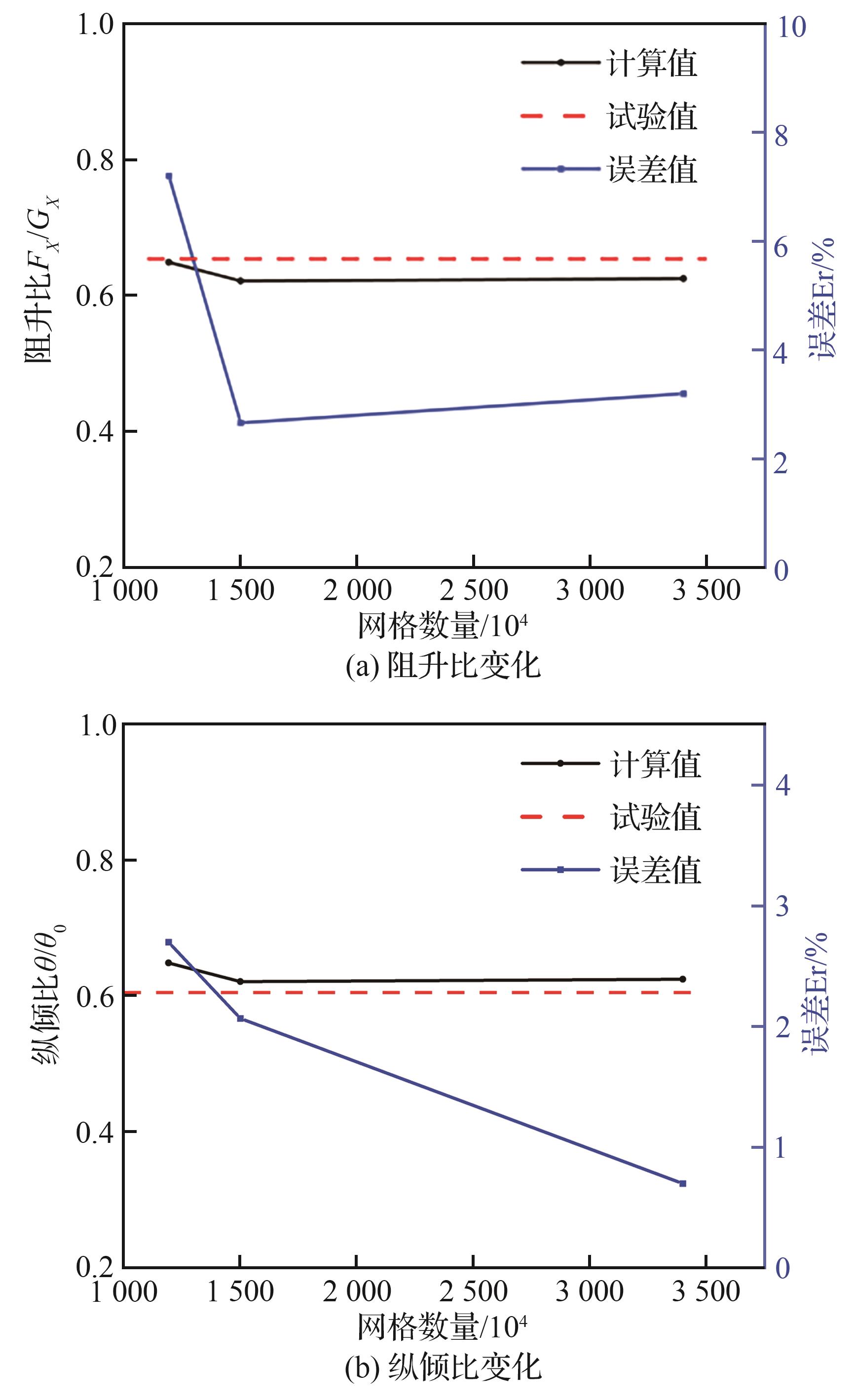
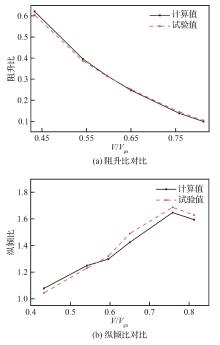
Fig.6
Validation of numerical calculation method
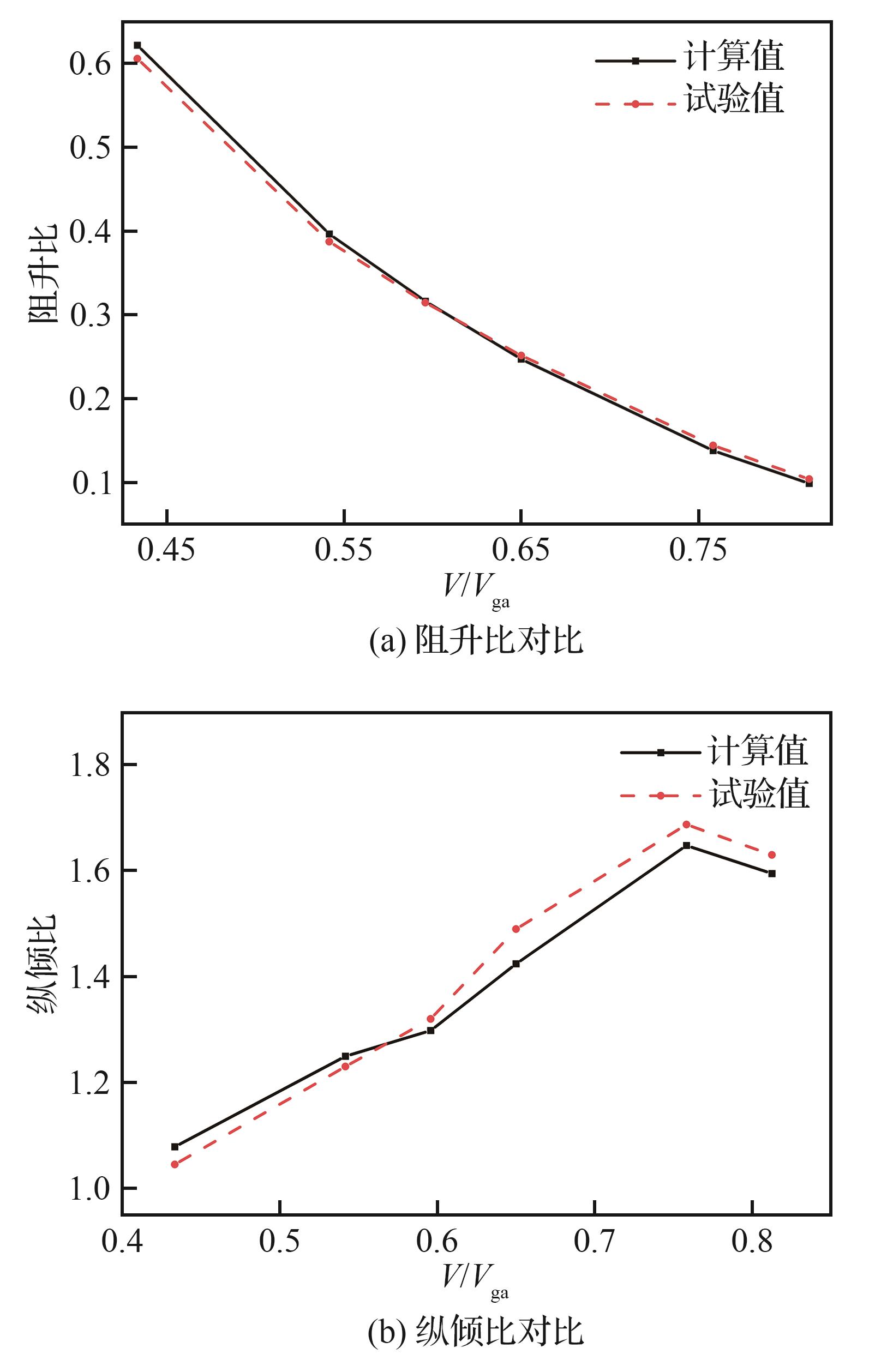
Fig.7
Comparison of experiment and simulation free surface wave in still water environment
Fig.8
Schematic of numerical wave generation effect
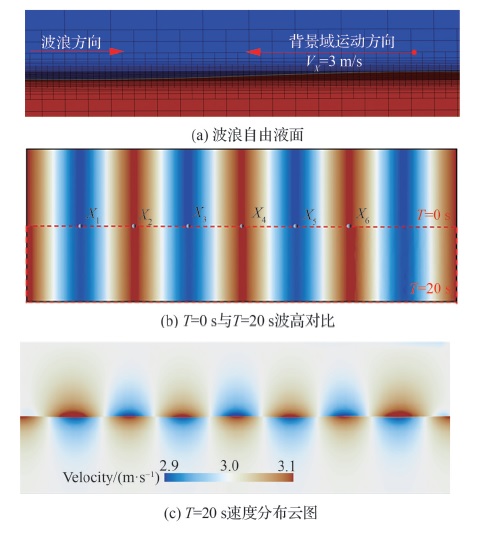
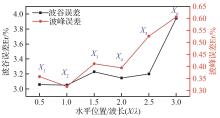
Fig.9
Wave height error of monitoring point
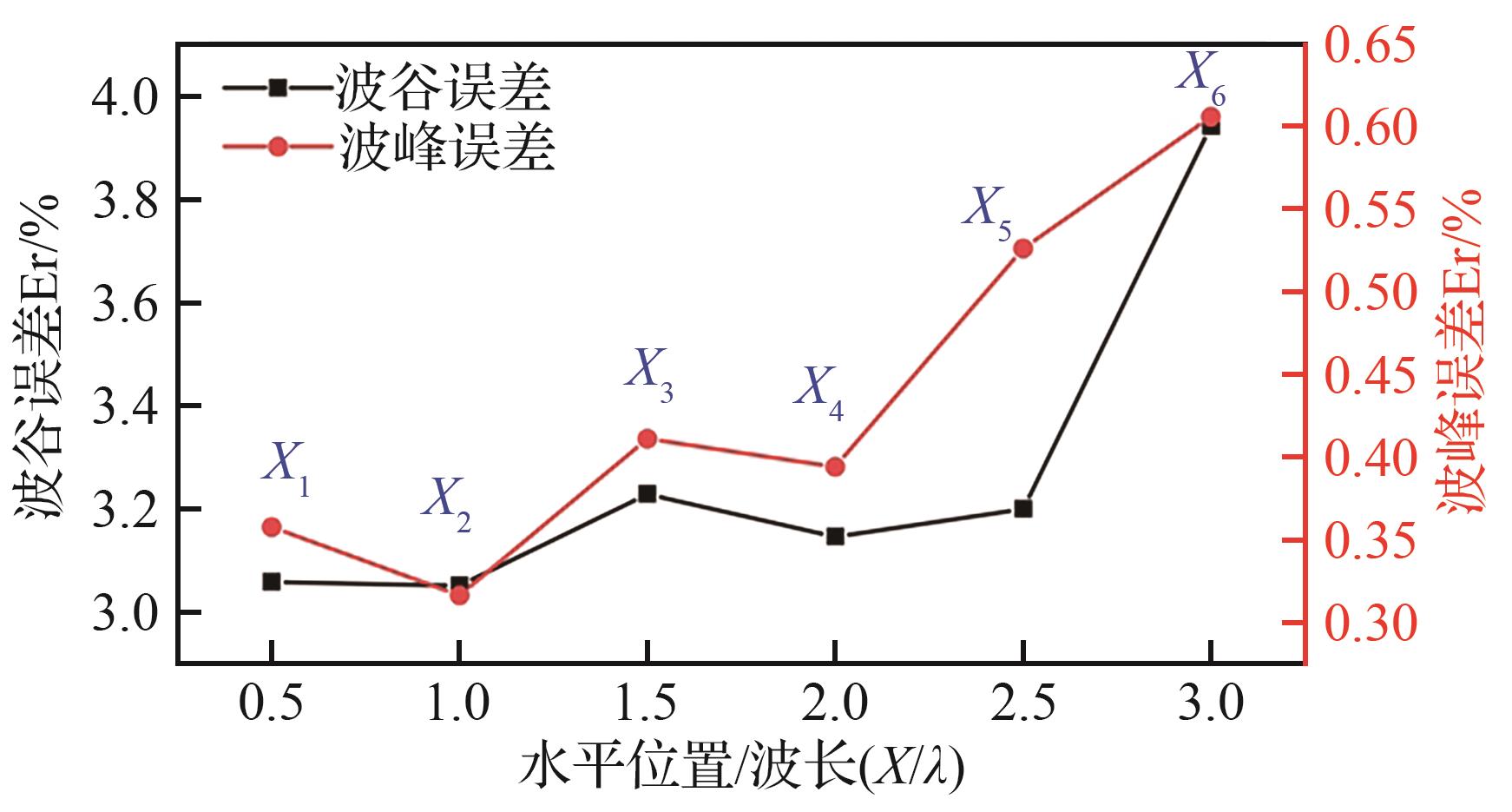
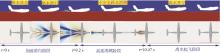
Fig.10
Free surface distribution during take-off in still water environment
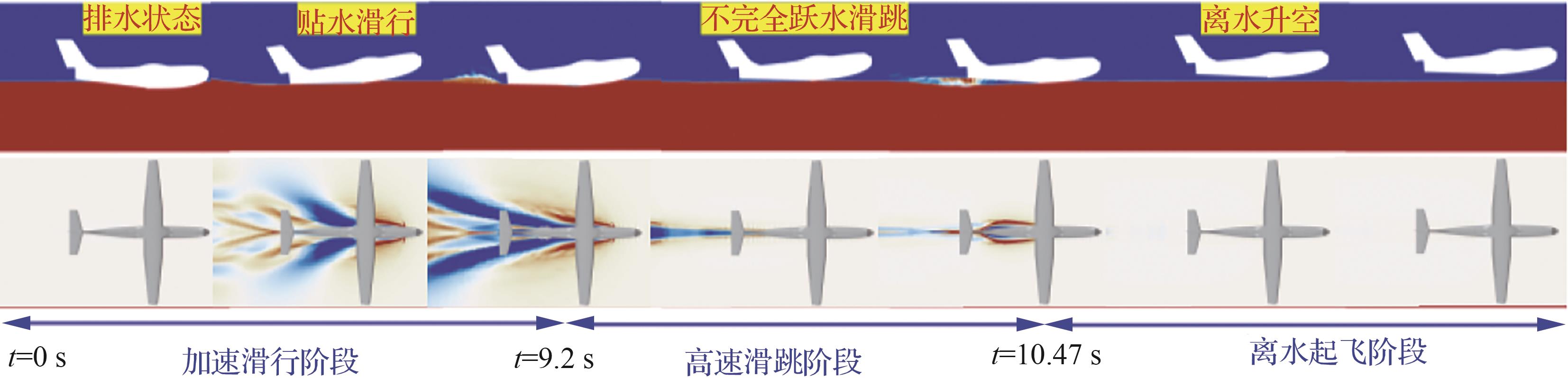
Fig.11
Typical wave height distribution during take-off in still water environment
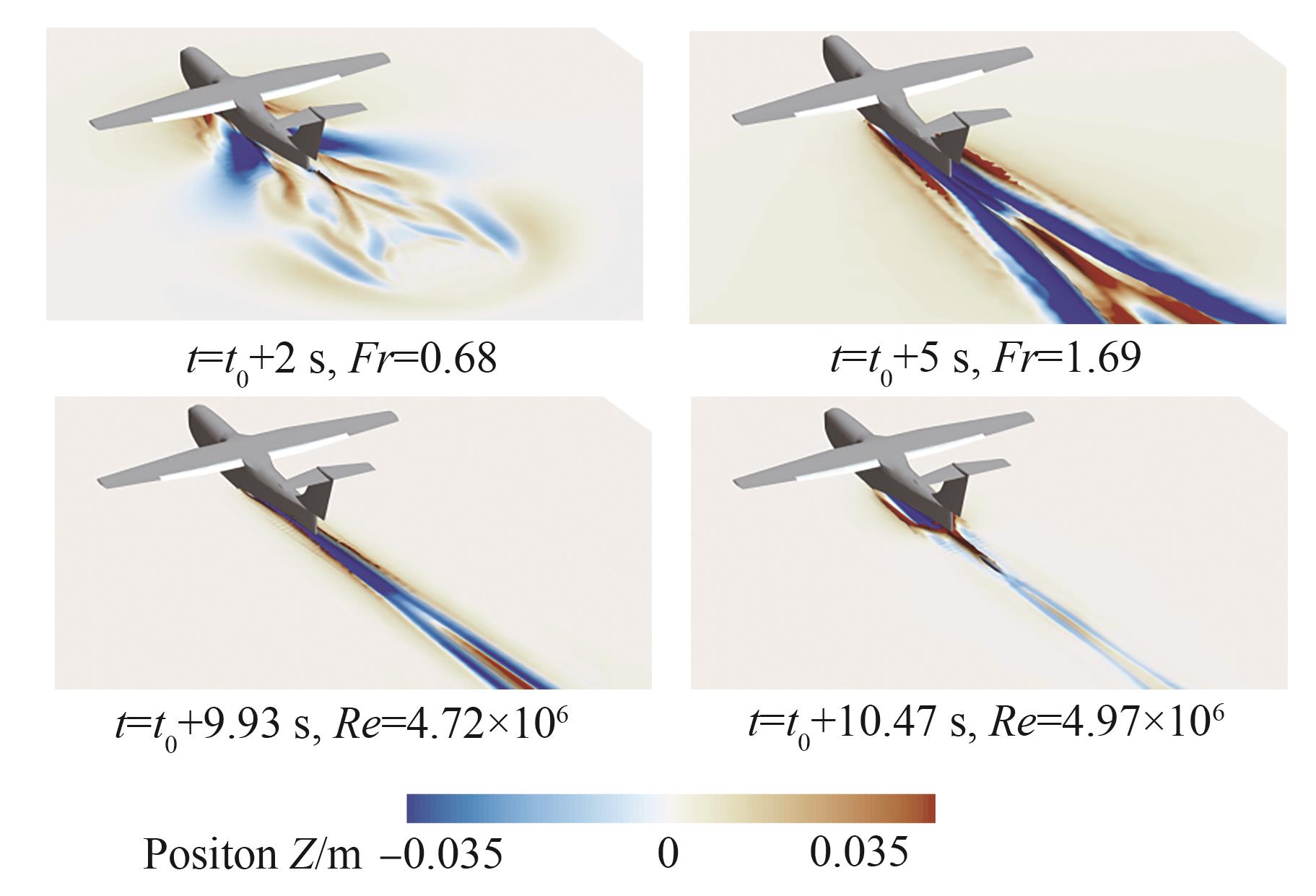
Fig.12
Lift and typical pressure characteristic of seaplane during take-off in still water environment
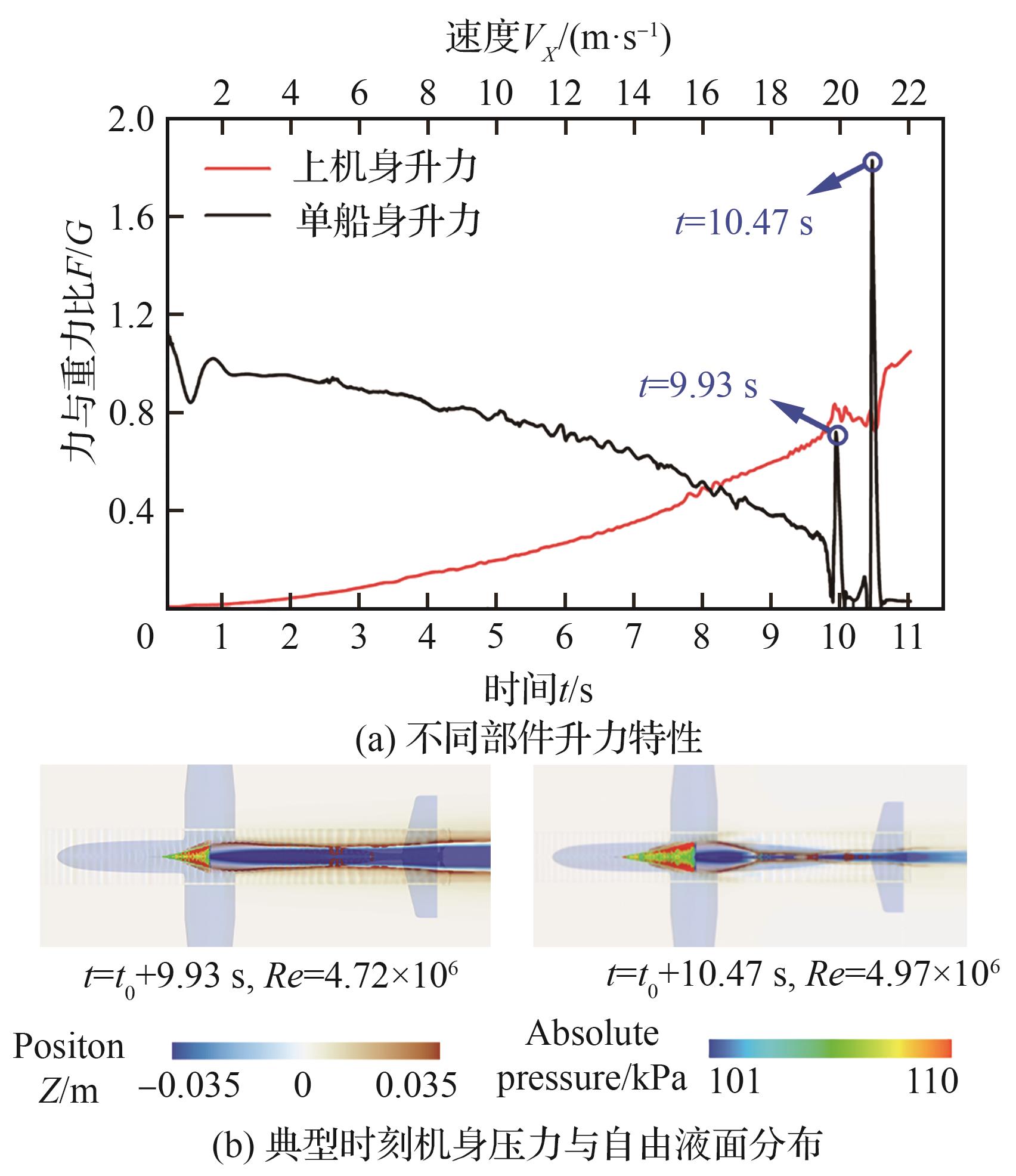
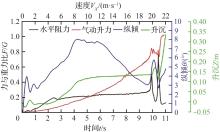
Fig.13
Variation of various motion parameters during take-off in still water environment
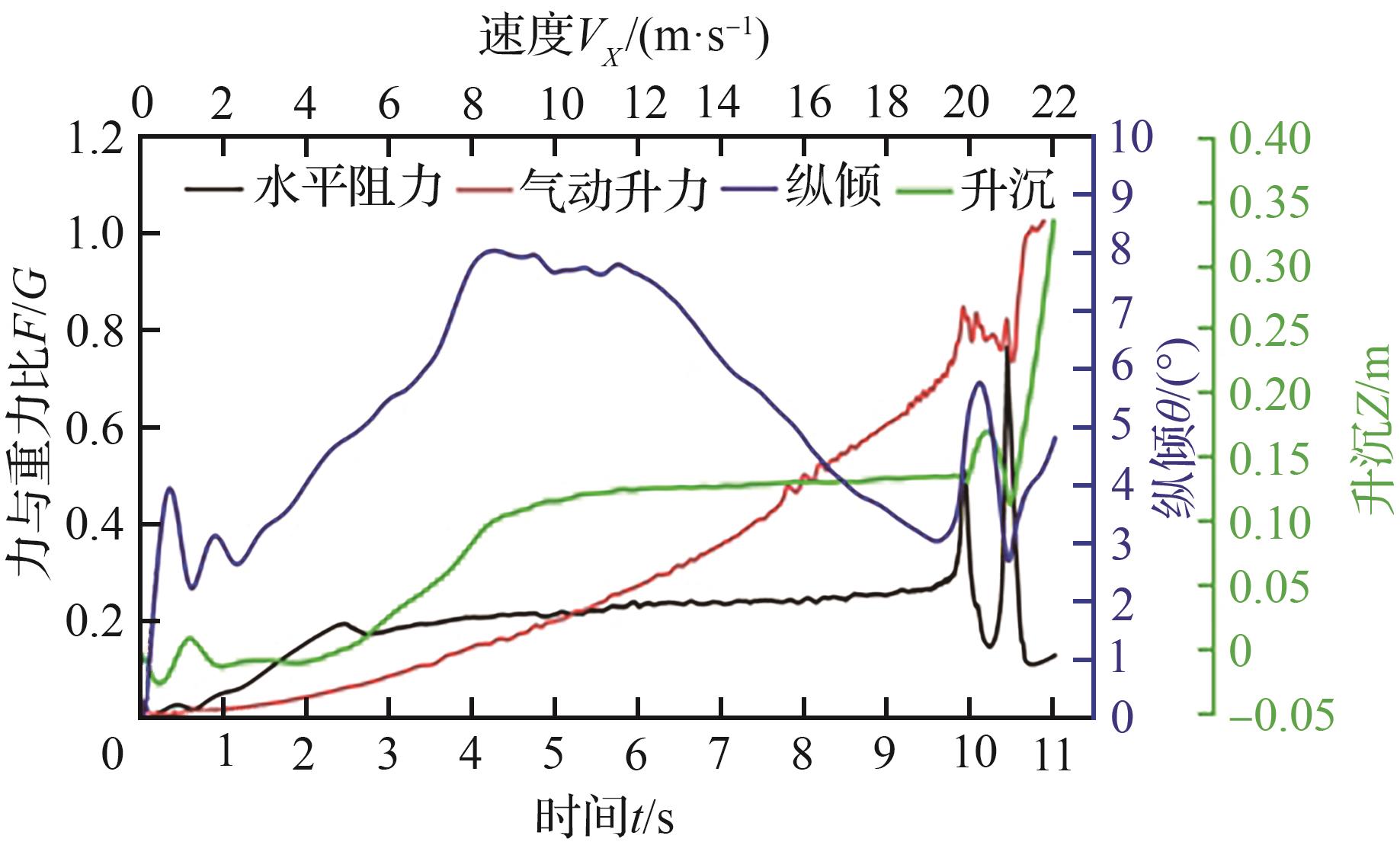
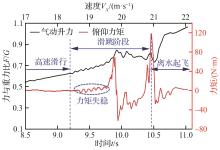
Fig.14
Variation of aerodynamic force and pitching moment during take-off in still water environment
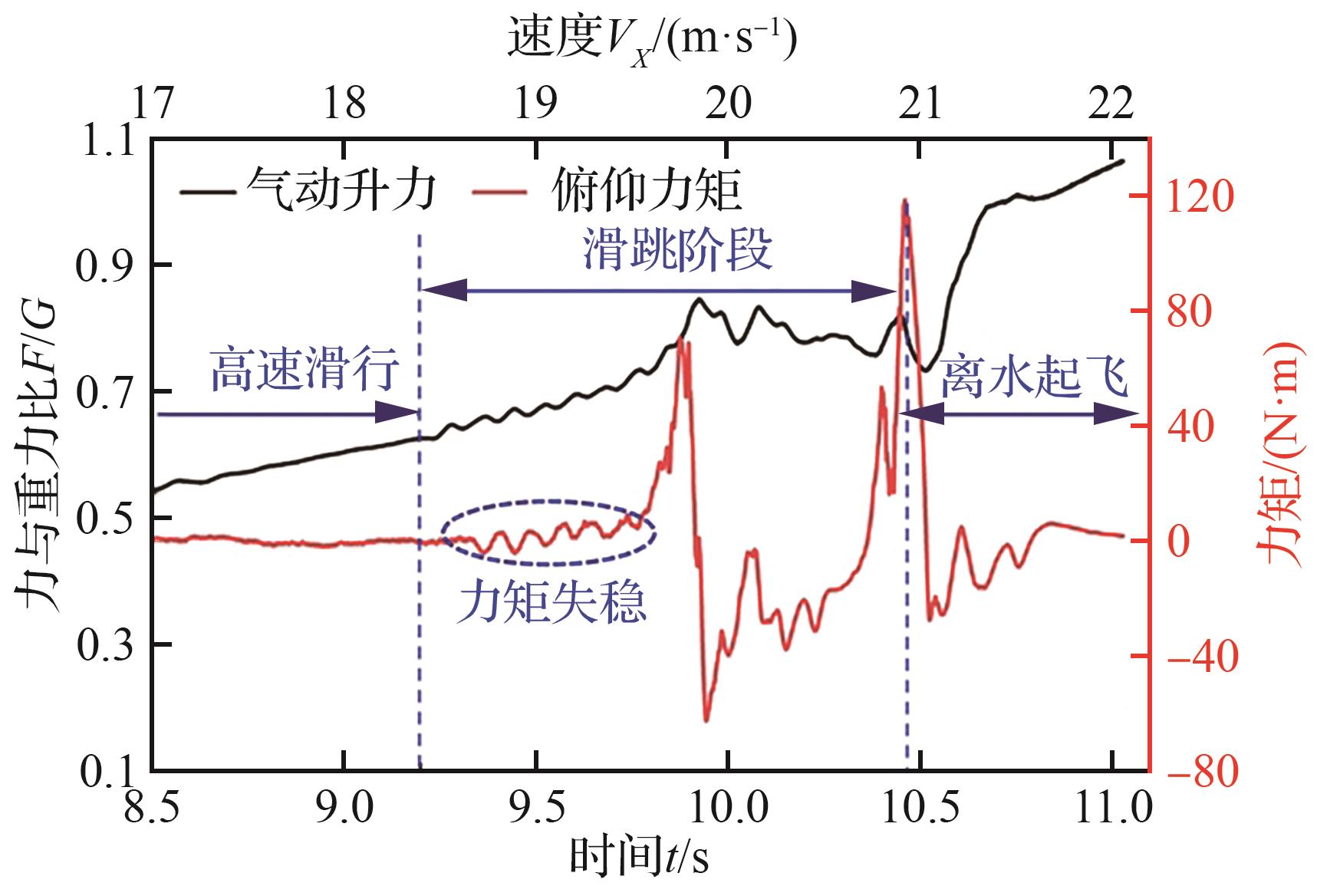
Fig.15
Typical velocity distribution at Y=0.5 m during take-off in still water environment
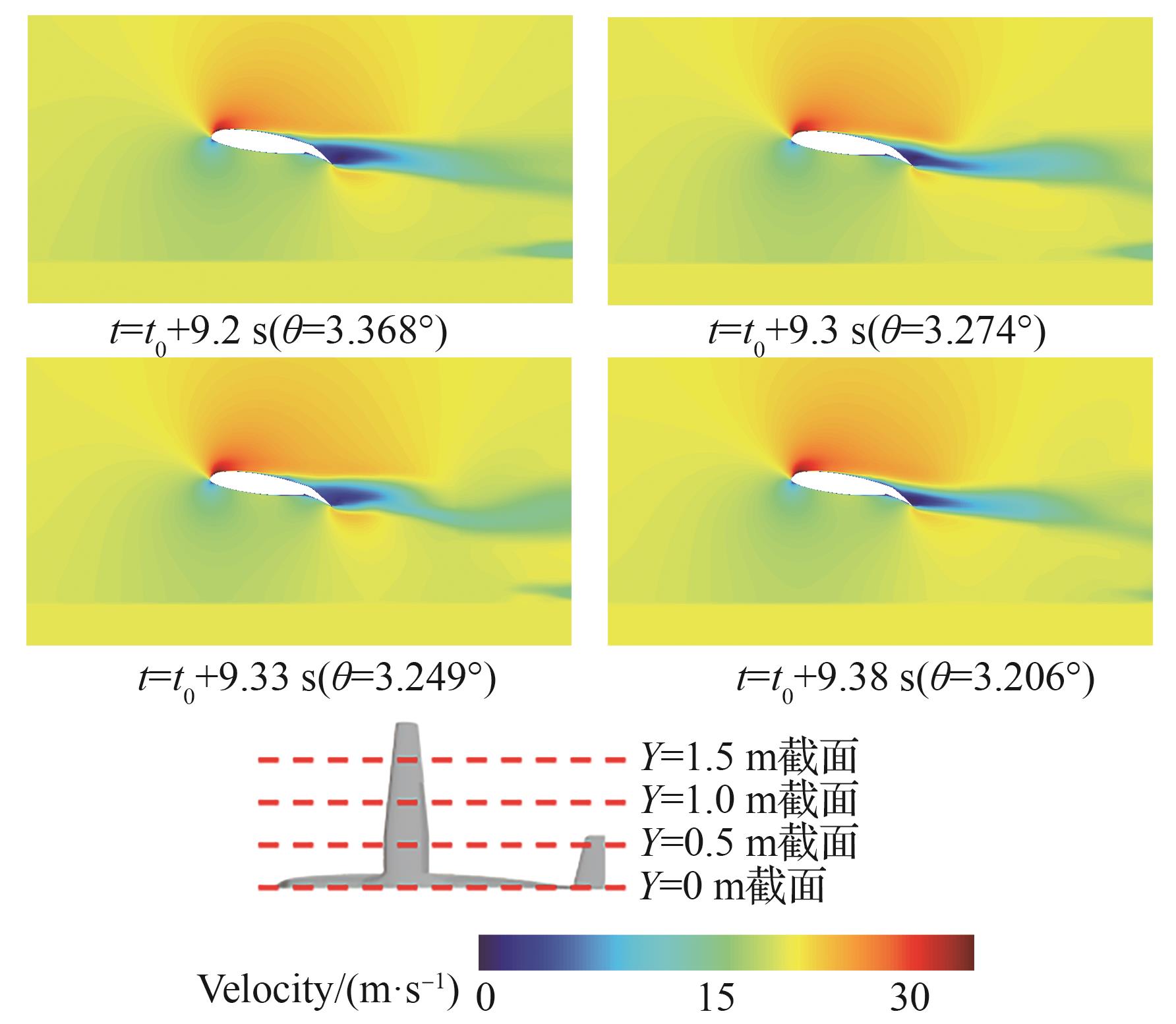
Fig.16
Typical streamline distribution at Y=0.5 m during take-off in still water environment
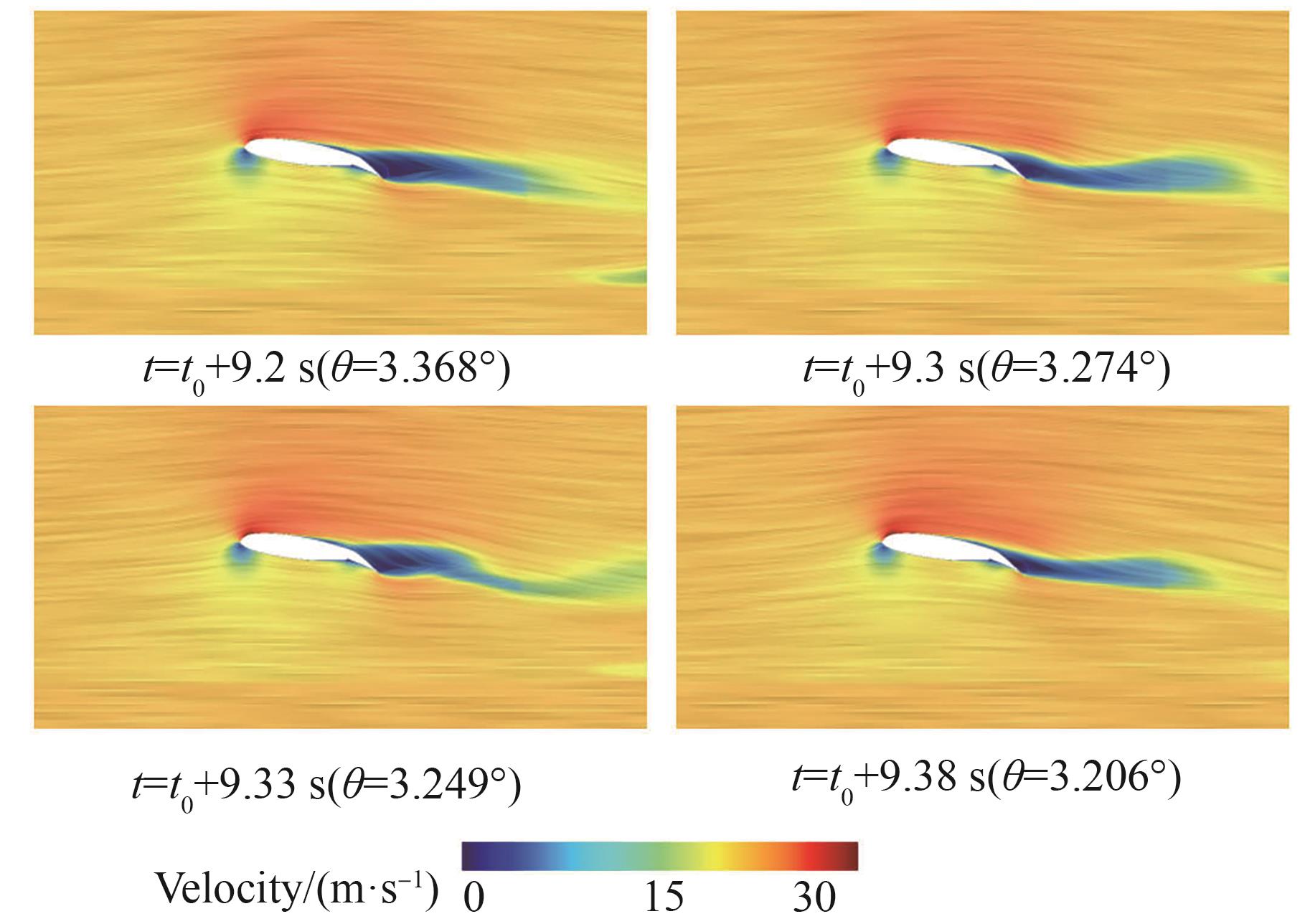
Fig.17
Typical vorticity distribution at Y=0.5 m during take-off in still water environment
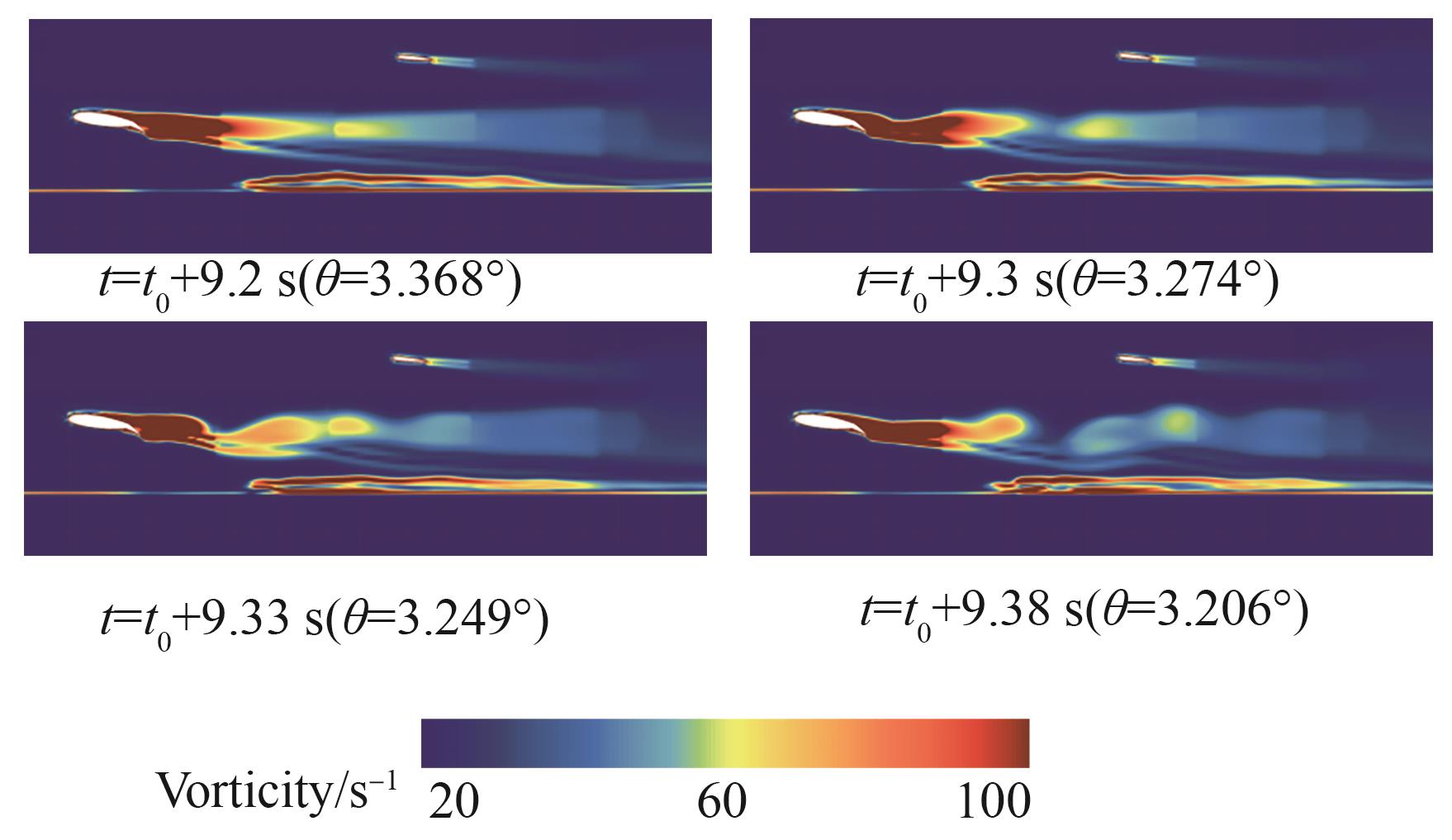
Fig.18
Free surface distribution during take-off in wave environment
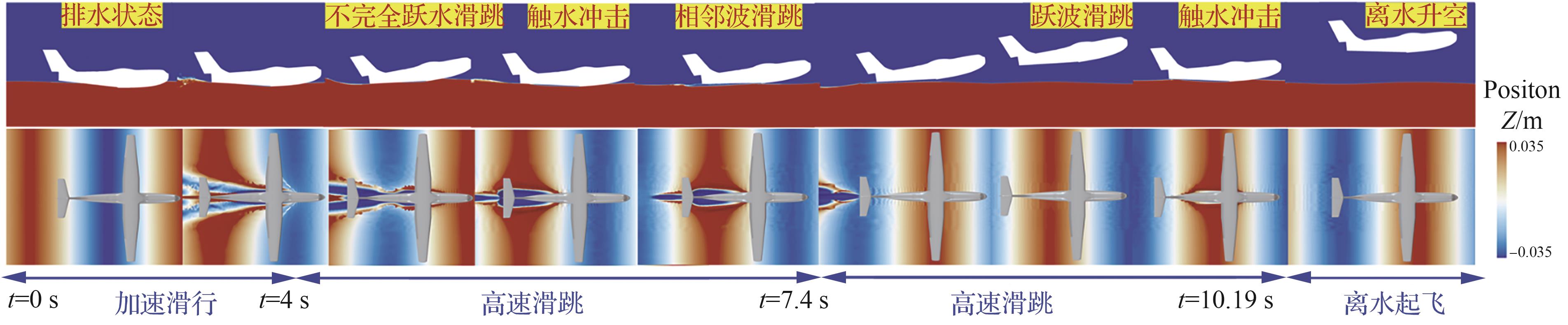
Fig.19
Typical wave height during take-off at wave length 5 m and wave height 0.07 m
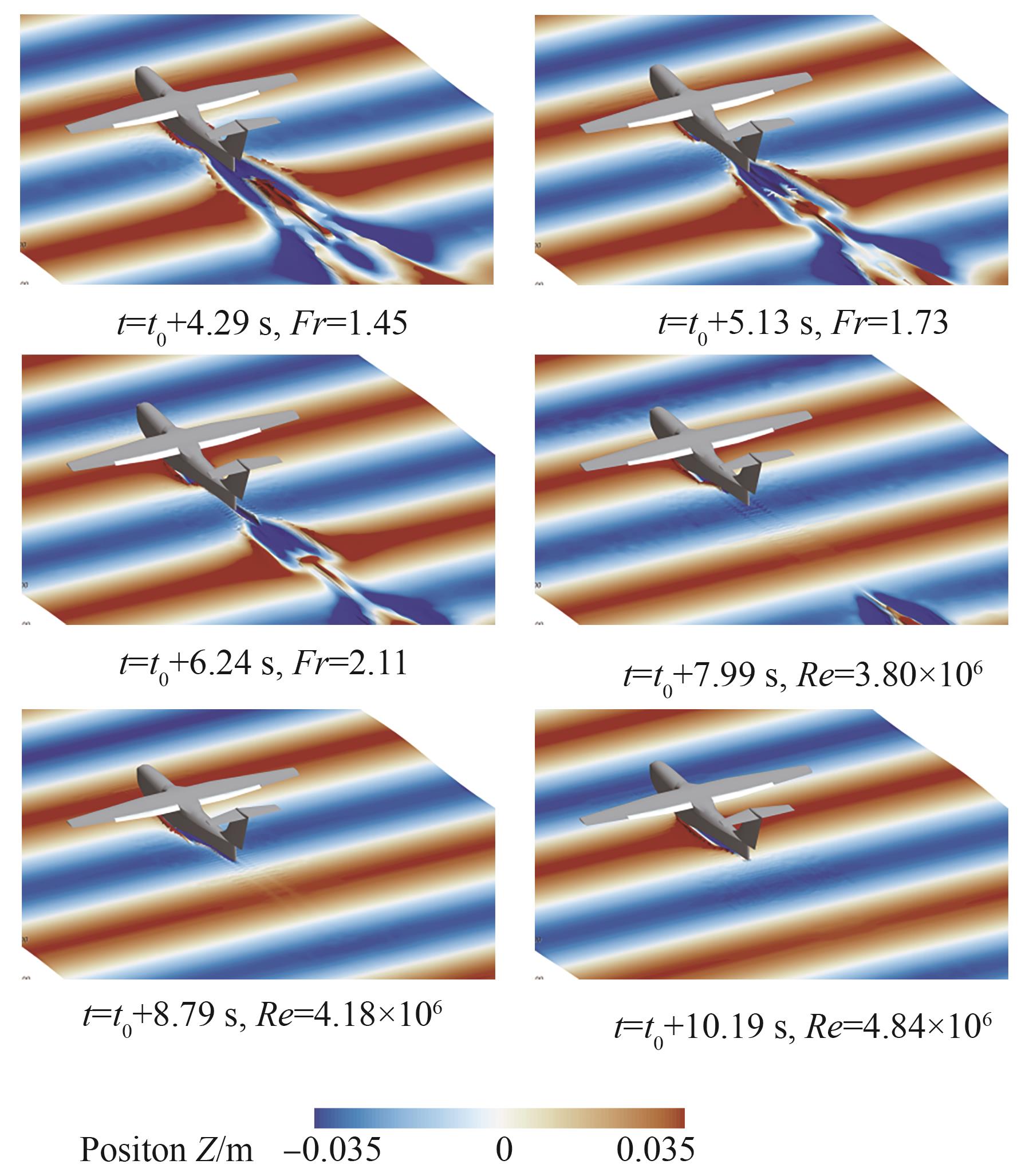
Fig.20
Variation in resistance and vertical load during take-off at wave length 5 m and wave height 0.07 m
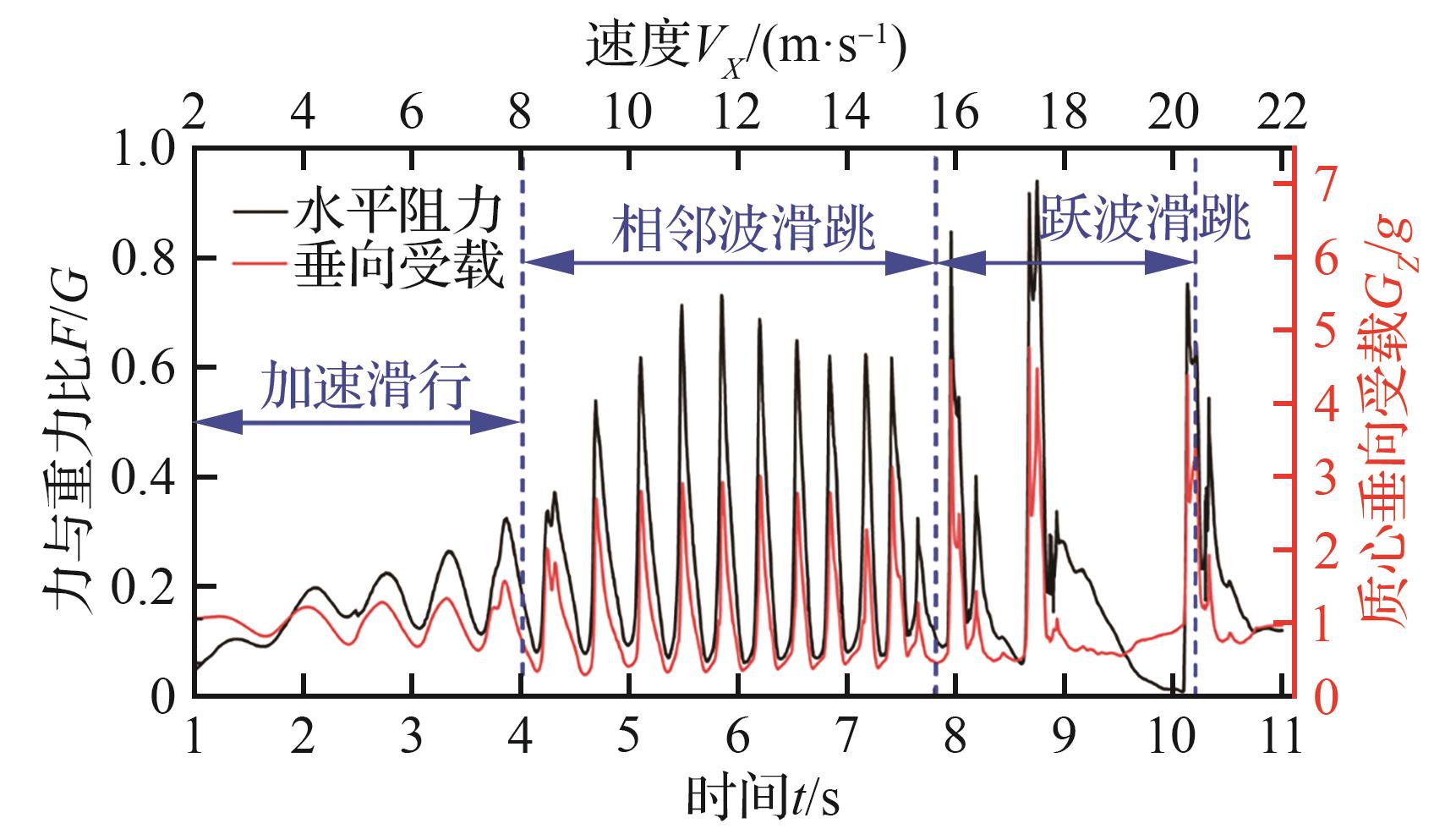
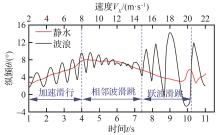
Fig.21
Comparison of trim variation between still water and wave environment
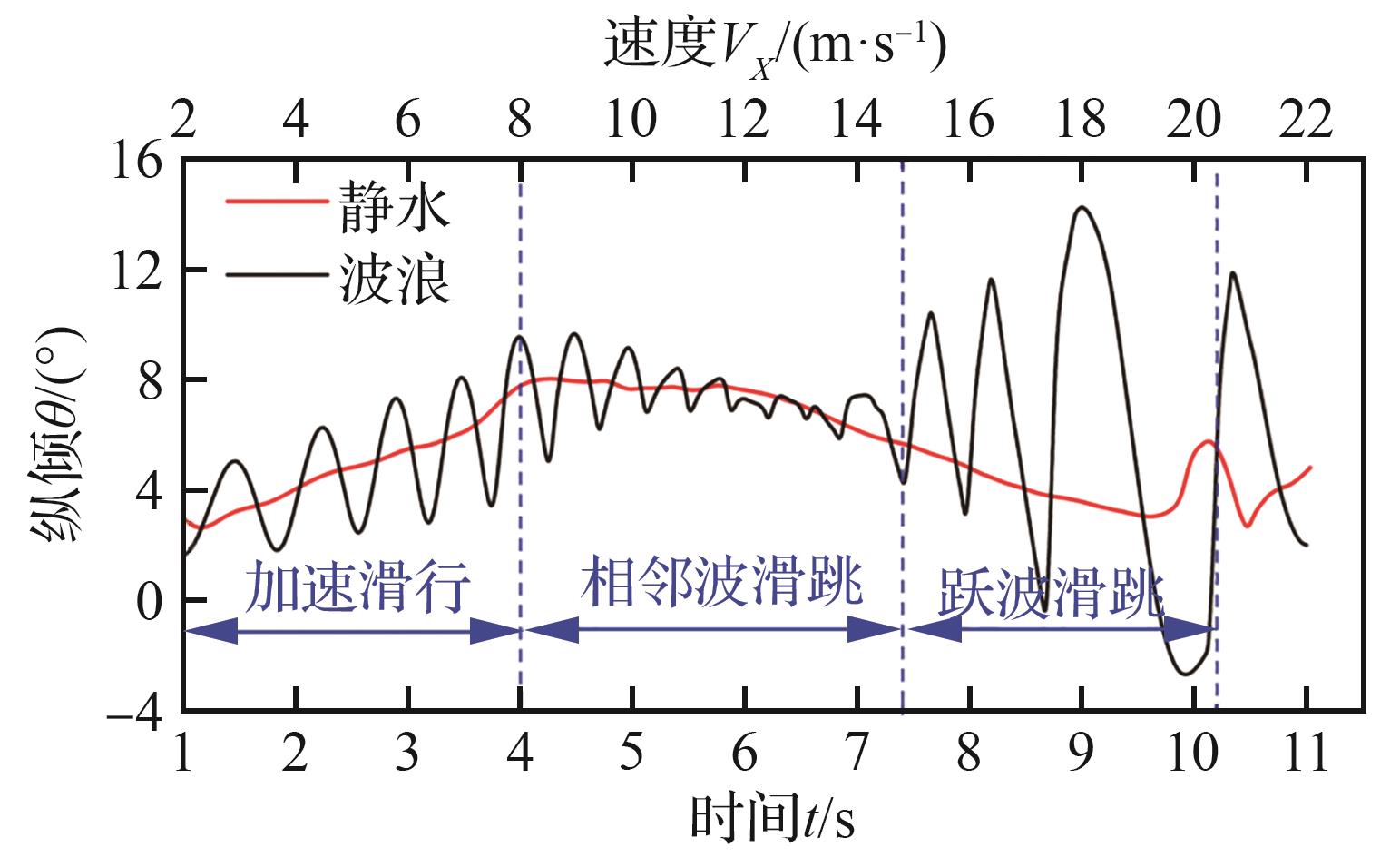
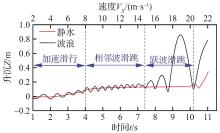
Fig.22
Comparison of heave variation between still water and wave environment
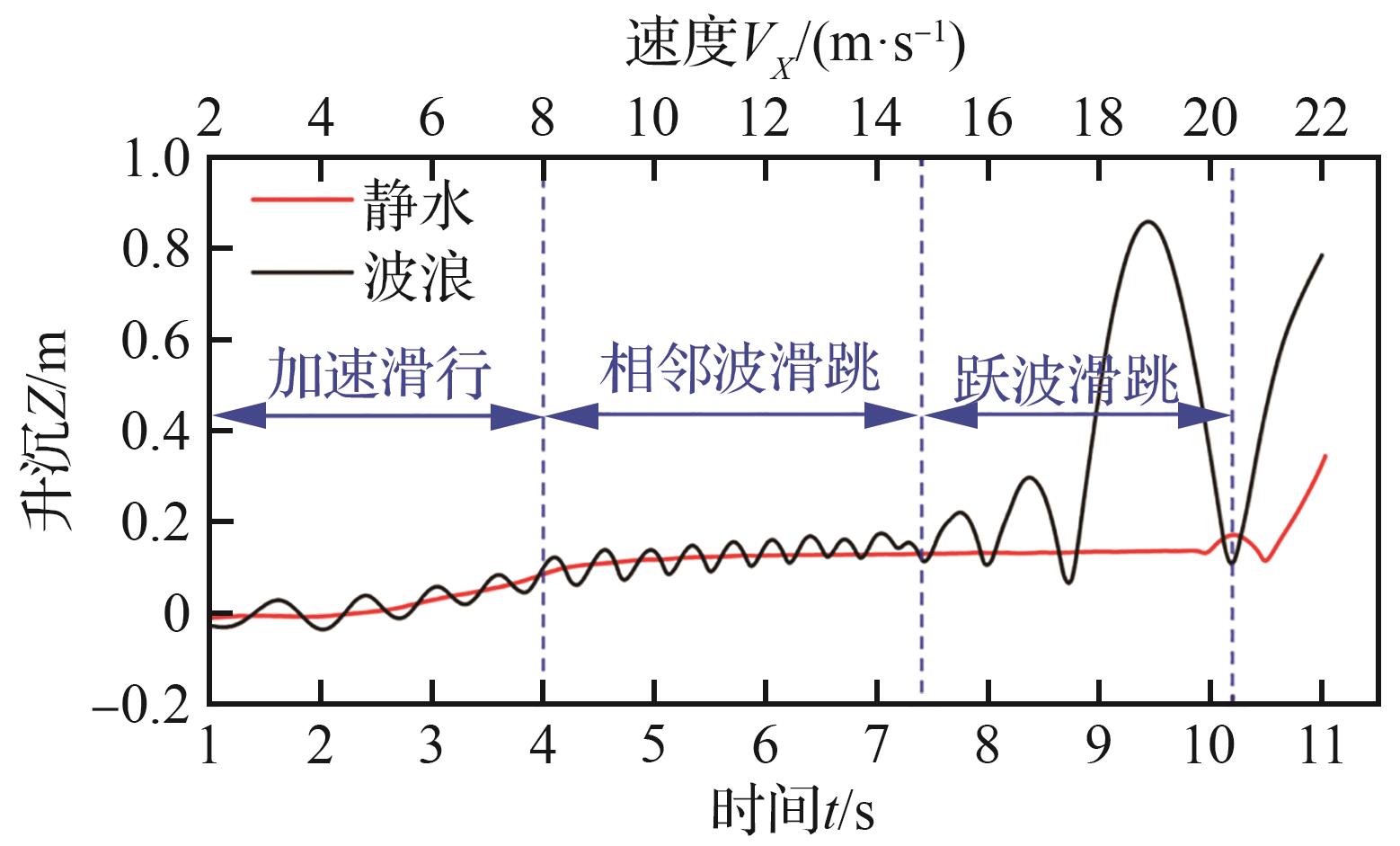
Fig.23
Free surface distribution during landing in still water environment
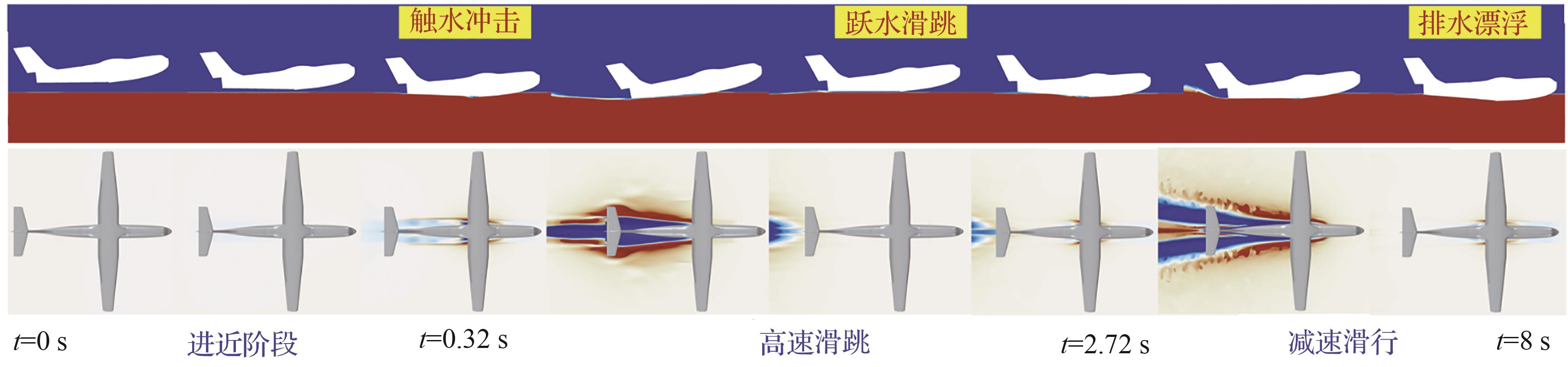
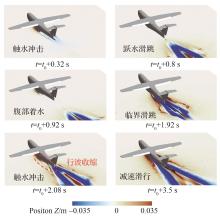
Fig.24
Typical wave height distribution during landing in still water environment
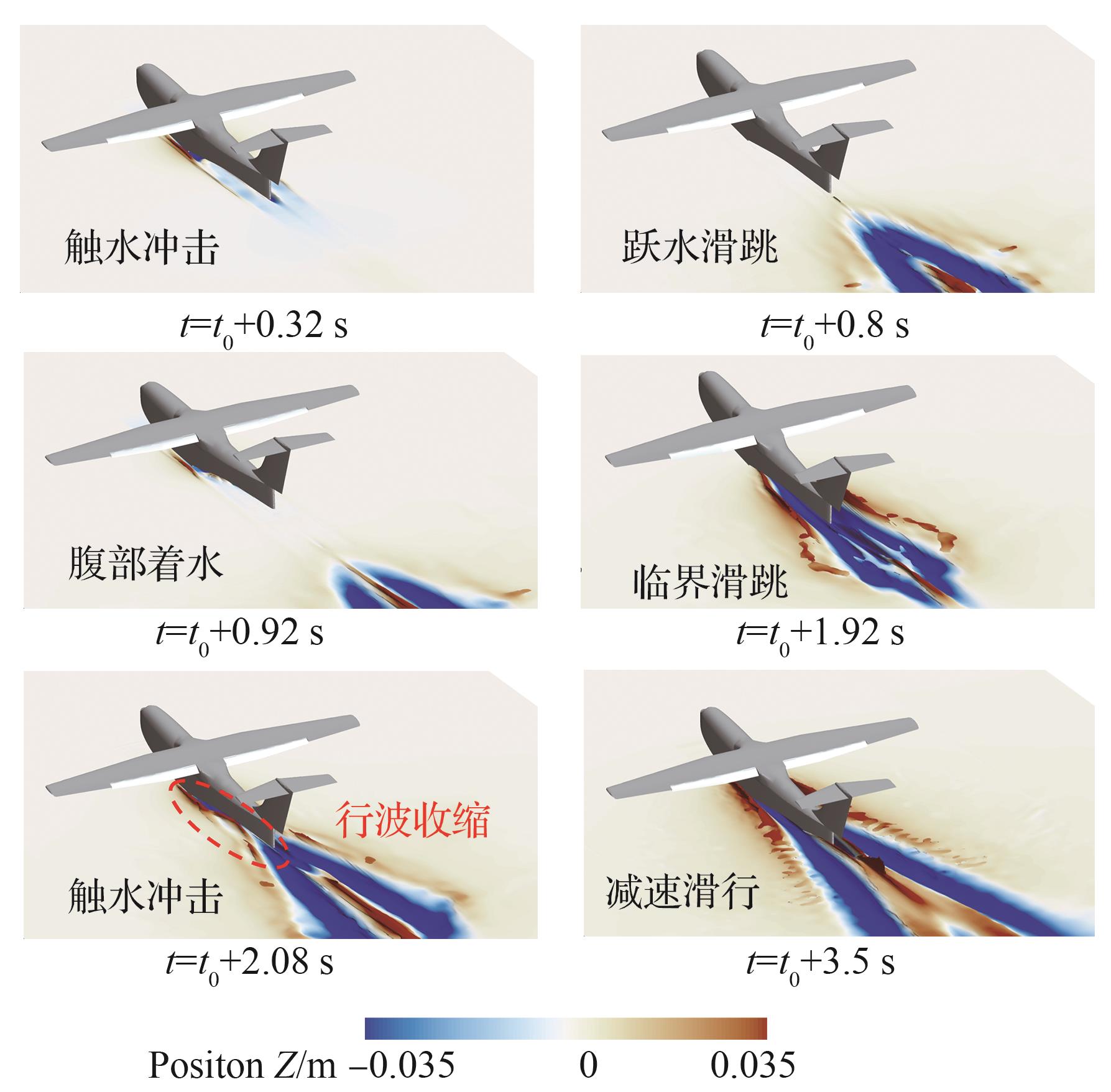
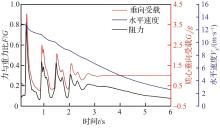
Fig.25
Variation of resistance, vertical load and horizontal velocity during landing in still water environment
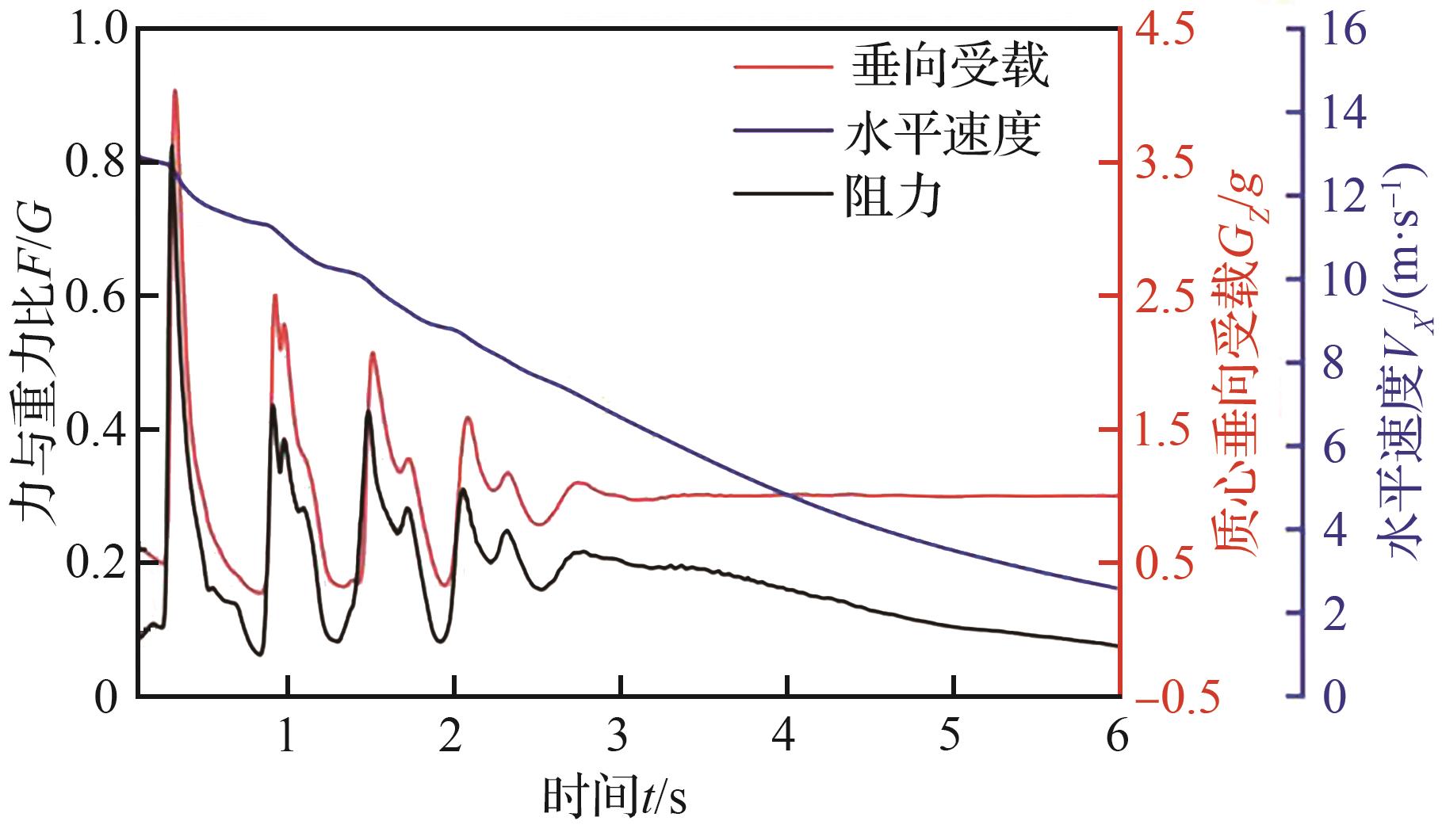
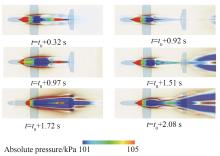
Fig.26
Typical fuselage pressure distribution during landing in still water environment
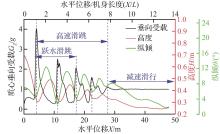
Fig.27
Variation of vertical load, heave and trim with horizontal displacement in still water environment
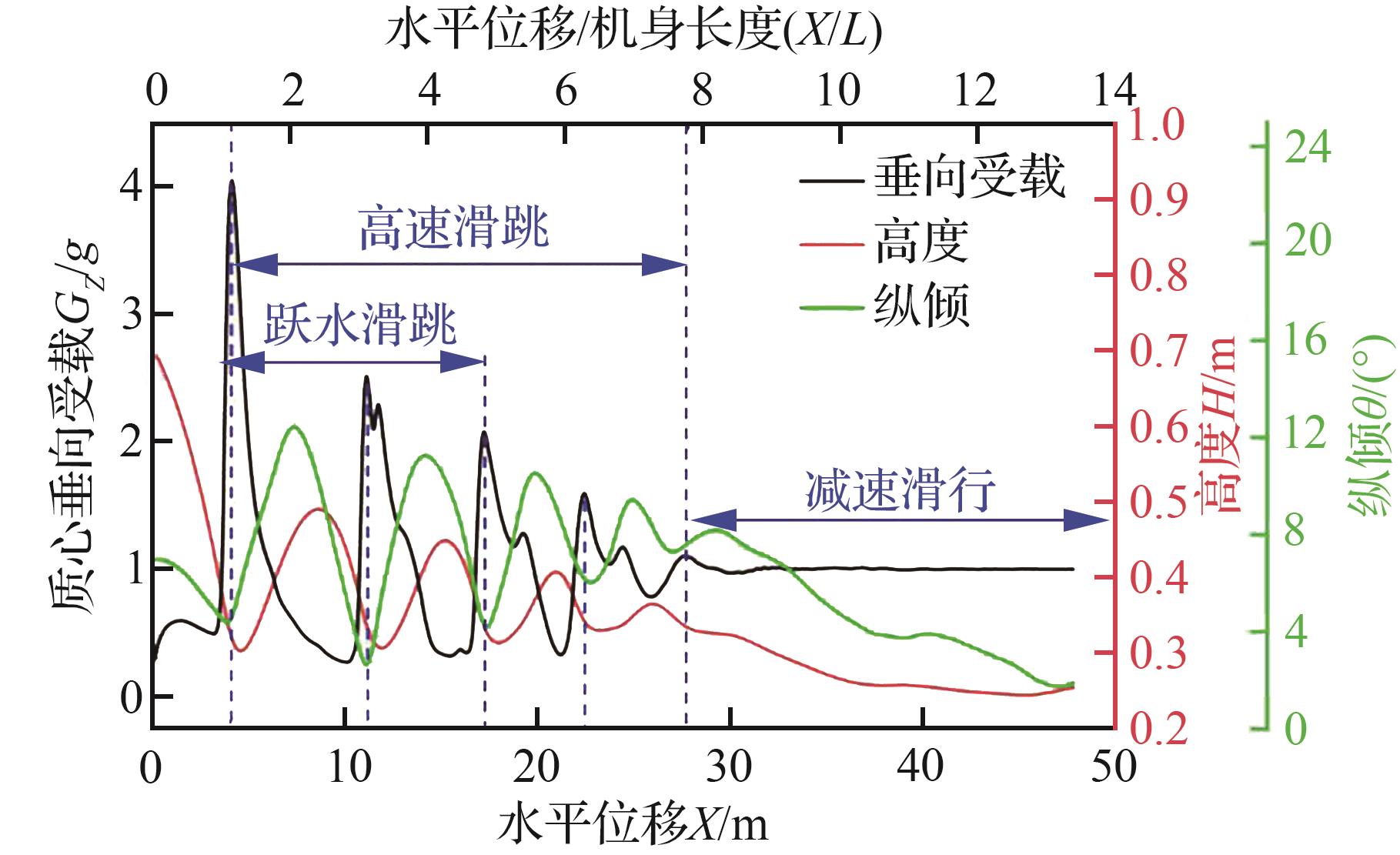
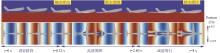
Fig.28
Free surface distribution during landing in wave environment
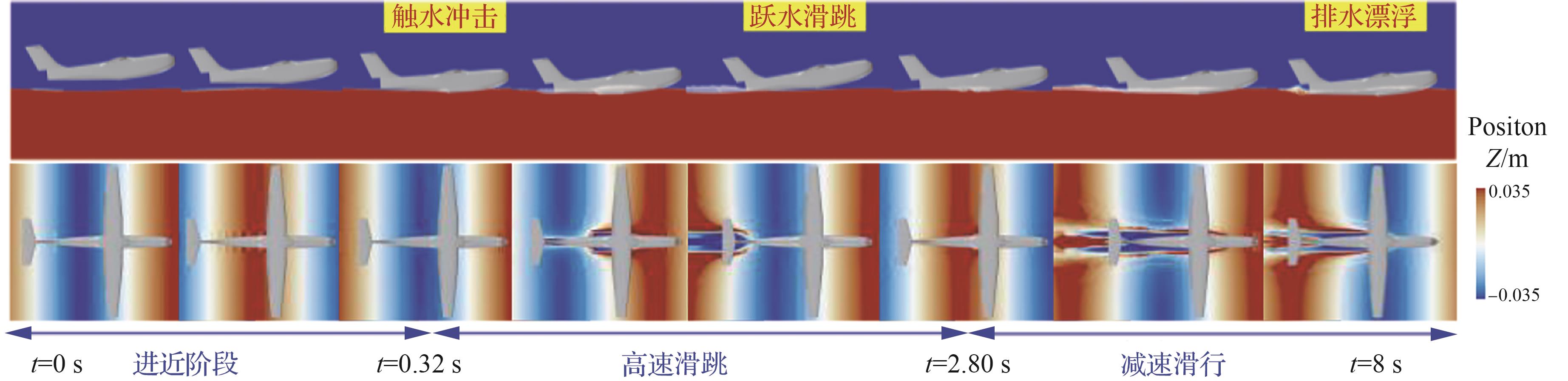
Fig.29
Typical wave height distribution during landing in wave environment
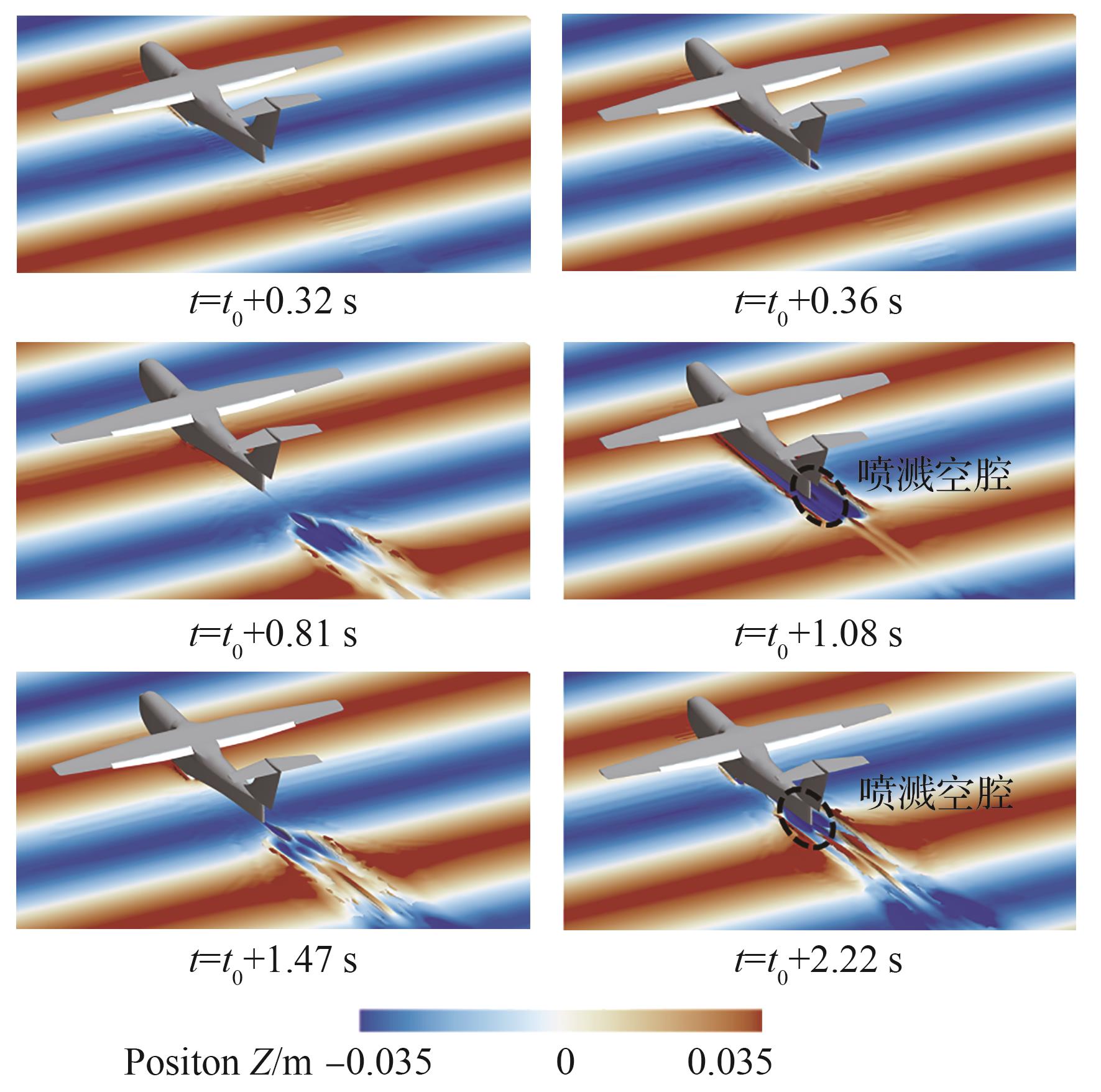
Fig.30
Typical fuselage pressure distribution during landing in wave environment
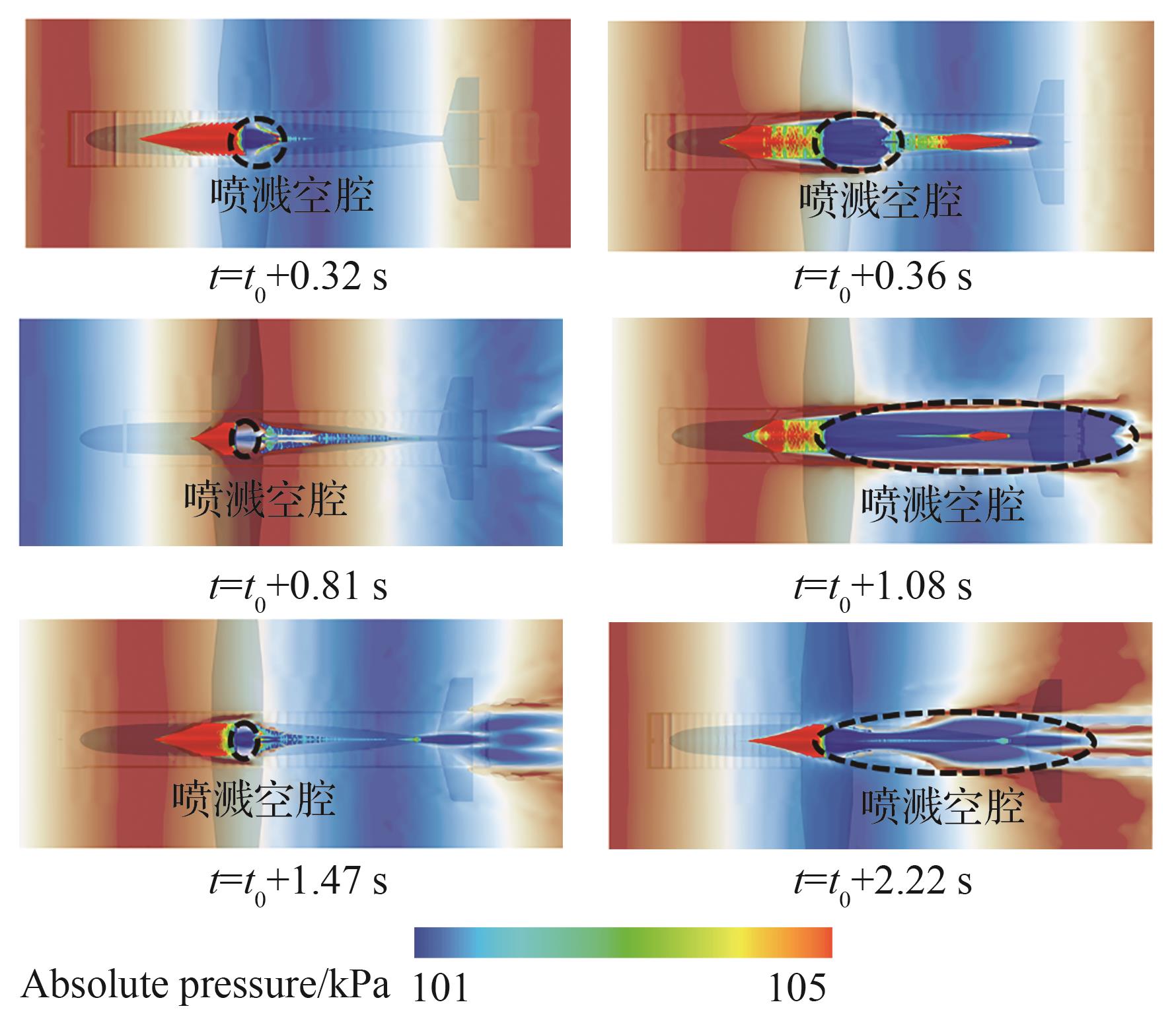
Fig.31
Comparison of fuselage vertical load variation during landing
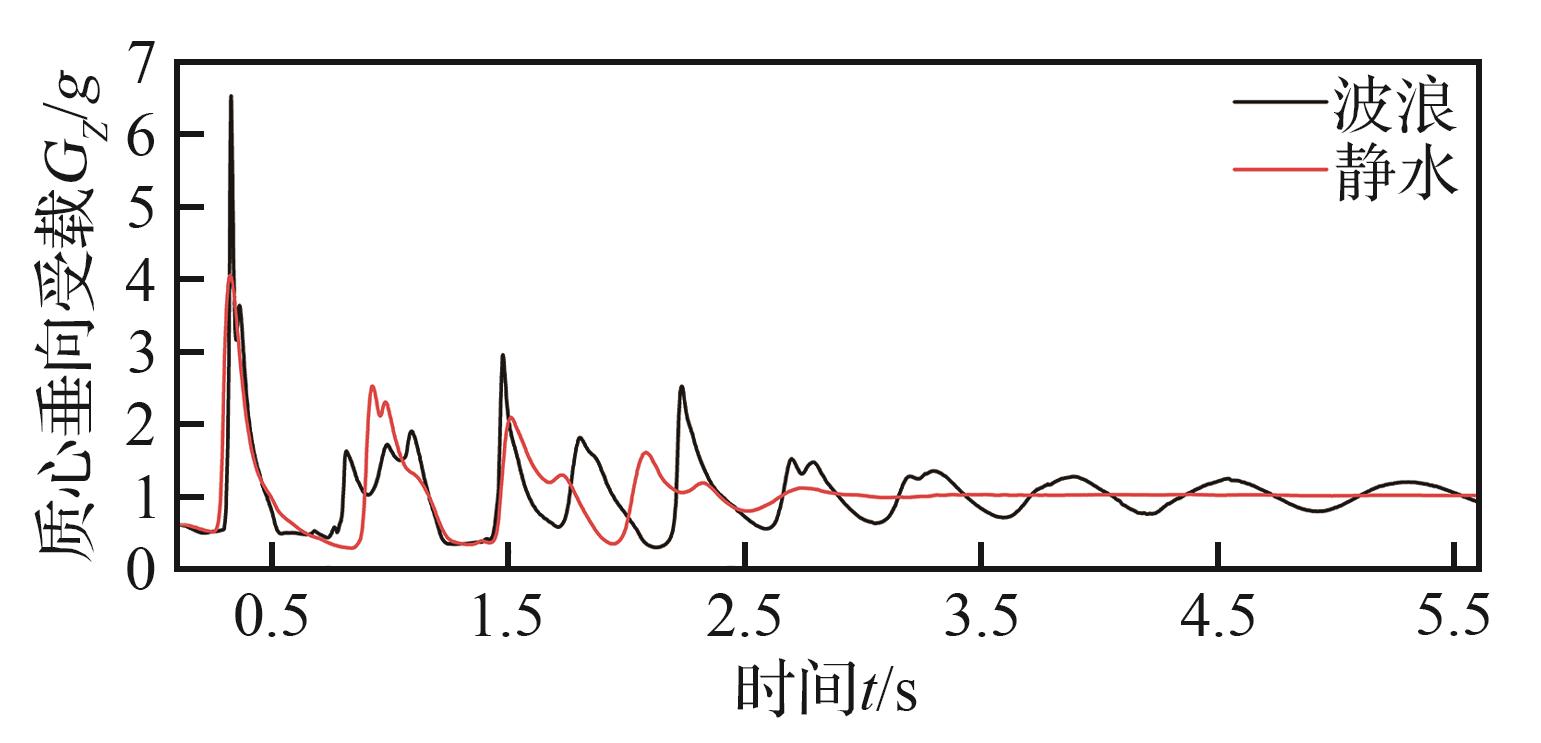
Fig.32
Comparison of fuselage resistance and velocity variation during landing
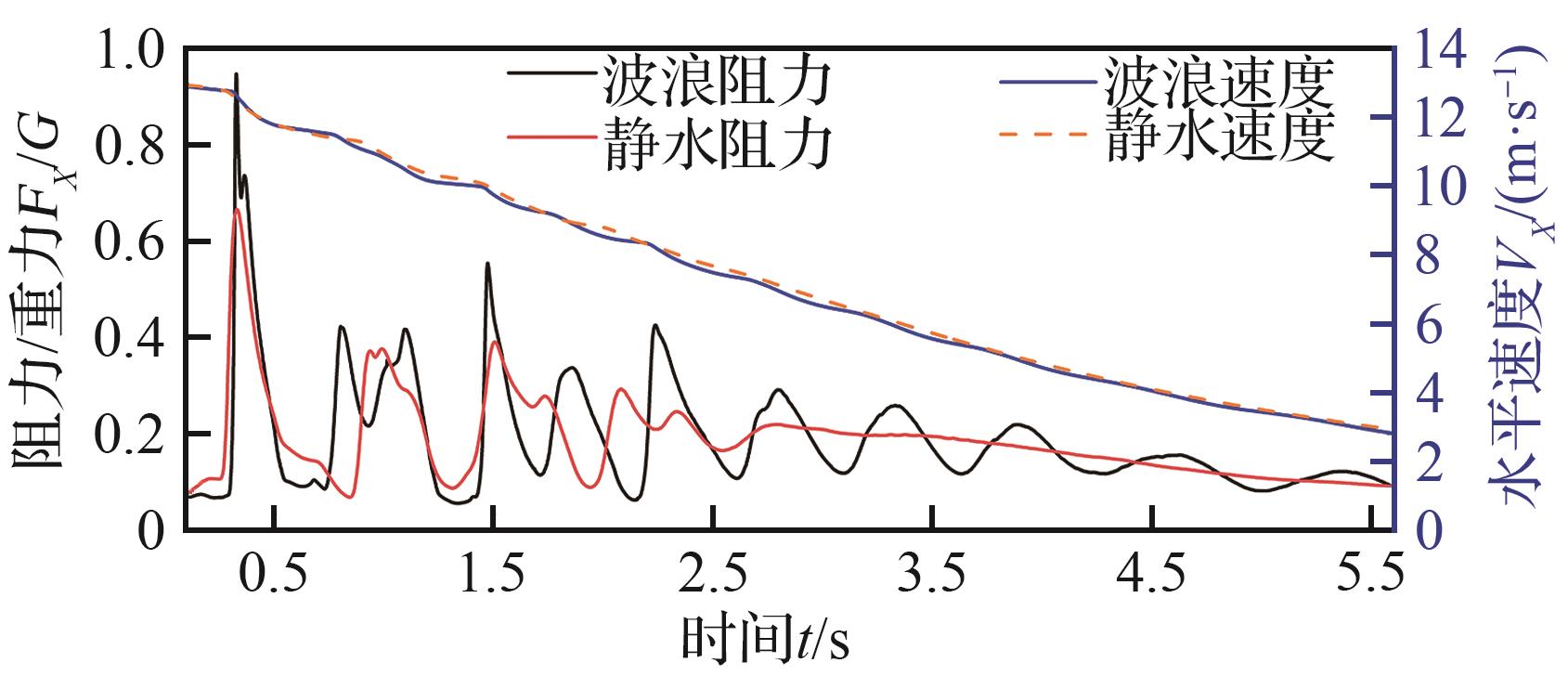
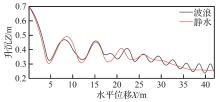
Fig.33
Comparison of fuselage motion trajectory during landing
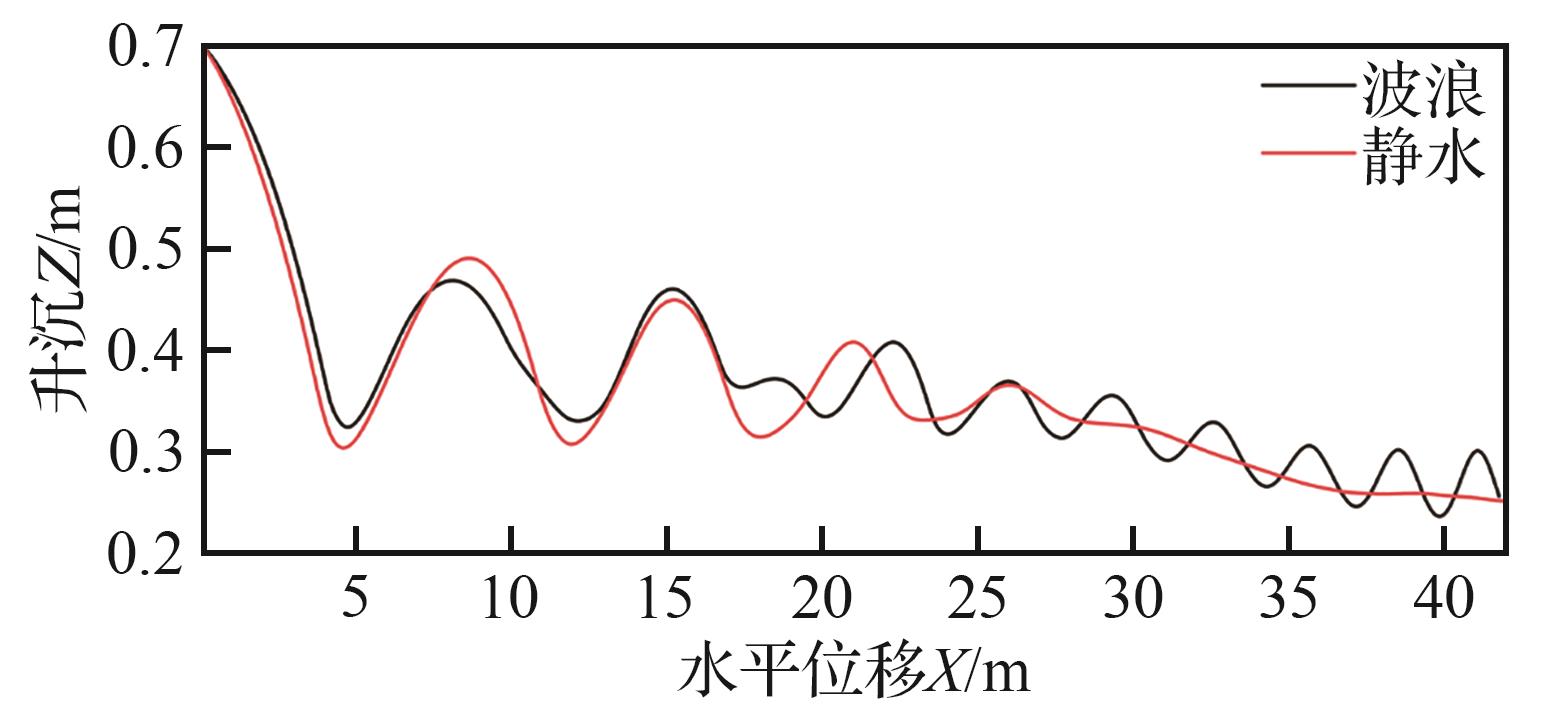
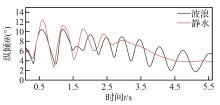
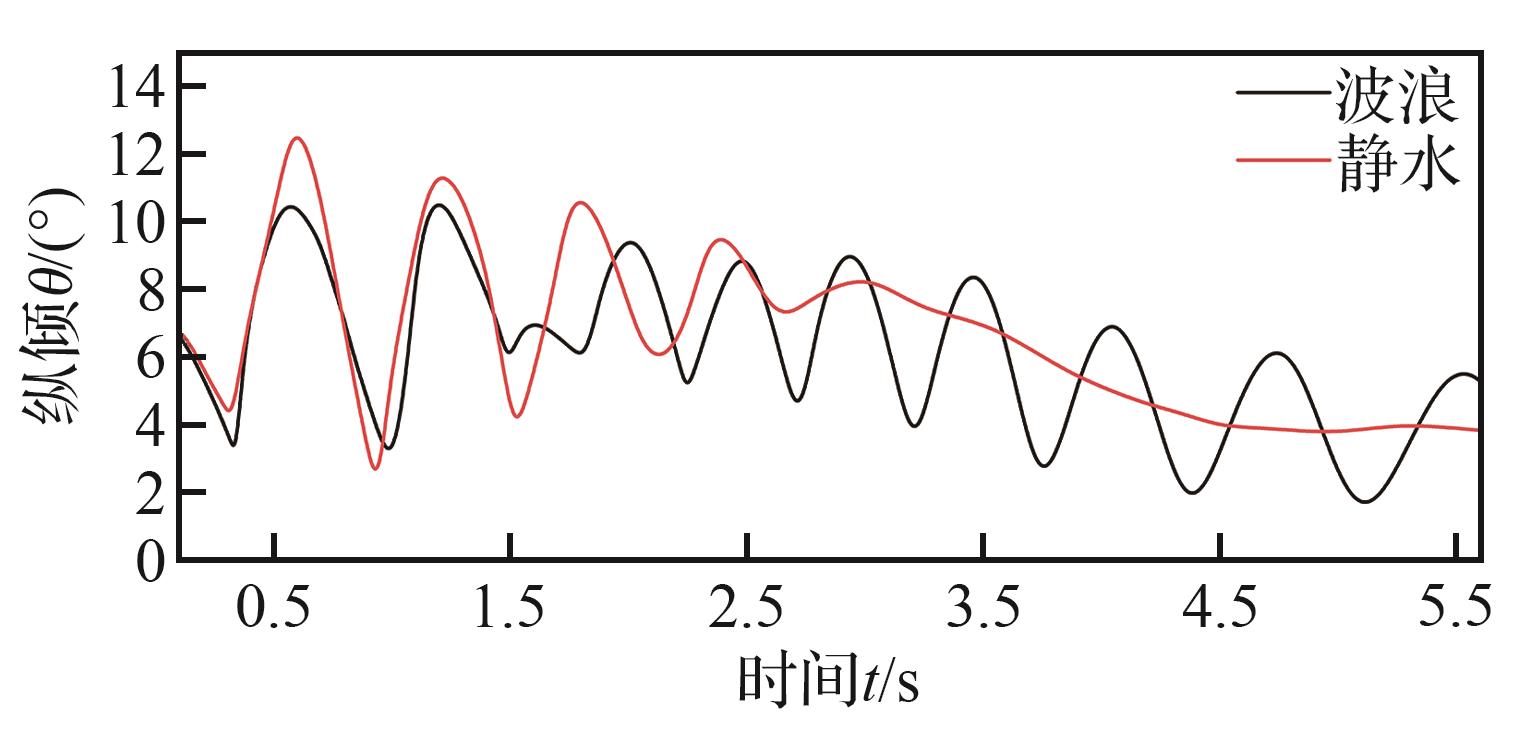
Fig.34
Comparison of fuselage trim variation during landing
| [1] | 黄领才, 雍明培. 水陆两栖飞机的关键技术和产业应用前景[J]. 航空学报, 2019, 40(1): 522708. |
| HUANG L C, YONG M P. Key technologies and industrial application prospects of amphibian aircraft[J]. Acta Aeronautica et Astronautica Sinica, 2019, 40(1): 522708 (in Chinese). | |
| [2] | 申蒸洋, 陈孝明, 黄领才. 大型水陆两栖飞机特殊任务模式对总体设计的挑战[J]. 航空学报, 2019, 40(1): 522400. |
| SHEN Z Y, CHEN X M, HUANG L C. Challenges for aircraft design due to special mission models of large-scale amphibious aircraft[J]. Acta Aeronautica et Astronautica Sinica, 2019, 40(1): 522400 (in Chinese). | |
| [3] | LIN M C, SHIEH L D. Simultaneous measurements of water impact on a two-dimensional body[J]. Fluid Dynamics Research, 1997, 19(3): 125-148. |
| [4] | 孙辉, 卢炽华, 何友声. 二维楔形体冲击入水时的流固耦合响应的实验研究[J]. 水动力学研究与进展(A辑), 2003, 18(1): 104-109. |
| SUN H, LU C H, HE Y S. Experimental research on the fluid-structure interaction in water entry of 2D elastic wedge[J]. Journal of Hydrodynamics, 2003, 18(1): 104-109 (in Chinese). | |
| [5] | WATANABE S. Resistance of impact on water surface, part I-Cone[J]. Institute of Physical and Chemical Research, 1930, 12: 251-267. |
| [6] | WATANABE S. Resistance of impact on water surface, part II-Cone(continued)[J]. Institute of Physical and Chemical Research, 1930, 14: 153-168. |
| [7] | BOTTOMLEY G H. The impact of a model seaplane floats on water: Reports and Memoranda No.583[R]. Washington, D.C.: NACA, 1919. |
| [8] | 郗超, 刘静, 贾晓鹏. 船身式水上飞机起飞距离研究[J]. 航空科学技术, 2016, 27(10): 12-15. |
| XI C, LIU J, JIA X P. Takeoff distance research of flying boat[J]. Aeronautical Science Technology, 2016, 27(10): 12-15 (in Chinese). | |
| [9] | 左仔滨, 李成华. 水池环境对水上飞机全机模型试验的影响[J]. 科学技术与工程, 2025, 25(4): 1711-1716. |
| ZUO Z B, LI C H. Influence of tank environment on the test of seaplane model[J]. Science Technology and Engineering, 2025, 25(4): 1711-1716 (in Chinese). | |
| [10] | 孙丰, 吴彬, 廉滋鼎, 等. 着水姿态对大型水陆两栖飞机着水性能的影响[J]. 船舶力学, 2019, 23(4): 397-404. |
| SUN F, WU B, LIAN Z D, et al. Influence of pitch angle on water-entry performance of large-scale amphibian aircraft hull[J]. Journal of Ship Mechanics, 2019, 23(4): 397-404 (in Chinese). | |
| [11] | 杨荣, 杨智春, 魏浩格. 大型水陆两栖飞机抗浪需求分析[J]. 航空学报, 2025, 46(10): 231145. |
| YANG R, YANG Z C, WEI H G. Demand analysis of wave resistance for large amphibious aircraft[J]. Acta Aeronautica et Astronautica Sinica, 2025, 46(10): 231145 (in Chinese). | |
| [12] | GAO X J, LI C H, LIU T, et al. Research on wave motion response characteristics of a seaplane[J]. Journal of Physics: Conference Series, 2021, 1985(1): 012031. |
| [13] | ZHANG H, CHEN J, WANG F, et al. Scale effect on water landing performance of amphibious aircraft[C]∥ 34th Congress of the International Council of the Aeronautical Sciences. 2024. |
| [14] | WEN Q, CHENG Z H, YANG K Z, et al. Influence of model scale on wave landing characteristics of seaplane[C]∥2023 Asia-Pacific International Symposium on Aerospace Technology (APISAT 2023) Proceedings. Singapore: Springer, 2024: 917-926. |
| [15] | GUO Y, MA D L, YANG M Q, et al. Numerical analysis of the take-off performance of a seaplane in calm water[J]. Applied Sciences, 2021, 11(14): 6442. |
| [16] | 段旭鹏. 水上飞机水面滑行起降的数值模拟[D]. 西安: 西北工业大学, 2020. |
| DUAN X P. Numerical simulation of seaplane taxiing and landing on water surface[D]. Xi’an: Northwestern Polytechnical University, 2020 (in Chinese). | |
| [17] | LU Y, DEL BUONO A, XIAO T, et al. Loads prediction at early stage of water landing on amphibious aircraft with a V-shaped hull[C]∥ 9th European Conference for Aeronautics and Space Sciences. 2022. |
| [18] | 马增辉, 刘立胜, 朱国甫, 等. 水陆两栖飞机波浪水面上着水动力特性研究[J]. 计算机仿真, 2018, 35(7): 41-45. |
| MA Z H, LIU L S, ZHU G F, et al. Investigation of dynamic characteristics of amphibious aircraft landing on waves[J]. Computer Simulation, 2018, 35(7): 41-45 (in Chinese). | |
| [19] | ZHA R S, WANG K, SUN J L, et al. Numerical simulations of seaplane ditching on calm water and uniform water current coupled with wind[J]. Journal of Marine Science and Engineering, 2024, 12(2): 296. |
| [20] | QIU L J, SONG W B. Efficient decoupled hydrodynamic and aerodynamic analysis of amphibious aircraft water takeoff process[J]. Journal of Aircraft, 2013, 50(5): 1369-1379. |
| [21] | ZHU Y G, FAN G L, YI J Q. Controller design for flying boats taking off from water with regular waves[C]∥ 2012 IEEE International Conference on Mechatronics and Automation. Piscataway: IEEE Press, 2012: 480-485. |
| [22] | MASRI J, DALA L, HUARD B. A review of the analytical methods used for seaplanes’ performance prediction[J]. Aircraft Engineering and Aerospace Technology, 2019, 91(6): 820-833. |
| [23] | DUAN X P, SUN W P, CHEN C, et al. Numerical investigation of the porpoising motion of a seaplane planing on water with high speeds[J]. Aerospace Science and Technology, 2019, 84: 980-994. |
| [24] | WANG L X, YIN H P, YANG K, et al. Water takeoff performance calculation method for amphibious aircraft based on digital virtual flight[J]. Chinese Journal of Aeronautics, 2020, 33(12): 3082-3091. |
| [25] | 张浪, 程用胜, 王福新. 水上飞机静水起飞过程水气耦合性能分析[J]. 科学技术与工程, 2018, 18(11): 190-195. |
| ZHANG L, CHENG Y S, WANG F X. Coupled hydrodynamic and aerodynamic performance analysis of seaplane take-off process in calm water[J]. Science Technology and Engineering, 2018, 18(11): 190-195 (in Chinese). | |
| [26] | WANG M Z, WU G L, LV H Q, et al. Non-linear time-varying modeling and simulation methods for hydrodynamic-aerodynamic coupling near-surface flight scenarios[J]. Aerospace, 2025, 12(2): 133. |
| [27] | FRAZZA L, LOSEILLE A, DERVIEUX A, et al. Nonlinear corrector for Reynolds-averaged Navier-Stokes equations[J]. International Journal for Numerical Methods in Fluids, 2019, 91(11): 557-585. |
| [28] | MENTER F R. Two-equation eddy-viscosity turbulence models for engineering applications[J]. AIAA Journal, 1994, 32(8): 1598-1605. |
| [29] | HIRT C W, NICHOLS B D. Volume of Fluid (VOF) method for the dynamics of free boundaries[J]. Journal of Computational Physics, 1981, 39(1): 201-225. |
| [30] | 马云飞, 李涛, 熊进标. 基于VOF方法和DFBI模型的溃坝水流数值模拟[J]. 应用科技, 2021, 48(4): 23-28. |
| MA Y F, LI T, XIONG J B. Numerical simulation method of dam break flow based on VOF method and DFBI model[J]. Applied Science and Technology, 2021, 48(4): 23-28 (in Chinese). | |
| [31] | 石林飞. 波浪中水陆两栖飞机滑行运动及起降特性研究[D]. 哈尔滨: 哈尔滨工程大学, 2022. |
| SHI L F. Research on taxiing motion and take-off and landing characteristics of amphibious aircraft in waves[D]. Harbin: Harbin Engineering University, 2022 (in Chinese). | |
| [32] | 高现娇, 桑腾蛟, 史圣哲. 网格运动方式对水陆两栖飞机单船身阻力计算影响[J]. 船海工程, 2024, 53(3): 69-73. |
| GAO X J, SANG T J, SHI S Z. Influence of grid motion mode upon numerical calculation of fuselage resistance for an amphibious aircraft[J]. Ship Ocean Engineering, 2024, 53(3): 69-73 (in Chinese). | |
| [33] | 褚林塘. 水上飞机水动力设计[M]. 北京: 航空工业出版社, 2014. |
| CHU L T. Seaplane hydrodynamic design[M]. Beijing: Aviation Industry Press, 2014 (in Chinese). | |
| [34] | 黄淼, 吴彬, 蒋荣, 等. 水上飞机在波浪上运动响应特性试验研究[J]. 实验流体力学, 2015, 29(3): 41-46. |
| HUANG M, WU B, JIANG R, et al. Experimental study on motion response of a seaplane on waves[J]. Journal of Experiments in Fluid Mechanics, 2015, 29(3): 41-46 (in Chinese). | |
| [35] | 周立胜, 杨荣, 王艳艳. 基于结构能力的水上飞机适海性研究[J]. 科技创新与应用, 2024, 14(6): 92-94, 99. |
| ZHOU L S, YANG R, WANG Y Y. Research on seaplane seaworthiness based on structural capacity[J]. Technology Innovation and Application, 2024, 14(6): 92-94, 99 (in Chinese). |
| [1] | FENG Zhenyu, FU Boyu, XIE Jiang, DUAN Zhuxuan, PAN Hanyuan. Dynamic response of fuselage panel under explosive impact load [J]. ACTA AERONAUTICAET ASTRONAUTICA SINICA, 2022, 43(6): 525513-525513. |
| [2] | CHEN Xian, CHEN Cheng, HUANG Jiangtao, CHEN Qisheng, YU Longzhou, ZHONG Shidong. Effects of belly flap on take-off and landing characteristics of a flying-wing vehicle [J]. ACTA AERONAUTICAET ASTRONAUTICA SINICA, 2022, 43(3): 125028-125028. |
| [3] | ZHANG Zhuzhu, CHEN Yueliang, YAO Niankui, BIAN Guixue, ZHANG Yong, ZHANG Yangguang. Damage mechanism and corrosion resistance of 38CrMoAl nitrided steel under impact load [J]. ACTA AERONAUTICAET ASTRONAUTICA SINICA, 2021, 42(5): 524215-524215. |
| [4] | ZHAO Lijie, TIAN Mengwei, LI Jingkui, WANG Mingyang, LIU Da. Float design and take-off taxiing of electric seaplanes [J]. ACTA AERONAUTICAET ASTRONAUTICA SINICA, 2021, 42(3): 624590-624590. |
| [5] | HUANG Lingcai, YONG Mingpei. Key technologies and industrial application prospects of amphibian aircraft [J]. Acta Aeronautica et Astronautica Sinica, 2019, 40(1): 522708-522708. |
| [6] | HE Min, ZHU Xiaolong, LIU Xiaoming, LIU Fan, YAO Xiaohu. Impact response of ground ejection of front fuselage structure of carrier-based aircraft [J]. ACTA AERONAUTICAET ASTRONAUTICA SINICA, 2018, 39(5): 221711-221711. |
| [7] | CHU Lintang, WU Bin, WANG Mingzhen, SUN Feng. Theoretical calculation and experiment on impact loads of landing of wing-in-ground aircraft on water surface [J]. ACTA AERONAUTICAET ASTRONAUTICA SINICA, 2016, 37(12): 3698-3705. |
| [8] | Yan Gang;Zhou Li. Impact Load Identification for Stiffened Composite Structure [J]. ACTA AERONAUTICAET ASTRONAUTICA SINICA, 2008, 29(5): 1150-1156. |
| [9] | WU Gui-rong;ZHANG Yun-ran;WANG Yu-qing;YOU Guang-xing. CHANGES OF INTRACRANIAL PRESSURE DURING HEAD IMPACT IN MonKEYS AND PROTECTION OF HEAD IMPACT INJURIES [J]. ACTA AERONAUTICAET ASTRONAUTICA SINICA, 1999, 20(S1): 55-57. |
| [10] | Yang Zhi-guo;Liu Yuan-yong;Tang Xuan-chun;Jia De-xin. DYNAMIC RESPONSE ANALYSIS AND EXPERIMENTAL RESEARCH OF PLATE UNDER IMPACT LOAD [J]. ACTA AERONAUTICAET ASTRONAUTICA SINICA, 1992, 13(6): 258-265. |
| [11] | He Lianzhu. STUDY OF DYNAMIC STRENGTH ON COMPOSITE WING [J]. ACTA AERONAUTICAET ASTRONAUTICA SINICA, 1991, 12(12): 635-638. |
| [12] | Huang Luquan;Li Fuguo. EXPERIMENTAL STUDY OF THE LAW RELATING THE EXTRUDING LOAD OF COLD EXTRUSION PRESS TO BUFFERING PARAMETERS [J]. ACTA AERONAUTICAET ASTRONAUTICA SINICA, 1991, 12(10): 532-535. |
| Viewed | ||||||
|
Full text |
|
|||||
|
Abstract |
|
|||||
Address: No.238, Baiyan Buiding, Beisihuan Zhonglu Road, Haidian District, Beijing, China
Postal code : 100083
E-mail:hkxb@buaa.edu.cn
Total visits: 6658907 Today visits: 1341All copyright © editorial office of Chinese Journal of Aeronautics
All copyright © editorial office of Chinese Journal of Aeronautics
Total visits: 6658907 Today visits: 1341

 CJA
CJA
