Acta Aeronautica et Astronautica Sinica ›› 2026, Vol. 47 ›› Issue (1): 632005.doi: 10.7527/S1000-6893.2025.32005
• Special Topic: The 27th Annual Meeting of the China Association for Science and Technology • Previous Articles Next Articles
Ying WANG1,2, Yang LI1( ), Chaoqian CHENG1, Zongxia JIAO1
Received:2025-03-20
Revised:2025-05-06
Accepted:2025-06-05
Online:2025-07-21
Published:2025-06-27
Contact:
Yang LI
E-mail:leeyoung303@buaa.edu.cn
Supported by:CLC Number:
Ying WANG, Yang LI, Chaoqian CHENG, Zongxia JIAO. Thermal load analysis for aeroengine oil system with extended flight profile[J]. Acta Aeronautica et Astronautica Sinica, 2026, 47(1): 632005.
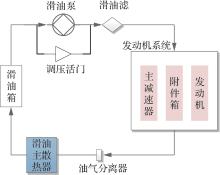
Fig.1
Block diagram of lubricating oil system’s principle
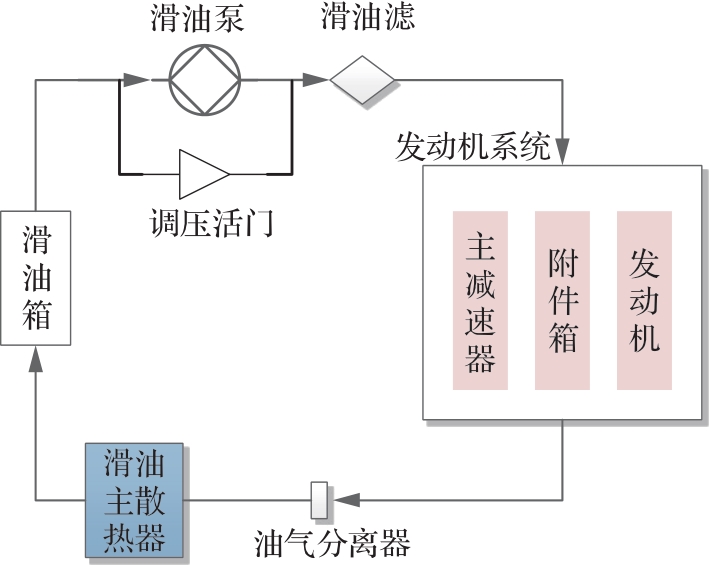
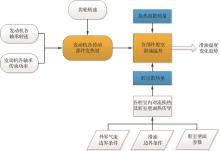
Fig.2
Block diagram of lubricating oil thermal evaluation principle
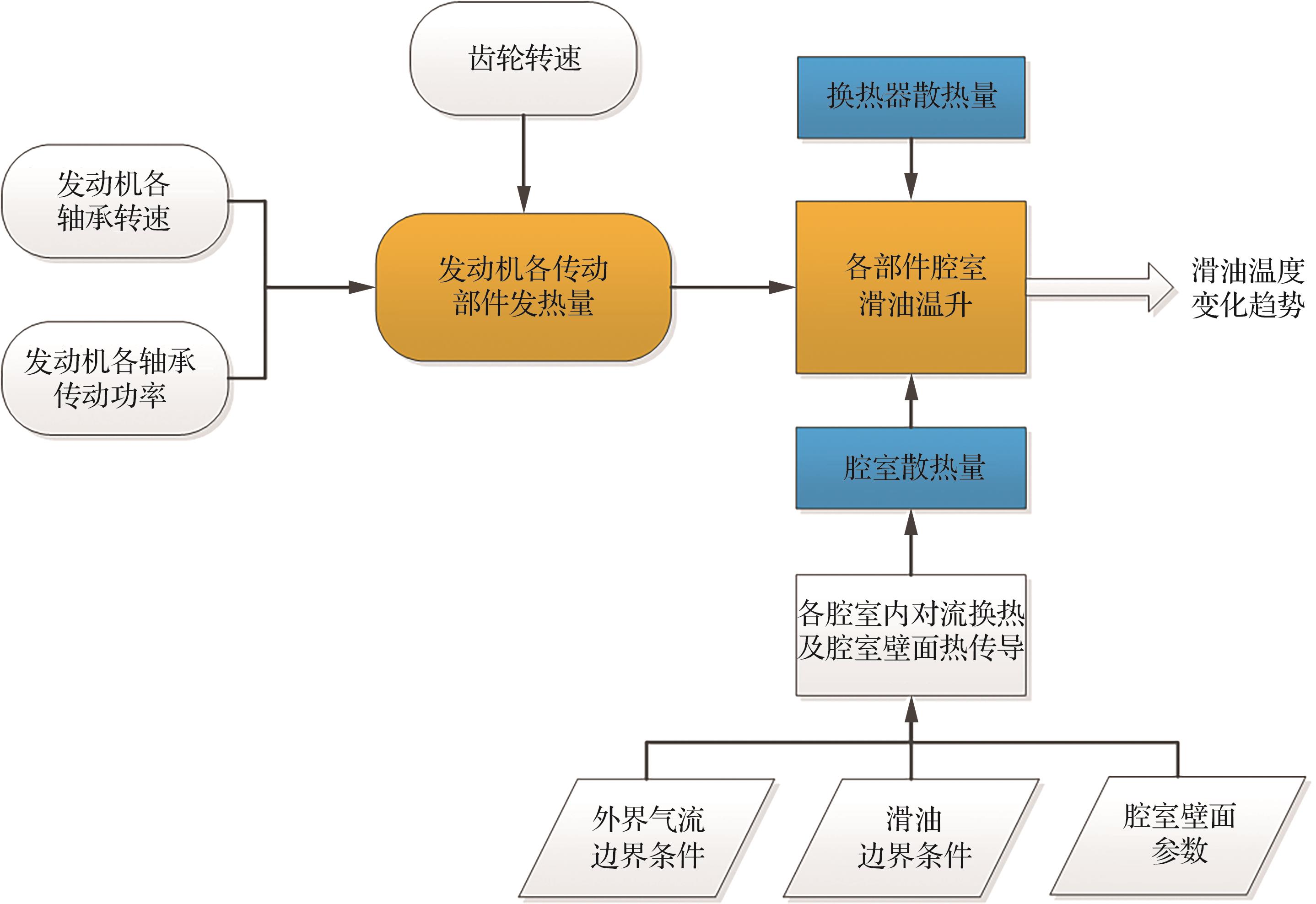
Fig.3
Heat generation of each transmission component of an engine
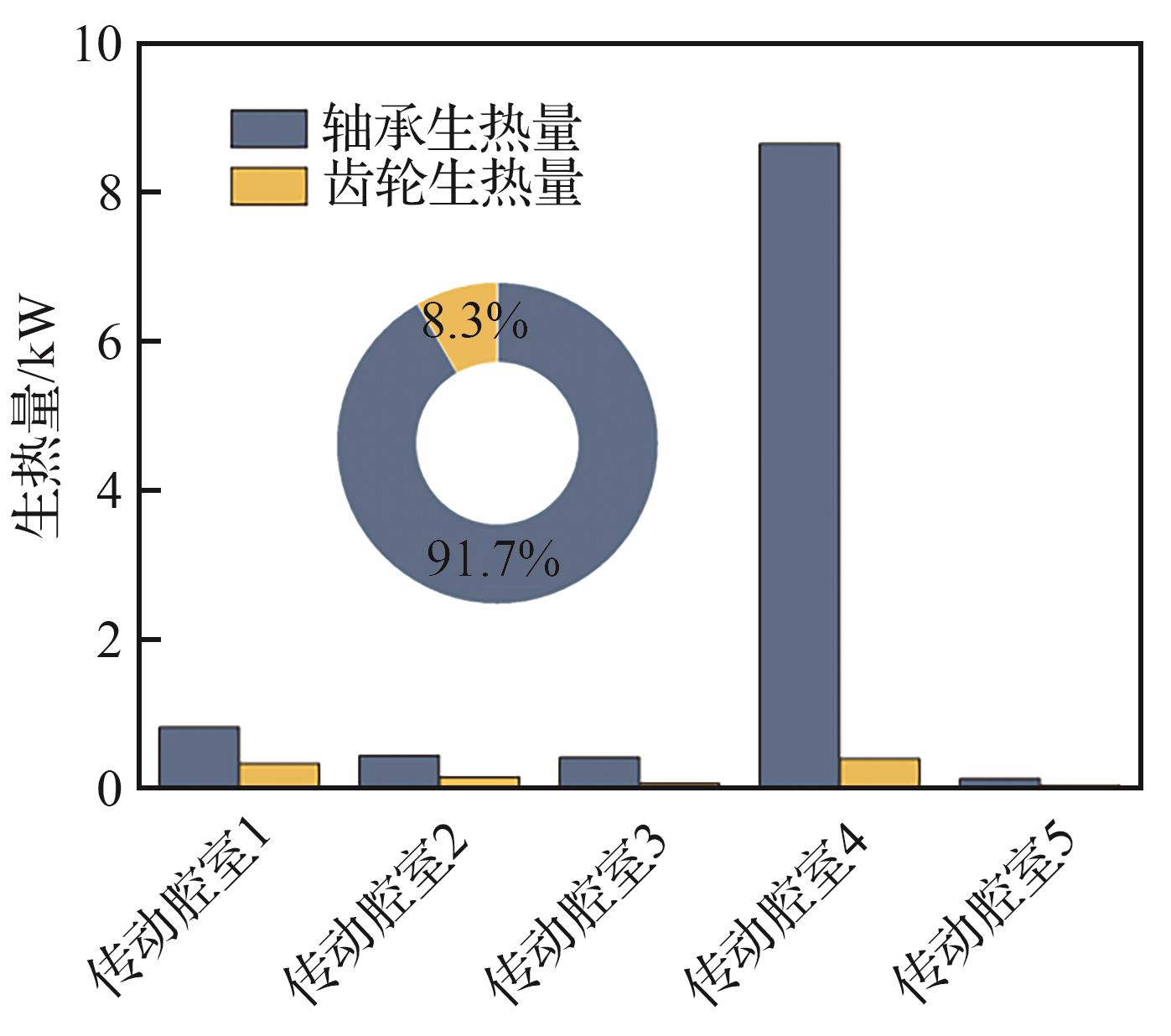
Fig.4
Thermal load model for bearings based on Amesim
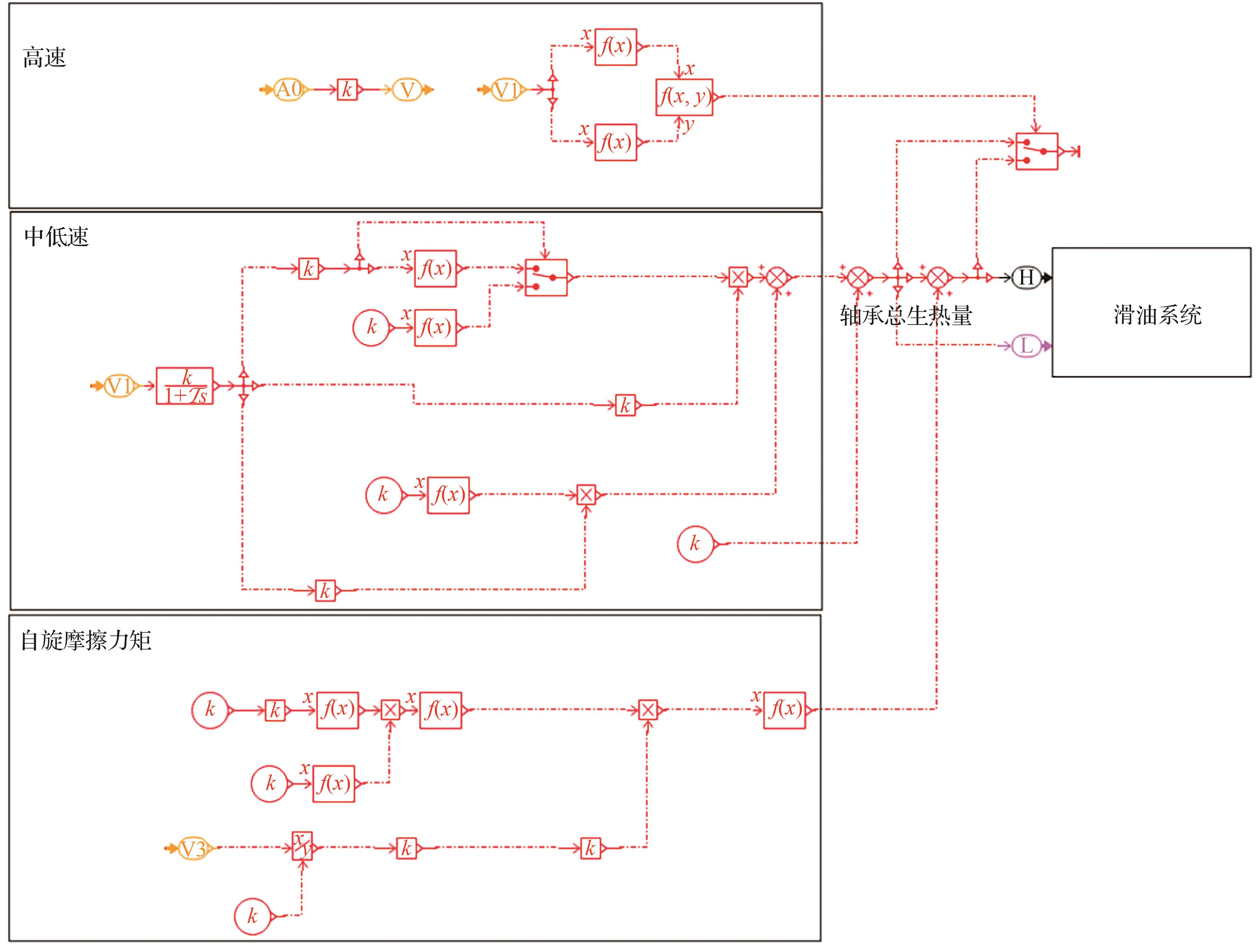
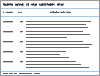
Table 1
Bearing structure parameter
| 名称 | 参数 | 名称 | 参数 |
|---|---|---|---|
| 滚动体数量/mm | 16 | 节圆直径/mm | 125.260 1 |
| 滚动体直径/mm | 22.225 | 公称接触角/(°) | 40 |
| 内滚道直径/mm | 102.793 8 | 轴承外径/mm | 90 |
| 外滚道直径/mm | 147.726 4 | 轴承内径/mm | 160 |
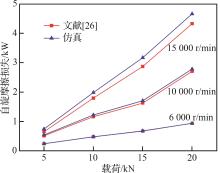
Fig.5
Comparison of spin sliding friction loss results
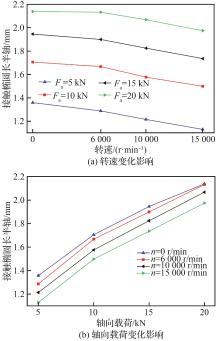
Fig.6
Relation curves of rotational speed, axial load and contact ellipse
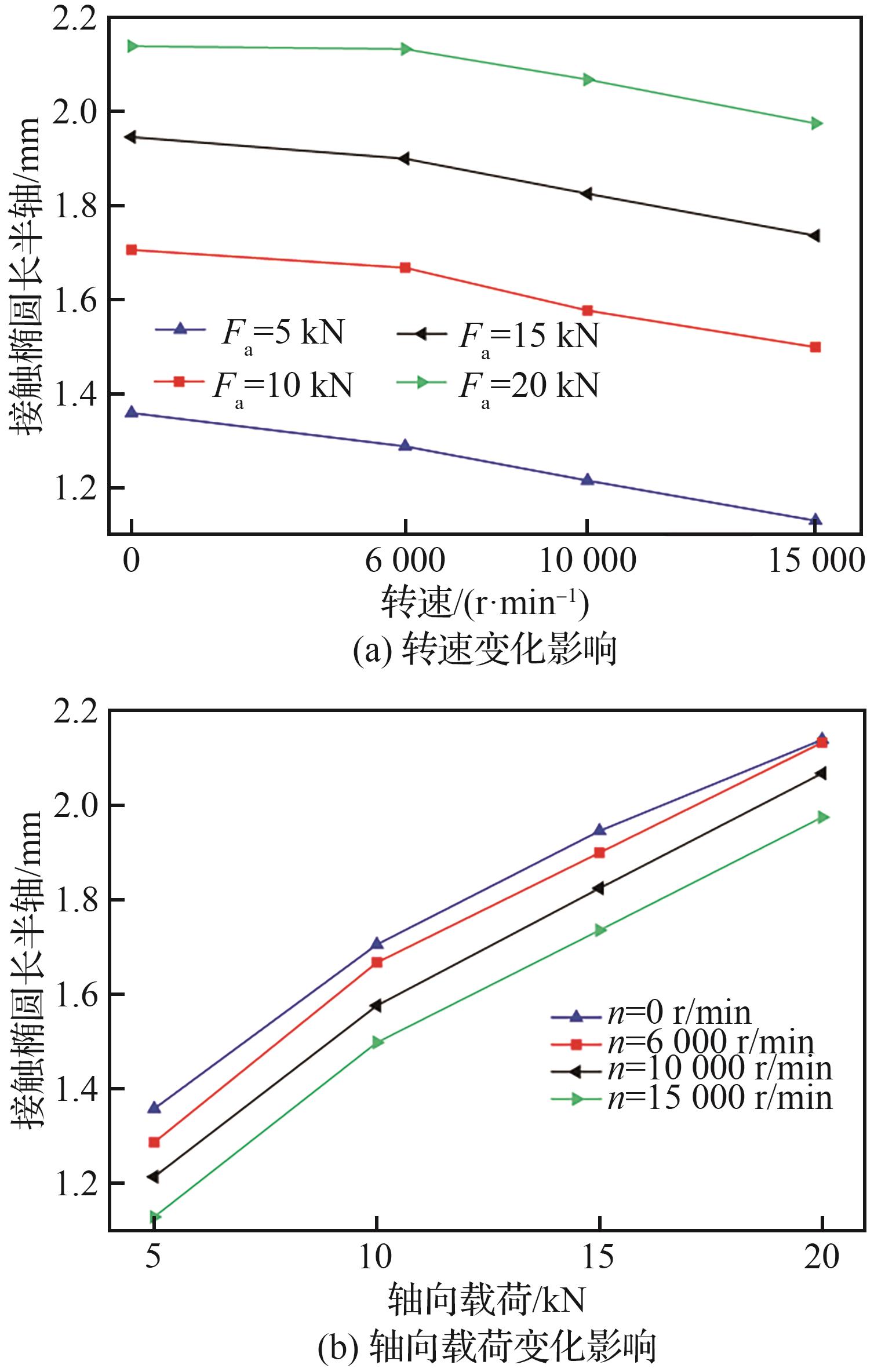
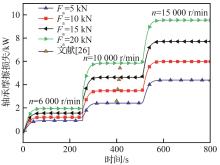
Fig.7
Bearing friction heat generation under different speeds and loads
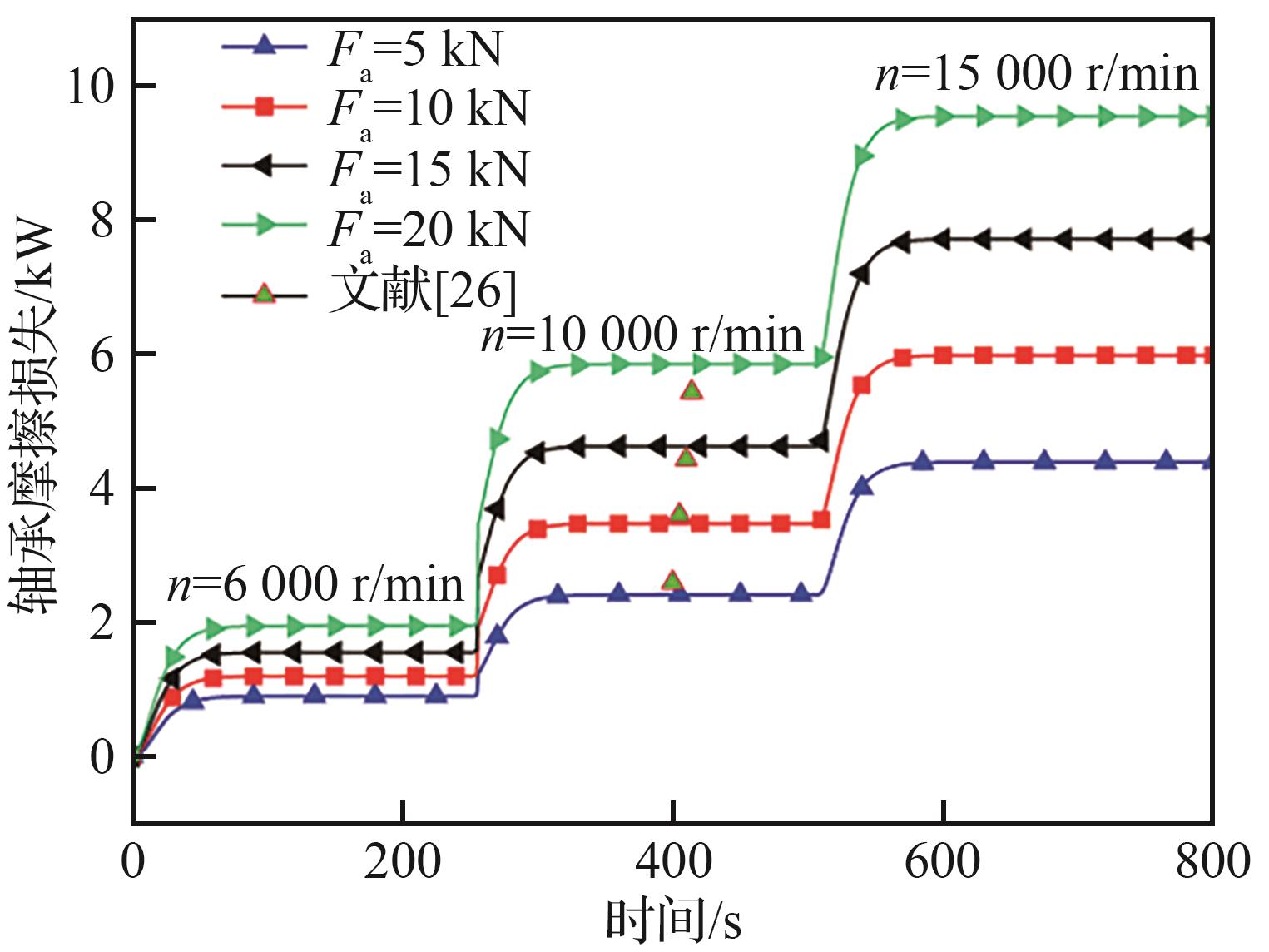
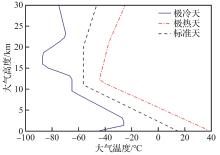
Fig.8
Relationship between atmospheric temperature and altitude
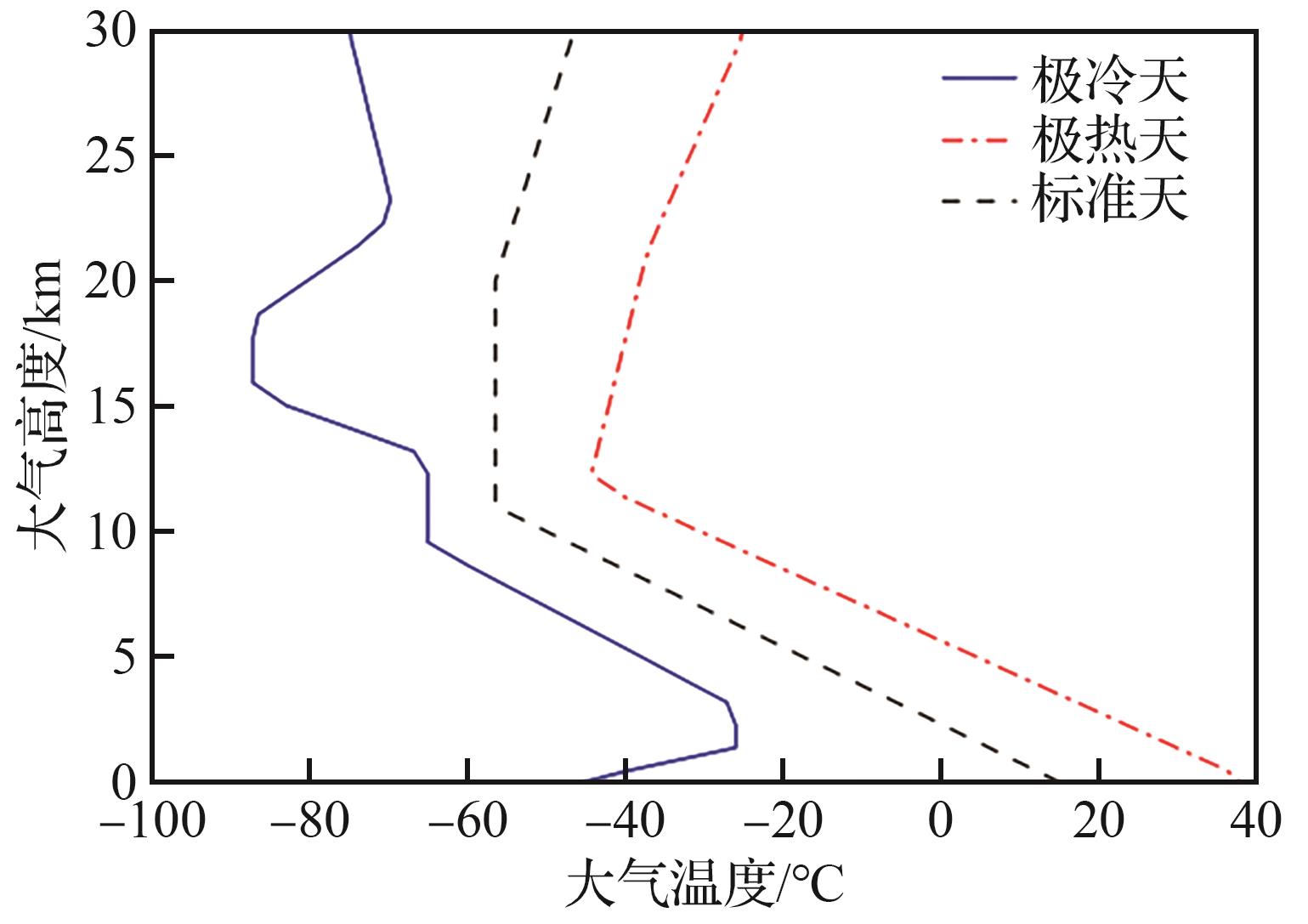
Fig.9
Flight profile
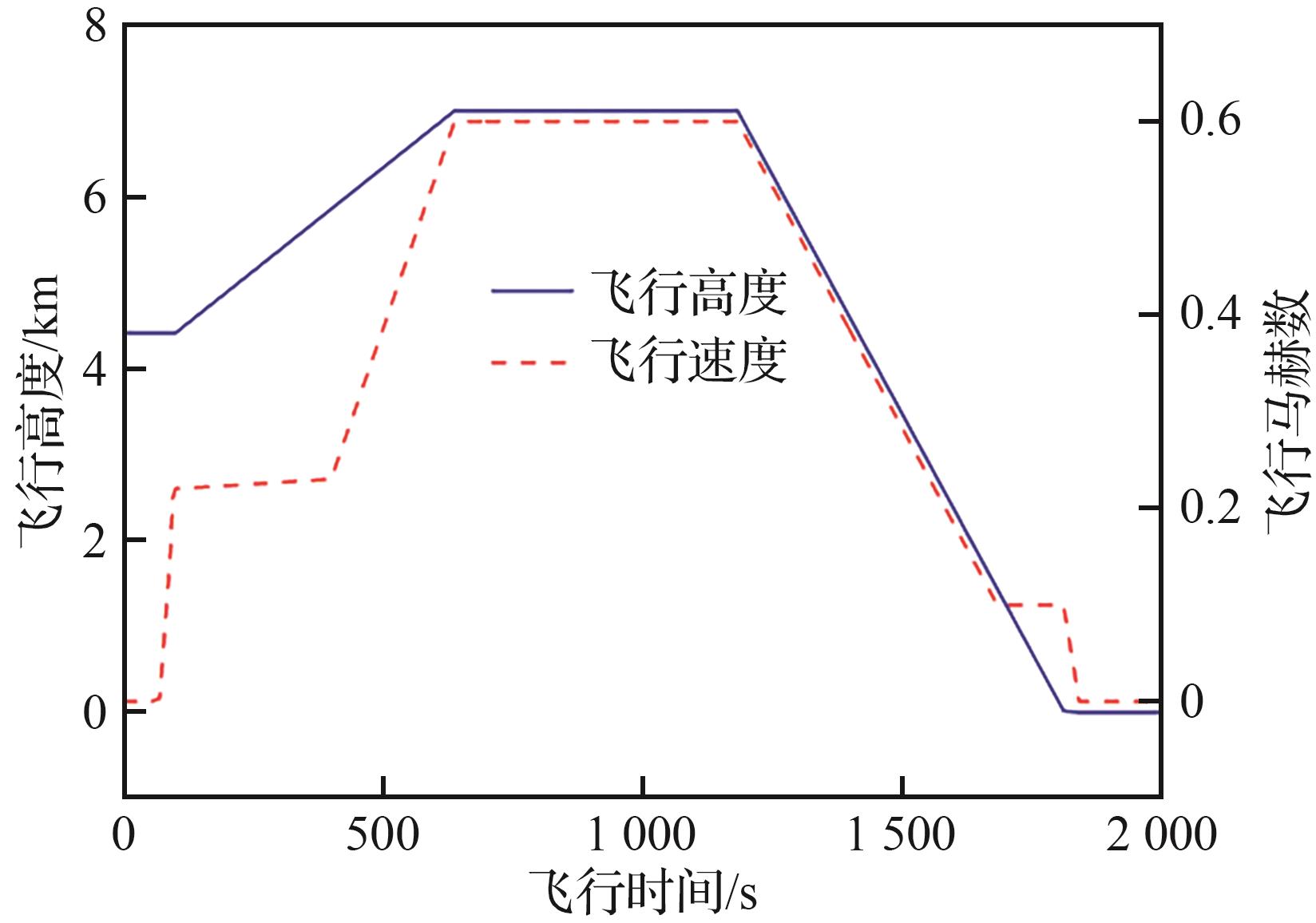
Table 2
Oil physical property parameters
| 名称 | 参数 |
|---|---|
| 滑油导热系数/(W·(m·K)-1) | 0.152 |
| 滑油的运动黏度/(mm2·s-1) | 40 |
| 滑油密度/(kg·m-3) | 909.972 7 |
| 滑油比热/(kJ·(kg·K)-1) | 1.84 |
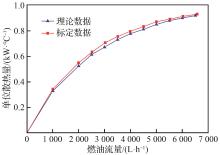
Fig.10
Performance curves of fuel heat exchanger
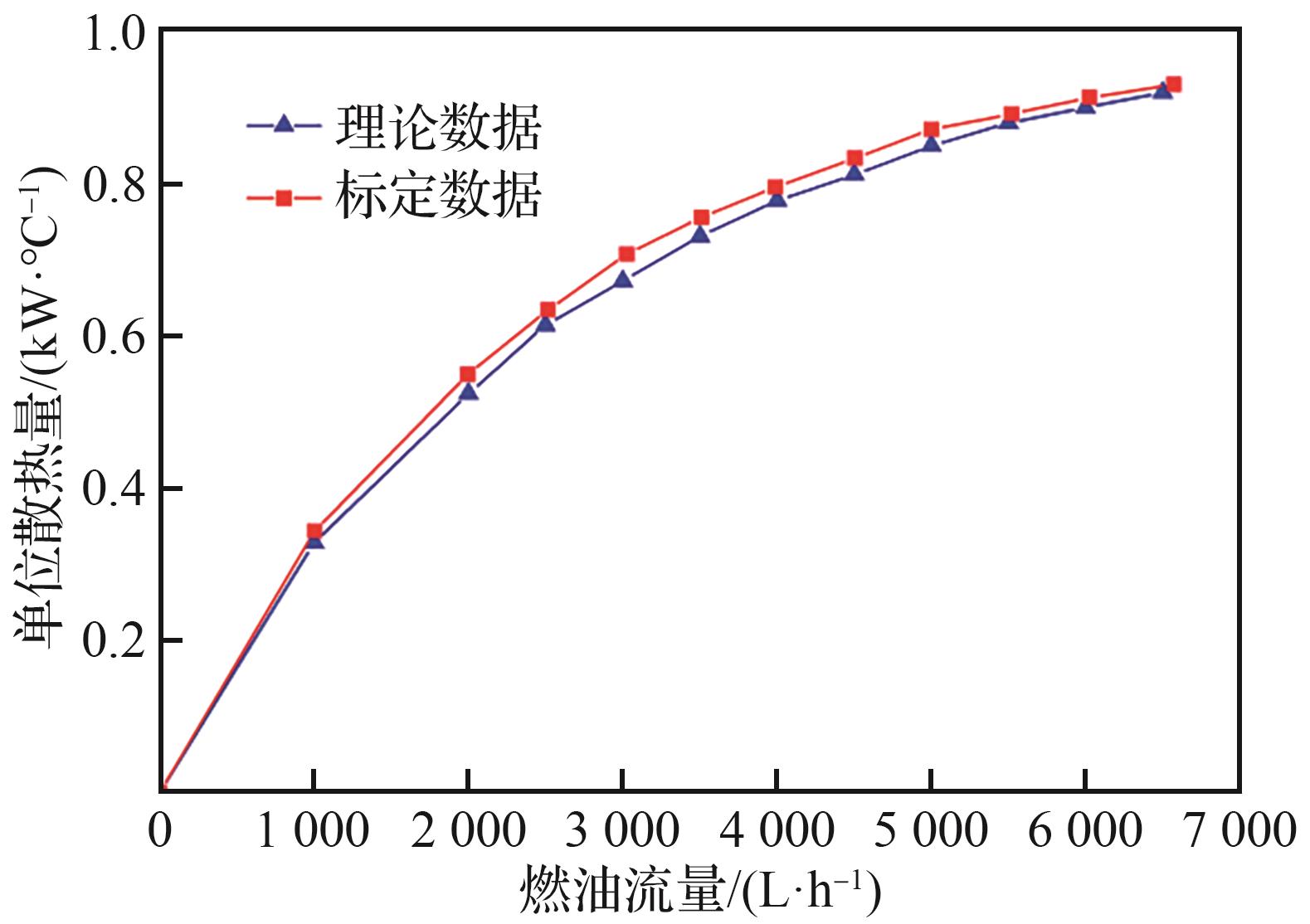
Fig.11
Thermal equilibrium curves of fuel heat exchanger
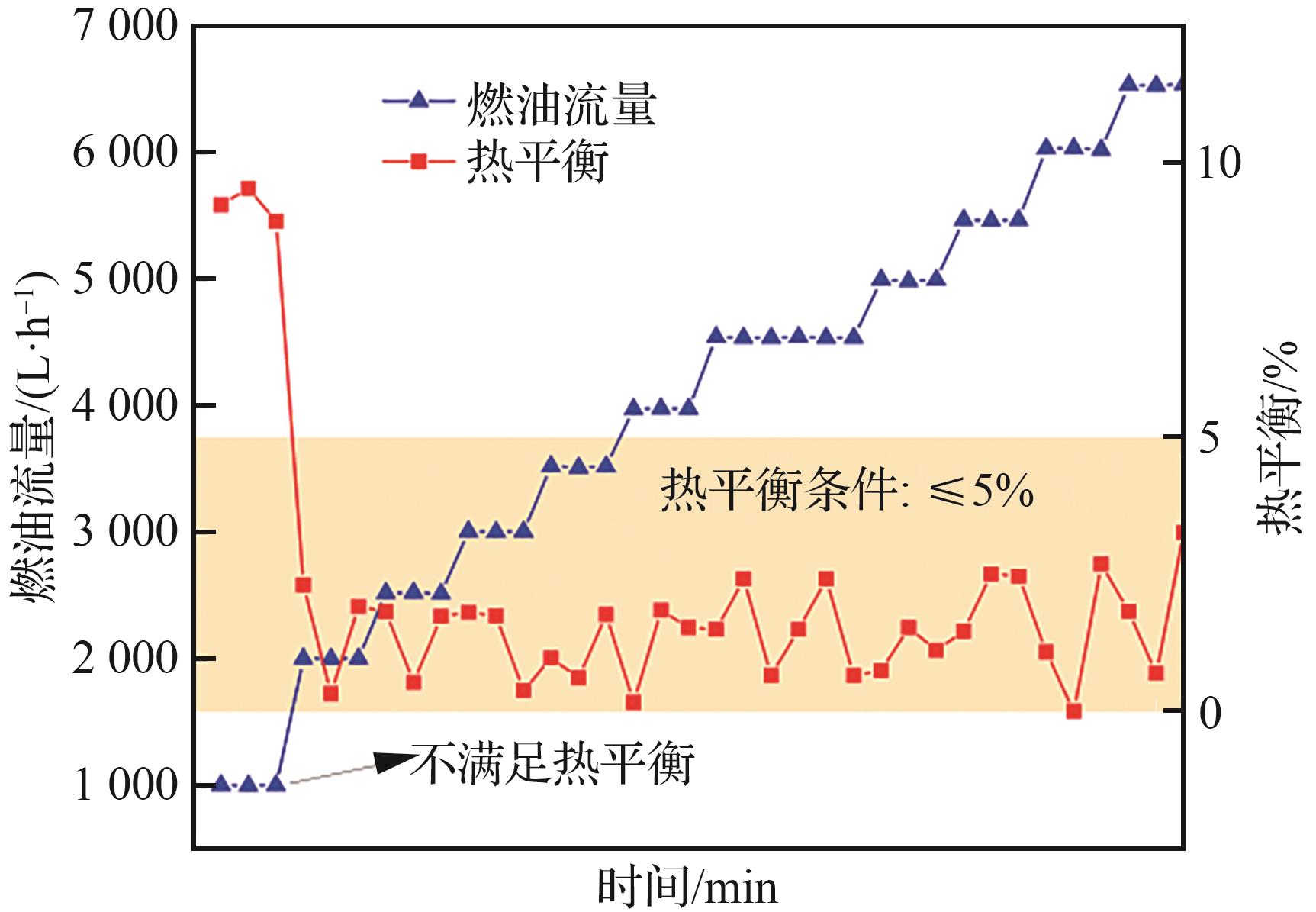
Table 3
Corresponding relationship between oil pump and engine rotational speed
| 发动机转速/% | 滑油泵转速/ (r·min-1) | 发动机转速/% | 滑油泵转速/(r·min-1) |
|---|---|---|---|
| 10 | 1 000 | 65 | 7 200 |
| 15 | 1 500 | 70 | 7 400 |
| 20 | 2 000 | 75 | 7 600 |
| 25 | 2 500 | 80 | 8 000 |
| 30 | 3 000 | 85 | 9 000 |
| 35 | 3 500 | 90 | 10 000 |
| 40 | 4 000 | 95 | 11 000 |
| 45 | 4 500 | 100 | 12 000 |
| 50 | 5 000 | 105 | 12 000 |
| 55 | 6 000 | 110 | 12 000 |
| 60 | 7 000 | 120 | 12 000 |
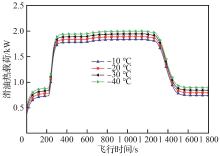
Fig.12
Thermal load of oil varying with atmospheric temperature
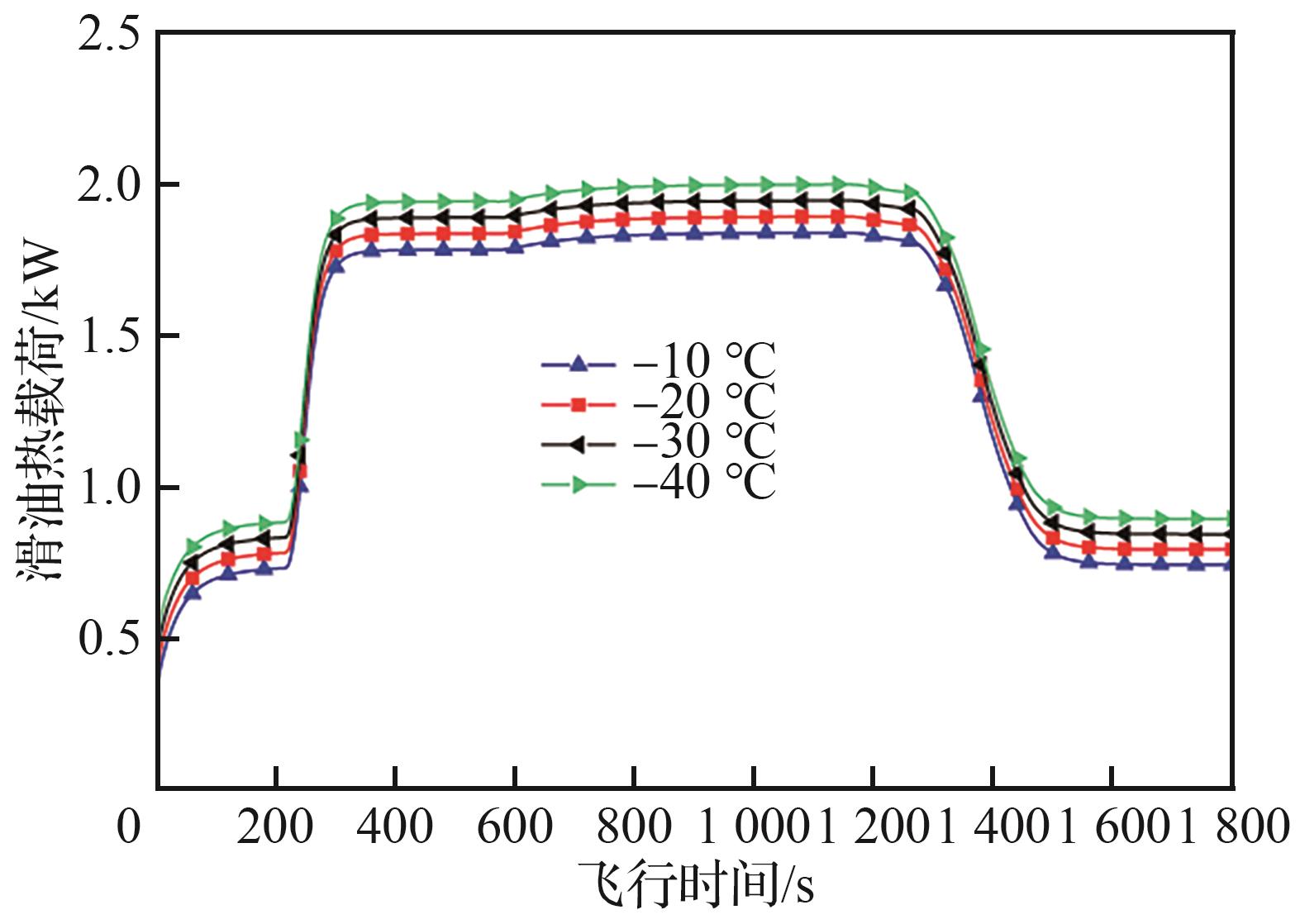
Fig.13
Thermal load of oil varying with engine rotational speed
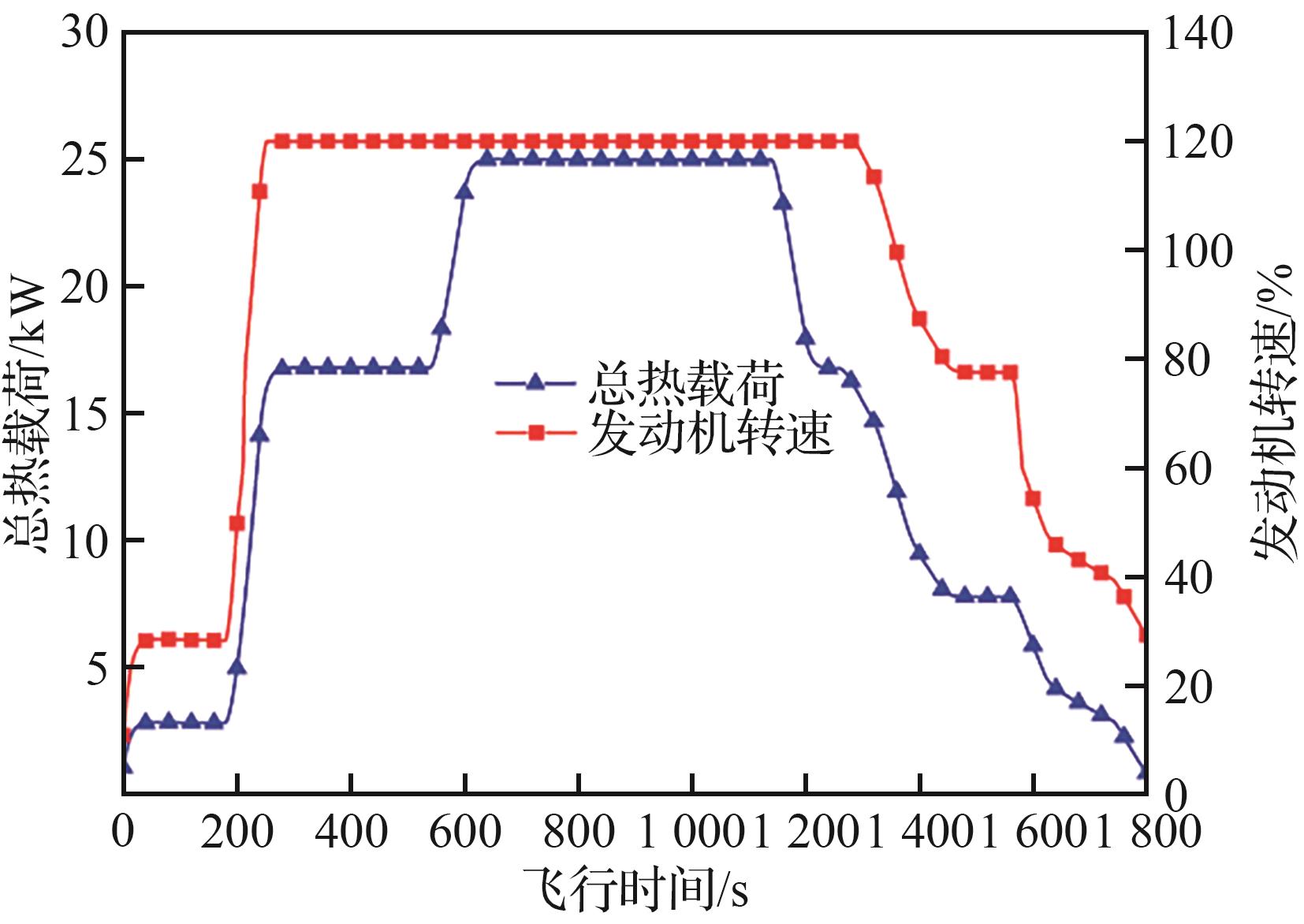
Fig.14
Oil mass flow rate and pressure curves of each chamber
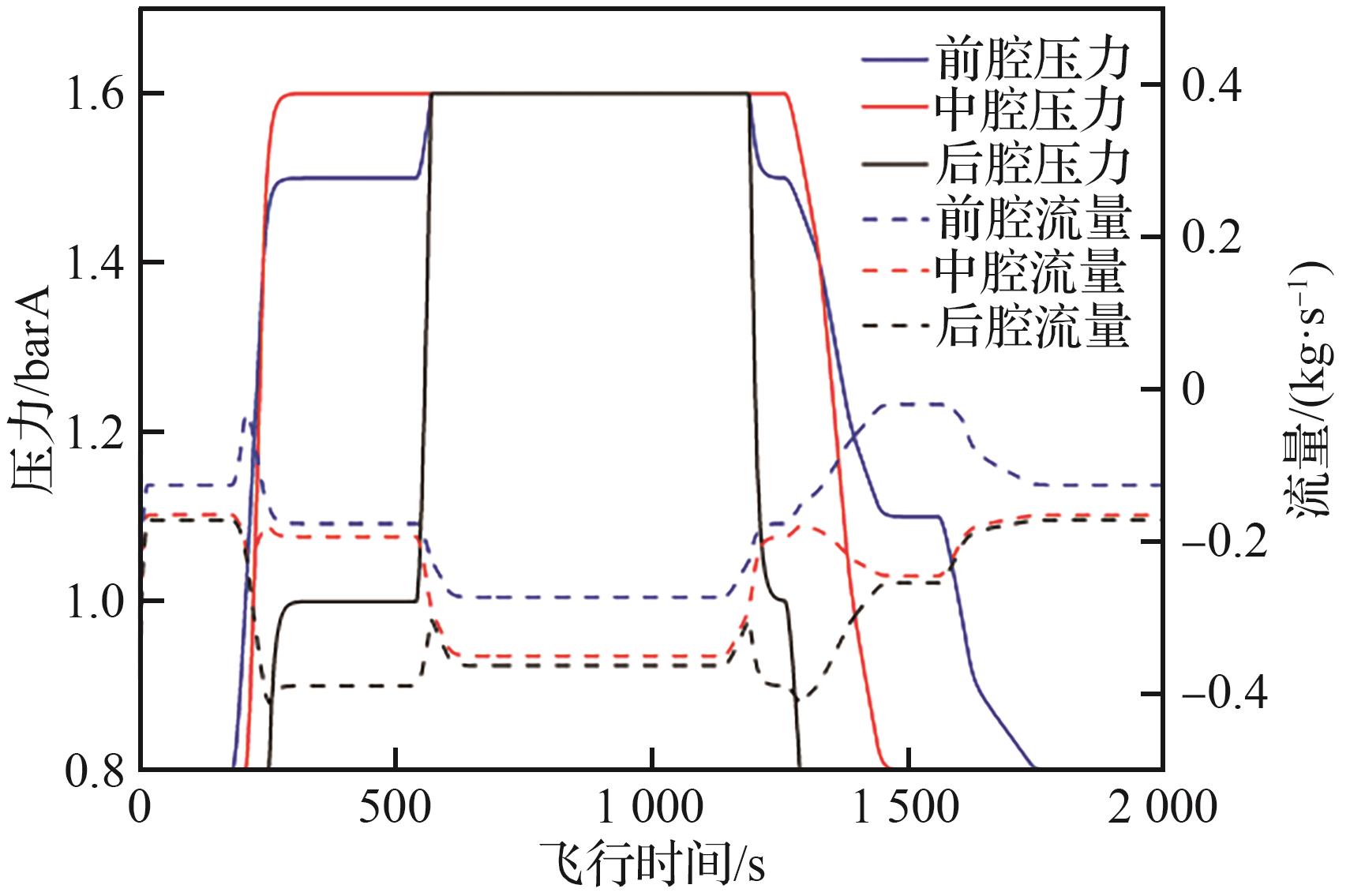
Fig.15
Changing curves of intermediate pocket temperature rise with thermal load
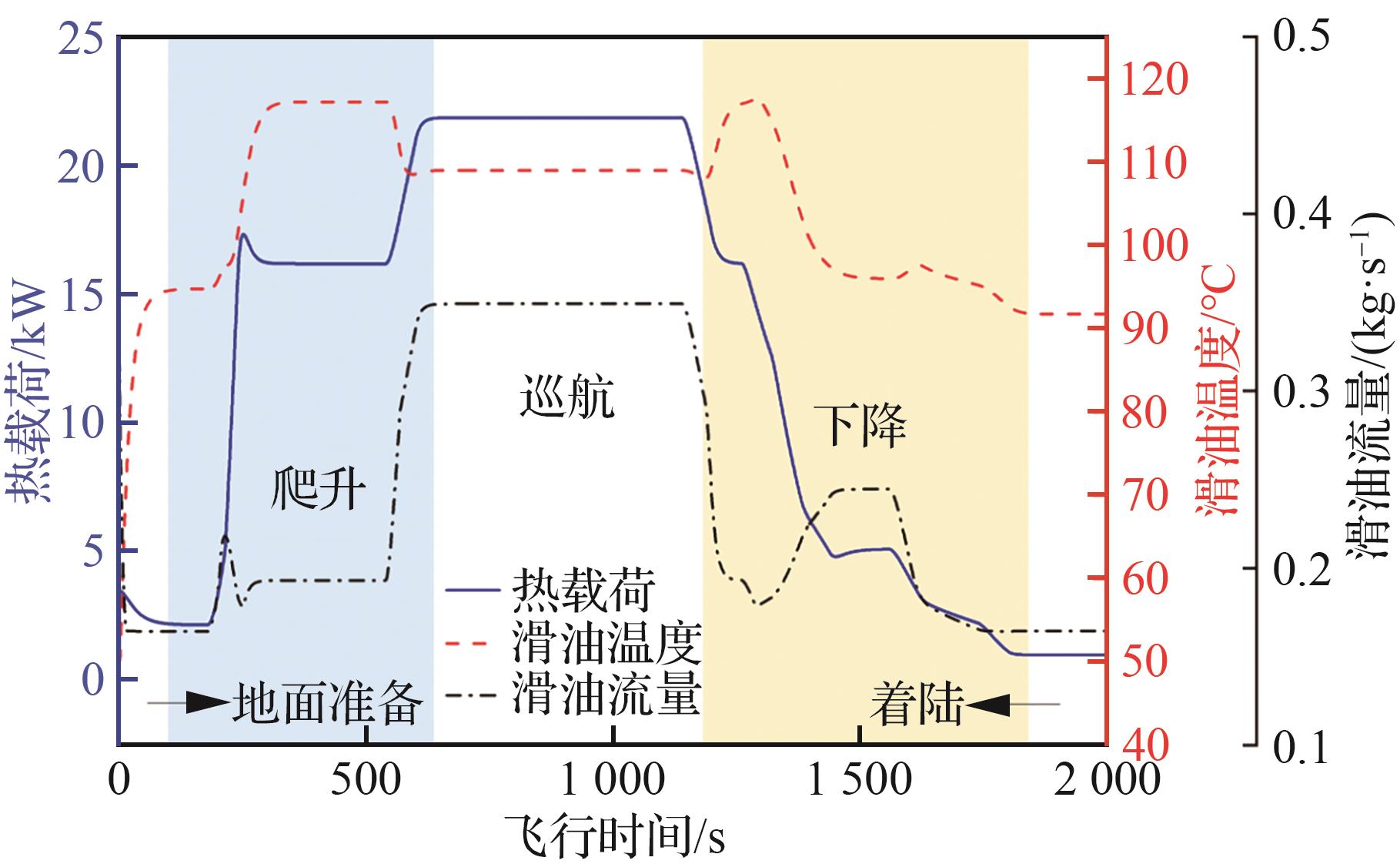
Fig.16
Engine relative physical rotational speed
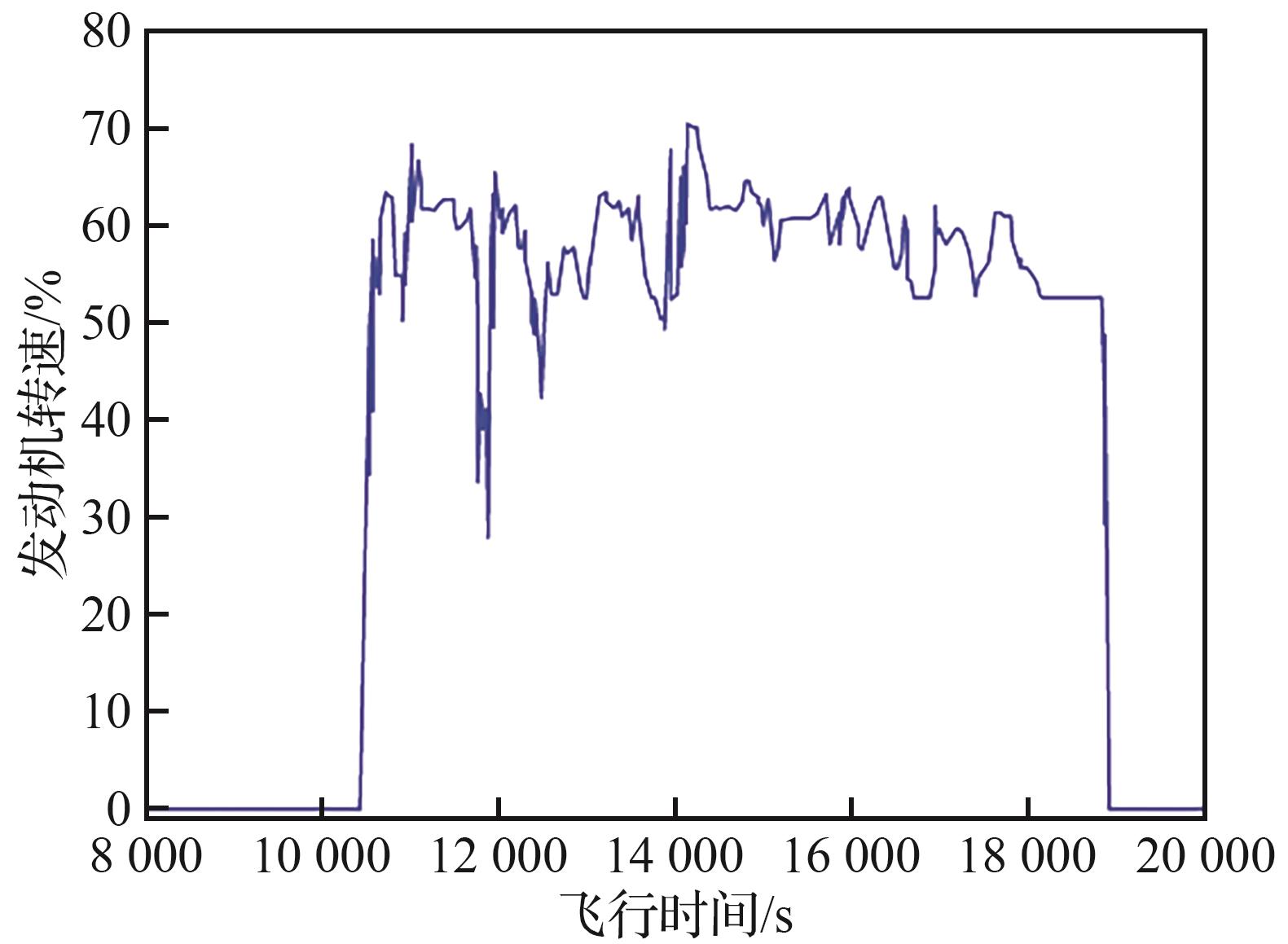
Fig.17
Oil temperature comparison result between simulation and experiment
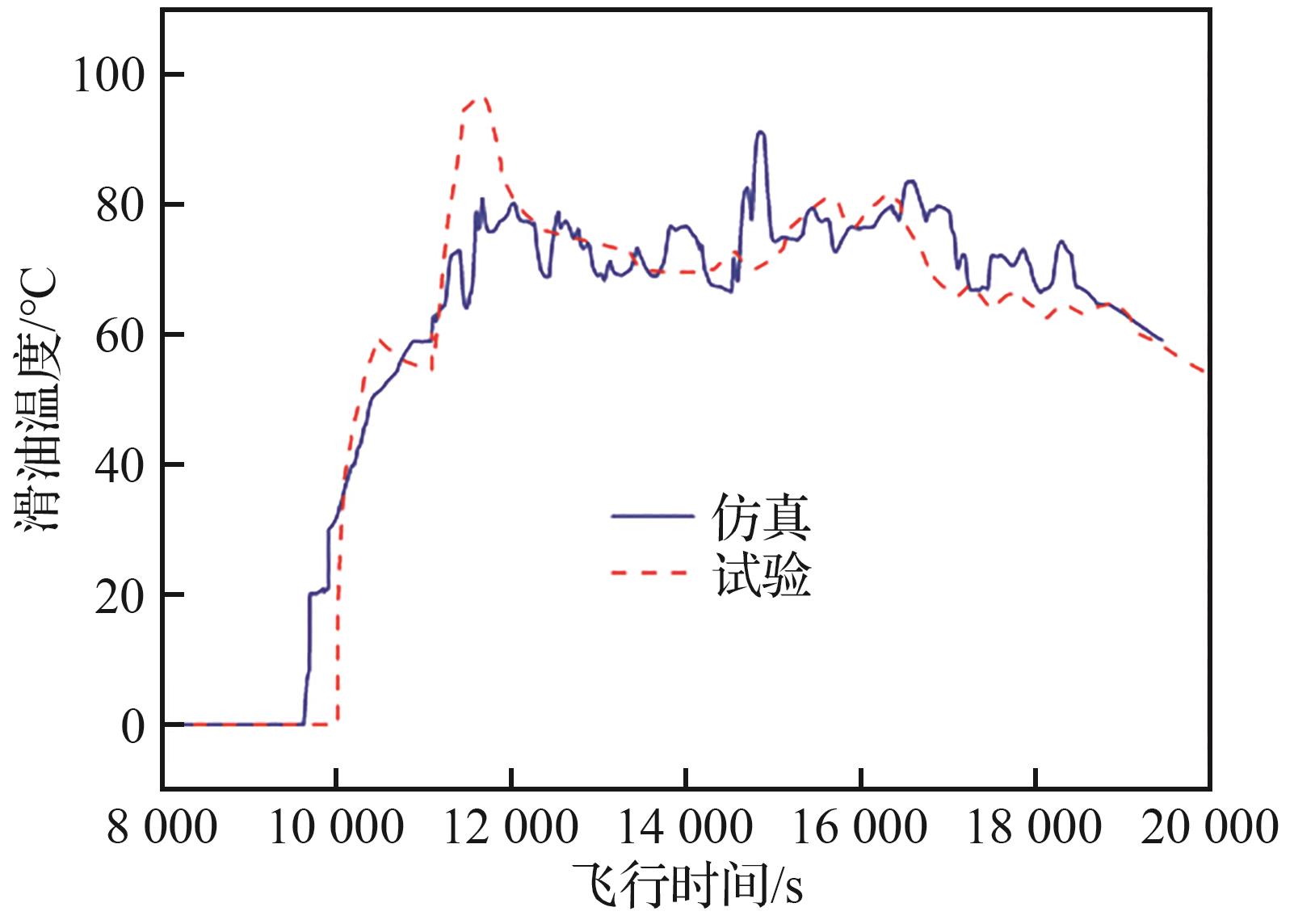
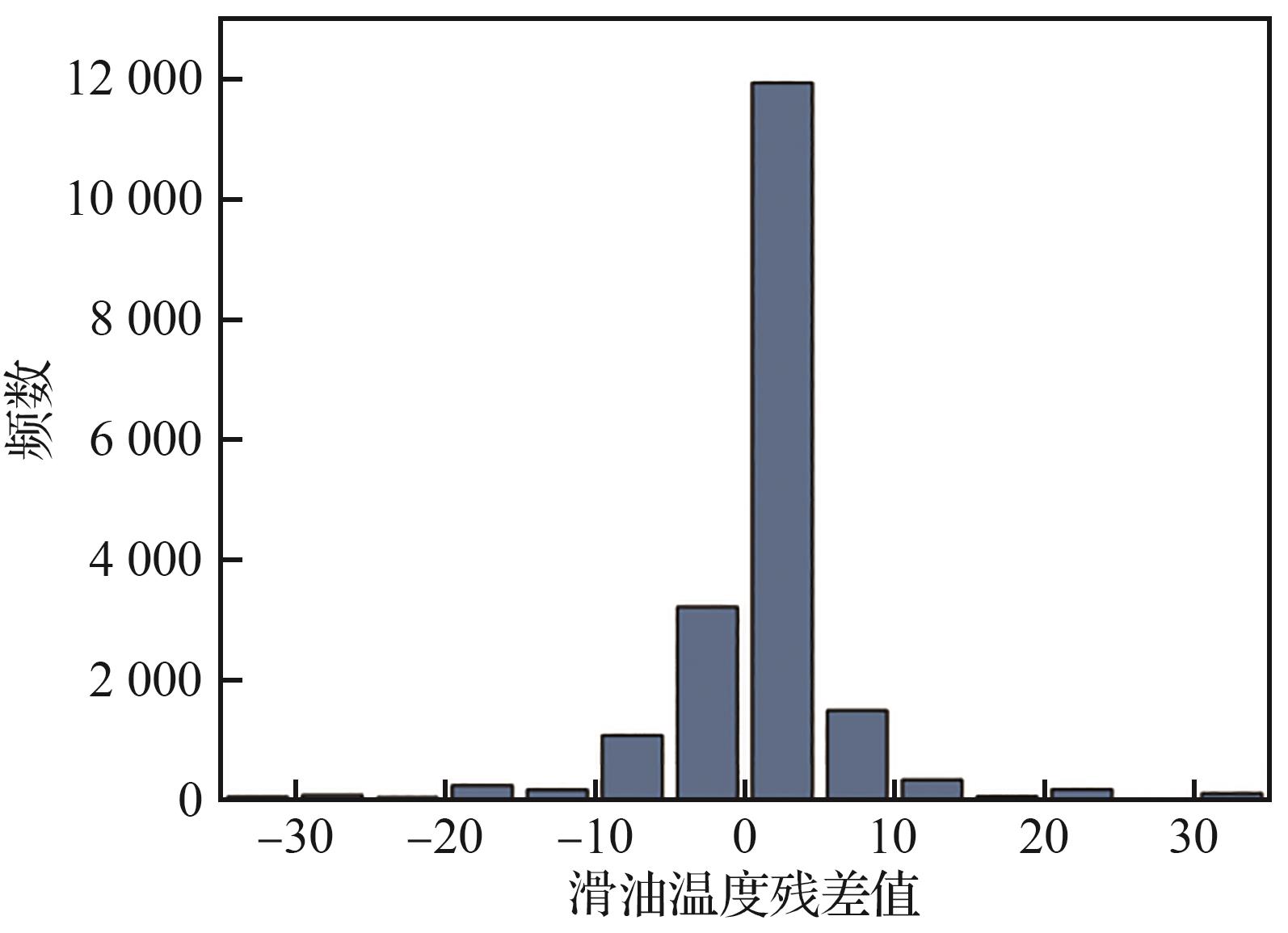
Fig.18
Chart of oil temperature frequency distribution
| [1] | VAN HEERDEN A S J, JUDT D M, JAFARI S, et al. Aircraft thermal management: Practices, technology, system architectures, future challenges, and opportunities[J]. Progress in Aerospace Sciences, 2022, 128: 100767. |
| [2] | 李言青, 宣益民. 直升机热管理与红外辐射特性耦合分析方法[J]. 航空学报, 2021, 42(3): 124270. |
| LI Y Q, XUAN Y M. Coupling analysis method for helicopter thermal management and infrared radiation characteristics[J]. Acta Aeronautica et Astronautica Sinica, 2021, 42(3): 124270 (in Chinese). | |
| [3] | 屠敏, 袁耿民, 薛飞, 等. 综合热管理在先进战斗机系统研制中的应用[J]. 航空学报, 2020, 41(6): 523629. |
| TU M, YUAN G M, XUE F, et al. Application of integrated thermal management in development of advanced fighter system[J]. Acta Aeronautica et Astronautica Sinica, 2020, 41(6): 523629 (in Chinese). | |
| [4] | 刘明辉, 杨文, 李宇飞, 等. 某型无人机滑油箱-进气道结构热负荷分析[J]. 飞机设计, 2021, 41(5): 76-80. |
| LIU M H, YANG W, LI Y F, et al. Analysis of the thermal load of the lubricating oil tank-inlet structure of aircraft[J]. Aircraft Design, 2021, 41(5): 76-80 (in Chinese). | |
| [5] | 苏壮, 毛宏图, 宋冠麟. 基于热管理技术的航空发动机滑油系统热分析方法[J]. 航空发动机, 2016, 42(2): 44-50. |
| SU Z, MAO H T, SONG G L. Thermoanalysis method of aeroengine lubrication system based on heat management technology[J]. Aeroengine, 2016, 42(2): 44-50 (in Chinese). | |
| [6] | 郭隽, 符佳, 韩树军, 等. WP11C发动机滑油系统热负荷分析[J]. 燃气涡轮试验与研究, 2007, 20(4): 45-48. |
| GUO J, FU J, HAN S J, et al. Thermal analysis of WP11C aeroengine lubricating system[J]. Gas Turbine Experiment and Research, 2007, 20(4): 45-48 (in Chinese). | |
| [7] | 闫星辉, 郭迎清, 殷锴, 等. 基于MATLAB/Simulink的滑油系统建模仿真与优化[J]. 航空动力学报, 2017, 32(3): 740-748. |
| YAN X H, GUO Y Q, YIN K, et al. Modeling simulation and optimization of oil system based on MATLAB/Simulink[J]. Journal of Aerospace Power, 2017, 32(3): 740-748 (in Chinese). | |
| [8] | 吴琼宵. 滑油系统仿真分析及油箱除气性能研究[D].哈尔滨: 哈尔滨工程大学, 2022. |
| WU Q X. Simulation analysis of lubricating oil system and study on air separation performance of fuel tank[D]. Harbin: Harbin Engineering University, 2022 (in Chinese). | |
| [9] | 张航源, 蔡景. 航空发动机滑油系统建模及测试性分析[J]. 计算机测量与控制, 2024, 32(12): 43-49. |
| ZHANG H Y, CAI J. Modeling and testing analysis of aviation engine lubricating oil system[J]. Computer Measurement & Control, 2024, 32(12): 43-49 (in Chinese). | |
| [10] | 王铮, 高红霞, 刘思远. 航空发动机主供油路压力脉动仿真分析[J]. 液压与气动, 2018, 42(3): 67-73. |
| WANG Z, GAO H X, LIU S Y. Analysis of pressure pulsation in main fuel supply road for aeroengine[J]. Chinese Hydraulics & Pneumatics, 2018, 42(3): 67-73 (in Chinese). | |
| [11] | 朱春新. A-31涡喷发动机滑油系统建模与性能分析[D]. 长沙: 国防科学技术大学, 2013. |
| ZHU C X. Research of model and performance for A-31 turbo engine lubrication system[D]. Changsha: National University of Defense Technology, 2013 (in Chinese). | |
| [12] | 李新, 周丽, 丁秀萍. 航空发动机滑油系统的现状与发展[J]. 科技风, 2016(17): 1-2. |
| LI X, ZHOU L, DING X P. Present and future of aeroengine oil system[J]. Technology Wind, 2016(17): 1-2 (in Chinese). | |
| [13] | 阳新元, 吴红美. 直升机传动系统高性能滑油泵关键技术浅析[J]. 航空动力, 2019(3): 76-78. |
| YANG X Y, WU H M. Key technology for high performance oil pump of helicopter transmission system[J]. Aerospace Power, 2019(3): 76-78 (in Chinese). | |
| [14] | 吴继强. 航空发动机主轴球轴承热混合润滑特性研究[D]. 哈尔滨: 哈尔滨工业大学, 2023. |
| WU J Q. Research on mixed thermal elastohydrodyn- amic lubrication characteristics of aeroengine mainshaft ball bearing[D]. Harbin: Harbin Institute of Technology, 2023 (in Chinese). | |
| [15] | HARRIS T A, ANDERSON W J. Rolling bearing analysis[J]. Journal of Lubrication Technology, 1967, 89(4): 521. |
| [16] | 李健, 袁培益. 某型航空发动机轴承腔的热分析模型[C]∥中国航空学会第九届机械动力传输学术会论文集. 1998: 34-39. |
| LI J, YUAN P Y. Analysis models of thermal parameter for an aeroengine bearing oil cavity[C]∥Proceedings of the 9th Mechanical Power Transmission Conference of the Chinese Society of Aeronautics. 1998: 34-39 (in Chinese). | |
| [17] | 杨家旺, 姜会庆, 周琳. 航空发动机滑油供油系统建模及应用[J]. 工业技术创新, 2019, 6(3): 80-85. |
| YANG J W, JIANG H Q, ZHOU L. Modeling and application of lubricating oil supply system for aeroengines[J]. Industrial Technology Innovation, 2019, 6(3): 80-85 (in Chinese). | |
| [18] | 雷春丽, 贾希斌, 巩宝儒, 等. 高速角接触球轴承摩擦力矩的影响因素研究[J]. 机床与液压, 2020, 48(21): 68-72, 116. |
| LEI C L, JIA X B, GONG B R, et al. Research on the influencing factors of friction torque of high-speed angular contact ball bearing[J]. Machine Tool & Hydraulics, 2020, 48(21): 68-72, 116 (in Chinese). | |
| [19] | 姚建涛, 安静涛, 宁峰平, 等. 轴向载荷对角接触轴承间隙演化机理分析[J]. 机械设计, 2017, 34(3): 18-24. |
| YAO J T, AN J T, NING F P, et al. Analysis of the effect of axial loading on working clearance evolution for angular contact bearing[J]. Journal of Machine Design, 2017, 34(3): 18-24 (in Chinese). | |
| [20] | 汪元林. 航空发动机滑油系统温升研究[D]. 南京: 南京航空航天大学, 2017. |
| WANG Y L. Research on temperature addition of aeroengine oil system[D]. Nanjing: Nanjing University of Aeronautics and Astronautics, 2017 (in Chinese). | |
| [21] | 李子繁, 韩莹亮, 胡玉梅. 齿轮啮合摩擦发热瞬态有限元仿真[J]. 机械传动, 2017, 41(4): 77-80. |
| LI Z F, HAN Y L, HU Y M. Transient finite element simulation of friction heating of gear meshing[J]. Journal of Mechanical Transmission, 2017, 41(4): 77-80 (in Chinese). | |
| [22] | LI Y Q, XUAN Y M. Integrated thermal modeling of helicopters[J]. Applied Thermal Engineering, 2019, 154: 458-468. |
| [23] | MA C, YANG J, ZHAO L, et al. Simulation and experimental study on the thermally induced deformations of high-speed spindle system[J]. Applied Thermal Engineering, 2015, 86: 251-268 |
| [24] | ANDERSON N E, LOEWENTHAL S H. Spur-gear-system efficiency at part and full load: NASA-TP-1622 [R]. Washington, D.C.: NASA, 1980. |
| [25] | 崔立. 航空发动机高速滚动轴承及转子系统的动态性能研究[D]. 哈尔滨: 哈尔滨工业大学, 2008. |
| CUI L. Research on dynamic performances of high-speed rolling bearing and rotor system of aeroengine[D]. Harbin: Harbin Engineering University, 2008 (in Chinese). | |
| [26] | 宋男. 结合自旋生热的高速角接触球轴承温度场及热—应力耦合分析[D]. 长春: 吉林大学, 2017. |
| SONG N. Analysis on temperature field and thermo-stress coupling of high-speed angular contact ball bearing with spin heat generation[D]. Changchun: Jilin University, 2017 (in Chinese). |
| [1] | Pinggen LUO, Bin LI, Huaji WANG, Xingping LI, Wenqing XIA. New waste heat recovery thermal management configurations and applications for helicopters [J]. Acta Aeronautica et Astronautica Sinica, 2026, 47(1): 632007-632007. |
| [2] | Linxuan YANG, Huicai MA, Liping PANG. Design and performance simulation of environmental control system for supersonic civil aircraft [J]. Acta Aeronautica et Astronautica Sinica, 2025, 46(20): 531585-531585. |
| [3] | Yi ZHANG, Binwen WANG, Jingtao WU, Linhua CONG, Hong CHEN, Shiping LI. Graphite-based simulation method of wide temperature range and rapidly time-varying aerothermal load [J]. Acta Aeronautica et Astronautica Sinica, 2024, 45(3): 228732-228732. |
| [4] | LI Yuhui, ZHAO Min, CHEN Qi, YAO Min, HE Ziyang. Combined trajectory planning of parafoil systems in complex environments [J]. ACTA AERONAUTICAET ASTRONAUTICA SINICA, 2021, 42(6): 324566-324566. |
| [5] | SUN Hao, SUN Qinglin, TENG Haishan, ZHOU Peng, CHEN Zengqiang. Trajectory planning for parafoil system considering dynamic constraints in complicated environment [J]. ACTA AERONAUTICAET ASTRONAUTICA SINICA, 2021, 42(3): 324301-324301. |
| [6] | TU Min, YUAN Gengmin, XUE Fei, WANG Xiaoming. Application of integrated thermal management in development of advanced fighter system [J]. ACTA AERONAUTICAET ASTRONAUTICA SINICA, 2020, 41(6): 523629-523629. |
| [7] | CHEN Qi, ZHAO Min, LI Yuhui, HE Ziyang. Optimal segment constant trajectory planning for parafoil system based on gradient descent method [J]. ACTA AERONAUTICAET ASTRONAUTICA SINICA, 2020, 41(12): 324226-324226. |
| [8] | TAO Jin, SUN Qinglin, TAN Panlong, WU Wannan, CHEN Zengqiang, HE Yingping. Homing control of parafoil systems in unknown wind environments [J]. ACTA AERONAUTICAET ASTRONAUTICA SINICA, 2017, 38(5): 320523-320523. |
| [9] | LUO Shuzhen, SUN Qinglin, TAN Panlong, TAO Jin, HE Yingping, LUO Haowen. Trajectory planning of parafoil system with intricate constraints based on Gauss pseudo-spectral method [J]. ACTA AERONAUTICAET ASTRONAUTICA SINICA, 2017, 38(3): 320363-320363. |
| [10] | TAN Panlong, SUN Qinglin, GAO Haitao, CHEN Zengqiang. Wind identification and application of powered parafoil system [J]. ACTA AERONAUTICAET ASTRONAUTICA SINICA, 2016, 37(7): 2286-2294. |
| [11] | HUANG Wenjie, ZUO Hongfu. Research on Electrostatic Sensing for In-line Abrasive Monitoring in Full Flow Oil System [J]. ACTA AERONAUTICAET ASTRONAUTICA SINICA, 2013, 34(8): 1786-1794. |
| [12] | CHEN Zhixiong, ZUO Hongfu, ZHAN Zhijuan, ZHANG Ying, CAI Jing. Study of Oil System Oil-line Debris Electrostatic Monitoring Technology [J]. ACTA AERONAUTICAET ASTRONAUTICA SINICA, 2012, (3): 446-452. |
| [13] | YUAN Weixing, WANG Chenjie, LI Yunxiang. Simulation Study of an Original Membrane-based Dehumidification Aircraft Environmental Control System [J]. ACTA AERONAUTICAET ASTRONAUTICA SINICA, 2011, 32(4): 589-597. |
| [14] | Han Yaoxin. THERMAL LOAD STUDY OF MULTI-FASTENER JOINTS IN COMPOSITES [J]. ACTA AERONAUTICAET ASTRONAUTICA SINICA, 1988, 10(12): 617-620. |
| Viewed | ||||||
|
Full text |
|
|||||
|
Abstract |
|
|||||
Address: No.238, Baiyan Buiding, Beisihuan Zhonglu Road, Haidian District, Beijing, China
Postal code : 100083
E-mail:hkxb@buaa.edu.cn
Total visits: 6658907 Today visits: 1341All copyright © editorial office of Chinese Journal of Aeronautics
All copyright © editorial office of Chinese Journal of Aeronautics
Total visits: 6658907 Today visits: 1341

 CJA
CJA
