| [1] |
韩德强, 熊伟, 王子玲. 深度多模态时代低空经济与信息融合[J]. 航空学报, 2026, 47(S1): 732853-732853. |
| [2] |
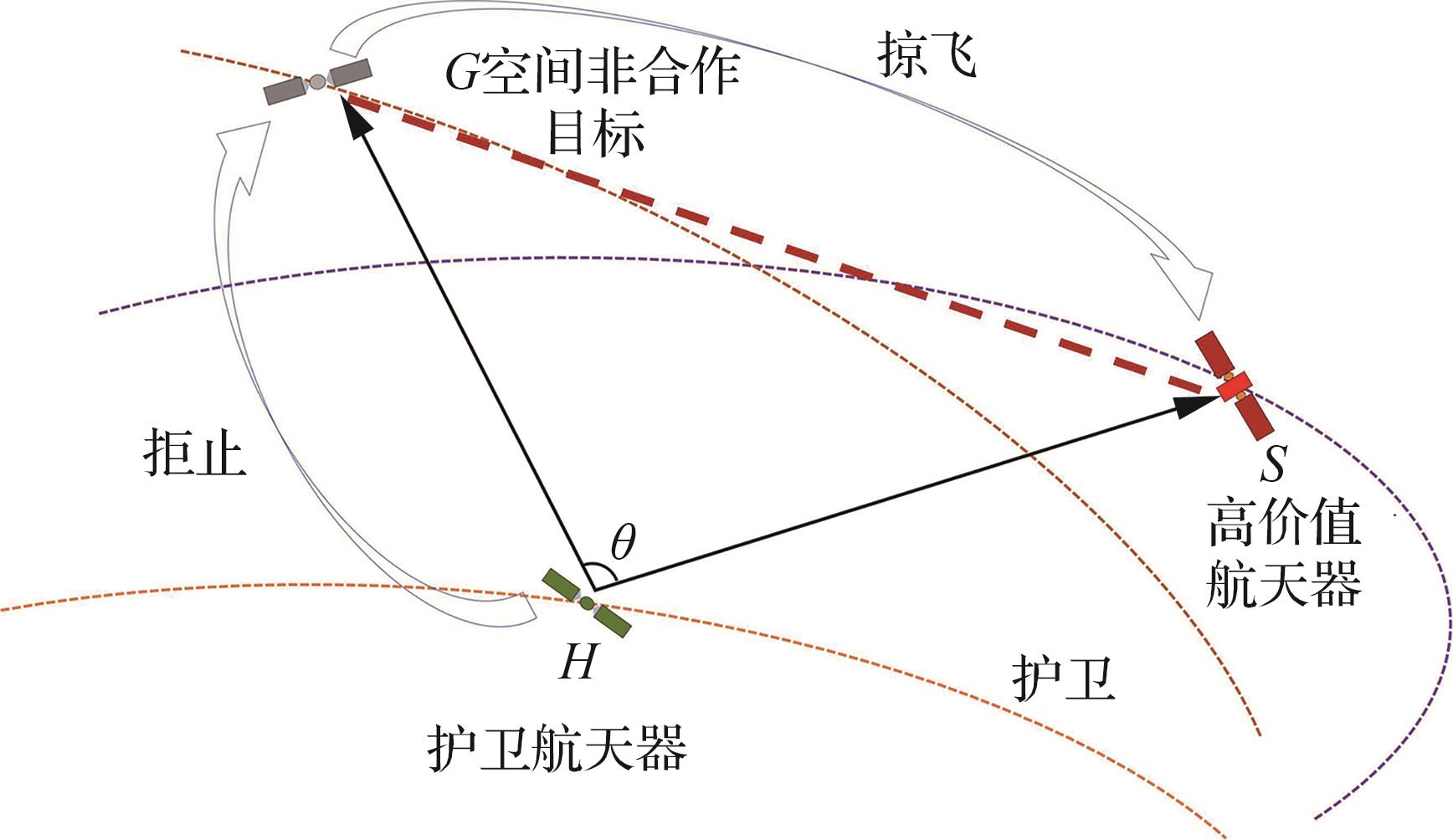
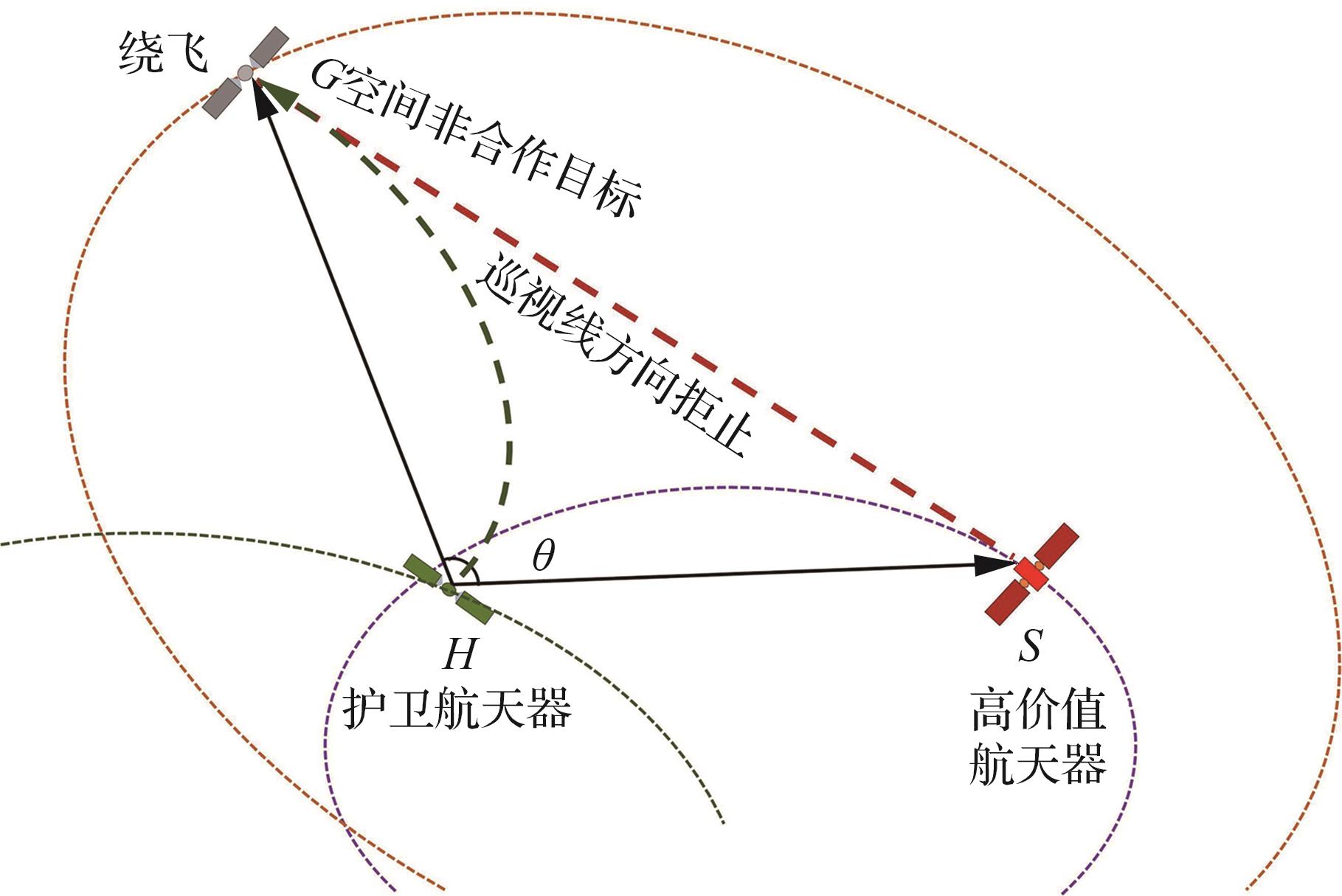
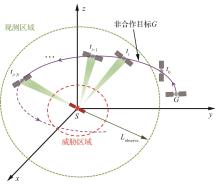
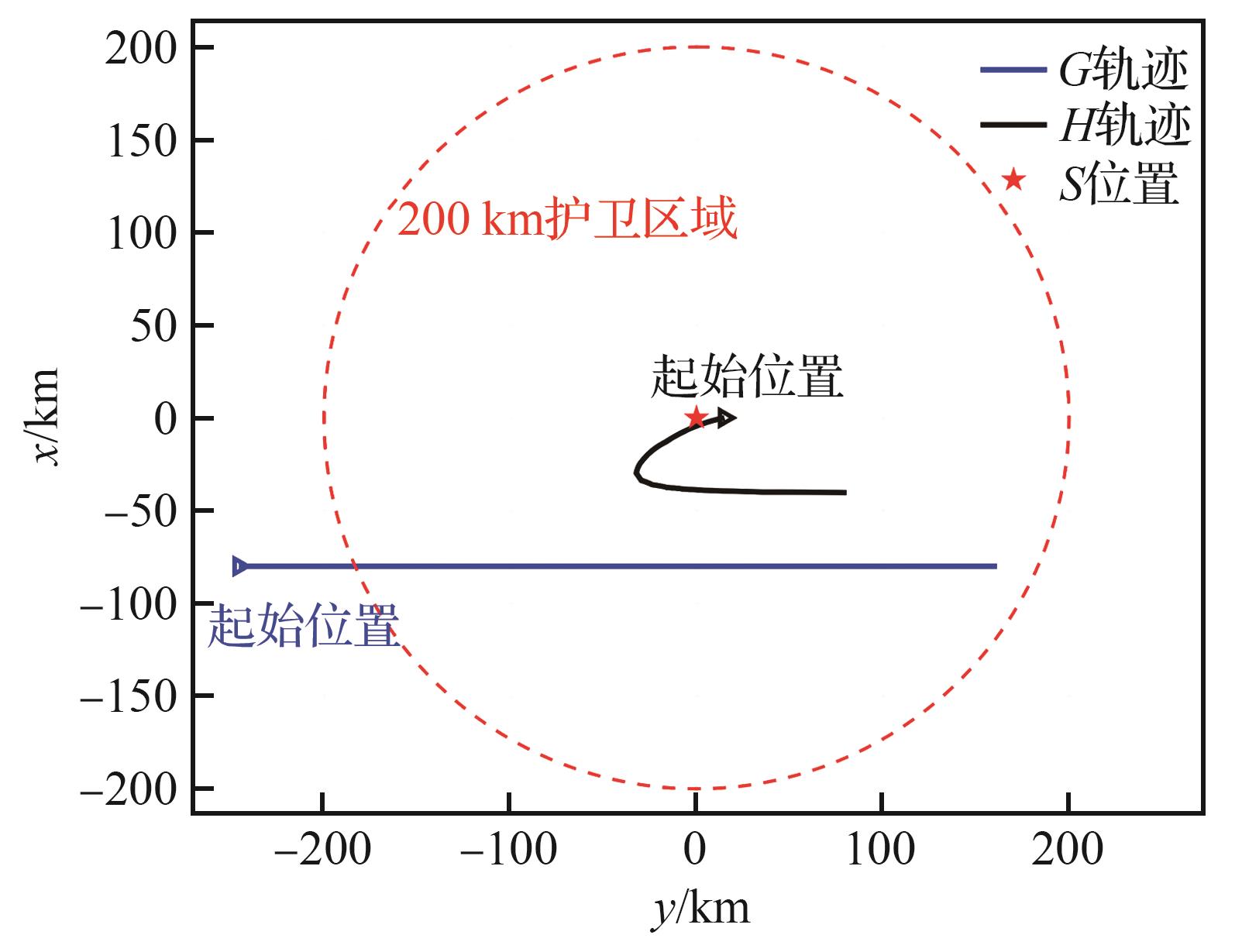
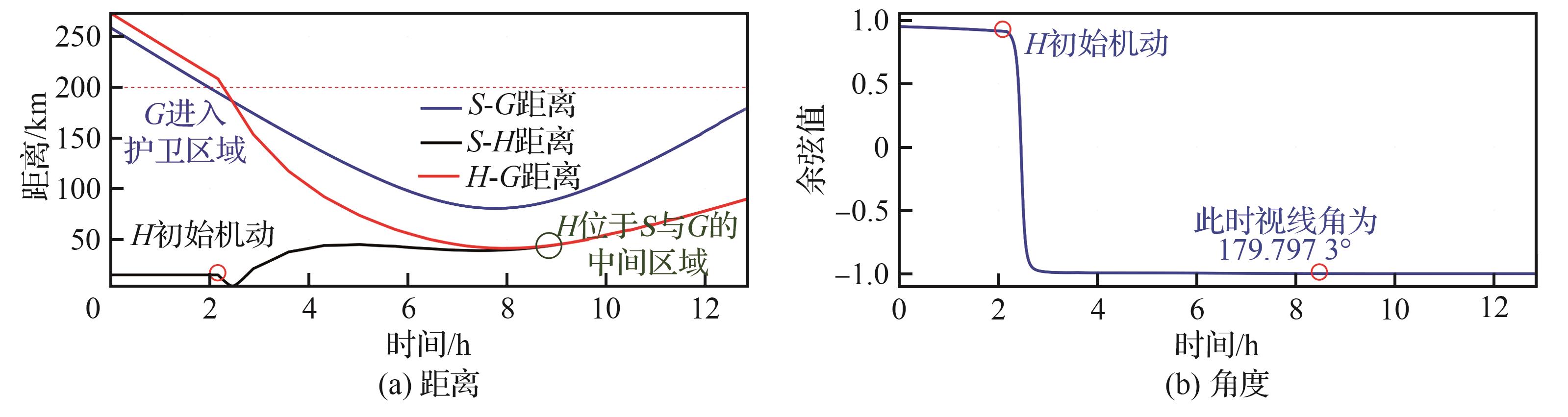
董凯凯, 王家乐, 尚芃锦, 郑茂章, 倪智宇. 视线坐标系下空间机动非合作目标交会轨迹规划与控制[J]. 航空学报, 2026, 47(S1): 733005-733005. |
| [3] |
马宇卓, 任侃, 李涛, 陈钱. 基于距离损失提升航空图像语义分割研究[J]. 航空学报, 2026, 47(8): 332780-332780. |
| [4] |
熊威, 张栋, 杨书恒, 任智, 刘文逸. 面向智能空战有人/无人机协同可解释方法[J]. 航空学报, 2026, 47(7): 332547-332547. |
| [5] |
黄俊, 张菁, 翁世倩. 机载光电目标识别算法综述[J]. 航空学报, 2026, 47(6): 332601-332601. |
| [6] |
李乐言, 杨任农, 郭安新, 宋祺, 左家亮. 基于全域火力场的超视距空战威胁预测及动态逃逸方法[J]. 航空学报, 2026, 47(4): 332205-332205. |
| [7] |
冯子成, 张文龙, 刘冬辉, 于起峰. 复杂背景下反无人机红外目标鲁棒跟踪算法[J]. 航空学报, 2026, 47(4): 332264-332264. |
| [8] |
刘祥雨, 王刚, 王思远, 陈卓文. 数据-知识双驱动的编队目标意图识别方法[J]. 航空学报, 2026, 47(2): 332170-332170. |
| [9] |
李思远, 韩德强, DEZERT Jean, 杨艺. 利用学习机制的多方法融合端到端证据建模[J]. 航空学报, 2026, 47(12): 332927-332927. |
| [10] |
辛炜华, 田宇豪, 张起鸣, 郭京辉, 林贵平. 融合多源数据的防热多孔材料渗透率预测方法[J]. 航空学报, 2026, 47(12): 432866-432866. |
| [11] |
任若天, 赵理君, 赵旭阳, 张正, 李宏益, 薛新华, 唐娉. 知识引导下的遥感影像智能解译方法综述[J]. 航空学报, 2026, 47(10): 632103-632103. |
| [12] |
段韶华, 张淳杰, 刘传凯, 郑晓龙, 张济韬. 自回归与反馈驱动的自适应矩形卷积全色锐化网络[J]. 航空学报, 2026, 47(10): 532432-532432. |
| [13] |
李杰潘, 贺威, 唐明豪, 熊进. 灾前建筑物掩码引导的航天遥感建筑物受损变化检测方法[J]. 航空学报, 2026, 47(10): 532845-532845. |
| [14] |
舒世灏, 孟偲, 白相志, 史振威. 基于光照控制的月球表面精确着陆点定位算法[J]. 航空学报, 2026, 47(10): 532874-532874. |
| [15] |
陶冶, 汤锦辉, 闫震, 周臣, 王冲. 融合表征转换与模式回归的航迹插补方法[J]. 航空学报, 2026, 47(1): 332106-332106. |
 )
)

 CJA
CJA