李沁檀, 康雪玲, 陈伟文, 郑向涛( ), 卢孝强
收稿日期:2025-12-22
修回日期:2026-01-05
接受日期:2026-05-12
出版日期:2026-06-09
发布日期:2026-05-25
通讯作者:
郑向涛
E-mail:xiangtaoz@gmail.com
基金资助:
Qintan LI, Xueling KANG, Weiwen CHEN, Xiangtao ZHENG(), Xiaoqiang LU
Received:2025-12-22
Revised:2026-01-05
Accepted:2026-05-12
Online:2026-06-09
Published:2026-05-25
Contact:
Xiangtao ZHENG
E-mail:xiangtaoz@gmail.com
Supported by:摘要:
随着低空无人机快速普及,“黑飞”“滥飞”等违规活动对公共安全、重要设施和低空空域管理带来持续威胁,复杂背景下实现小型无人机的稳定、可靠检测已成为反无人机系统的关键需求。针对现有综述多按传感器类型或算法结构分类、难以揭示不同感知模态内在联系的问题,从无人机与背景差异信息的物理来源及感知机制出发构建面向检测判据的统一分类框架,将反无人机目标检测依据归纳为静态表观差异、动态时序差异和内在射频差异3类。在此框架下,系统梳理可见光、红外、雷达、声学和射频等单模态检测技术的基本原理、典型方法、发展脉络、优势及局限,进一步分析多模态检测算法中多源协同建模、跨模态对齐与融合策略以及典型反无人机检测系统的工程应用。随后对现有公开数据集按感知模态进行归纳,总结不同模态下常用的检测精度、定位精度、实时性、探测距离和环境鲁棒性等评价指标。最后结合当前技术瓶颈,对多模态协同感知、跨场景泛化、鲁棒特征学习和轻量化部署等未来发展方向进行了展望。
李沁檀, 康雪玲, 陈伟文, 郑向涛, 卢孝强. 基于差异信息的反无人机目标检测技术研究进展[J]. 航空学报, 2026, 47(19): 333268.
Qintan LI, Xueling KANG, Weiwen CHEN, Xiangtao ZHENG, Xiaoqiang LU. A review of anti-UAV target detection technology based on differential information[J]. Acta Aeronautica et Astronautica Sinica, 2026, 47(19): 333268.
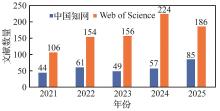
图 1
近5年反无人机目标检测相关文献数量统计
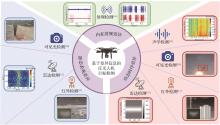
图 2
基于差异信息的反无人机目标检测技术[10-15]
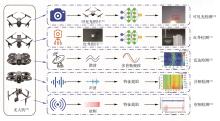
图 3
反无人机目标检测示意图[10-14,78]
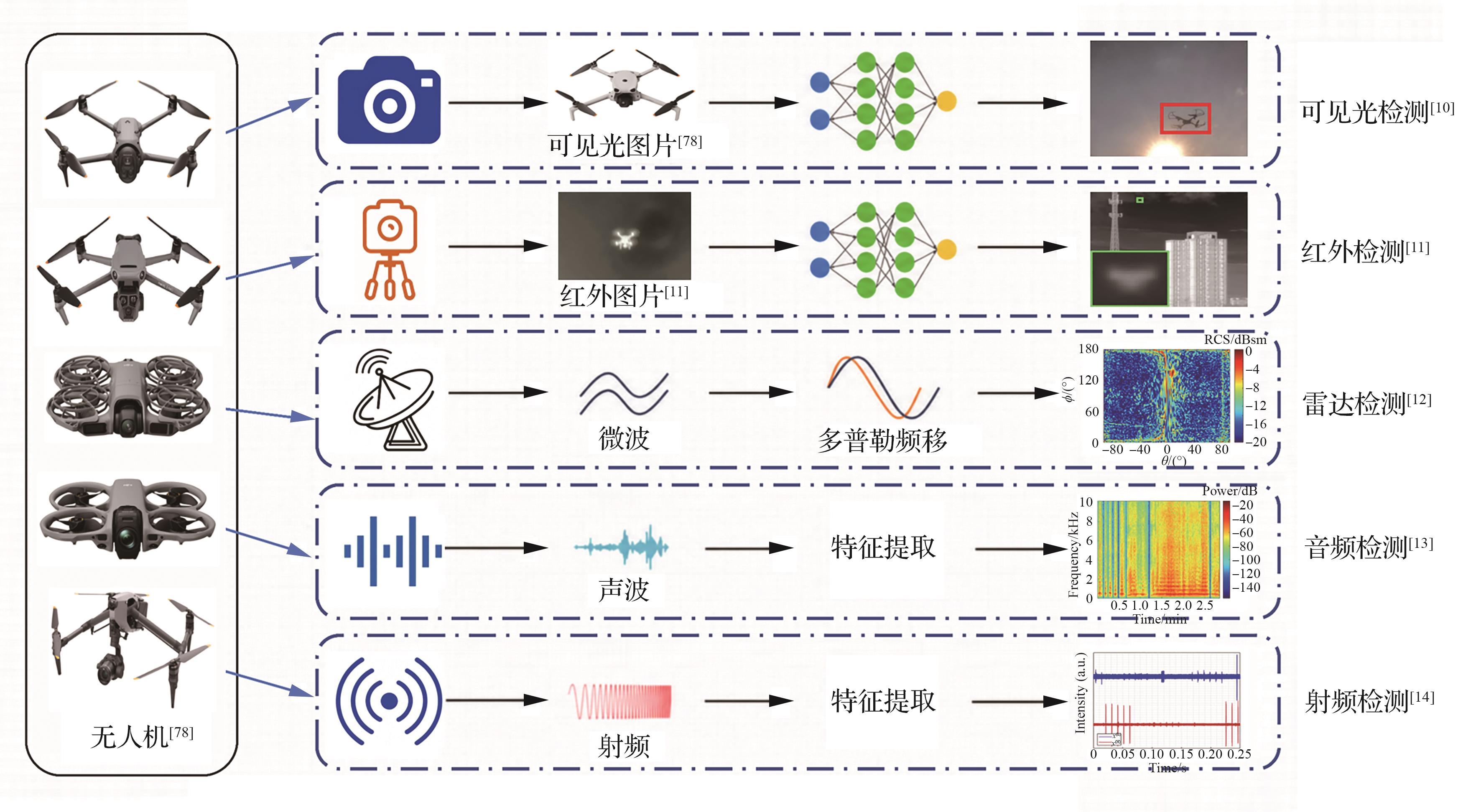
表1
各模态数据检测的优势与劣势
| 探测手段 | 优势 | 劣势 | 典型适用场景 |
|---|---|---|---|
| 可见光 | 外观结构与纹理差异明显 材质反射与轮廓易区分 与静态背景有明显差别 | 小型远距目标易与噪声/鸟类混淆 复杂背景导致淹没 光照变化削弱外观差异 | 局部空域目标可视检测场景 |
| 红外 | 热辐射与背景形成温差 夜间优势明显 背景温场变化慢,目标更突出 | 高温背景降低对比度 小无人机热源弱 天气影响显著 | 全天时低照度目标检测场景 |
| 雷达 | 旋翼微多普勒与鸟类区分明显 距离/速度等动态差异强 不受光照与天气影响 | 小无人机雷达散射截面小 鸟群、建筑反射产生杂波 设备成本高 | 大范围空域目标检测场景 |
| 声学 | 旋翼周期声纹稳定 频谱结构与自然声差异大 遮挡/夜间仍可工作 | 环境噪声掩盖 声衰减快 多路径与混响影响识别 | 近距离低空目标检测场景 |
| 射频 | 调制规律与协议结构显著 背景无线信号结构性弱 复杂天气不影响 | 无通信链路无法探测 民用通信干扰 跳频/加密提高难度 | 通信信号目标检测场景 |
表2
典型反无人机目标检测系统对比
| 系统/平台 | 检测技术 | 主要功能 | 典型特点 |
|---|---|---|---|
| LX-SPEC1020[ | 射频 | 侦测-识别 | 被动频谱侦测;通信信号特征识别 |
| LX-RS01[ | 雷达 | 预警-定位-区分 | 微多普勒特征提取;鸟/机区分能力 |
| Scanner-DB[ | 射频 | 侦测-识别-定位 | 无源被动侦测;多目标告警 |
| LX-WS01[ | 光电+红外 | 识别-定位 | 可视化识别确认;红外夜间补充 |
| 西安知语云反无人机系统[ | 雷达+光电+激光 | 预警-联动确认 | 雷达告警引导;多源协同降误警 |
| XD-1018便携系统[ | 射频+雷达+光电 | 预警-协同探测 | 便携式一体化;应急快速布控 |
| AUDS[ | 雷达+光电+红外 | 探测-跟踪-干扰 | 雷达引导光电跟踪;支持反制扩展 |
| DedroneTracker[ | 射频+光电 | 探测-分类-跟踪 | 多源信息融合;目标分类轨迹跟踪 |
| Anduril栅格系统与哨兵塔[ | 分布式雷达+光电 | 探测-跟踪-决策 | 分布式多点部署;持续态势监视 |
| Silent Archer[ | 雷达+射频 | 探测-识别-干扰 | 射频侦测与雷达协同;通信干扰 |
| 安则平台[ | 射频+雷达 | 探测-跟踪-干扰 | 模块化集成;快速机动部署 |
| “无人机卫士”[ | 多型雷达+光电 | 探测-识别-干扰 | 近/中/远分层探测;光电联动确认 |
| “猎鹰盾牌”[ | 射频+三维雷达+光电 | 探测-拦截 | 射频早期发现;三维定位跟踪 |
| VAR300[ | 光电+红外 | 探测-识别-跟踪 | 可见光/红外协同;固定式全天候 |
| RG-LY-VRT3000-008[ | 光电+红外 | 探测-识别 | 可见光/红外协同;远距离探测 |
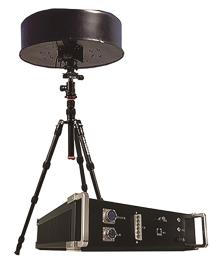
图 4
灵信科技无人机频谱侦测设备LX-SPEC1020[98]
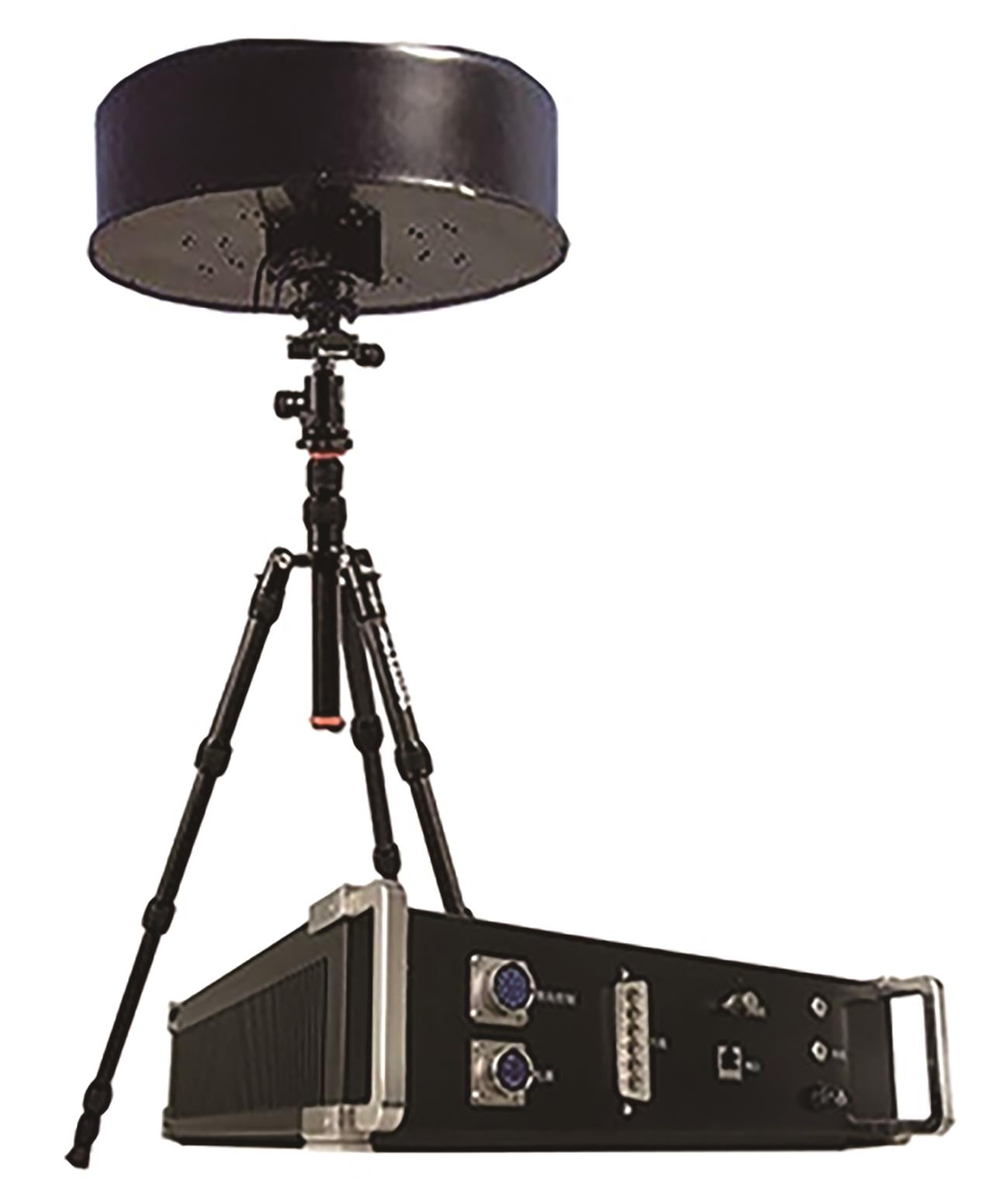
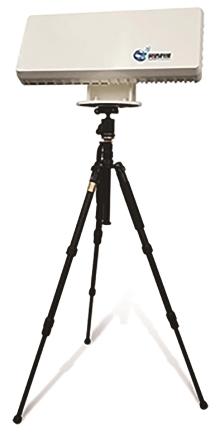
图 5
灵信科技无人机雷达侦测设备LX-RS01[99]
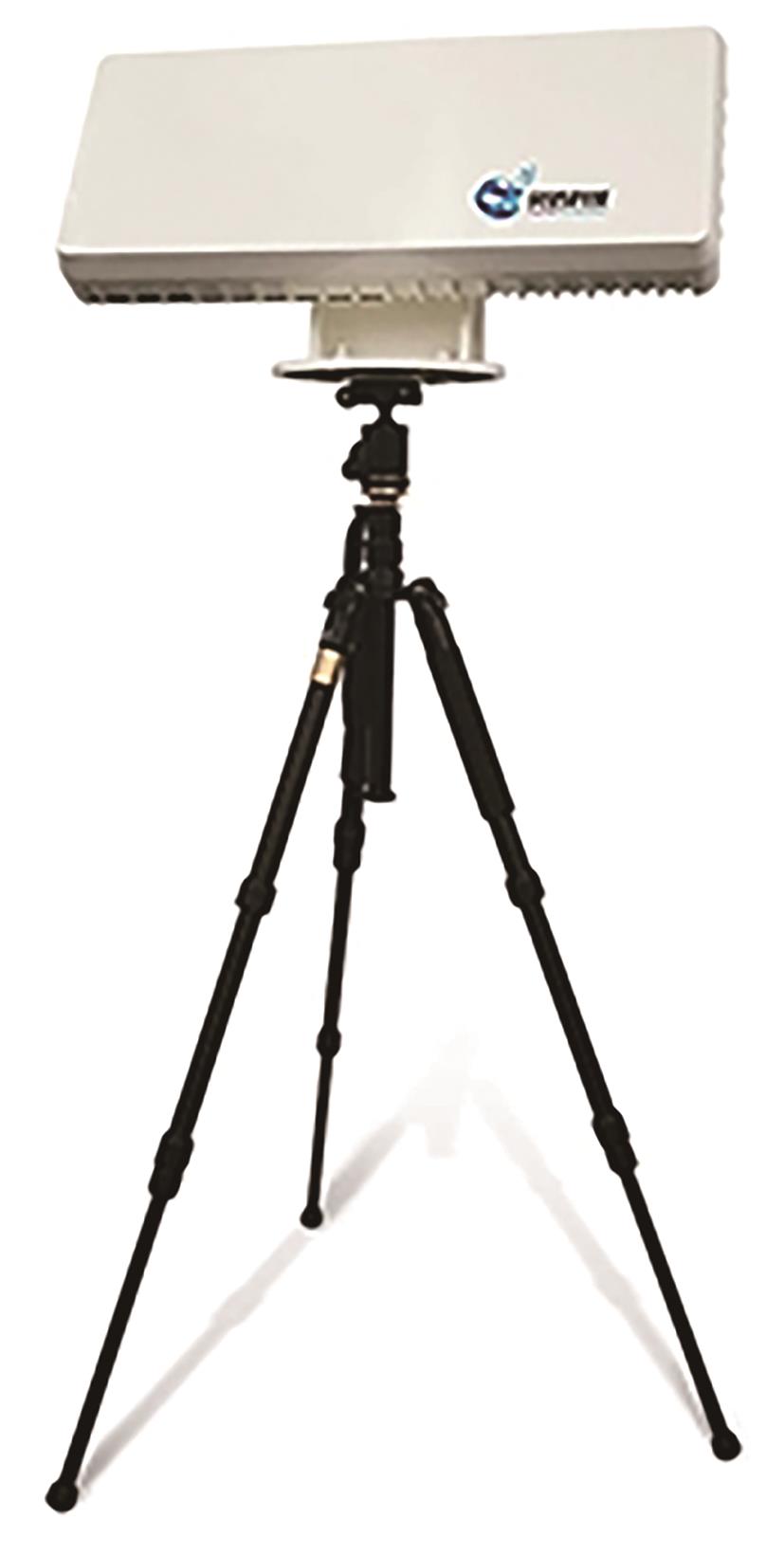
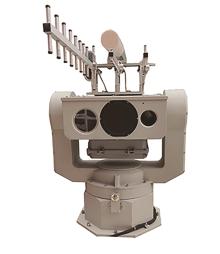
图 6
灵信科技光电探测设备LX-WS01[101]
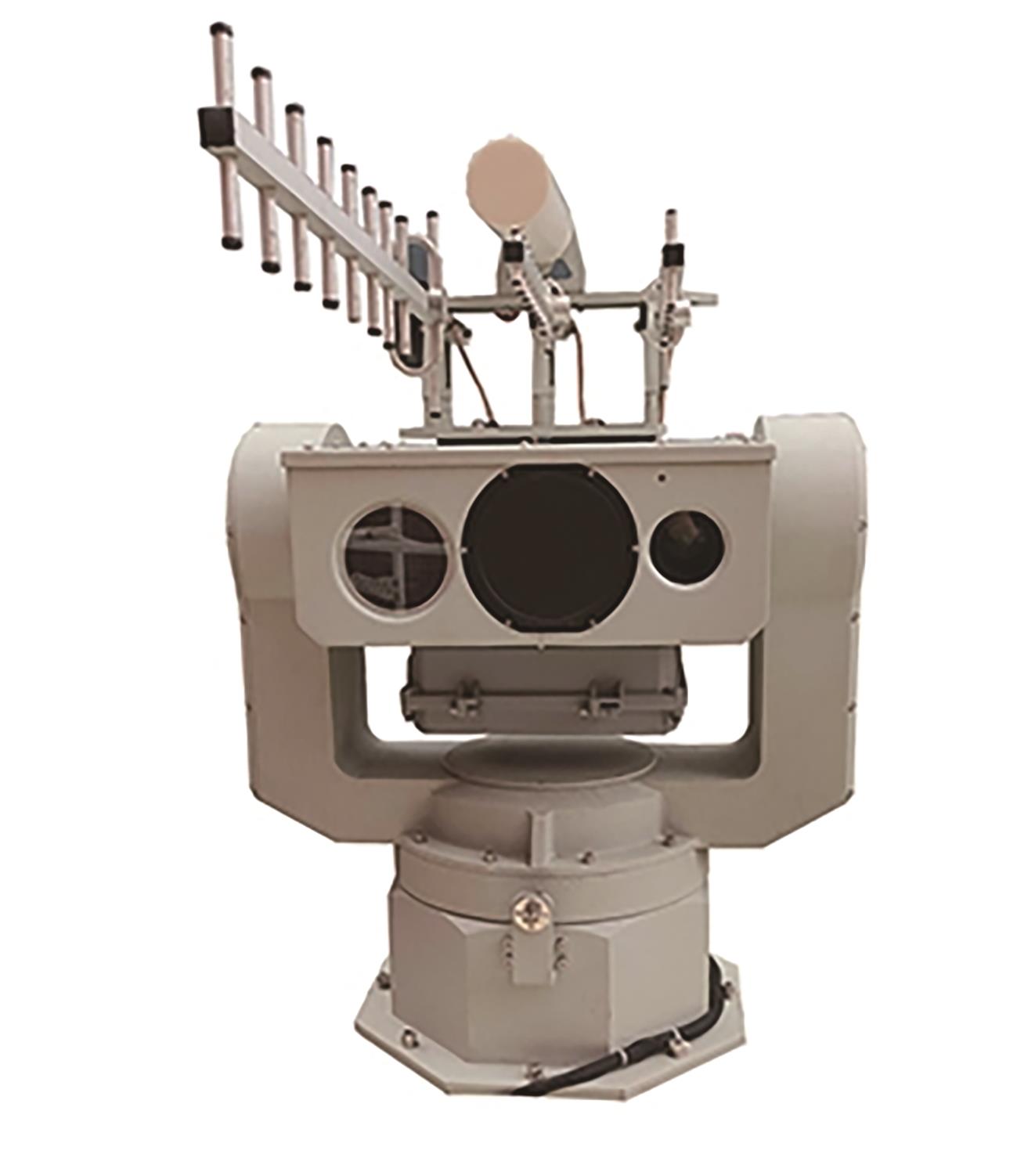
图 7
理工全盛Scanner-DB无线电定位侦测设备[100]
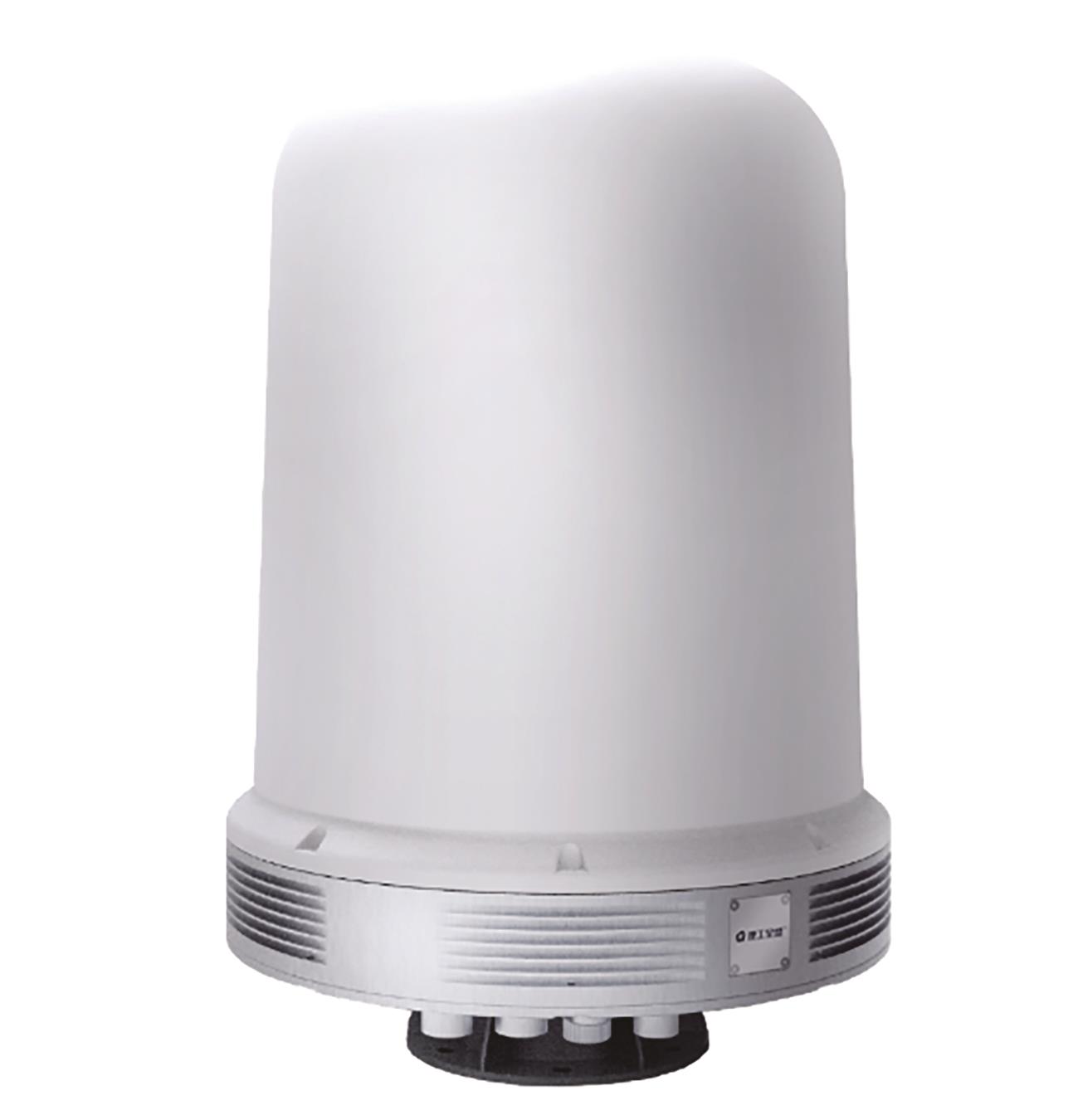
图 8
AUDS反无人机防御系统[104]
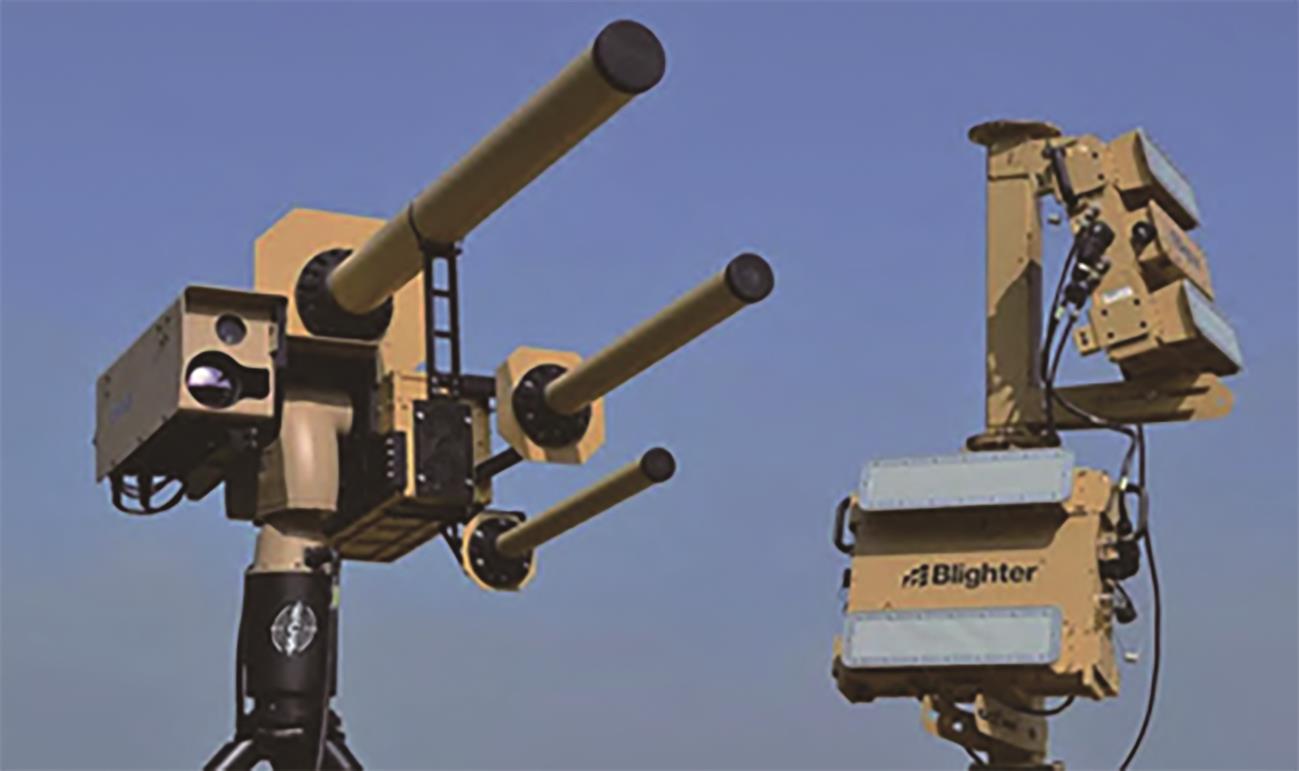
图 9
Silent Archer反无人机防御系统[106]
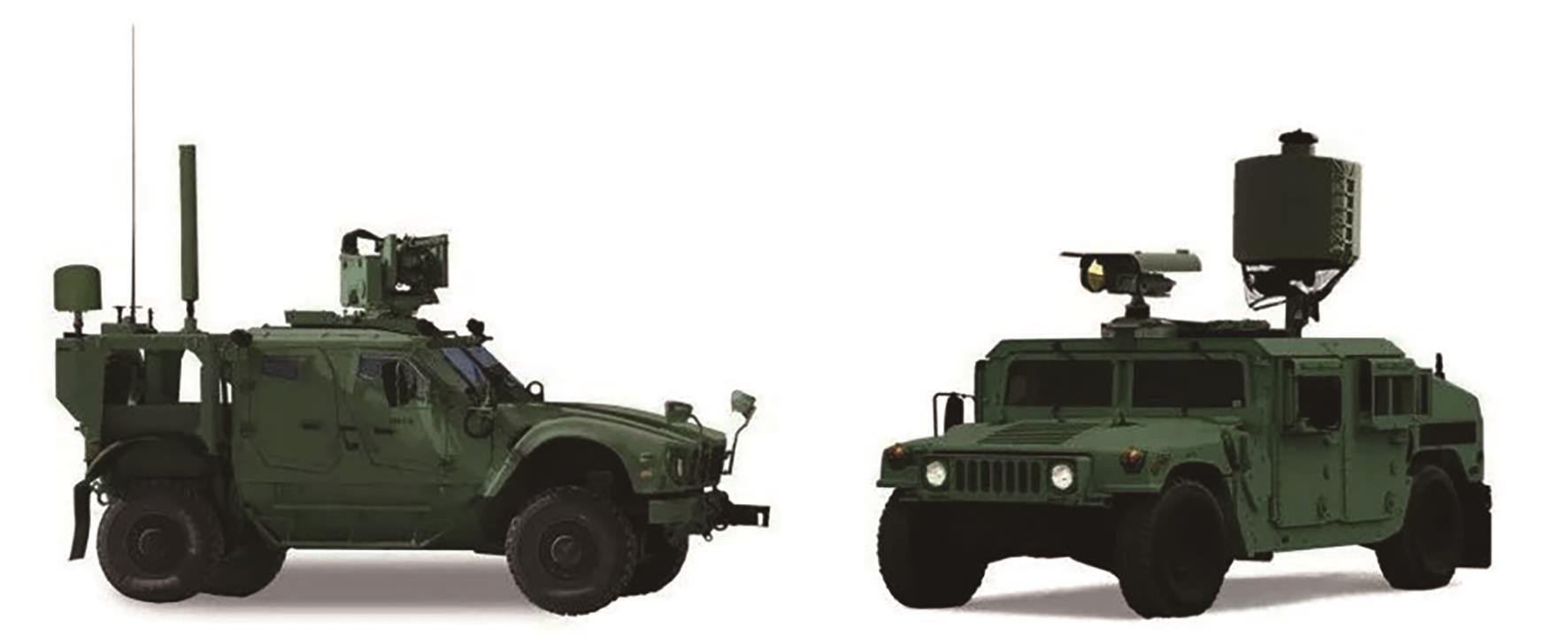
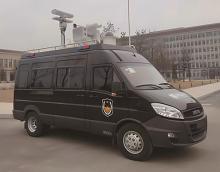
图 10
安则科技无人机防御一体化管控平台[107]
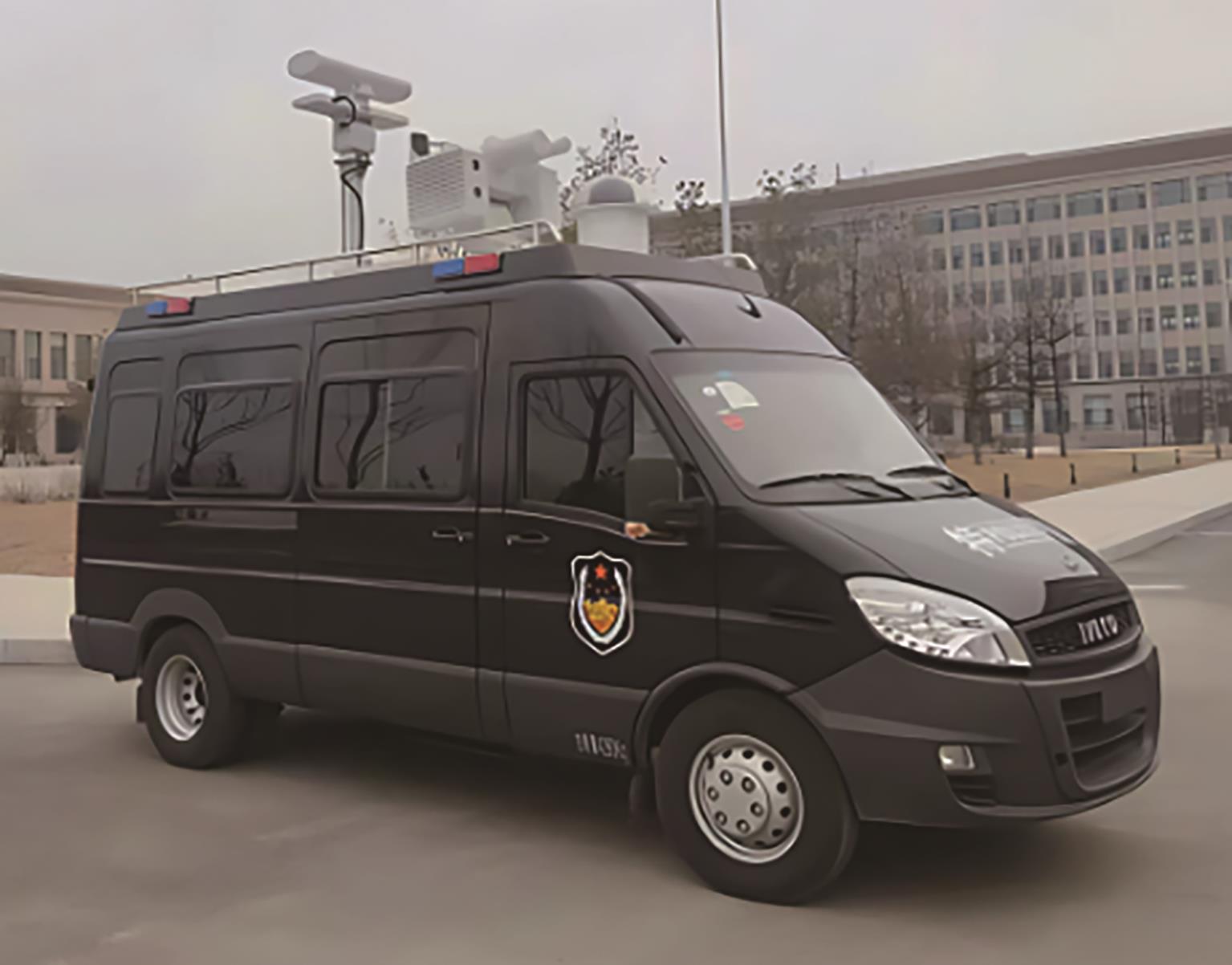
图 11
“无人机卫士”防御系统[108]
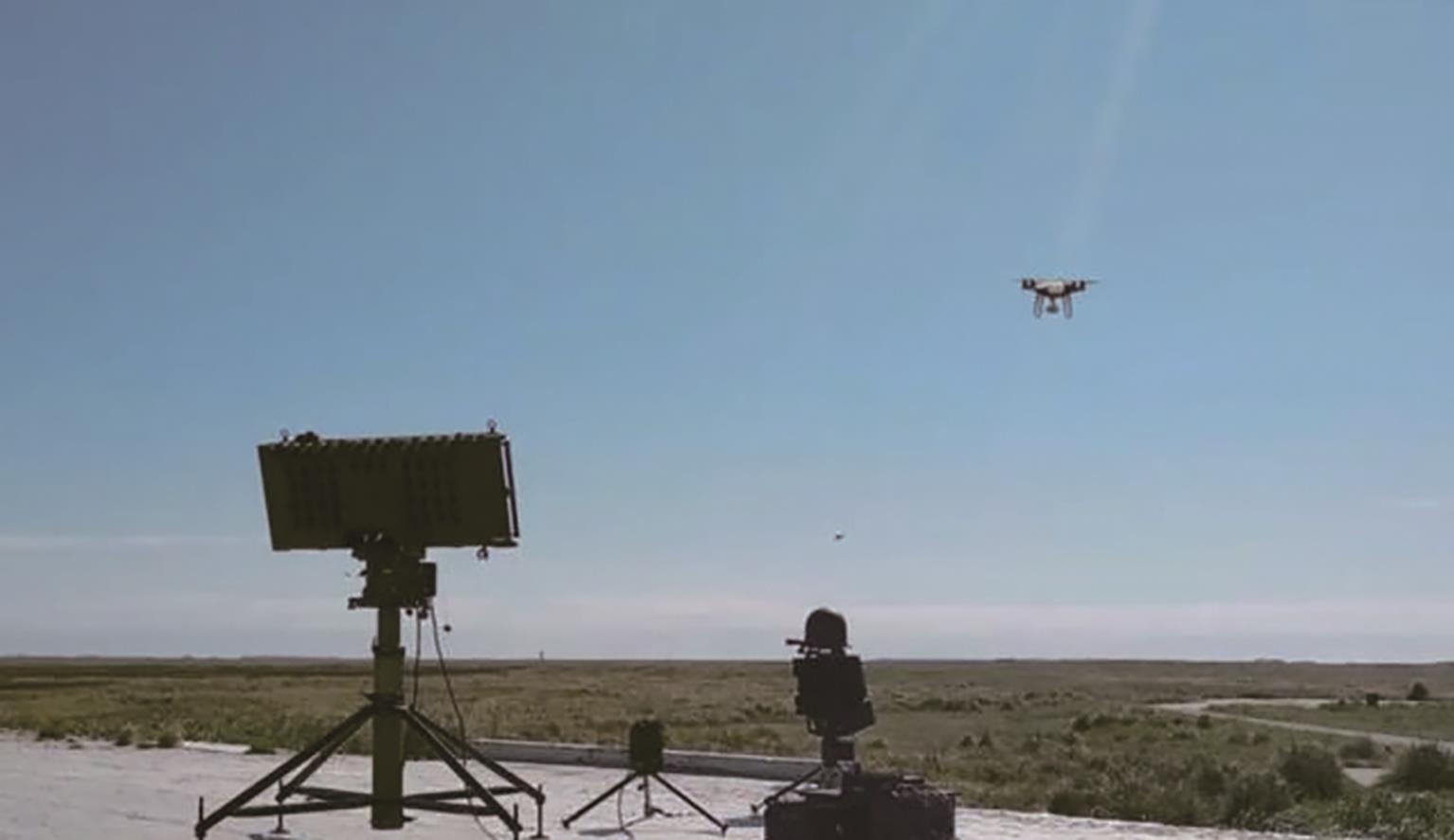
图 12
“猎鹰盾牌”无人机防御系统[108]
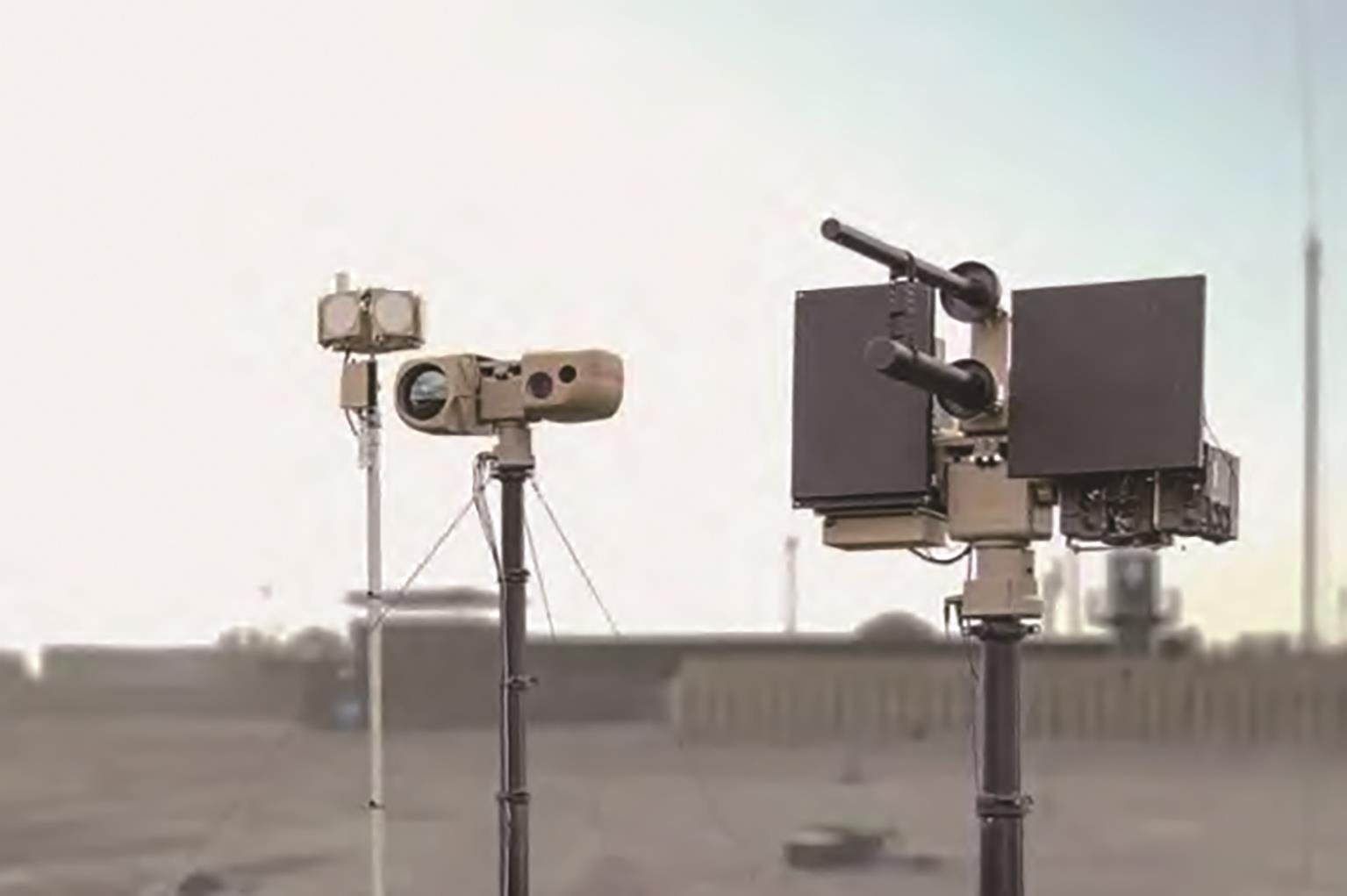
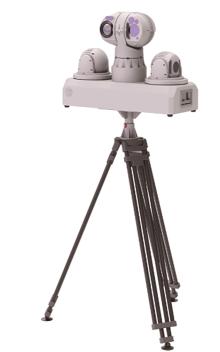
图 13
历正科技VAR300鹰眼智能光电系统[109]
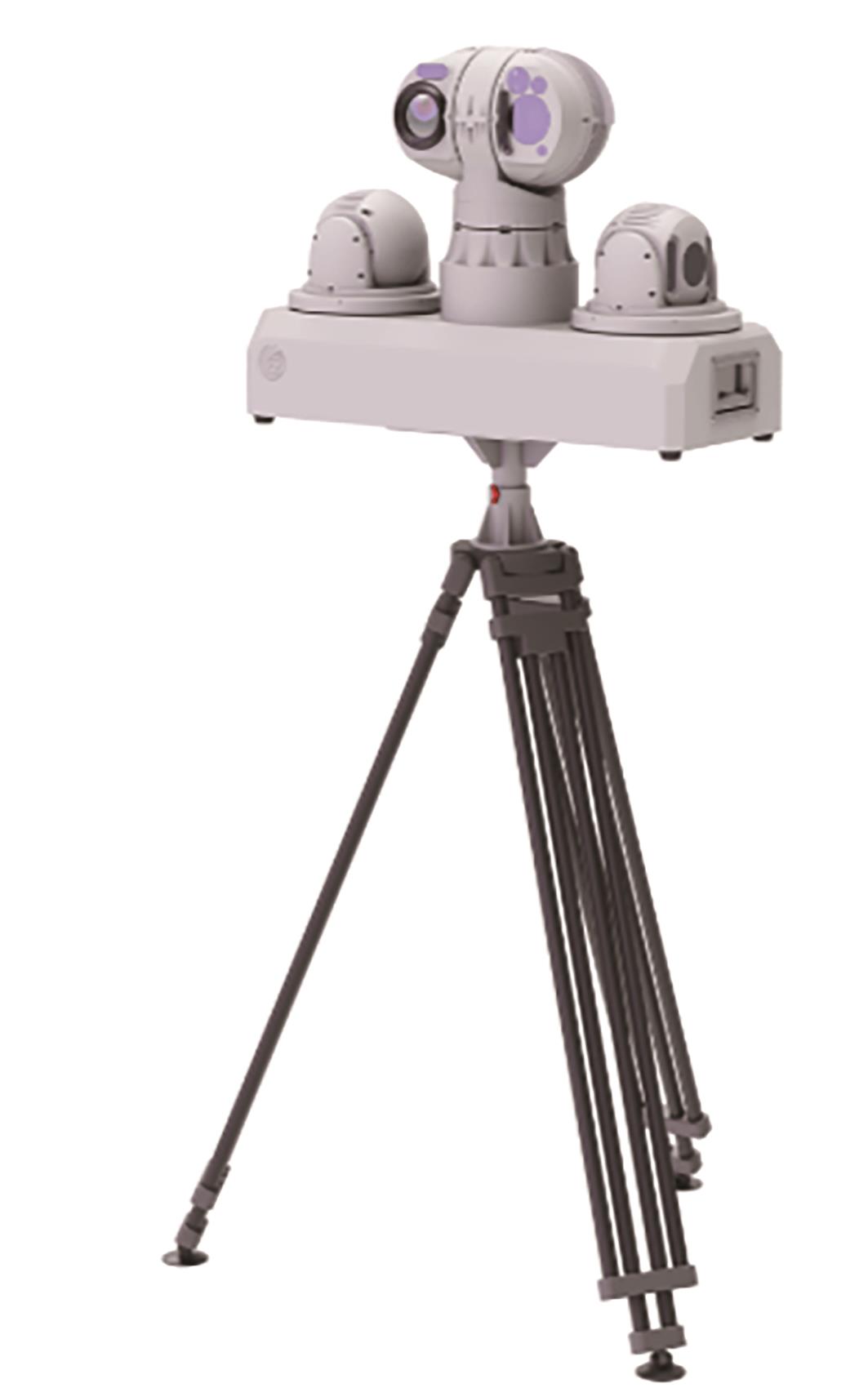
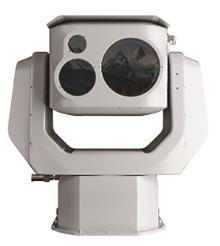
图 14
雷擎科技RG-LY-VRT3000-008双光探测设备[110]
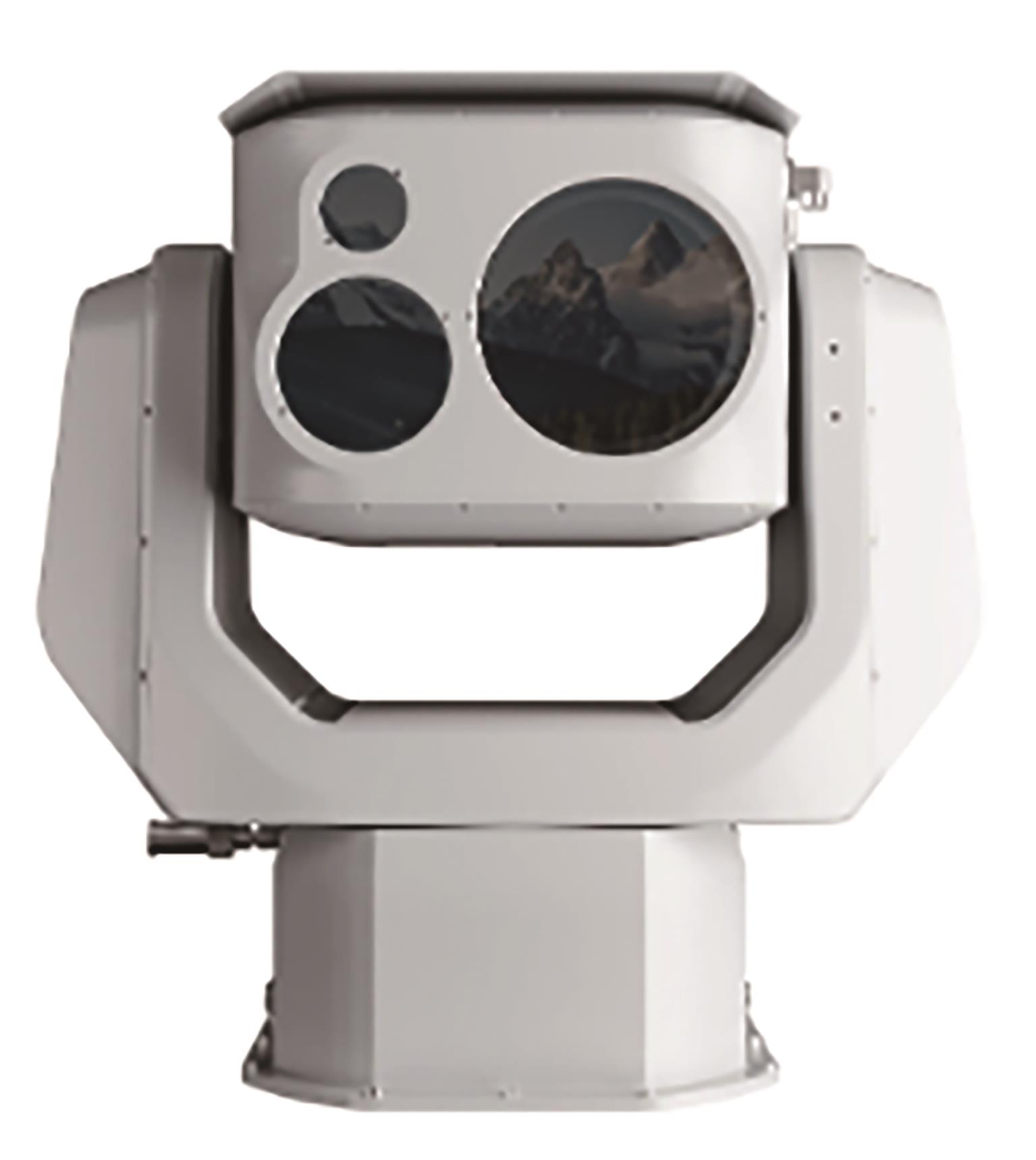
表3
一些用于反无人机目标检测和跟踪的开源数据集
| 数据集名称 | 数据类型 | 下载地址 |
|---|---|---|
| Drone Detection | 可见光图像 | https:∥github.com/creiser/drone-detection |
| UAVSwarm | 可见光图像 | https:∥github.com/UAVSwarm/UAVSwarm-dataset |
| Anti-UAV | 可见光视频序列 | https:∥github.com/ucas-vg/Anti-UAV |
| DUT anti-UAV | 可见光视频序列 | https:∥github.com/wangdongdut/DUT-Anti-UAV tab=readme-ov-file |
| Det-fly | 可见光视频序列 | https:∥github.com/Jake-WU/Det-Fly |
| Anti-UAV410 | 红外视频序列 | https:∥www.kaggle.com/datasets/farhanzzzzz/anti-uav410 |
| MMAUD | 可见光图像+声学+RF | https:∥github.com/ntu-aris/MMAUD |
| TIBNet | 红外+可见光 | https:∥universe.roboflow.com/extrauav-detection/tib-net-uav |
| Drone Vs. Bird | 可见光图像+视频 | https:∥www.kaggle.com/datasets/muhammadsaoodsarwar/drone-vs-bird |
| MIDGARD | 可见光+雷达+声学 | https:∥mrs.felk.cvut.cz/midgard |
| Drone-detection-dataset | 红外+可见光+声学 | https:∥github.com/DroneDetectionThesis/Drone-detection-dataset |
| [1] | FAN J W, YANG X G, LU R T, et al. Design and implementation of intelligent inspection and alarm flight system for epidemic prevention[J]. Drones, 2021, 5(3): 68. |
| [2] | FILKIN T, SLIUSAR N, RITZKOWSKI M, et al. Unmanned aerial vehicles for operational monitoring of landfills[J]. Drones, 2021, 5(4): 125. |
| [3] | 彭勃, 白吉康, 陈伟文, 等. 基于深度学习的无人机搜救方法研究进展[J]. 航空学报, 2025, 46(23): 632761. |
| PENG B, BAI J K, CHEN W W, et al. Research progress for UAV search and rescue methods based on deep learning[J]. Acta Aeronautica et Astronautica Sinica, 2025, 46(23): 632761 (in Chinese). | |
| [4] | 刘芳, 浦昭辉, 张帅超. 基于注意力特征融合的无人机多目标跟踪算法[J]. 控制与决策, 2023, 38(2): 345-353. |
| LIU F, PU Z H, ZHANG S C. UAV multi-target tracking algorithm based on attention feature fusion[J]. Control and Decision, 2023, 38(2): 345-353 (in Chinese). | |
| [5] | 俞宁宁, 毛盛健, 周成伟, 等. DroneRFa: 用于侦测低空无人机的大规模无人机射频信号数据集[J]. 电子与信息学报, 2024, 46(4): 1147-1156. |
| YU N N, MAO S J, ZHOU C W, et al. DroneRFa: A large-scale dataset of drone radio frequency signals for detecting low-altitude drones[J]. Journal of Electronics & Information Technology, 2024, 46(4): 1147-1156 (in Chinese). | |
| [6] | 蔡亚梅, 姜宇航, 赵霜. 国外反无人机系统发展动态与趋势分析[J]. 航天电子对抗, 2017, 33(2): 59-64. |
| CAI Y M, JIANG Y H, ZHAO S. Development status and trend analysis of counter UAV systems[J]. Aerospace Electronic Warfare, 2017, 33(2): 59-64 (in Chinese). | |
| [7] | 杨勇, 王雪松, 张斌. 基于时频检测与极化匹配的雷达无人机检测方法[J]. 电子与信息学报, 2021, 43(3): 509-515. |
| YANG Y, WANG X S, ZHANG B. Radar detection of unmanned aerial vehicles based on time-frequency detection and polarization matching[J]. Journal of Electronics & Information Technology, 2021, 43(3): 509-515 (in Chinese). | |
| [8] | 宋晨, 周良将, 吴一戎, 等. 基于自相关-倒谱联合分析的无人机旋翼转动频率估计方法[J]. 电子与信息学报, 2019, 41(2): 255-261. |
| SONG C, ZHOU L J, WU Y R, et al. An estimation method of rotation frequency of unmanned aerial vehicle based on auto-correlation and cepstrum[J]. Journal of Electronics & Information Technology, 2019, 41(2): 255-261 (in Chinese). | |
| [9] | 张霞, 余道杰, 刘广怡, 等. 一种无人机蜂群飞行同步检测和抑制方案[J]. 电子与信息学报, 2023, 45(12): 4317-4326. |
| ZHANG X, YU D J, LIU G Y, et al. Countermeasures against UAV swarm through detection and suppression of fly synchronization[J]. Journal of Electronics & Information Technology, 2023, 45(12): 4317-4326 (in Chinese). | |
| [10] | SARWAR AWAN M, AZHAR ALI ZAIDI S, MIR J. UETT4K anti-UAV: A large scale 4K benchmark dataset for vision-based drone detection in high-resolution imagery[J]. IEEE Access, 2025, 13: 73553-73568. |
| [11] | JIANG N, WANG K R, PENG X K, et al. Anti-UAV: A large-scale benchmark for vision-based UAV tracking[J]. IEEE Transactions on Multimedia, 2023, 25: 486-500. |
| [12] | FU R, AL-ABSI M A, KIM K H, et al. Deep learning-based drone classification using radar cross section signatures at mmWave frequencies[J]. IEEE Access, 2021, 9: 161431-161444. |
| [13] | TEJERA-BERENGUE D, ZHU-ZHOU F, UTRILLA-MANSO M, et al. Acoustic-based detection of UAVs using machine learning: Analysis of distance and environmental effects[C]∥2023 IEEE Sensors Applications Symposium (SAS). Piscataway: IEEE Press, 2023: 1-6. |
| [14] | ALLAHHAM M S, AL-SA’D M F, AL-ALI A, et al. DroneRF dataset: A dataset of drones for RF-based detection, classification and identification[J]. Data in Brief, 2019, 26: 104313. |
| [15] | LEONARDI M, LIGRESTI G, PIRACCI E. Drones classification by the use of a multifunctional radar and micro-Doppler analysis[J]. Drones, 2022, 6(5): 124. |
| [16] | YASMINE G, MAHA G, HICHAM M. Anti-drone systems: An attention based improved YOLOv7 model for a real-time detection and identification of multi-airborne target[J]. Intelligent Systems with Applications, 2023, 20: 200296. |
| [17] | ZHOU X K, YANG G D, CHEN Y Z, et al. ADMNet: Anti-drone real-time detection and monitoring[C]∥2023 IEEE/RSJ International Conference on Intelligent Robots and Systems (IROS). Piscataway: IEEE Press, 2023: 3009-3016. |
| [18] | YU Q J, WANG J, YANG D Q, et al. A framework strengthened by scenario compensation for Anti-UAV tracking[J]. Signal, Image and Video Processing, 2025, 19(12): 977. |
| [19] | GAO Y L, XIN Y B, YANG H, et al. A lightweight anti-unmanned aerial vehicle detection method based on improved YOLOv11[J]. Drones, 2025, 9(1): 11. |
| [20] | CHENG Q, LI J, DU J, et al. Anti-UAV detection method based on local-global feature focusing module[C]∥2024 IEEE 7th Advanced Information Technology, Electronic and Automation Control Conference (IAEAC). Piscataway: IEEE Press, 2024: 1413-1418. |
| [21] | JIANG P P, YANG X H, WAN Y P, et al. DRBD-YOLOv8: A lightweight and efficient anti-UAV detection model[J]. Sensors, 2024, 24(22): 7148. |
| [22] | HUANG M, MI W K, WANG Y M. EDGS-YOLOv8: An improved YOLOv8 lightweight UAV detection model[J]. Drones, 2024, 8(7): 337. |
| [23] | YIN X Y, JIN R, LIN D F. Efficient air-to-air drone detection with composite multi-dimensional attention[C]∥2024 IEEE 18th International Conference on Control & Automation (ICCA). Piscataway: IEEE Press, 2024: 725-730. |
| [24] | XIE B, ZHANG C X, WANG F G, et al. CST Anti-UAV: A thermal infrared benchmark for tiny UAV tracking in complex scenes[C]∥2025 IEEE/CVF International Conference on Computer Vision Workshops (ICCVW). Piscataway: IEEE Press, 2025: 6216-6225. |
| [25] | SHI X R, ZHANG Y, SHI Z G, et al. GASiam: Graph attention based Siamese tracker for infrared anti-UAV[C]∥2022 3rd International Conference on Computer Vision, Image and Deep Learning & International Conference on Computer Engineering and Applications (CVIDL & ICCEA). Piscataway: IEEE Press, 2022: 986-993. |
| [26] | ZHANG J J, LIN Y, ZHOU X, et al. Precision in pursuit: A multi-consistency joint approach for infrared anti-UAV tracking[J]. The Visual Computer, 2025, 41(4): 2187-2202. |
| [27] | HUANG B, LI J N, CHEN J J, et al. Anti-UAV410: A thermal infrared benchmark and customized scheme for tracking drones in the wild[J]. IEEE Transactions on Pattern Analysis and Machine Intelligence, 2024, 46(5): 2852-2865. |
| [28] | LIU S H, XU T Y, ZHU X F, et al. Learning adaptive detection and tracking collaborations with augmented UAV synthesis for accurate anti-UAV system[J]. Expert Systems with Applications, 2025, 282: 127679. |
| [29] | WANG Z M, HU Y X, YANG J W, et al. A contrastive-augmented memory network for anti-UAV tracking in TIR videos[J]. Remote Sensing, 2024, 16(24): 4775. |
| [30] | LI Y F, YUAN D, SUN M, et al. A global-local tracking framework driven by both motion and appearance for infrared anti-UAV[C]∥2023 IEEE/CVF Conference on Computer Vision and Pattern Recognition Workshops (CVPRW). Piscataway: IEEE Press, 2023: 3026-3035. |
| [31] | YU Q J, MA Y C, HE J F, et al. A unified transformer-based tracker for anti-UAV tracking[C]∥2023 IEEE/CVF Conference on Computer Vision and Pattern Recognition Workshops (CVPRW). Piscataway: IEEE Press, 2023: 3036-3046. |
| [32] | EZUMA M, ANJINAPPA C K, SEMKIN V, et al. Comparative analysis of radar-cross-section- based UAV recognition techniques[J]. IEEE Sensors Journal, 2022, 22(18): 17932-17949. |
| [33] | RÖDING M, SOMMERKORN G, HÄFNER S, et al. Fully polarimetric wideband RCS measurements for small drones[C]∥2017 11th European Conference on Antennas and Propagation (EUCAP). Piscataway: IEEE Press, 2017: 3926-3930. |
| [34] | EZUMA M, ANJINAPPA C K, FUNDERBURK M, et al. Radar cross section based statistical recognition of UAVs at microwave frequencies[J]. IEEE Transactions on Aerospace and Electronic Systems, 2022, 58(1): 27-46. |
| [35] | ROSAMILIA M, BALLERI A, DE MAIO A, et al. Radar detection performance prediction using measured UAVs RCS data[J]. IEEE Transactions on Aerospace and Electronic Systems, 2023, 59(4): 3550-3565. |
| [36] | POTTER M, AKCAKAYA M, NECSOIU M, et al. Multistatic-radar RCS-signature recognition of aerial vehicles: A Bayesian fusion approach[J]. IEEE Transactions on Aerospace and Electronic Systems, 2025, 61(1): 151-161. |
| [37] | PIERACCINI M, MICCINESI L, ROJHANI N. RCS measurements and ISAR images of small UAVs[J]. IEEE Aerospace and Electronic Systems Magazine, 2017, 32(9): 28-32. |
| [38] | UPADHYAY M, MURTHY S K, BAZIL RAJ A A. Intelligent system for real time detection and classification of aerial targets using CNN[C]∥2021 5th International Conference on Intelligent Computing and Control Systems (ICICCS). Piscataway: IEEE Press, 2021: 1676-1681. |
| [39] | LI S, CHAI Y, GUO M Y, et al. Research on detection method of UAV based on micro-Doppler effect[C]∥2020 39th Chinese Control Conference (CCC). Piscataway: IEEE Press, 2020: 3118-3122. |
| [40] | RAVAL D, HUNTER E, HUDSON S, et al. Convolutional neural networks for classification of drones using radars[J]. Drones, 2021, 5(4): 149. |
| [41] | WANG C X, TIAN J M, CAO J W, et al. Deep learning-based UAV detection in pulse-Doppler radar[J]. IEEE Transactions on Geoscience and Remote Sensing, 2022, 60: 5105612. |
| [42] | DEY A, CABANES Y, RAJAN S, et al. Radar-based drone detection using complex-valued convolutional neural network[C]∥2023 IEEE Sensors Applications Symposium (SAS). Piscataway: IEEE Press, 2023: 1-5. |
| [43] | RAHMAN S, ROBERTSON D A. Radar micro-Doppler signatures of drones and birds at K-band and W-band[J]. Scientific Reports, 2018, 8: 17396. |
| [44] | NASR ALLA G S A S, MAURER P, HASSAN A, et al. A deep learning approach for multi-copter detection using mm-wave radar sensors: Application of Deep Learning for Multi-copter detection using radar micro-Doppler signatures[C]∥2021 7th International Conference on Robotics and Artificial Intelligence. New York: ACM, 2021: 106-111. |
| [45] | NARAYANAN R M, TSANG B, BHARADWAJ R. Classification and discrimination of birds and small drones using radar micro-Doppler spectrogram images[J]. Signals, 2023, 4(2): 337-358. |
| [46] | YAN J, HU H P, GONG J K, et al. Exploring radar micro-Doppler signatures for recognition of drone types[J]. Drones, 2023, 7(4): 280. |
| [47] | AHMED C A, BATOOL F, HAIDER W, et al. Acoustic based drone detection via machine learning[C]∥2022 International Conference on IT and Industrial Technologies (ICIT). Piscataway: IEEE Press, 2022: 1-6. |
| [48] | SALMAN S, MIR J, FAROOQ M T, et al. Machine learning inspired efficient audio drone detection using acoustic features[C]∥2021 International Bhurban Conference on Applied Sciences and Technologies (IBCAST). Piscataway: IEEE Press, 2021: 335-339. |
| [49] | ANWAR M Z, KALEEM Z, JAMALIPOUR A. Machine learning inspired sound-based amateur drone detection for public safety applications[J]. IEEE Transactions on Vehicular Technology, 2019, 68(3): 2526-2534. |
| [50] | OHLENBUSCH M, AHRENS A, ROLLWAGE C, et al. Robust drone detection for acoustic monitoring applications[C]∥2020 28th European Signal Processing Conference (EUSIPCO). Piscataway: IEEE Press, 2021: 6-10. |
| [51] | SOLIS E R, SHASHEV D V, SHIDLOVSKIY S V. Implementation of audio recognition system for unmanned aerial vehicles[C]∥2021 International Siberian Conference on Control and Communications (SIBCON). Piscataway: IEEE Press, 2021: 1-8. |
| [52] | DONG Q S, LIU Y, LIU X L. Drone sound detection system based on feature result-level fusion using deep learning[J]. Multimedia Tools and Applications, 2023, 82(1): 149-171. |
| [53] | AYDIN İ, KIZILAY E. Development of a new light-weight convolutional neural network for acoustic-based amateur drone detection[J]. Applied Acoustics, 2022, 193: 108773. |
| [54] | UDDIN Z, QAMAR A, ALHARBI A G, et al. Detection of multiple drones in a time-varying scenario using acoustic signals[J]. Sustainability, 2022, 14(7): 4041. |
| [55] | SWAMY K V, KOUSTUBH M M, VAISHNAVI K, et al. Detection of drones using acoustic signals and machine learning[C]∥2025 International Conference on Artificial Intelligence and Data Engineering (AIDE). Piscataway: IEEE Press, 2025: 624-628. |
| [56] | SUN Y, ZHI X Y, HAN H W, et al. Enhancing UAV detection in surveillance camera videos through spatiotemporal information and optical flow[J]. Sensors, 2023, 23(13): 6037. |
| [57] | LIU J Q, PLOTEGHER L, ROURA E, et al. Real-time detection for small UAVs: Combining YOLO and multiframe motion analysis[J]. IEEE Transactions on Aerospace and Electronic Systems, 2025, 61(5): 13419-13433. |
| [58] | YE Z C, PENG Y P, LIU W C, et al. An efficient adjacent frame fusion mechanism for airborne visual object detection[J]. Drones, 2024, 8(4): 144. |
| [59] | ZHANG Y K, FU X X, ZHOU Y F, et al. Spatio-temporal feature fusion for anti-UAV detection: Integrating inter-frame dynamics and appearance[J]. Sensors, 2026, 26(5): 1492. |
| [60] | SEIDALIYEVA U, AKHMETOV D, ILIPBAYEVA L, et al. Real-time and accurate drone detection in a video with a static background[J]. Sensors, 2020, 20(14): 3856. |
| [61] | RAHMAN M H, MADRIA S. STARD-Net: SpatioTemporal attention for robust detection of tiny airborne objects from moving drones[J]. ACM Transactions on Spatial Algorithms and Systems, 2026, 12(1): 1-48. |
| [62] | MAHALANOBIS A, TALL A. Efficient drone detection using temporal anomalies and small spatio-temporal networks[J]. Sensors, 2026, 26(1): 170. |
| [63] | FANG H Z, GUO S K, CHEN Q H, et al. Spatio-temporal context learning with temporal difference convolution for moving infrared small target detection[J]. Proceedings of the AAAI Conference on Artificial Intelligence, 2026, 40(5): 3840-3848. |
| [64] | YAN P T, HOU R Z, DUAN X G, et al. STDMANet: Spatio-temporal differential multiscale attention network for small moving infrared target detection[J]. IEEE Transactions on Geoscience and Remote Sensing, 2023, 61: 5602516. |
| [65] | CHEN J J, HUANG B, LI J N, et al. Learning spatio-temporal attention based Siamese network for tracking UAVs in the wild[J]. Remote Sensing, 2022, 14(8): 1797. |
| [66] | CHEN S J, JI L P, ZHU J W, et al. SSTNet: Sliced spatio-temporal network with cross-slice ConvLSTM for moving infrared dim-small target detection[J]. IEEE Transactions on Geoscience and Remote Sensing, 2024, 62: 5000912. |
| [67] | HUANG Y X, ZHI X Y, HU J M, et al. LMAFormer: Local motion aware transformer for small moving infrared target detection[J]. IEEE Transactions on Geoscience and Remote Sensing, 2024, 62: 5008117. |
| [68] | GUO J, XU Y B, WANG E S, et al. Low-altitude aircraft surveillance approach based on ADS-B and photoelectric turntable[C]∥2022 IEEE 4th International Conference on Civil Aviation Safety and Information Technology (ICCASIT). Piscataway: IEEE Press, 2022: 504-508. |
| [69] | NEMER I, SHELTAMI T, AHMAD I, et al. RF-based UAV detection and identification using hierarchical learning approach[J]. Sensors, 2021, 21(6): 1947. |
| [70] | ZHANG Y X. RF-based drone detection using machine learning[C]∥2021 2nd International Conference on Computing and Data Science (CDS). Piscataway: IEEE Press, 2021: 425-428. |
| [71] | HE Z C, HUANG J J, QIAN G B. UAV detection and identification based on radio frequency using transfer learning[C]∥2022 IEEE 8th International Conference on Computer and Communications (ICCC). Piscataway: IEEE Press, 2022: 1812-1817. |
| [72] | MO Y G, HUANG J J, QIAN G B. Deep learning approach to UAV detection and classification by using compressively sensed RF signal[J]. Sensors, 2022, 22(8): 3072. |
| [73] | TANVEER L, MISBAH M, AHMAD A, et al. From lab to field trials: Real-time multimodel drone detection in low-SNR environments[J]. IEEE Aerospace and Electronic Systems Magazine, 2026, 41(2): 18-31. |
| [74] | INANI K N, SANGWAN K S, DHIRAJ. Machine learning based framework for drone detection and identification using RF signals[C]∥2023 4th International Conference on Innovative Trends in Information Technology (ICITIIT). Piscataway: IEEE Press, 2023: 1-8. |
| [75] | HUYNH T, PHAM Q V, NGUYEN T V, et al. RF-UAVNet: High-performance convolutional network for RF-based drone surveillance systems[J]. IEEE Access, 2022, 10: 49696-49707. |
| [76] | MEDAIYESE O O, EZUMA M, LAUF A P, et al. Hierarchical learning framework for UAV detection and identification[J]. IEEE Journal of Radio Frequency Identification, 2022, 6: 176-188. |
| [77] | 聂伟, 戴琪霏, 杨小龙, 等. 基于多维信号特征的无人机探测识别方法[J]. 电子与信息学报, 2024, 46(3): 1089-1099. |
| NIE W, DAI Q F, YANG X L, et al. Unmanned aerial vehicle detection and recognition method based on multi-dimensional signal feature[J]. Journal of Electronics & Information Technology, 2024, 46(3): 1089-1099 (in Chinese). | |
| [78] | 深圳市大疆创新科技有限公司. 航拍无人机[EB/OL]. [2025-11-20]. . |
| Shenzhen Dajiang Innovation Technology Co., Ltd. Camera drones[EB/OL]. [2025-11-20]. (in Chinese). | |
| [79] | FRID A, BEN-SHIMOL Y, MANOR E, et al. Drones detection using a fusion of RF and acoustic features and deep neural networks[J]. Sensors, 2024, 24(8): 2427. |
| [80] | RAWAT A, SHARMA A, AWASTHI A K, et al. Multimodal features based classification of aerial non-cooperative targets using machine learning[J]. Engineering Research Express, 2025, 7(4): 045239. |
| [81] | HE T L, HOU J Y, CHEN D. Multimodal UAV target detection method based on acousto-optical hybridization[J]. Drones, 2025, 9(9): 627. |
| [82] | XIE W Q, WAN Y Y, WU G Y, et al. An RF-visual directional fusion framework for precise UAV positioning[J]. IEEE Internet of Things Journal, 2024, 11(22): 36736-36747. |
| [83] | HU H K, ZHU B, CHEN Y, et al. Anti-UAV net for target detection of small unmanned aerial vehicles[C]∥ 2024 4th International Conference on Communication Technology and Information Technology (ICCTIT). Piscataway: IEEE Press, 2024: 378-383. |
| [84] | MA X X, TONG J X. Enhanced small target detection via multi-modal fusion and attention mechanisms: A YOLOv5 approach[C]∥2024 IEEE Smart World Congress (SWC). Piscataway: IEEE Press, 2024: 1886-1891. |
| [85] | WANG G R, JIANG Q, JIN X, et al. RTM-UAVDet: A real-time multimodal UAV detector[J]. IEEE Transactions on Aerospace and Electronic Systems, 2025, 61(1): 473-489. |
| [86] | YE Z C, HAO H X, PENG Y P, et al. MBUDet: Misaligned bimodal UAV target detection via target offset label generation[J]. Information Fusion, 2026, 127: 103756. |
| [87] | YAN X W, LIU K, LI J, et al. Drone detection network based on RGB-thermal imaging multimodal fusion[J]. Infrared Physics & Technology, 2026, 155: 106426. |
| [88] | XU S F, CHEN X, LI H W, et al. Airborne small target detection method based on multimodal and adaptive feature fusion[J]. IEEE Transactions on Geoscience and Remote Sensing, 2024, 62: 5637215. |
| [89] | 韩自强, 岳明凯, 张骢, 等. 基于孪生网络的无人机目标多模态融合检测[J]. 红外技术, 2023, 45(7): 739-745. |
| HAN Z Q, YUE M K, ZHANG C, et al. Multimodal fusion detection of UAV target based on Siamese network[J]. Infrared Technology, 2023, 45(7): 739-745 (in Chinese). | |
| [90] | LUAN T, ZHOU S X, ZHANG Y C, et al. Fast identification and detection algorithm for maneuverable unmanned aircraft based on multimodal data fusion[J]. Mathematics, 2025, 13(11): 1825. |
| [91] | TANG Z Y, WU Z H, LI M, et al. Adaptive fine-grained fusion network for multimodal UAV object detection[J]. IEEE Transactions on Image Processing, 2026, 35: 1870-1882. |
| [92] | 肖欣林, 施伟超, 郑向涛, 等. 基于多模型协同的舰船目标检测[J]. 航空学报, 2024, 45(14): 630241. |
| XIAO X L, SHI W C, ZHENG X T, et al. Multiple models collaboration for ship detection[J]. Acta Aeronautica et Astronautica Sinica, 2024, 45(14): 630241 (in Chinese). | |
| [93] | MCCOY J, RAWAT D B. Optimized machine learning based multimodal UAV detection using ensemble stacking[C]∥2024 IEEE 6th International Conference on Cognitive Machine Intelligence (CogMI). Piscataway: IEEE Press, 2024: 40-49. |
| [94] | MCCOY J, RAWAL A, RAWAT D B, et al. Ensemble deep learning for sustainable multimodal UAV classification[J]. IEEE Transactions on Intelligent Transportation Systems, 2023, 24(12): 15425-15434. |
| [95] | ZHU J C, RONG J, KOU W L, et al. Robust real-time recognition of drones and birds in complex scenarios: A multimodal data fusion recognize approach[J]. Complex & Intelligent Systems, 2026, 12: 8. |
| [96] | LARRAT M, SALES C. A multimodal transformer approach for UAV detection and aerial object recognition using radar, audio, and video data[J]. ACM Transactions on Cyber-Physical Systems, 2026, 10(3): 1-21. |
| [97] | LI Y K, PENG Z H, HE H, et al. Tracking and identification of weakly correlated drones swarm based on multimodal information fusion of radar and camera[C]∥2024 14th Asian Control Conference (ASCC). Piscataway: IEEE Press, 2024: 81-87. |
| [98] | 福建灵信信息科技有限公司. LX-SPEC1020无人机频谱侦测系统[EB/OL]. [2025-11-20]. . |
| Fujian Lingxin Information Technology Co., Ltd. LX-SPEC1020 UAV spectrum detection system[EB/OL]. [2025-11-20]. (in Chinese). | |
| [99] | 福建灵信信息科技有限公司. LX-RS01无人机雷达侦测系统[EB/OL]. [2025-11-20]. . |
| Fujian Lingxin Information Technology Co., Ltd. LX-RS01 UAV radar detection system[EB/OL]. [2025-11-20]. (in Chinese). | |
| [100] | 理工全盛(北京)科技有限公司. 无线电定位侦测器[EB/OL]. [2025-11-20]. . |
| Bitalltech (Beijing) Technology Co., Ltd. Radio positioning detector[EB/OL]. [2025-11-20]. (in Chinese). | |
| [101] | 福建灵信信息科技有限公司. LX-WS01无人机光电探测系统[EB/OL]. [2025-11-20]. . |
| Fujian Lingxin Information Technology Co., Ltd. LX-WS01 UAV photoelectric detection system[EB/OL]. [2025-11-20]. (in Chinese). | |
| [102] | 西安知语云智能科技有限公司. 无人机反制与低空目标监测预警打击系统[EB/OL]. [2025-11-20]. . |
| Xi’an Zhiyu Cloud Intelligence Technology Co., Ltd. UAV countermeasure and low-altitude target monitoring, early warning and strike system[EB/OL]. [2025-11-20]. (in Chinese). | |
| [103] | 福建灵信信息科技有限公司. 便携式无人机目标监测预警系统XD-1018型[EB/OL]. [2025-11-20]. . |
| Fujian Lingxin Information Technology Co., Ltd. XD-1018 portable UAV target monitoring and early-warning system[EB/OL]. [2025-11-20]. (in Chinese). | |
| [104] | 马龙邦, 李芮. 兵器控|反制无人机的防御系统新发展[EB/OL]. (2023-08-25) [2025-11-20]. . |
| MA L B, LI R. New developments in defense systems against UAVs[EB/OL]. (2023-08-25) [2025-11-20]. (in Chinese). | |
| [105] | Holdings Dedrone, Inc. DedroneTracker[EB/OL]. [2025-11-20]. . |
| [106] | 葛薇. 反无人机技术发展现状[J]. 军事文摘, 2025(21): 37-42. |
| GE W. Development status of counter-UAV technology[J]. Military Digest, 2025(21): 37-42 (in Chinese). | |
| [107] | 成都安则科技有限公司. 无人机防御一体化管控平台车载式[EB/OL]. [2025-11-20]. . |
| Chengdu Anze Technology Co., Ltd. Vehicle-mounted integrated UAV defense management and control platform[EB/OL]. [2025-11-20]. (in Chinese). | |
| [108] | 孙海文, 于邵祯, 周末, 等. 反无人机蜂群作战指挥控制系统[J]. 指挥控制与仿真, 2023, 45(2): 31-37. |
| SUN H W, YU S Z, ZHOU M, et al. Anti UAV swarm warfare command and control system[J]. Command Control & Simulation, 2023, 45(2): 31-37 (in Chinese). | |
| [109] | 北京历正科技有限责任公司. VAR300[EB/OL]. [2025-11-20]. . |
| Beijing Lizheng Technology Co., Ltd. VAR300[EB/OL]. [2025-11-20]. (in Chinese). | |
| [110] | 杭州雷擎电子科技发展有限公司. GD001双光探测设备[EB/OL]. [2025-11-20]. . |
| Hangzhou Ragine Electronic Technology Development Co., Ltd. GD001 dual-light detection device[EB/OL]. [2025-11-20]. (in Chinese). | |
| [111] | WALTER V, VRBA M, SASKA M. On training datasets for machine learning-based visual relative localization of micro-scale UAVs[C]∥2020 IEEE International Conference on Robotics and Automation (ICRA). Piscataway: IEEE Press, 2020: 10674-10680. |
| [112] | ZHAO J, ZHANG J S, LI D D, et al. Vision-based anti-UAV detection and tracking[J]. IEEE Transactions on Intelligent Transportation Systems, 2022, 23(12): 25323-25334. |
| [113] | WANG C Y, SU Y, WANG J J, et al. UAVSwarm dataset: An unmanned aerial vehicle swarm dataset for multiple object tracking[J]. Remote Sensing, 2022, 14(11): 2601. |
| [114] | ZHENG Y, CHEN Z, LV D L, et al. Air-to-air visual detection of micro-UAVs: An experimental evaluation of deep learning[J]. IEEE Robotics and Automation Letters, 2021, 6(2): 1020-1027. |
| [115] | YUAN S H, YANG Y Z, NGUYEN T H, et al. MMAUD: A comprehensive multi-modal anti-UAV dataset for modern miniature drone threats[C]∥2024 IEEE International Conference on Robotics and Automation (ICRA). Piscataway: IEEE Press, 2024: 2745-2751. |
| [116] | SVANSTRÖM F, ENGLUND C, ALONSO-FERNANDEZ F. Real-time drone detection and tracking with visible, thermal and acoustic sensors[C]∥2020 25th International Conference on Pattern Recognition (ICPR). Piscataway: IEEE Press, 2021: 7265-7272. |
| [1] | 张宇, 方涛, 王陈文, 郑鹏, 吴建军, 钟宇轩. 工质对射频放电模式转换特性的影响[J]. 航空学报, 2026, 47(8): 132732-132732. |
| [2] | 韩滟泷, 张安, 毕文豪, 范秋岑, 侯天乐. 基于DACTM-PPO的机载末端红外复合干扰智能决策[J]. 航空学报, 2026, 47(7): 332759-332759. |
| [3] | 王思睿, 施小娟, 蒋世豪, 吉洪湖. 飞机后体对S形喷管红外辐射特征的影响[J]. 航空学报, 2026, 47(7): 632744-632744. |
| [4] | 李保国, 曾久林, 鹿旭. 基于正交时频空调制的雷达嵌入式通信方法[J]. 航空学报, 2026, 47(6): 332546-332546. |
| [5] | 黄俊, 张菁, 翁世倩. 机载光电目标识别算法综述[J]. 航空学报, 2026, 47(6): 332601-332601. |
| [6] | 冯子成, 张文龙, 刘冬辉, 于起峰. 复杂背景下反无人机红外目标鲁棒跟踪算法[J]. 航空学报, 2026, 47(4): 332264-332264. |
| [7] | 李书盼, 梁彦, 张会霞, 闫实, 江安宁, 张华宇. 基于雷达航迹序列的无人机/飞鸟动态分类[J]. 航空学报, 2026, 47(3): 631408-631408. |
| [8] | 夏梓涵, 刘瑾, 黄星儒, 郑志文, 张晓帅. 基于跨域频空先验迁移的SAR图像分割[J]. 航空学报, 2026, 47(17): 333230-333230. |
| [9] | 胡旭超, 谭贤四, 曲智国, 李志淮, 彭张玉. 基于动态波束赋形的雷达搜索资源优化方法[J]. 航空学报, 2026, 47(17): 333261-333261. |
| [10] | 林文涛, 史经纬, 惠中豪, 是介, 周莉, 王占学. 激波矢量S弯喷管红外辐射特性[J]. 航空学报, 2026, 47(16): 133169-133169. |
| [11] | 李高翔, 于贤君, 胡海洋, 王强, 李一涵, 陈一伟. 考虑TRI效应影响的航发尾流红外特性数值研究[J]. 航空学报, 2026, 47(14): 132986-132986. |
| [12] | 魏玉鹏, 刘乐乐, 郭荣鹏, 达怡萱, 张萌, 路钲淇, 颜学冰, 周辉, 王旭东, 朱亮. 氮掺杂石墨的一步电爆法制备及吸波性能[J]. 航空学报, 2026, 47(12): 432766-432766. |
| [13] | 仝照亚, 刘刚, 霍元智, 樊肖亮, 吕书贤. 基于图卷积网络的红外目标检测算法[J]. 航空学报, 2026, 47(12): 332886-332886. |
| [14] | 唐旭, 谷峰, 马晶晶, 张向荣. 基于视觉-语言预训练模型的高光谱-激光雷达联合分类方法[J]. 航空学报, 2026, 47(10): 632630-632630. |
| [15] | 王洪强, 兰雨晴, 岳富占, 夏正欢, 张涛. 基于域自适应的多源SAR图像分类方法[J]. 航空学报, 2026, 47(10): 533015-533015. |
| 阅读次数 | ||||||
|
全文 |
|
|||||
|
摘要 |
|
|||||
版权所有 © 航空学报编辑部
版权所有 © 2011航空学报杂志社
主管单位:中国科学技术协会 主办单位:中国航空学会 北京航空航天大学

 CJA

