Acta Aeronautica et Astronautica Sinica ›› 2026, Vol. 47 ›› Issue (17): 333262.doi: 10.7527/S1000-6893.2026.33262
• Electronics and Electrical Engineering and Control • Previous Articles
Yunteng WANG1,2, Yan XIAO1,2( ), Dong YE1,2, Jianqiao ZHANG3, Zhaowei SUN1,2
Received:2025-12-19
Revised:2026-01-14
Accepted:2026-03-31
Online:2026-04-15
Published:2026-04-14
Contact:
Yan XIAO
E-mail:xiaoy@hit.edu.cn
Supported by:CLC Number:
Yunteng WANG, Yan XIAO, Dong YE, Jianqiao ZHANG, Zhaowei SUN. Quantitative precision attitude tracking control of flexible satellite under unknown disturbance[J]. Acta Aeronautica et Astronautica Sinica, 2026, 47(17): 333262.
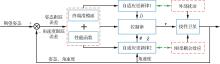
Fig.1
Quantitative precision attitude tracking control framework
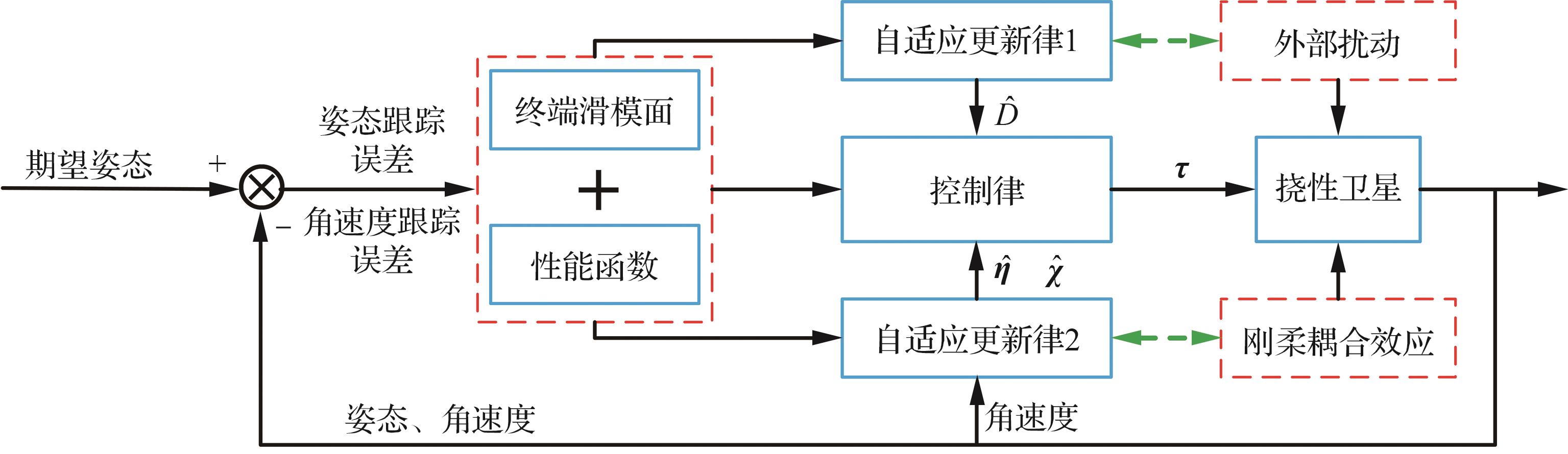
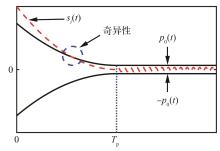
Fig.2
Initial conditions constraint
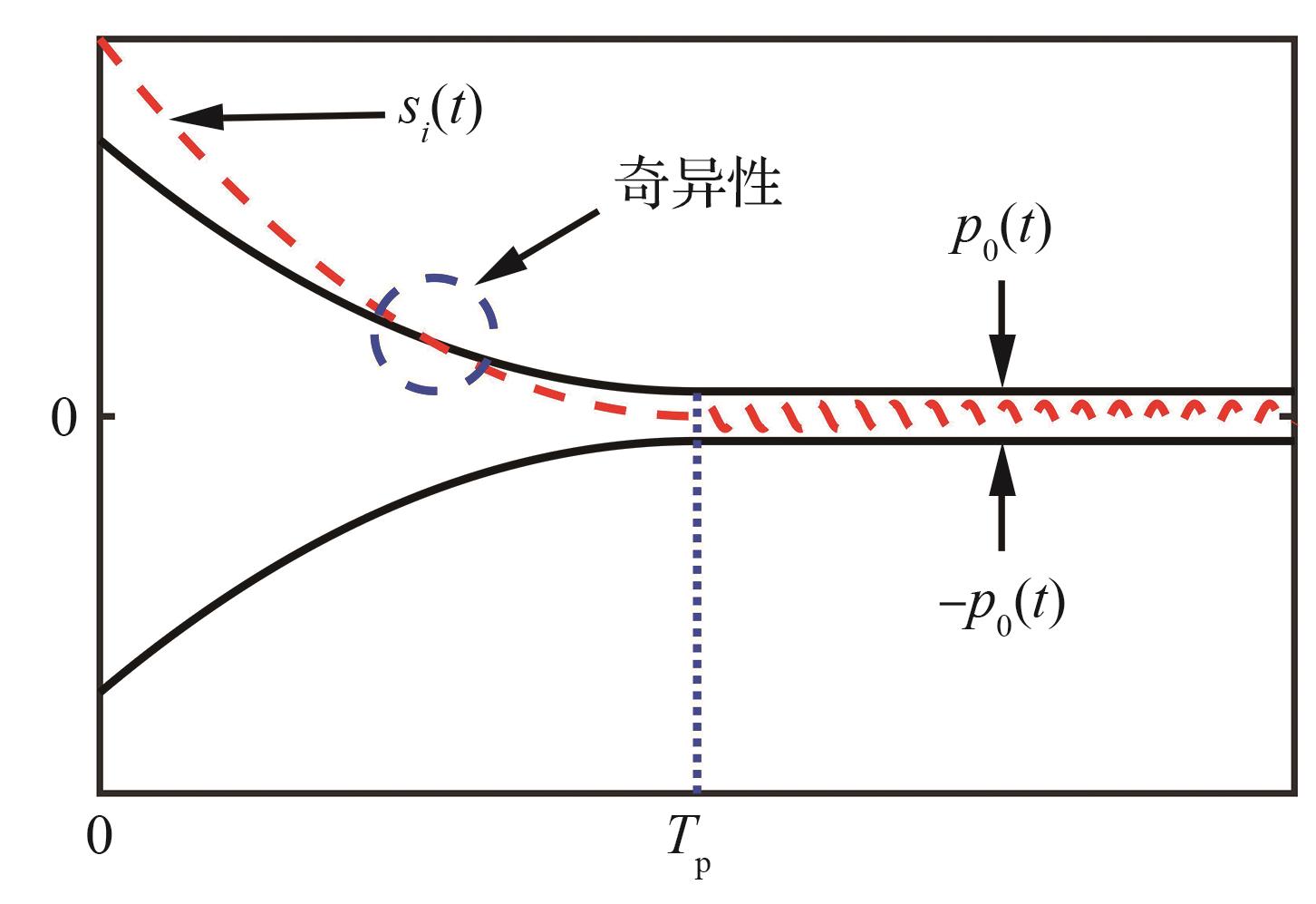
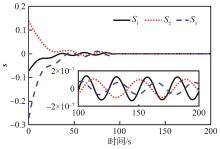
Fig.3
Response curves of terminal sliding mode
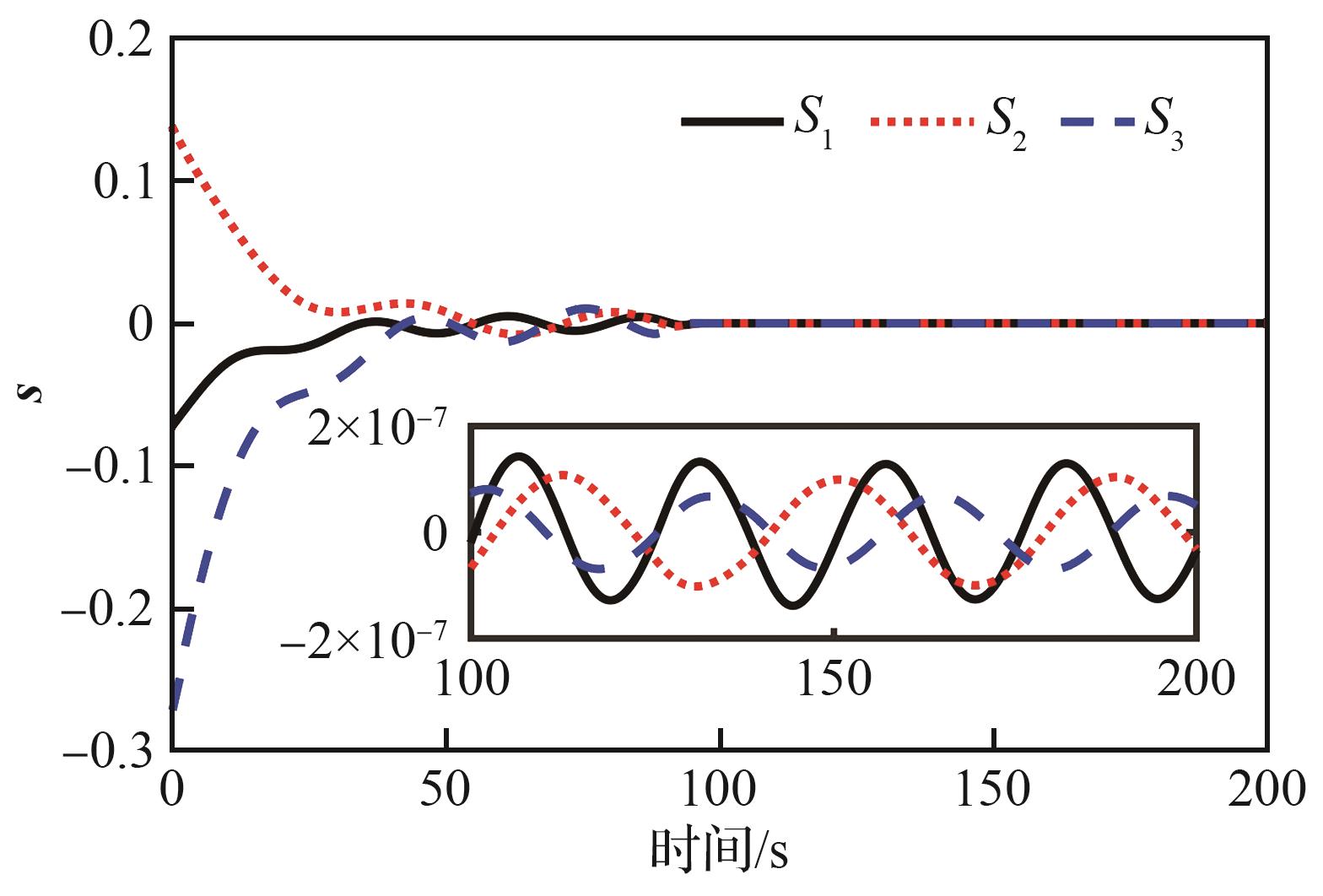
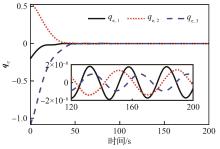
Fig.4
Attitude tracking error
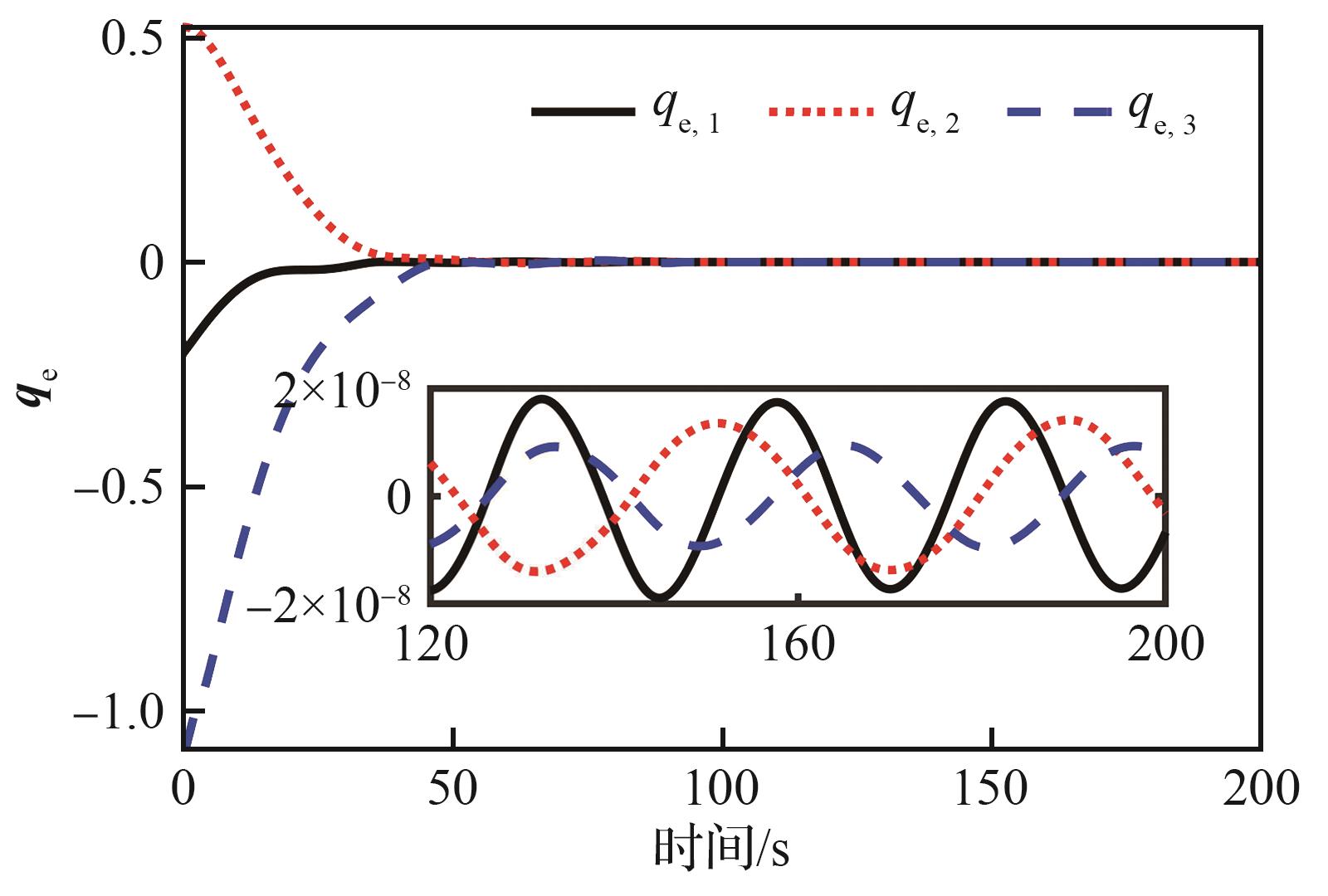
Fig.5
Angular velocity tracking error
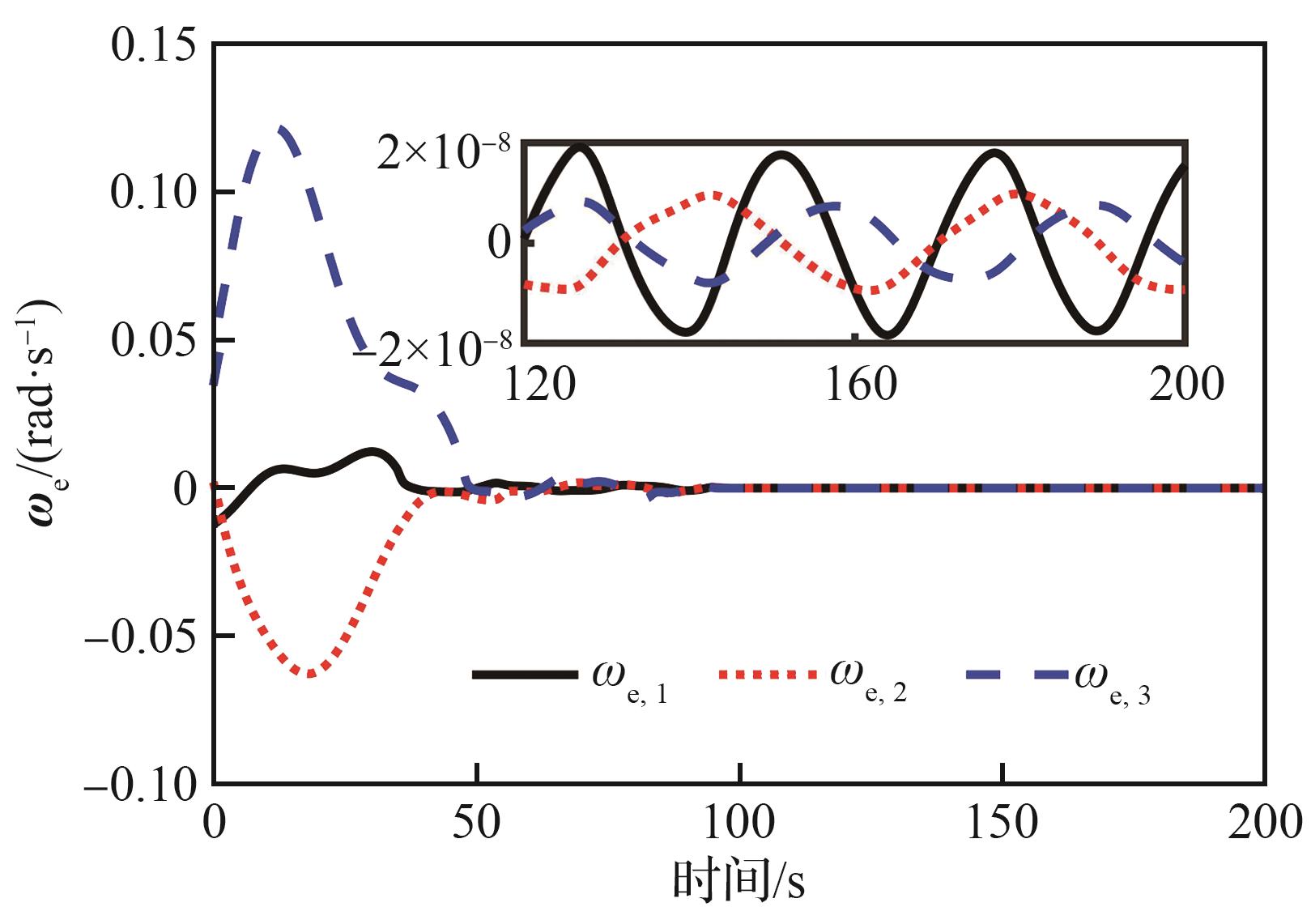
Fig.6
Control torque
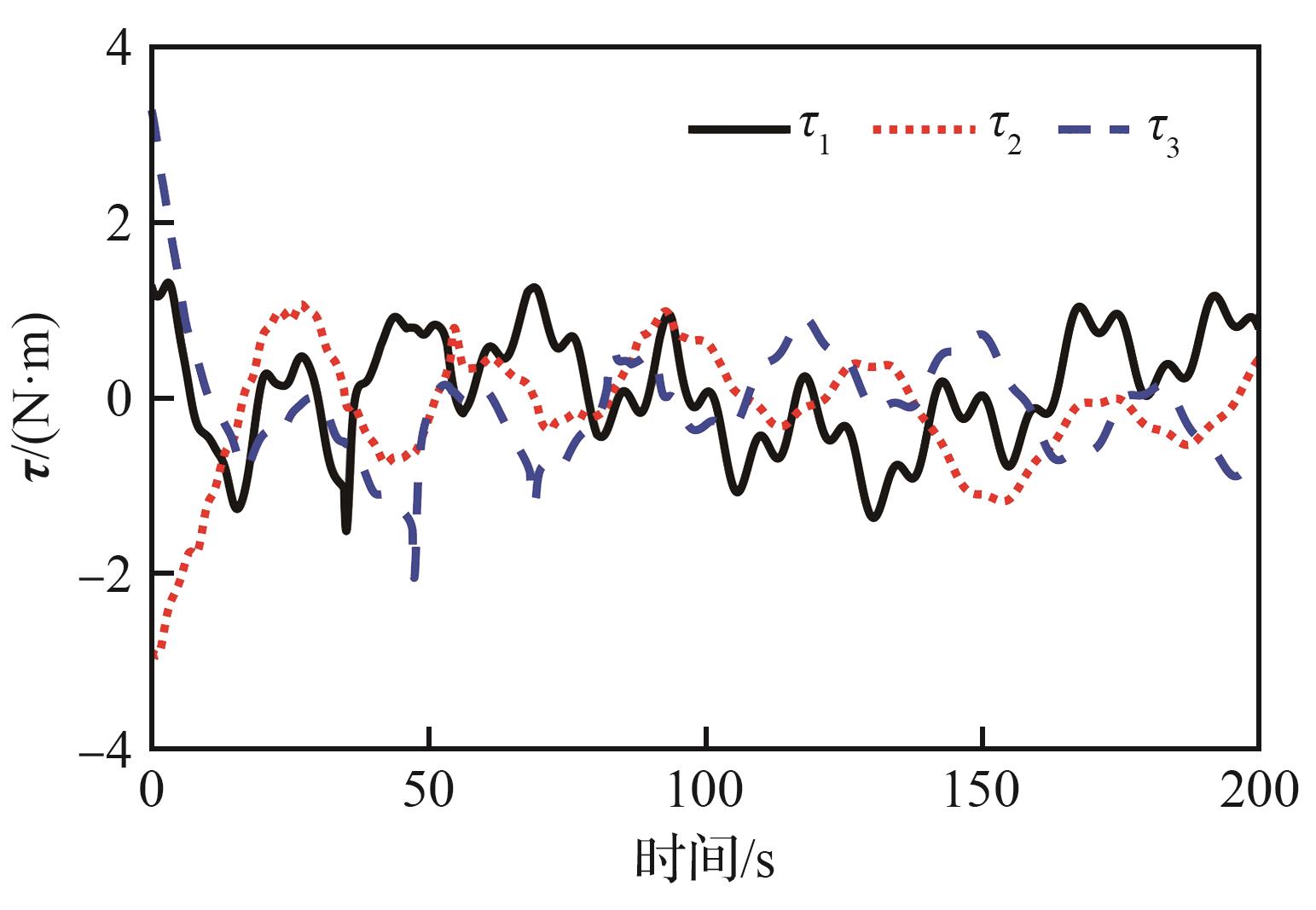
Fig.7
Modal coordinate
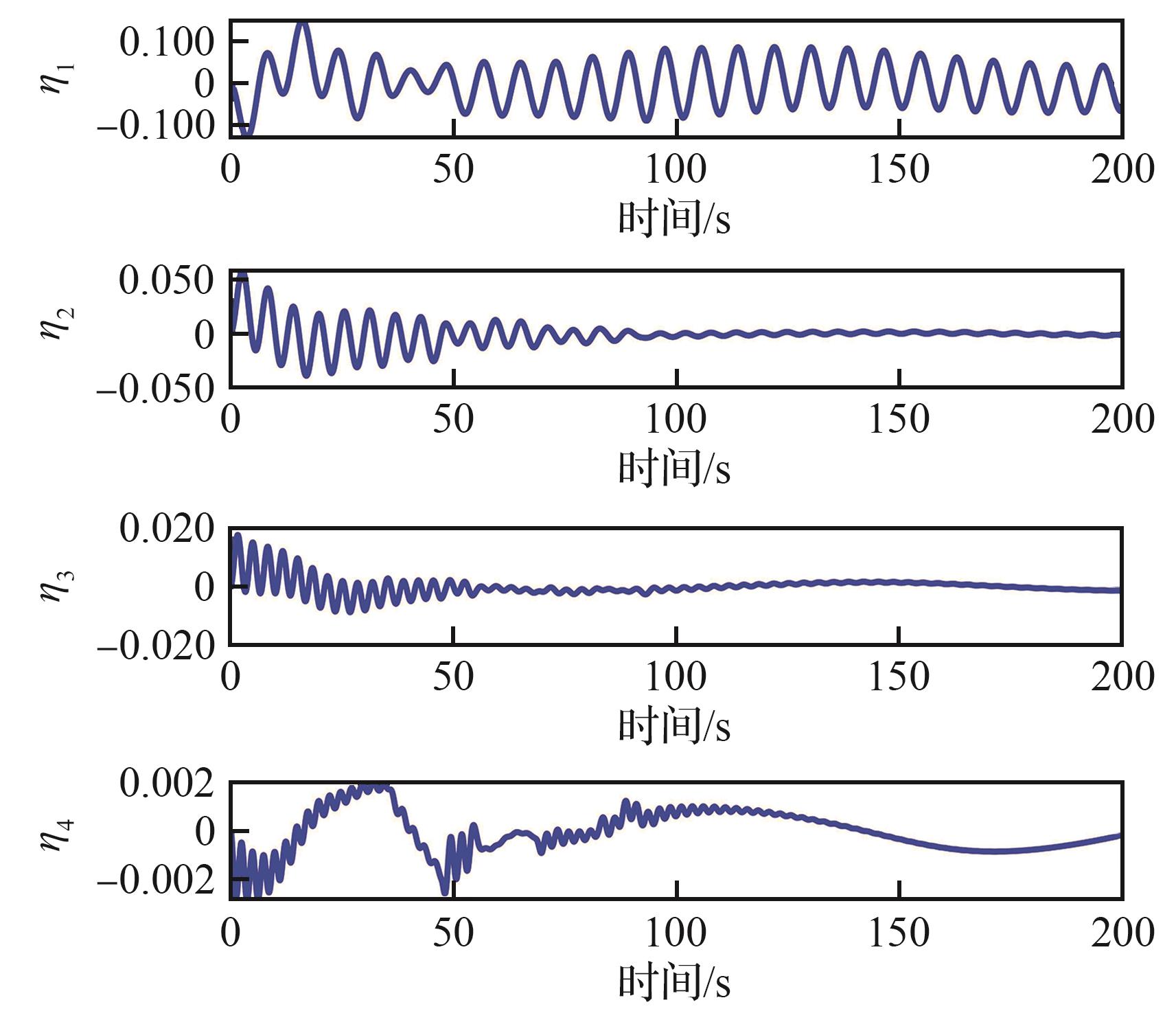
Fig.8
Modal velocity
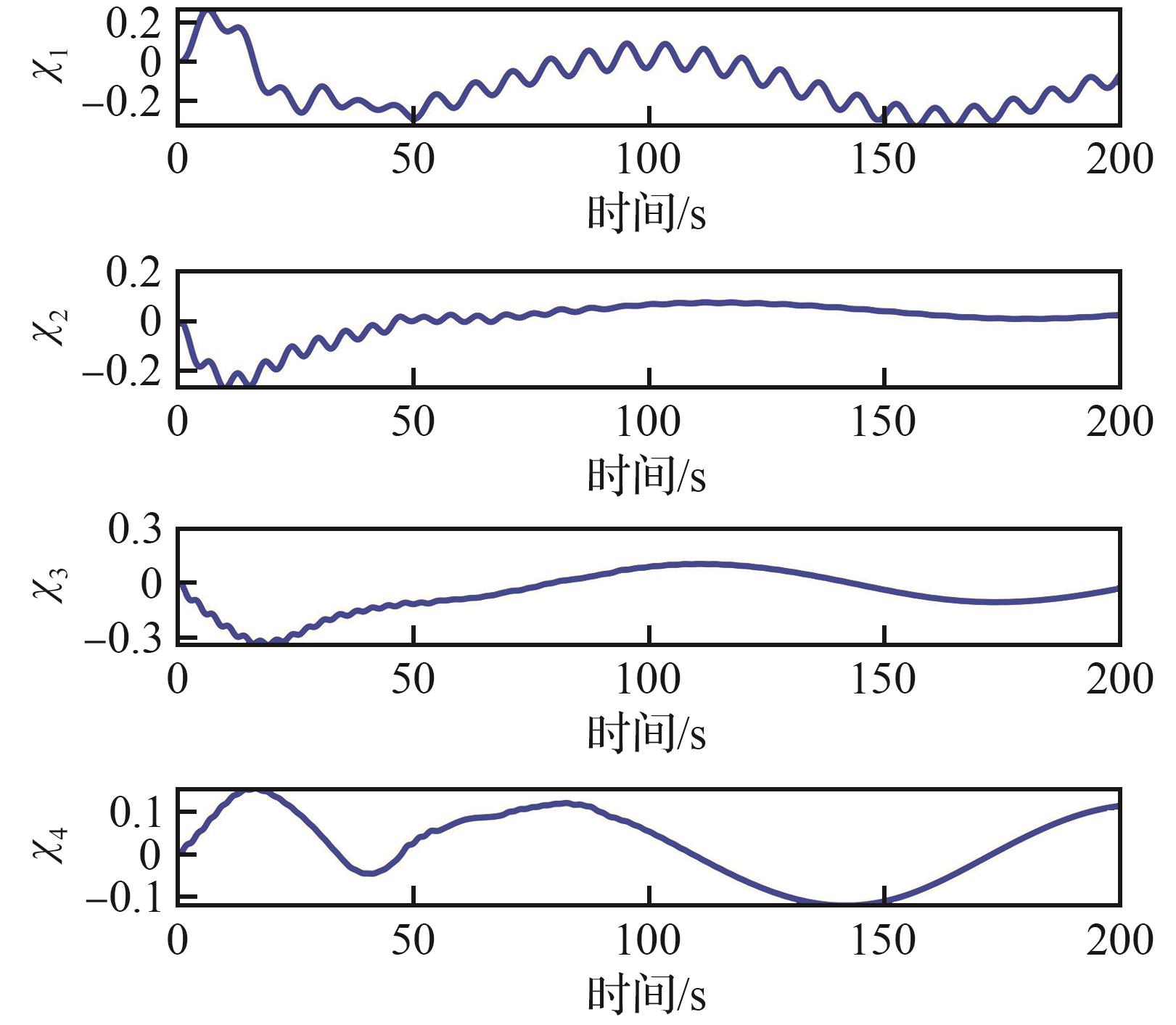
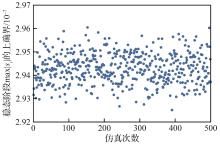
Fig.9
Monte Carlo simulation for terminal sliding mode
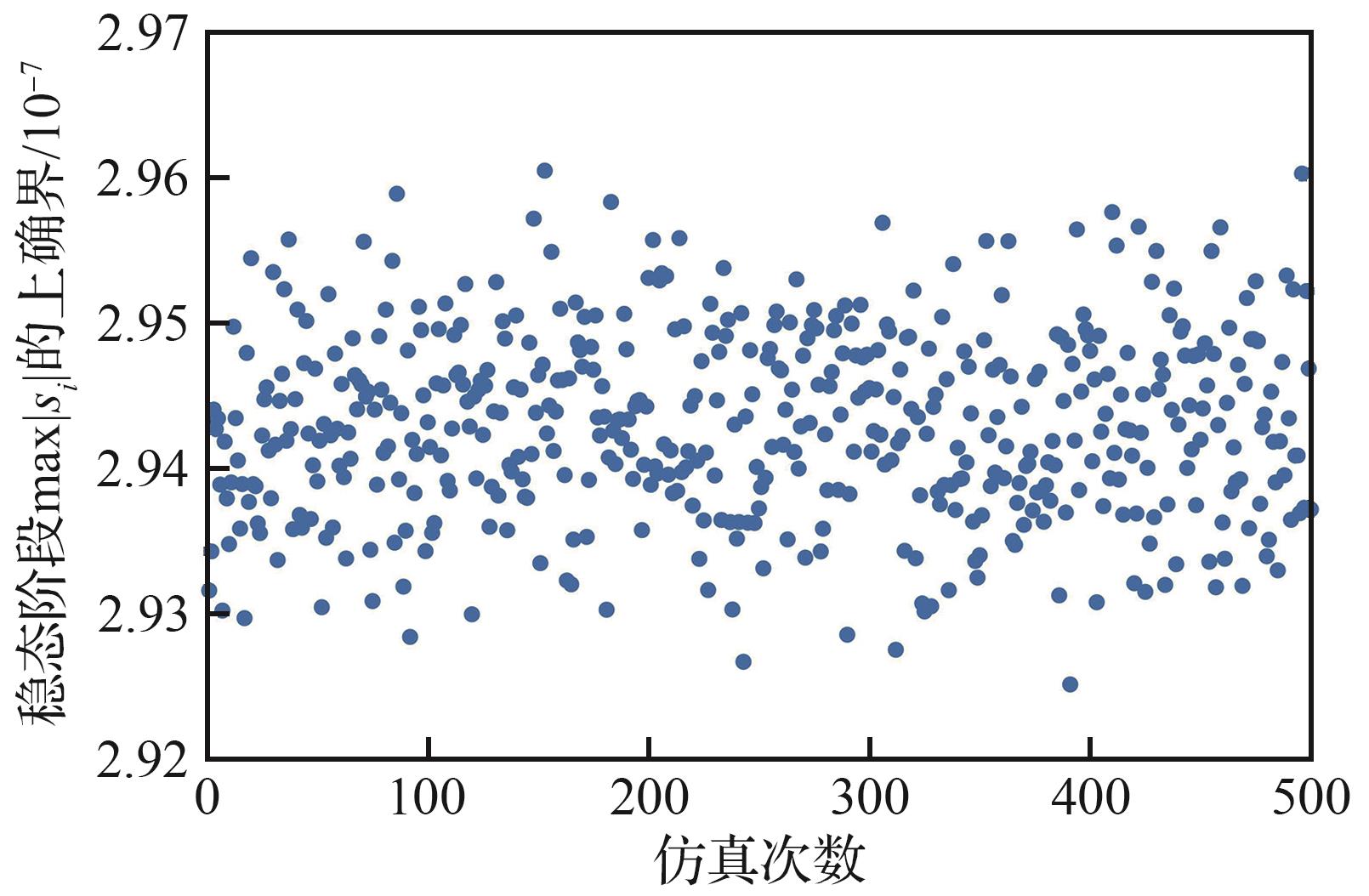
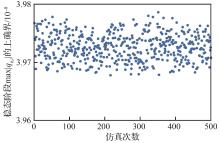
Fig.10
Monte Carlo simulation for attitude tracking error
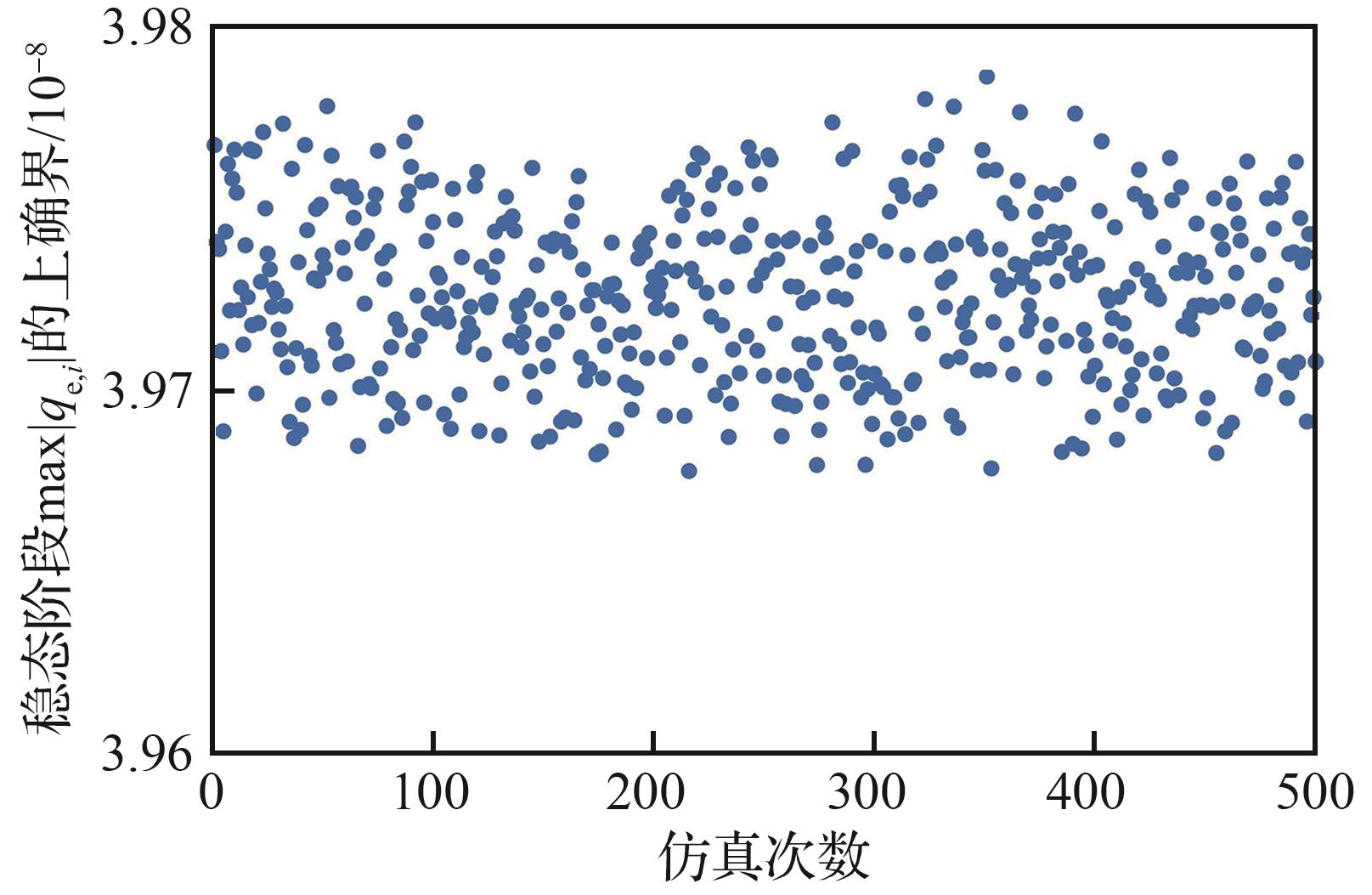
Fig.11
Monte Carlo simulation for angular velocity tracking error
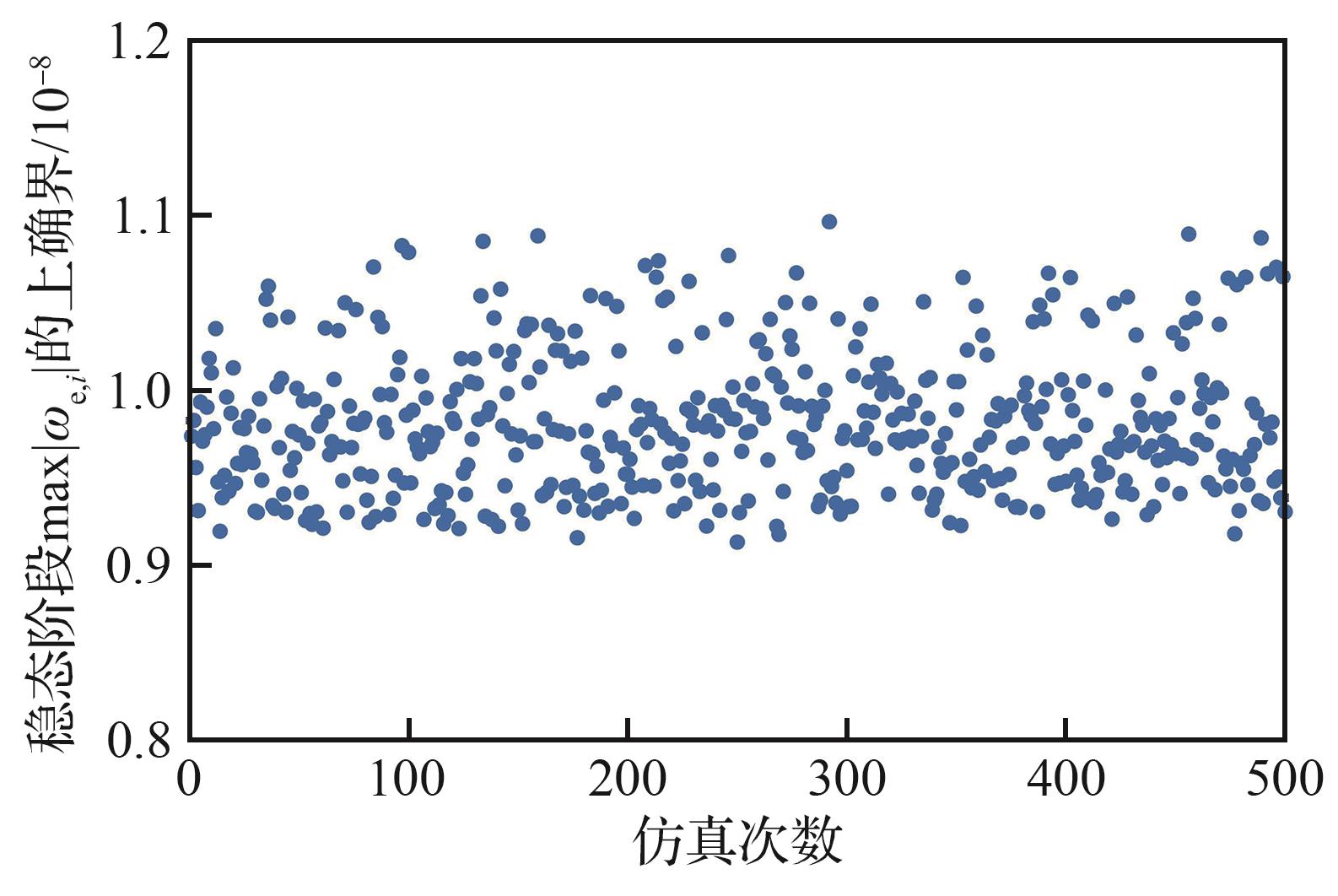
Fig.12
Comparison result for attitude tracking error
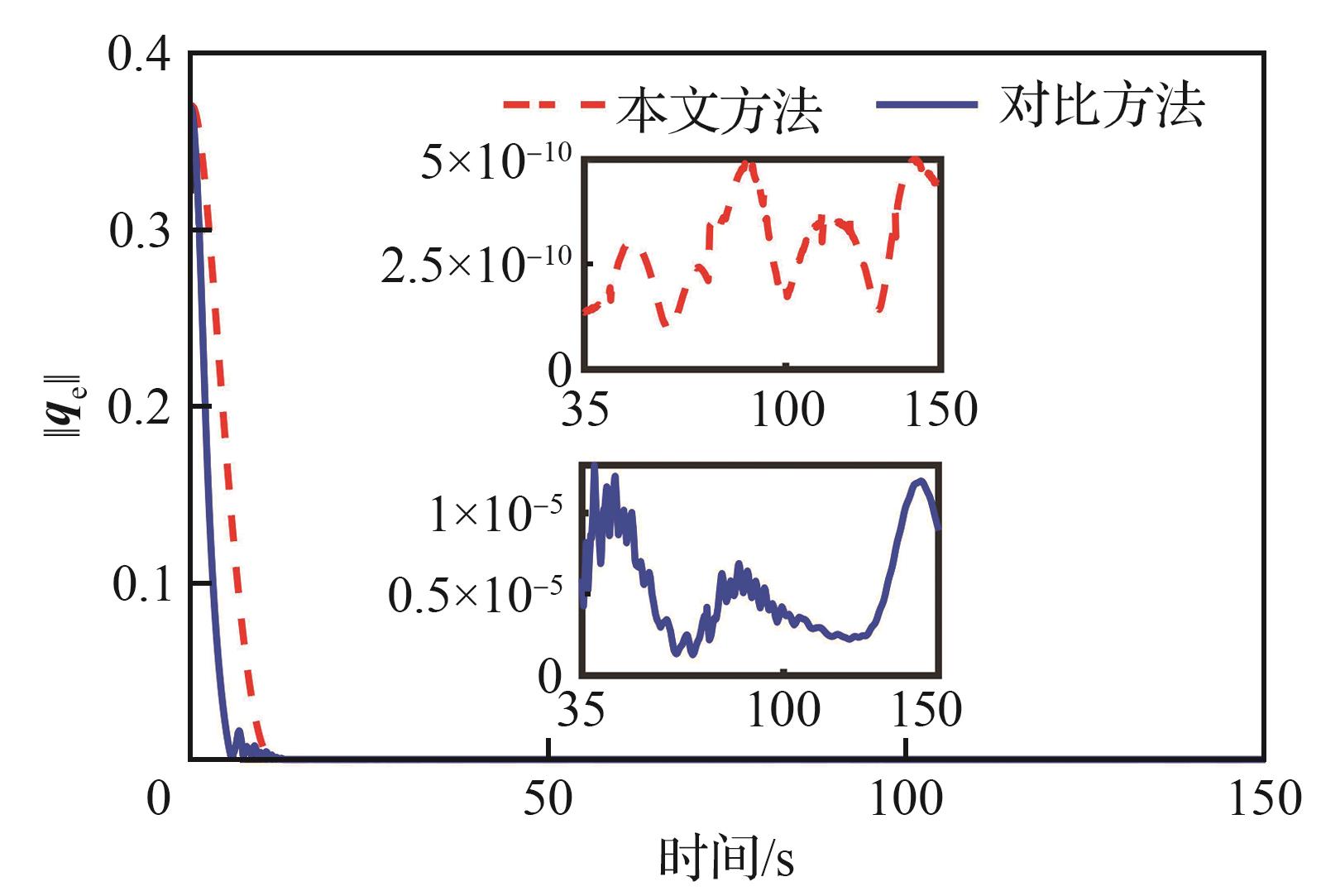
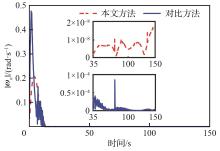
Fig.13
Comparison result for angular velocity tracking error
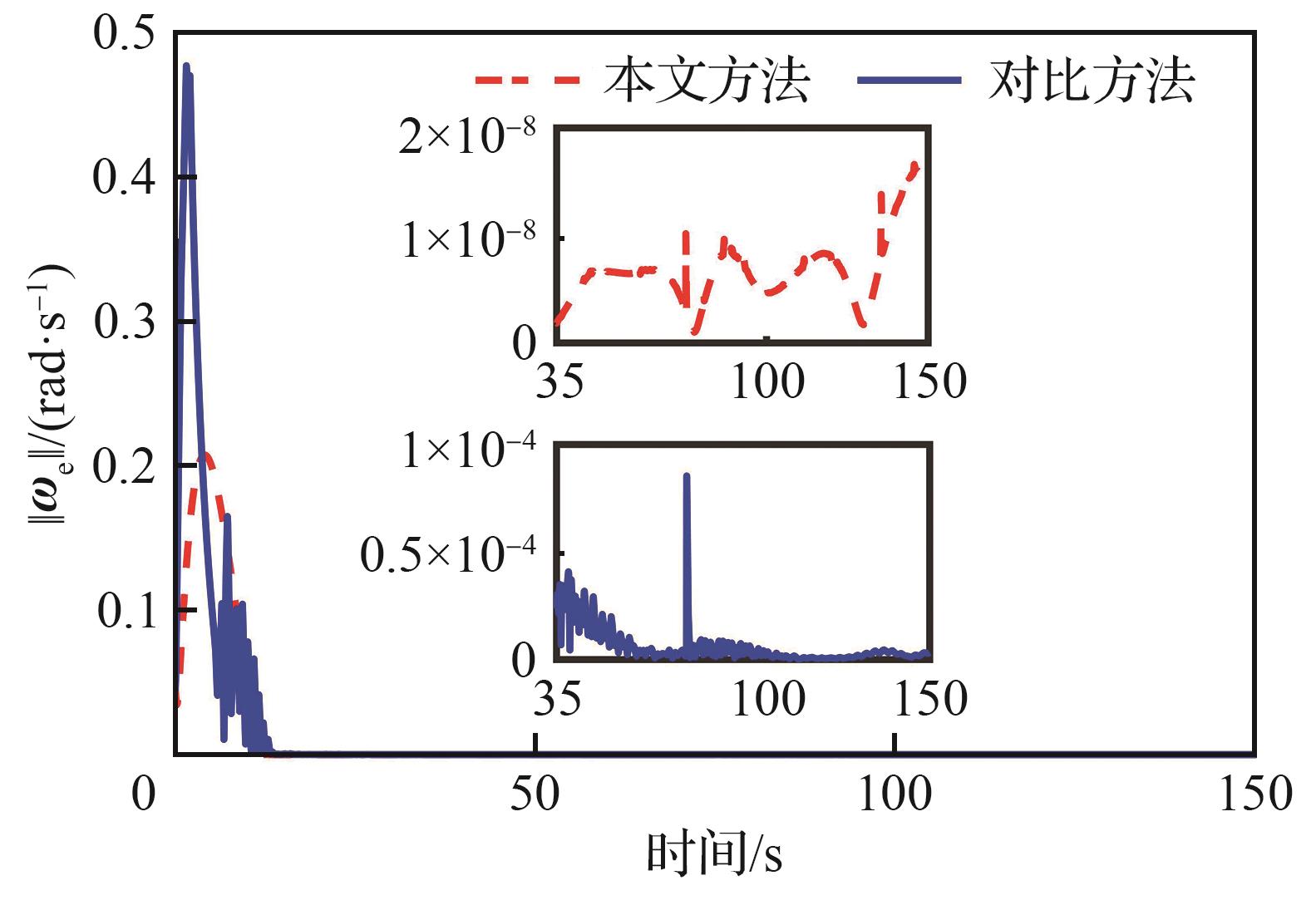
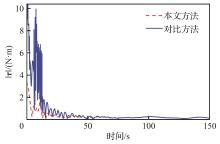
Fig.14
Comparison result for control torque
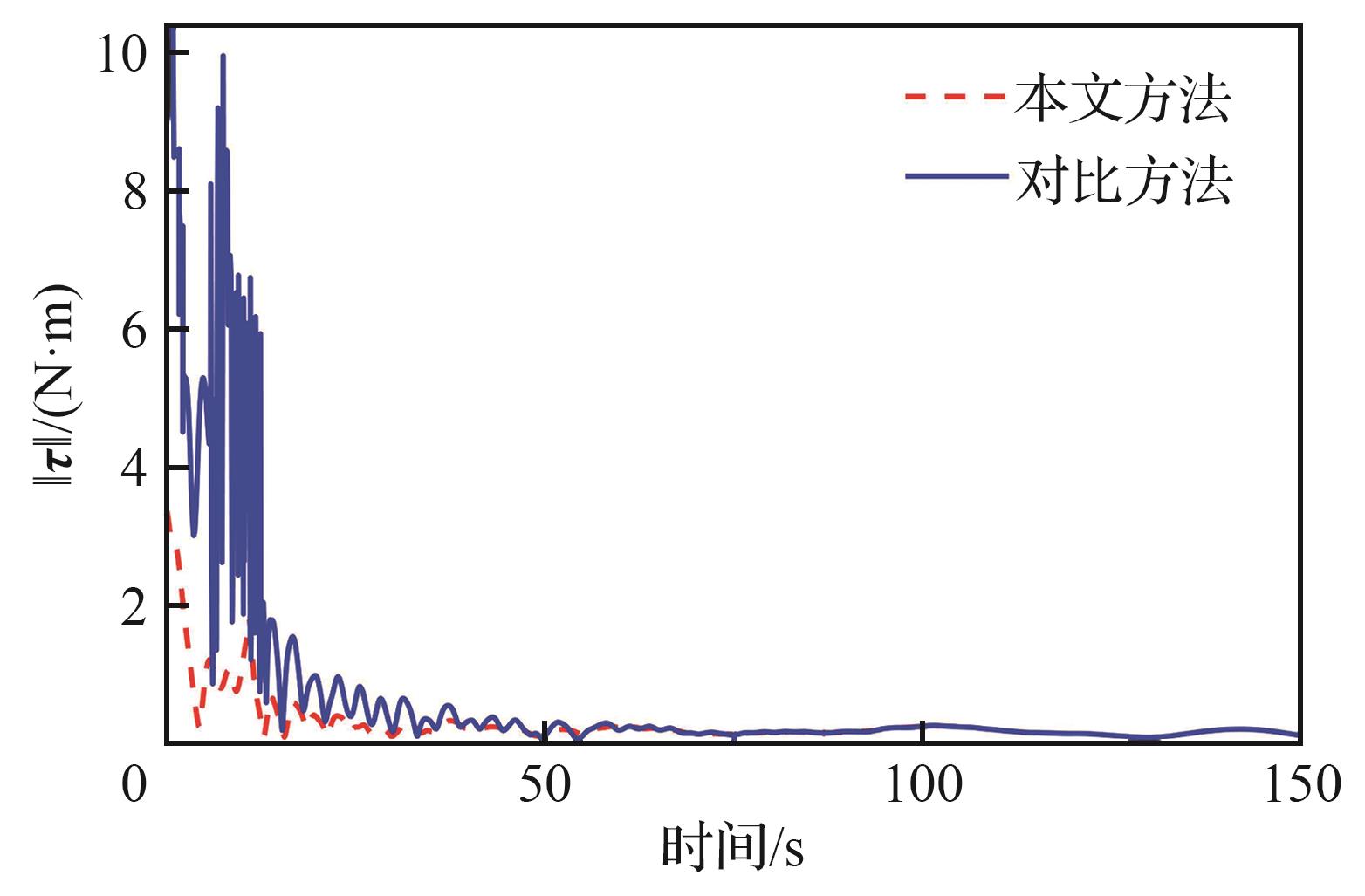
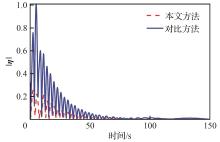
Fig.15
Comparison result for modal coordinate
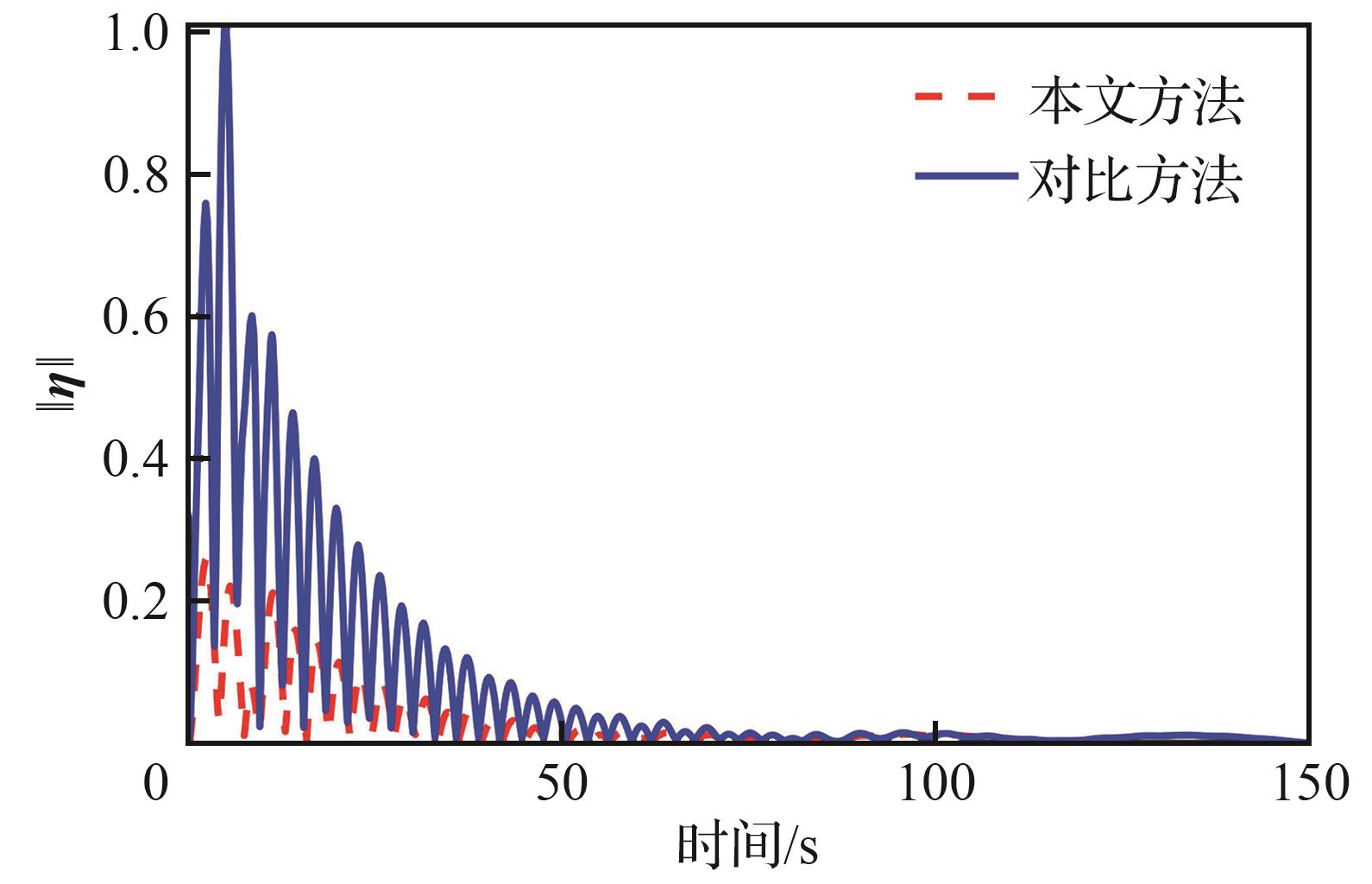
Table 1
Initial parameters of satellite orbit
| 轨道参数 | 数值 |
|---|---|
| 半长轴/km | 7 200 |
| 离心率 | 0.000 627 |
| 轨道倾角/(°) | |
| 升交点赤经/(°) | |
| 近地点幅角/(°) | |
| 平近点角/(°) |
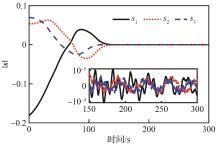
Fig.16
Response curves of terminal sliding mode under actuator constraints
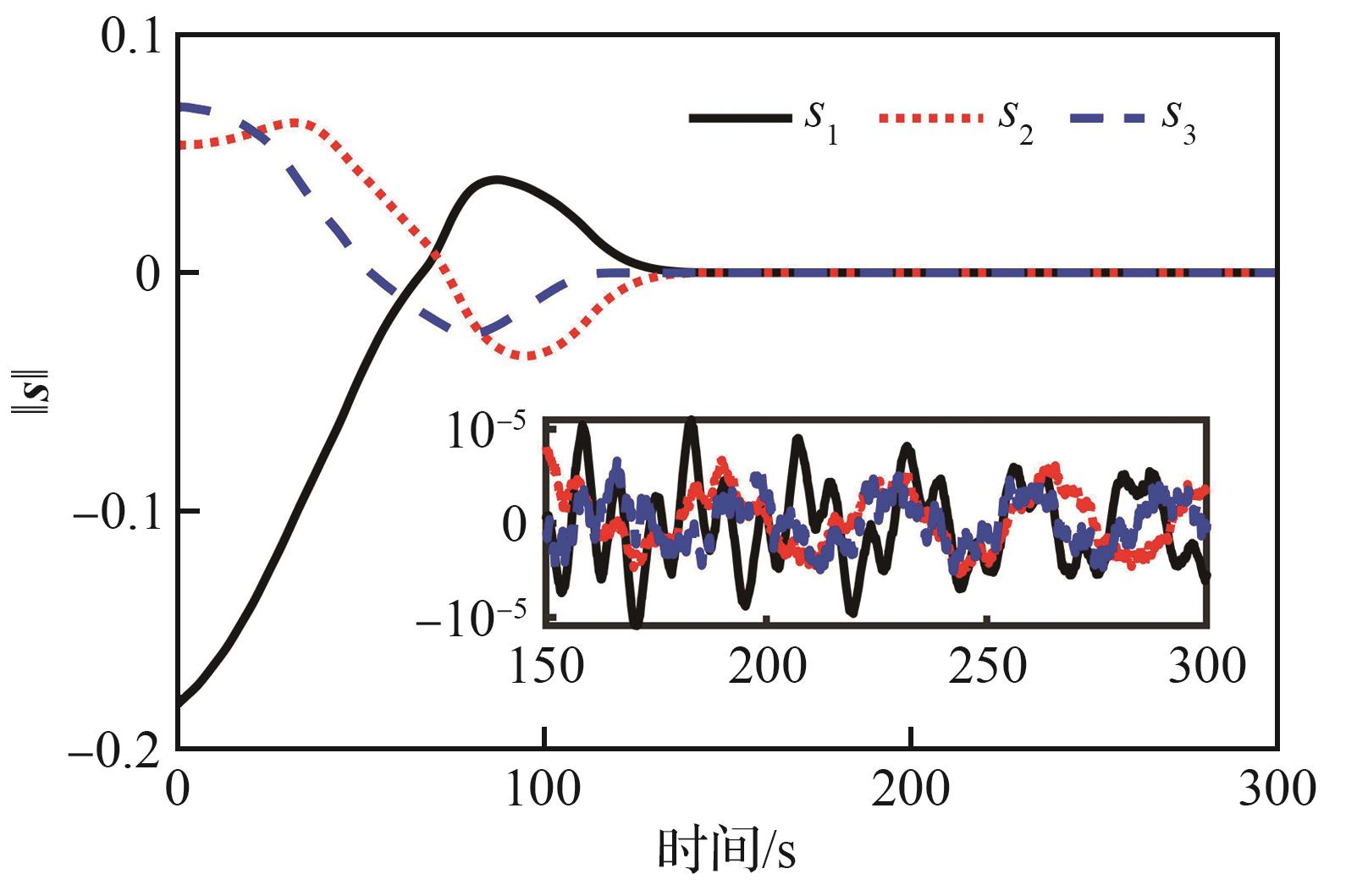
Fig.17
Attitude tracking error under actuator constraints
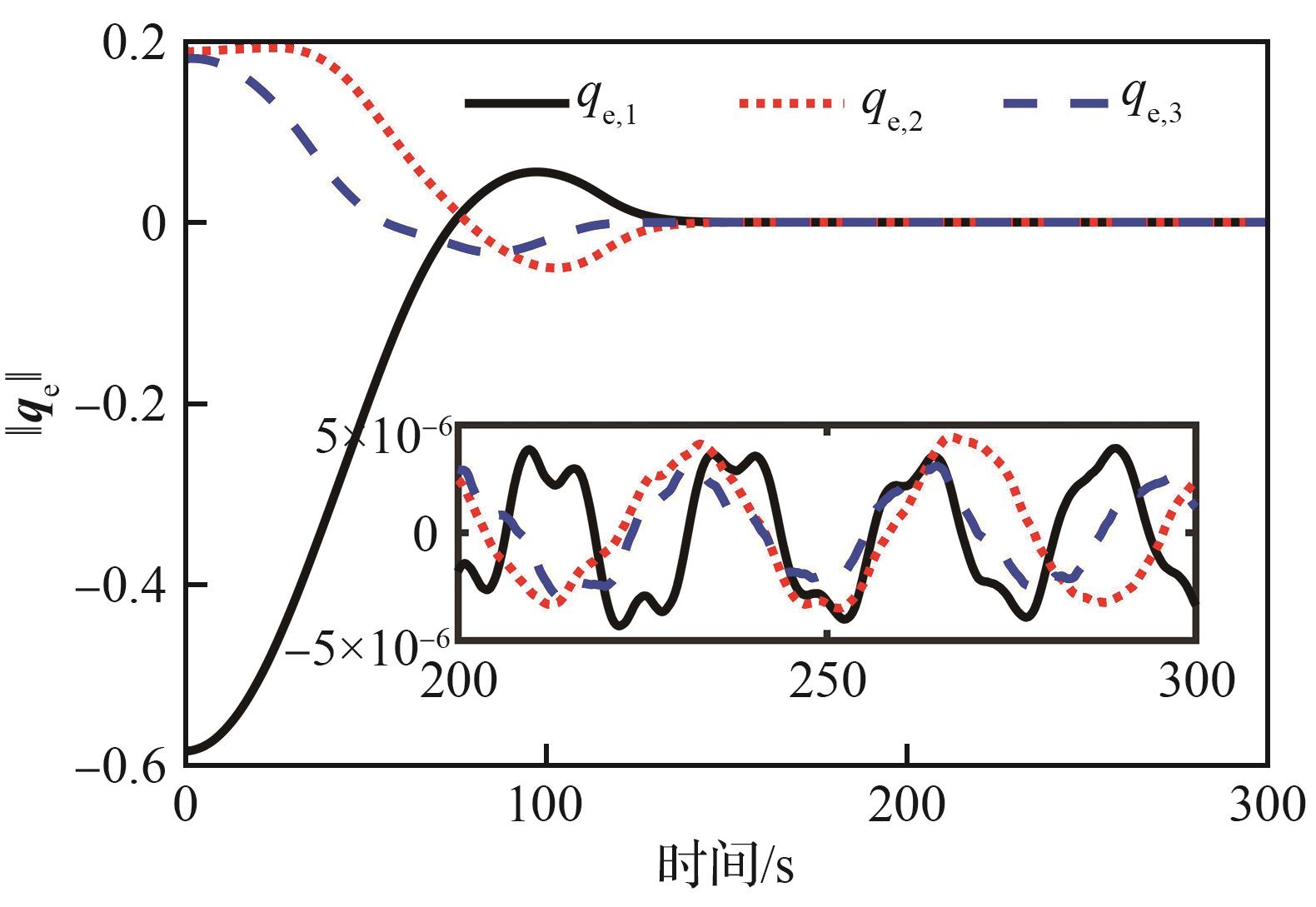
Fig.18
Angular velocity tracking error under actuator constraints
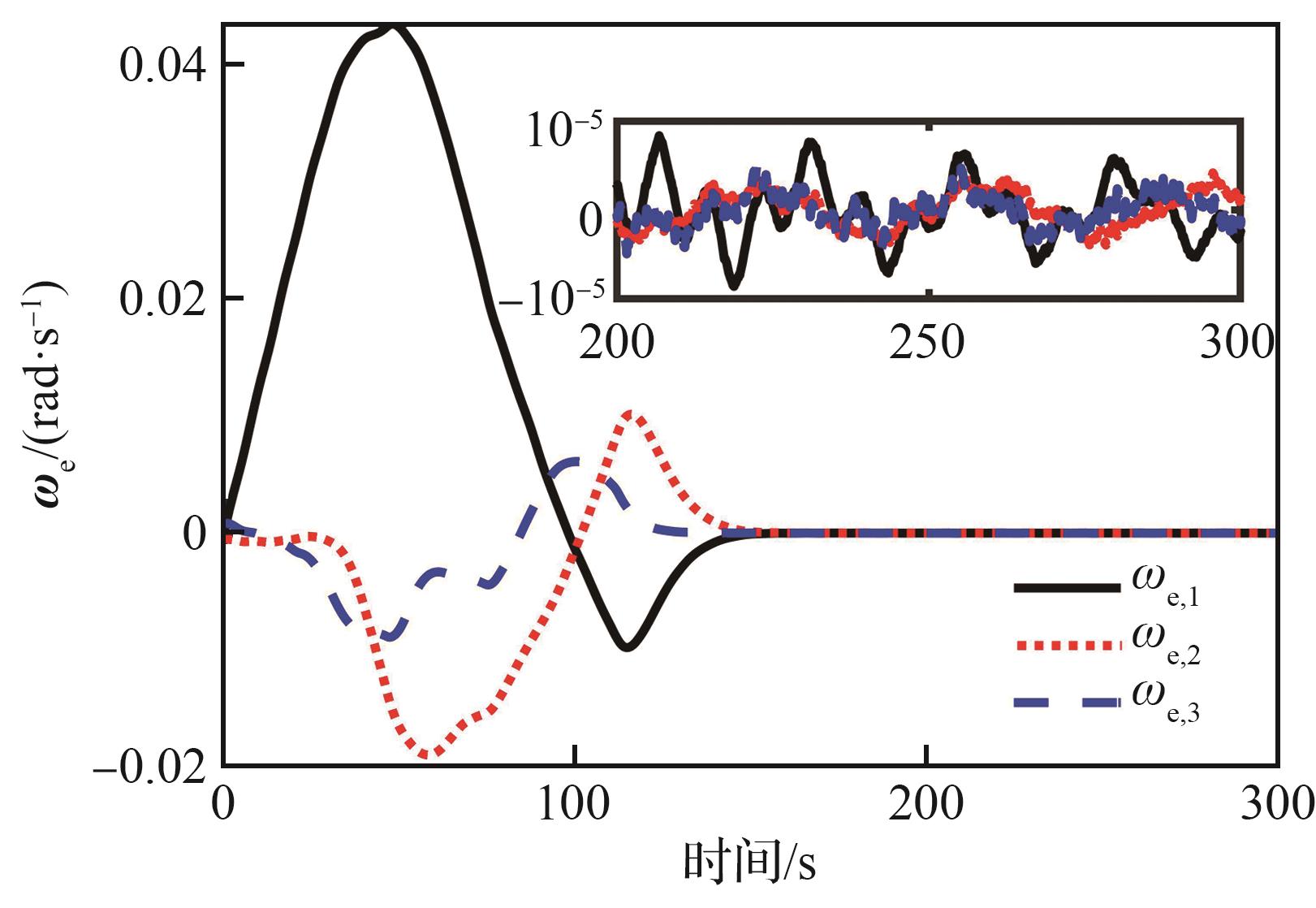
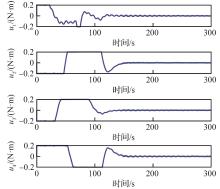
Fig.19
Output torque of flywheels
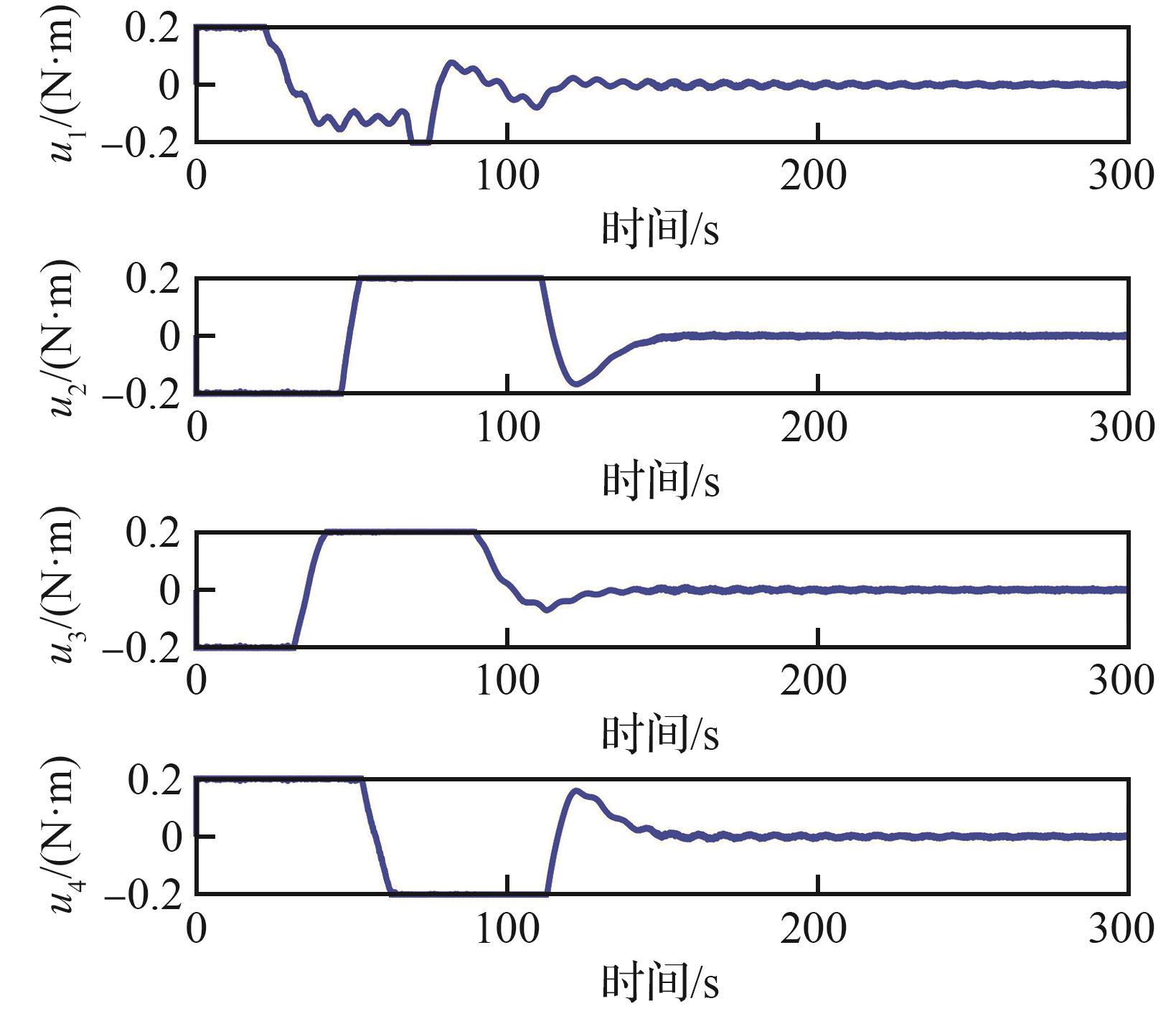
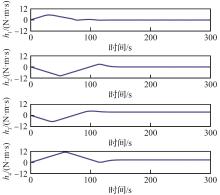
Fig.20
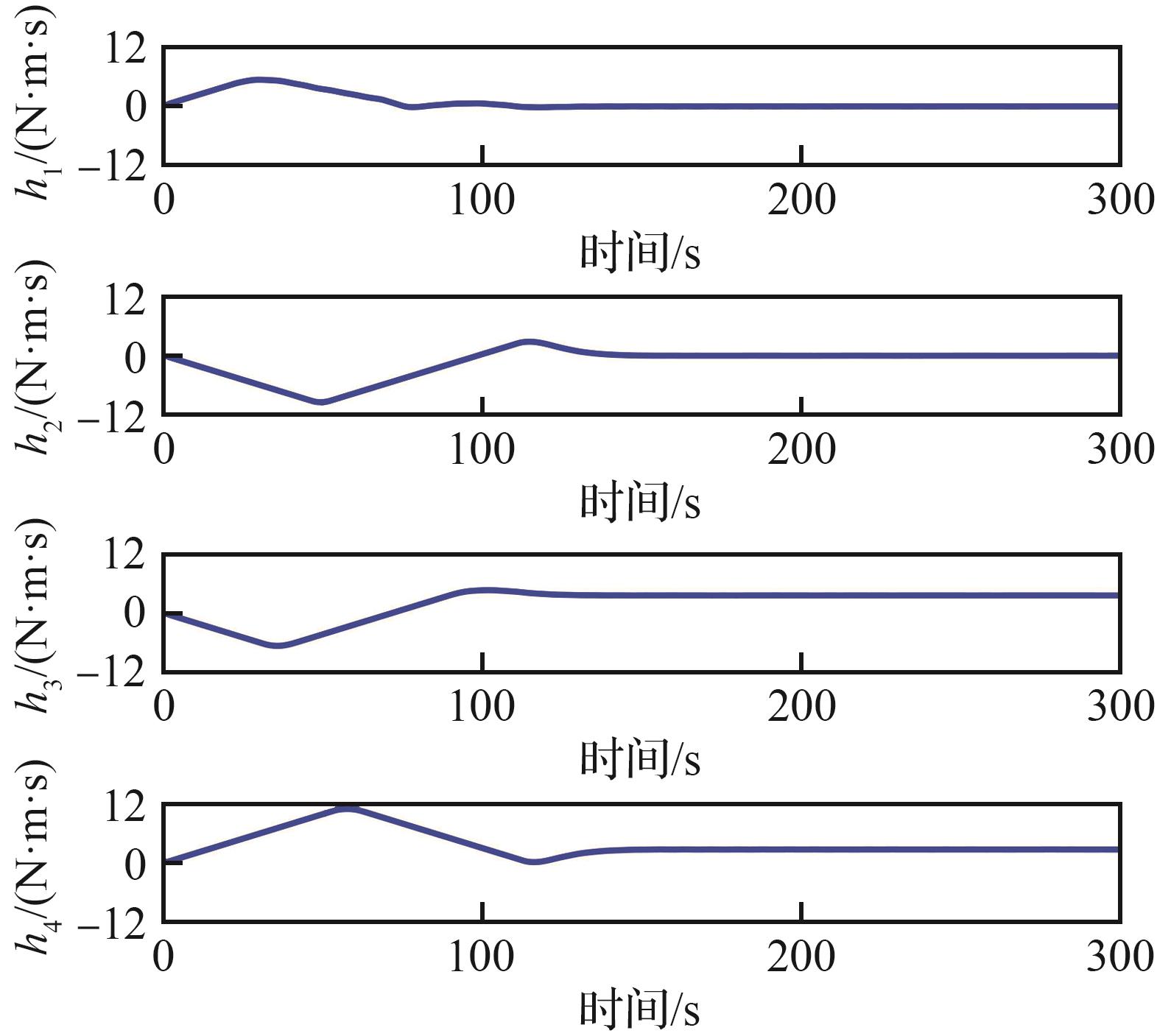
Angular momentum of flywheels
| [1] | 张育林, 吴建军, 胡小平, 等. 航天器[M]. 北京: 国防工业出版社, 2006: 1-6. |
| ZHANG Y L, WU J J, HU X P, et al. Spacecraft[M]. Beijing: National Defense Industry Press, 2006: 1-6 (in Chinese). | |
| [2] | 谢树宗, 杨秦敏, 陈强, 等. 航天器指定时间自适应姿态跟踪保性能控制[J/OL]. 航空学报, (2025-11-17)[2025-12-01]. . |
| XIE S Z, YANG Q M, CHEN Q, et al. Specified-time adaptive attitude tracking control for spacecraft with guaranteed prescribed performance[J/OL]. Acta Aeronautica et Astronautica Sinica, (2025-11-17)[2025-12-01]. (in Chinese). | |
| [3] | ESMAEILZADEH S M, ZEYGHAMI M S. Nonlinear finite time attitude control of flexible spacecraft based on a novel output redefinition method[J]. Chinese Journal of Aeronautics, 2023, 36(11): 373-385. |
| [4] | 吕国梁, 边志强, 郭延宁, 等. PI-RNN增强的大尺度挠性空间结构模型预测姿态稳定控制[J/OL]. 航空学报, (2025-11-17)[2026-05-07]. . |
| LYU G L, BIAN Z Q, GUO Y N, et al. Physics-informed neural networks enhanced model predictive control for large-scale flexible space structure attitude stabilization[J/OL]. Acta Aeronautica et Astronautica Sinica, (2025-11-17)[2026-05-07]. (in Chinese). | |
| [5] | 靳永强, 刘向东, 王伟, 等. 基于模态观测器的挠性航天器姿态控制[J]. 宇航学报, 2008, 29(3): 844-848. |
| JIN Y Q, LIU X D, WANG W, et al. Sliding mode attitude control for flexible spacecraft based on modal observer[J]. Journal of Astronautics, 2008, 29(3): 844-848 (in Chinese). | |
| [6] | PARK J, LEE J D, BANG H. Vibration suppression adaptive prescribed performance control for flexible spacecraft with uncertain moment of inertia[J]. Acta Astronautica, 2025, 235: 141-154. |
| [7] | DU H B, CHEN M Z Q, WEN G H. Leader-following attitude consensus for spacecraft formation with rigid and flexible spacecraft[J]. Journal of Guidance, Control, and Dynamics, 2016, 39(4): 944-951. |
| [8] | CAO S Y, HANG B. Adaptive fault tolerant attitude control of flexible satellites based on Takagi-Sugeno fuzzy disturbance modeling[J]. Transactions of the Institute of Measurement and Control, 2020, 42(9): 1712-1723. |
| [9] | 王典, 吴云华, 岳程斐, 等. 输入受限的挠性航天器全驱姿态饱和控制[J]. 自动化学报, 2024, 50(11): 2177-2187. |
| WANG D, WU Y H, YUE C F, et al. Fully actuated flexible spacecraft attitude control with input constraint[J]. Acta Automatica Sinica, 2024, 50(11): 2177-2187 (in Chinese). | |
| [10] | LIU K R, LI J W, LIU M. Fuzzy neuro-adaptive observer-based fault-tolerant control for flexible spacecraft attitude maneuver with pointing constraints[J/OL]. International Journal of Fuzzy Systems, (2025-04-09) [2025-12-19]. . |
| [11] | XIAO F Z, BA H, NIU M Q, et al. Observer-based robust attitude control of liquid-filled flexible spacecraft in a fully actuated system framework[J]. Journal of Aerospace Engineering, 2025, 38(3): 04025016. |
| [12] | 张秀云, 宗群, 窦立谦, 等. 柔性航天器振动主动抑制及姿态控制[J]. 航空学报, 2019, 40(4): 322503. |
| ZHANG X Y, ZONG Q, DOU L Q, et al. Active vibration suppression and attitude control for flexible spacecraft[J]. Acta Aeronautica et Astronautica Sinica, 2019, 40(4): 322503 (in Chinese). | |
| [13] | XIAO Y, YANG Y L, YE D, et al. Quantitative precision second-order temporal transformation-based pose control for spacecraft proximity operations[J]. IEEE Transactions on Aerospace and Electronic Systems, 2025, 61(2): 1931-1941. |
| [14] | 许玉龙, 鄂斌, 王小刚, 等. 一种高超声速飞行器固定时间滑模控制方法[J]. 宇航学报, 2024, 45(4): 560-570. |
| XU Y L, E B, WANG X G, et al. A fixed-time sliding-mode control method for hypersonic vehicle[J]. Journal of Astronautics, 2024, 45(4): 560-570 (in Chinese). | |
| [15] | 张洪珠, 叶东, 孙兆伟. 输入量化下航天器位姿一体化预设时间控制[J]. 航空学报, 2023, 44(22): 223-241. |
| ZHANG H Z, YE D, SUN Z W. Predefined-time integrated pose control for spacecraft under input quantization[J]. Acta Aeronautica et Astronautica Sinica, 2023, 44(22): 223-241 (in Chinese). | |
| [16] | KONG L X, ZHU Q D, WANG Z B, et al. Global predefined-time control for carrier landing under disturbances[J]. Aerospace Science and Technology, 2026, 168: 110792. |
| [17] | XIAO Y, WANG Y T, YE D, et al. Predefined-time robust attitude tracking control of flexible spacecraft with continuous and nonsingular performance[J]. Aerospace Science and Technology, 2025, 159: 110000. |
| [18] | DAS G, SINHA M. Predefined-time hybrid tracking control of flexible satellites with conditional anti-unwinding[J]. Journal of Guidance, Control, and Dynamics, 2024, 47(11): 2426-2434. |
| [19] | DENG X T, WANG B C, ZHANG Z Y, et al. Predefined-time attitude tracking robust control of flexible spacecraft under multiple disturbances[J]. Journal of Spacecraft and Rockets, 2025, 62(4): 1083-1092. |
| [20] | XIAO Y, DE RUITER A H J, YE D, et al. Attitude tracking control for rigid-flexible coupled spacecraft with guaranteed performance bounds[J]. Journal of Guidance, Control, and Dynamics, 2020, 43(2): 327-337. |
| [21] | XIAO Y, DE RUITER A, YE D, et al. Adaptive fault-tolerant attitude tracking control for flexible spacecraft with guaranteed performance bounds[J]. IEEE Transactions on Aerospace and Electronic Systems, 2022, 58(3): 1922-1940. |
| [22] | XIAO Y, DE RUITER A, YE D, et al. Attitude coordination control for flexible spacecraft formation flying with guaranteed performance bounds[J]. IEEE Transactions on Aerospace and Electronic Systems, 2023, 59(2): 1534-1550. |
| [23] | GUI H C. Observer-based fault-tolerant spacecraft attitude tracking using sequential Lyapunov analyses[J]. IEEE Transactions on Automatic Control, 2021, 66(12): 6108-6114. |
| [24] | YE D, ZOU A M, SUN Z W. Predefined-time predefined-bounded attitude tracking control for rigid spacecraft[J]. IEEE Transactions on Aerospace and Electronic Systems, 2022, 58(1): 464-472. |
| [25] | XIAO Y, YANG Y L, YE D, et al. Scaling-transformation-based attitude tracking control for rigid spacecraft with prescribed time and prescribed bound[J]. IEEE Transactions on Aerospace and Electronic Systems, 2025, 61(1): 433-442. |
| [26] | 王云腾, 肖岩, 叶东, 等. 刚体航天器预设时间预设精度姿态跟踪控制[J]. 哈尔滨工业大学学报, 2023, 55(8): 18-24. |
| WANG Y T, XIAO Y, YE D, et al. Predefined-time predefined-bounded control for attitude tracking of rigid spacecraft[J]. Journal of Harbin Institute of Technology, 2023, 55(8): 18-24 (in Chinese). | |
| [27] | TAO J W, ZHANG T, LIU Q R. Novel finite-time adaptive neural control of flexible spacecraft with actuator constraints and prescribed attitude tracking performance[J]. Acta Astronautica, 2021, 179: 646-658. |
| [28] | LI Z, ZHANG Y, WU A G. Observer-based practically prescribed-time attitude control for flexible spacecraft[J]. International Journal of Robust and Nonlinear Control, 2025, 35(8): 3370-3382. |
| [29] | MUÑOZ-VÁZQUEZ A J, SÁNCHEZ-TORRES J D, JIMÉNEZ-RODRÍGUEZ E, et al. Predefined-time robust stabilization of robotic manipulators[J]. IEEE/ASME Transactions on Mechatronics, 2019, 24(3): 1033-1040. |
| [30] | POLYCARPOU M M, IOANNOU P A. A robust adaptive nonlinear control design[J]. Automatica, 1996, 32(3): 423-427. |
| [31] | 殷春武, 吴岐, 杨思逸, 等. 任意初始状态机械臂的保性能预设时间跟踪控制[J]. 组合机床与自动化加工技术, 2025(3): 103-108, 113. |
| YIN C W, WU Q, YANG S Y, et al. Guaranteed performance predefined time tracking control for manipulator with arbitrary initial state[J]. Modular Machine Tool & Automatic Manufacturing Technique, 2025(3): 103-108, 113 (in Chinese). | |
| [32] | SU Y H, SHEN S P. Adaptive predefined-time fault-tolerant attitude tracking control for rigid spacecraft with guaranteed performance[J]. Acta Astronautica, 2024, 214: 677-688. |
| [33] | DI GENNARO S. Output stabilization of flexible spacecraft with active vibration suppression[J]. IEEE Transactions on Aerospace and Electronic Systems, 2003, 39(3): 747-759. |
| [34] | 李海, 李勇军, 刘元皓, 等. 基于ESWO的敏捷对地观测卫星任务调度算法[J]. 航空学报, 2024, 45(10): 329370. |
| LI H, LI Y J, LIU Y H, et al. ESWO-based task-scheduling algorithm for agile earth observation satellites[J]. Acta Aeronautica et Astronautica Sinica, 2024, 45(10): 329370 (in Chinese). | |
| [35] | 李立涛, 荣思远. 航天器姿态动力学与控制[M]. 哈尔滨: 哈尔滨工业大学出版社, 2019: 299-314. |
| LI L T, RONG S Y. Attitude dynamics and control of spacecraft[M]. Harbin: Harbin Institute of Technology Press, 2019: 299-314 (in Chinese). |
| [1] | Qiaoqiao ZHENG, Mou CHEN. Formation switching control for high speed aircraft based on performance function [J]. Acta Aeronautica et Astronautica Sinica, 2026, 47(S1): 732951-732951. |
| [2] | Jing ZHAO, Long PAN, Ningyun LU, Haiyun HUANG, Yajie MA, Fengyu XU. A novel nonsingular terminal sliding mode control for aerial robot based on fixed-time disturbance observer [J]. Acta Aeronautica et Astronautica Sinica, 2026, 47(9): 532278-532278. |
| [3] | Jianfeng WU, Yi DING, Bin ZHOU. Prescribed-time attitude tracking control for spacecraft based on periodic delayed feedback [J]. Acta Aeronautica et Astronautica Sinica, 2026, 47(9): 0-532776-. |
| [4] | Yuying GUO, Lanxin LIAO, Xiaoqiang ZHANG, Youmin ZHANG, Kai WANG. Finite-time fault-tolerant control of compound actuator faults for unmanned aerial vehicles [J]. Acta Aeronautica et Astronautica Sinica, 2026, 47(4): 332659-332659. |
| [5] | Xinzhan CHANG, Xinyue XU, Bo ZHANG, Hanlin DONG, Zhiqiang MA, Bing XIAO. Anti-unwinding terminal sliding mode control for high-precision space attitude pointing [J]. Acta Aeronautica et Astronautica Sinica, 2026, 47(16): 333260-333260. |
| [6] | Shuzong XIE, Qinmin YANG, Qiang CHEN, Beiping HOU. Specified-time adaptive attitude tracking control for spacecraft with guaranteed prescribed performance [J]. Acta Aeronautica et Astronautica Sinica, 2026, 47(14): 332775-332775. |
| [7] | Ming LU, Nuo SU, Weiheng ZHAO, Ge CAO, Limei TIAN, Qiang ZHANG. Anti-interference control of a single-frame controlled moment SGCMG servo system based on integral terminal sliding mode [J]. Acta Aeronautica et Astronautica Sinica, 2024, 45(S1): 730768-730768. |
| [8] | Zheng LI, Jianqiao YU, Xinyun ZHAO. Fixed⁃time convergent sliding mode control for agile turn of air⁃to⁃air missiles [J]. ACTA AERONAUTICAET ASTRONAUTICA SINICA, 2023, 44(8): 327262-327262. |
| [9] | Zhongsen WANG, Yuxin LIAO, Caisheng WEI, Ting DAI. Fast terminal sliding mode fault⁃tolerant control of hypersonic vehicle with guaranteed performance [J]. Acta Aeronautica et Astronautica Sinica, 2023, 44(24): 328476-328476. |
| [10] | WEI Kepeng, HU Jian, YAO Jianyong, XING Haochen, LE Guigao. Fast terminal sliding mode control of neural networks for aeromechanical actuators [J]. ACTA AERONAUTICAET ASTRONAUTICA SINICA, 2021, 42(6): 624540-624540. |
| [11] | LUO Shibin, WU Xia, WEI Caisheng. A novel attitude tracking control with guaranteed performance for reusable launch vehicle [J]. ACTA AERONAUTICAET ASTRONAUTICA SINICA, 2021, 42(11): 524660-524660. |
| [12] | DING Yibo, YUE Xiaokui, DAI Honghua, CUI Naigang. Prescribed performance controller for flexible air-breathing hypersonic vehicle with considering inlet airflow constraint [J]. ACTA AERONAUTICAET ASTRONAUTICA SINICA, 2021, 42(11): 524838-524838. |
| [13] | SI Yujie, XIONG Hua, SONG Xun, ZONG Rui. Three dimensional guidance law for cooperative operation based on adaptive terminal sliding mode [J]. ACTA AERONAUTICAET ASTRONAUTICA SINICA, 2020, 41(S1): 723759-723759. |
| [14] | DAI Mingguang, QI Rong. Backstepping sliding mode control of electric dynamic load simulator based on extended state observer [J]. ACTA AERONAUTICAET ASTRONAUTICA SINICA, 2020, 41(5): 323683-323683. |
| [15] | XIA Dongdong, YUE Xiaokui. Immersion and invariance based attitude adaptive tracking control for spacecraft [J]. ACTA AERONAUTICAET ASTRONAUTICA SINICA, 2020, 41(2): 323428-323428. |
| Viewed | ||||||
|
Full text |
|
|||||
|
Abstract |
|
|||||
Address: No.238, Baiyan Buiding, Beisihuan Zhonglu Road, Haidian District, Beijing, China
Postal code : 100083
E-mail:hkxb@buaa.edu.cn
Total visits: 6658907 Today visits: 1341All copyright © editorial office of Chinese Journal of Aeronautics
All copyright © editorial office of Chinese Journal of Aeronautics
Total visits: 6658907 Today visits: 1341

 CJA

