Acta Aeronautica et Astronautica Sinica ›› 2026, Vol. 47 ›› Issue (17): 233128.doi: 10.7527/S1000-6893.2026.33128
• Solid Mechanics and Vehicle Conceptual Design •
Boyan LIANG1,2, Zhichun YANG1,2, Wei TIAN1,2( )
Received:2025-11-21
Revised:2026-02-07
Accepted:2026-02-28
Online:2026-03-17
Published:2026-03-16
Contact:
Wei TIAN
E-mail:w.tian@nwpu.edu.cn
Supported by:CLC Number:
Boyan LIANG, Zhichun YANG, Wei TIAN. Ground flutter simulation test of wing with control surface[J]. Acta Aeronautica et Astronautica Sinica, 2026, 47(17): 233128.
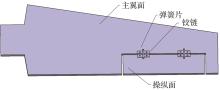
Fig.1
Structural model of wing with control surface
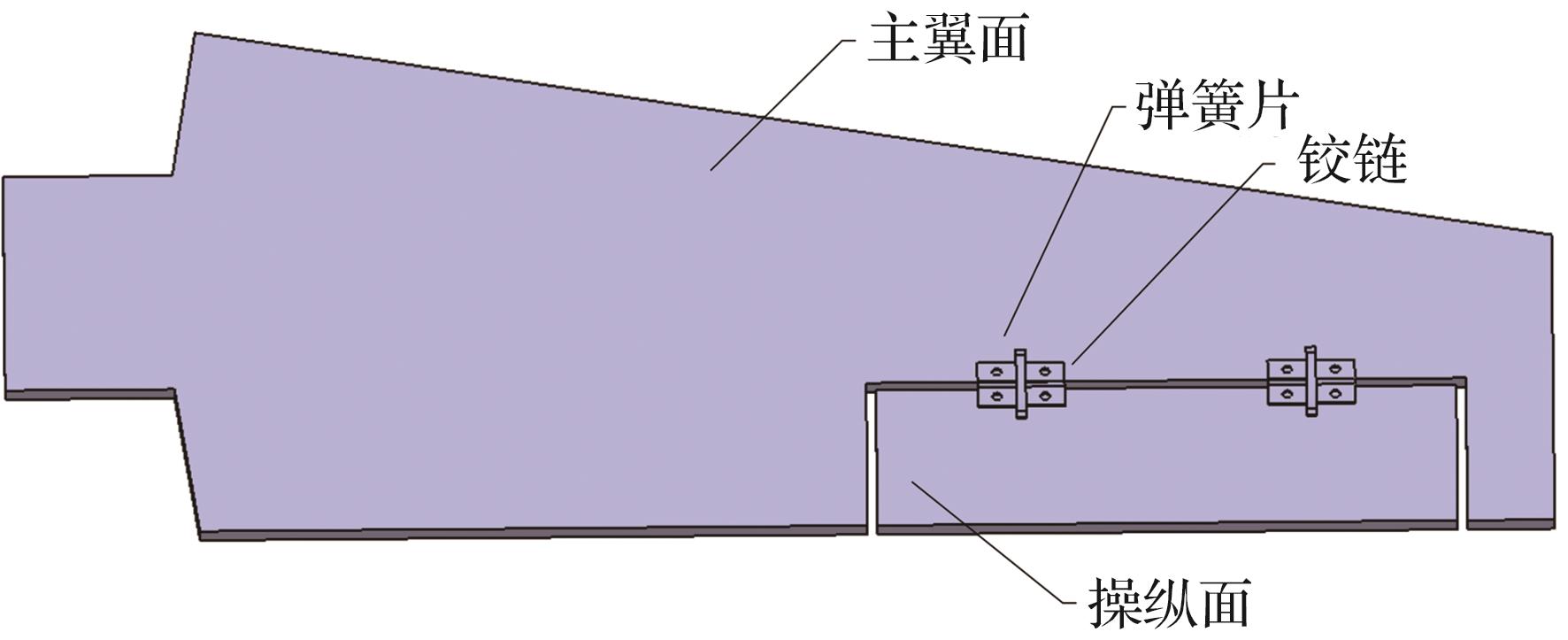
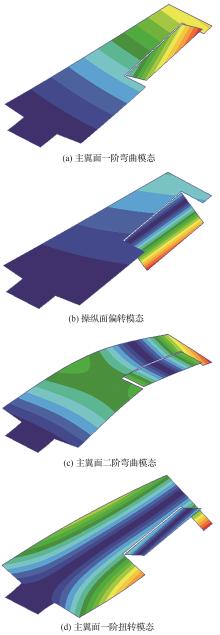
Fig.2
First four modes of wing model with control surface
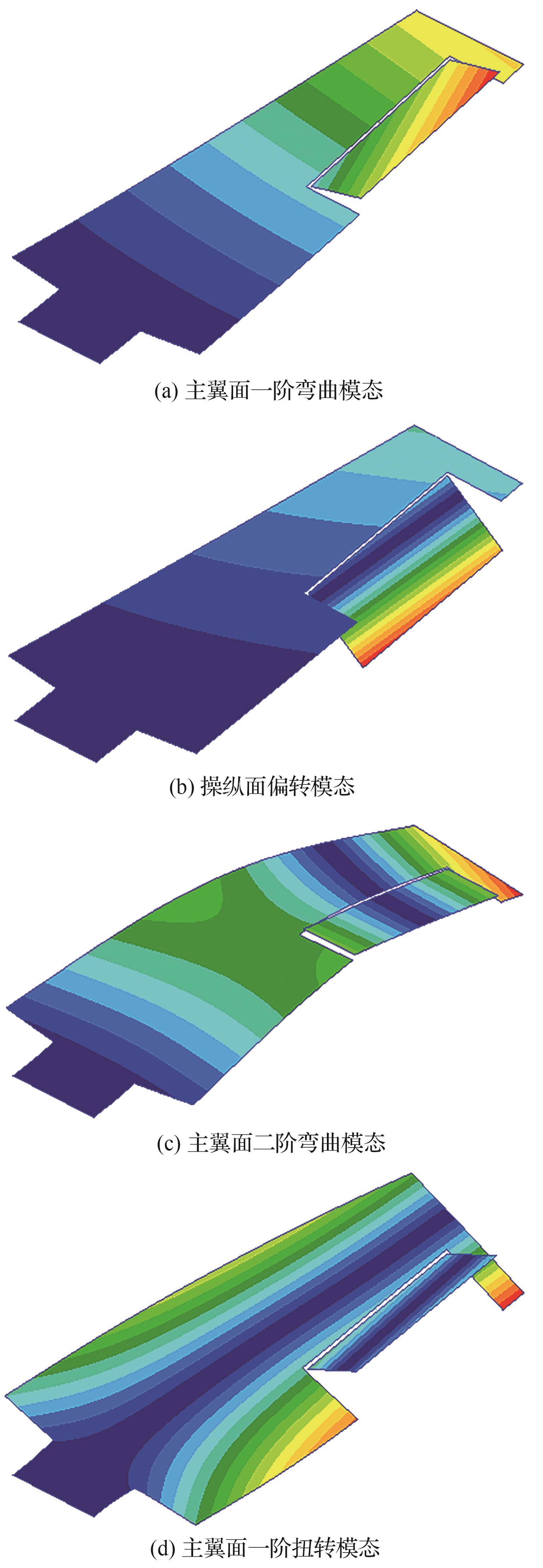
Table 1
Comparison of mode frequencies between modal test of wing with control surface and simulation of updated dynamic finite element model
| 模态名称 | 试验结果/Hz | 修正后有限元模拟结果/Hz | 相对误差/% |
|---|---|---|---|
| 主翼面一阶弯曲 | 4.651 | 4.725 | 1.58 |
| 操纵面偏转 | 9.653 | 9.716 | 0.65 |
| 主翼面二阶弯曲 | 27.887 | 26.625 | -4.52 |
| 主翼面一阶扭转 | 34.700 | 35.345 | 1.86 |
Fig.3
Configuration scheme for aerodynamic force loading points/response measurement points
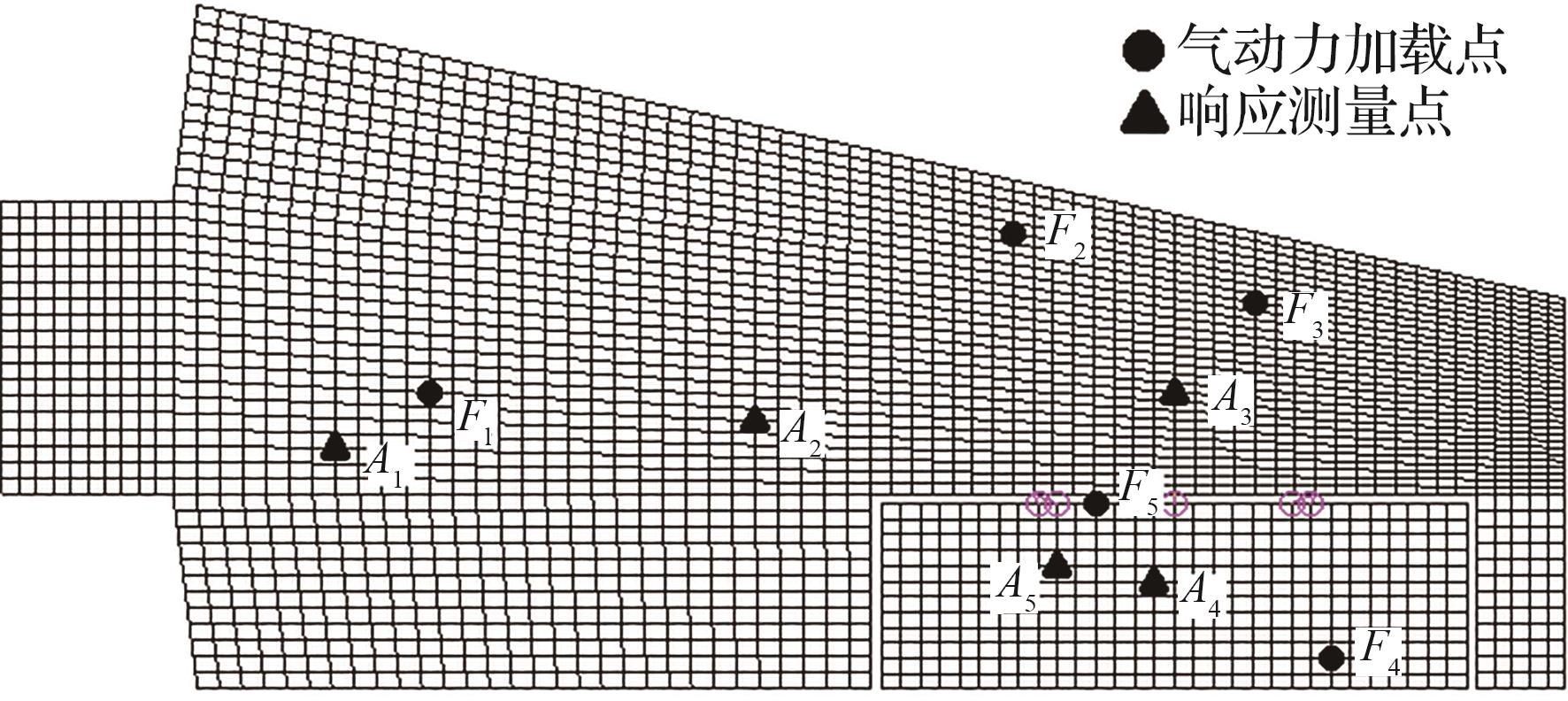
Table 2
MACmatrix of first four mode shapes for reduced-order model
| 阶次 | 阶次 | |||
|---|---|---|---|---|
| 1 | 2 | 3 | 4 | |
| 1 | 0.999 4 | 0.111 2 | 0.100 4 | 0.000 2 |
| 2 | 0.111 9 | 0.999 7 | 0.064 9 | 0.000 5 |
| 3 | 0.017 1 | 0.010 1 | 0.869 2 | 0.049 4 |
| 4 | 0.011 0 | 0.008 3 | 0.012 0 | 0.906 9 |
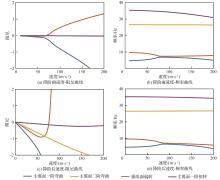
Fig.4
Comparison for flutter characteristics of wing with control surface before and after reduction
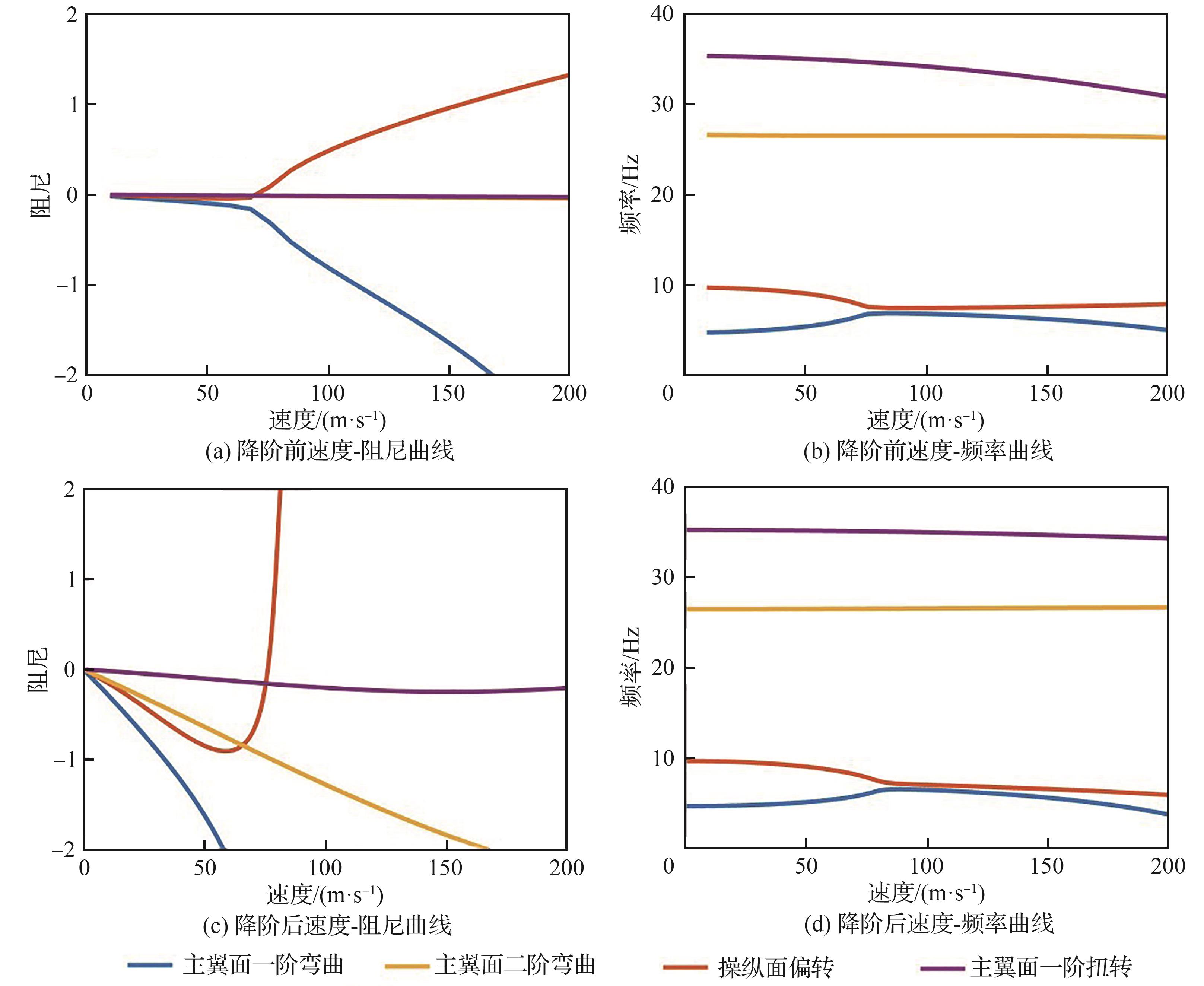
Table 3
Flutter characteristics of wing with control surface before and after reduction
| 模态名称 | 颤振速度/(m·s-1) | 与降阶前相对误差/% | 颤振频率/Hz | 与降阶前相对误差/% |
|---|---|---|---|---|
| 降阶前 | 76.13 | 7.81 | ||
| 第1次降阶 | 76.119 | -0.01 | 7.811 | 0.01 |
| 第2次降阶 | 76.230 | 0.13 | 7.806 | -0.05 |
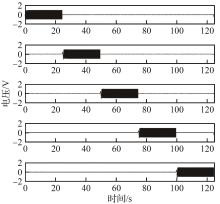
Fig.5
Input signal of exciter-structure system
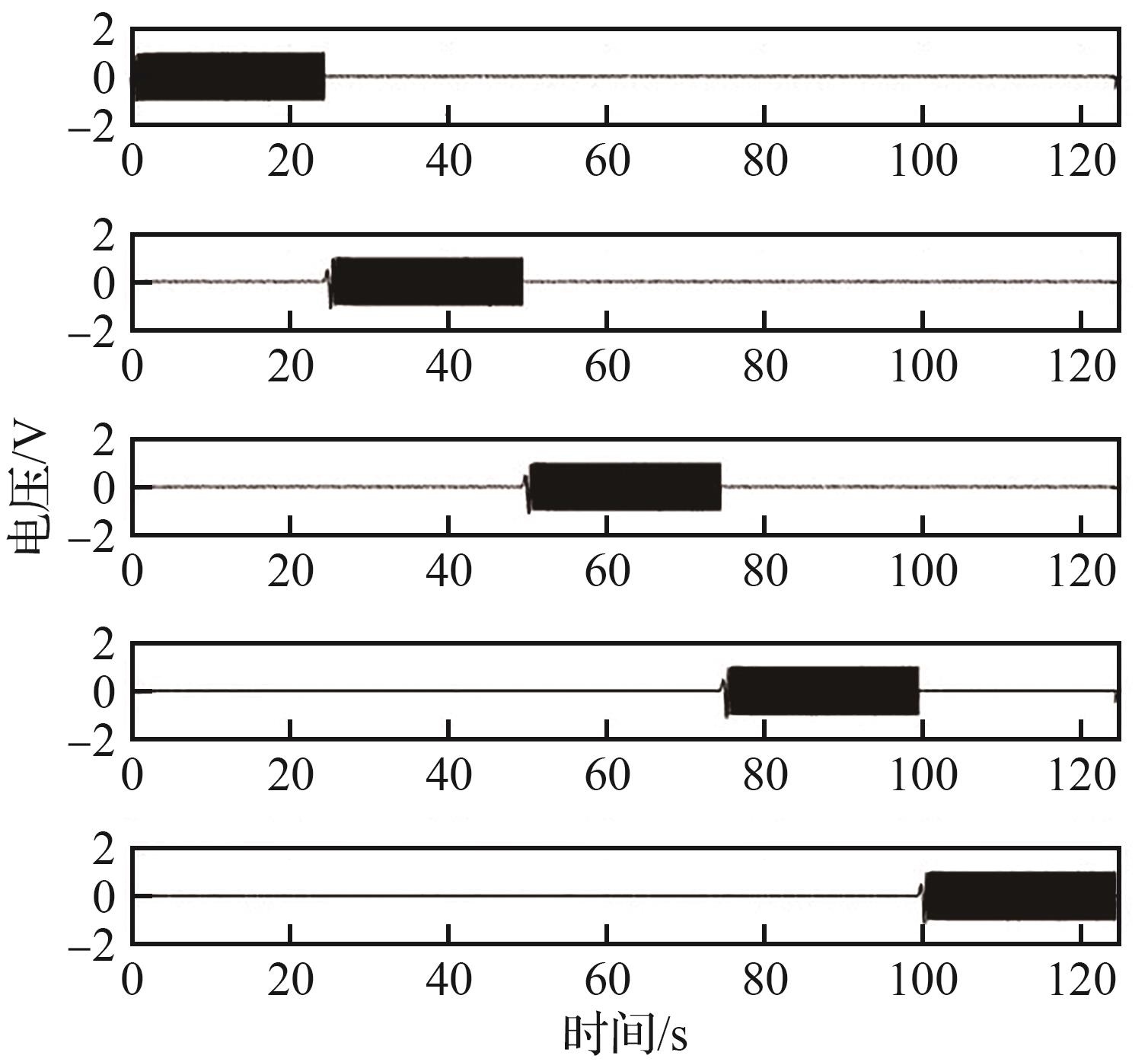
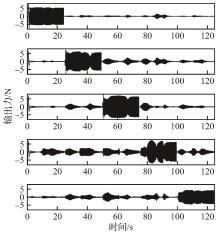
Fig.6
Exciter output force of exciter-structure system
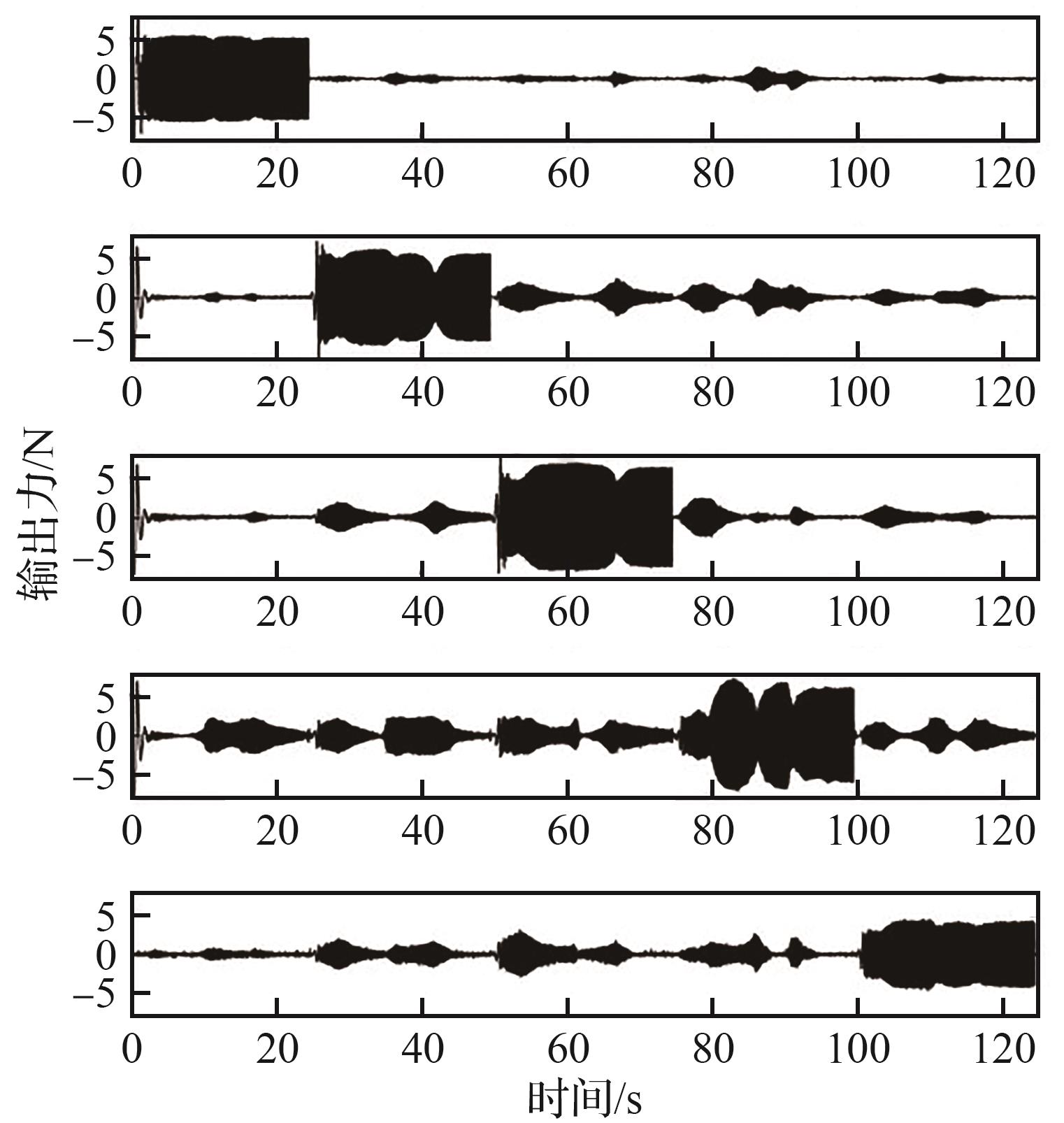
Fig.7
Comparison of frequency response functions between identified model and experimental test
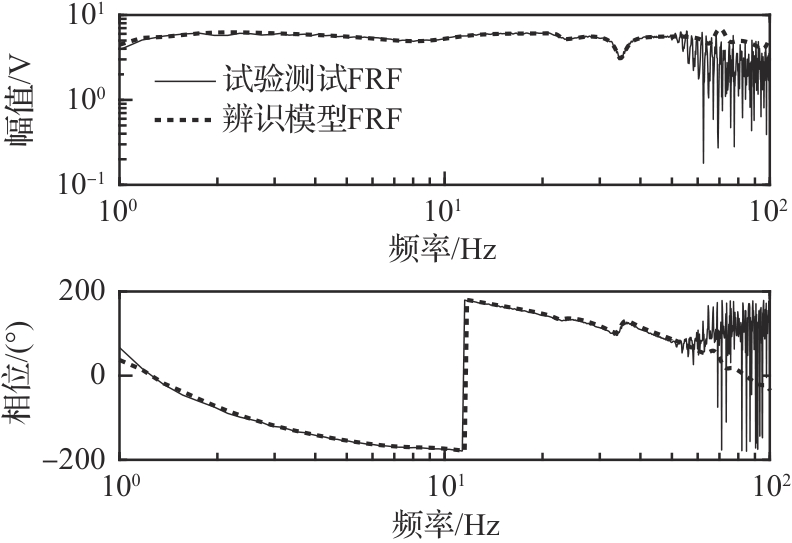
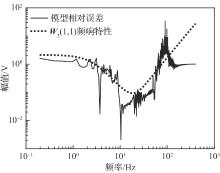
Fig.8
Model relative error and frequency response of W3(1,1)
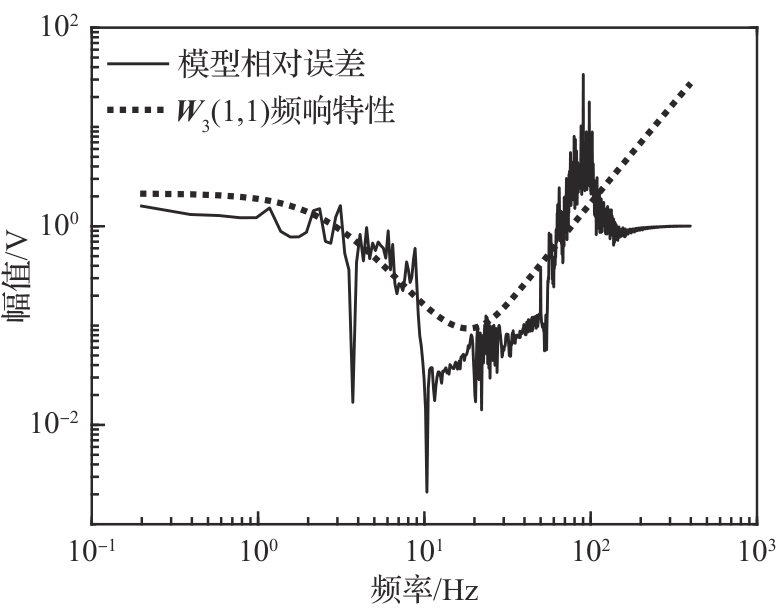
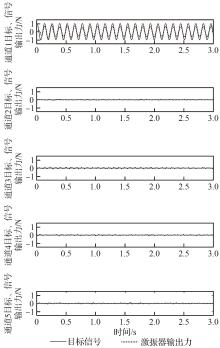
Fig.9
Tracking performance of robust controller
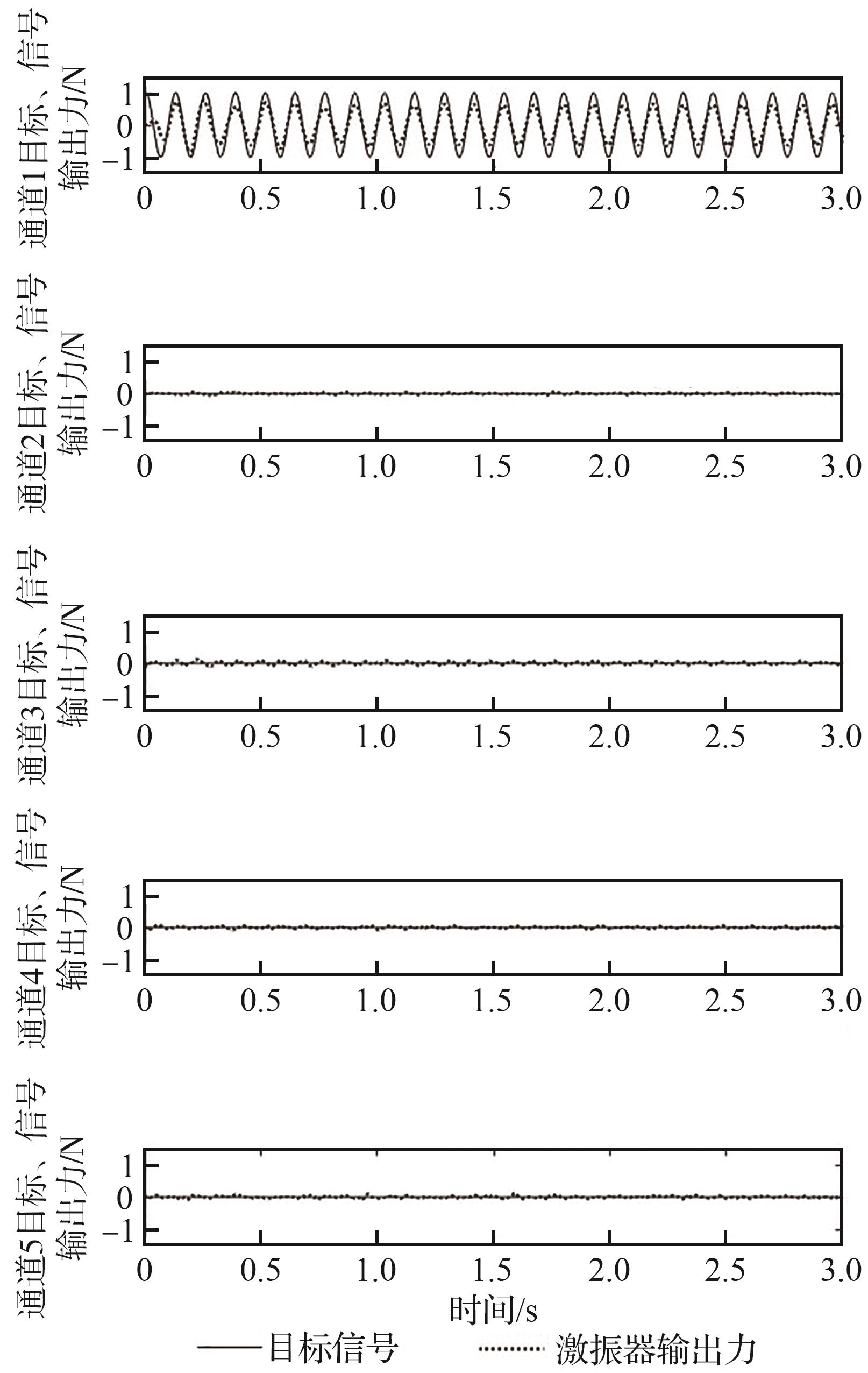
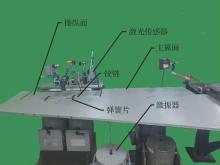
Fig.10
Ground flutter simulation test platform for wing with control surface
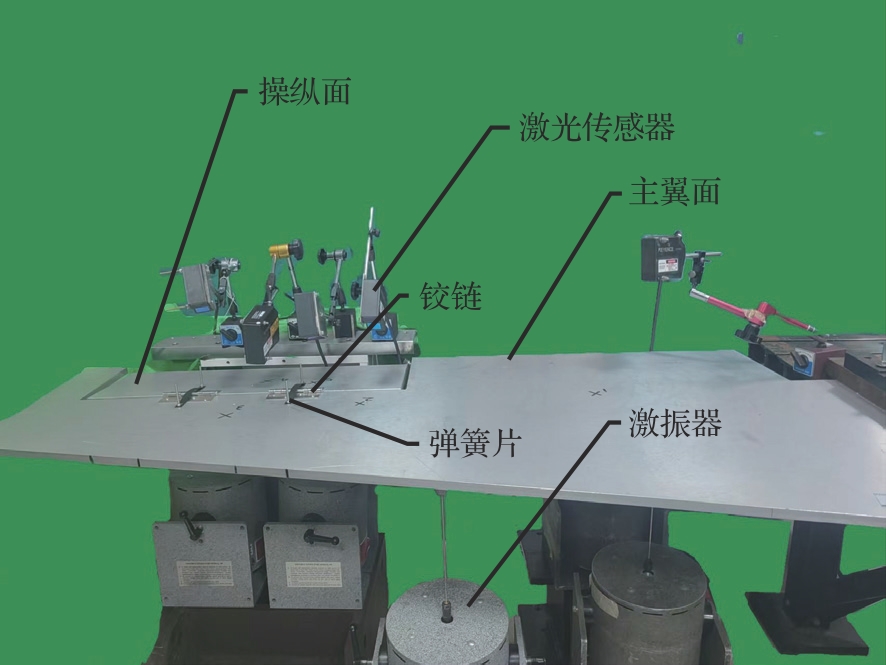
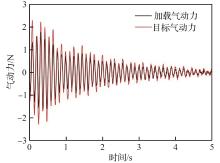
Fig.11
Comparison of excitation force and target aerodynamic force of Channel 4 at V=81 m/s
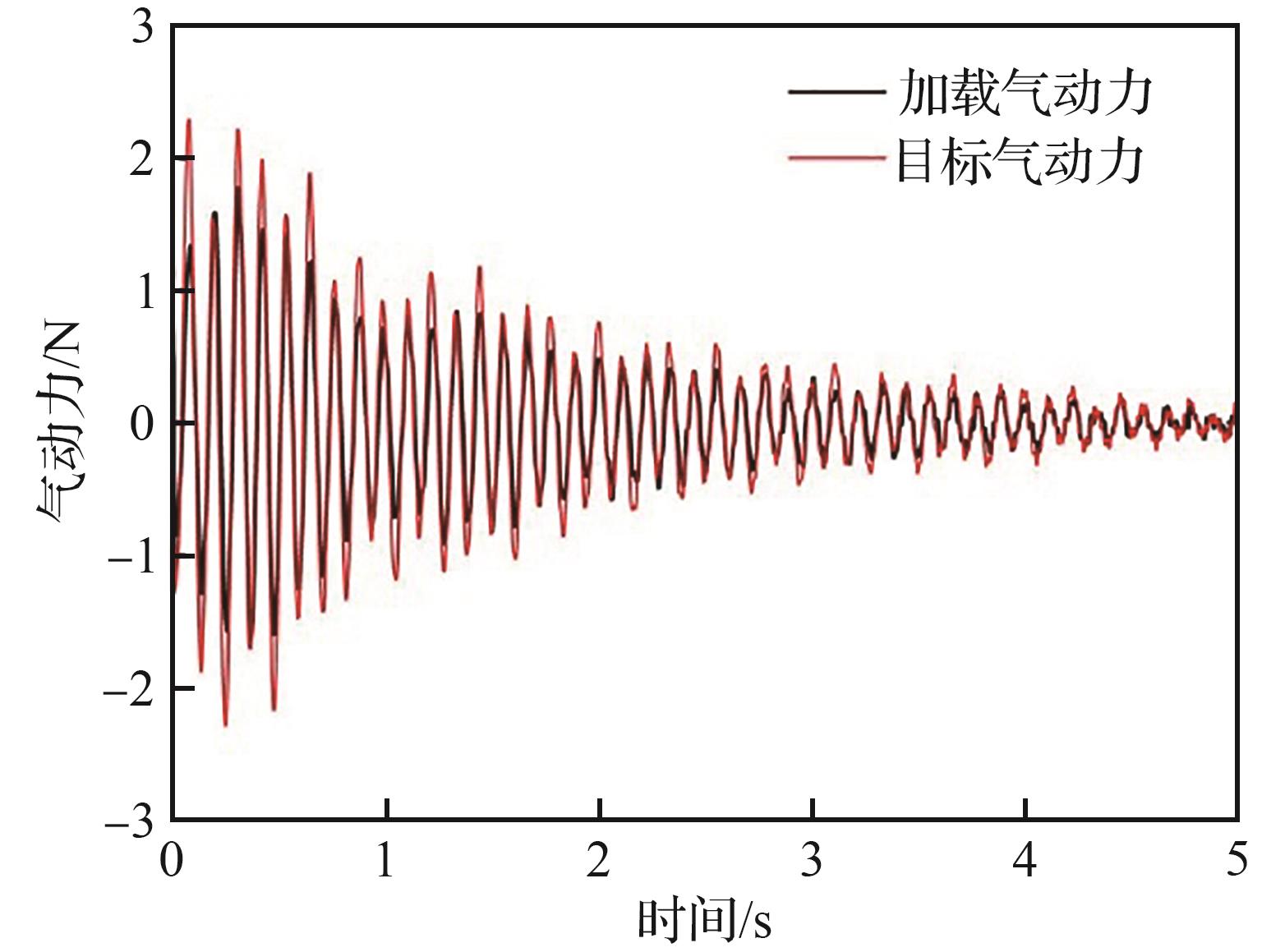
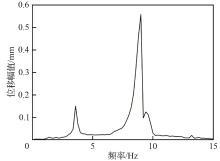
Fig.12
Displacement response spectrum of Channel 4 at V=81 m/s
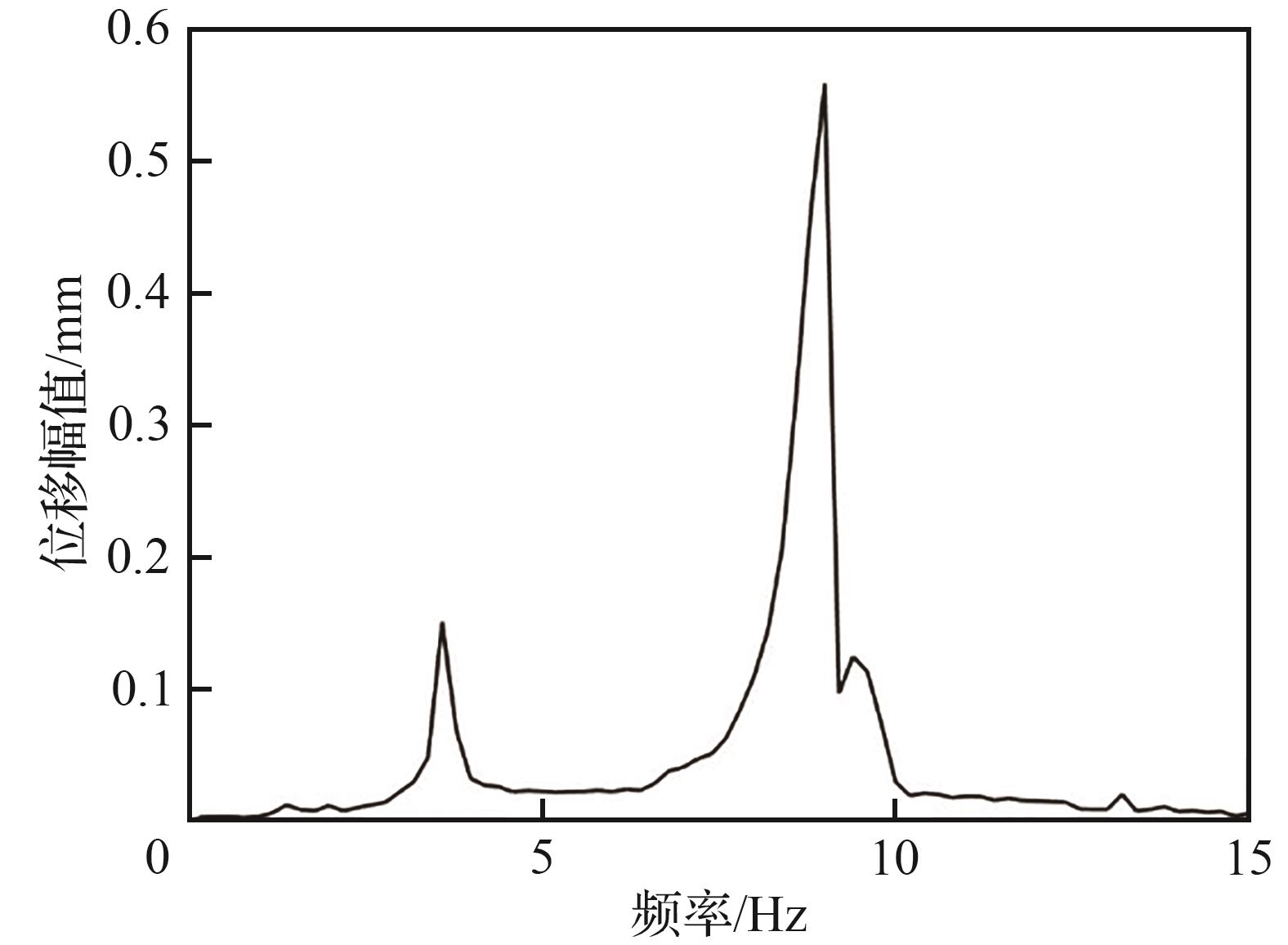
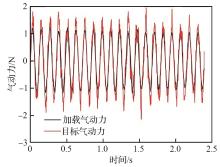
Fig.13
Comparison of excitation force and target aerodynamic force of Channel 4 at V=81.5 m/s
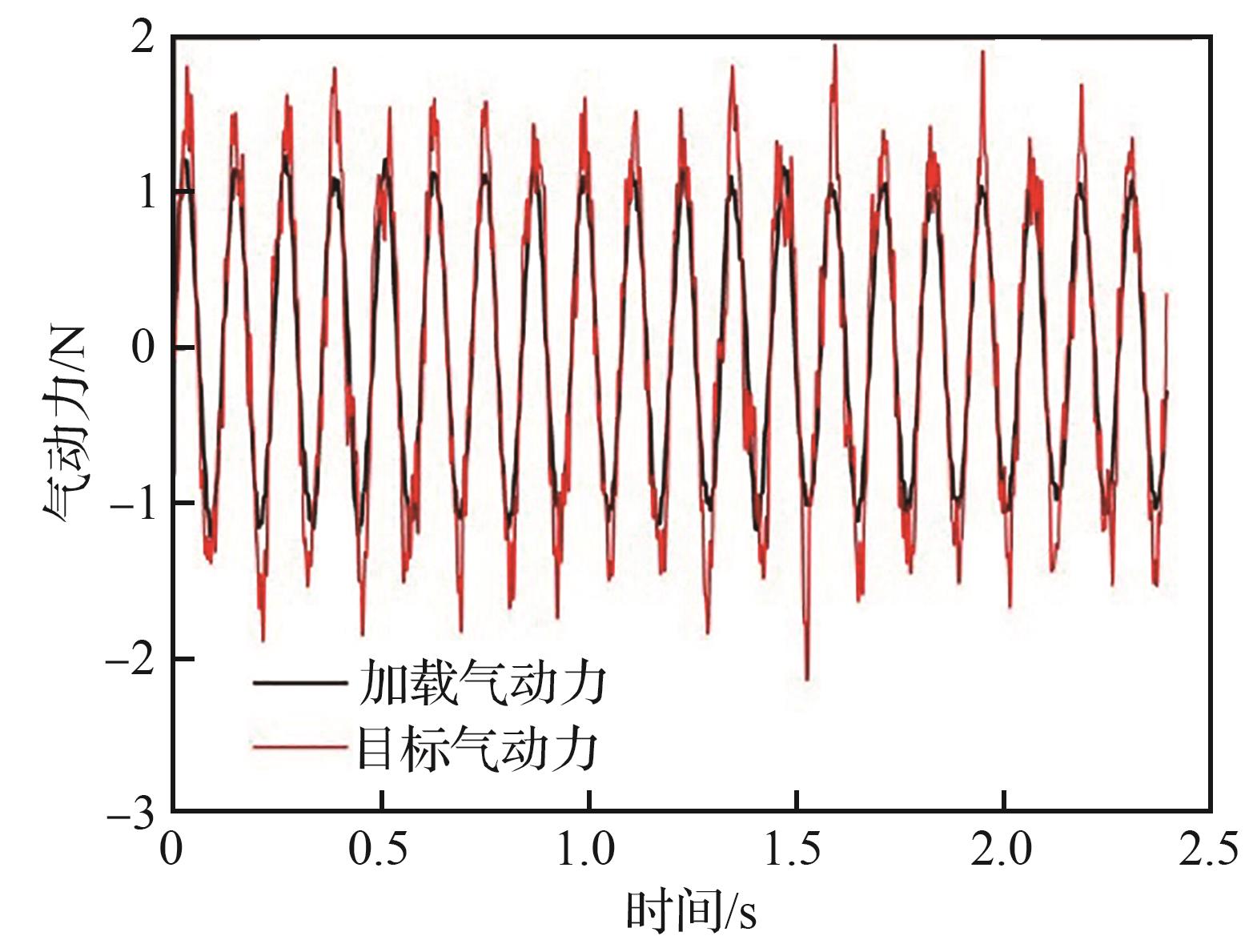
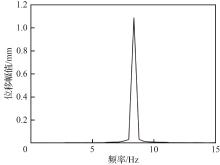
Fig.14
Displacement response spectrum of Channel 4 at V=81.5 m/s
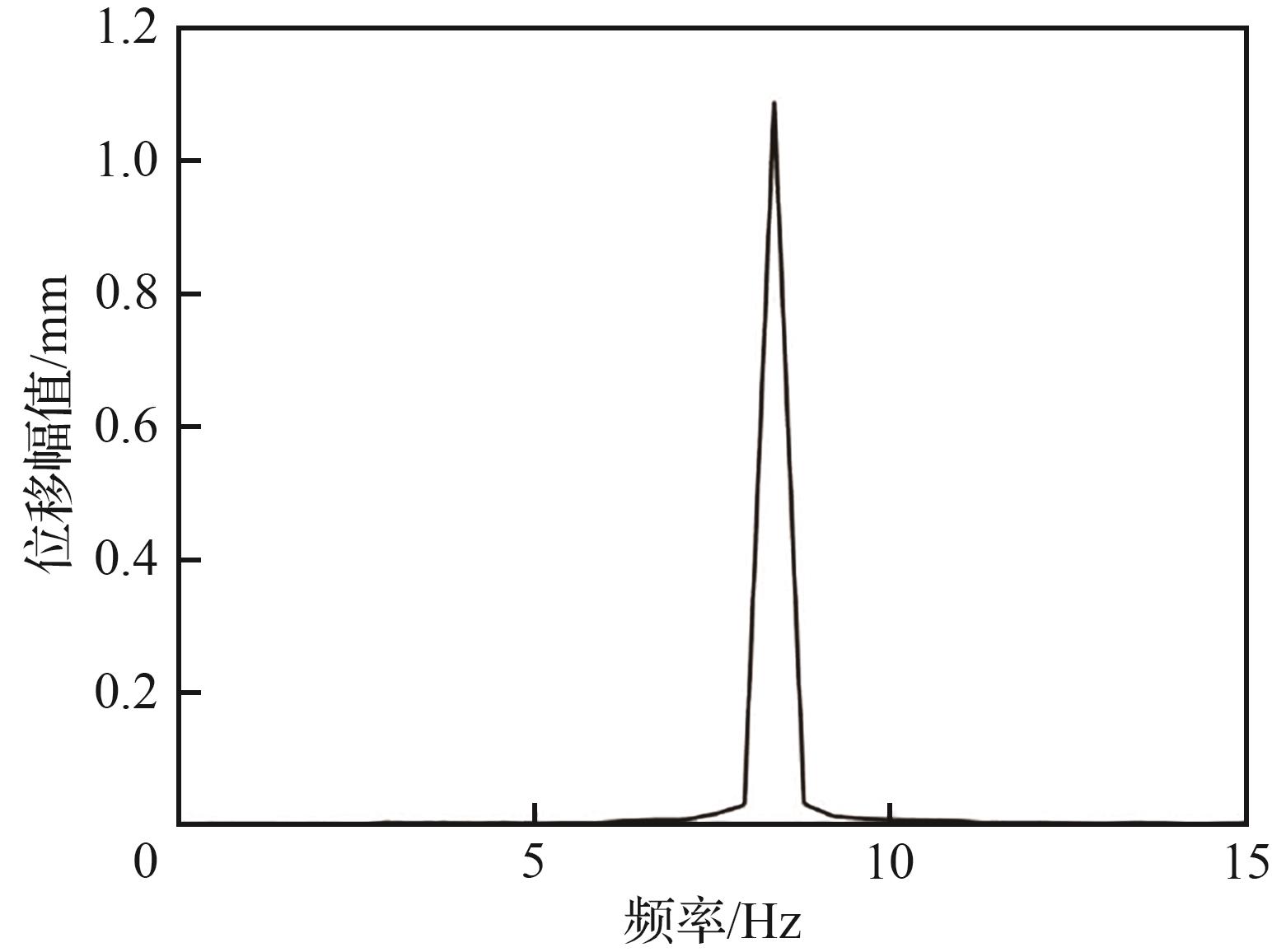
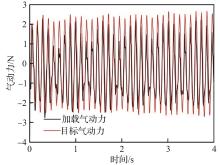
Fig.15
Comparison of excitation force and target aerodynamic force of Channel 4 at V=82 m/s
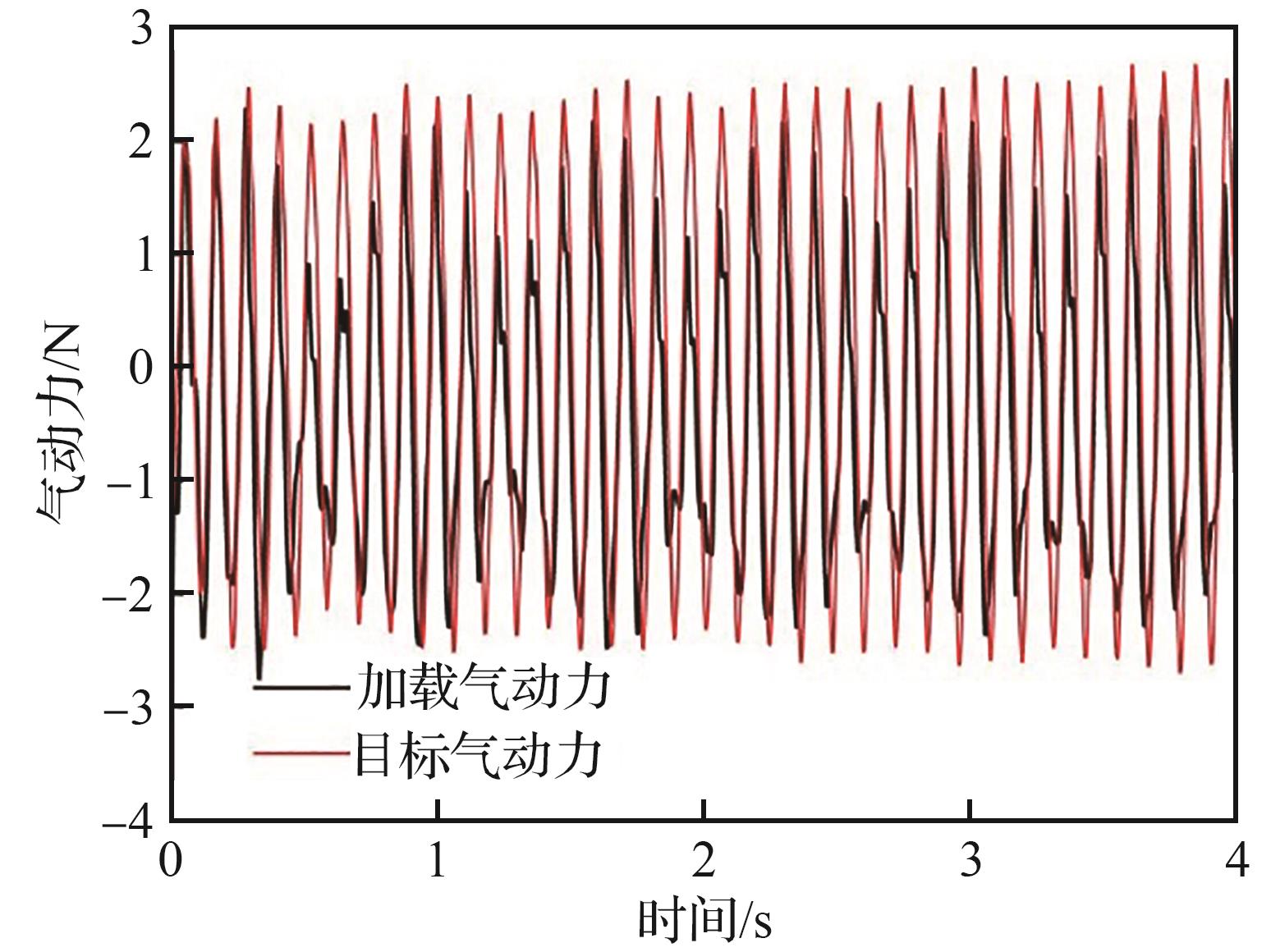
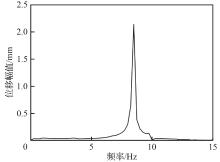
Fig.16
Displacement response spectrum of Channel 4 at V=82 m/s
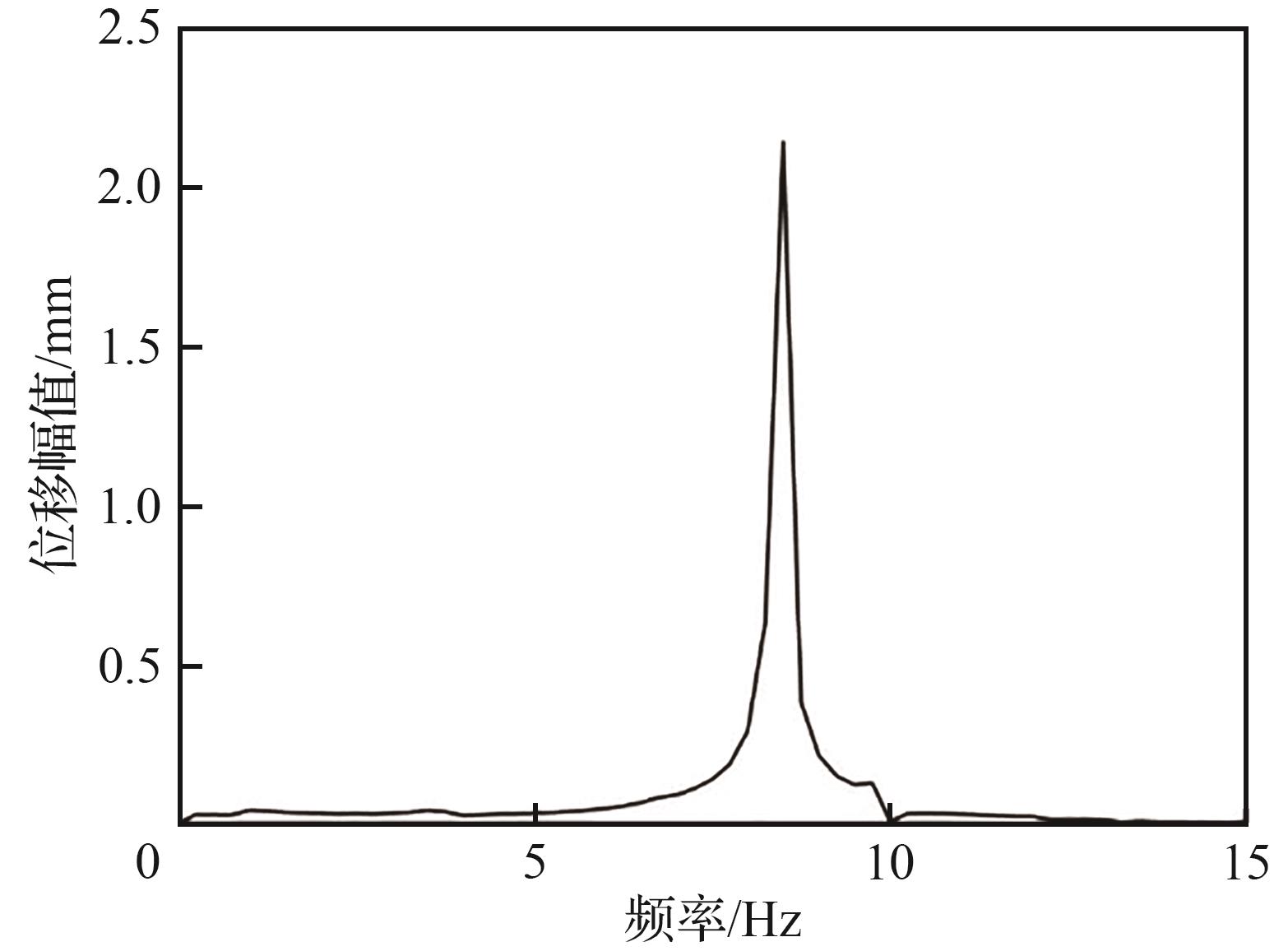
Table 4
Comparison of ground flutter simulation test result with calculation result
| 对比项 | 降阶时域计算结果 | 颤振地面试验结果 | 相对误差/% |
|---|---|---|---|
| 颤振速度/(m·s-1) | 76.230 | 81.5 | 6.91 |
| 颤振频率/Hz | 7.806 | 8.313 | 6.50 |
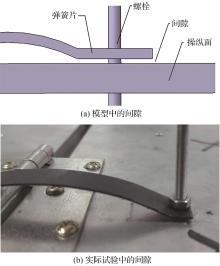
Fig.17
Schematic of freeplay nonlinearity for wing with control surface
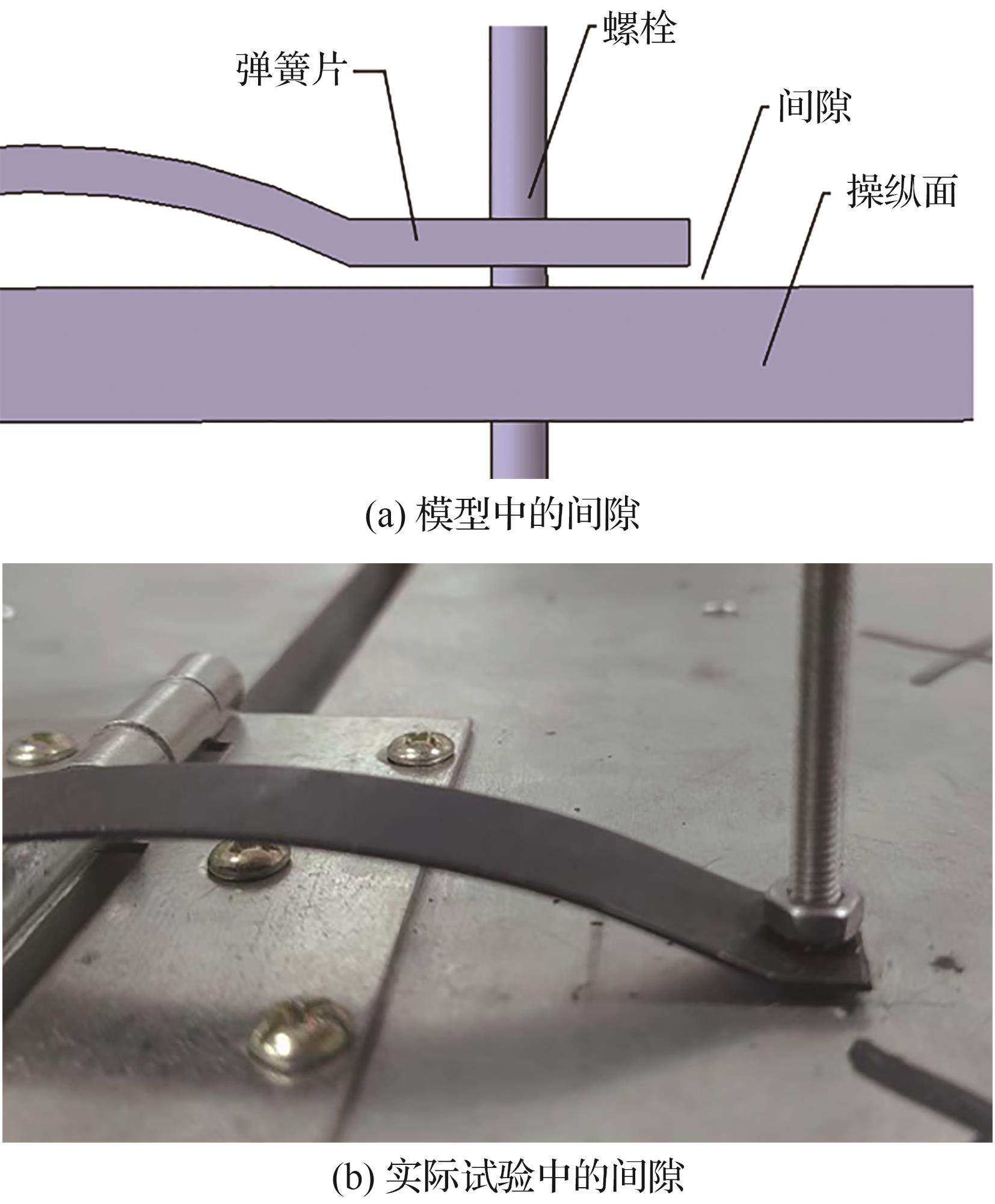
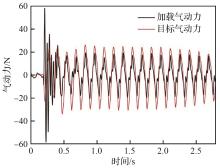
Fig.18
Comparison of excitation force and target aerodynamic force of Channel 4 at V¯ =0.6
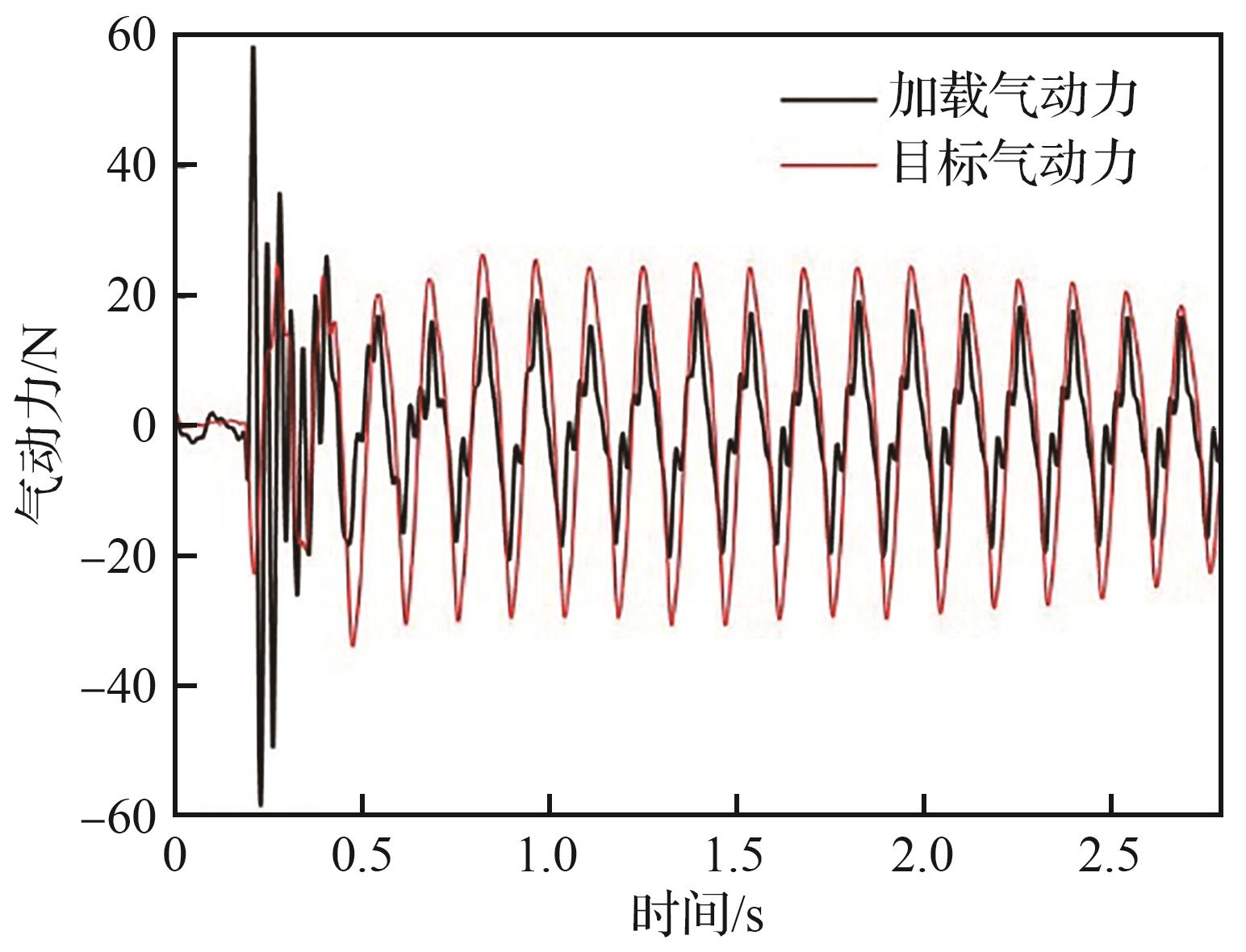
Fig.19
Displacement response spectrum of Channel 4 at V¯ =0.6
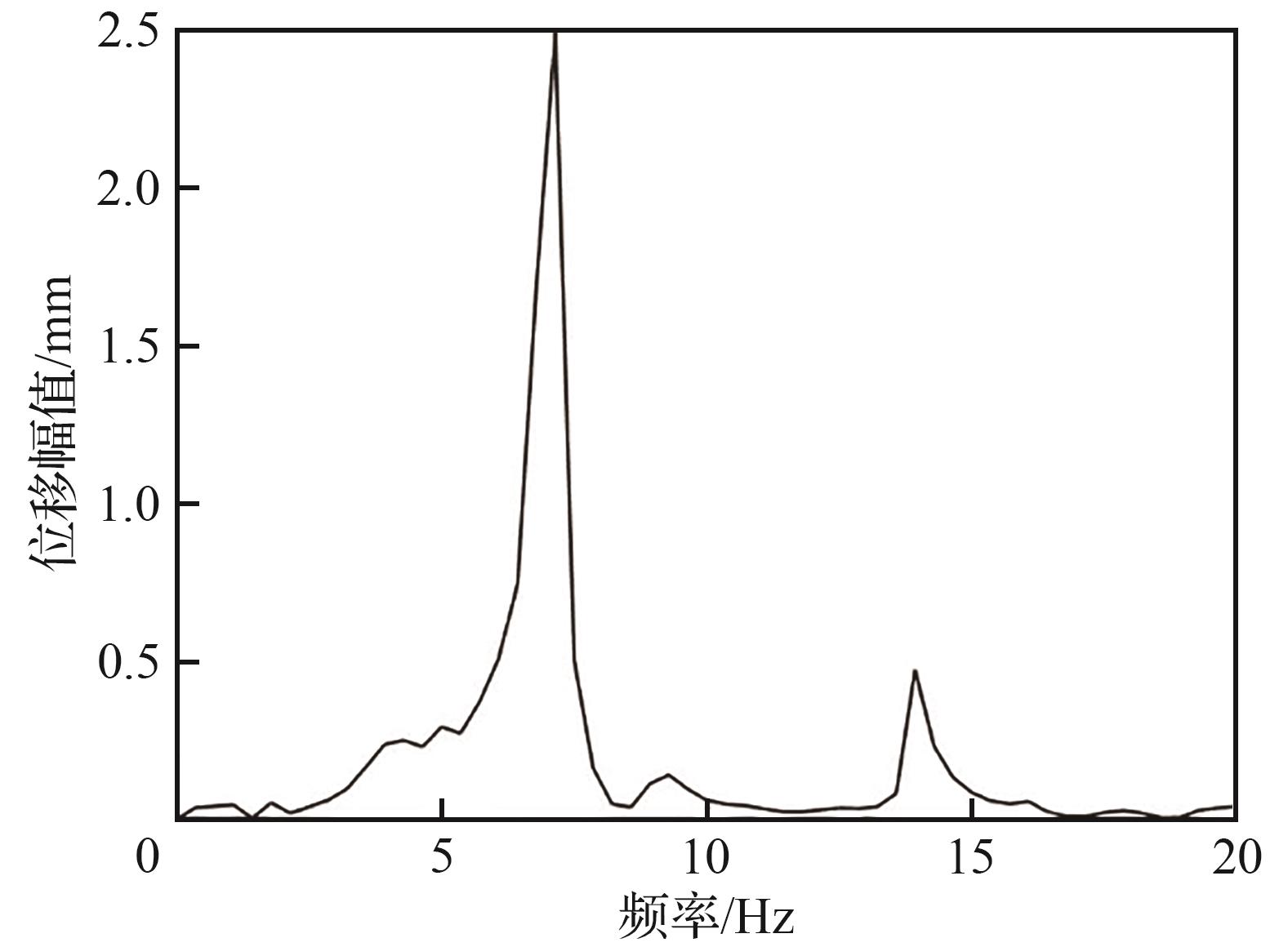
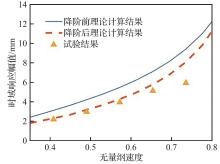
Fig.20
Variation of LCO amplitude with non-dimensional velocity
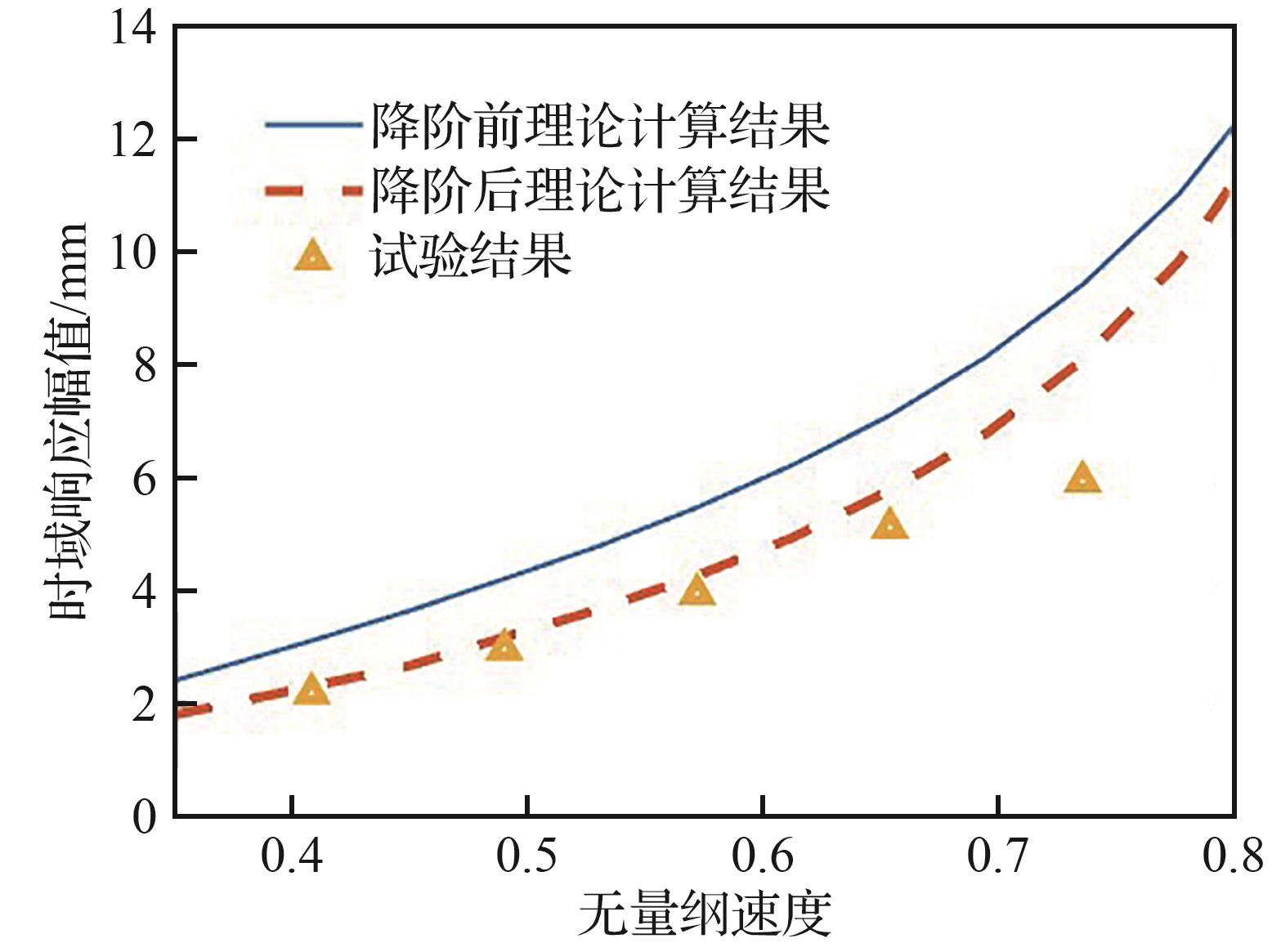
Fig.21
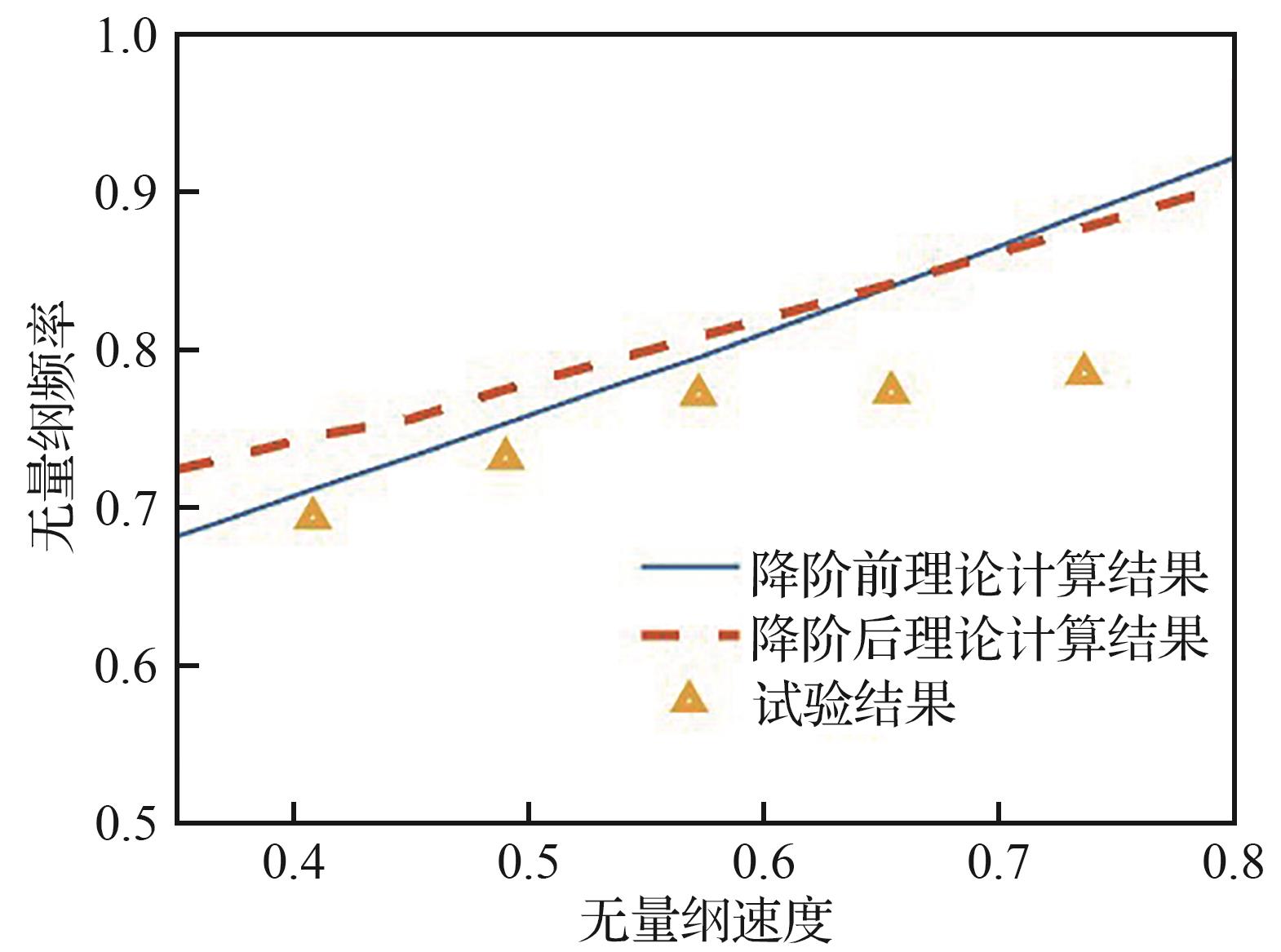
Variation of non-dimensional LCO frequency with non-dimensional velocity
| [1] | ZENG J, KINGSBURY D, RITZ E, et al. GVT-based ground flutter test without wind tunnel: AIAA-2011-1942 [R]. Reston: AIAA, 2011. |
| [2] | 许云涛. 地面颤振模拟试验方法研究[D]. 北京: 北京航空航天大学, 2012: 10-24. |
| XU Y T. Studies on method of the ground flutter simulation test[D]. Beijing: Beihang University, 2012: 10-24 (in Chinese). | |
| [3] | 许云涛, 吴志刚, 杨超. 地面颤振模拟试验中的非定常气动力模拟[J]. 航空学报, 2012, 33(11): 1947-1957. |
| XU Y T, WU Z G, YANG C. Simulation of the unsteady aerodynamic forces for ground flutter simulation test[J]. Acta Aeronautica et Astronautica Sinica, 2012, 33(11): 1947-1957 (in Chinese). | |
| [4] | 许云涛, 吴志刚, 杨超. 地面颤振模拟试验仿真研究[C]∥ 第十三届全国空气弹性学术交流会论文集. 2013:404-409. |
| XU Y T, WU Z G, YANG C. Studies on simulation of the ground flutter simulation test[C]∥ Proceedings of the 13th National Symposium on Aero-Elasticity Academic. 2013: 404-409 (in Chinese). | |
| [5] | WU Z G, CHU L F, YUAN R Z, et al. Studies on aeroservoelasticity semi-physical simulation test for missiles[J]. Science China Technological Sciences, 2012, 55(9): 2482-2488. |
| [6] | 胡巍, 杨智春, 谷迎松. 带操纵面机翼气动弹性地面试验仿真系统中的气动力降阶方法[J]. 西北工业大学学报, 2013, 31(5): 810-815. |
| HU W, YANG Z C, GU Y S. A new and effective method for reducing order of aerodynamics of a wing with control surface for ground flutter test[J]. Journal of Northwestern Polytechnical University, 2013, 31(5): 810-815 (in Chinese). | |
| [7] | 胡巍. 变体飞行器动力学建模及气动弹性特性研究[D]. 西安: 西北工业大学, 2017. |
| HU W. Dynamic modeling and aeroelastic characteristics of variant aircraft [D]. Xi’an: Northwestern Polytechnical University, 2017 (in Chinese). | |
| [8] | SONG Q Z, YANG Z C, WANG W. Robust control of exciting force for vibration control system with multi-exciters[J]. Science China Technological Sciences, 2013, 56(10): 2516-2524. |
| [9] | WU Z G, MA C J, YANG C. New approach to the ground flutter simulation test[J]. Journal of Aircraft, 2016, 53(5): 1578-1580. |
| [10] | WU Z G, ZHANG R J, MA C J, et al. Aeroelastic semiphysical simulation and wind-tunnel testing validation of a fin-actuator system[J]. Journal of Aircraft, 2017, 54(1): 235-245. |
| [11] | 邵崇晖. 超声速流中壁板颤振的抑制和地面试验研究[D]. 哈尔滨: 哈尔滨工业大学, 2017: 72-84. |
| SHAO C H. Suppression of nonlinear panel flutter in the supersonic flow and ground flutter test[D]. Harbin: Harbin Institute of Technology, 2017: 72-84 (in Chinese). | |
| [12] | YUN J M, HAN J H. Development of ground vibration test based flutter emulation technique[J]. The Aeronautical Journal, 2020, 124(1279): 1436-1461. |
| [13] | YUN J M, HAN J H. Application of ground flutter emulation test technique for the passive flutter suppression effect validation[J]. International Journal of Aeronautical and Space Sciences, 2021, 22(6): 1344-1355. |
| [14] | 高博. 地面颤振试验系统动力学建模与控制仿真技术研究[D]. 北京: 中国航天科技集团公司第一研究院, 2018: 12-59. |
| GAO B. Study on simulation technology of dynamical modeling and controller for the ground flutter test system[D]. Beijing: China Academy of Launch Vehicle Technology, 2018: 12-59 (in Chinese). | |
| [15] | ZHANG Z, GAO B, WANG J, et al. A generalised force equivalence-based modelling method for a dry wind-tunnel flutter test system[J]. The Aeronautical Journal, 2021, 125(1286): 720-741. |
| [16] | WANG B W, FAN X L. Ground flutter simulation test based on reduced order modeling of aerodynamics by CFD/CSD coupling method[J]. International Journal of Applied Mechanics, 2019, 11(1): 1950008. |
| [17] | 陈浩宇, 王彬文, 宋巧治, 等. 热颤振地面模拟试验技术[J]. 航空学报, 2023, 44(8): 227295. |
| CHEN H Y, WANG B W, SONG Q Z, et al. Thermal flutter ground simulation test[J]. Acta Aeronautica et Astronautica Sinica, 2023, 44(8): 227295 (in Chinese). | |
| [18] | 陈浩宇, 王彬文, 宋巧治, 等. 时变系统地面颤振模拟试验方法研究[J]. 应用力学学报, 2022, 39(4): 633-641. |
| CHEN H Y, WANG B W, SONG Q Z, et al. Research on the ground flutter simulation test method for time-varying system[J]. Chinese Journal of Applied Mechanics, 2022, 39(4): 633-641 (in Chinese). | |
| [19] | 宋巧治, 王彬文, 李晓东. 基于机翼颤振风洞试验模型的地面颤振模拟试验验证[J]. 工程与试验, 2021, 61(2): 3-7. |
| SONG Q Z, WANG B W, LI X D. Ground flutter simulation test validation based on wing flutter wind tunnel test model[J]. Engineering & Test, 2021, 61(2): 3-7 (in Chinese). | |
| [20] | 张桂玮, 谭光辉, 徐钦炜, 等. 地面颤振模拟试验中加载系统动态特性的影响研究[J]. 振动与冲击, 2020, 39(16): 214-221. |
| ZHANG G W, TAN G H, XU Q W, et al. A study on the impact of dynamic characteristics of a loading system in ground flutter simulation[J]. Journal of Vibration and Shock, 2020, 39(16): 214-221 (in Chinese). | |
| [21] | 张桂玮. 考虑激振器特性的地面颤振模拟试验[D]. 西安: 西北工业大学, 2022: 21-113. |
| ZHANG G W. Study of ground flutter simulation test considering electrodynamic shaker characteristics[D]. Xi’an: Northwestern Polytechnical University, 2022: 21-113 (in Chinese). | |
| [22] | 张桂玮, 刘召庆, 朱镭, 等. 地面颤振模拟试验技术研究进展[J]. 航空学报, 2024, 45(10): 29229. |
| ZHANG G W, LIU Z Q, ZHU L, et al. Research progress of ground flutter simulation test technology[J]. Acta Aeronautica et Astronautica Sinica, 2024, 45(10): 29229 (in Chinese). | |
| [23] | WANG W X, ZHU R, LEI M, et al. Enhancing damping identification accuracy of wing using variational local mean decomposition[J]. AIAA Journal, 2026, 64(2): 1222-1227. |
| [24] | ZHU R, JIANG D, MARCHESIELLO S, et al. Automatic nonlinear subspace identification using clustering judgment based on similarity filtering[J]. AIAA Journal, 2023, 61(6): 2666-2674. |
| [25] | 杨智春, 田玮, 谷迎松, 等. 带集中非线性的机翼气动弹性问题研究进展[J]. 航空学报, 2016, 37(7): 2013-2044. |
| YANG Z C, TIAN W, GU Y S, et al. Advance in the study on wing aeroelasticity with concentrated nonlinearity[J]. Acta Aeronautica et Astronautica Sinica, 2016, 37(7): 2013-2044 (in Chinese). | |
| [26] | ZHAO D Q, YANG Z C, HUANG G N, et al. Nonlinear flutter studies on control surface freeplay[J]. Transactions of Nanjing University of Aeronautics and Astronautics, 2022, 39(3): 291-303. |
| [27] | 李家旭, 田玮, 谷迎松. 考虑间隙非线性的控制舵非线性气动弹性分析[J]. 航空工程进展, 2020, 11(6): 827-835. |
| LI J X, TIAN W, GU Y S. Nonlinear aero-elastic analysis of control fin with free-play nonlinearity[J]. Advances in Aeronautical Science and Engineering, 2020, 11(6): 827-835 (in Chinese). |
| [1] | Guiwei ZHANG, Zhaoqing LIU, Lei ZHU, Heng ZHANG, Wei TIAN, Weiguang LI, Zhichun YANG. Research progress of ground flutter simulation test technology [J]. Acta Aeronautica et Astronautica Sinica, 2024, 45(10): 29229-029229. |
| [2] | WANG Qiang, MA Zhisai, ZHANG Xin, LIU Yan, DING Qian. Dynamic characteristic analysis for a folding fin with freeplay nonlinearities based on mode synthesis method [J]. ACTA AERONAUTICAET ASTRONAUTICA SINICA, 2020, 41(5): 223507-223507. |
| [3] | LI Zhitao, HAN Jinglong. Identification of a Nonlinear Aeroelastic System with Freeplay [J]. ACTA AERONAUTICAET ASTRONAUTICA SINICA, 2012, 33(11): 2002-2009. |
| [4] | Li Daochun;Xiang Jinwu. Effect of Control Surface Freeplay on Nonlinear Aeroelastic Responses of an Airfoil [J]. ACTA AERONAUTICAET ASTRONAUTICA SINICA, 2009, 30(8): 1385-1391. |
| [5] | ZHAO Yong-hui;HU Hai-yan. Aeroelastic Analysis of a Two-Dimensional Airfoil with Control Surface Freeplay Nonlinearity [J]. ACTA AERONAUTICAET ASTRONAUTICA SINICA, 2003, 24(6): 521-525. |
| Viewed | ||||||
|
Full text |
|
|||||
|
Abstract |
|
|||||
Address: No.238, Baiyan Buiding, Beisihuan Zhonglu Road, Haidian District, Beijing, China
Postal code : 100083
E-mail:hkxb@buaa.edu.cn
Total visits: 6658907 Today visits: 1341All copyright © editorial office of Chinese Journal of Aeronautics
All copyright © editorial office of Chinese Journal of Aeronautics
Total visits: 6658907 Today visits: 1341

 CJA

