Acta Aeronautica et Astronautica Sinica ›› 2026, Vol. 47 ›› Issue (17): 233236.doi: 10.7527/S1000-6893.2025.33236
• Material Engineering and Mechanical Manufacturing • Previous Articles
Yilin JIN1, Yusheng LIU2, Shijie ZHANG1, Jiacheng LIU1, Xudan YAO1,3, Wandong WANG1,3( )
Received:2025-12-15
Revised:2025-12-30
Accepted:2026-01-14
Online:2026-01-26
Published:2026-01-19
Contact:
Wandong WANG
E-mail:w.wang@nwpu.edu.cn
Supported by:CLC Number:
Yilin JIN, Yusheng LIU, Shijie ZHANG, Jiacheng LIU, Xudan YAO, Wandong WANG. Fracture behavior of DCB bonded interface based on surface strain method[J]. Acta Aeronautica et Astronautica Sinica, 2026, 47(17): 233236.
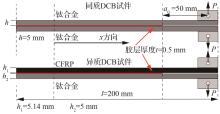
Fig.1
Schematic diagram of DCB specimen with different adherends
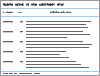
Table 1
Mechanical properties of materials
| 材料 | 弹性模量 | 弹性模量 | 弯曲模量 | 剪切模量 | 泊松比 |
|---|---|---|---|---|---|
| TC4[ | 116 533 | 116 533 | 116 533±2 938 | 42 000 | 0.33 |
| CFRP[ | 130 000 | 8 000 | 110 153±3 035 | 5 200 | 0.3 |
| Araldite® 2015[ | 1 850 | 1 850 | 560 | 0.33 |
Table 2
Surface treatment process of adherend[25]
| 材料 | 步骤1 | 步骤2 | 步骤3 | 步骤4 |
|---|---|---|---|---|
| 碳纤维增强复合材料 | 去除表面脱模布 | 丙酮擦拭 | 紫外线/臭氧处理15 min | |
| 钛合金 | 丙酮擦拭 | 喷砂处理 | 丙酮擦拭 | 紫外线/臭氧处理5 min |
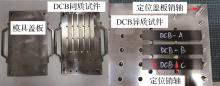
Fig.2
DCB specimen and fixture mold
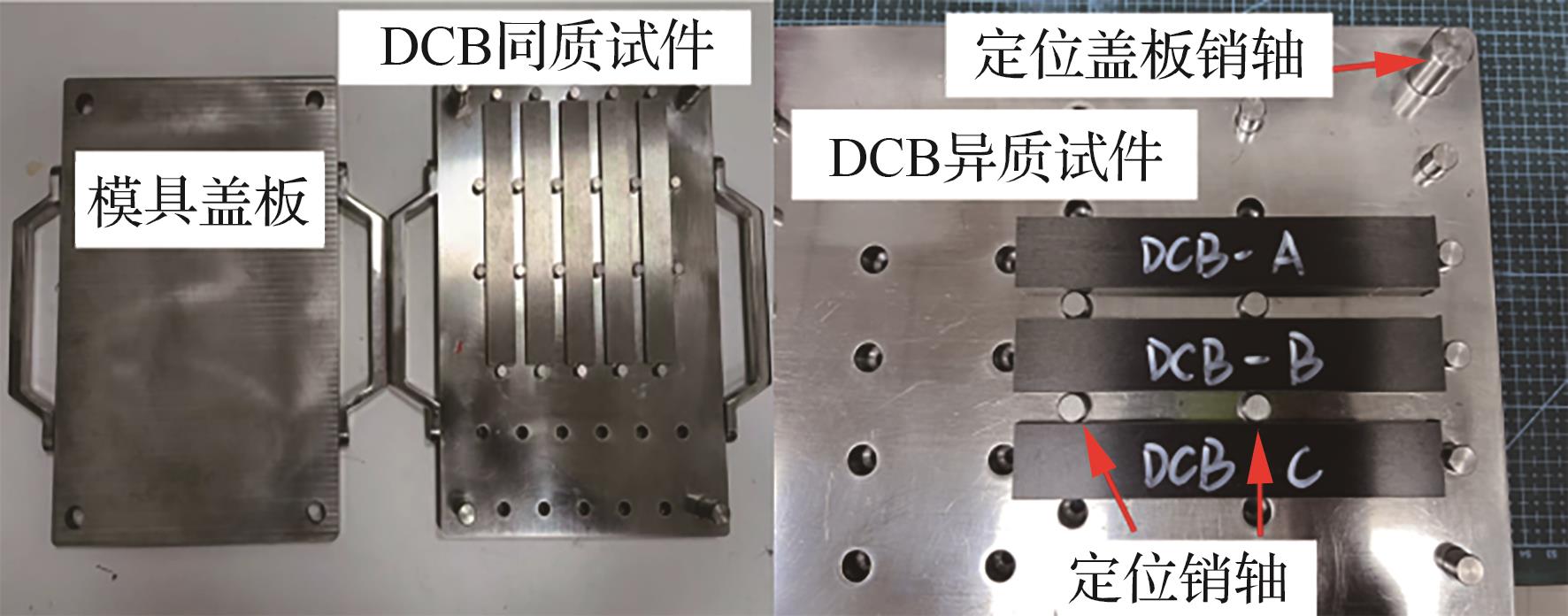
Fig.3
Distributed optical fiber sensing system
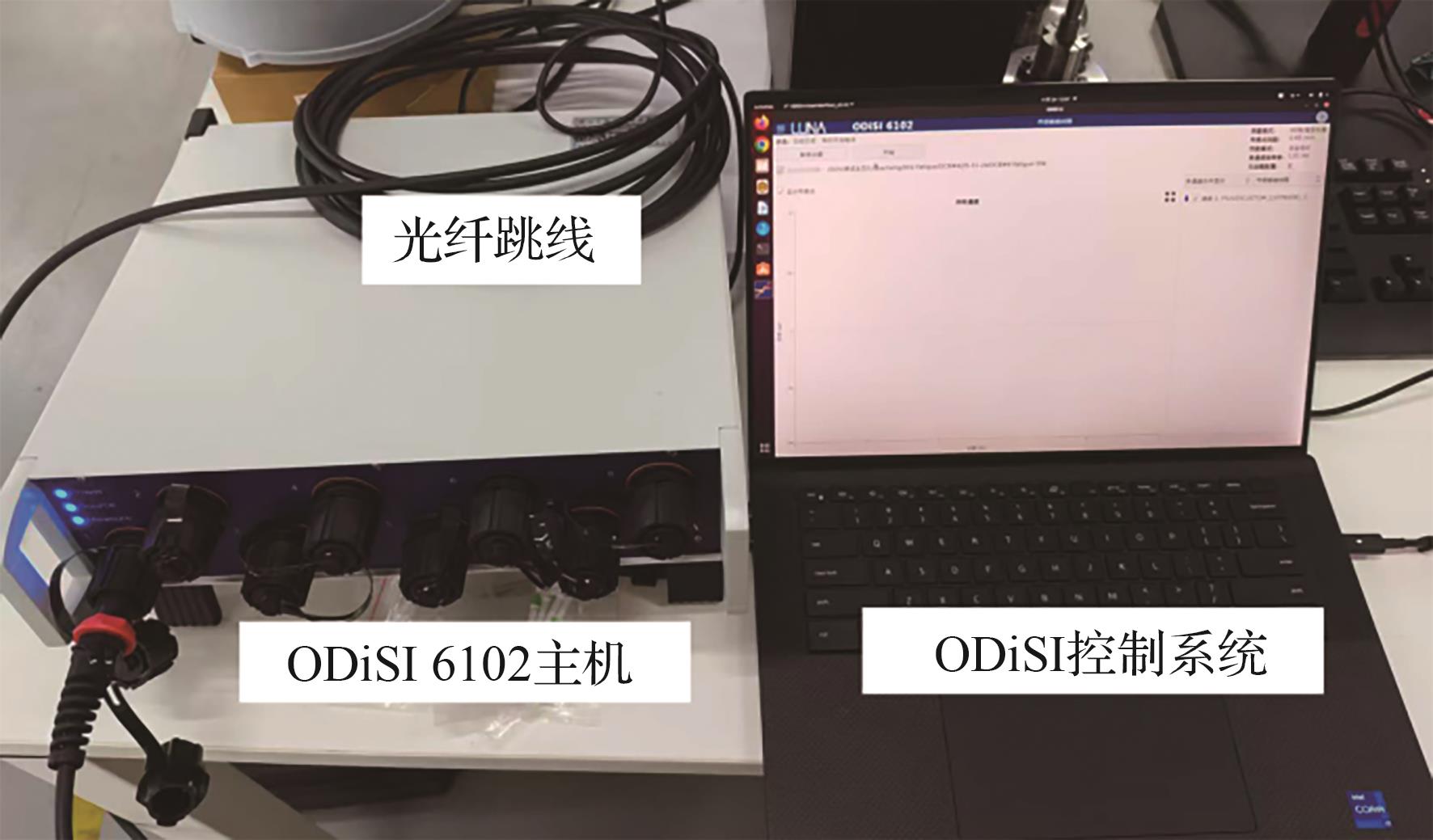
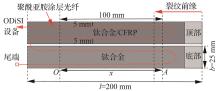
Fig.4
Optical fiber configuration on specimen surface
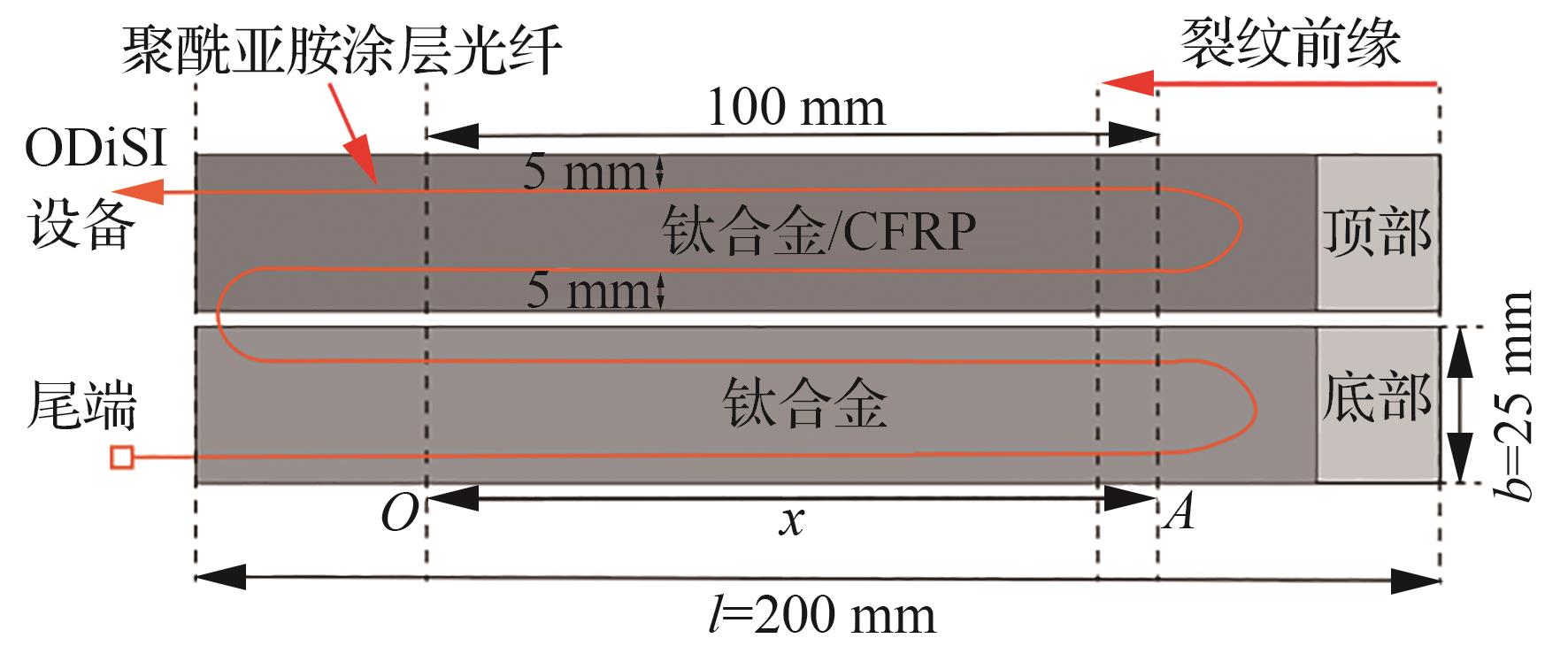
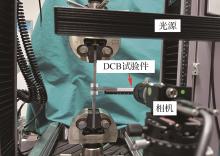
Fig.5
Schematic diagram of test setup
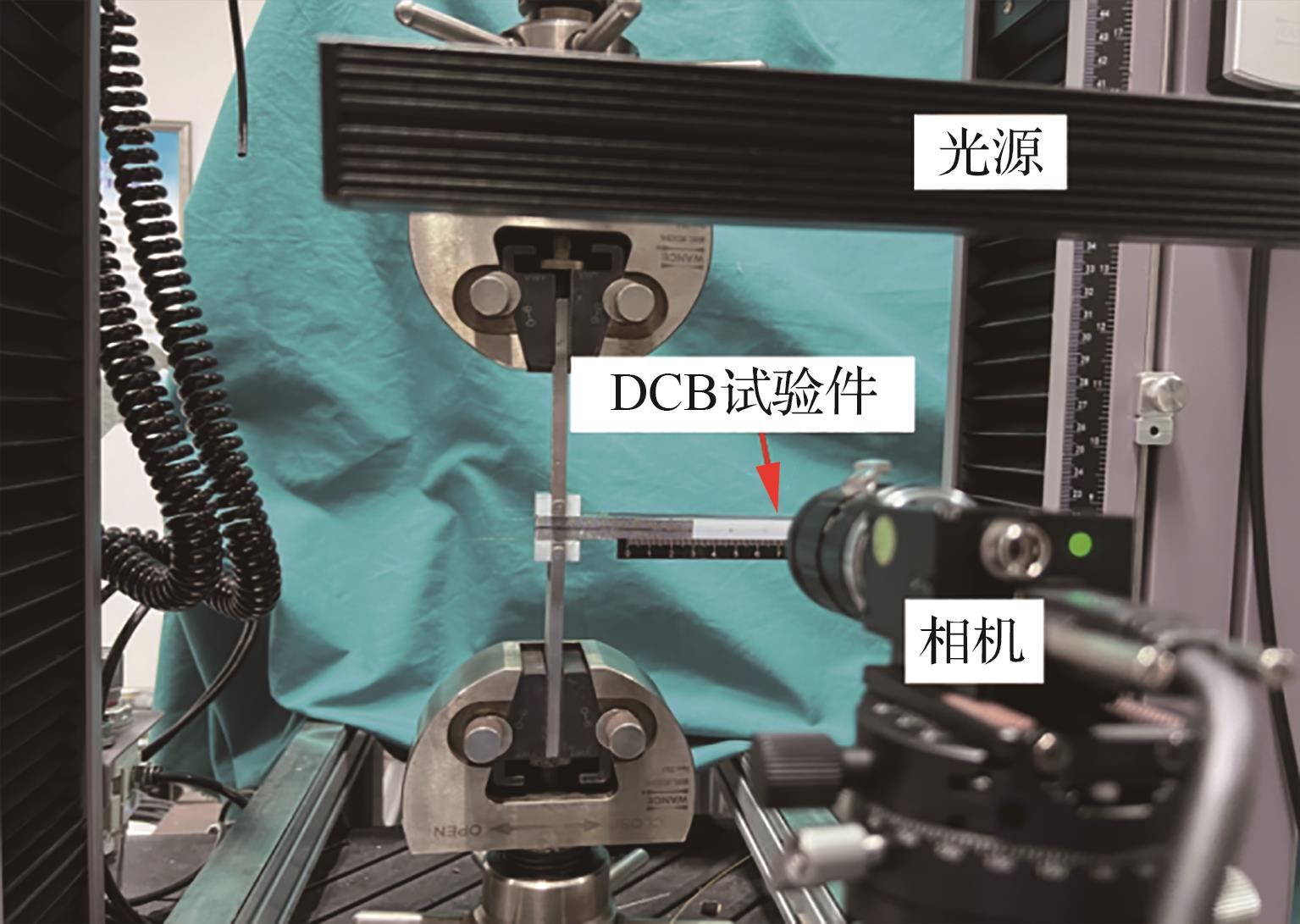
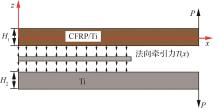
Fig.6
Schematic diagram of interfacial traction distribution and opening forces on specimen
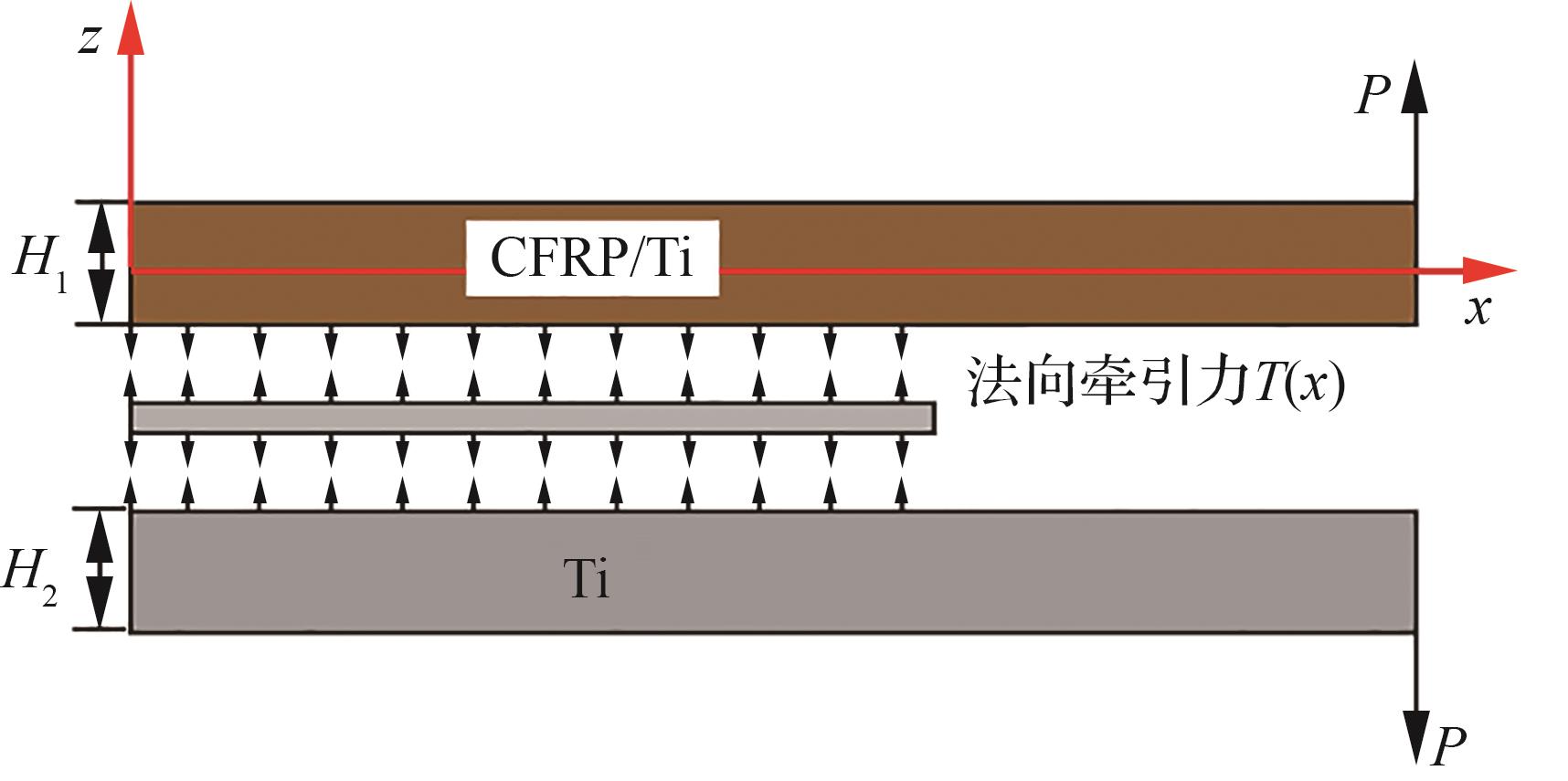
Fig.7
DCB finite element model settings
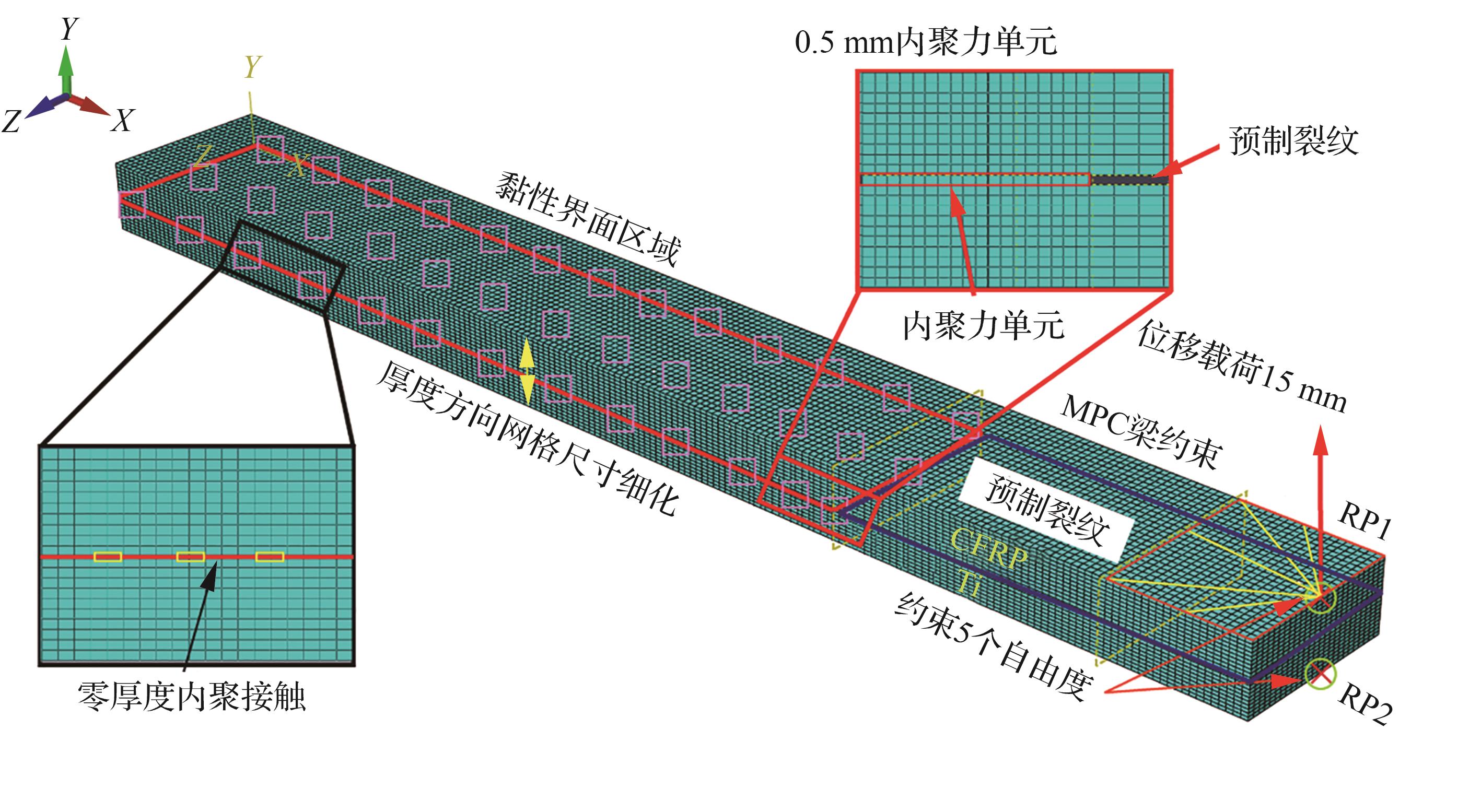
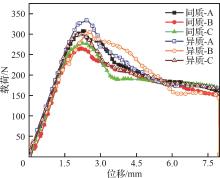
Fig.8
Load-displacement curves of DCB specimens with different adherends
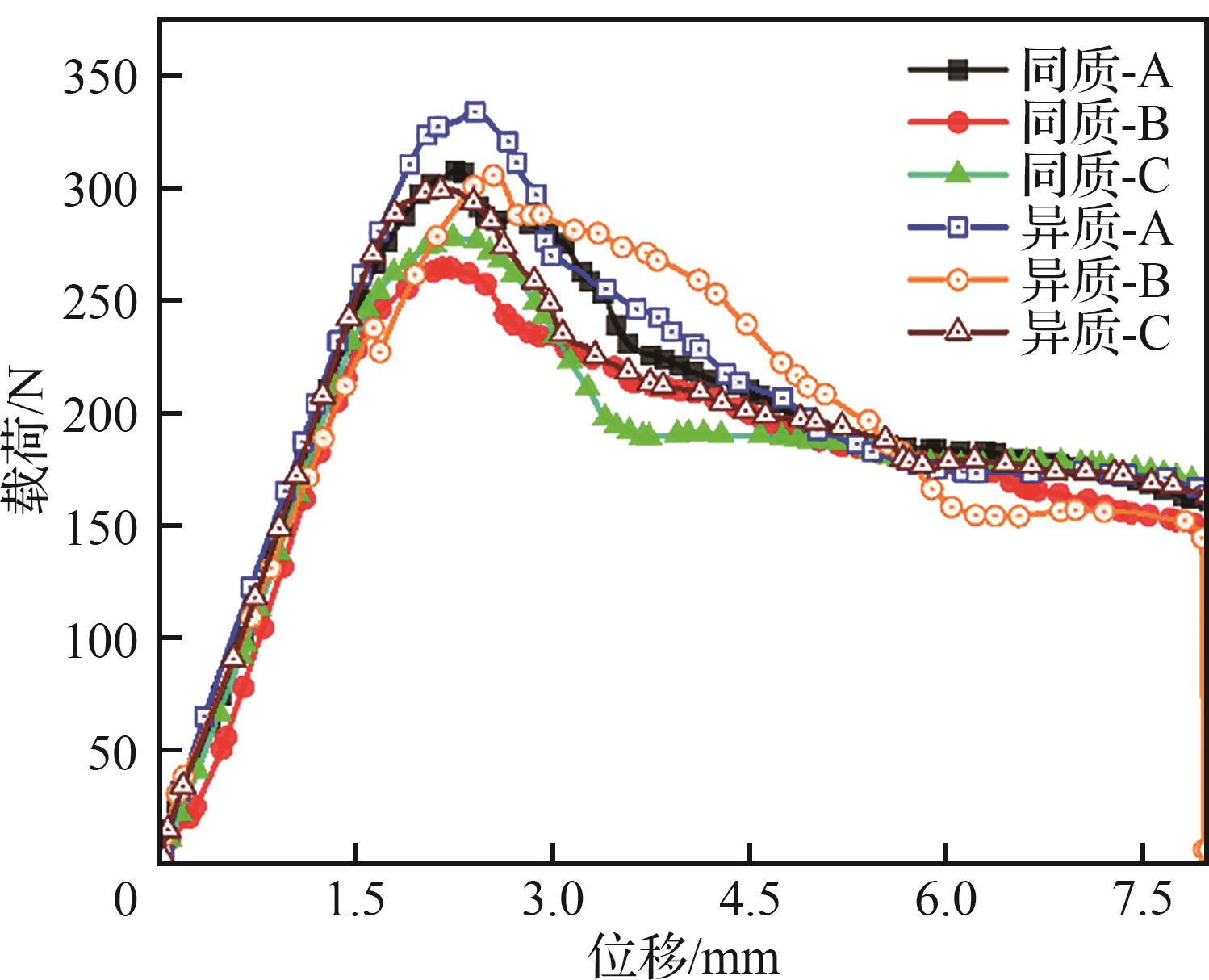
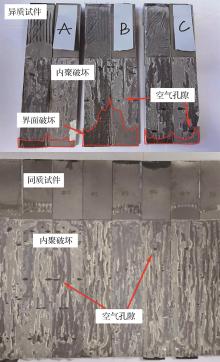
Fig.9
Fracture surfaces of adhesive joints
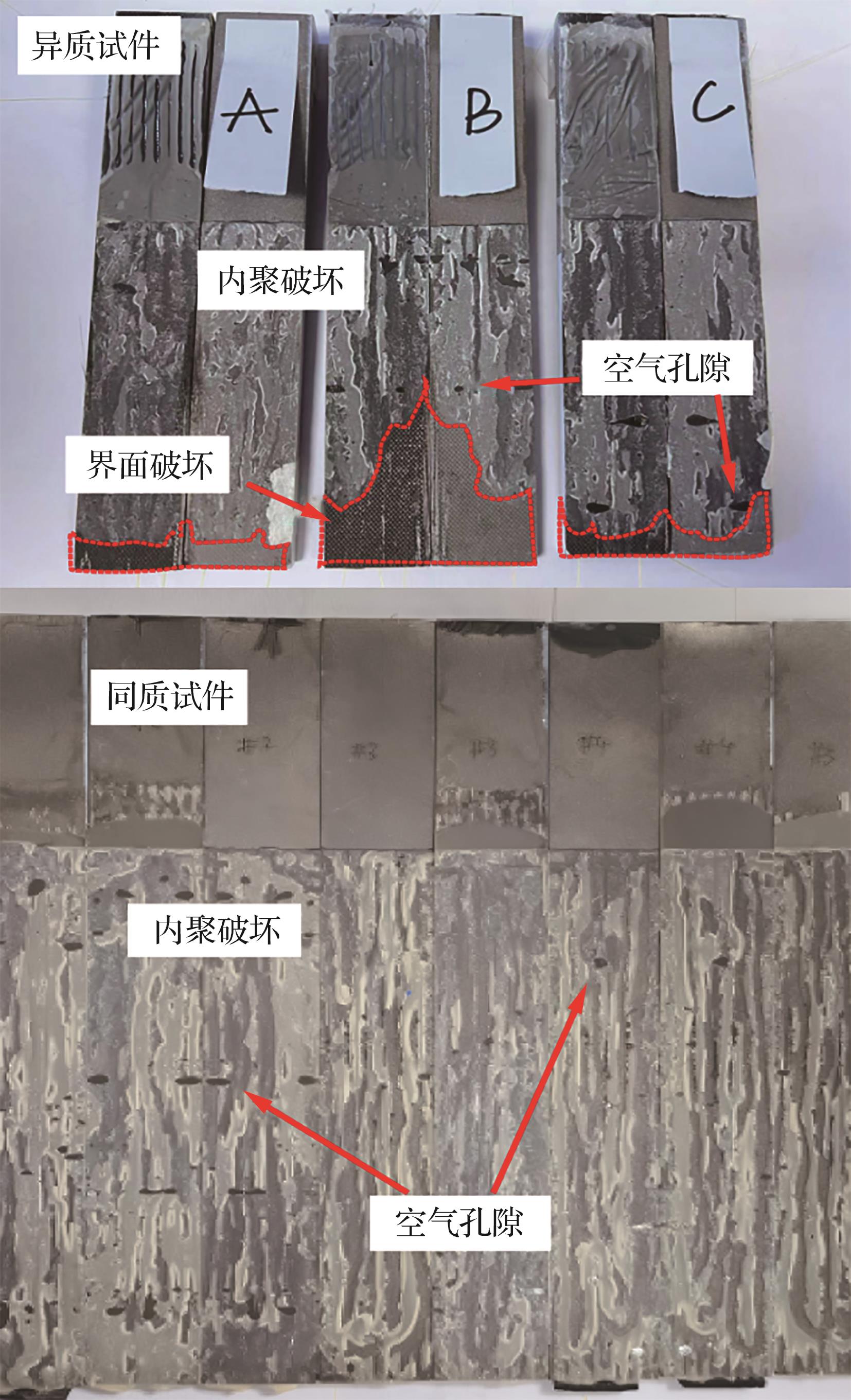
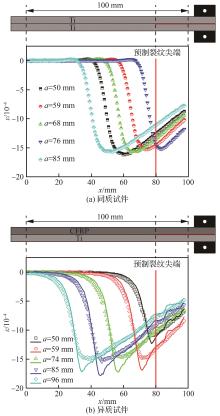
Fig.10
Surface strain distributions of two types of DCB specimens at different crack lengths
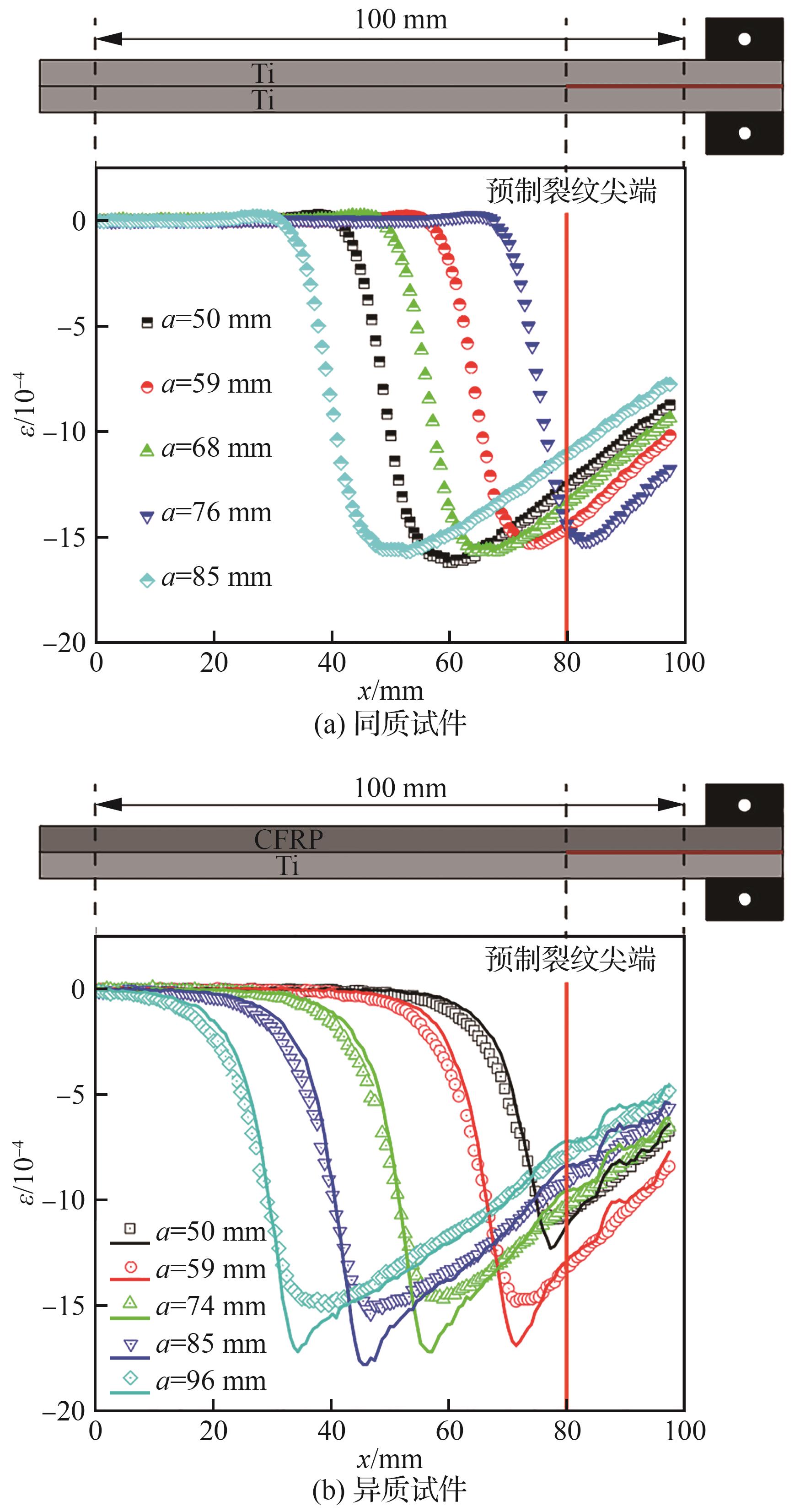
Fig.11
Surface strain distributions of a DCB specimen at a crack length of 85 mm
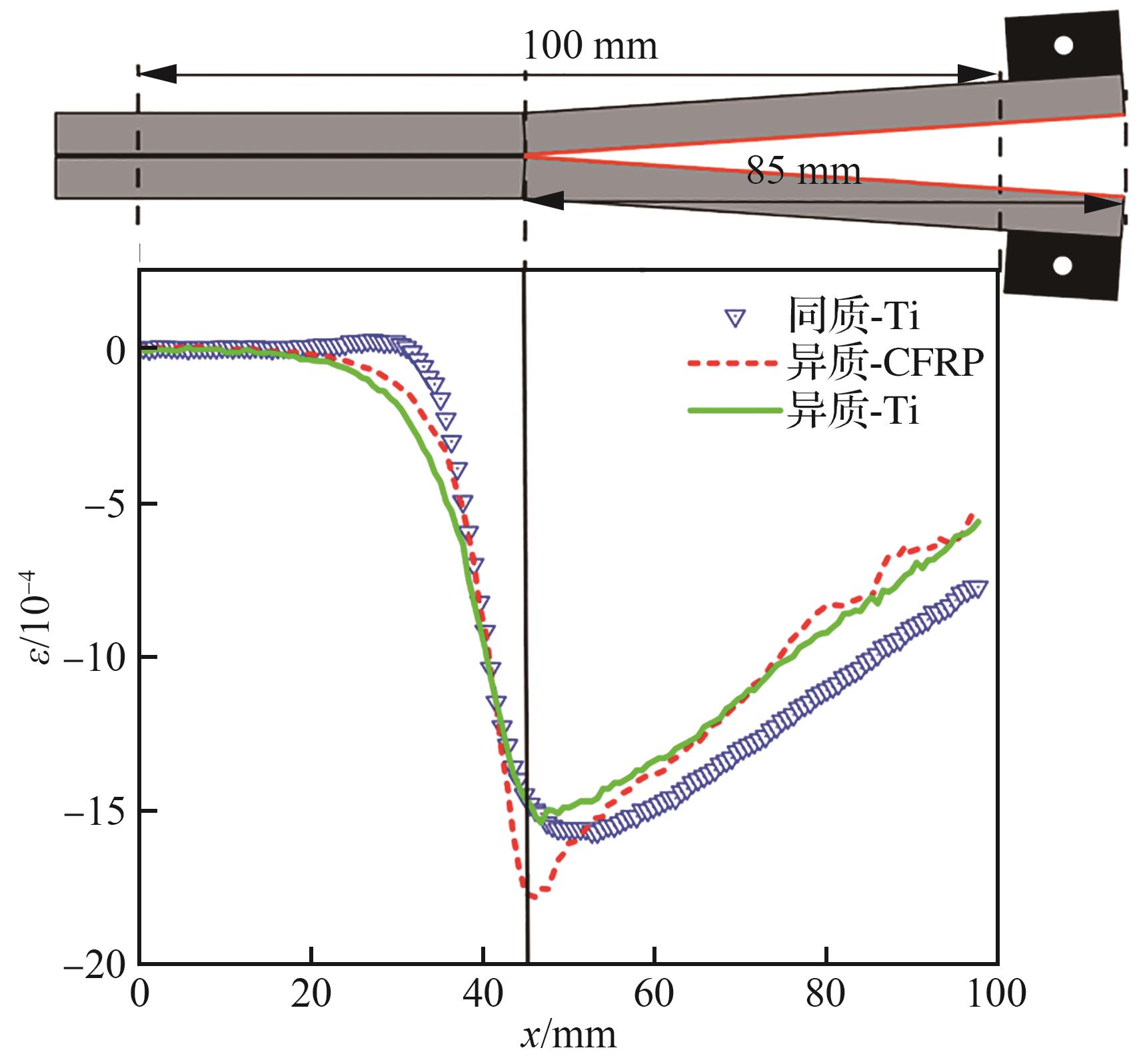
Fig.12
TSR curves of conventional DCB specimens and bilinear cohesive constitutive curve input in finite element model
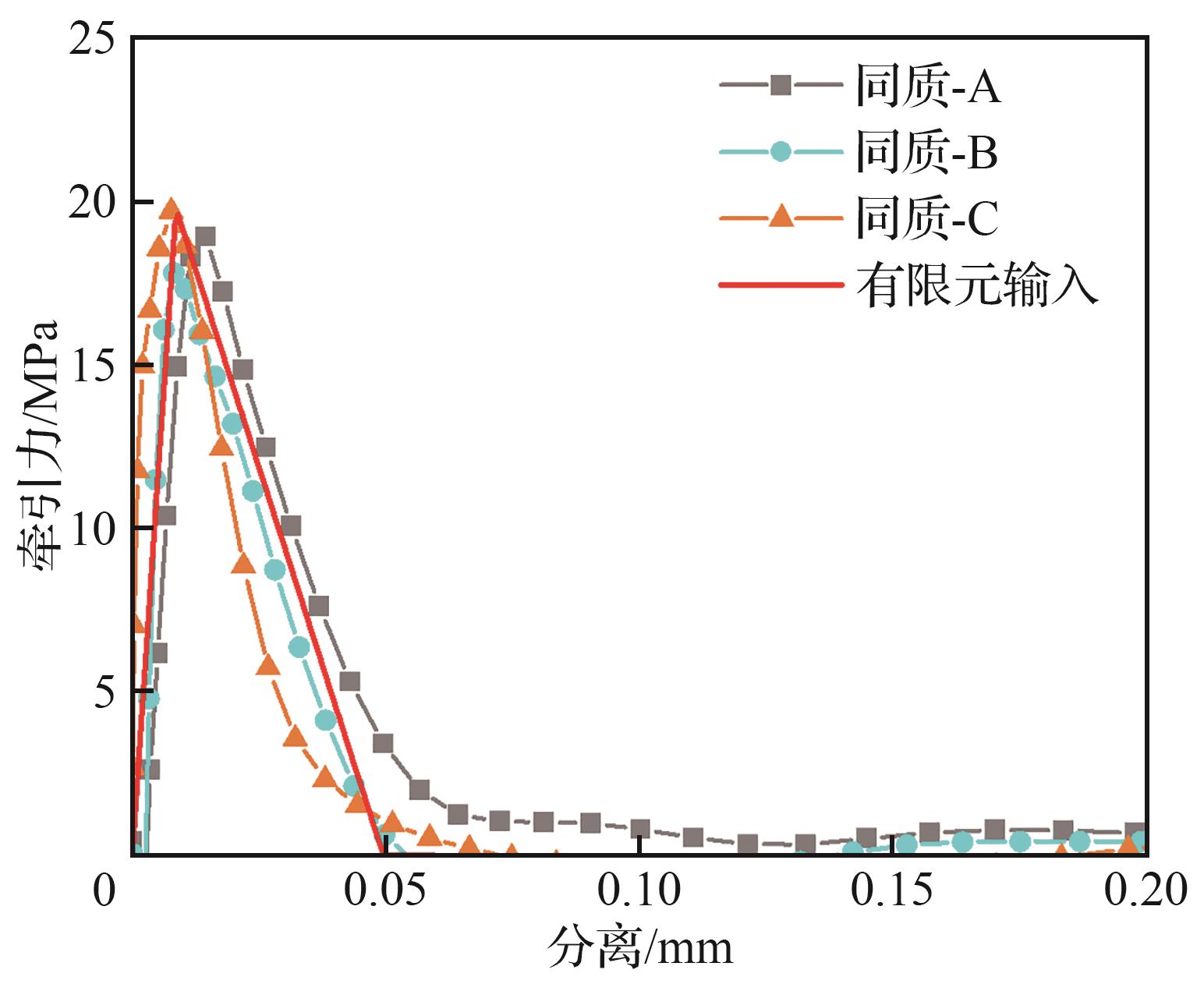
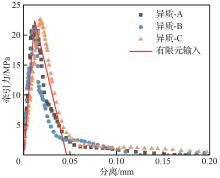
Fig.13
TSR curves of bi-material DCB specimens and bilinear cohesive constitutive curve input in finite element model
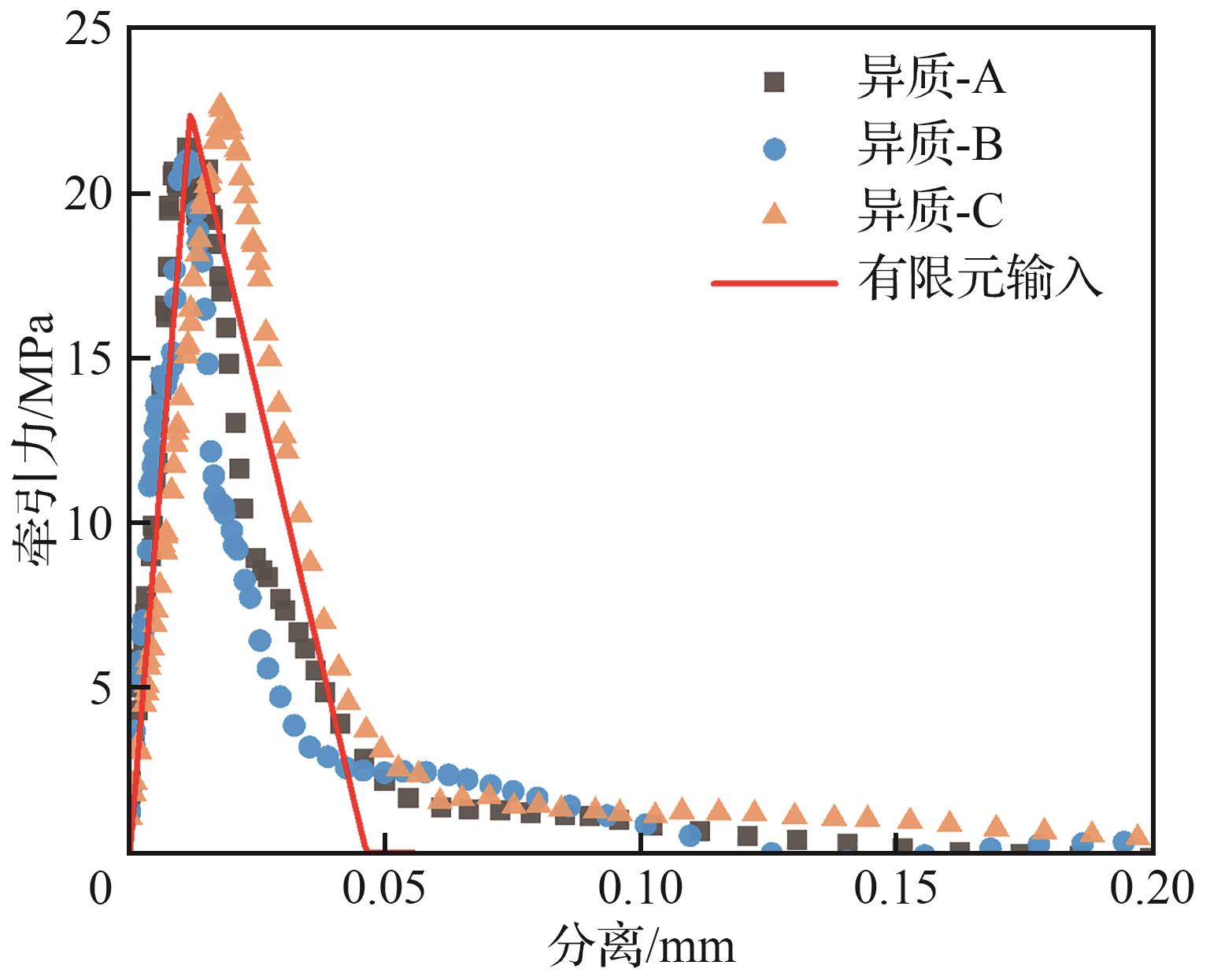
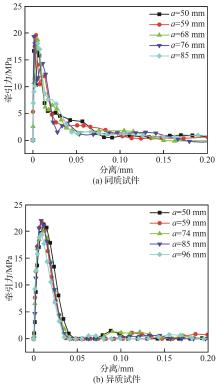
Fig.14
TSR curves of two types of specimens at different crack lengths
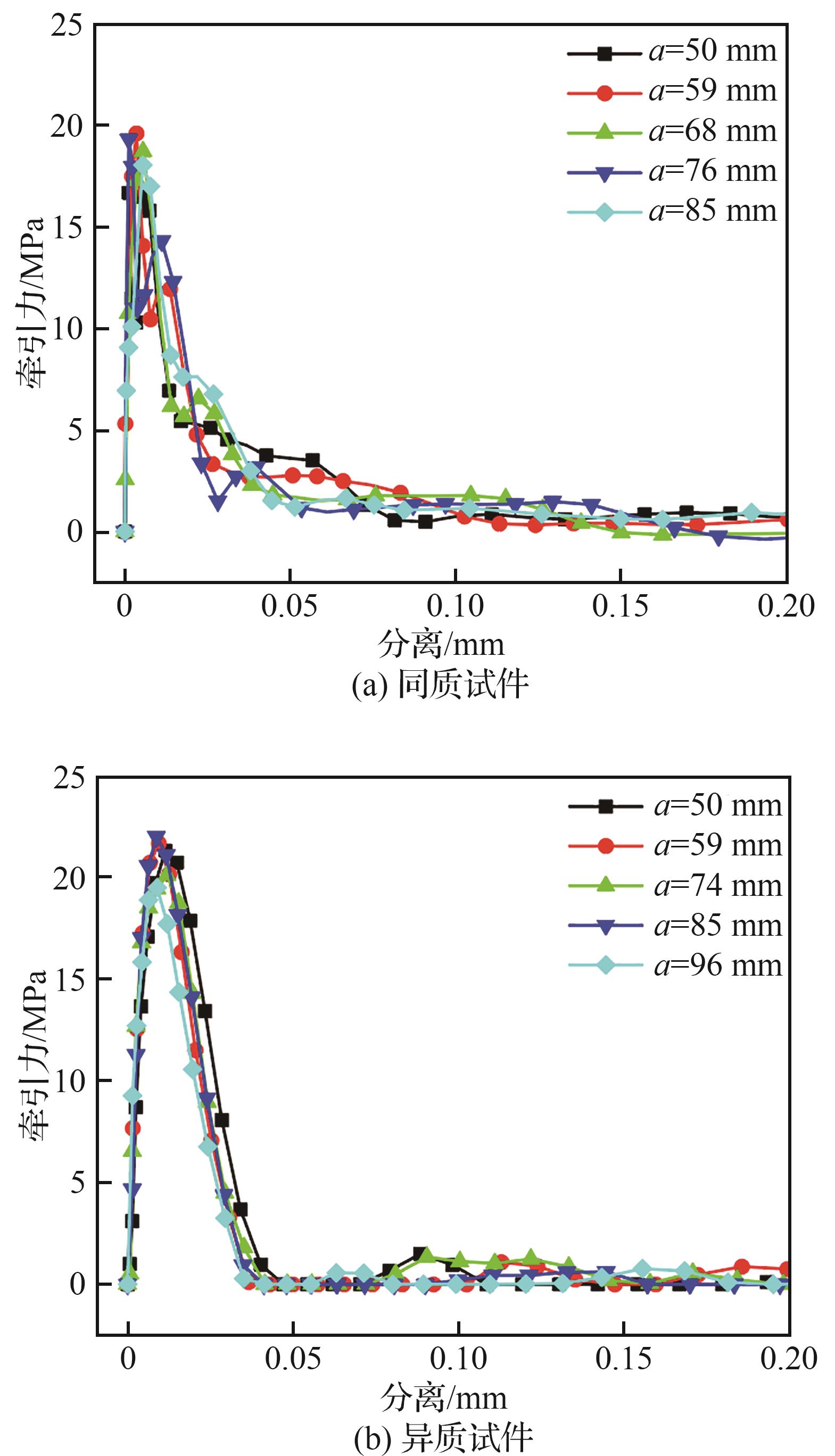
Fig.15
Comparison between TSR curves of conventional and bi-material DCB specimens
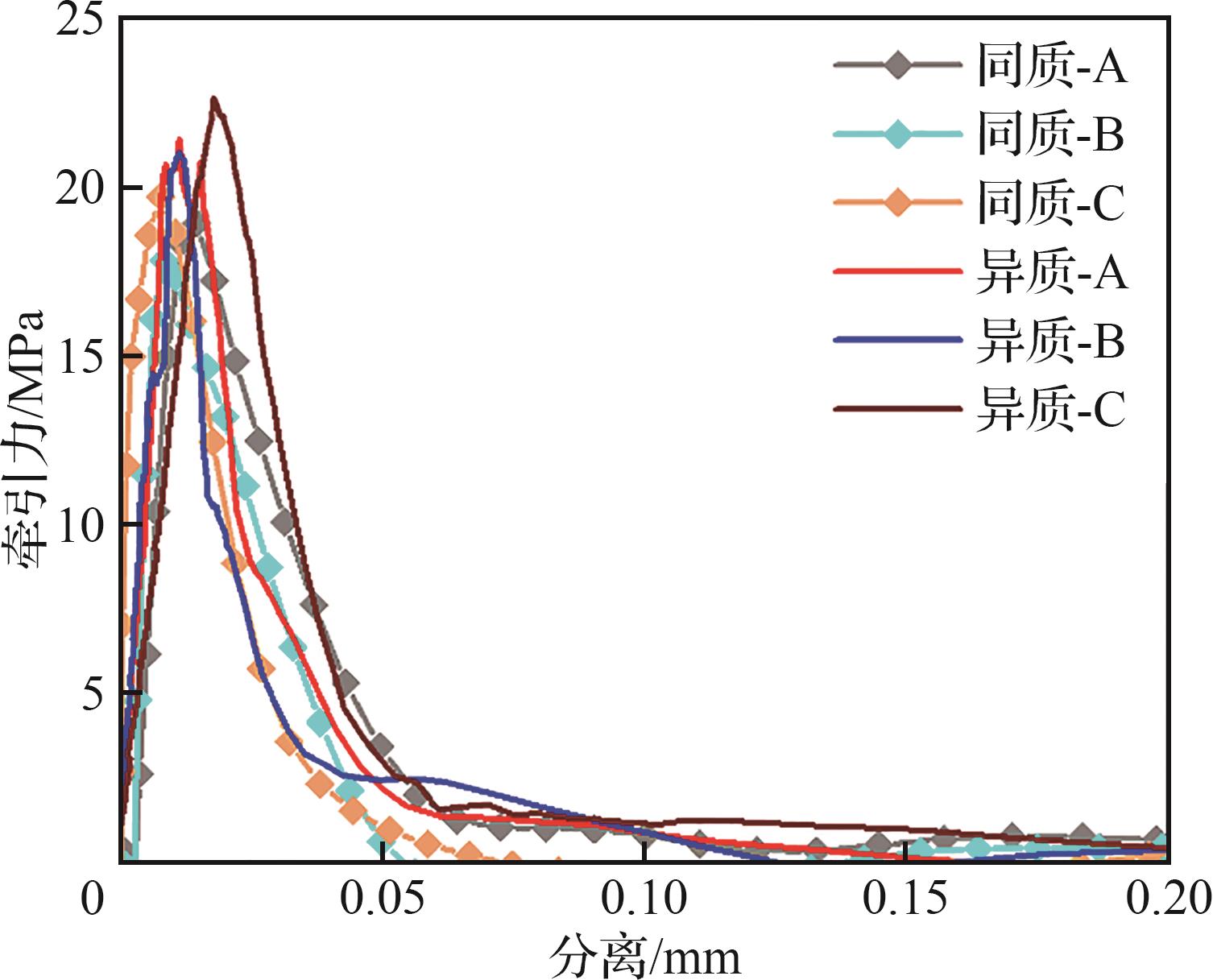
Fig.16
Comparison of fracture toughness between conventional and bi-material DCB specimens
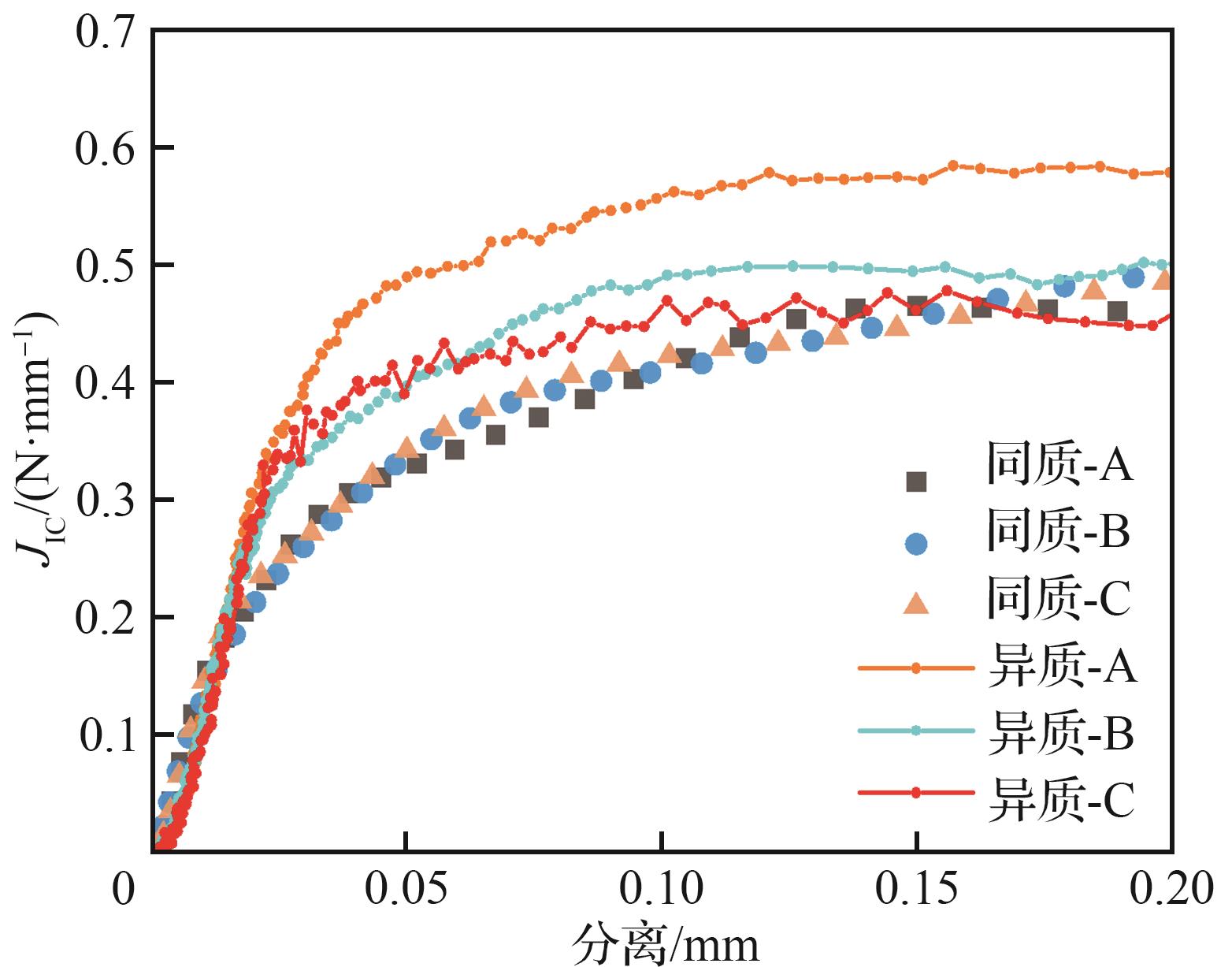
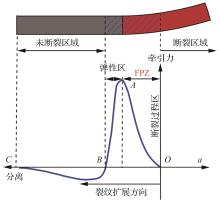
Fig.17
Schematic of traction force distribution at crack tip in a DCB specimen[17]
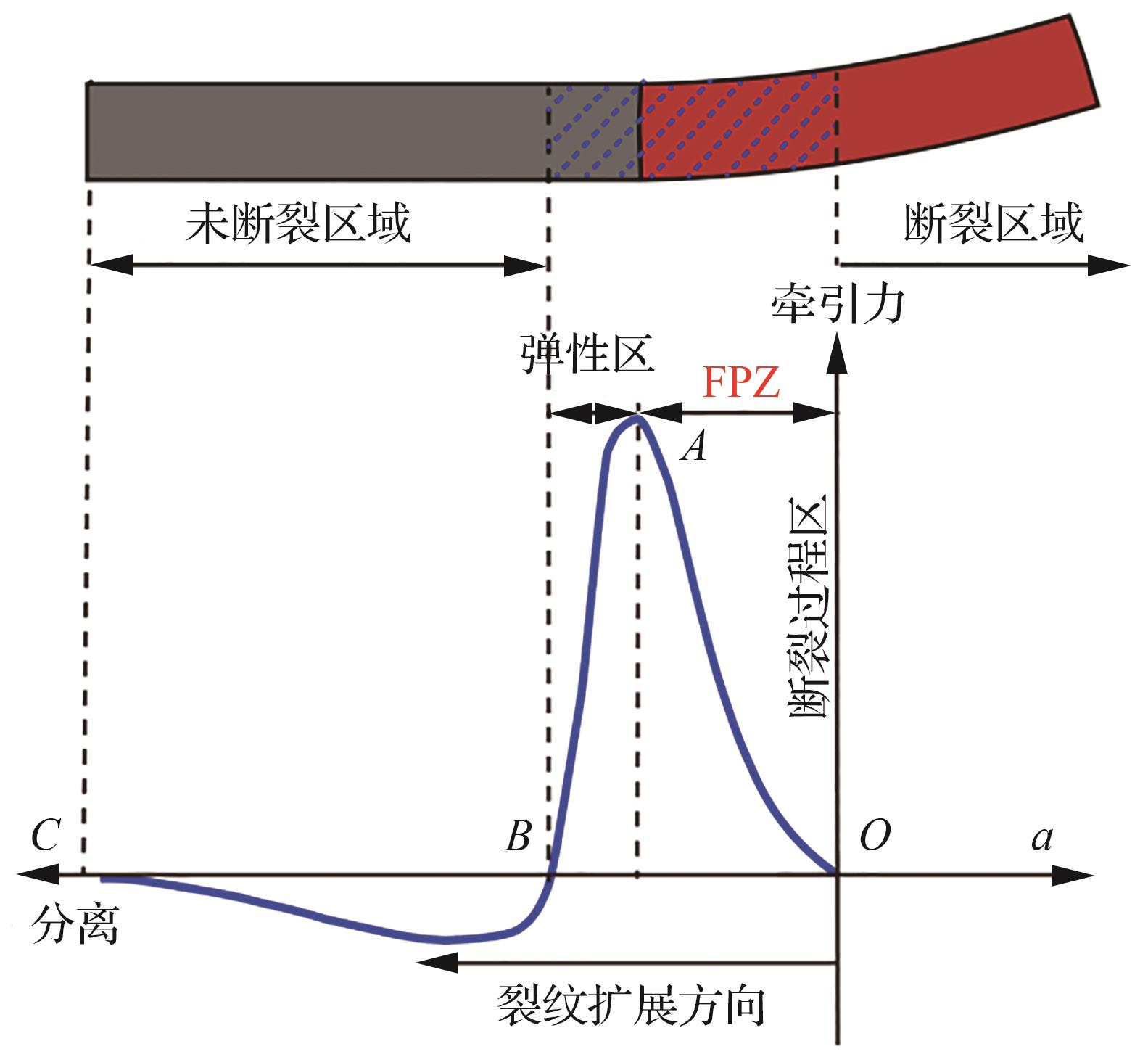
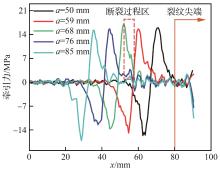
Fig.18
Traction distribution schematic diagram in a conventional DCB specimen
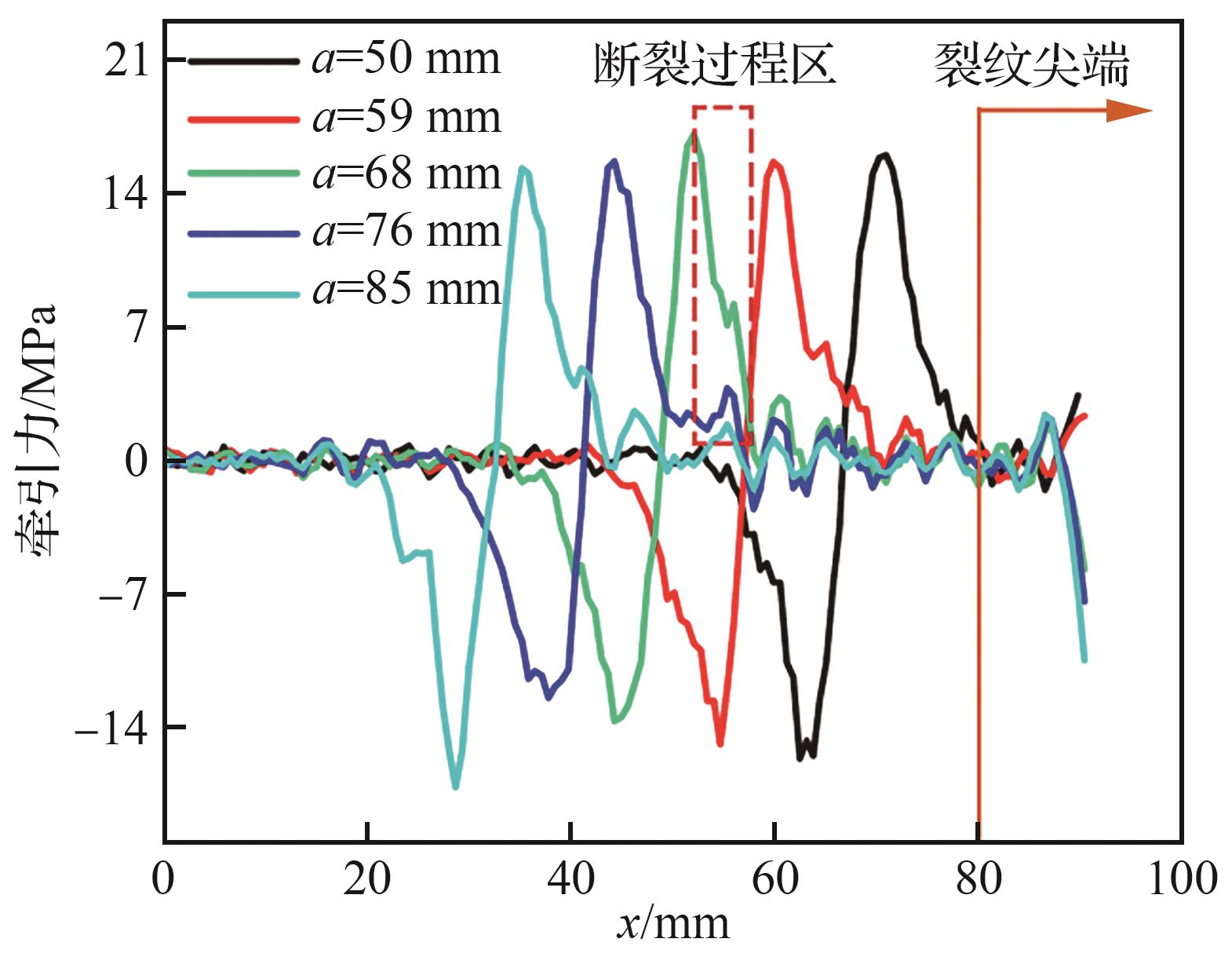
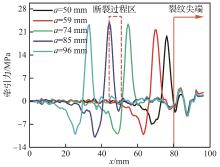
Fig.19
Traction distribution schematic in diagram a bi-material DCB specimen
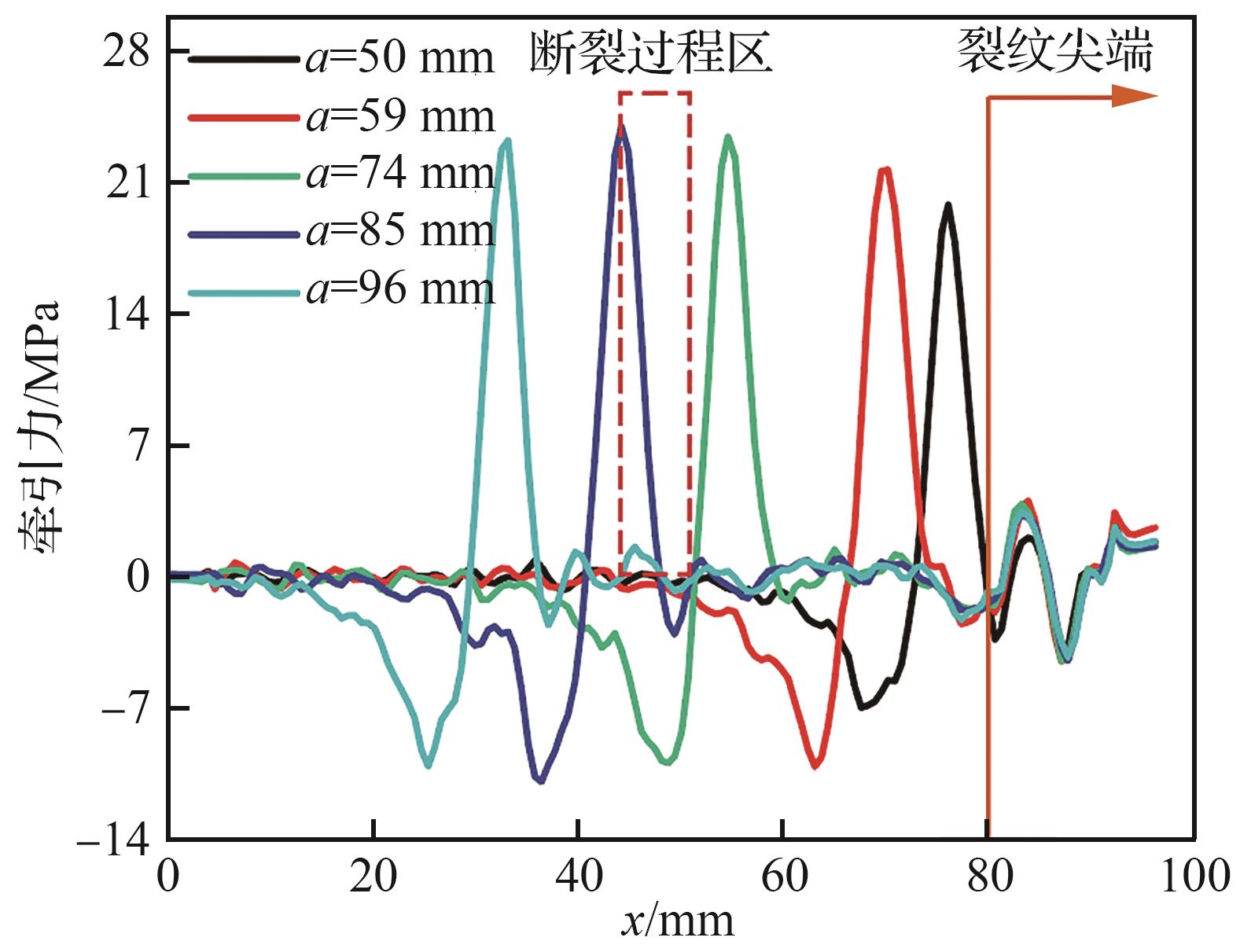
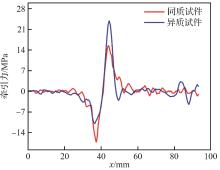
Fig.20
Comparison of traction distribution between two specimens when crack length is 85 mm
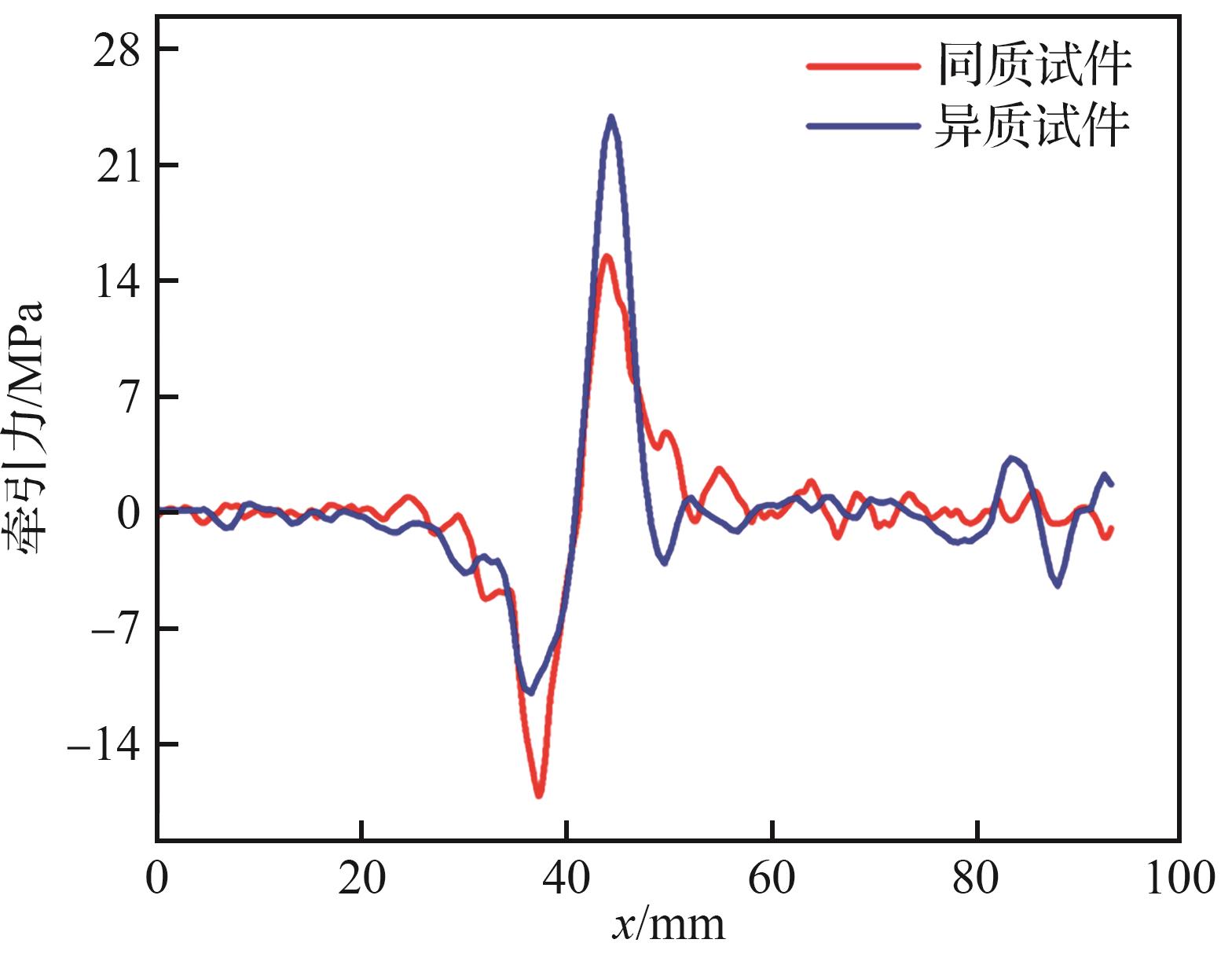
Fig.21
Mises stress contour of bi-material DCB model
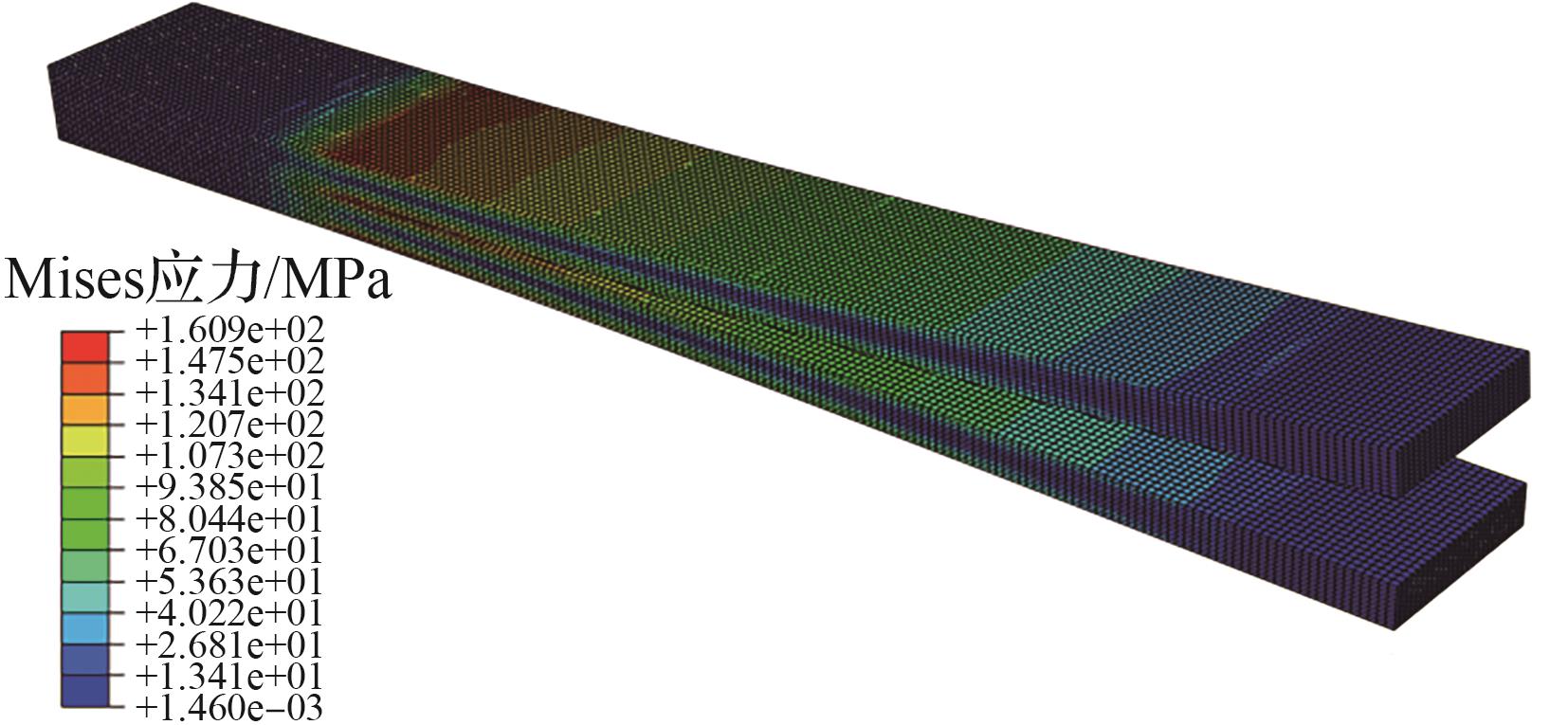
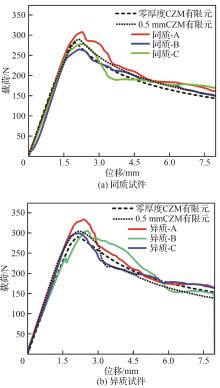
Fig.22
Comparison between test and finite element method simulated load-displacement curves of DCB specimens
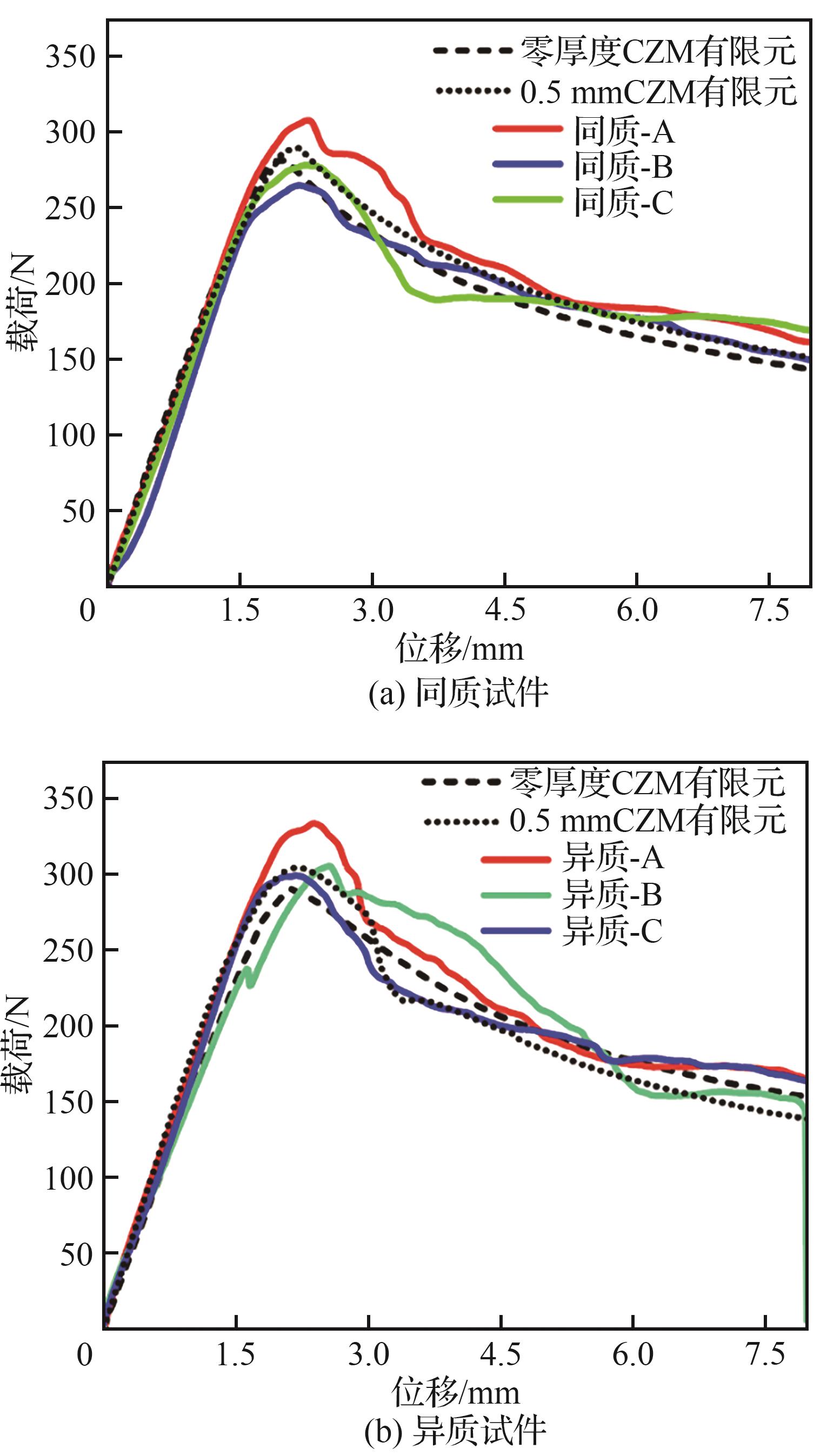
Fig.23
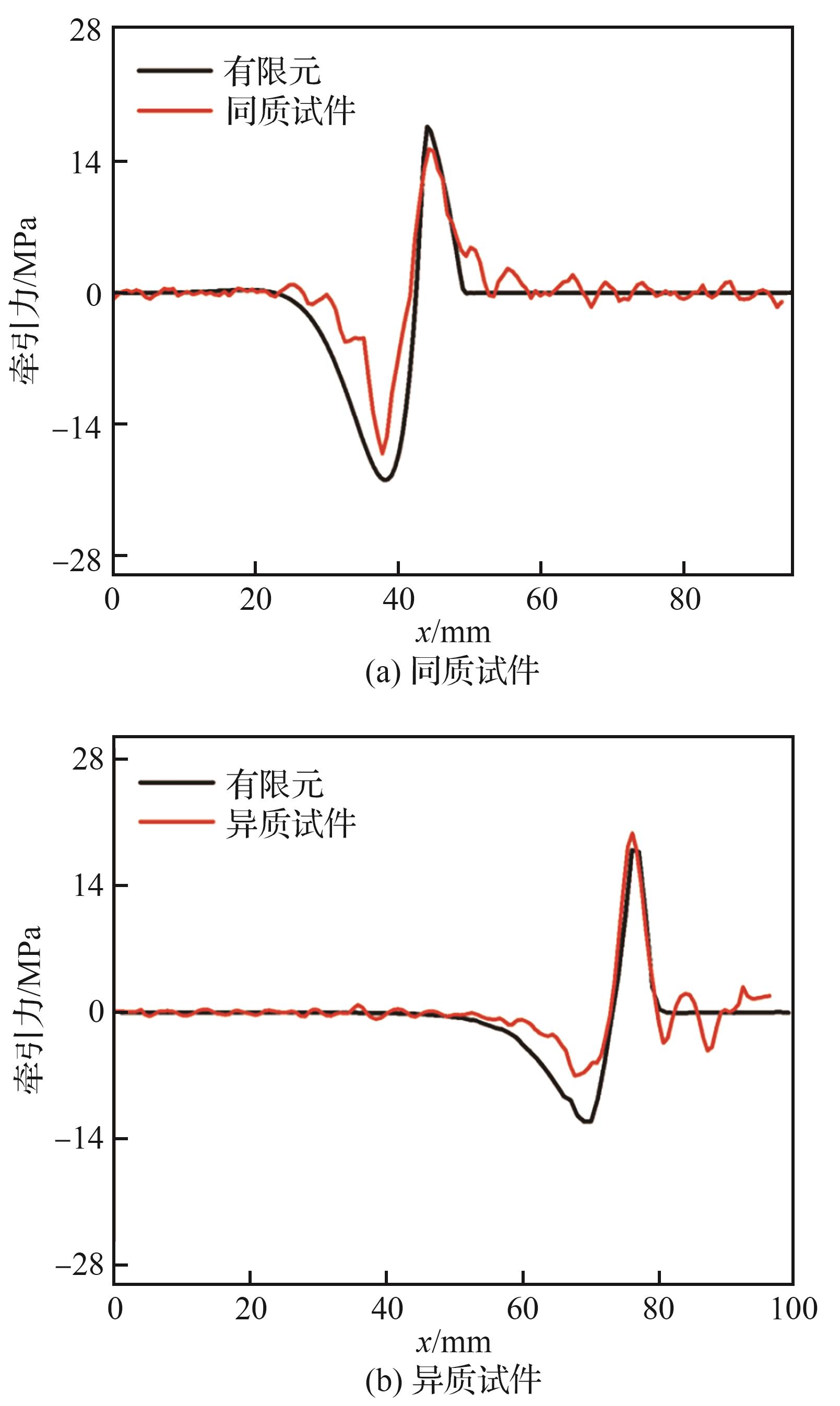
Comparison between test and finite element method simulated traction-displacement curves of bi-material DCB specimens
| [1] | 张金栋, 李昶, 刘刚, 等. 航空级碳纤维增强树脂基复合材料的胶接研究进展[J]. 复合材料学报, 2025, 42(8): 4199-4212. |
| ZHANG J D, LI C, LIU G, et al. Research progress in adhesive bonding for aviation grade carbon fiber reinforced polymer composites[J]. Acta Materiae Compositae Sinica, 2025, 42(8): 4199-4212 (in Chinese). | |
| [2] | WANG W D, ZHANG S J, HE R, et al. Theoretical analysis of Mode Ⅰ fracture of adhesively bonded bi-material DCB joints[J]. Engineering Fracture Mechanics, 2024, 309: 110414. |
| [3] | PICHLER N, WANG W D, MOTAVALLI M, et al. Mode Ⅰ fracture analysis of Fe-SMA bonded double cantilever beam considering nonlinear behavior of the adherends[J]. Engineering Fracture Mechanics, 2024, 295: 109789. |
| [4] | LI L Z, WANG W D, CHATZI E, et al. Experimental investigation on debonding behavior of Fe-SMA-to-steel joints[J]. Construction and Building Materials, 2023, 364: 129857. |
| [5] | WANG W D, ZHOU W, MA Y E, et al. Complete fatigue crack arrest in metallic structures using bonded prestressed iron-based shape memory alloy repairs[J]. International Journal of Fatigue, 2024, 180: 108104. |
| [6] | WANG Z, XIAN G J. Cohesive zone model prediction of debonding failure in CFRP-to-steel bonded interface with a ductile adhesive[J]. Composites Science and Technology, 2022, 230: 109315. |
| [7] | WANG W D, DE FREITAS S T, POULIS J A, et al. A review of experimental and theoretical fracture characterization of bi-material bonded joints[J]. Composites Part B: Engineering, 2021, 206: 108537. |
| [8] | WANG W D, LOPES FERNANDES R, TEIXEIRA DE FREITAS S, et al. How pure Mode Ⅰ can be obtained in bi-material bonded DCB joints: A longitudinal strain-based criterion[J]. Composites Part B: Engineering, 2018, 153: 137-148. |
| [9] | DUGDALE D S. Yielding of steel sheets containing slits[J]. Journal of the Mechanics and Physics of Solids, 1960, 8(2): 100-104. |
| [10] | BARENBLATT G I. The mathematical theory of equilibrium cracks in brittle fracture[M]∥ Advances in Applied Mechanics Volume 7. Amsterdam: Elsevier, 1962: 55-129. |
| [11] | LU L K, LIU Z L, ZHUANG Z. The physical meanings of two incremental-J-integral-based fracture criteria for crack growth in elastic-plastic materials[J]. Engineering Fracture Mechanics, 2022, 259: 108106. |
| [12] | 郭润杰, 鲁龙坤, 周子康, 等. 内聚力模型在飞机金属薄壁结构断裂模拟中的应用进展[J]. 航空学报, 2025, 46(21): 532330. |
| GUO R J, LU L K, ZHOU Z K, et al. Progress in application of cohesive zone model in fracture simulation of aircraft metallic thin-walled structures[J]. Acta Aeronautica et Astronautica Sinica, 2025, 46(21): 532330 (in Chinese). | |
| [13] | 姚寅, 黄再兴. 基于原子内聚力与表面能等效的内聚裂纹模型[J]. 航空学报, 2010, 31(9): 1796-1801. |
| YAO Y, HUANG Z X. A surface-energy equivalent cohesive crack model based on atomic cohesive force[J]. Acta Aeronautica et Astronautica Sinica, 2010, 31(9): 1796-1801 (in Chinese). | |
| [14] | TVERGAARD V, HUTCHINSON J W. The relation between crack growth resistance and fracture process parameters in elastic-plastic solids[J]. Journal of the Mechanics and Physics of Solids, 1992, 40(6): 1377-1397. |
| [15] | GORMAN J M, THOULESS M D. The use of digital-image correlation to investigate the cohesive zone in a double-cantilever beam, with comparisons to numerical and analytical models[J]. Journal of the Mechanics and Physics of Solids, 2019, 123: 315-331. |
| [16] | CUI H, KOUSSIOS S, LI Y L, et al. Constitutive law of adhesive layer measured with mixed mode bending test[J]. Engineering Fracture Mechanics, 2014, 127: 235-251. |
| [17] | SUN F, BLACKMAN B R K. A DIC method to determine the Mode Ⅰ energy release rate G, the J-integral and the traction-separation law simultaneously for adhesive joints[J]. Engineering Fracture Mechanics, 2020, 234: 107097. |
| [18] | KUMAR V, SINGH A, KUMAR GUPTA R. Assessing fracture behavior in composite-metal bonded joints under opening and sliding modes: Insights from experiments, CZM, and FEA[J]. Theoretical and Applied Fracture Mechanics, 2024, 134: 104713. |
| [19] | AKHAVAN-SAFAR A, MARQUES E A S, CARBAS R J C, et al. Cohesive zone modelling for fatigue life analysis of adhesive joints[M]. Cham: Springer International Publishing, 2022:19-40. |
| [20] | CABELLO M, ZURBITU J, RENART J, et al. A general analytical model based on elastic foundation beam theory for adhesively bonded DCB joints either with flexible or rigid adhesives[J]. International Journal of Solids and Structures, 2016, 94-95: 21-34. |
| [21] | TAUHEED M, DATLA N V. Mode Ⅰ fracture R-curve and cohesive law of CFRP composite adhesive joints[J]. International Journal of Adhesion and Adhesives, 2022, 114: 103102. |
| [22] | DE MOURA M F S F, GONÇALVES J P M, MAGALHÃES A G. A straightforward method to obtain the cohesive laws of bonded joints under Mode Ⅰ loading[J]. International Journal of Adhesion and Adhesives, 2012, 39: 54-59. |
| [23] | DIAS G F, DE MOURA M F S F, CHOUSAL J A G, et al. Cohesive laws of composite bonded joints under Mode Ⅰ loading[J]. Composite Structures, 2013, 106: 646-652. |
| [24] | LIU J C, ZHANG S J, YANG J, et al. Experimental determination of Mode- Ⅰ traction-separation relation for DCB adhesive joints: A back face strain derived method[J]. Engineering Fracture Mechanics, 2025, 323: 111169. |
| [25] | ZHANG S J, LIU J C, YAO X D, et al. A novel experimental approach to determine Mode Ⅰ traction-separation relationship for bonded composites-to-metal DCB joints: A back face strain derived method[J]. Composites Part B: Engineering, 2025, 304: 112610. |
| [26] | ASTM. Standard test method for Mode Ⅰ interlaminar fracture toughness of unidirectional fiber-reinforced polymer matrix composites: [S]. West Conshohocken: ASTM International, 2007. |
| [27] | FERNANDES T A B, CAMPILHO R D S G, BANEA M D, et al. Adhesive selection for single lap bonded joints: Experimentation and advanced techniques for strength prediction[J]. The Journal of Adhesion, 2015, 91(10-11): 841-862. |
| [28] | PICHLER N, WANG W D, POULIS J A, et al. Surface preparations and durability of iron-based shape memory alloy adhesively-bonded joints[J]. International Journal of Adhesion and Adhesives, 2023, 125: 103439. |
| [29] | HAMDI M, POULIS J A. Effect of UV/ozone treatment on the wettability and adhesion of polymeric systems[J]. The Journal of Adhesion, 2021, 97(7): 651-671. |
| [30] | WANG W, POULIS J A, FREITAS S T D, et al. Surface pretreatments on CFRP and titanium for manufacturing adhesively bonded bi-material joints. [J].The International Journal of Advanced Manufacturing Technology, 2019, 102: 3021-3035. |
| [31] | 韩啸, 金勇, 杨鹏, 等. 胶层厚度对胶粘剂Ⅰ型断裂韧性影响试验和仿真研究[J]. 机械工程学报, 2018, 54(10): 43-52. |
| HAN X, JIN Y, YANG P, et al. Experimental and simulation study on the effect of adhesive thickness on Mode Ⅰ fracture toughness[J]. Journal of Mechanical Engineering, 2018, 54(10): 43-52 (in Chinese). | |
| [32] | LIMA R A A, PERRONE R, CARBONI M, et al. Experimental analysis of Mode Ⅰ crack propagation in adhesively bonded joints by optical backscatter reflectometry and comparison with digital image correlation[J]. Theoretical and Applied Fracture Mechanics, 2021, 116: 103117. |
| [1] | TONG Dihua, WU Xueren, LIU Jianzhong. Weight function method of determining double cantilever beam specimen stress intensity factor by crack mouth displacement [J]. ACTA AERONAUTICAET ASTRONAUTICA SINICA, 2016, 37(2): 609-616. |
| [2] | XU Fei, PAN Lei, BAI Yunrui, CAO Jiameng, TAO Jie, TAO Haijun, CAI Lei. Effects of Titanium Surface Anodization on Adhesive Bonding Properties of TA2/polyetheretherketone(PEEK) [J]. ACTA AERONAUTICAET ASTRONAUTICA SINICA, 2014, 35(6): 1724-1732. |
| Viewed | ||||||
|
Full text |
|
|||||
|
Abstract |
|
|||||
Address: No.238, Baiyan Buiding, Beisihuan Zhonglu Road, Haidian District, Beijing, China
Postal code : 100083
E-mail:hkxb@buaa.edu.cn
Total visits: 6658907 Today visits: 1341All copyright © editorial office of Chinese Journal of Aeronautics
All copyright © editorial office of Chinese Journal of Aeronautics
Total visits: 6658907 Today visits: 1341

 CJA

