Acta Aeronautica et Astronautica Sinica ›› 2025, Vol. 46 ›› Issue (17): 331781.doi: 10.7527/S1000-6893.2025.31781
• Electronics and Electrical Engineering and Control • Previous Articles Next Articles
Shufan WU1,2, Xiaoyun Sun1,2, Qianyun ZHANG1,2, Qiang SHEN1,2( ), Yu XIANG1,2
Received:2025-01-08
Revised:2025-02-10
Accepted:2025-03-18
Online:2025-04-22
Published:2025-04-22
Contact:
Qiang SHEN
E-mail:qiangshen@sjtu.edu.cn
Supported by:CLC Number:
Shufan WU, Xiaoyun Sun, Qianyun ZHANG, Qiang SHEN, Yu XIANG. Research progress in test mass dynamics and control of space inertial sensor[J]. Acta Aeronautica et Astronautica Sinica, 2025, 46(17): 331781.
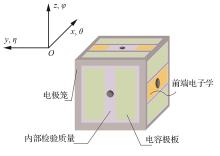
Fig.1
Structural schematic of inertial sensor for space gravitational wave detection[9-10]
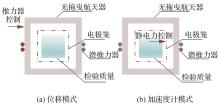
Fig.2
Schematic of drag-free control mode
Fig.3
Internal closed-loop of electrostatically actuating inertial sensor
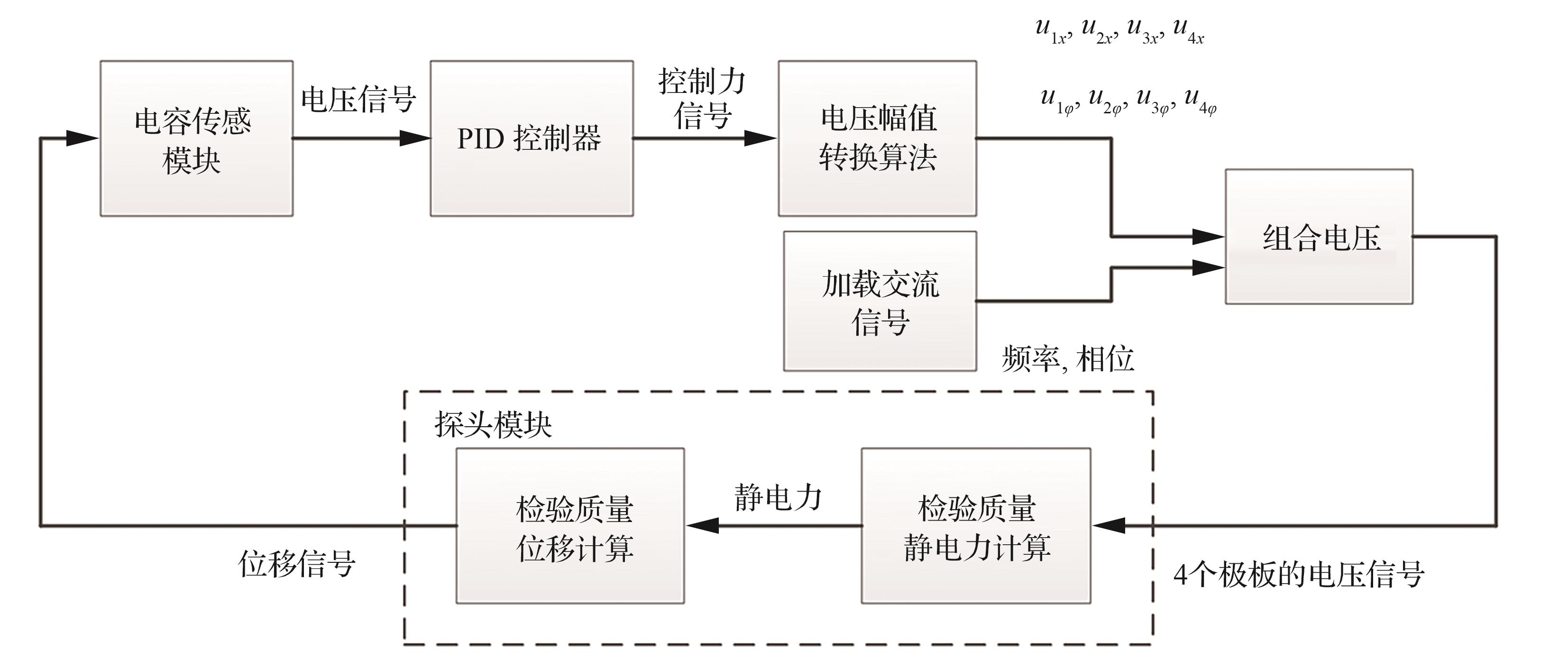
Fig.4
Electrode numbering of inertial sensor[10]
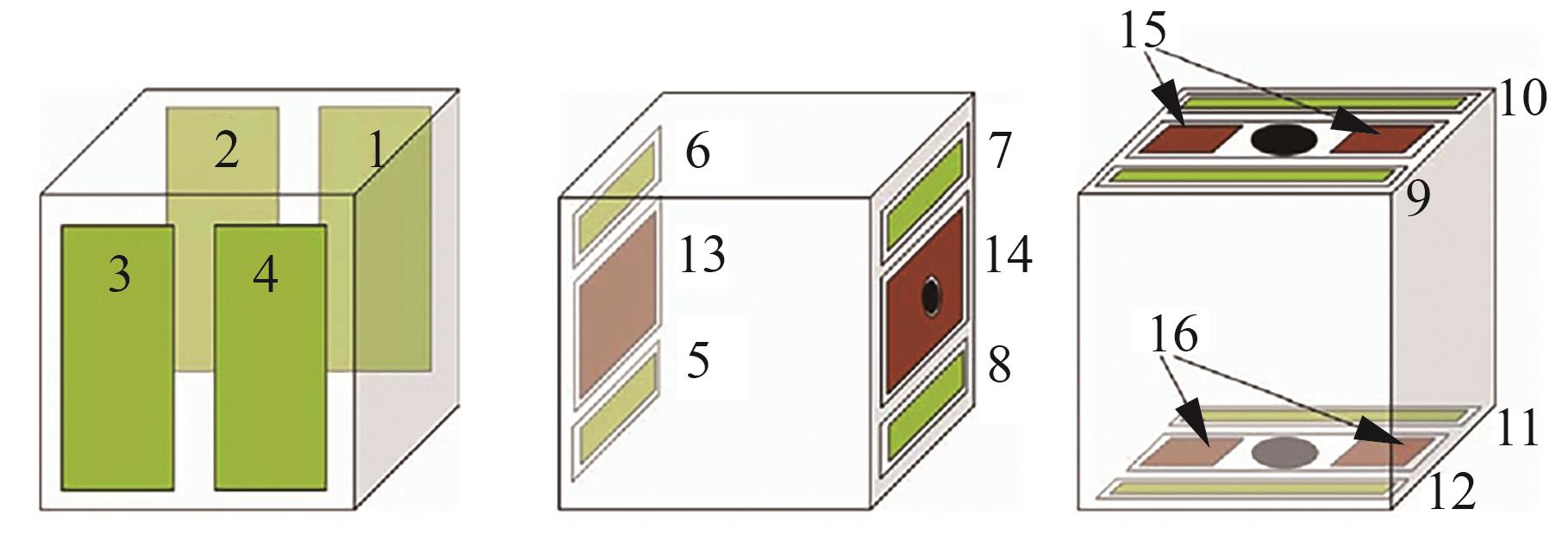
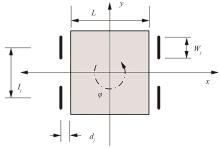
Fig.5
2D position of Test Mass and its peripheral capacitive electrode plates[24]
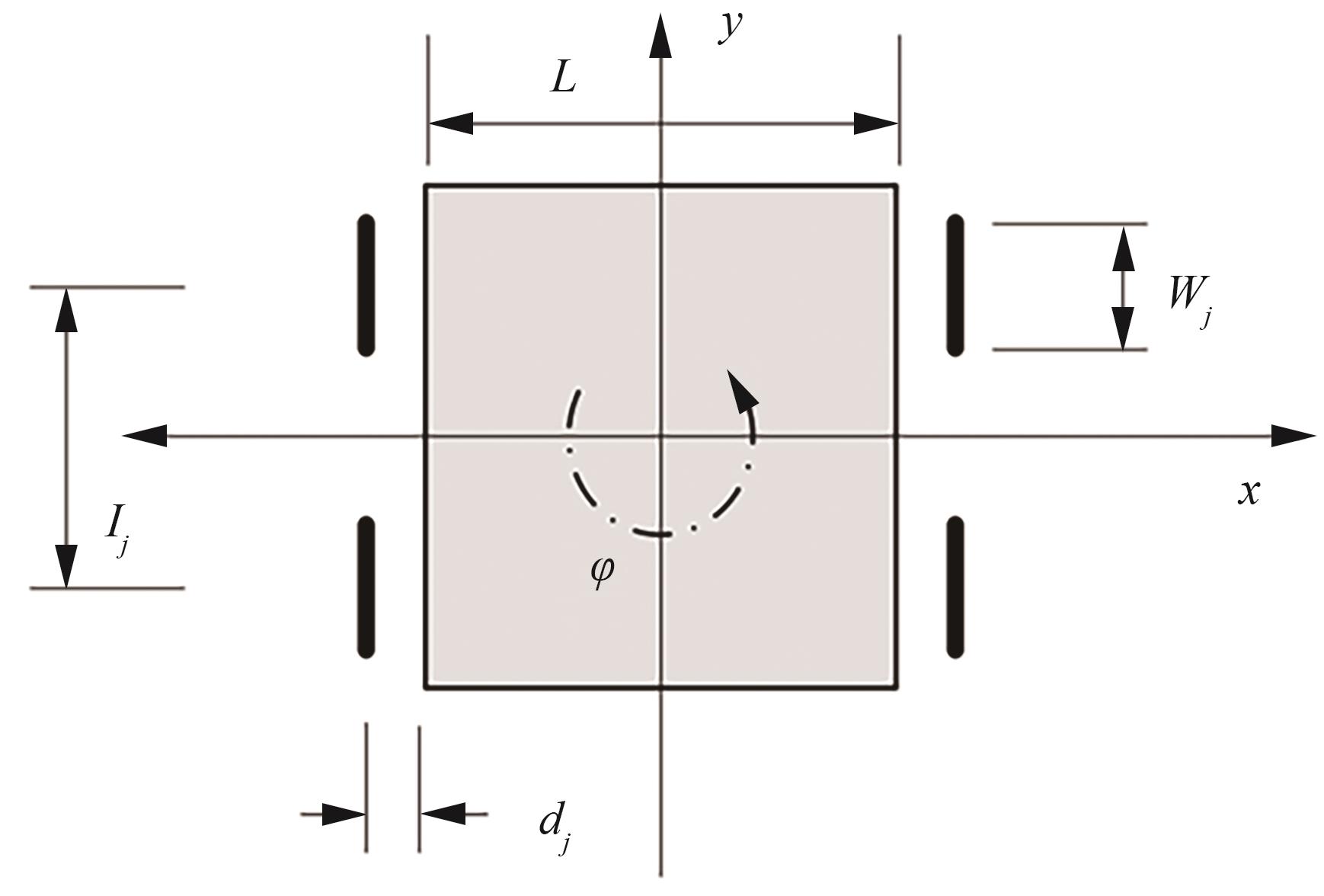
Fig.6
Release procedure analysis of test mass[27]
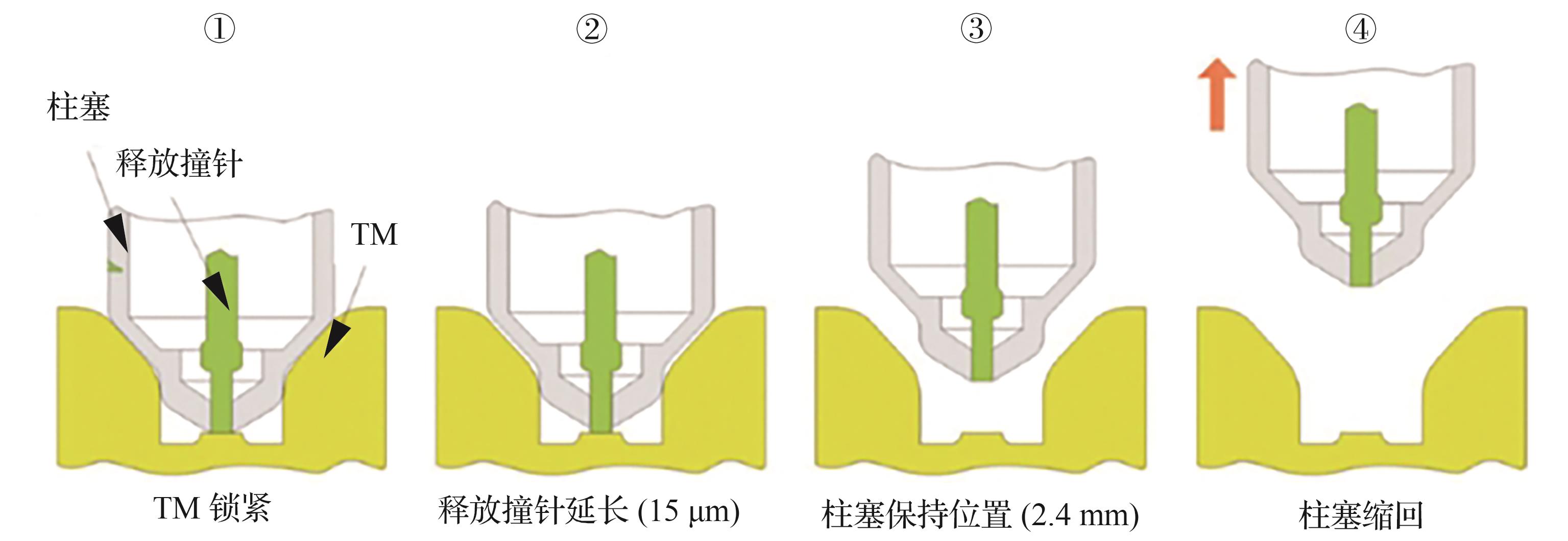
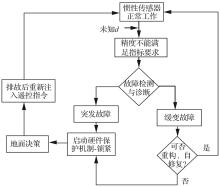
Fig.7
Fault diagnosis flowchart for inertial sensor
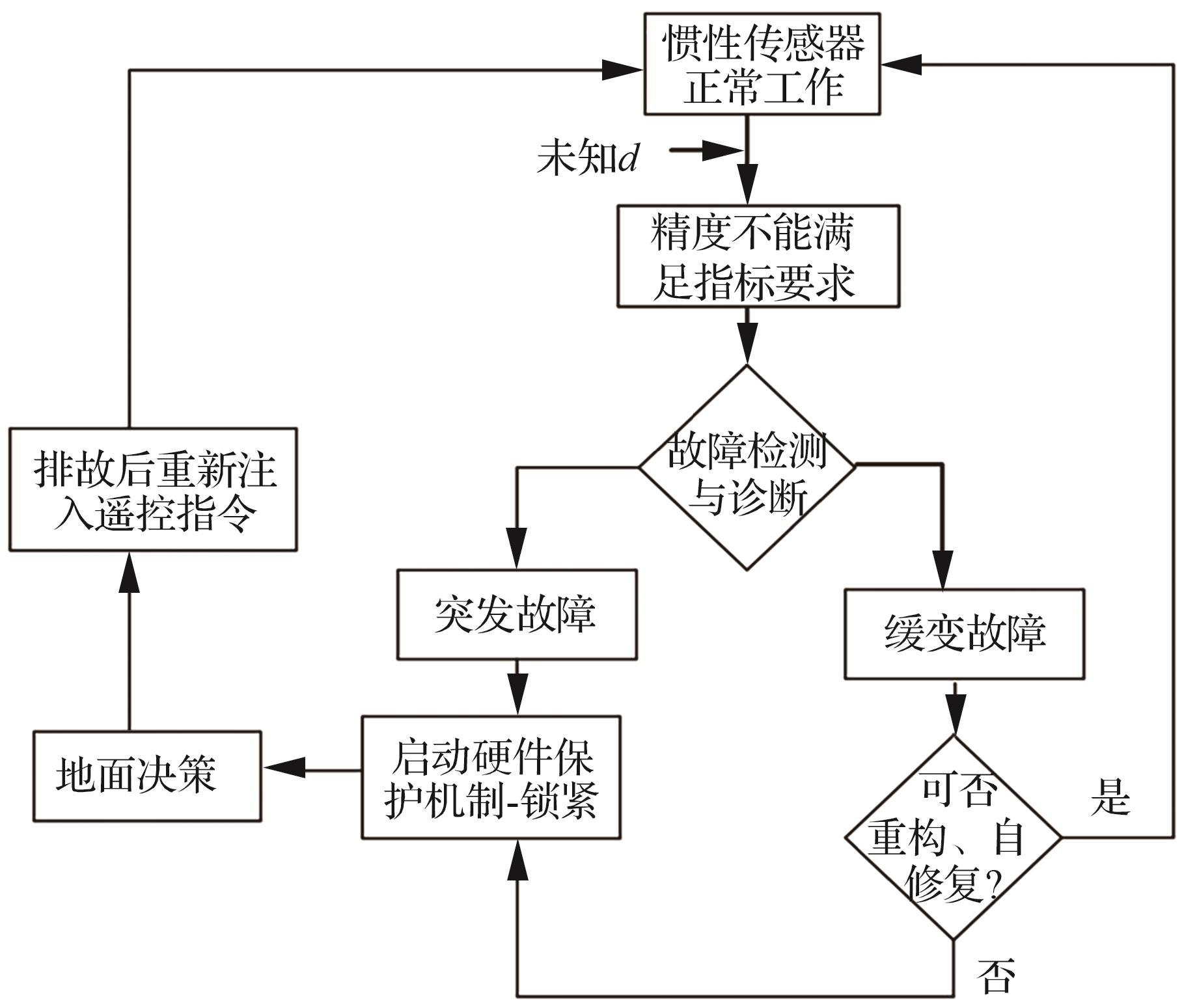

Table 1
Classification of inertial sensor failure modes
| 故障类型 | 故障特点 | 采取措施 |
|---|---|---|
| 单极板故障 | 缓变,精度下降 | 诊断、控制律重构 |
| 多极板故障 | 缓变,在某些轴向失去功能 | 诊断、重构,启用备份件 |
| 空间强干扰 | 精度极大下降 | 诊断,按严重程度进行控制律重构或锁紧 |
| 振动冲击 | 可能带来设备损毁 | 锁紧 |
Table 2
Operational mode transitions during in-orbit test phases of inertial sensor
| 典型阶段 | 典型模式 | 切换条件 | 关键动作 |
|---|---|---|---|
| ①发射入轨 | 锁紧保护模式 | 发射开始前 | 锁紧夹紧爪 |
| ②释放 | 释放模式 | 轨道转移和编队保持 | 打开夹爪 |
| ③捕获 | 加速度计模式 | 黏滞力100 μN量级 | 静电捕获 |
| ④关键参数标定 | 寄生刚度测量,接触势差测量与补偿,磁场耦合测量,参与 电荷测量与补偿 | 完成捕获后 | 各参数标定模式间切换 |
| ⑤科学测量阶段 | 科学测量模式 | 卫星处于最小扰动状态 | 最小扰动态观测 |
| ⑥安全应急模式 | 故障模式 | 当某通道、某模块、 某单机出现故障时 | 引入故障诊断与 容错控制模块 |
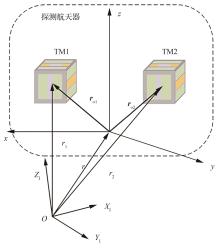
Fig.8
Structural schematic of LISA Pathfinder spacecraft[30]
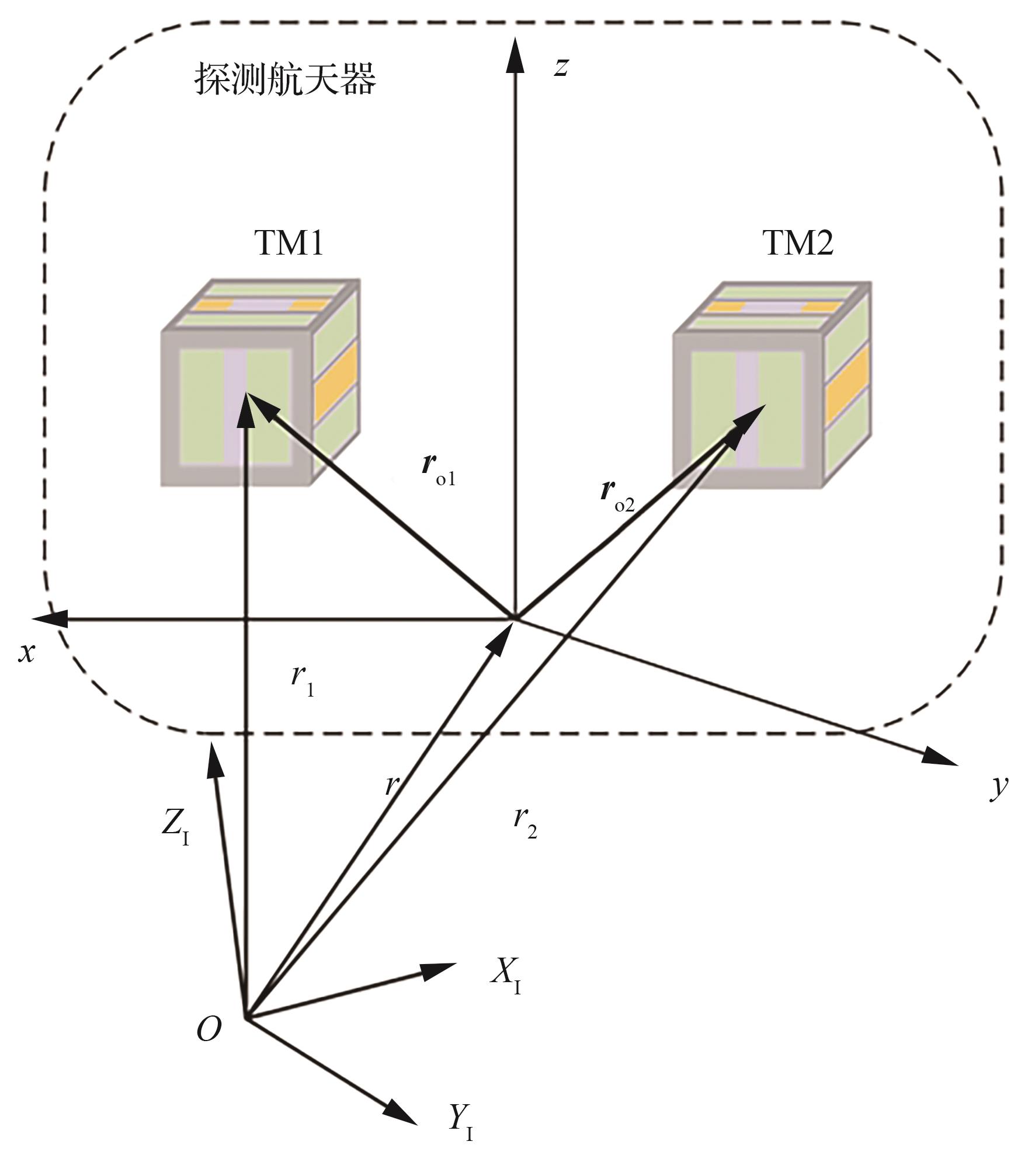
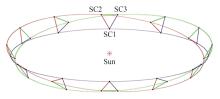
Fig.9
Formation configuration schematic of LISA detector[32]
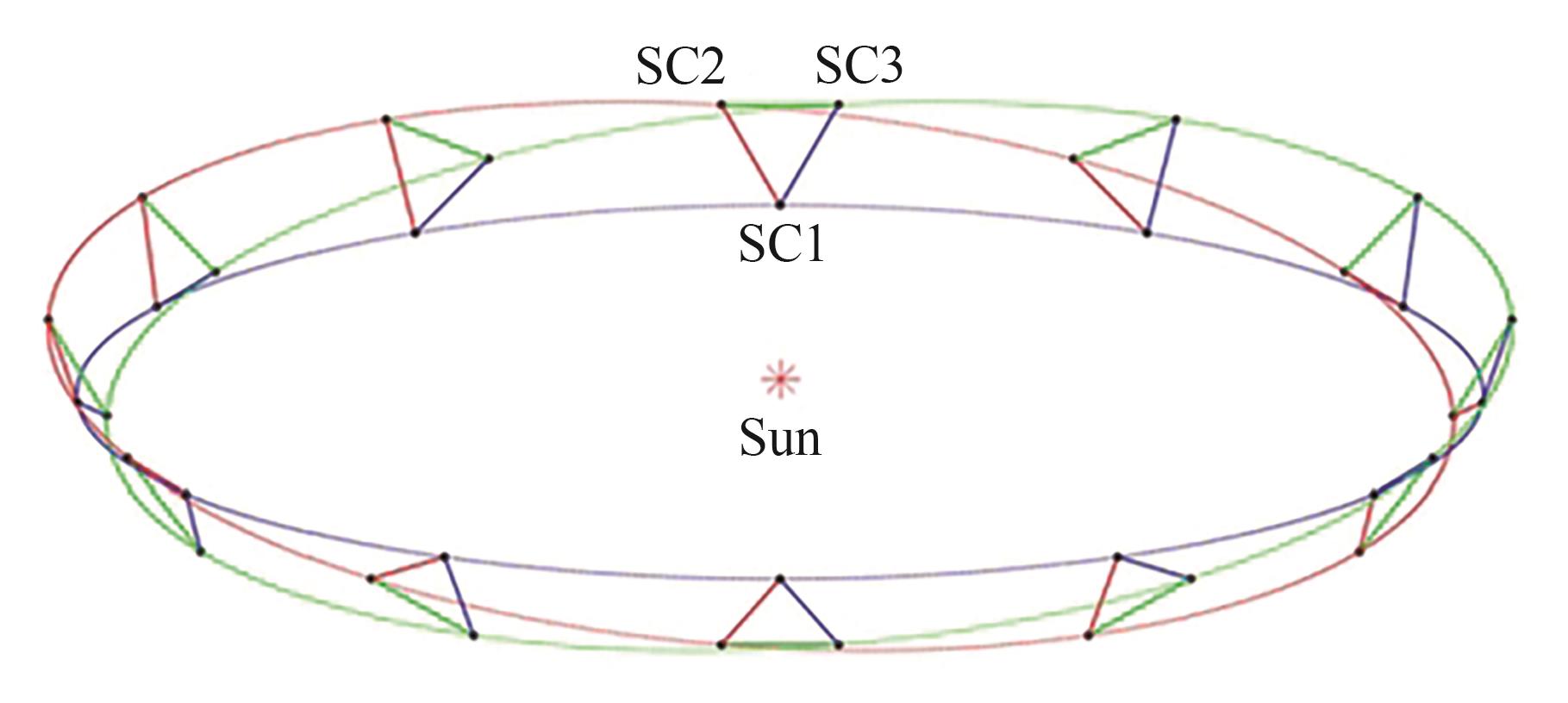
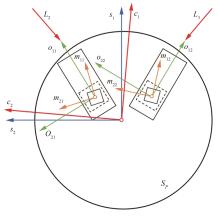
Fig.10
Structural schematic of drag-free spacecraft for scientific detection[33]
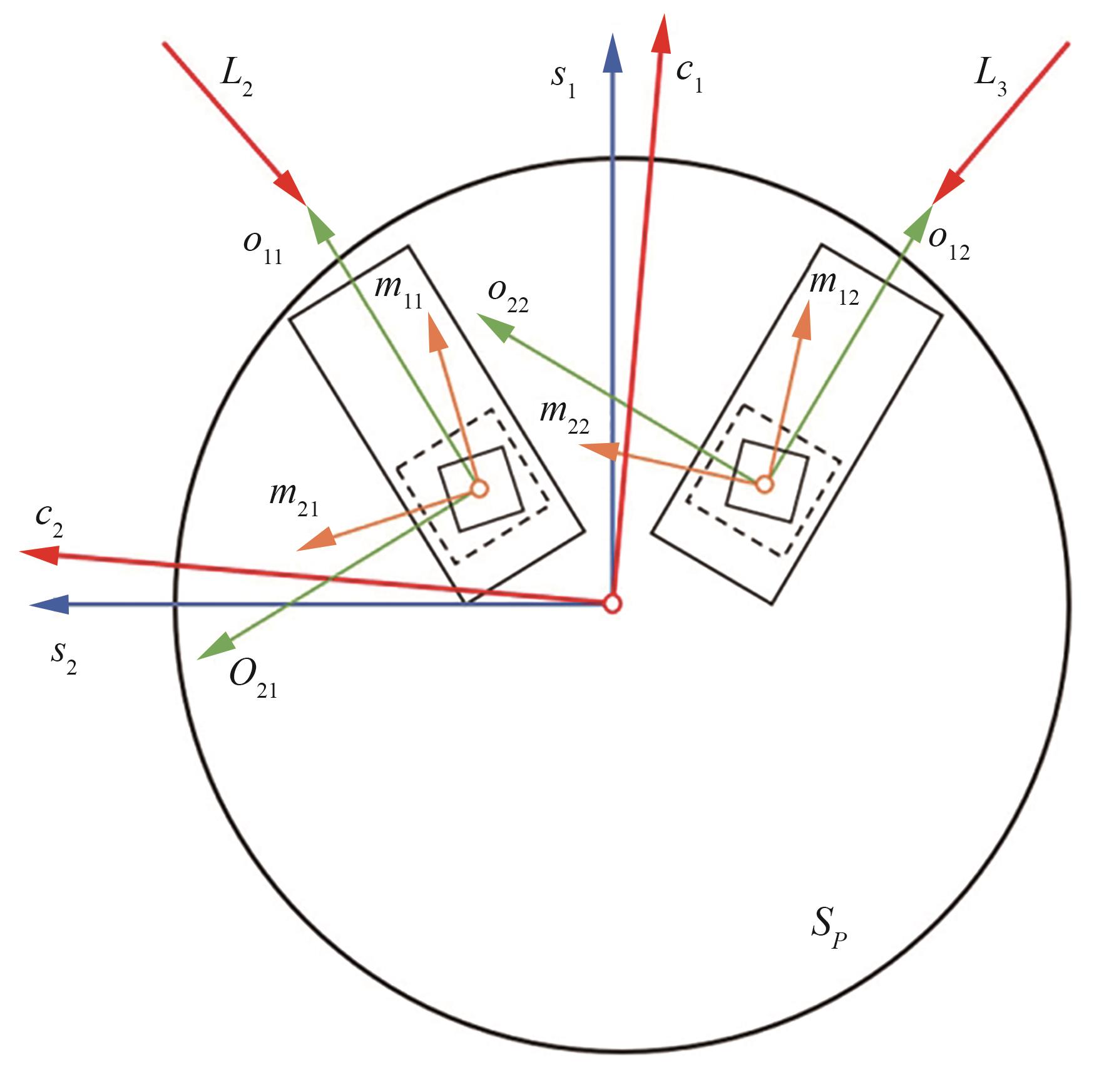
Fig.11
Relative positional relationship between SRF and CRF[32]
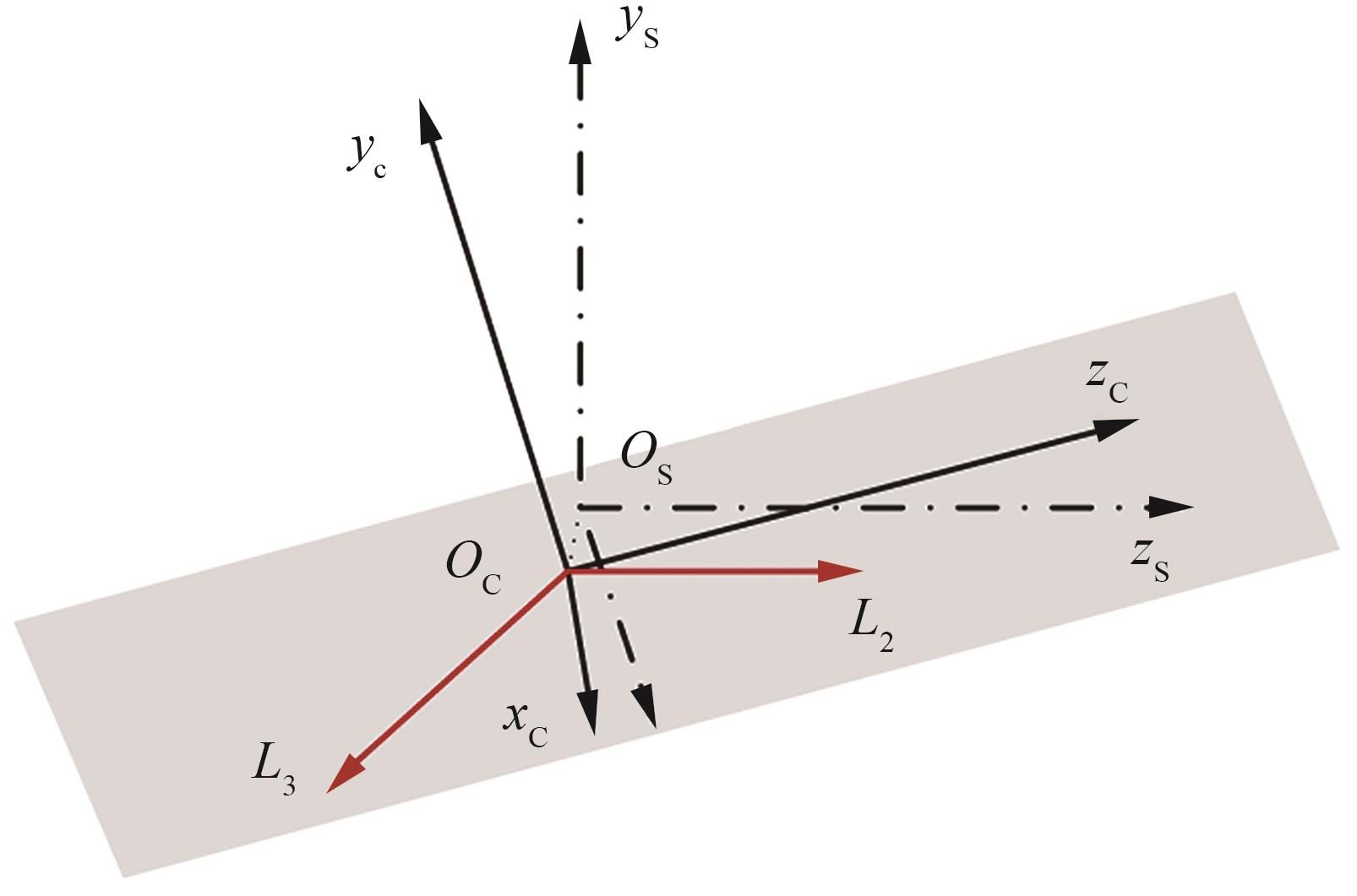
Fig.12
Disturbances and coupling schematic between Test Mass and spacecraft[8]
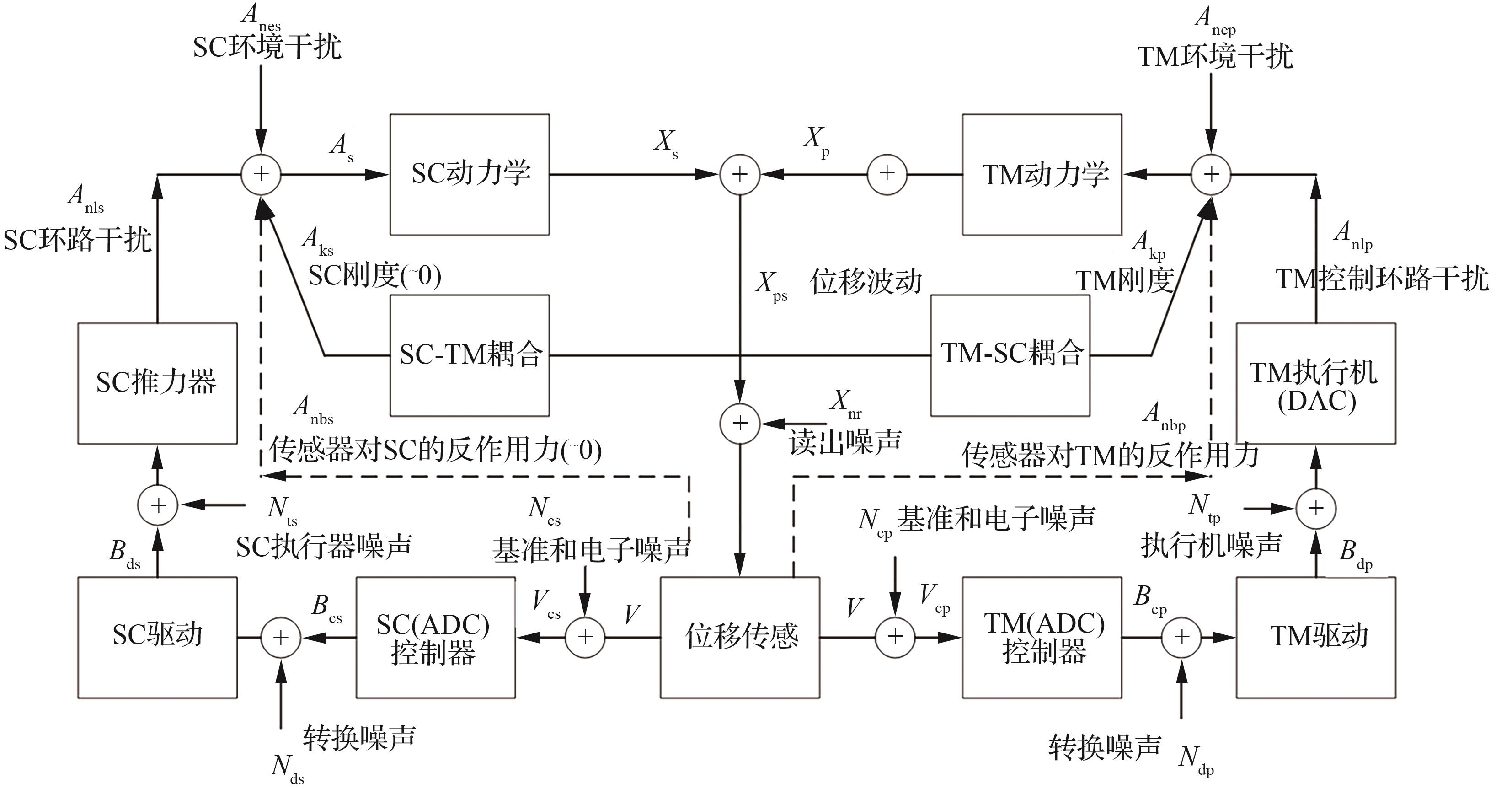
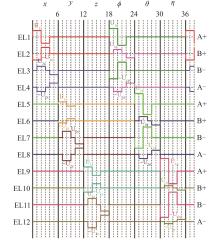
Fig.13
Time-division control[8]
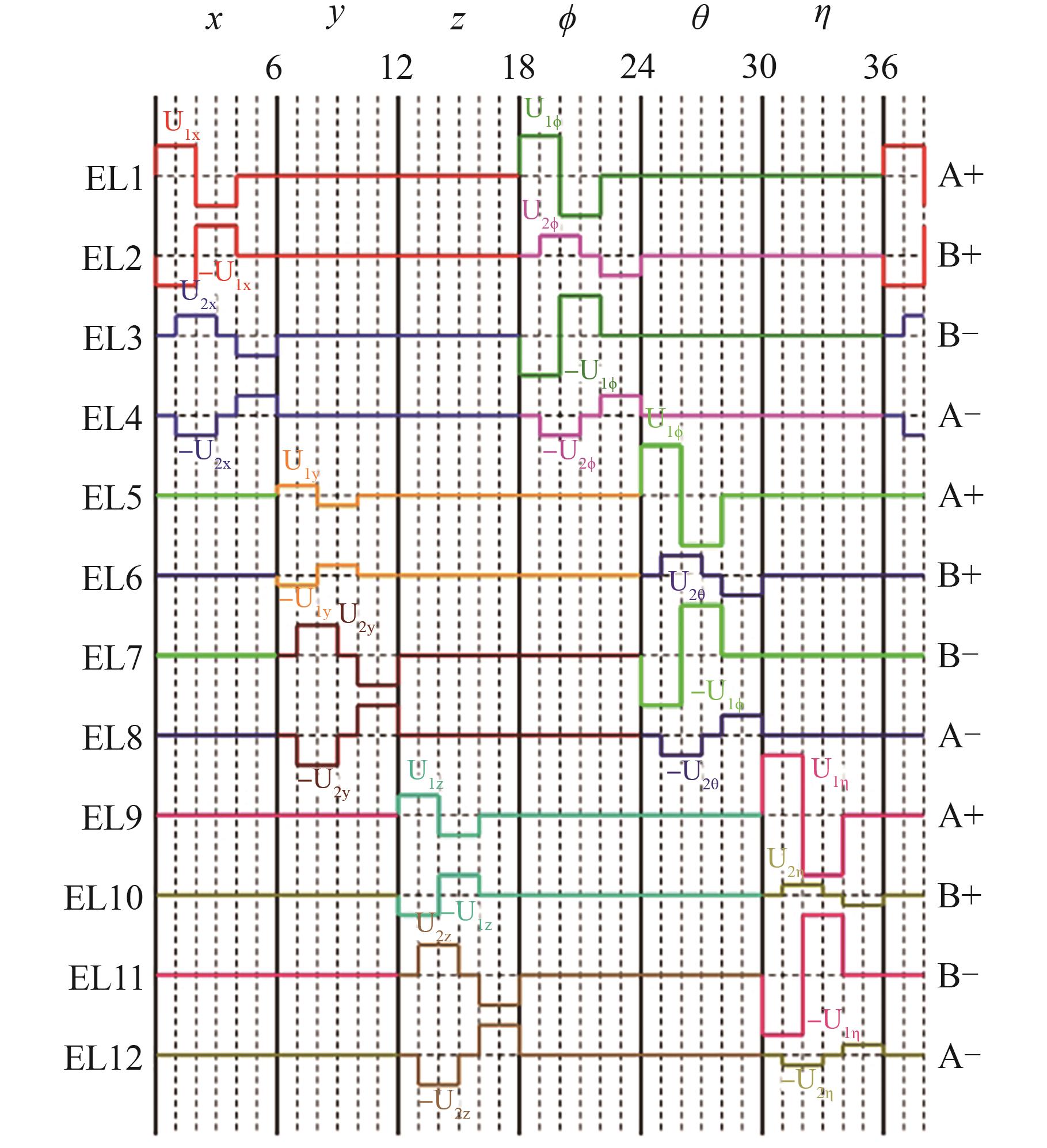
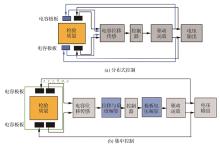
Fig.14
Distributed and centralized control[8]
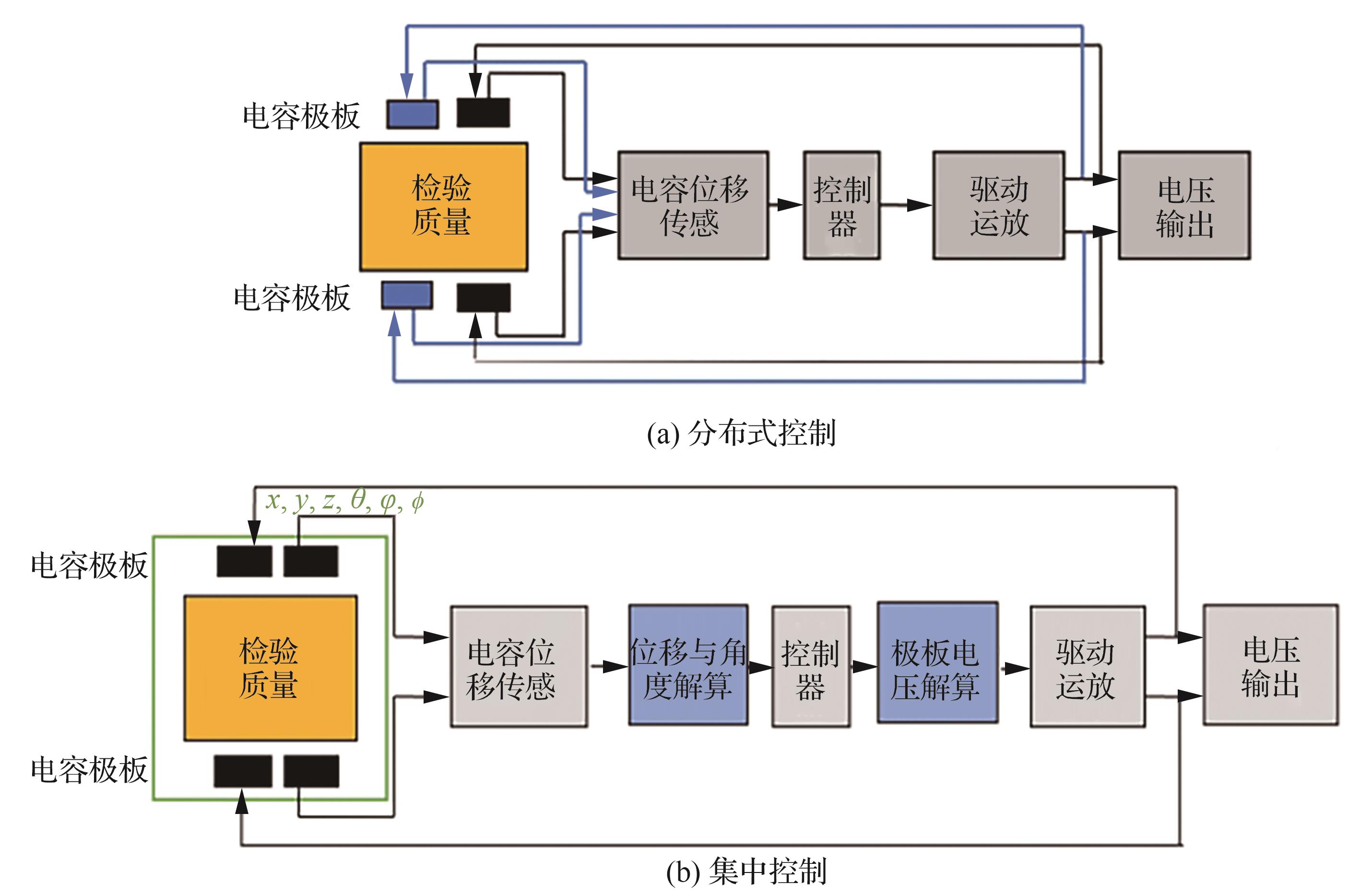
Fig.15
Closed-loop control system architecture based on decoupling matrix
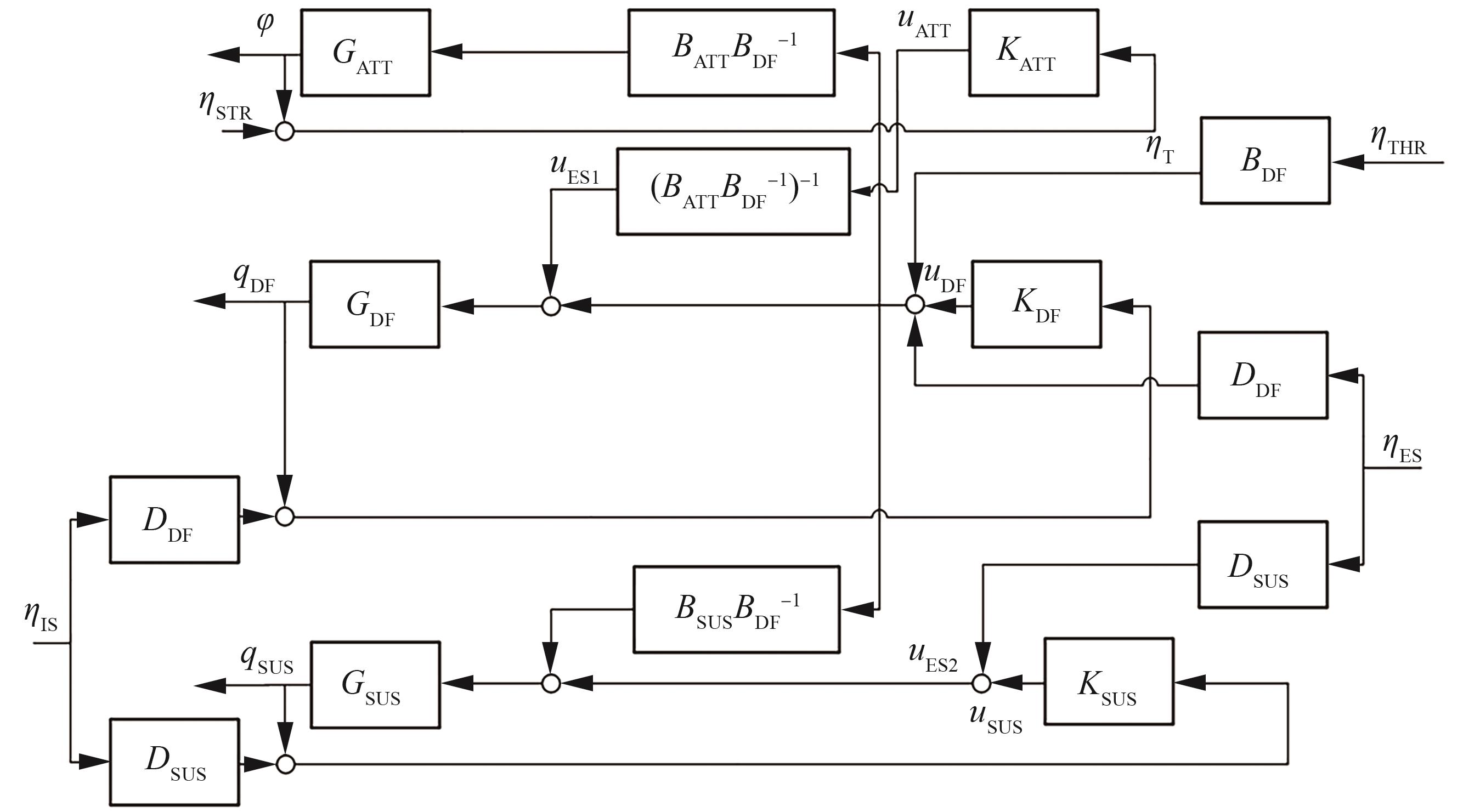
Fig.16
Nonlinear decoupling control structure with reference model
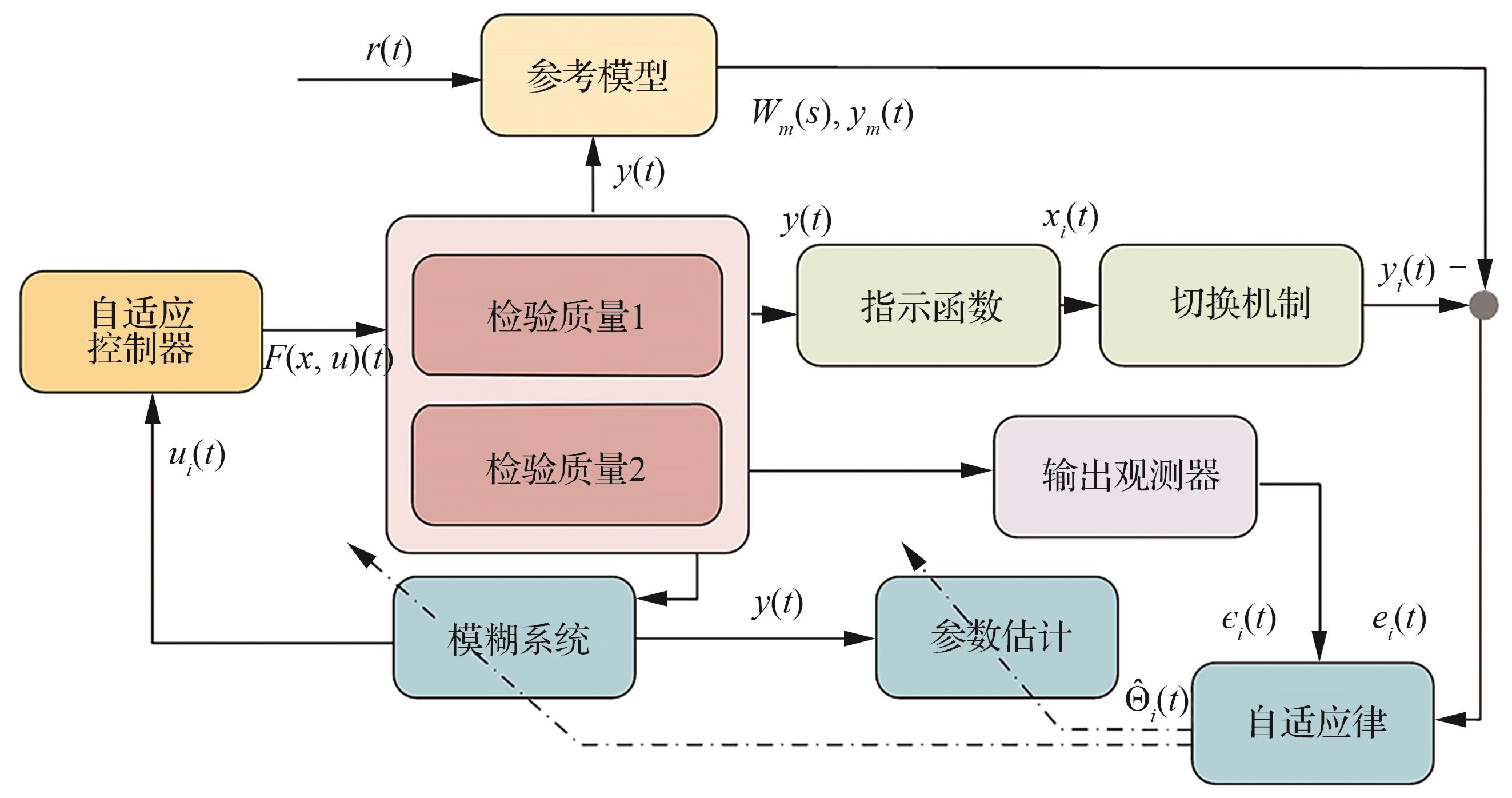
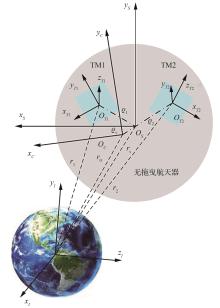
Fig.17
On-orbit schematic of drag-free spacecraft for geocentric gravitational-wave detection
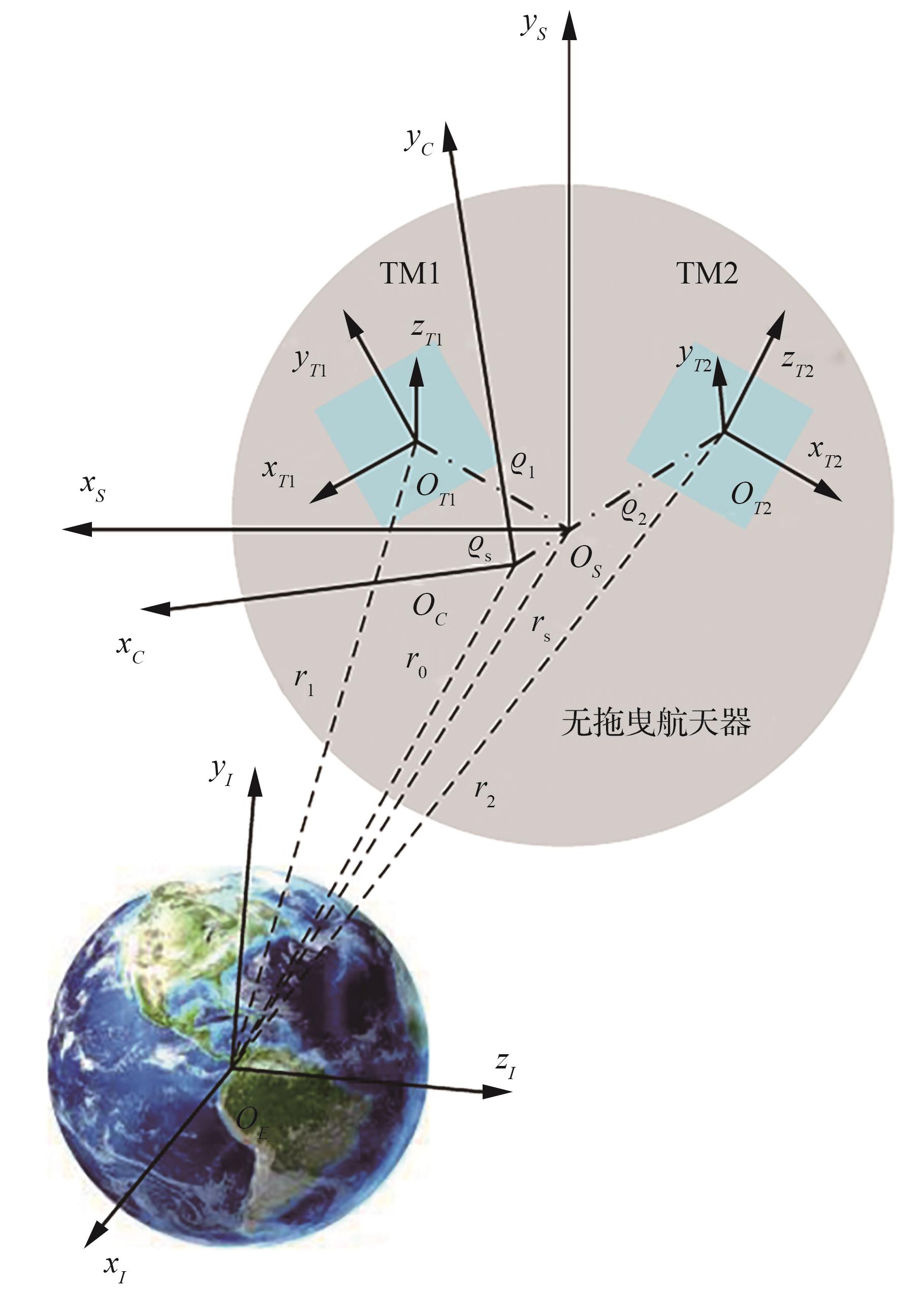
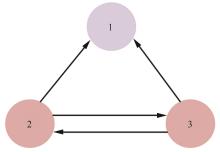
Fig.18
Communication topology for intra-formation consistency
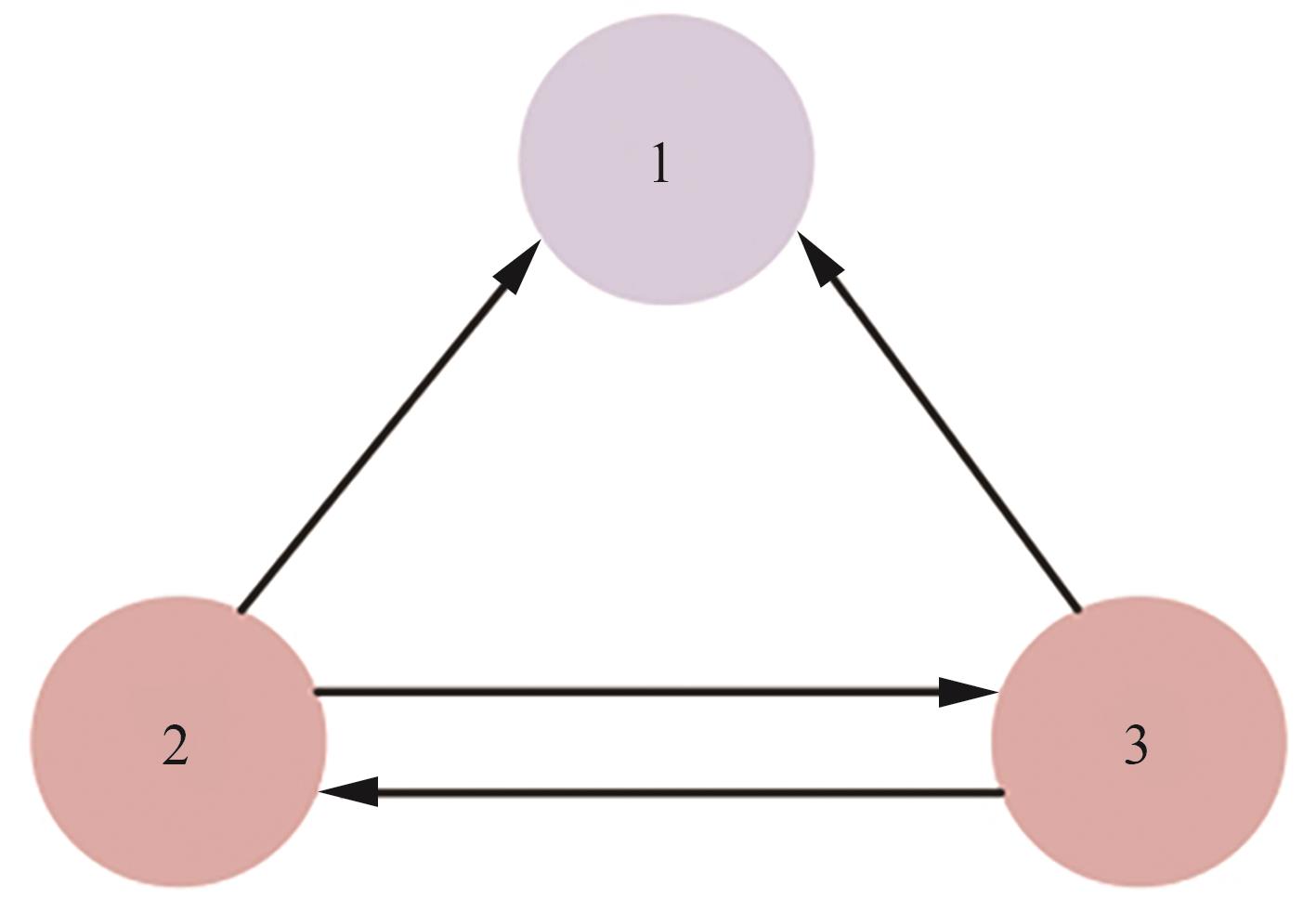
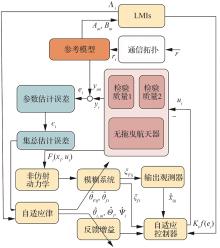
Fig.19
Multi-body consensus control structure with reference model
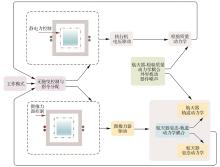
Fig.20
Multi-body closed-loop system for spacecraft-test mass with control strategy switching
| [1] | 王楠. 深空引力波探测的无拖曳控制技术研究[D]. 上海: 上海交通大学, 2020: 1-2. |
| WANG N. Research on drag-free control technology for deep space gravitational wave detection[D]. Shanghai: Shanghai Jiao Tong University, 2020: 1-2 (in Chinese). | |
| [2] | 吴树范, 王楠, 龚德仁. 引力波探测科学任务关键技术[J]. 深空探测学报, 2020, 7(2): 118-127. |
| WU S F, WANG N, GONG D R. Key technologies for space science gravitational wave detection[J]. Journal of Deep Space Exploration, 2020, 7(2): 118-127 (in Chinese). | |
| [3] | BENCZE W J, DEBRA D B, HERMAN L, et al. On-orbit performance of the Gravity Probe B drag-free translation control system[C]∥Proc. 29th Guidance and Control Conference. San Francisco: AAS, 2006: 125-128. |
| [4] | CANUTO E, BONA B, CALAFIORE G, et al. Drag free control for the European satellite GOCE. Part Ⅱ: Digital control[C]∥Proceedings of the 41st IEEE Conference on Decision and Control. Piscataway:IEEE Press, 2002: 4072-4077. |
| [5] | GATH P, SCHULTE H R, WEISE D, et al. Drag free and attitude control system design for the LISA science mode[C]∥AIAA Guidance, Navigation and Control Conference and Exhibit. Reston: AIAA, 2007. |
| [6] | MOBLEY F, FOUNTAIN G, SADILEK A, et al. Electromagnetic suspension for the tip-Ⅱ satellite[J]. IEEE Transactions on Magnetics, 1975, 11(6): 1712-1716. |
| [7] | LANGE B. Managing spherical proof masses in drag-free satellites with application to the LISA experiment[J]. Classical and Quantum Gravity, 2001, 18(19): 4153-4158. |
| [8] | 吴树范, 张倩云, 刘梅林, 等. 空间引力波探测惯性传感器关键技术与进展[J]. 中国空间科学技术, 2023, 43(4): 1-12. |
| WU S F, ZHANG Q Y, LIU M L, et al. Key technologies and progress of inertial sensors for space gravitational wave detection[J]. Chinese Space Science and Technology, 2023, 43(4): 1-12 (in Chinese). | |
| [9] | ZHANG Q Y, LIU M L, WU S F. Design and test of the actuation circuit of the inertial sensor for space gravitational wave detection based on hardware-in-the-loop simulation[J]. Classical and Quantum Gravity, 2023, 40(11): 115001. |
| [10] | MCNAMARA P, VITALE S, DANZMANN K. LISA pathfinder[J]. Classical and Quantum Gravity, 2008, 25(11): 114034. |
| [11] | 吴树范, 孙笑云, 张倩云, 等. 空间引力波探测航天器平台系统前沿研究进展[J]. 深空探测学报(中英文), 2023, 10(3): 233-246, 231-232. |
| WU S F, SUN X Y, ZHANG Q Y, et al. Advances in frontier research of space gravitational wave detection spacecraft platform system[J]. Journal of Deep Space Exploration, 2023, 10(3): 233-246, 231-232 (in Chinese). | |
| [12] | 张立华, 黎明, 高永新, 等. 空间引力波探测航天器系统及平台技术[J]. 中山大学学报(自然科学版), 2021, 60(S1): 129-137. |
| ZHANG L H, LI M, GAO Y X, et al. The spacecraft system and platform technologies for gravitational wave detection in space[J]. Acta Scientiarum Naturalium Universitatis Sunyatseni, 2021, 60(S1): 129-137 (in Chinese). | |
| [13] | 施梨, 曹喜滨, 张锦绣, 等. 无阻力卫星发展现状[J]. 宇航学报, 2010, 31(6): 1511-1520. |
| SHI L, CAO X B, ZHANG J X, et al. Survey of drag-free satellite[J]. Journal of Astronautics, 2010, 31(6): 1511-1520 (in Chinese). | |
| [14] | 张锦绣, 董晓光, 曹喜滨. 基于无速度测量的无拖曳卫星自适应控制方法[J]. 宇航学报, 2014, 35(4): 447-453. |
| ZHANG J X, DONG X G, CAO X B. An adaptive controller for drag-free satellites without velocity measurement[J]. Journal of Astronautics, 2014, 35(4): 447-453 (in Chinese). | |
| [15] | SUN X Y, SHEN Q, WU S F. Self-triggered fuzzy data-driven learning-based test mass suspension control for space inertia sensor[J]. IEEE Transactions on Aerospace and Electronic Systems, 2024, 60(5): 7453-7465. |
| [16] | 孙笑云, 吴树范, 沈强. 空间惯性传感器数据驱动自适应非对称约束控制[J]. 深空探测学报(中英文), 2023, 10(3): 322-333. |
| SUN X Y, WU S F, SHEN Q. Data driven-based asymmetric constrained control for space inertia sensor[J]. Journal of Deep Space Exploration, 2023, 10(3): 322-333 (in Chinese). | |
| [17] | 杨飞, 谈树萍, 薛文超, 等. 饱和约束测量扩张状态滤波与无拖曳卫星位姿自抗扰控制[J]. 自动化学报, 2020, 46(11): 2337-2349. |
| YANG F, TAN S P, XUE W C, et al. Extended state filtering with saturation-constrainted observations and active disturbance rejection control of position and attitude for drag-free satellites[J]. Acta Automatica Sinica, 2020, 46(11): 2337-2349 (in Chinese). | |
| [18] | LIAN X B, ZHANG J X, LU L, et al. Frequency separation control for drag-free satellite with frequency-domain constraints[J]. IEEE Transactions on Aerospace and Electronic Systems, 2021, 57(6): 4085-4096. |
| [19] | 苟兴宇, 王丽娇, 李明群, 等. 天琴一号卫星加速度模式无拖曳控制[J]. 宇航学报, 2021, 42(5): 603-610. |
| GOU X Y, WANG L J, LI M Q, et al. Acceleration mode drag-free control of TQ-1 satellite[J]. Journal of Astronautics, 2021, 42(5): 603-610 (in Chinese). | |
| [20] | 马浩君, 韩鹏, 高东, 等. 深空双质量块无拖曳卫星H∞鲁棒控制器设计[J]. 哈尔滨工业大学学报, 2021, 53(2): 1-13. |
| MA H J, HAN P, GAO D, et al. H∞ robust controller design for deep space drag-free satellite with two test masses[J]. Journal of Harbin Institute of Technology, 2021, 53(2): 1-13 (in Chinese). | |
| [21] | FICHTER W, SCHLEICHER A, VITALE S. Drag-free control design with cubic test masses[M]∥Lasers, Clocks and Drag-Free Control. Berlin: Springer, 2008: 361-378. |
| [22] | ANTONUCCI F, ARMANO M, AUDLEY H, et al. The LISA pathfinder mission[J]. Classical and Quantum Gravity, 2012, 29(12): 124014. |
| [23] | ANZA S, ARMANO M, BALAGUER E, et al. The LTP experiment on the LISA pathfinder mission[J]. Classical and Quantum Gravity, 2005, 22(10): S125-S138. |
| [24] | 罗俊, 艾凌皓, 艾艳丽, 等. 天琴计划简介[J]. 中山大学学报(自然科学版), 2021, 60(S1): 1-19. |
| LUO J, AI L H, AI Y L, et al. Brief introduction of Tianqin Project[J]. Acta Scientiarum Naturalium Universitatis Sunyatseni, 2021, 60(S1): 1-19 (in Chinese). | |
| [25] | 孙笑云, 吴树范, 沈强. 包含有界切换增益的空间惯性传感器输出调节积分模型参考自适应控制[J]. 中国科学: 技术科学, 2024, 54(3): 490-500. |
| SUN X Y, WU S F, SHEN Q. Output regulation based integral model reference adaptive control with bounded switching gain for space inertial sensor[J]. Scientia Sinica (Technologica), 2024, 54(3): 490-500 (in Chinese). | |
| [26] | KLOTZ H, STRAUCH H, WOLFSBERGER W, et al. Drag-free attitude and orbit control for LISA[J]. European Space Agency, (Special Publication) ESA SP, 1997(381): 695-702. |
| [27] | PETTAZZI L, LANZON A, THEIL S, et al. Design of robust drag-free controllers with given structure[J]. Journal of Guidance, Control, and Dynamics, 2009, 32(5): 1609-1621. |
| [28] | JIAO B H, LIU Q F, DANG Z H, et al. A review on DFACS (Ⅰ): System design and dynamics modeling[J]. Chinese Journal of Aeronautics, 2024, 37(5): 92-119. |
| [29] | YUE C L, JIAO B H, DANG Z H, et al. A review on DFACS (Ⅱ): Modeling and analysis of disturbances and noises[J]. Chinese Journal of Aeronautics, 2024, 37(5): 120-147. |
| [30] | GATH P, FICHTER W, KERSTEN M, et al. Drag free and attitude control system design for the LISA pathfinder mission[C]∥AIAA Guidance, Navigation, and Control Conference and Exhibit. Reston, Virginia: AIAA, 2004: 5430. |
| [31] | FICHTER W, SCHLEICHER A, BENNANI S, et al. Closed loop performance and limitations of the LISA pathfinder drag-free control system[C]∥AIAA Guidance, Navigation and Control Conference and Exhibit. Reston: AIAA, 2007: 6732. |
| [32] | 张锦绣, 曹喜滨, 董晓光, 等. Drag-free卫星编队的发展现状和趋势研究[J]. 哈尔滨工业大学学报, 2010, 42(5): 673-677. |
| ZHANG J X, CAO X B, DONG X G, et al. Development status and tendency of Drag-free satellite formation flying[J]. Journal of Harbin Institute of Technology, 2010, 42(5): 673-677 (in Chinese). | |
| [33] | THEIL S. Drag-free satellite control[M]∥Lasers, Clocks and Drag-Free Control. Berlin: Springer, 2008: 341-359. |
| [34] | CANUTO E, MASSOTTI L. Local orbital frame predictor for LEO drag-free satellite[J]. Acta Astronautica, 2010, 66(3-4): 446-454. |
| [35] | SPEAKE C C, ASTON S M. An interferometric sensor for satellite drag-free control[J]. Classical and Quantum Gravity, 2005, 22(10): S269-S277. |
| [36] | VIDANO S, NOVARA C, COLANGELO L, et al. The LISA DFACS: a nonlinear model for the spacecraft dynamics[J]. Aerospace Science and Technology, 2020, 107: 106313. |
| [37] | GIULICCHI L, WU S-F, FENAL T. Attitude and orbit control systems for the LISA Pathfinder mission[J]. Aerospace Science and Technology, 2013, 24(1): 283-294. |
| [38] | SUN X Y, SHEN Q, WU S F. Partial state feedback MRAC-based reconfigurable fault-tolerant control of drag-free satellite with bounded estimation error[J]. IEEE Transactions on Aerospace and Electronic Systems, 2023, 59(5): 6570-6586. |
| [39] | 张永合, 梁旭文, 张健, 等. 无阻力双星串行编队相对位置有限时间控制[J]. 宇航学报, 2015, 36(8): 923-931. |
| ZHANG Y H, LIANG X W, ZHANG J, et al. Finite-time relative position control for drag-free dual-satellite serial-formation[J]. Journal of Astronautics, 2015, 36(8): 923-931 (in Chinese). | |
| [40] | SUN X Y, SHEN Q, WU S F. Event-triggered robust model reference adaptive control for drag-free satellite[J]. Advances in Space Research, 2023, 72(11): 4984-4996. |
| [41] | SUN X Y, SHEN Q, WU S F. Partial-state feedback consensus model reference adaptive control for nonaffine drag-free spacecraft inner-formation system[J]. IEEE Transactions on Aerospace and Electronic Systems, 2025, 61(2): 3408-3424. |
| [42] | CAPRINI C, TAMANINI N. Constraining early and interacting dark energy with gravitational wave standard sirens: the potential of the eLISA mission[J]. Journal of Cosmology and Astroparticle Physics, 2016, 2016(10): 6. |
| [43] | 罗子人, 张敏, 靳刚, 等. 中国空间引力波探测“太极计划”及“太极1号”在轨测试[J]. 深空探测学报, 2020, 7(1): 3-10. |
| LUO Z R, ZHANG M, JIN G, et al. Introduction of Chinese space-borne gravitational wave detection program “Taiji” and “Taiji-1” satellite mission[J]. Journal of Deep Space Exploration, 2020, 7(1): 3-10 (in Chinese). | |
| [44] | SUN X Y, SHEN Q, WU S F. Fuzzy supervised learning-based model-free adaptive fault-tolerant spacecraft attitude control with deferred asymmetric constraints[J]. IEEE Transactions on Aerospace and Electronic Systems, 2023, 59(6): 8884-8900. |
| [45] | 孙笑云, 沈强, 吴树范. 基于改进Kinky Inference的输出调节自适应无拖曳控制[J]. 北京航空航天大学学报, 2024, 50(5): 1604-1613. |
| SUN X Y, SHEN Q, WU S F. Output regulation adaptive drag-free control with enhanced Kinky Inference[J]. Journal of Beijing University of Aeronautics and Astronautics, 2024, 50(5): 1604-1613 (in Chinese). | |
| [46] | 孙笑云,吴树范,沈强.基于LMI的输出跟踪自适应鲁棒无拖曳控制[J].航空学报,2023,44(S1):727654. |
| SUN XY, WU S F, SHEN Q. LMI-based output tracking robust drag-free control with model reference adaptive scheme[J]. Acta Aeronautica et Astronautica Sinica,2023,44 (S1):727654 (in Chinese). | |
| [47] | WU S F, GIULICCHI L, FENAL T, et al. Attitude control of LISA pathfinder spacecraft with micro-Newton FEEP thrusters under multiple failures[C]∥AIAA Guidance, Navigation, and Control Conference. Reston: AIAA, 2010: 8199. |
| [48] | WU S F, GIULICCHI L, FENAL T, et al. Attitude stabilization of LISA pathfinder spacecraft using colloidal micro-Newton thrusters[C]∥AIAA Guidance, Navigation, and Control Conference. Reston: AIAA, 2010. |
| [1] | Xiaoyun SUN, Shufan WU, Qiang SHEN. LMI-based output tracking robust drag-free control with model reference adaptive scheme [J]. Acta Aeronautica et Astronautica Sinica, 2023, 44(S1): 727654-727654. |
| Viewed | ||||||
|
Full text |
|
|||||
|
Abstract |
|
|||||
Address: No.238, Baiyan Buiding, Beisihuan Zhonglu Road, Haidian District, Beijing, China
Postal code : 100083
E-mail:hkxb@buaa.edu.cn
Total visits: 6658907 Today visits: 1341All copyright © editorial office of Chinese Journal of Aeronautics
All copyright © editorial office of Chinese Journal of Aeronautics
Total visits: 6658907 Today visits: 1341

 CJA
CJA
