Acta Aeronautica et Astronautica Sinica ›› 2026, Vol. 47 ›› Issue (7): 232506.doi: 10.7527/S1000-6893.2025.32506
• Solid Mechanics and Vehicle Conceptual Design • Previous Articles
Qi WU, Zhigang WANG( ), Yu YANG, Yifei LU, Panpan BAO
Received:2025-05-31
Revised:2025-07-21
Accepted:2025-08-11
Online:2025-09-11
Published:2025-08-28
Contact:
Zhigang WANG
Supported by:CLC Number:
Qi WU, Zhigang WANG, Yu YANG, Yifei LU, Panpan BAO. Design and verification of metamaterial morphing wings with multi-modal morphing capacity[J]. Acta Aeronautica et Astronautica Sinica, 2026, 47(7): 232506.
Fig.1
Design of lattice topological structure
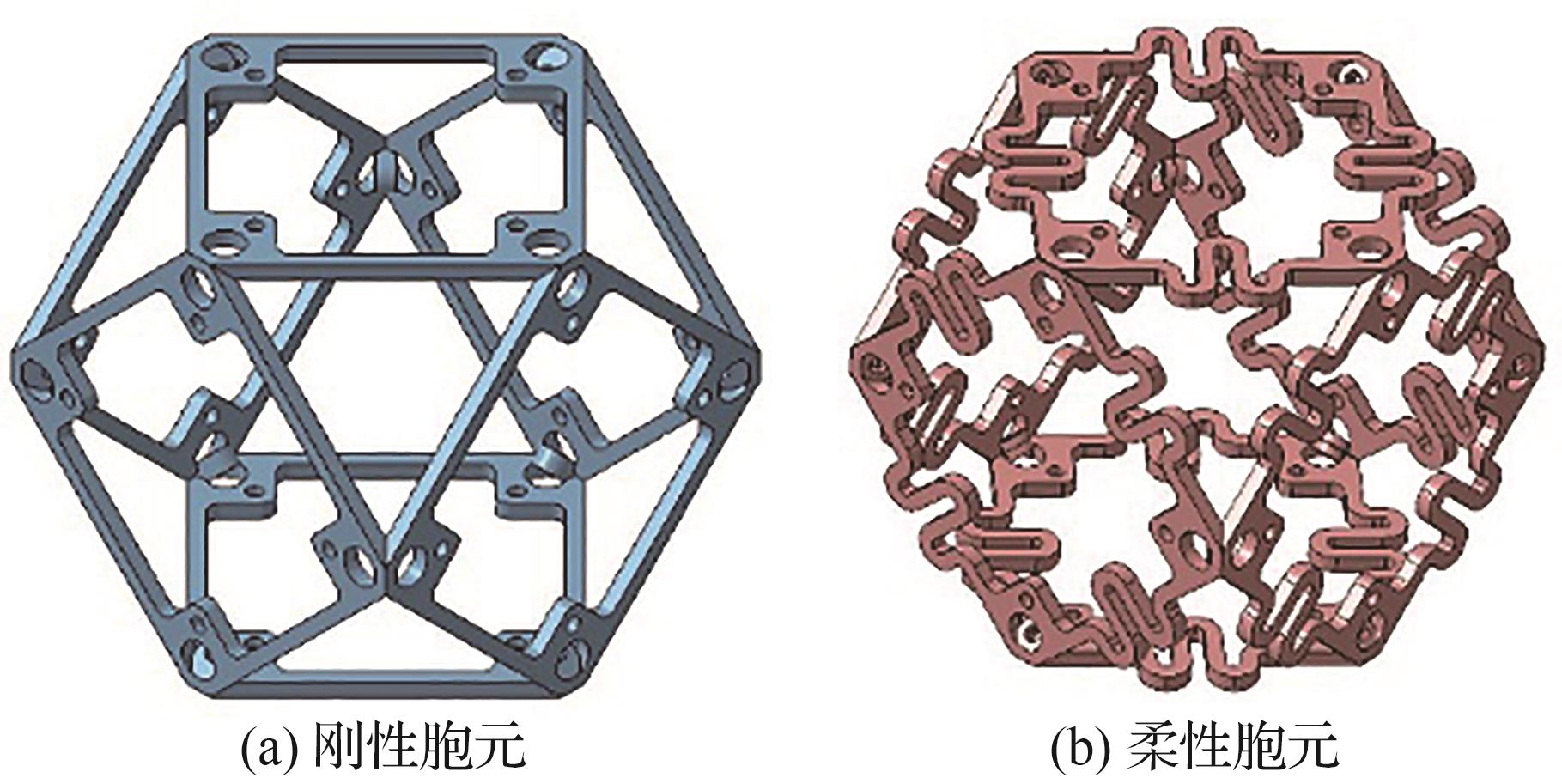
Fig.2
Active deformation cell design
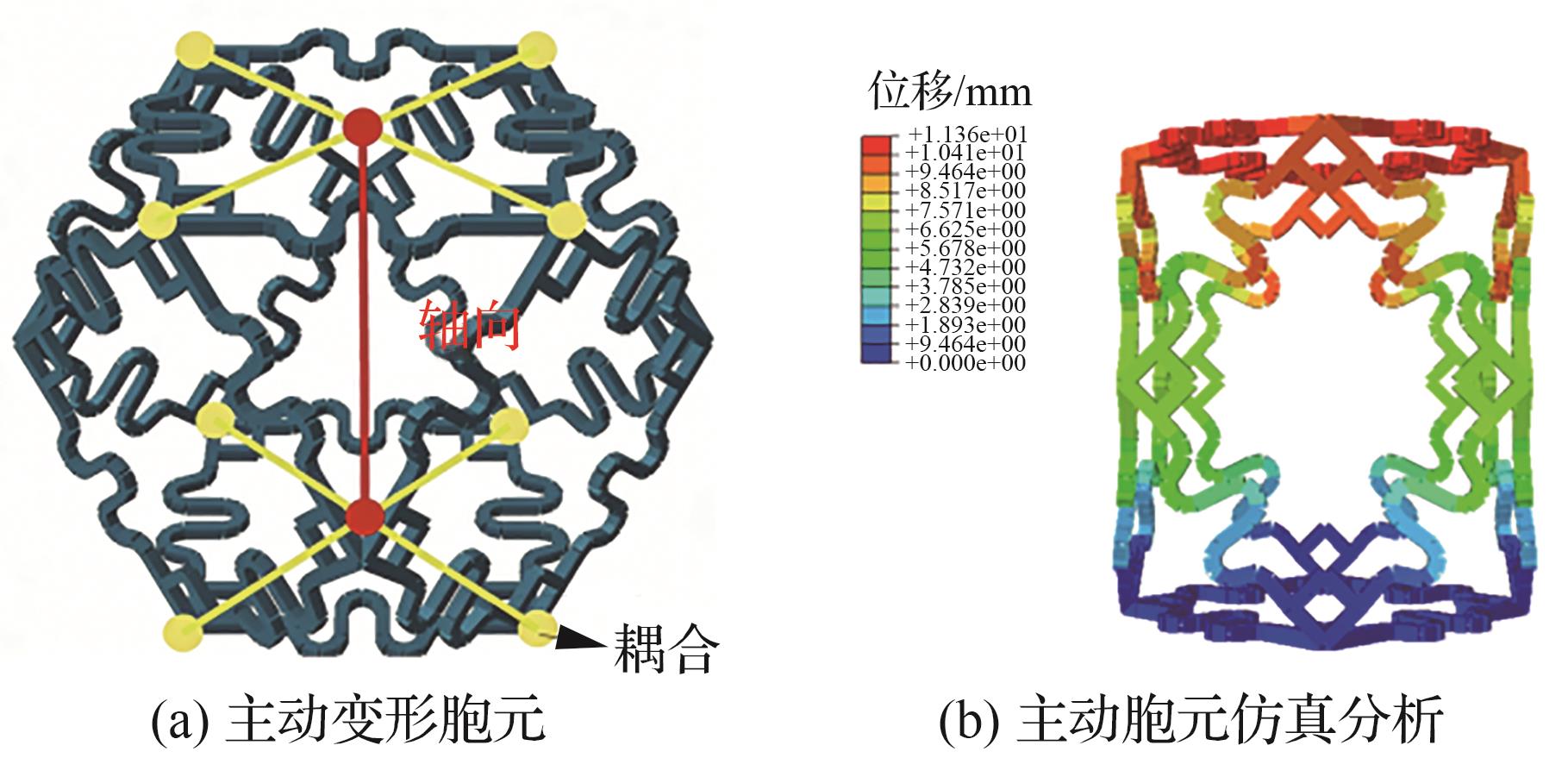
Fig.3
Application scenarios for active deformation lattice
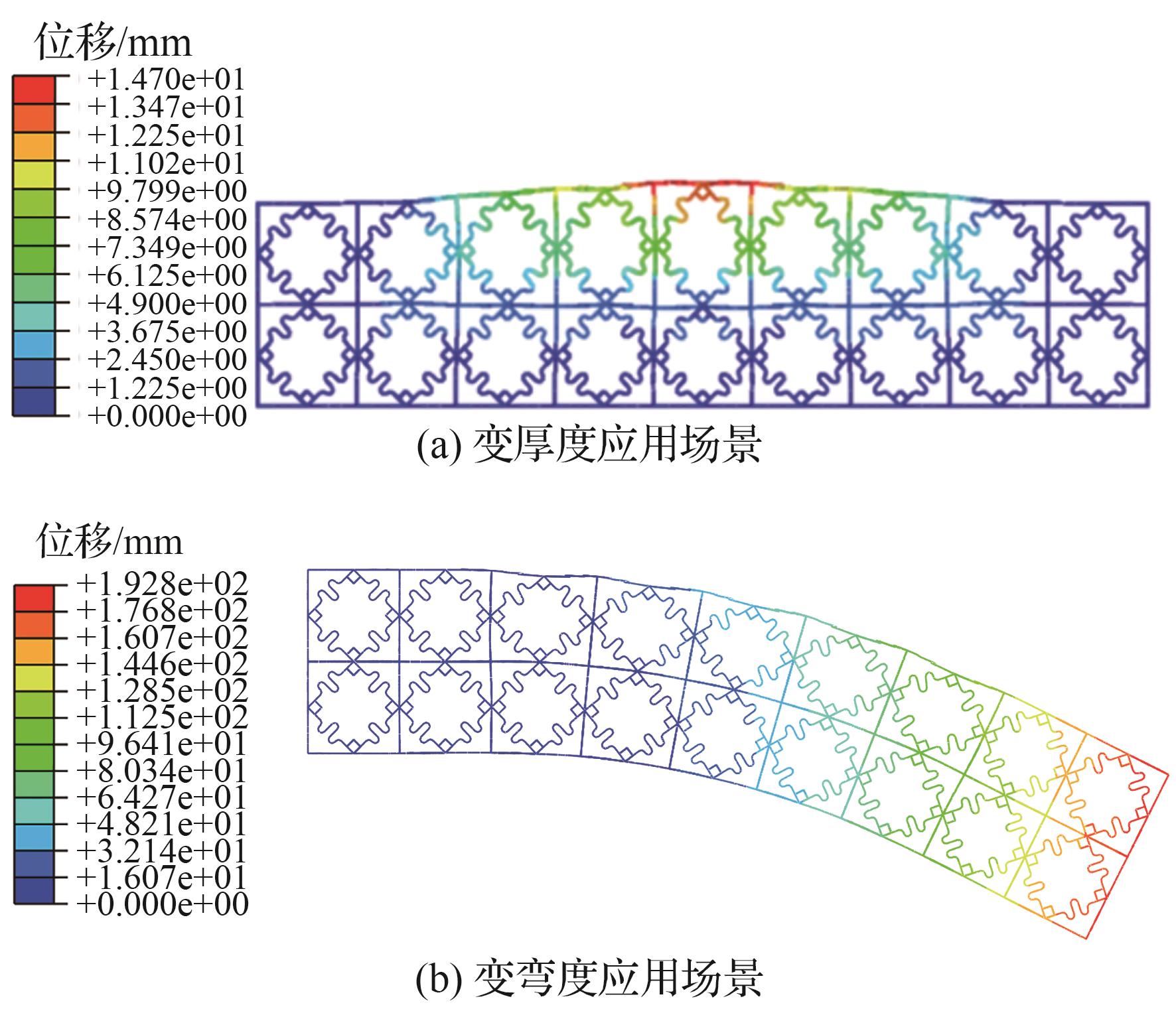
Fig.4
Transitional cell design
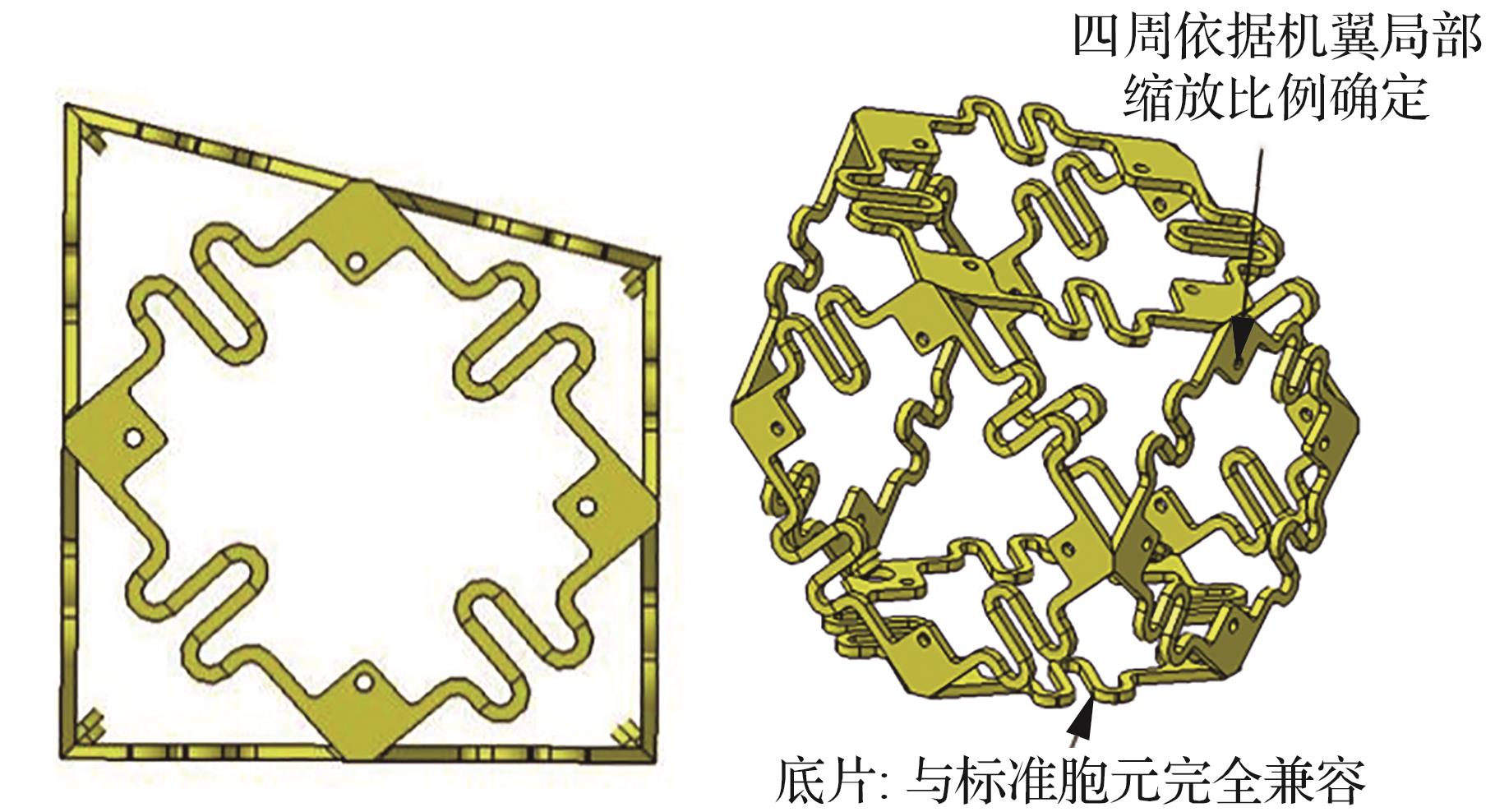
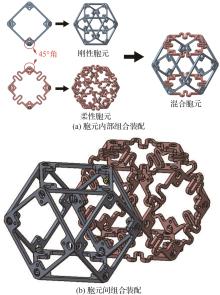
Fig.5
Reversible assembly method
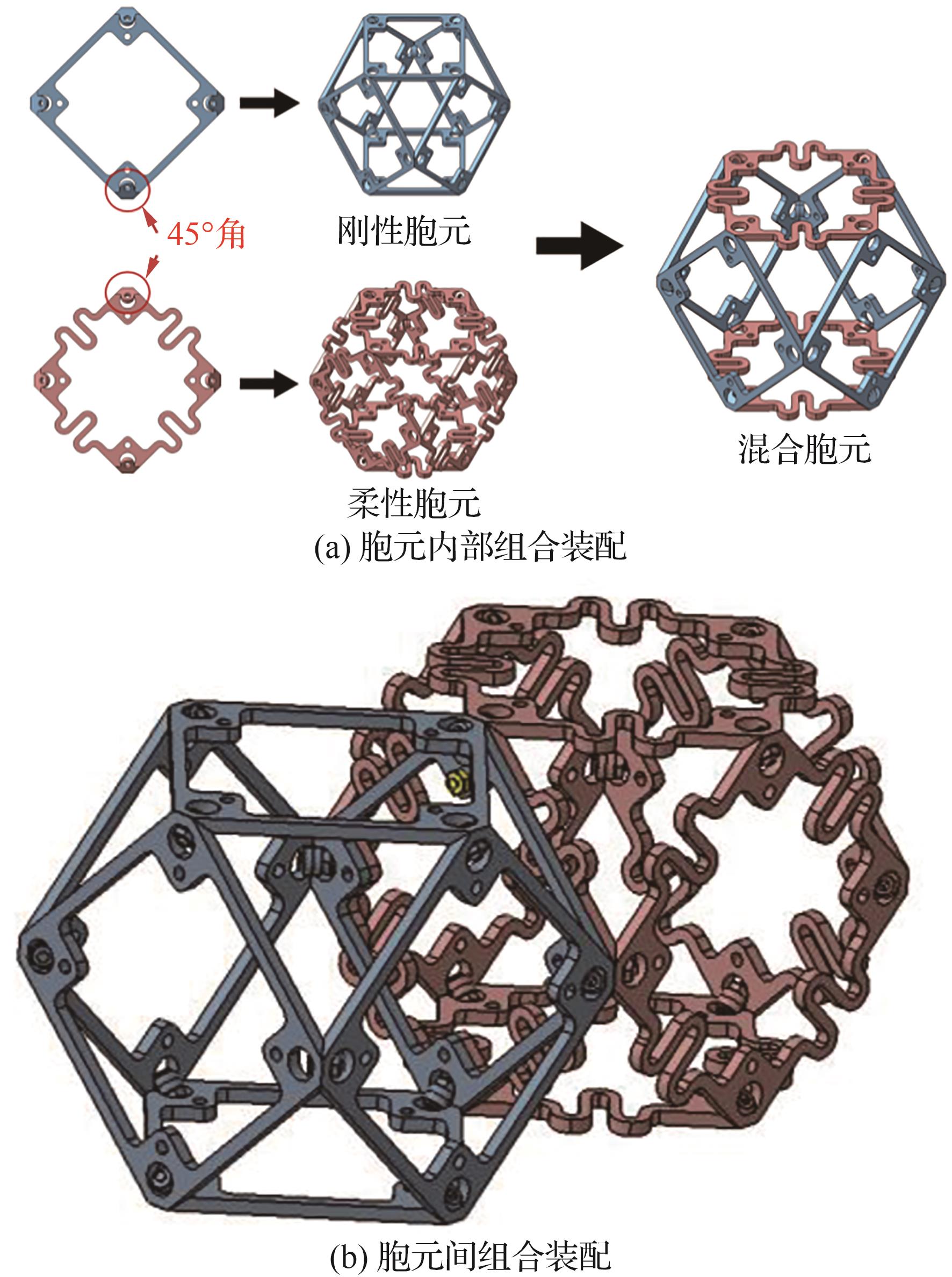

Fig.6
Initial airfoil

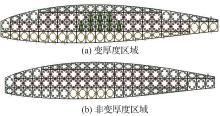
Fig.7
Arrangement of mechanical metamaterial wing layout sequence
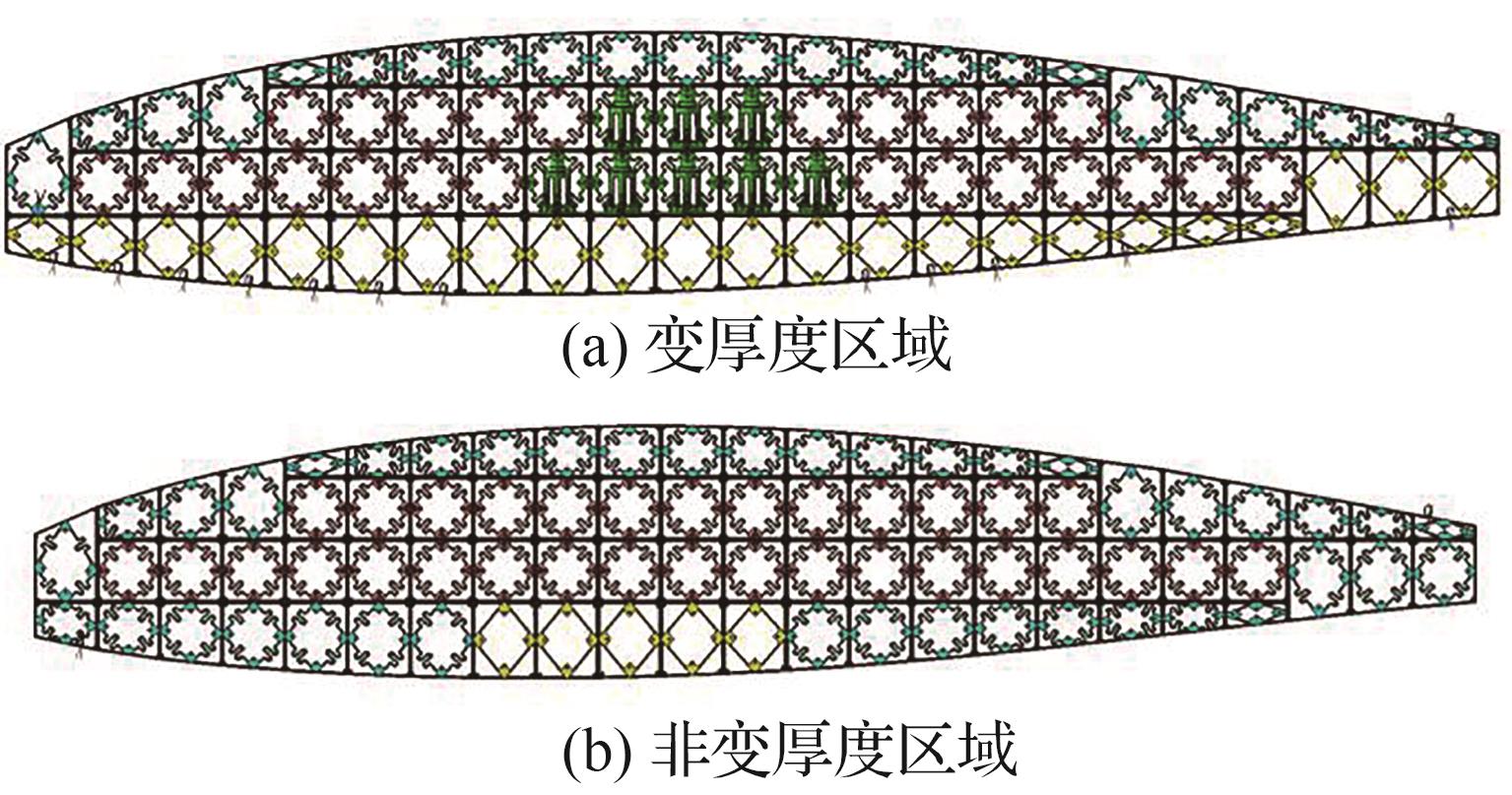
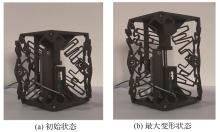
Fig.8
Schematic diagram of movement of active deformed cells
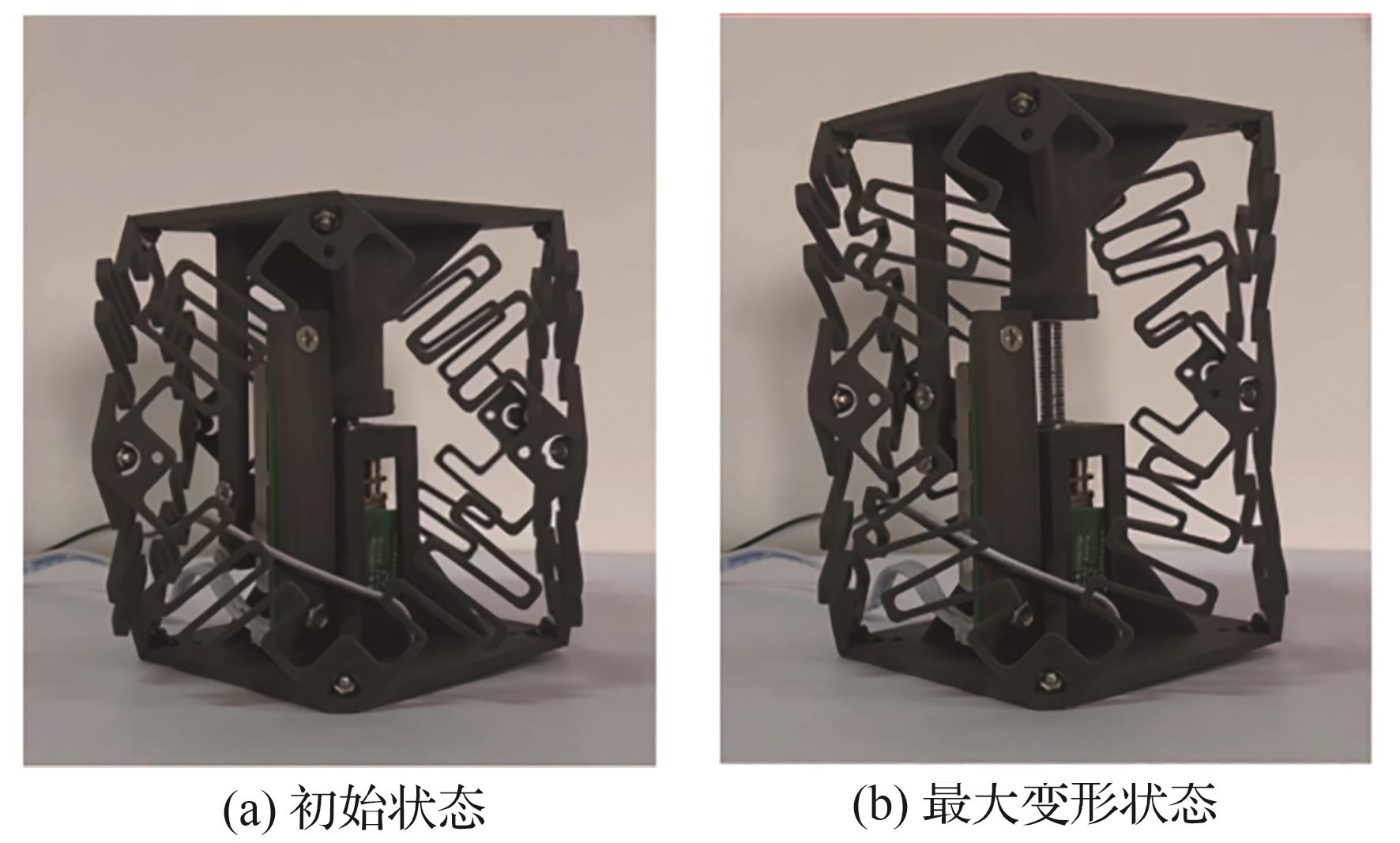
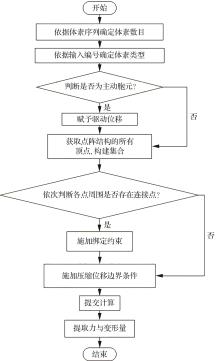
Fig.9
Parametric modeling method
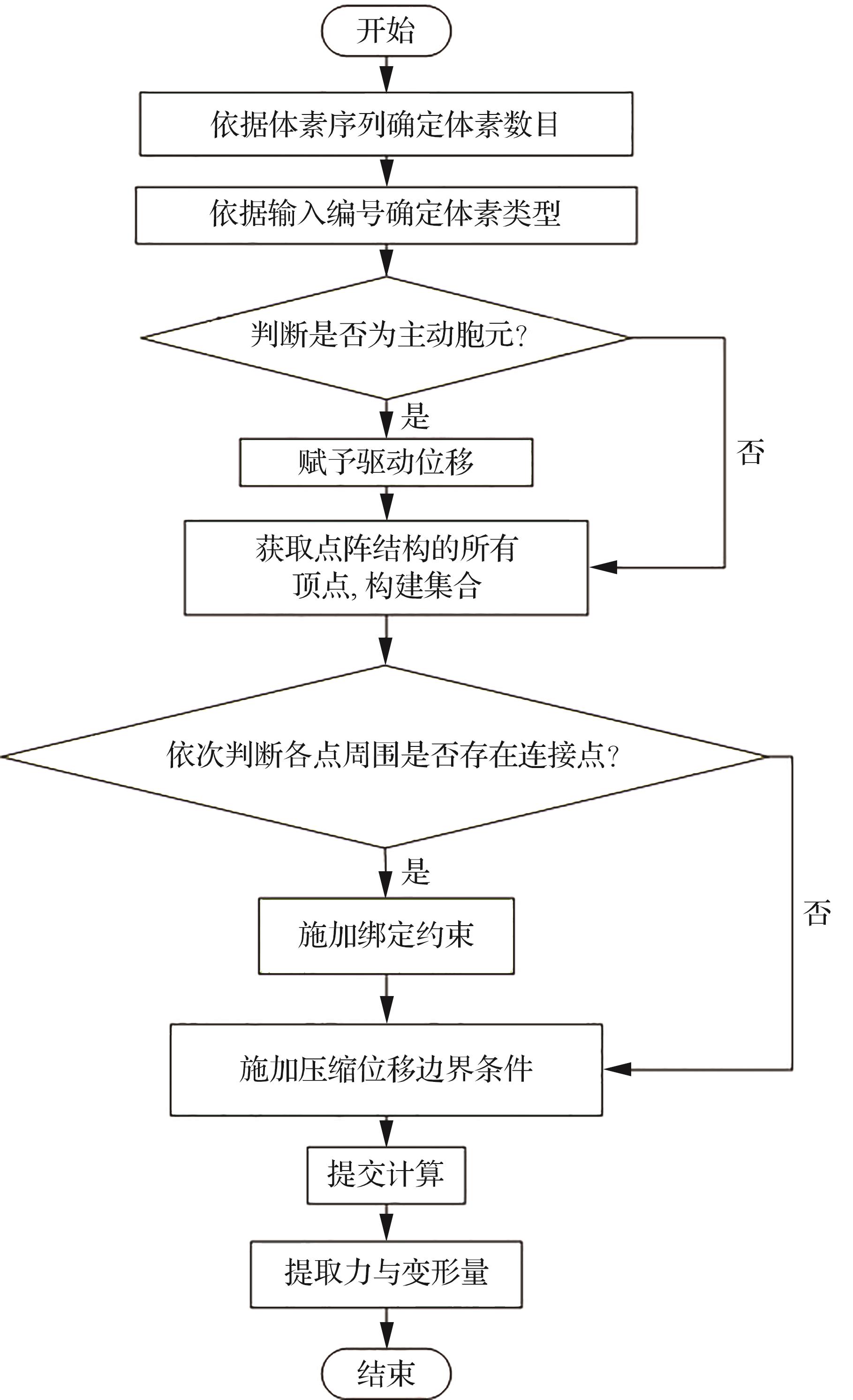
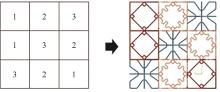
Fig.10
Mapping relationship between digital coding matrices and spatial configuration of model
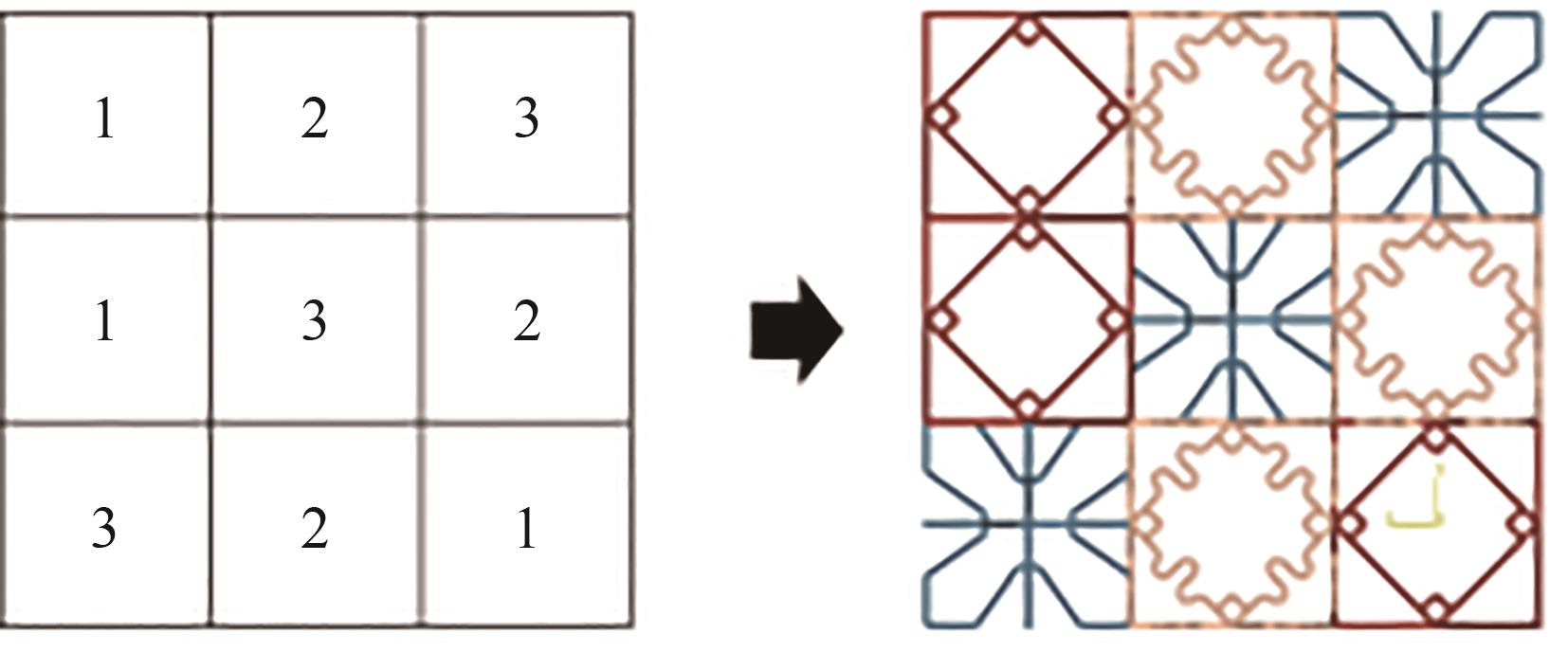
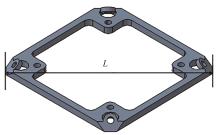
Fig.11
Lattice dimensions
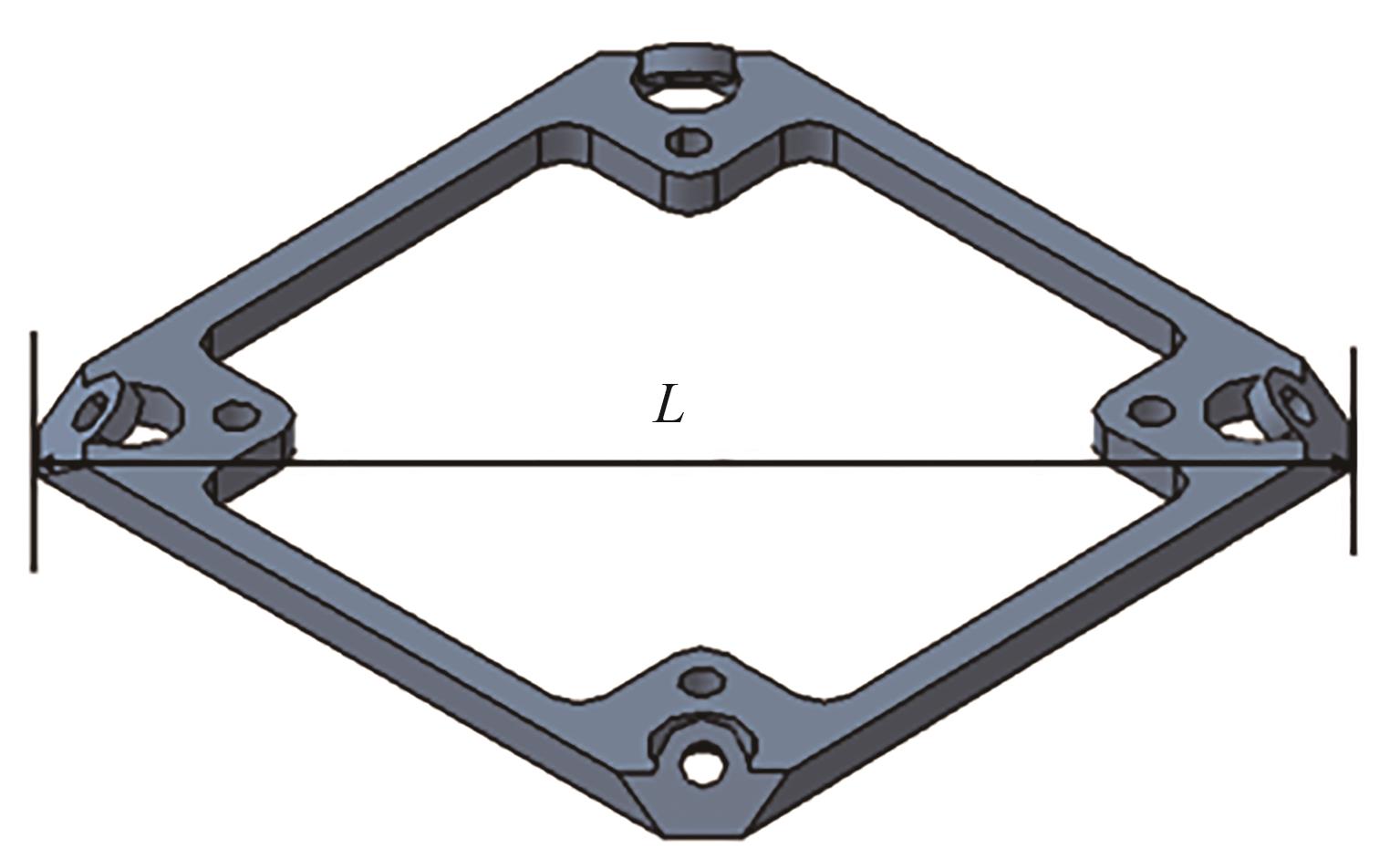
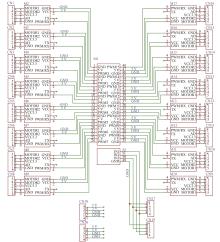
Fig.12
64-channel motor control system
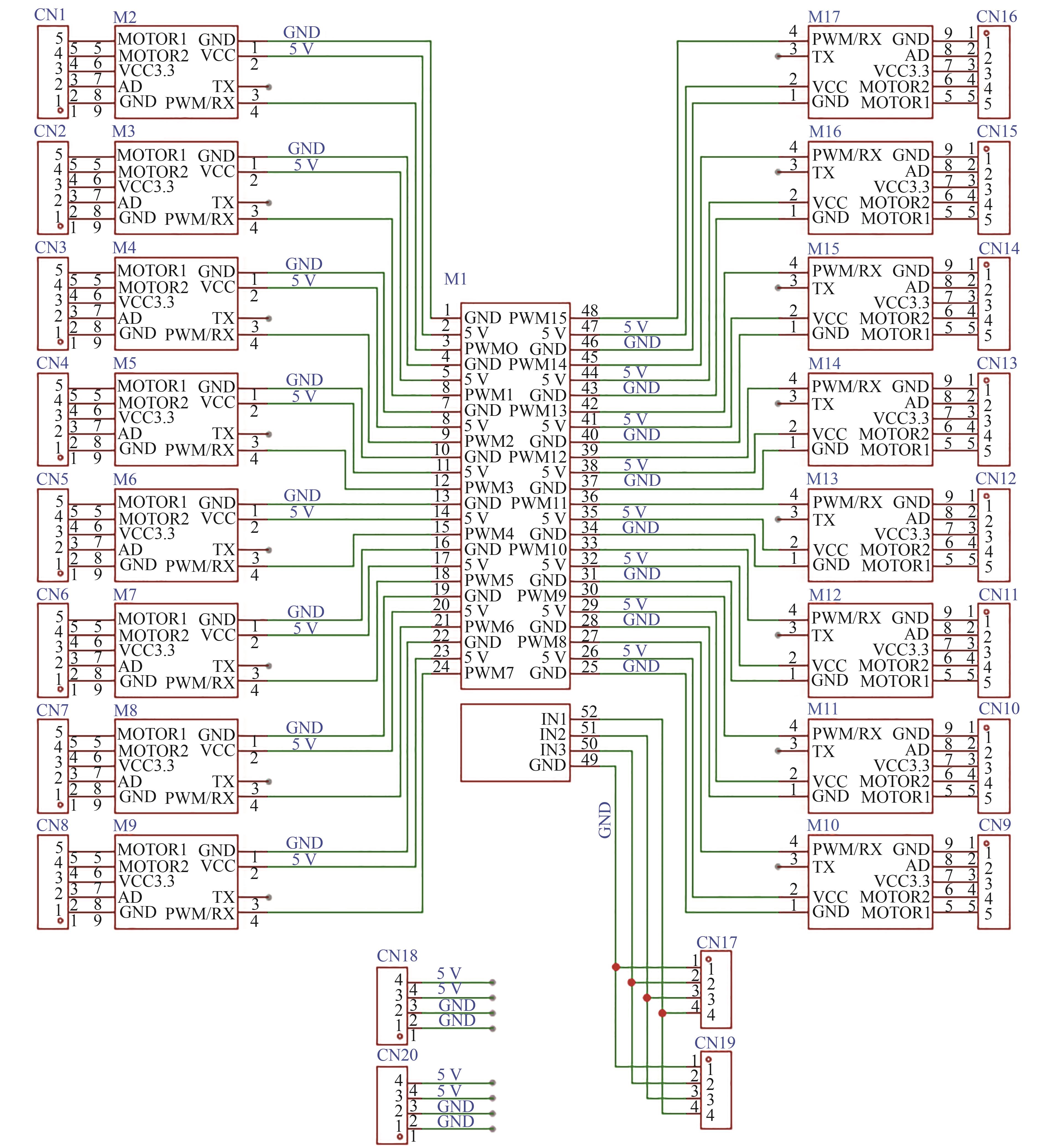
Fig.13
Schematic diagram of deformation in variable-thickness area
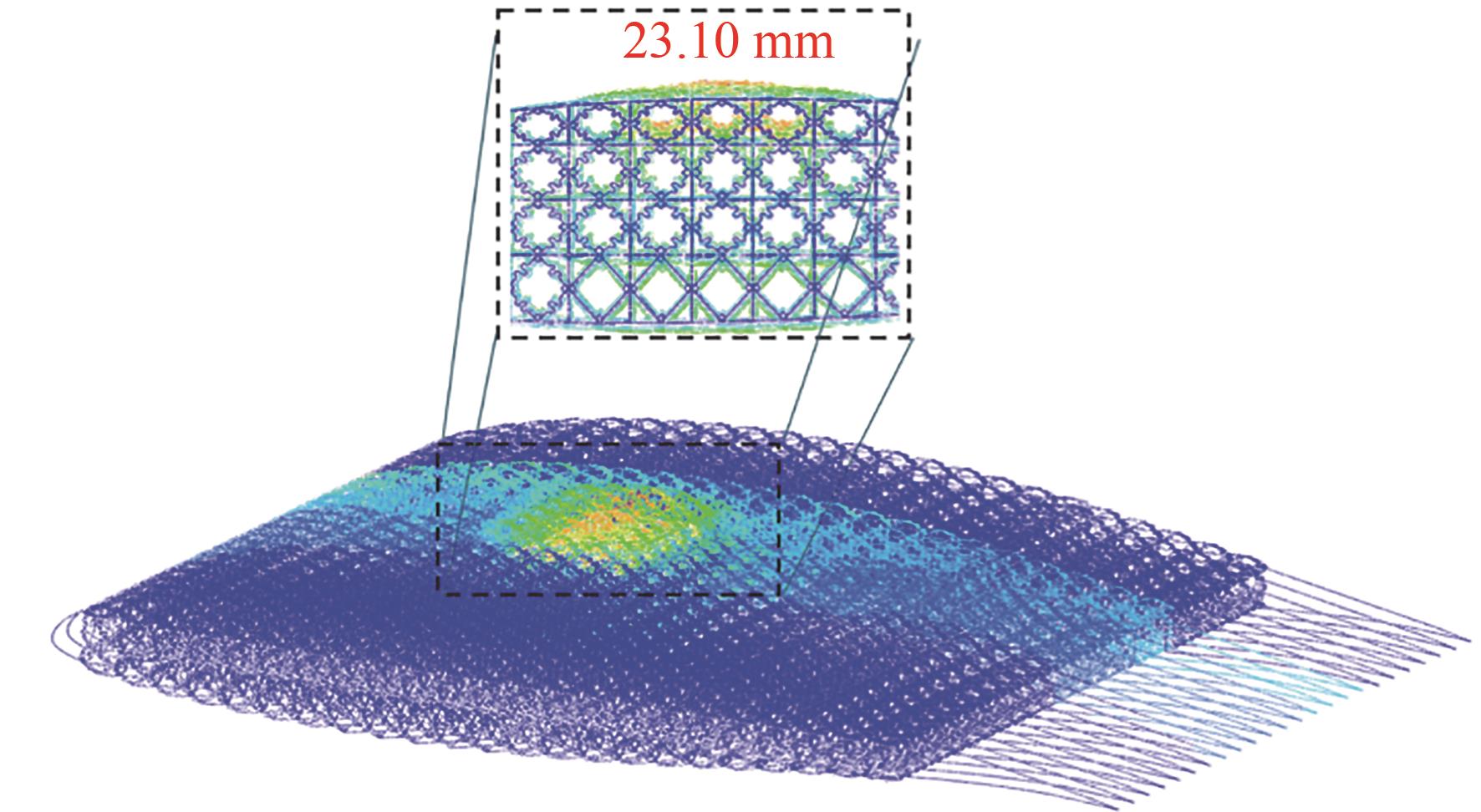
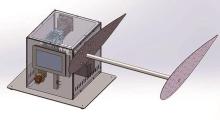
Fig.14
Position of drive rod
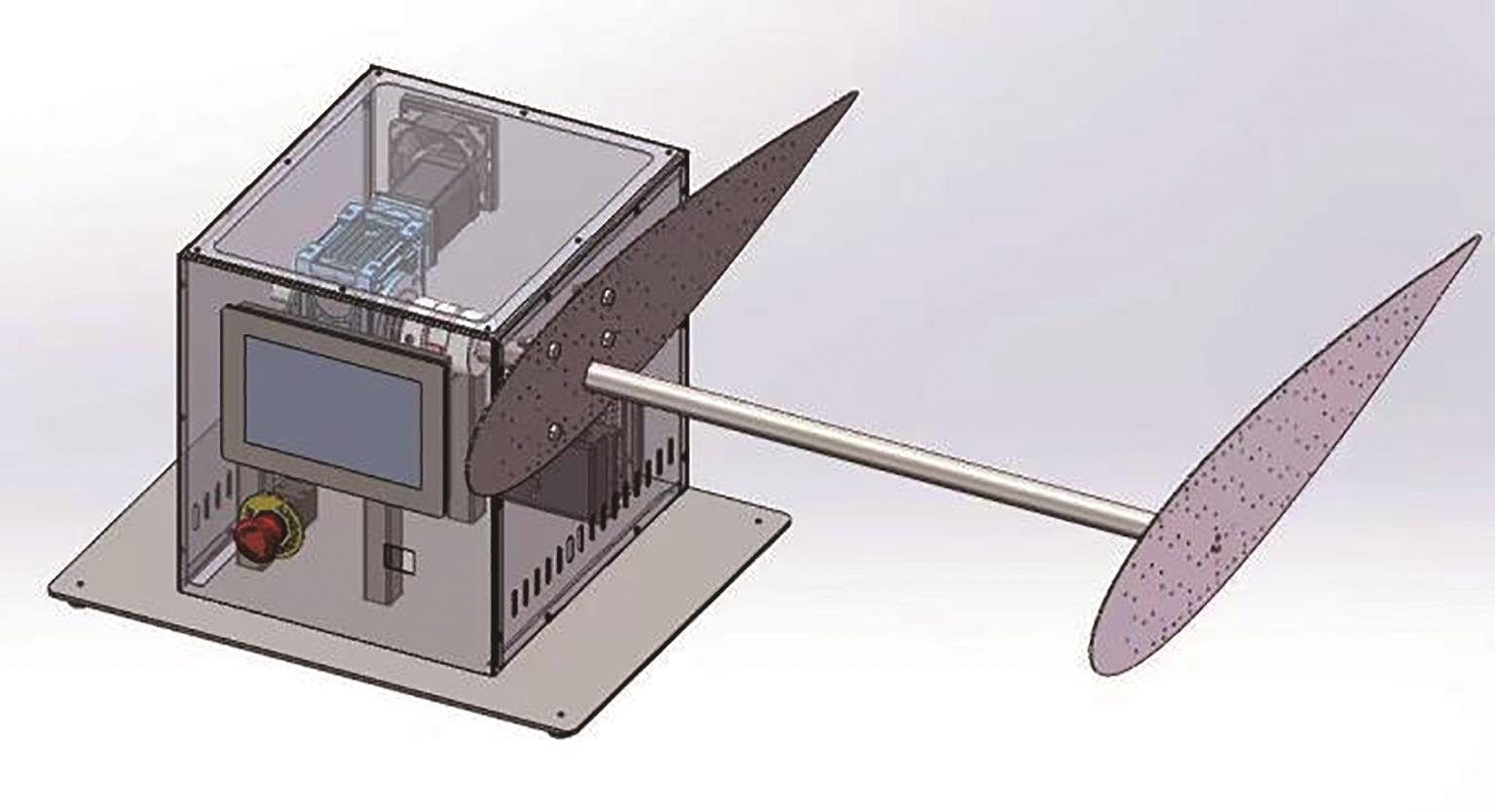
Fig.15
Schematic diagram of wing torsion
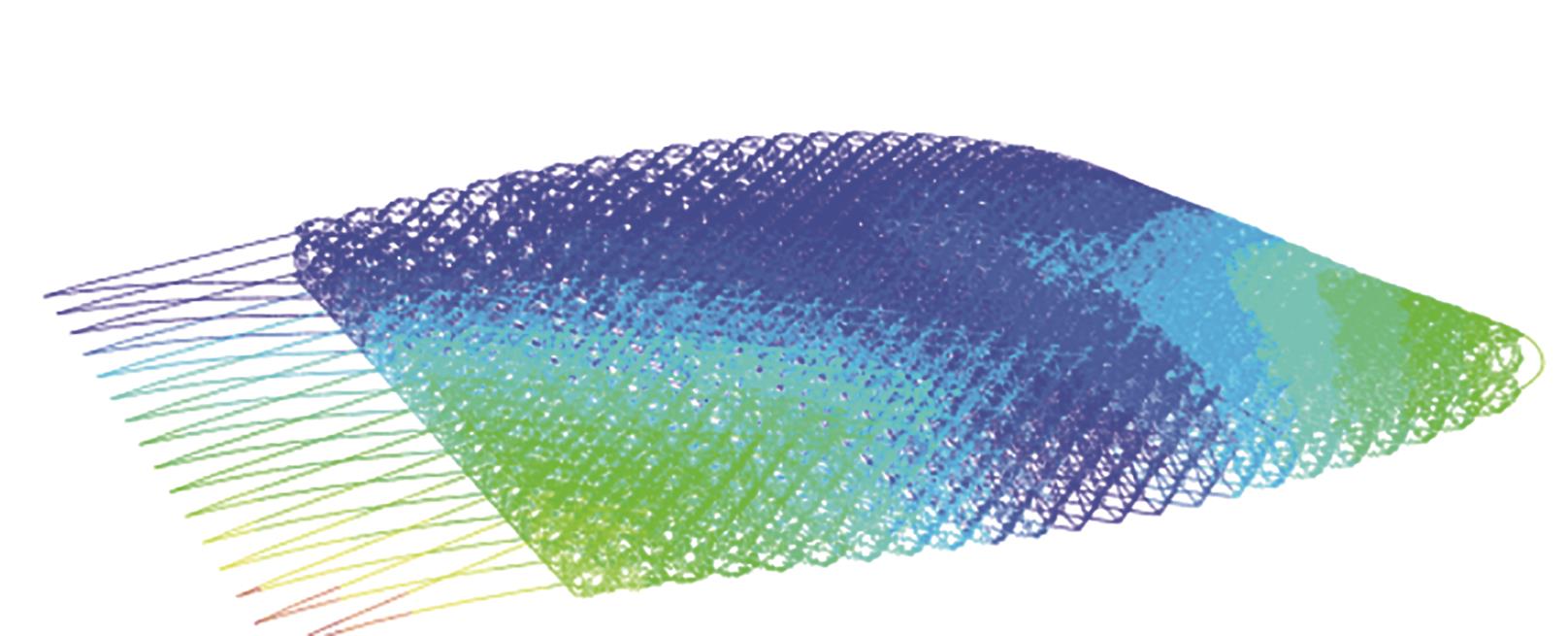
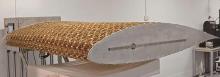
Fig.16
Full-lattice deformation wing sample with multi-mode modification
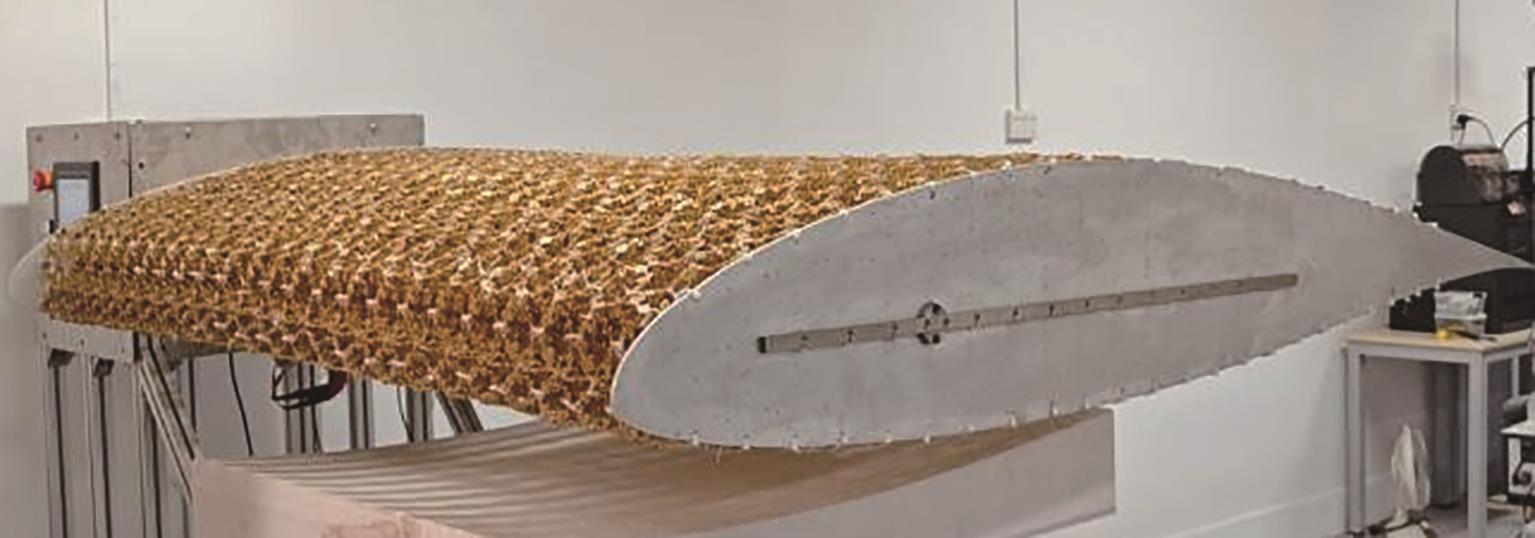
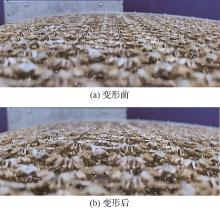
Fig.17
Experimental drawing of variable-thickness wing
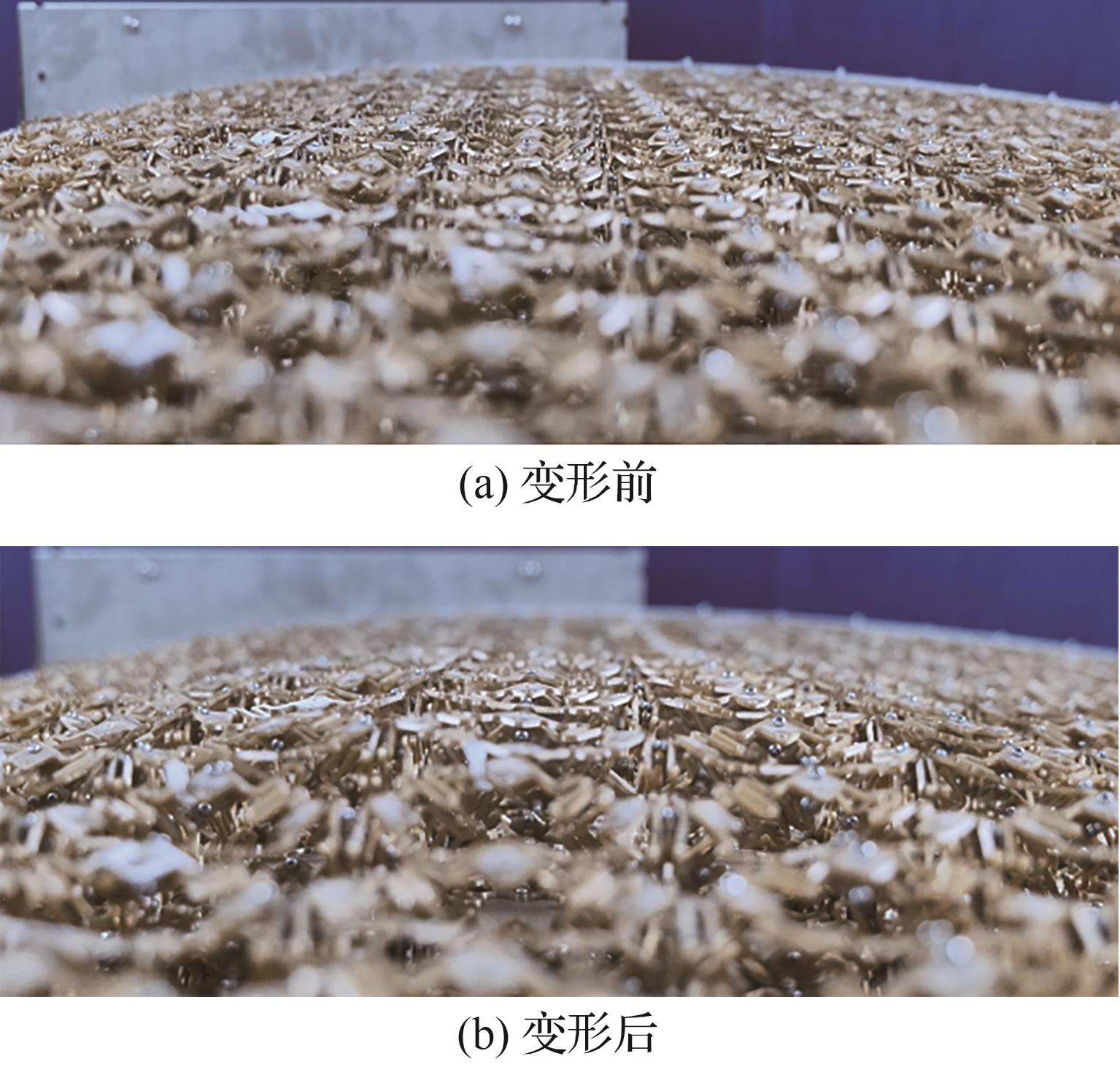
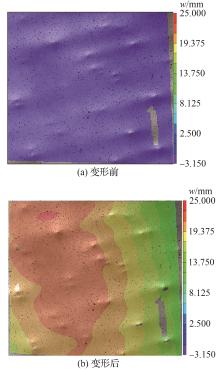
Fig.18
Displacement contour of wing structure with variable thickness
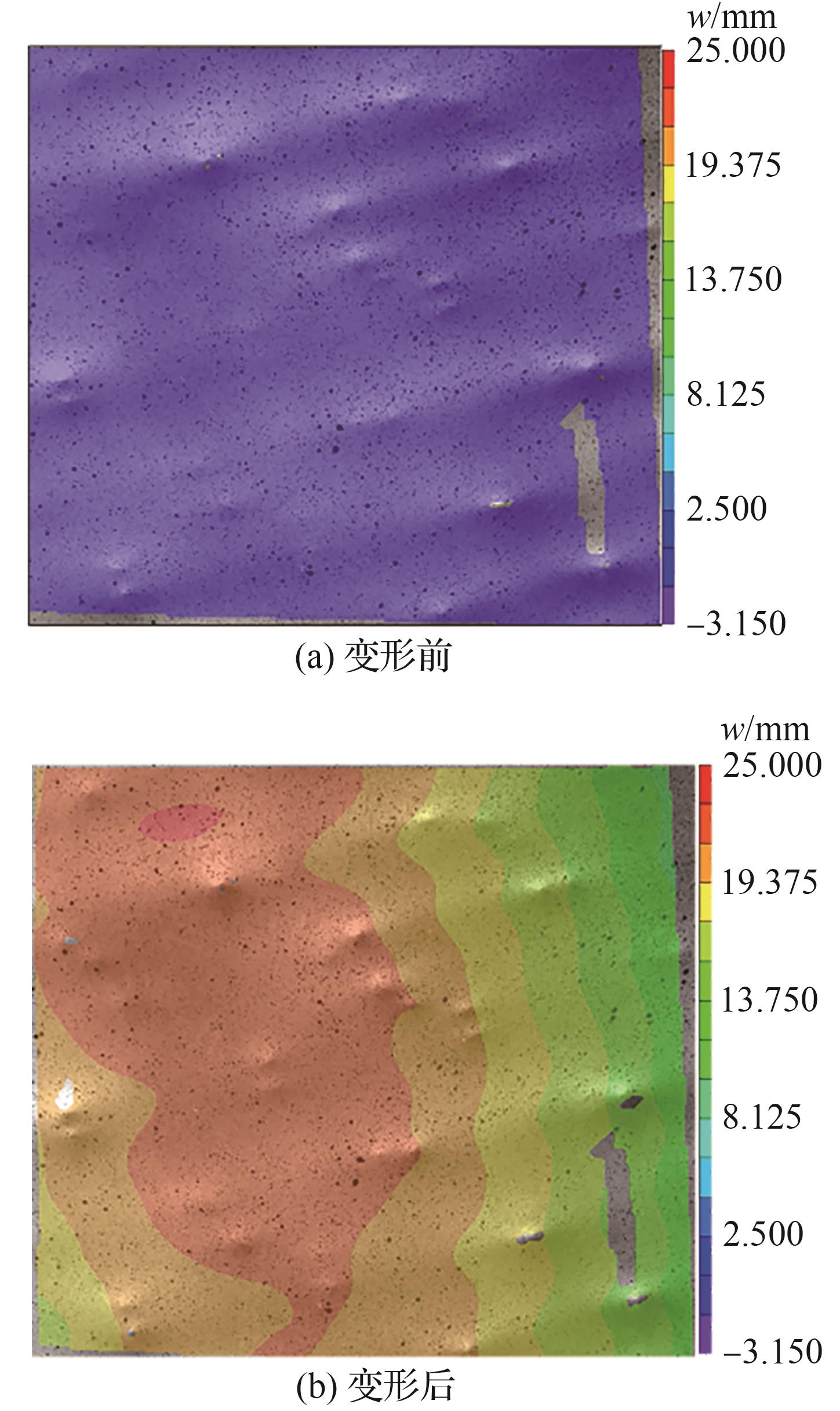
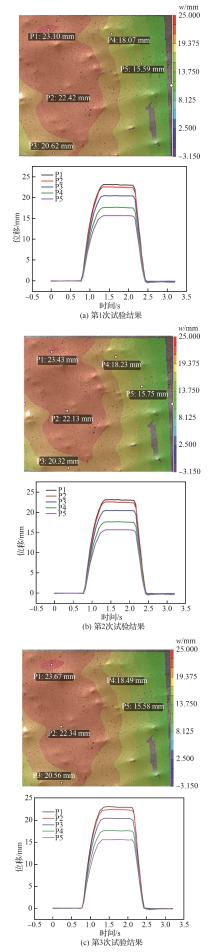
Fig.19
Deformation monitoring at different monitoring points
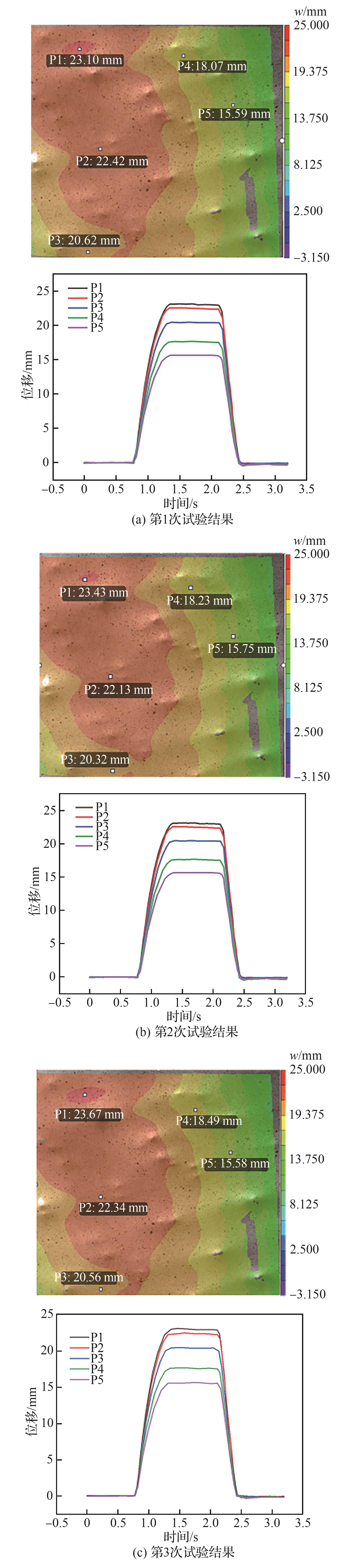

Table 1
Results of variable thickness experiments
| 结果 | 最大厚度变化量Δh/mm | 初始厚度h₀/mm | 厚度变化率 |
|---|---|---|---|
| 仿真分析 | 23.10 | 284.29 | 8.13 |
| 第1次试验 | 23.10 | 287.96 | 8.02 |
| 第2次试验 | 23.43 | 286.37 | 8.18 |
| 第2次试验 | 23.67 | 285.85 | 8.28 |
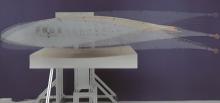
Fig.20
Wing torsion experiment
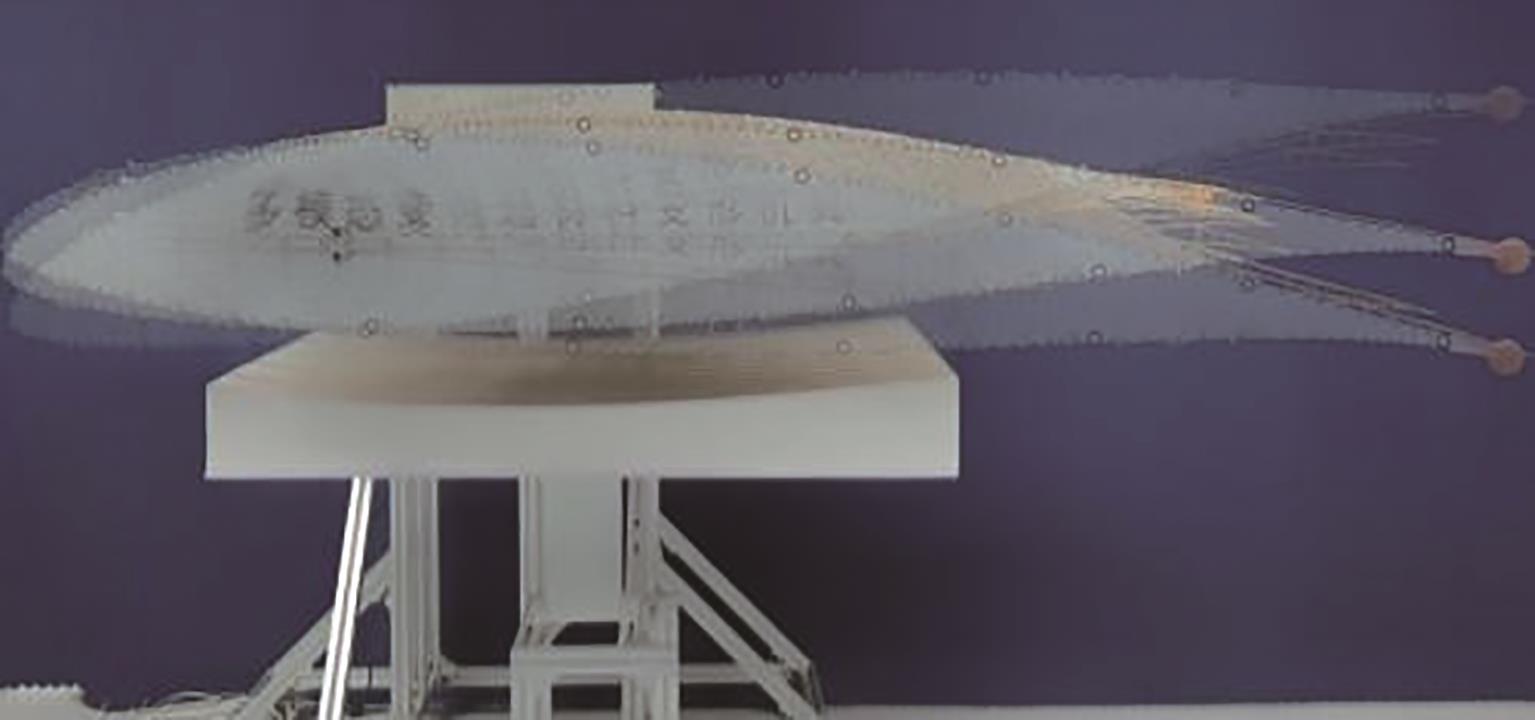
Table 2
Statistic of wing torsion experiment results
| 参数 | 上偏转角/(°) | 下偏转角/(°) | 控制精度误差/% |
|---|---|---|---|
| 重复性误差/% | 1.23 | 4.05 | |
| 目标值 | +12.0 | -9.0 | |
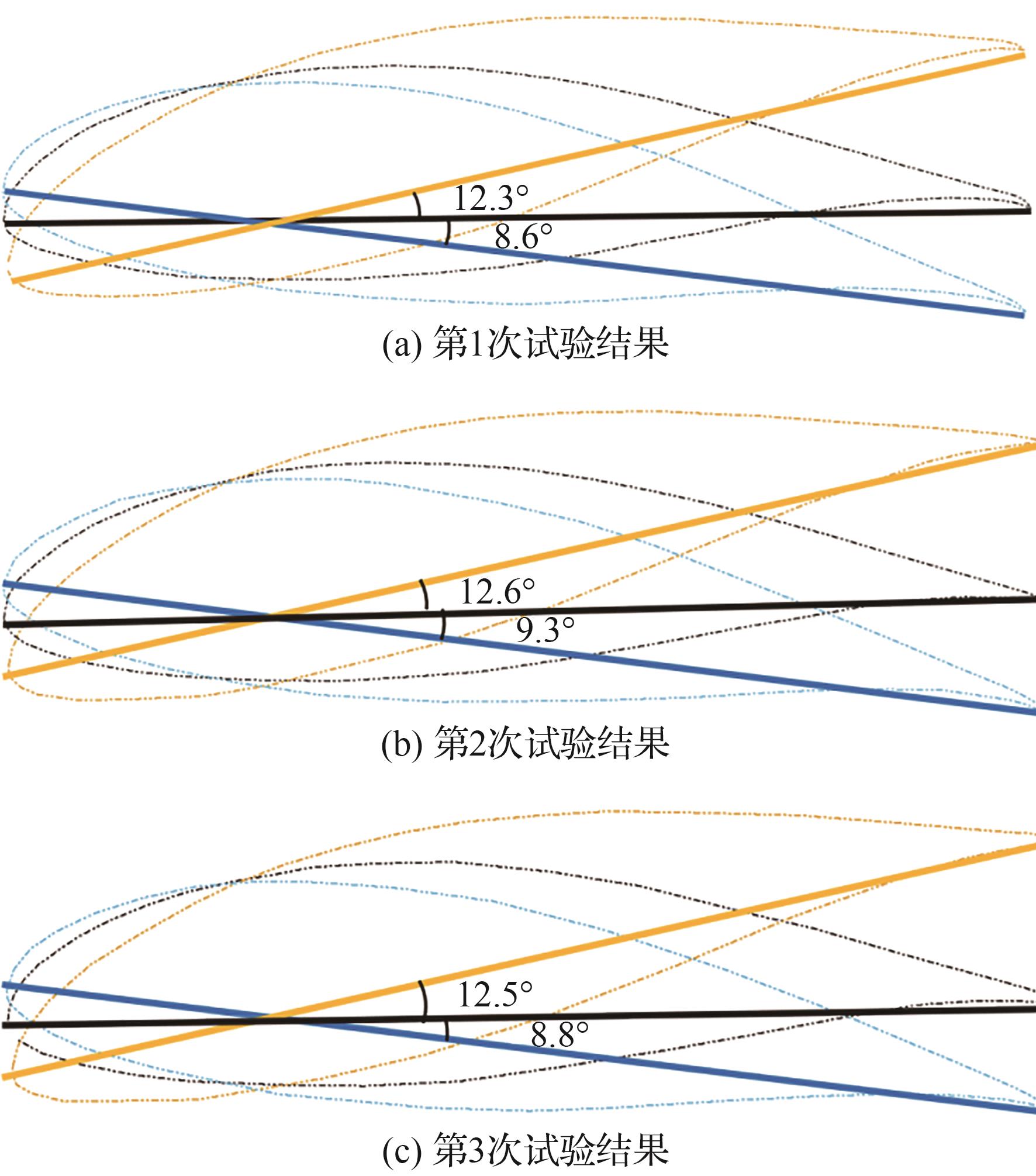
| 第1次试验 | +12.3 | -8.6 | <5 |
| 第2次试验 | +12.6 | -9.3 | <5 |
| 第3次试验 | +12.5 | -8.8 | <5 |
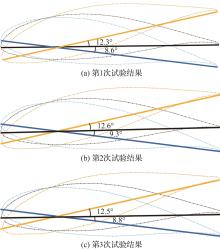
Fig.21
Extraction of torsional deformation results
| [1] |
李斌, 张泽南, 贾飞, 等. 变翼尖机翼技术研究现状与发展趋势[J]. 航空学报, 2024, 45(19): 030042.
|
|
|
|
| [2] |
陈树生, 贾苜梁, 刘衍旭, 等. 变体飞行器变形方式及气动布局设计关键技术研究进展[J]. 航空学报, 2024, 45(6): 629595.
|
|
|
|
| [3] |
|
| [4] |
|
| [5] |
|
| [6] |
|
| [7] |
|
| [8] |
|
| [9] |
|
| [10] |
|
| [11] |
|
| [12] |
|
| [13] |
|
| [14] |
|
| [15] |
|
| [16] |
|
| [17] |
|
| [18] |
|
| [19] |
|
| [20] |
|
| [21] |
PYO S,
|
| [22] |
|
| [23] |
|
| [24] |
|
| [25] |
|
| [26] |
|
| [27] |
|
| [28] |
|
| [29] |
|
| [30] |
|
| [31] |
|
| [32] |
|
| [33] |
|
| [34] |
|
| [35] |
|
| [36] |
|
| [37] |
吴琪, 杨宇, 芦奕菲, 等. 力学性能可调的可逆装配力学超材料性能表征[J]. 机械强度, 2025, 47(1): 92-106.
|
|
|
|
| [38] |
|
| [39] |
|
| [1] | ZHANG Ke, YUAN Shenfang, REN Yuanqiang, XU Yuesheng. Shape reconstruction of self-adaptive morphing wings’ fishbone based on inverse finite element method [J]. ACTA AERONAUTICAET ASTRONAUTICA SINICA, 2020, 41(8): 223617-223617. |
| [2] | WEN Zhuoqun, WANG Pengfei, ZHANG Yan, JIANG Yanfen. Vibration reduction technology of mechanical metamaterials presented to large scale structures [J]. ACTA AERONAUTICAET ASTRONAUTICA SINICA, 2018, 39(S1): 721651-721651. |
| Viewed | ||||||
|
Full text |
|
|||||
|
Abstract |
|
|||||
Address: No.238, Baiyan Buiding, Beisihuan Zhonglu Road, Haidian District, Beijing, China
Postal code : 100083
E-mail:hkxb@buaa.edu.cn
Total visits: 6658907 Today visits: 1341All copyright © editorial office of Chinese Journal of Aeronautics
All copyright © editorial office of Chinese Journal of Aeronautics
Total visits: 6658907 Today visits: 1341

 CJA
CJA
