Acta Aeronautica et Astronautica Sinica ›› 2025, Vol. 46 ›› Issue (13): 532155.doi: 10.7527/S1000-6893.2025.32155
• Articles • Previous Articles
Qi ZHU1, Jingping SHI1, Yiwei ZHANG2, Xiaobo QU1, Yongxi LYU1( )
)
Received:2025-04-24
Revised:2025-04-27
Accepted:2025-05-13
Online:2025-05-21
Published:2025-05-19
Contact:
Yongxi LYU
E-mail:yongxilyu@nwpu.edu.cn
Supported by:CLC Number:
Qi ZHU, Jingping SHI, Yiwei ZHANG, Xiaobo QU, Yongxi LYU. A high-precision transition trajectory optimization and control method for shipborne VTOL aircraft[J]. Acta Aeronautica et Astronautica Sinica, 2025, 46(13): 532155.
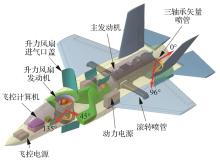
Fig.1
Model of shipborne VTOL aircraft
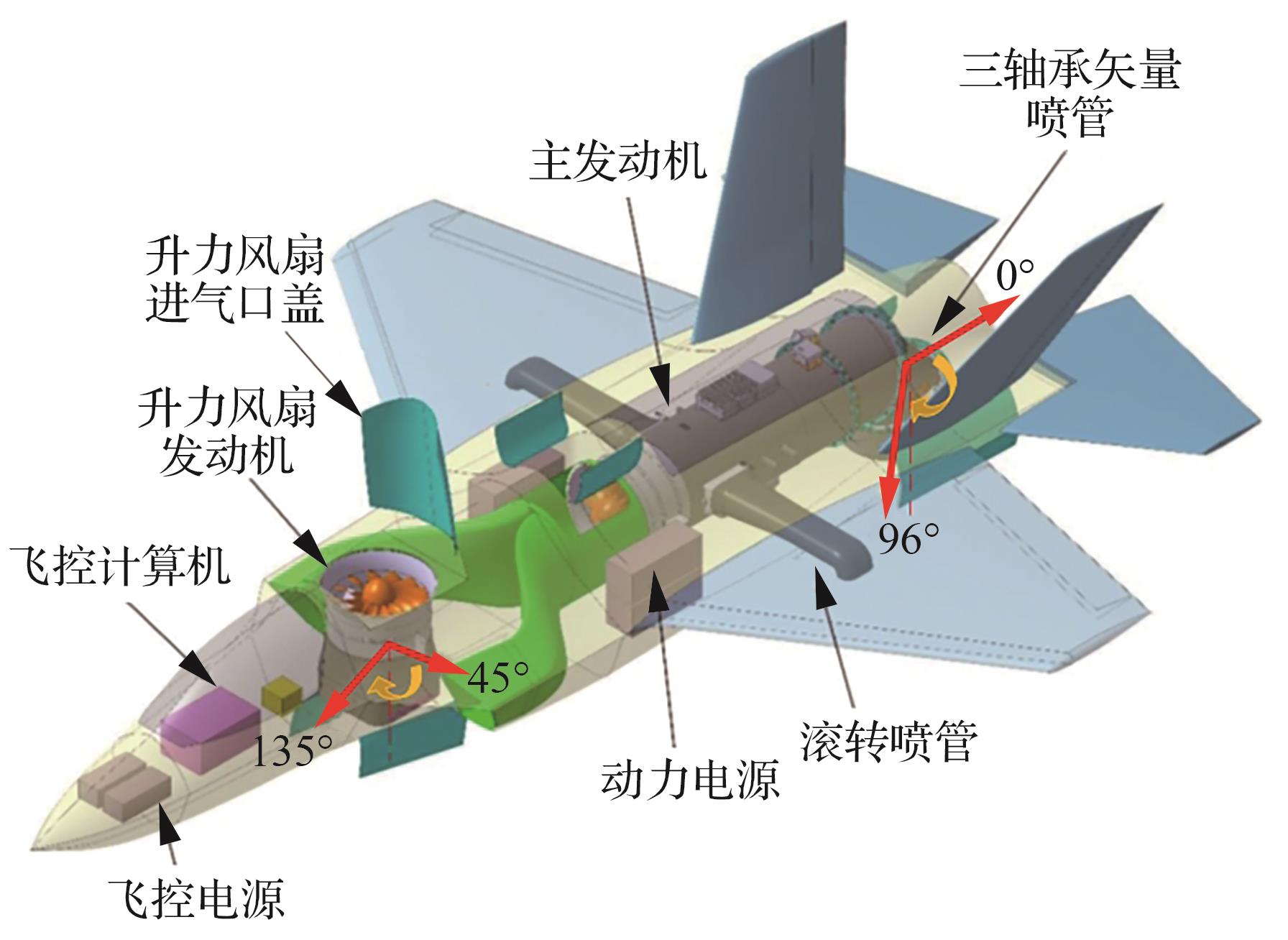

Table 1
Main parameters of aircraft
| 参数 | 数值 |
|---|---|
| 飞机质量/kg | 28 |
| 机身长度/m | 2.27 |
| 机身高度/m | 0.531 |
| 翼展长度/m | 1.71 |
| 机翼面积/m2 | 1.118 |
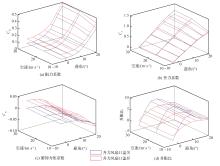
Fig.2
Aerodynamic coefficient of LF cover open and close
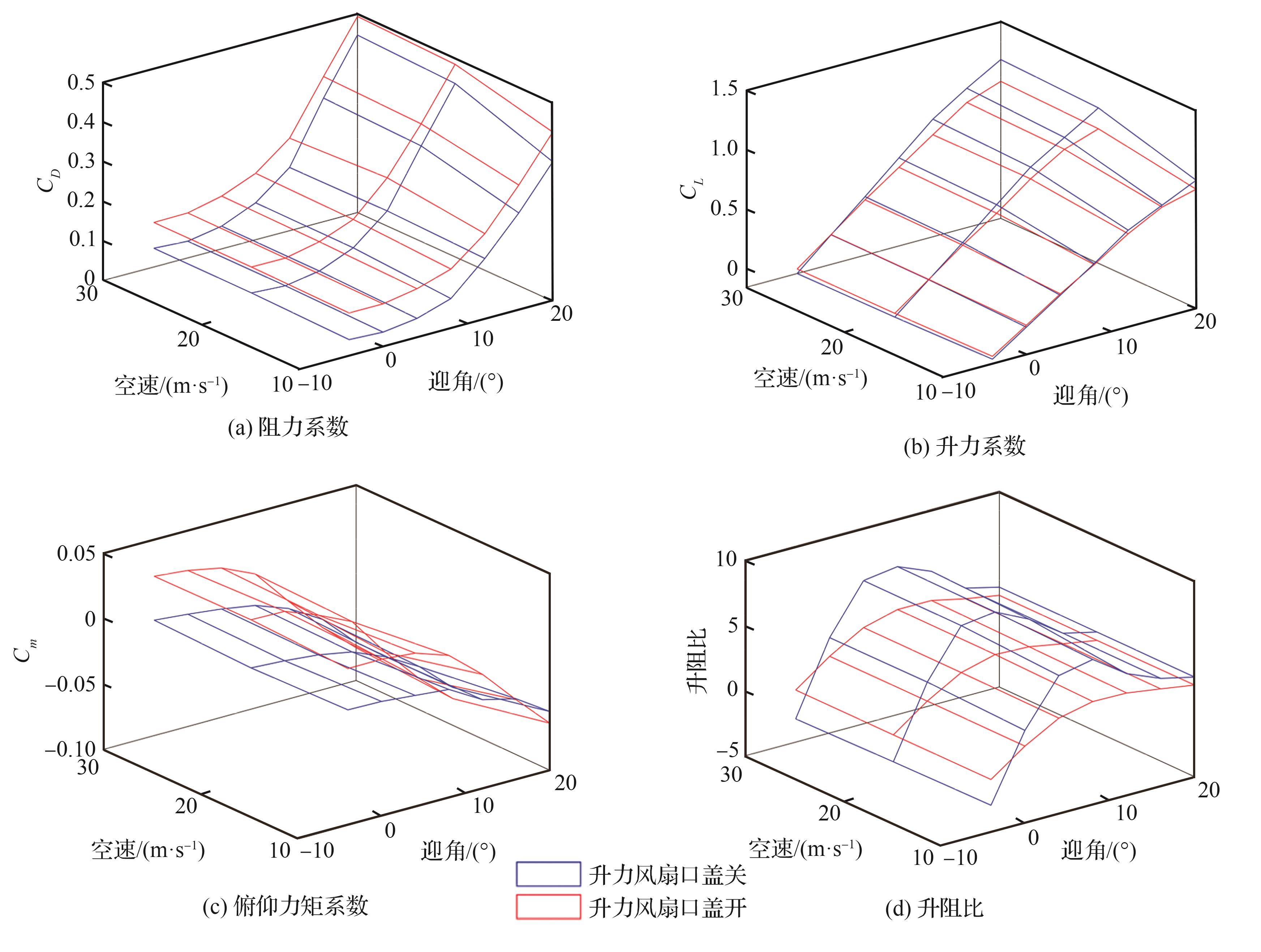
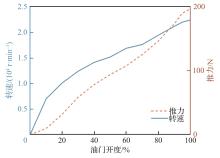
Fig.3
Relationship between PLA, revolutions and thrust
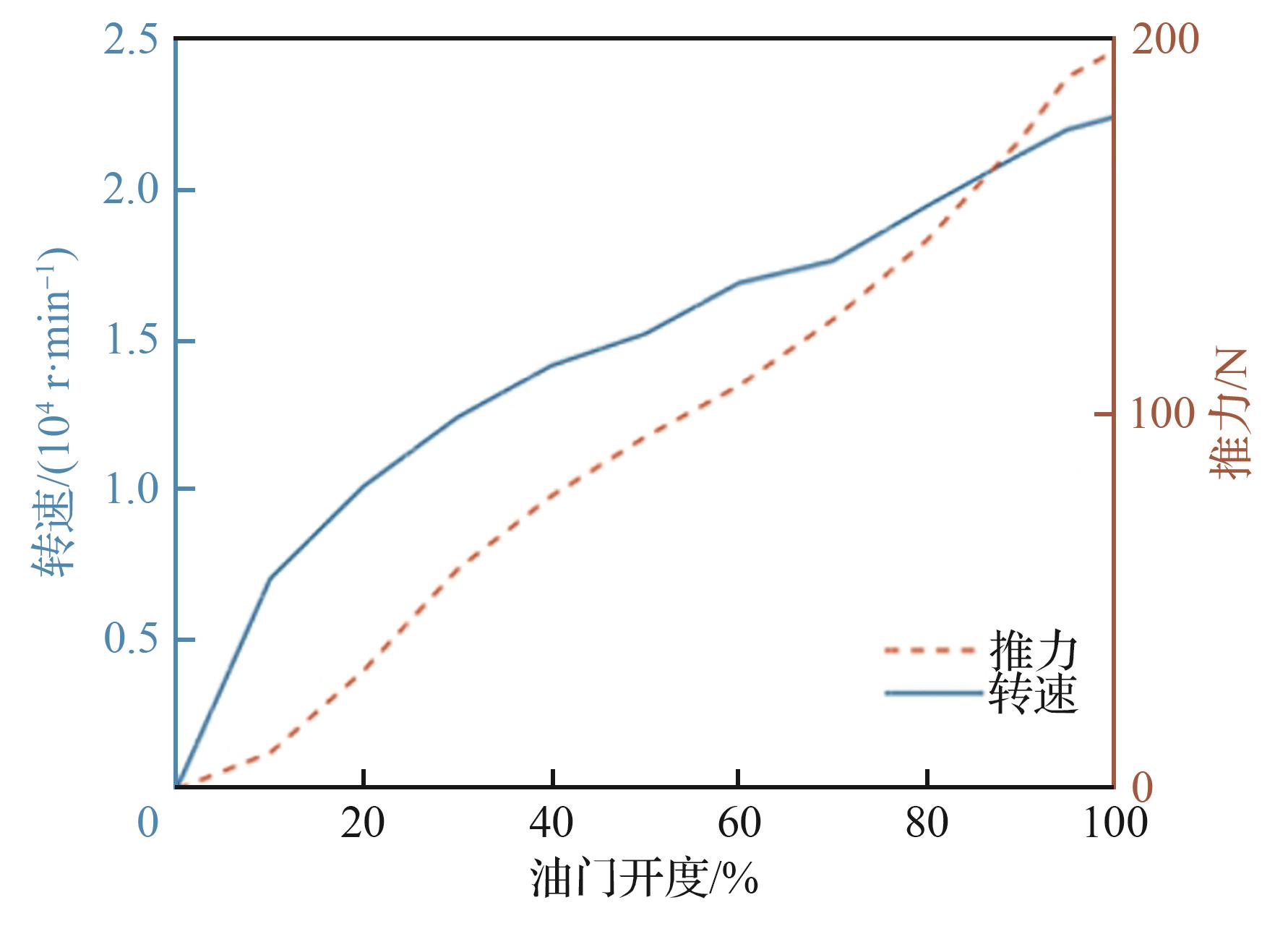
Table 2
Amplitude and velocity limits of actuators
| 作动器 | 幅值限制 | 速率限制 |
|---|---|---|
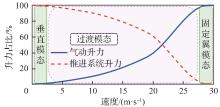
Fig.4
Lift proportion of propulsion and aerodynamic
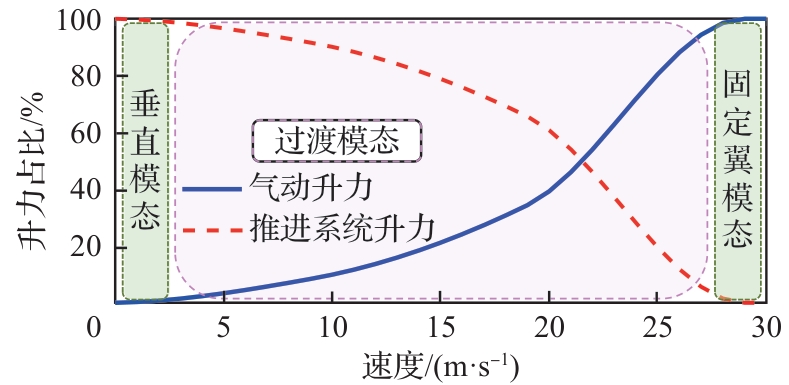
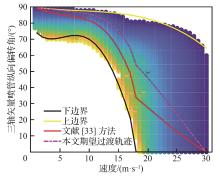
Fig.5
Transition corridor and expected “velocity-3BSD deflection” relationship curve
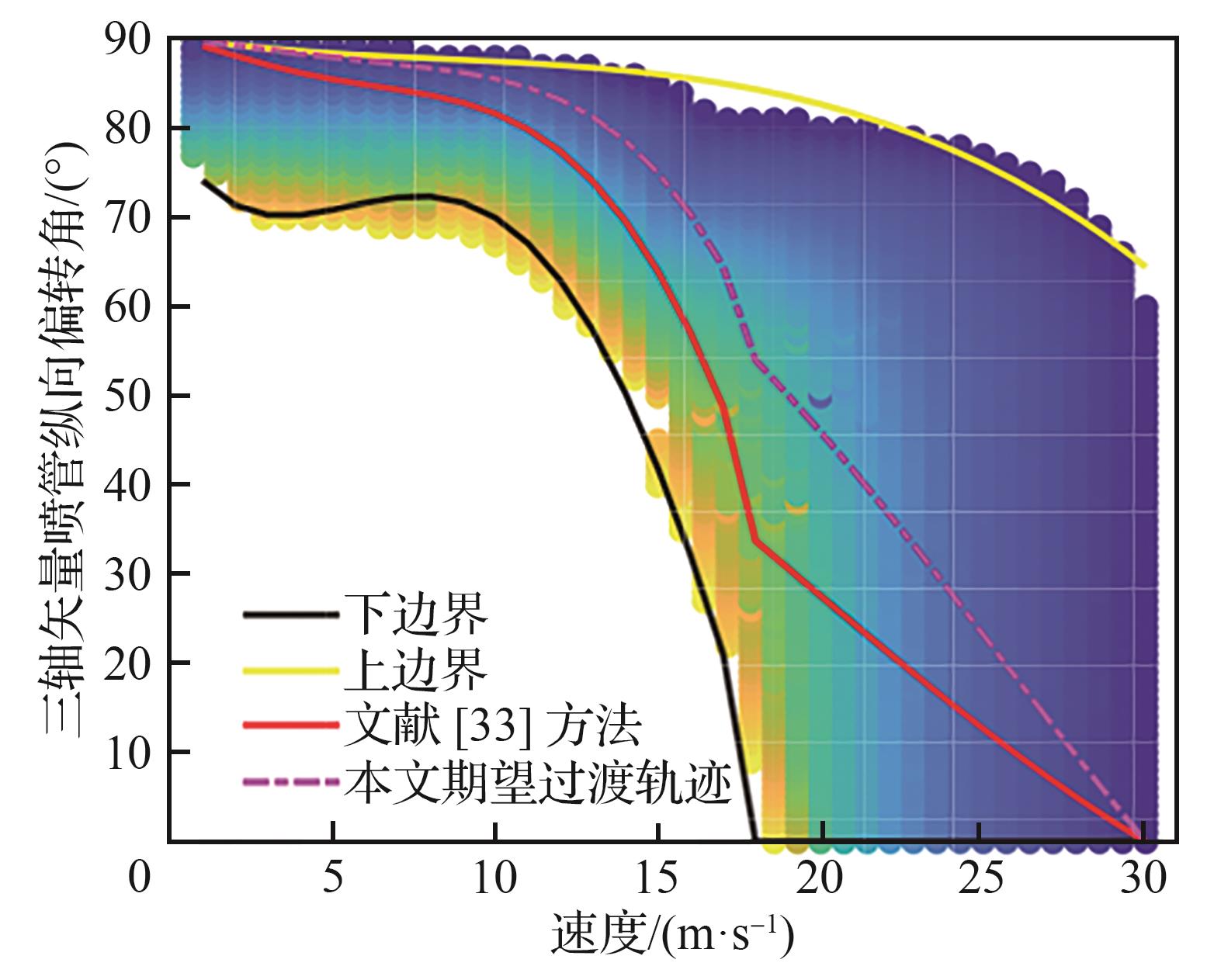
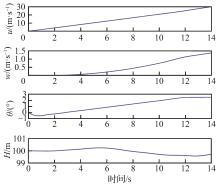
Fig.6
Optimal transition trajectory state variables for VTOL carrier aircraft
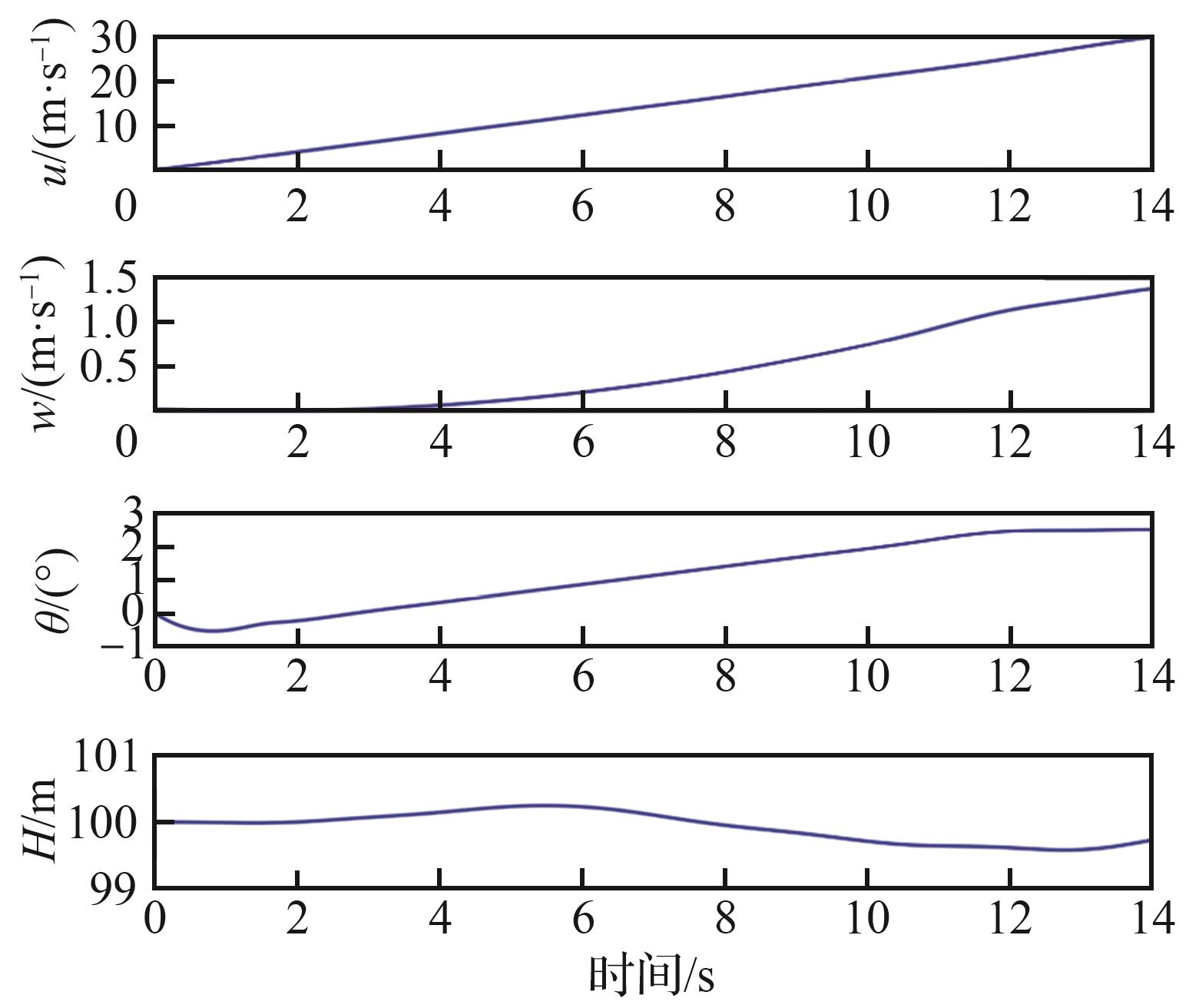
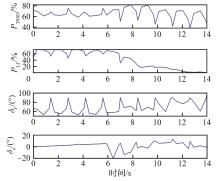
Fig.7
Optimal transition trajectory control quantity for VTOL carrier aircraft
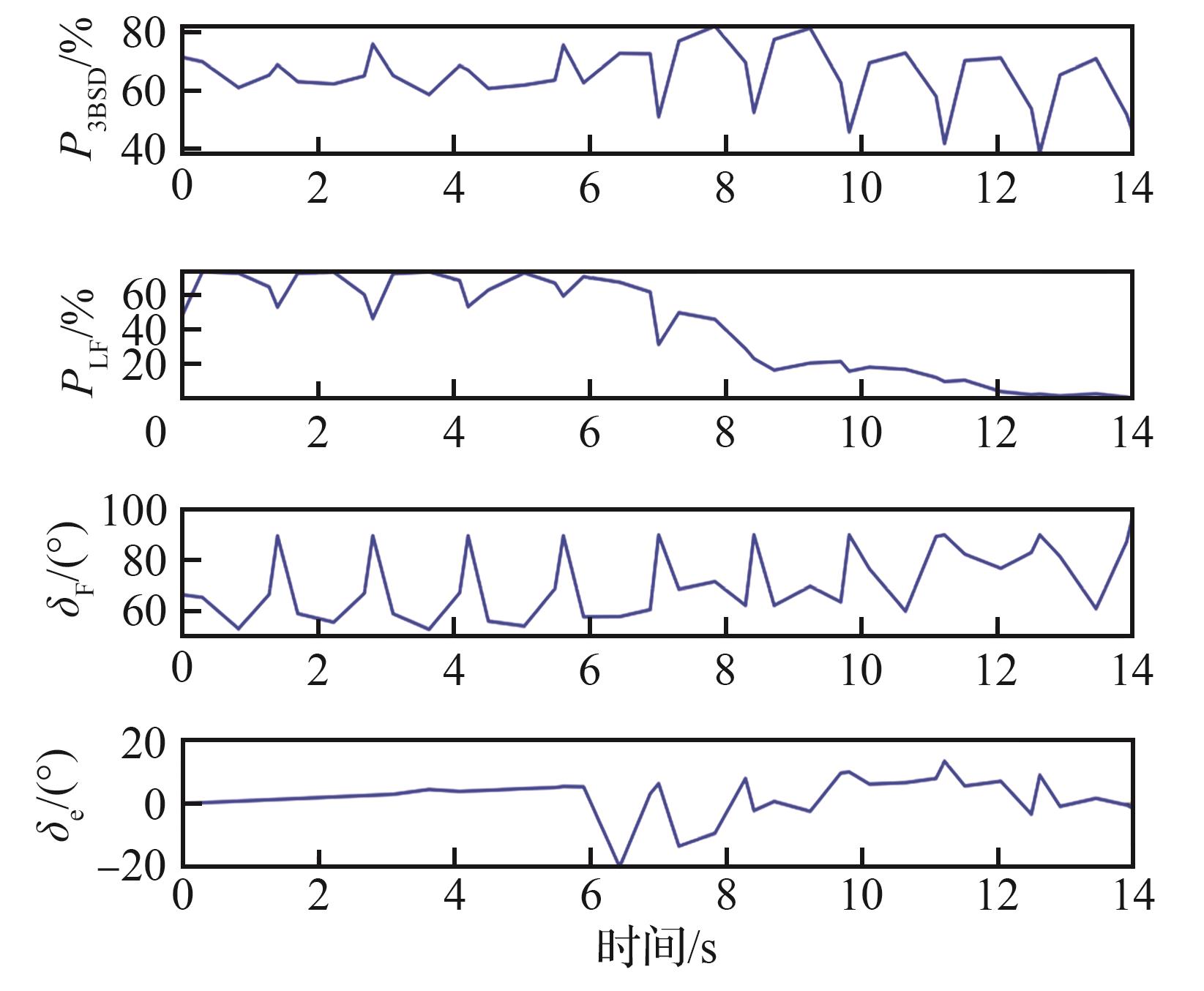
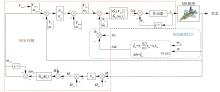
Fig.8
PTDO-INDI control framework diagram
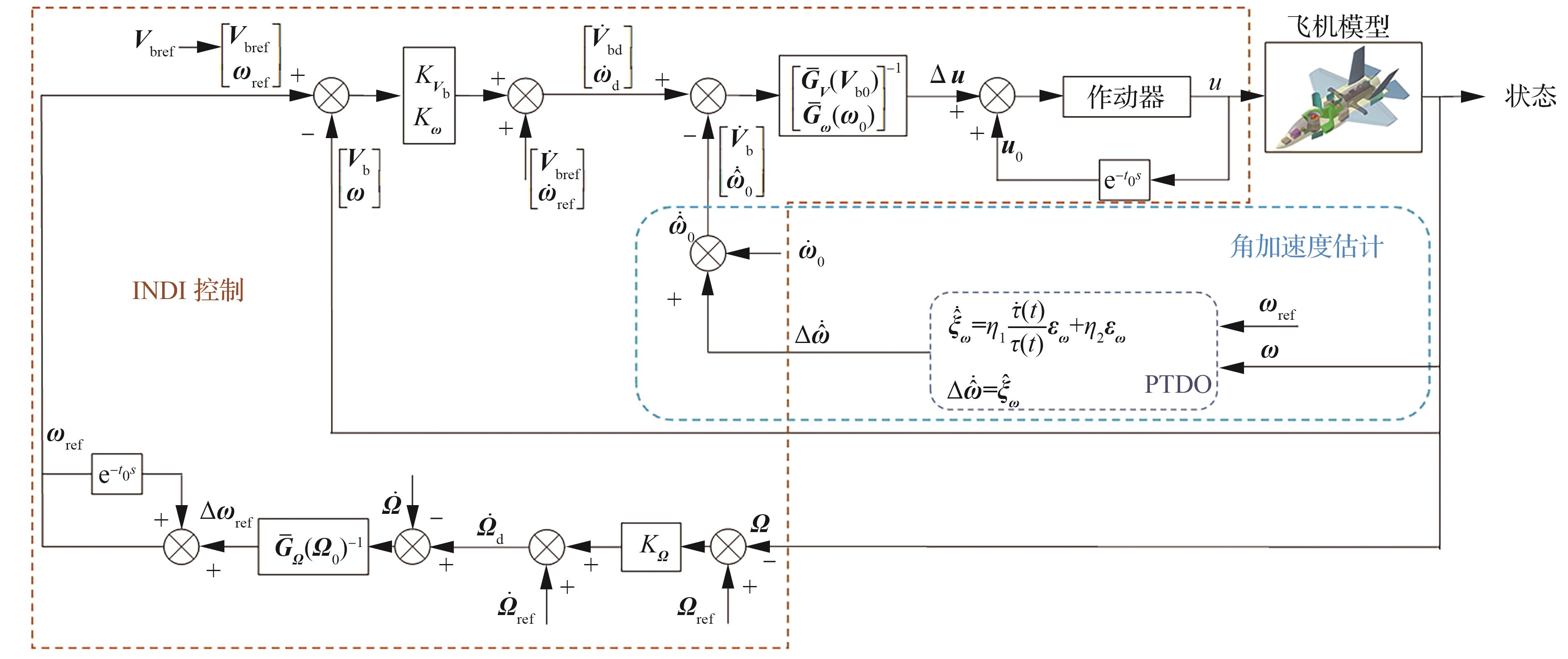
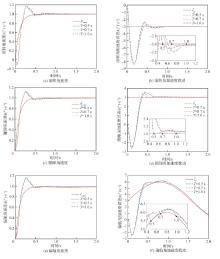
Fig.9
PTDO-INDI angular rate control at different preset time
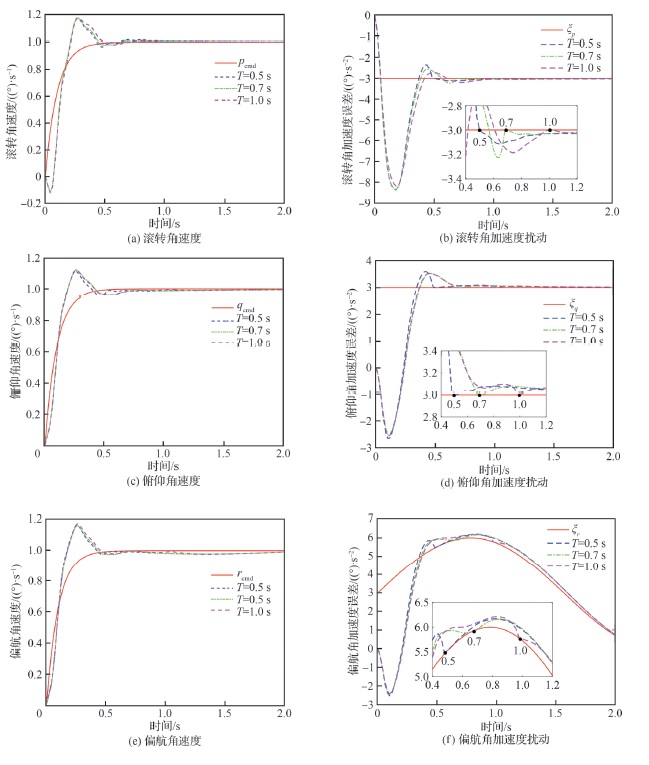
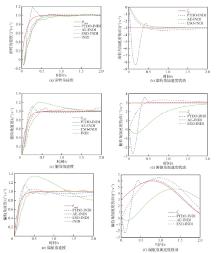
Fig.10
Angular rate control of VTOL carrier aircraft
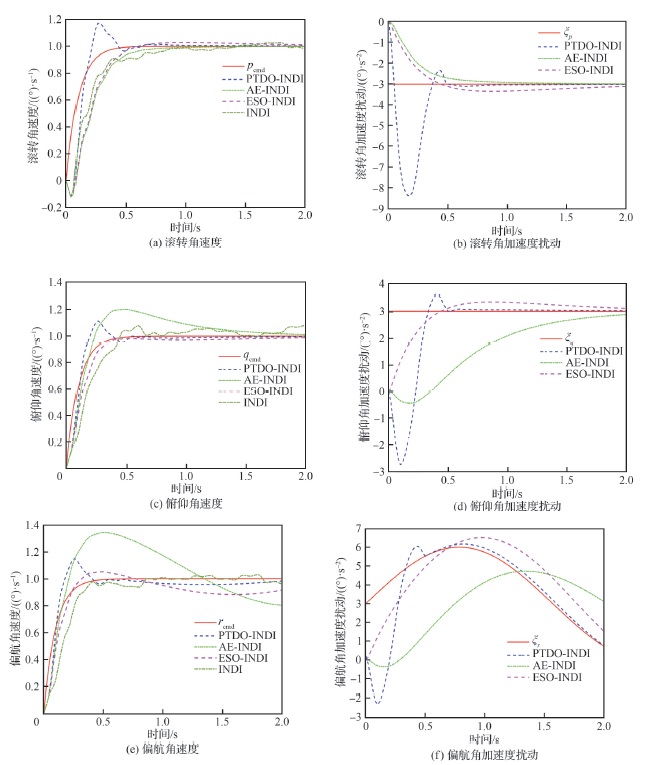
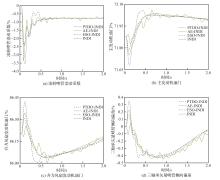
Fig.11
Actuators responses of angular rate control for VTOL carrier aircraft
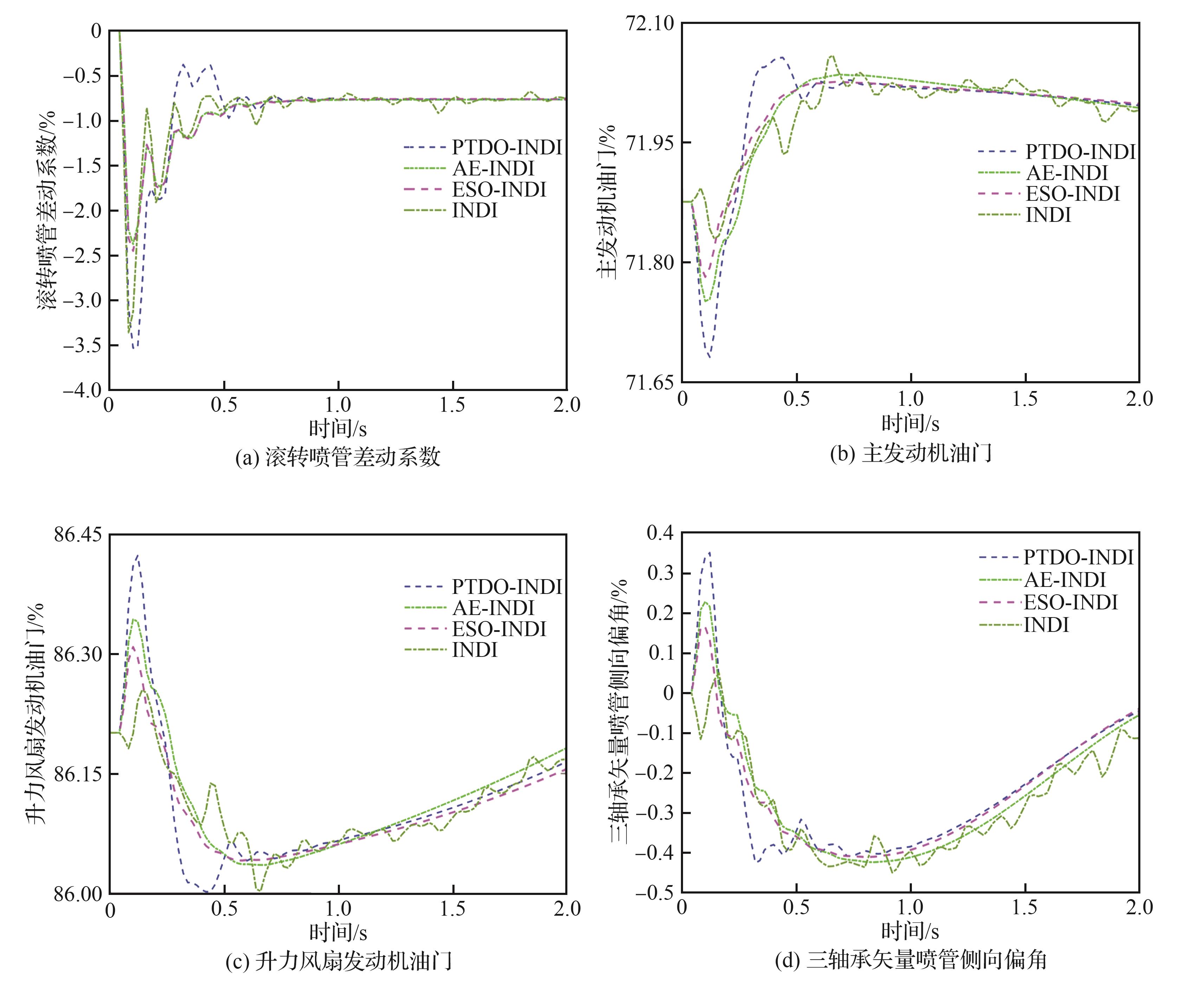
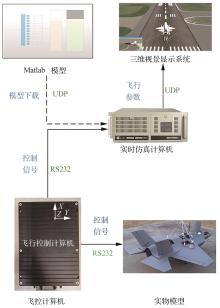
Fig.12
Hardware in loop system communication diagram
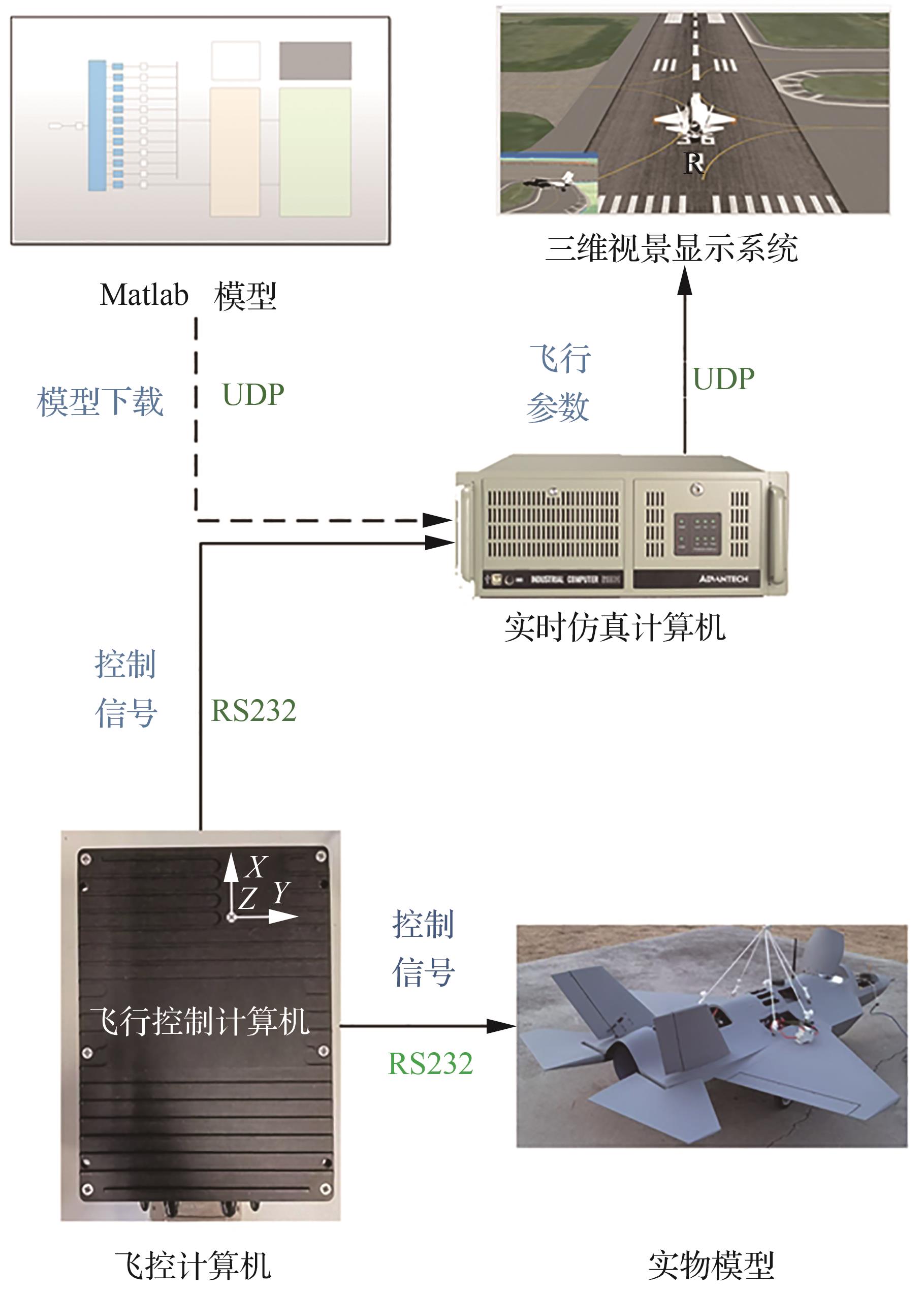
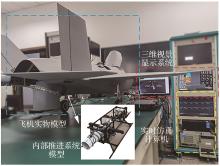
Fig.13
Hardware in loop experimental platform
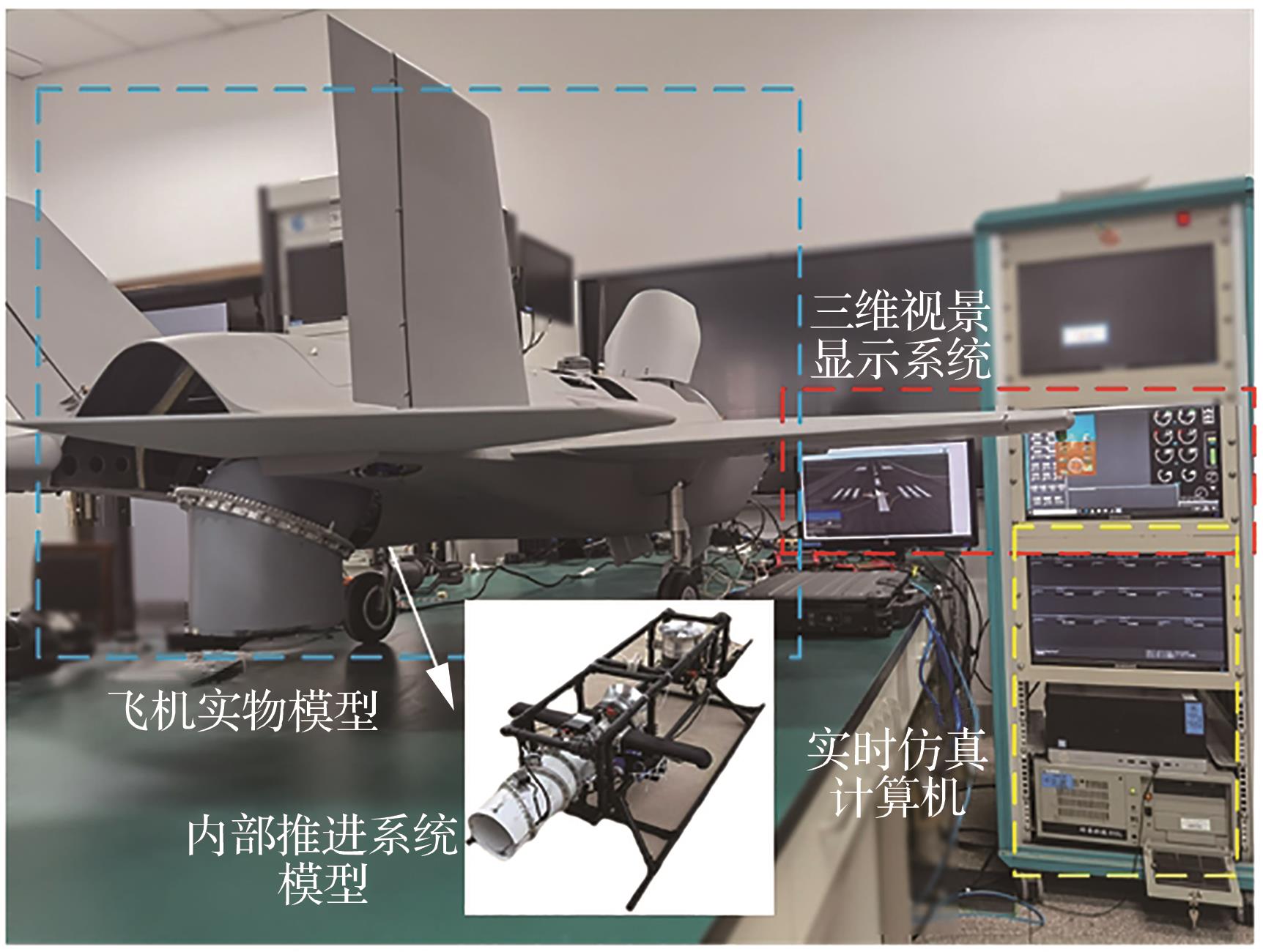
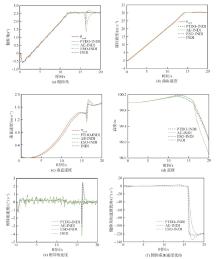
Fig.14
Transition process control of VTOL carrier aircraft
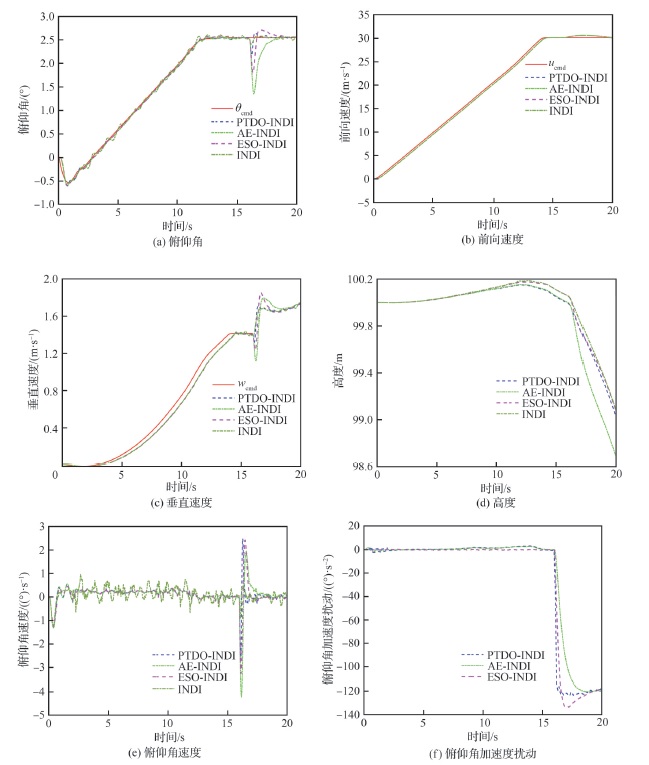
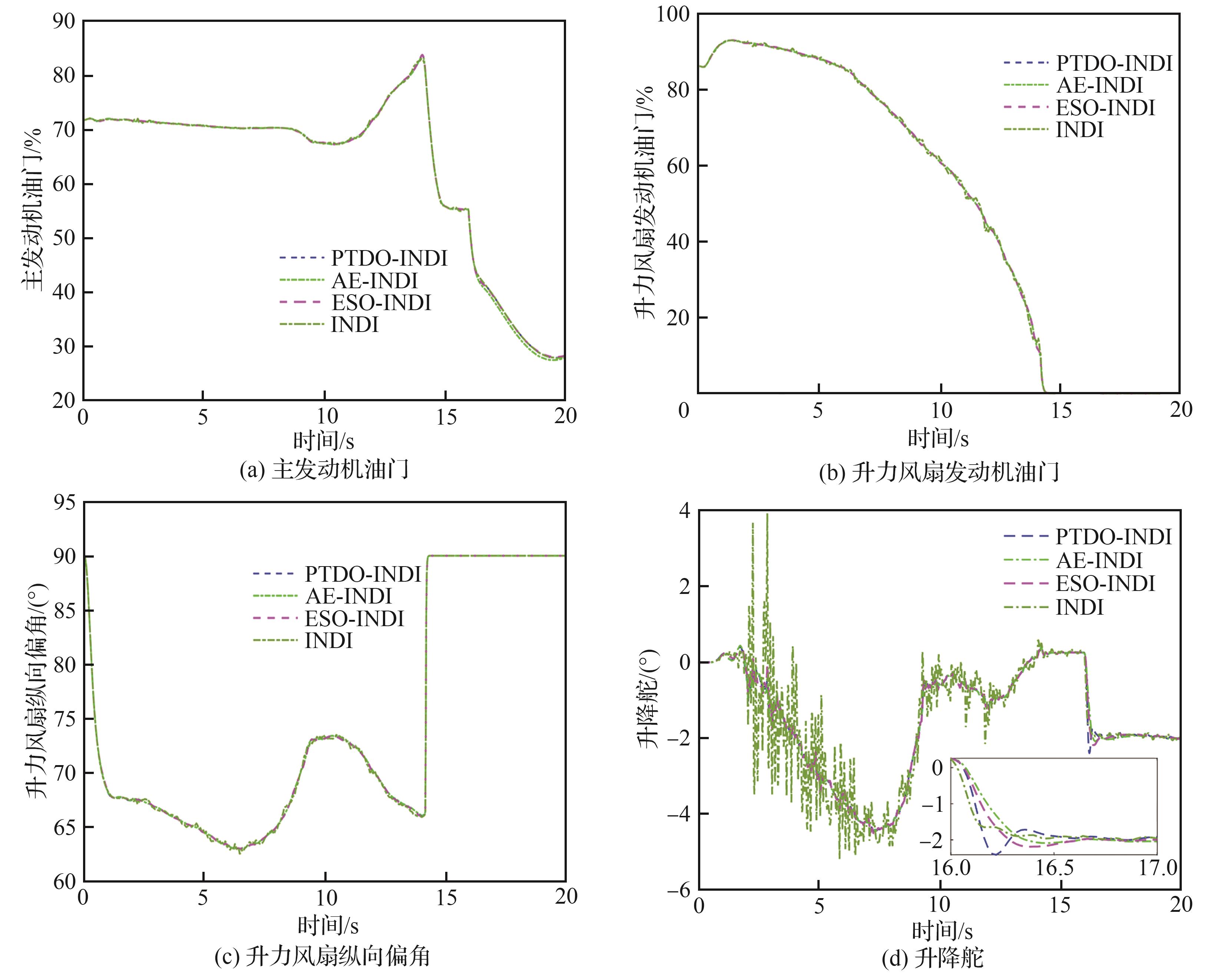
Fig.15
Actuator responses of transition process control for VTOL carrier aircraft
| [1] | ZHAO Y X, TIAN Y, WAN Z Q. Longitudinal aerodynamic characteristics of ducted fan propelled fixed-wing VTOL aircraft hovering in ground effect[J]. Aerospace, 2023, 10(8): 659. |
| [2] | DUCARD G J J, ALLENSPACH M. Review of designs and flight control techniques of hybrid and convertible VTOL UAVs[J]. Aerospace Science and Technology, 2021, 118: 107035. |
| [3] | YU S, HEO J, JEONG S, et al. Technical analysis of VTOL UAV[J]. Journal of Computer and Communications, 2016, 4(15): 92-97. |
| [4] | SIVRIOĞLU S. A landing dynamics analysis model for STOVL aircraft[C]∥2023 10th International Conference on Recent Advances in Air and Space Technologies (RAST). Piscataway: IEEE Press, 2023: 1-7. |
| [5] | TSAI T, LIU T. China rising and the emerging carrier arms race in the Indo-Pacific: Strategic competition and balance of power[J]. The Korean Journal of Defense Analysis, 2023, 35(2): 231-251. |
| [6] | WATSON N A, WHITE M, OWEN I. Modelling the effect of unsteady turbulent wakes on a short take-off and vertical landing (STOVL) aircraft[C]∥AIAA Aviation 2019 Forum. Reston: AIAA, 2019: 3244. |
| [7] | HUANG S, XU J L, YU K K, et al. Design and experimental study of a bypass dual throat nozzle with the ability of short/vertical takeoff and landing[J]. Aerospace Science and Technology, 2022, 121: 107301. |
| [8] | CHEN K, FU J Q, ZHU J C. A research on the short-takeoff performance and flight control of STOVL aircraft[C]∥2018 IEEE CSAA Guidance, Navigation and Control Conference (CGNCC). Piscataway: IEEE Press, 2018: 1-6. |
| [9] | DINIZ B P, DE MOURA PEREIRA D A, DOS SANTOS M, et al. New approach to choosing an aircraft carrier for Brazil from the AHP and WISP multicriteria decision methods[J]. Procedia Computer Science, 2024, 242: 544-551. |
| [10] | 邹旭, 刘贞报, 赵闻, 等. 尾座式垂直起降无人机过渡轨迹优化方法研究[J/OL]. 北京航空航天大学学报, (2023-11-30)[2025-04-24]. . |
| ZOU X, LIU Z B, ZHAO W,et al. Research on optimization method of transition trajectory of tailstock vertical takeoff and landing UAV[J]. Journal of Beijing University of Aeronautics and Astronautics, (2023-11-30)[2025-04-24]. (in Chinese). | |
| [11] | ZHAO H M, WANG B, SHEN Y Y, et al. Development of multimode flight transition strategy for tilt-rotor VTOL UAVs[J]. Drones, 2023, 7(9): 580. |
| [12] | 朱汉, 董睿, 江顺, 等. 复合式高速直升机过渡走廊和最优过渡路线研究[J]. 机械制造与自动化, 2021, 50(1): 188-192. |
| ZHU H, DONG R, JIANG S, et al. Research of composite high-speed helicopter transition corridor and optimal transition route[J]. Machine Building & Automation, 2021, 50(1): 188-192 (in Chinese). | |
| [13] | GONG Z, MAO S C, WANG Z A, et al. Control optimization of small-scale thrust-vectoring vertical/short take-off and landing vehicles in transition phase[J]. Drones, 2022, 6(5): 129. |
| [14] | 程志强, 袁夏明, 王向阳, 等. 基于单步最优方法的推力矢量垂直短距飞机过渡过程控制[J]. 控制与决策, 2020, 35(6): 1338-1344. |
| CHENG Z Q, YUAN X M, WANG X Y, et al. Transition controller design of thrust-vectored vertical and/or short take-off and landing aircraft based on single-step optimal method[J]. Control and Decision, 2020, 35(6): 1338-1344 (in Chinese). | |
| [15] | SOWELL S, TAHERI E. Eclipse-conscious low-thrust trajectory optimization using pseudospectral methods and control smoothing techniques[J]. Journal of Spacecraft and Rockets, 2024, 61(3): 900-907. |
| [16] | TU L H, WANG Y H, YAN C, et al. Optimal transfer orbit design of spacecraft with finite thrust based on Legendre pseudospectral method[J]. Proceedings of the Institution of Mechanical Engineers, Part G: Journal of Aerospace Engineering, 2023, 237(8): 1791-1797. |
| [17] | 杨希祥, 杨慧欣, 王鹏. 伪谱法及其在飞行器轨迹优化设计领域的应用综述[J]. 国防科技大学学报, 2015, 37(4): 1-8. |
| YANG X X, YANG H X, WANG P. Overview of pseudo-spectral method and its application in trajectory optimum design for flight vehicles[J]. Journal of National University of Defense Technology, 2015, 37(4): 1-8 (in Chinese). | |
| [18] | 唐湘佶, 李兆亭, 张洪波. 采用滚动伪谱优化的组合动力飞行器上升段制导方法[J]. 弹道学报, 2021, 33(4):1-8. |
| TANG X J, LI Z T, ZHANG H. Ascent guidance method for combined-cycle vehicle based on receding horizon pseudo-spectral optimization[J]. Journal of Ballistics. 2021, 33(4):1-8 (in Chinese). | |
| [19] | NALDI R, MARCONI L. Robust control of transition maneuvers for a class of V/STOL aircraft[J]. Automatica, 2013, 49(6): 1693-1704. |
| [20] | AGUILAR-IBAÑEZ C, SUAREZ-CASTANON M S, MENDOZA-MENDOZA J, et al. Output-feedback stabilization of the PVTOL aircraft system based on an exact differentiator[J]. Journal of Intelligent & Robotic Systems, 2018, 90(3): 443-454. |
| [21] | 高阳, 吴文海, 嵇绍康, 等. 基于高阶LADRC的V/STOL飞机悬停/平移模式鲁棒协调解耦控制[J]. 北京航空航天大学学报, 2019, 45(9): 1812-1823. |
| GAO Y, WU W H, JI S K, et al. High-order LADRC based robust coordinated decoupling control for V/STOL aircraft in hover/translation mode[J]. Journal of Beijing University of Aeronautics and Astronautics, 2019, 45(9): 1812-1823 (in Chinese). | |
| [22] | 龚正, 李沛晋, 王子安, 等. 推力矢量型V/STOL飞行器短距降落控制策略设计[J]. 航空动力学报, 2023, 38(8): 1875-1888. |
| GONG Z, LI P J, WANG Z A, et al. Design of short landing control strategy for thrust-vectored V/STOL aircraft[J]. Journal of Aerospace Power, 2023, 38(8): 1875-1888 (in Chinese). | |
| [23] | ZHOU Z, WANG Z A, GONG Z, et al. Design of thrust vectoring vertical/short takeoff and landing aircraft stability augmentation controller based on L1 adaptive control law[J]. Symmetry, 2022, 14(9): 1837. |
| [24] | 刘亮, 陶呈纲, 薛艺璇, 等. 基于增量动态逆的V/STOL飞机悬停段控制[J]. 飞行力学, 2022, 40(4): 27-33. |
| LIU L, TAO C G, XUE Y X, et al. INDI based flight control for V/STOL aircraft in hover mode[J]. Flight Dynamics, 2022, 40(4): 27-33 (in Chinese). | |
| [25] | ZHU Q, LYU Y X, HUANG S, et al. Thrust vector V/STOL aircraft control based on angular acceleration estimation[J]. Aerospace Science and Technology, 2024, 149: 109132. |
| [26] | 高少婷. 基于ESO的小型飞行器增量动态逆控制律设计[J]. 弹箭与制导学报, 2021, 41(1): 24-27. |
| GAO S T. Design of incremental dynamic inverse control law for small aircraft based on ESO[J]. Journal of Projectiles, Rockets, Missiles and Guidance, 2021, 41(1): 24-27 (in Chinese). | |
| [27] | YANG J L, ZHU J H. An angular acceleration estimation method based on the complementary filter theory[C]∥2016 IEEE International Instrumentation and Measurement Technology Conference Proceedings. Piscataway: IEEE Press, 2016: 1-6. |
| [28] | LI Y, LIU X X, LU P, et al. Angular acceleration estimation-based incremental nonlinear dynamic inversion for robust flight control[J]. Control Engineering Practice, 2021, 117: 104938. |
| [29] | SONG Y D, YE H F, LEWIS F L. Prescribed-time control and its latest developments[J]. IEEE Transactions on Systems, Man, and Cybernetics: Systems, 2023, 53(7): 4102-4116. |
| [30] | 吴慈航, 闫建国, 钱先云, 等. 受油机指定时间姿态稳定控制[J]. 航空学报, 2022, 43(2): 324996. |
| WU C H, YAN J G, QIAN X Y, et al. Predefined-time attitude stabilization control of receiver aircraft[J]. Acta Aeronautica et Astronautica Sinica, 2022, 43(2): 324996 (in Chinese). | |
| [31] | LI Y, WEN C Y, LIU X X, et al. Prescribed-time fault-tolerant flight control for aircraft subject to structural damage[J]. IEEE Transactions on Aerospace and Electronic Systems, 2025, 61(2): 1848-1859. |
| [32] | ZIPFEL P H. Modeling and simulation of aerospace vehicle dynamics[M]. Reston: AIAA, 2000. |
| [33] | 王泽豪. 推力矢量垂直起降飞行器建模与控制方法研究[D]. 西安: 西北工业大学, 2024: 67-78. |
| WANG Z H. Research on modeling and control method of thrust vector VTOL aircraft[D]. Xi’an: Northwestern Polytechnical University, 2024: 67-78 (in Chinese). | |
| [34] | CHENG Y X, ZHOU Z, WANG K L. Research on transition corridor boundary of distributed propulsion VTOL fixed wing[J]. Journal of Northwestern Polytechnical University, 2022, 40(6): 1195-1203. |
| [35] | FAN Y R, WANG X H, HU Z, et al. Nonlinear modeling and transition corridor calculation of a tiltrotor without cyclic pitch[J]. MATEC Web of Conferences, 2022, 355: 01022. |
| [36] | YANG X H, DENG X F, TAO L, et al. Neuroadaptive dynamic surface asymptotic tracking control of a VTOL aircraft with unknown dynamics and external disturbances[J]. Mathematics, 2023, 11(12): 2725. |
| [37] | 樊有容, 王皓, 杨乐, 等. 基于过渡走廊的倾转旋翼无人机纵向控制研究[J]. 飞行力学, 2022, 40(2): 61-66, 73. |
| FAN Y R, WANG H, YANG L, et al. Research on longitudinal control of tilt-rotor UAV based on transition corridor[J]. Flight Dynamics, 2022, 40(2): 61-66, 73 (in Chinese). | |
| [38] | KULHÁNEK R, VRCHOTA P, HOSPODÁŘ P. Aerodynamic modelling of a tilt-wing transition corridor[J]. Journal of Physics: Conference Series, 2023, 2526(1): 012001. |
| [39] | GARG D, PATTERSON M A, FRANCOLIN C, et al. Direct trajectory optimization and costate estimation offinite-horizon and infinite-horizon optimal control problems using a Radau pseudospectral method[J]. Computational Optimization and Applications, 2011, 49(2): 335-358. |
| [40] | DARBY C L, HAGER W W, RAO A V. An hp-adaptive pseudospectral method for solving optimal control problems[J]. Optimal Control Applications and Methods, 2011, 32(4): 476-502. |
| [41] | ZHANG Z T, ZHANG Y K, WANG B. Application of the hp-adaptive pseudospectral method in spacecraft orbit pursuit-evasion game[J]. Advances in Space Research, 2024, 73(3): 1597-1610. |
| [42] | SIEBERLING S, CHU Q P, MULDER J A. Robust flight control using incremental nonlinear dynamic inversion and angular acceleration prediction[J]. Journal of Guidance, Control, and Dynamics, 2010, 33(6): 1732-1742. |
| [43] | CORDEIRO R A, AZINHEIRA J R, MOUTINHO A. Robustness of incremental backstepping flight controllers: The boeing 747 case study[J]. IEEE Transactions on Aerospace and Electronic Systems, 2021, 57(5): 3492-3505. |
| [44] | 黄山, 史静平, 朱奇, 等. 翼面损伤飞机预设时间增量反步容错控制[J/OL]. 航空学报, (2025-01-07)[2025-04-24]. . |
| HUANG S, SHI J P, ZHU Q, et al. Back-step fault-tolerant control of aircraft with wing damage by preset time increment[J/OL]. Acta Aeronautica et Astronautica Sinica. (2025-01-07)[2025-04-24]. (in Chinese). | |
| [45] | CHEN H L, WANG P, TANG G J. Prescribed-time control for hypersonic morphing vehicles with state error constraints and uncertainties[J]. Aerospace Science and Technology, 2023, 142: 108671. |
| [46] | 李煜, 陈通文, 王志刚, 等. 基于预定义时间的直接升力着舰增量控制研究[J]. 航空学报, 2025, 46(13): 531163. |
| LI Y, CHEN T W, WANG Z G, et al. Research on incremental control of direct lift landing based on predefined time[J].Acta Aeronautica et Astronautica Sinica, 2025, 46(13): 531163 (in Chinese). |
| [1] | Shuangxi LIU, Zehuai LIN, Wei LIU, Binbin YAN, Wei HUANG. Transition mode control scheme of tilt rotor UAV based on INDI [J]. Acta Aeronautica et Astronautica Sinica, 2024, 45(17): 529685-529685. |
| Viewed | ||||||
|
Full text |
|
|||||
|
Abstract |
|
|||||
Address: No.238, Baiyan Buiding, Beisihuan Zhonglu Road, Haidian District, Beijing, China
Postal code : 100083
E-mail:hkxb@buaa.edu.cn
Total visits: 6658907 Today visits: 1341All copyright © editorial office of Chinese Journal of Aeronautics
All copyright © editorial office of Chinese Journal of Aeronautics
Total visits: 6658907 Today visits: 1341

 CJA
CJA
